
Tested Applications
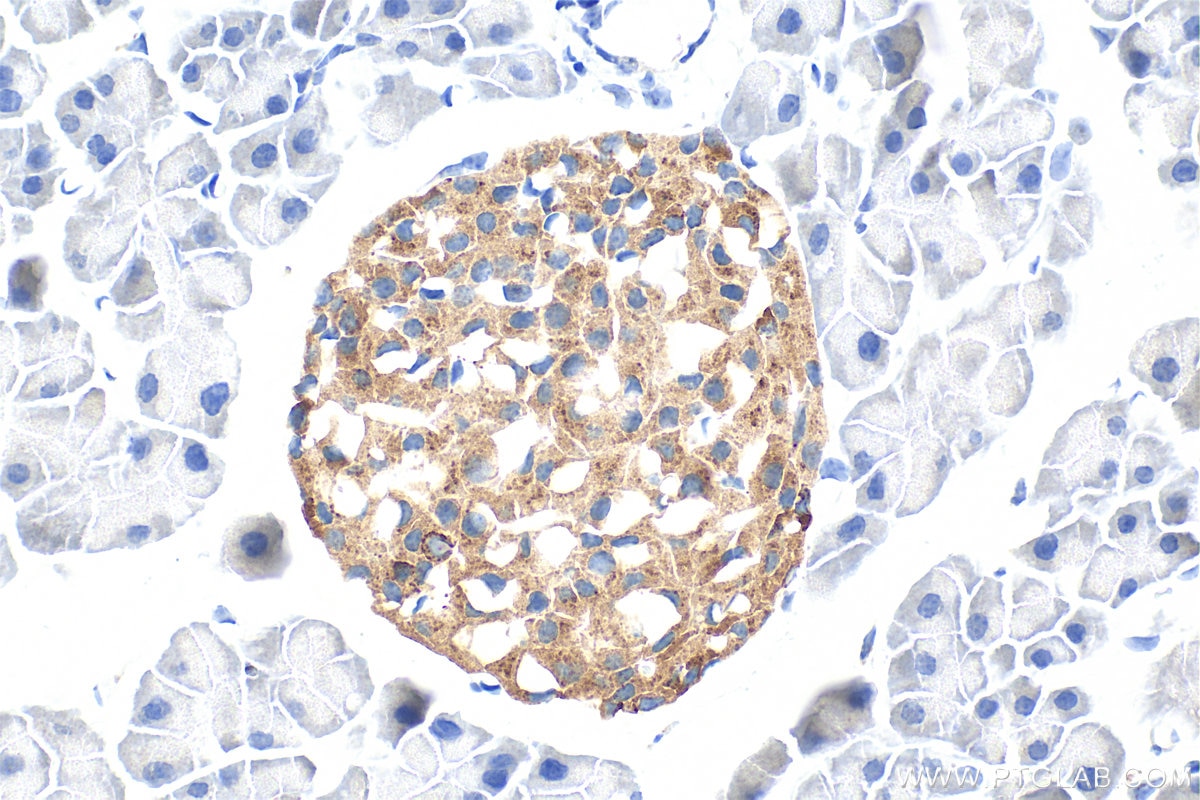
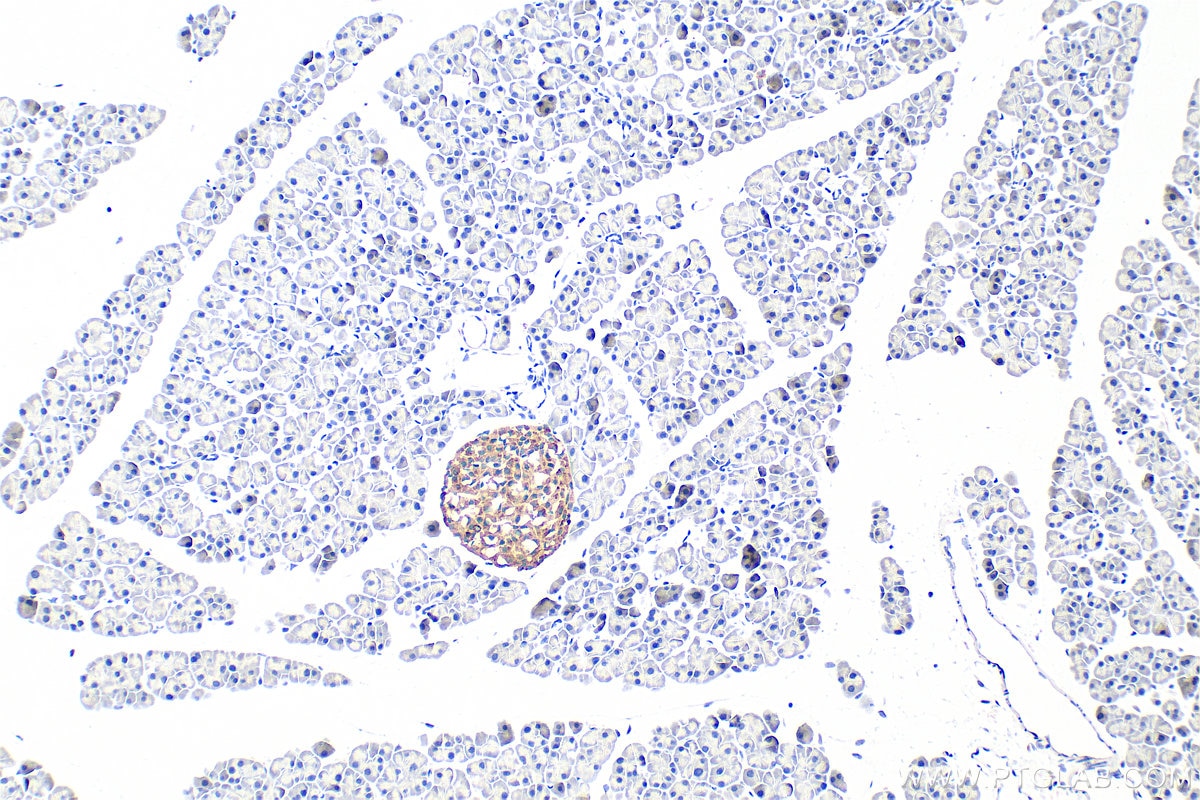
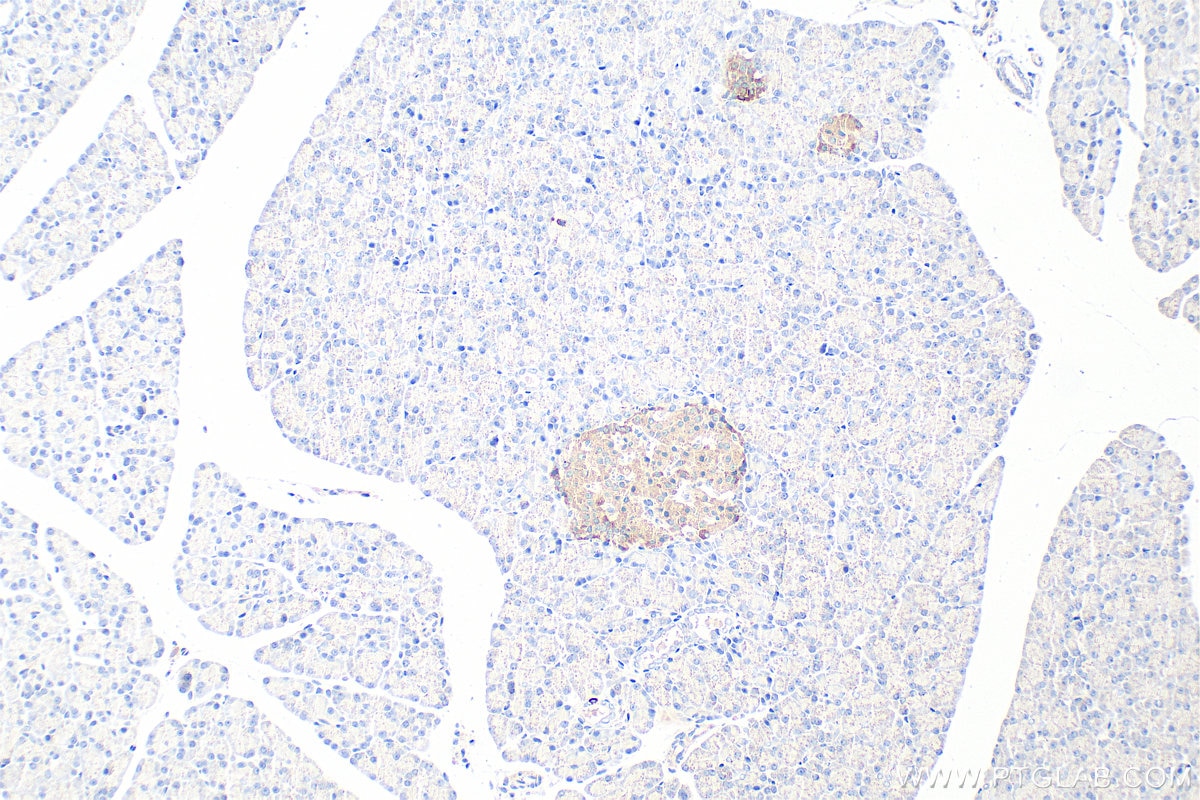
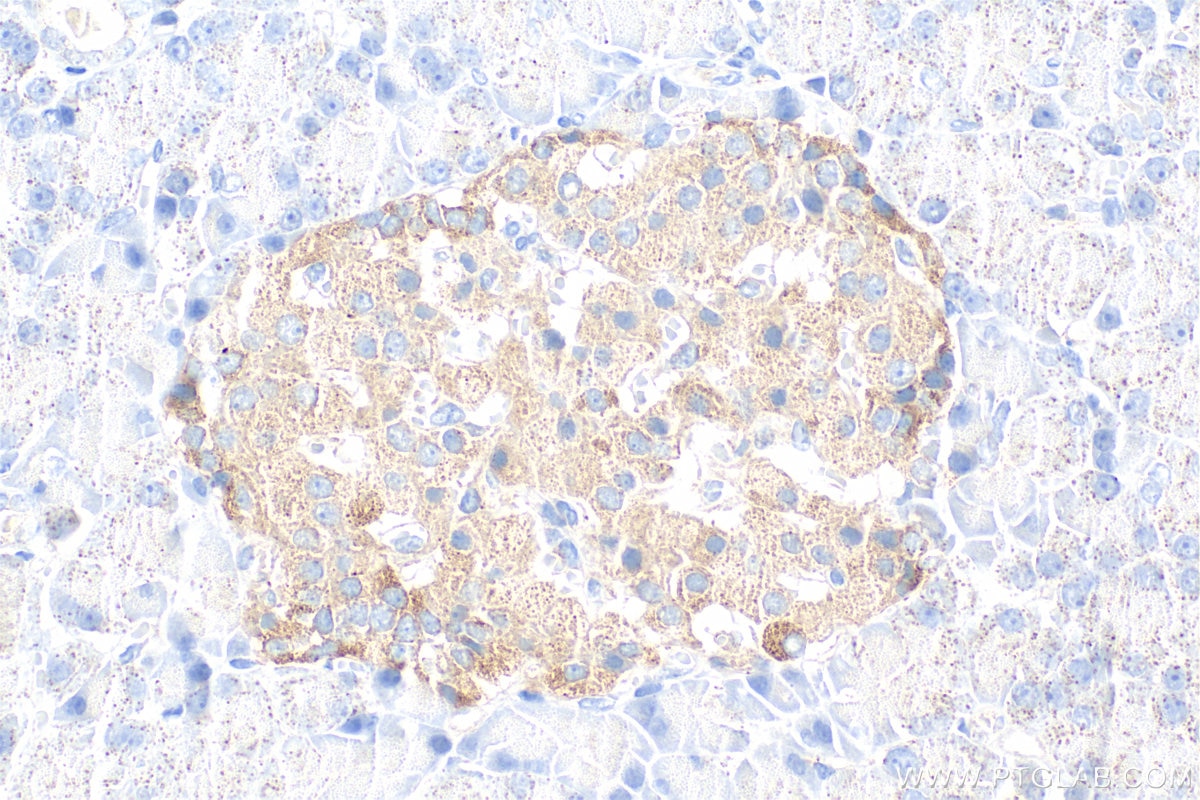
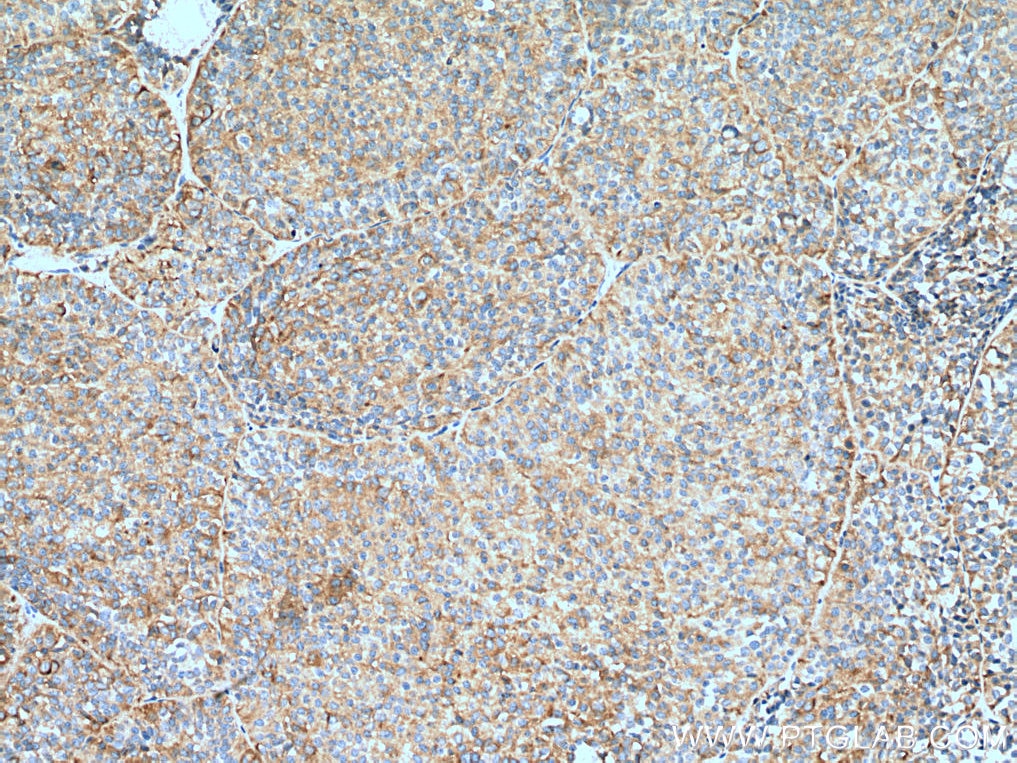
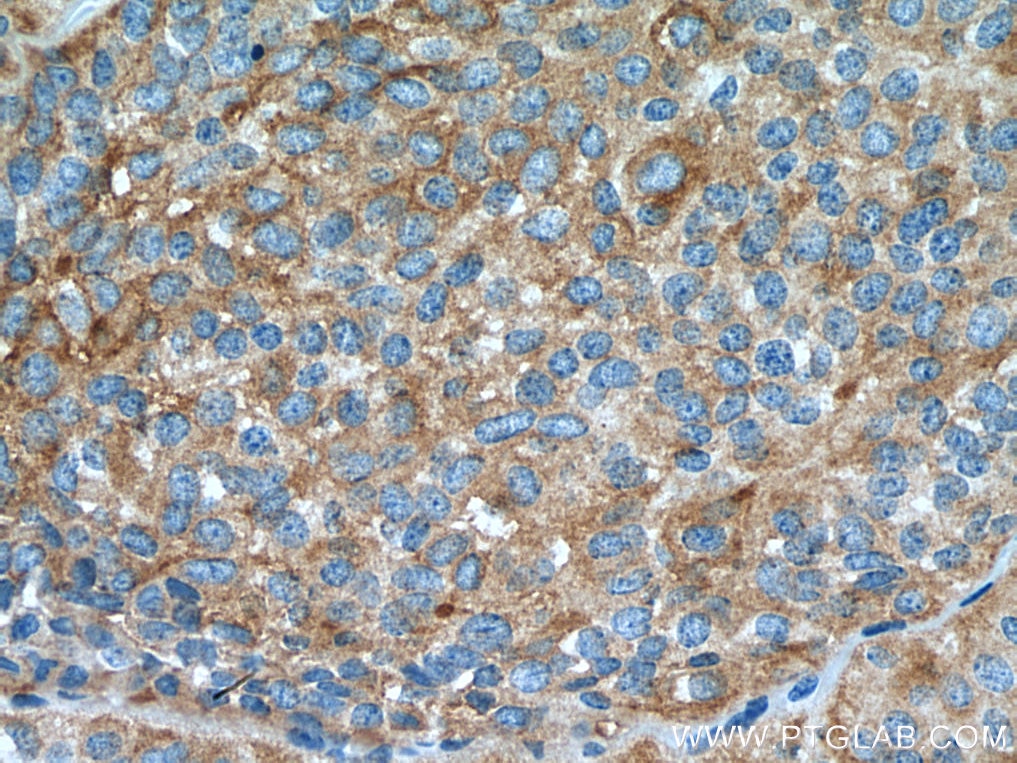
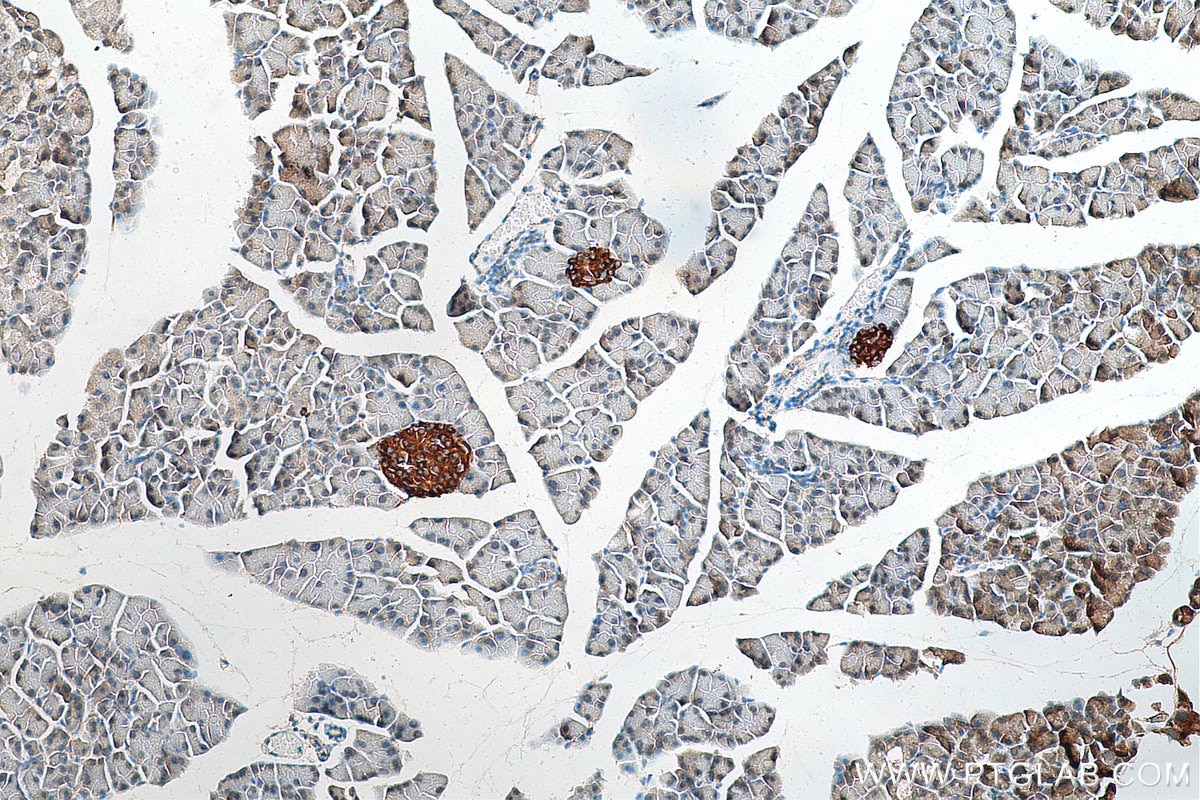
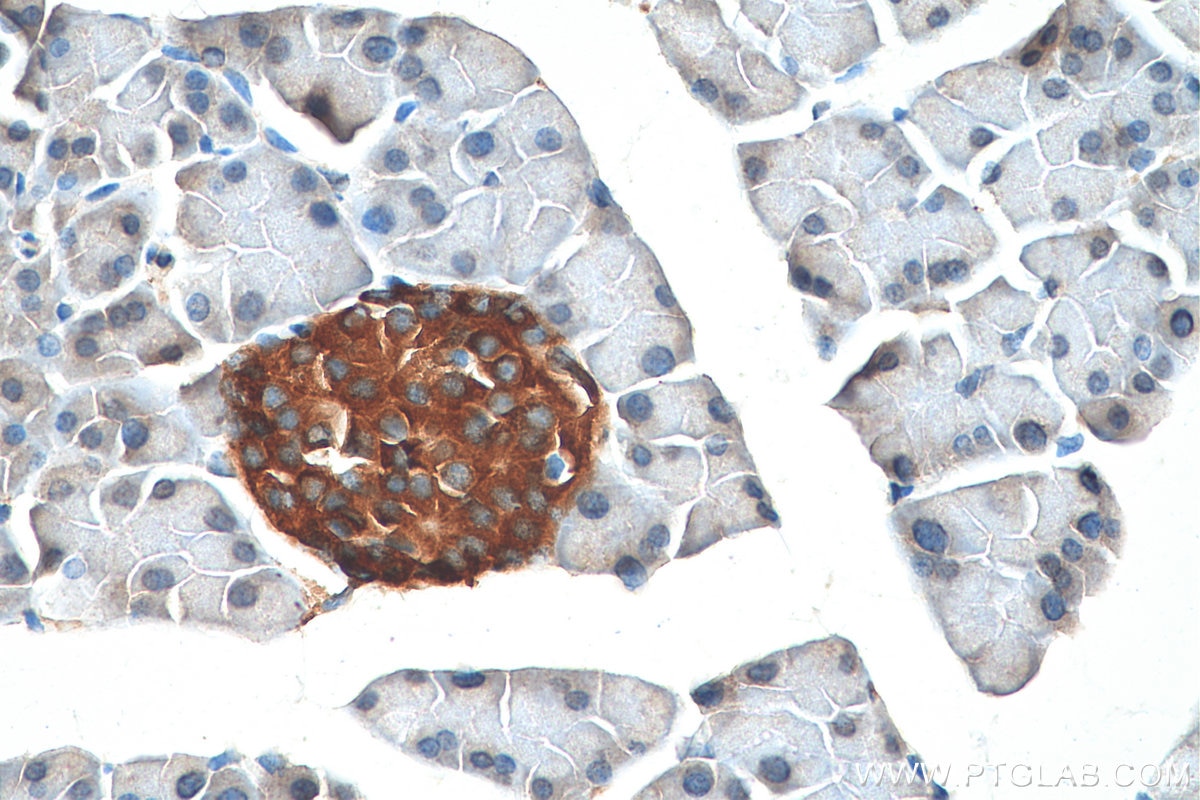
| Positive IHC detected in | mouse pancreas tissue, human pituitary adenoma tissue, rat pancreas tissue Note: suggested antigen retrieval with TE buffer pH 9.0; (*) Alternatively, antigen retrieval may be performed with citrate buffer pH 6.0 |
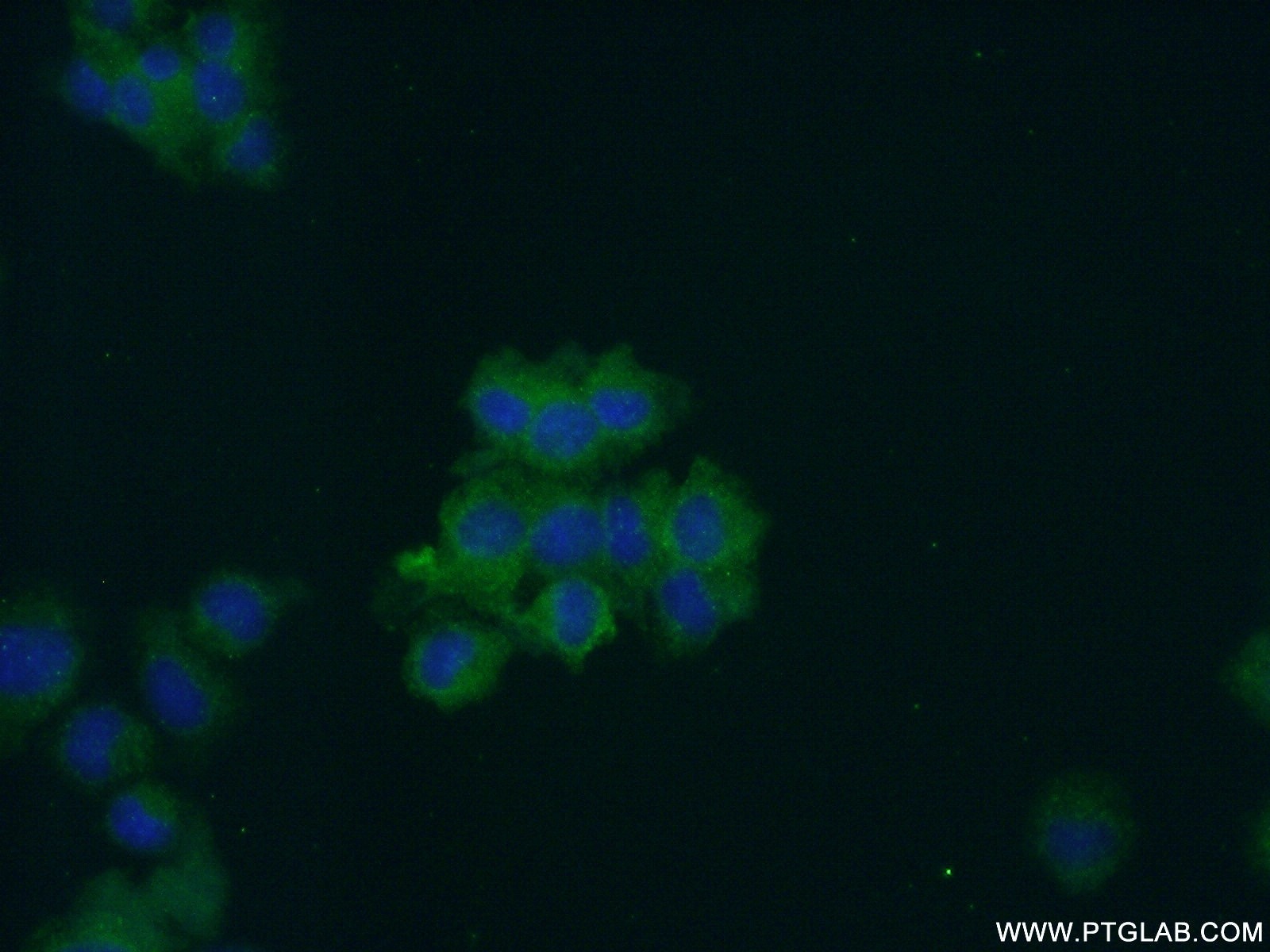
| Positive IF/ICC detected in | PC-12 cells |
Recommended dilution
| Application | Dilution |
|---|---|
| Immunohistochemistry (IHC) | IHC : 1:500-1:2000 |
| Immunofluorescence (IF)/ICC | IF/ICC : 1:50-1:500 |
| It is recommended that this reagent should be titrated in each testing system to obtain optimal results. | |
| Sample-dependent, Check data in validation data gallery. | |
Published Applications
| KD/KO | See 2 publications below |
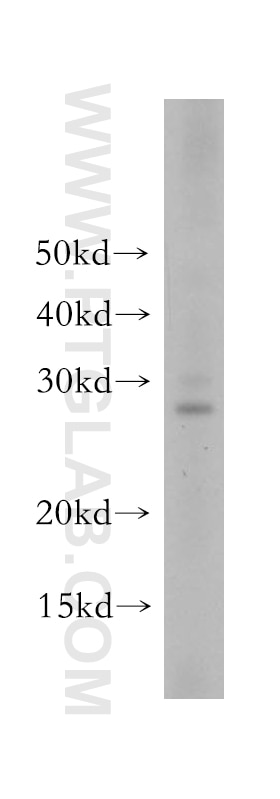
| WB | See 5 publications below |
| IHC | See 2 publications below |
| IF | See 2 publications below |
Product Information
10761-1-AP targets Secretogranin V in WB, IHC, IF/ICC, ELISA applications and shows reactivity with human, mouse, rat samples.
| Tested Reactivity | human, mouse, rat |
| Cited Reactivity | human, mouse |
| Host / Isotype | Rabbit / IgG |
| Class | Polyclonal |
| Type | Antibody |
| Immunogen |
CatNo: Ag1107 Product name: Recombinant human SCG5 protein Source: e coli.-derived, PGEX-4T Tag: GST Domain: 1-212 aa of BC005349 Sequence: MVSRMVSTMLSGLLFWLASGWTPAFAYSPRTPDRVSEADIQRLLHGVMEQLGIARPRVEYPAHQAMNLVGPQSIEGGAHEGLQHLGPFGNIPNIVAELTGDNIPKDFSEDQGYPDPPNPCPVGKTADDGCLENTPDTAEFSREFQLHQHLSDPEHDYPGLGKWNKKLLYEKMKGGERRKRRSVNPYLQGQRLDNVVAKKSVPHFSDEDKDPE Predict reactive species |
| Full Name | secretogranin V (7B2 protein) |
| Calculated Molecular Weight | 24 kDa |
| GenBank Accession Number | BC005349 |
| Gene Symbol | Secretogranin V |
| Gene ID (NCBI) | 6447 |
| RRID | AB_2183280 |
| Conjugate | Unconjugated |
| Form | Liquid |
| Purification Method | Antigen affinity purification |
| UNIPROT ID | P05408 |
| Storage Buffer | PBS with 0.02% sodium azide and 50% glycerol, pH 7.3. |
| Storage Conditions | Store at -20°C. Stable for one year after shipment. Aliquoting is unnecessary for -20oC storage. 20ul sizes contain 0.1% BSA. |
Background Information
Secretogranin V (also known as SCG5, 7B2, or SGNE1) is a member of the granin family of acidic secretory proteins that plays an essential regulatory role in the neuroendocrine system. Its primary function is to act as both a chaperone and a specific inhibitor of prohormone convertase 2 (PC2), a key enzyme responsible for processing prohormones into bioactive hormones and neuropeptides. Secretogranin V facilitates the proper folding and transport of proPC2 through the secretory pathway and subsequently inhibits the enzymatic activity of mature PC2 to ensure precise hormone activation. In terms of expression, SCG5 is predominantly found in neuroendocrine tissues, including the pituitary gland, pancreas, adrenal medulla, and distinct regions of the central nervous system such as the cerebral cortex and cerebellum. Dysregulation of Secretogranin V has been linked to several human diseases, including diabetes, Cushing's disease, and certain neuroendocrine tumors, highlighting its clinical significance in hormone homeostasis
Protocols
| Product Specific Protocols | |
|---|---|
| IF protocol for Secretogranin V antibody 10761-1-AP | Download protocol |
| IHC protocol for Secretogranin V antibody 10761-1-AP | Download protocol |
| WB protocol for Secretogranin V antibody 10761-1-AP | Download protocol |
| Standard Protocols | |
|---|---|
| Click here to view our Standard Protocols |
Publications
| Species | Application | Title |
|---|---|---|
Oncotarget Bromodomain protein BRD4 inhibitor JQ1 regulates potential prognostic molecules in advanced renal cell carcinoma. | ||
Am J Cancer Res The role of LRRC15-SCG5 in ECM protein binding as a prognostic signature for urothelial carcinoma
| ||
Dis Esophagus Expression profile and function of secretogranin V, and its effects on the malignant behavior of esophageal squamous cell carcinoma
| ||
Sci Rep The potential of secretogranin V as a prognostic biomarker in non-small cell lung cancer | ||
Diabetologia Transcriptomic heterogeneity of non-beta islet cells is associated with type 2 diabetes development in mouse models | ||
Aging (Albany NY) Plumbagin has an inhibitory effect on the growth of TSCC PDX model and it enhances the anticancer efficacy of cisplatin |

