

Tested Applications
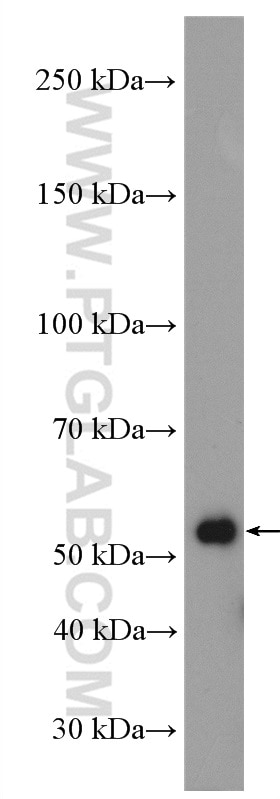
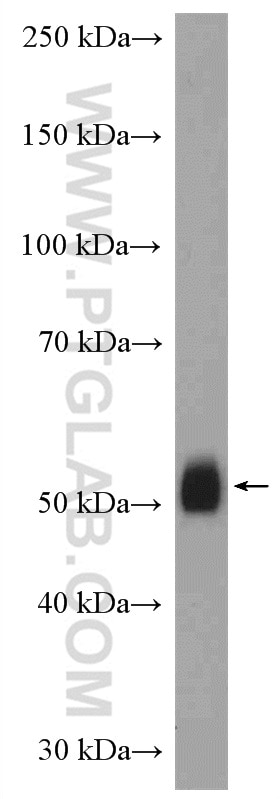
| Positive WB detected in | mouse brain tissue |
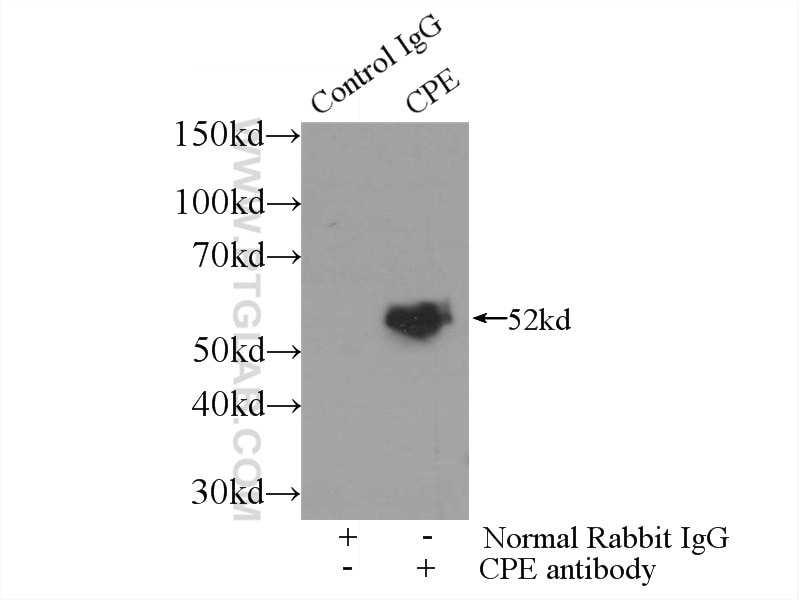
| Positive IP detected in | mouse brain tissue |
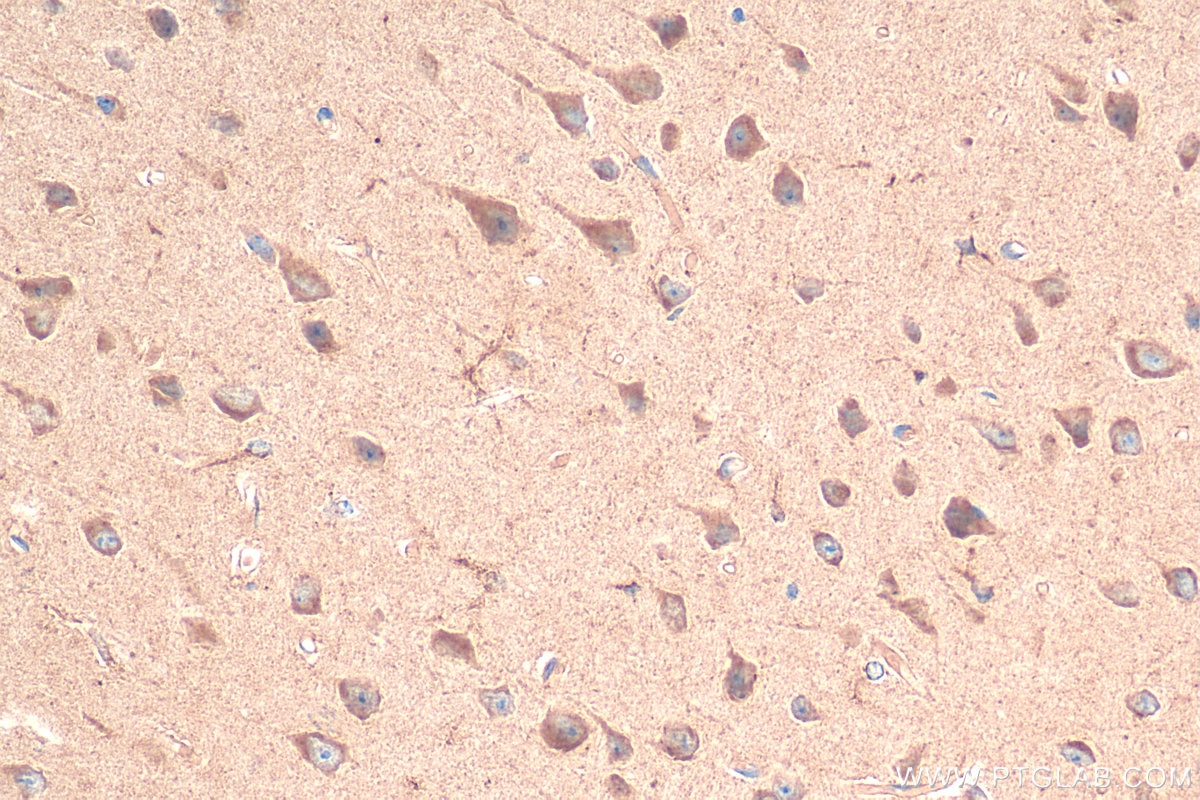
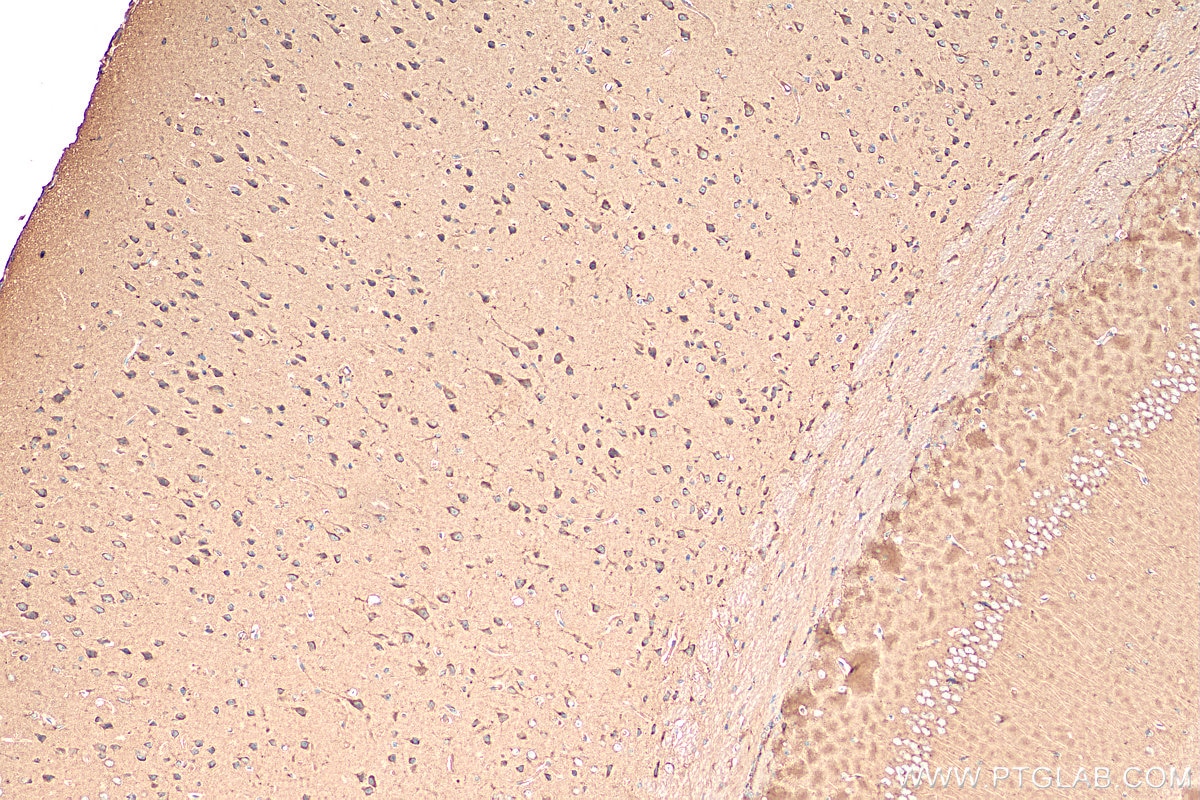
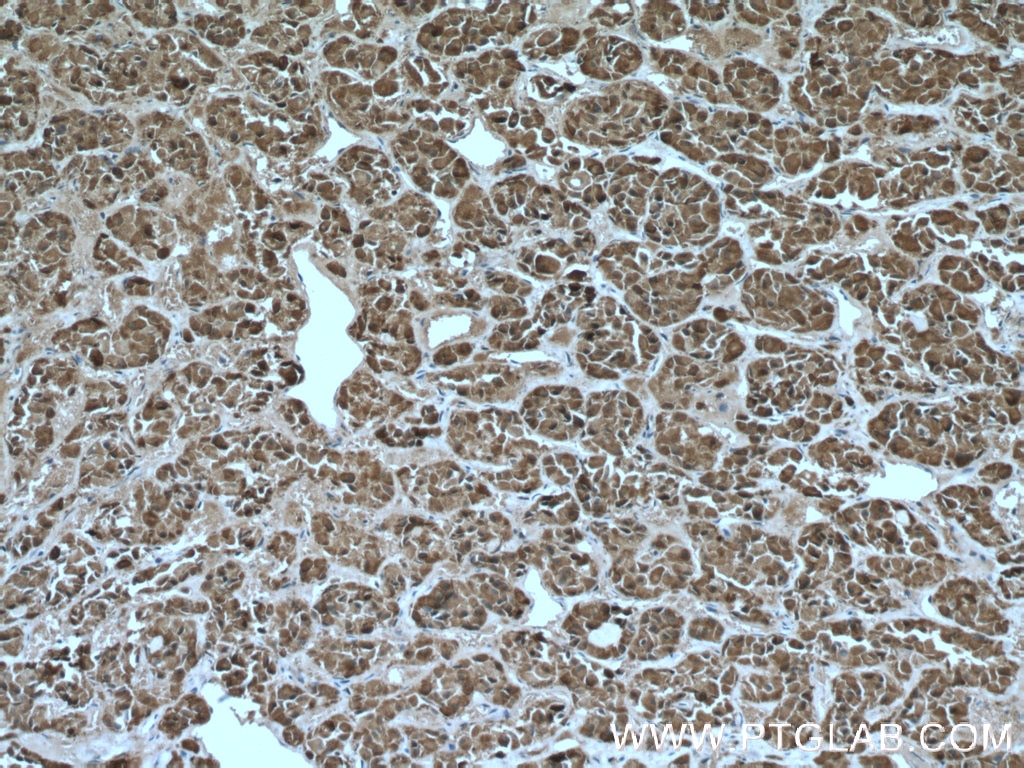
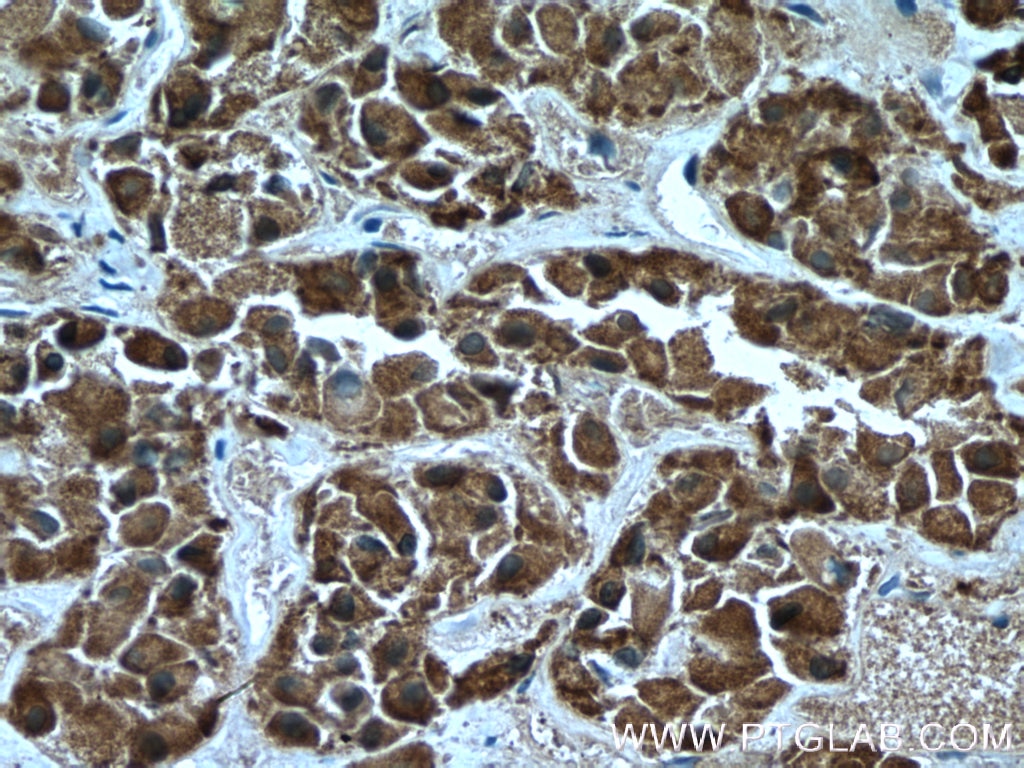
| Positive IHC detected in | mouse brain tissue, human pituitary tissue, rat brain tissue Note: suggested antigen retrieval with TE buffer pH 9.0; (*) Alternatively, antigen retrieval may be performed with citrate buffer pH 6.0 |
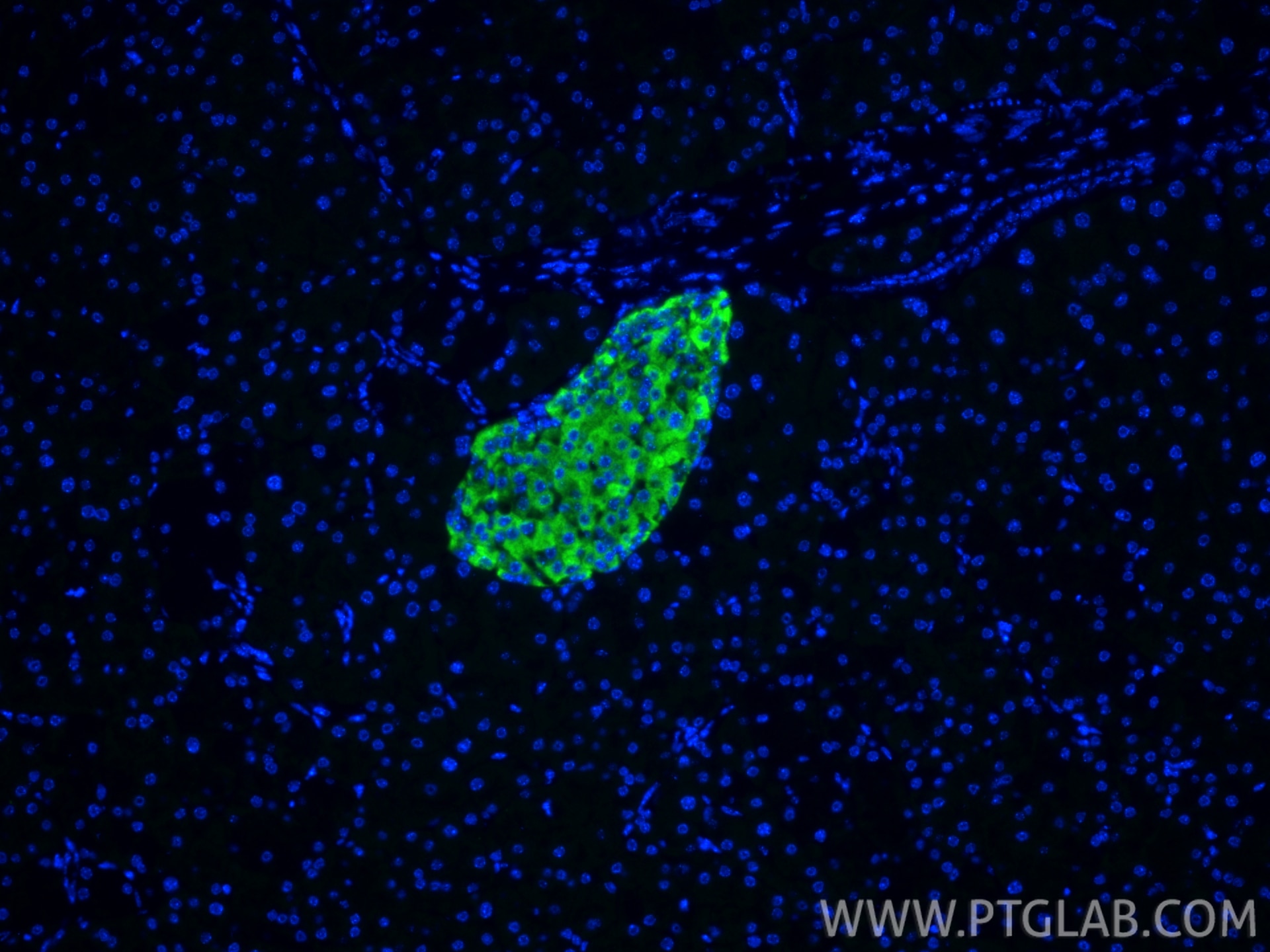
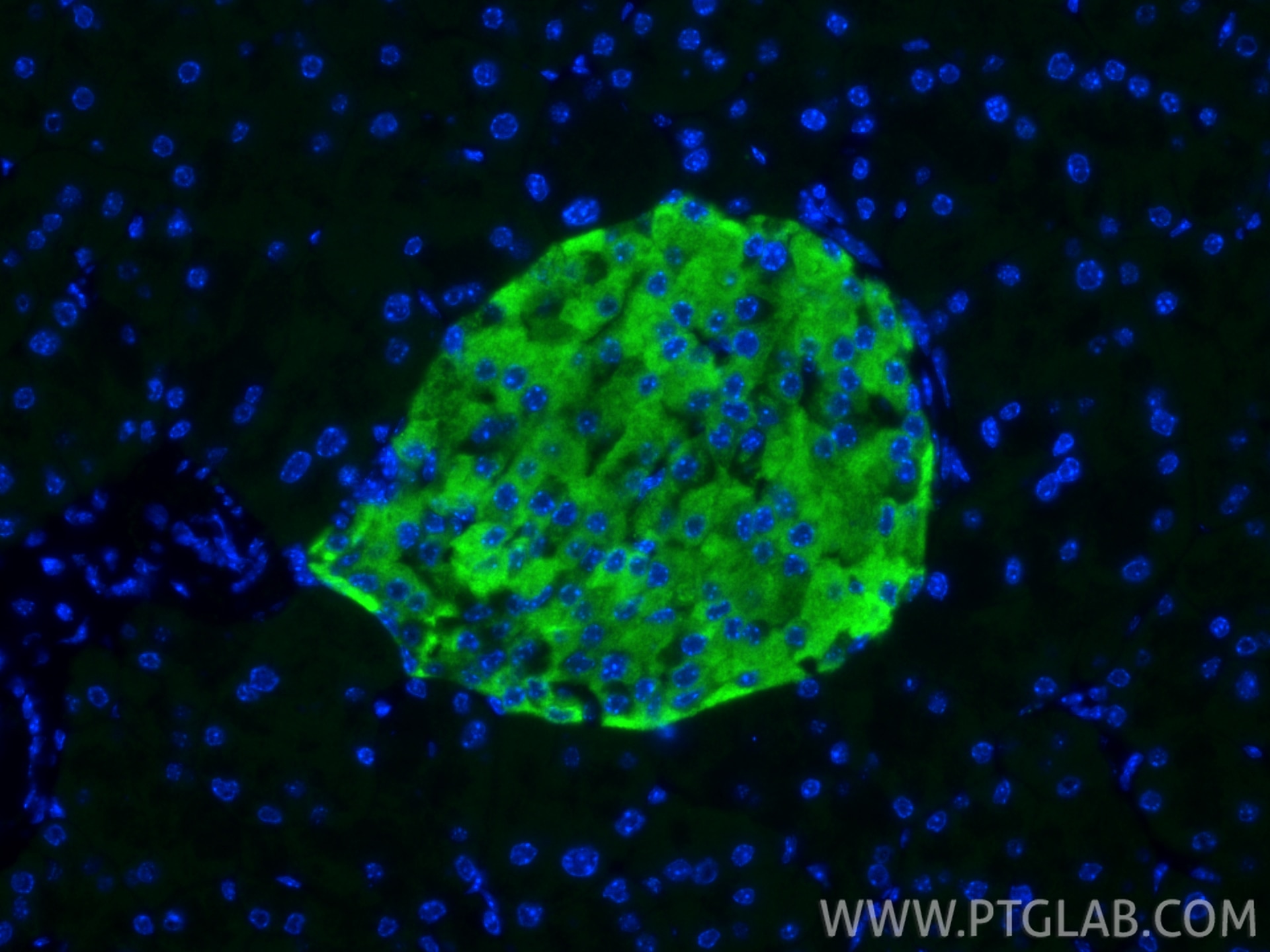
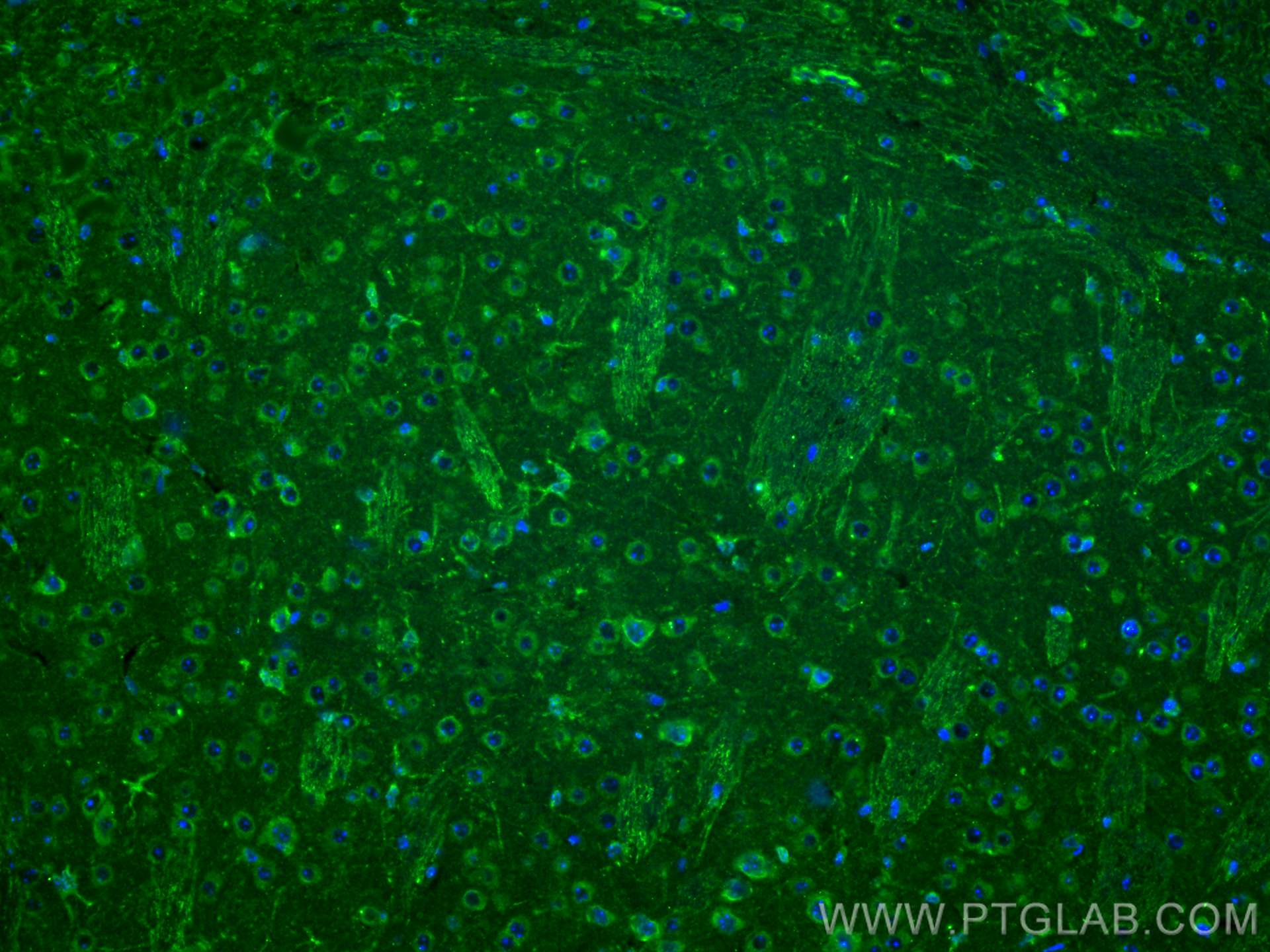
| Positive IF-P detected in | mouse pancreas tissue, mouse brain tissue |
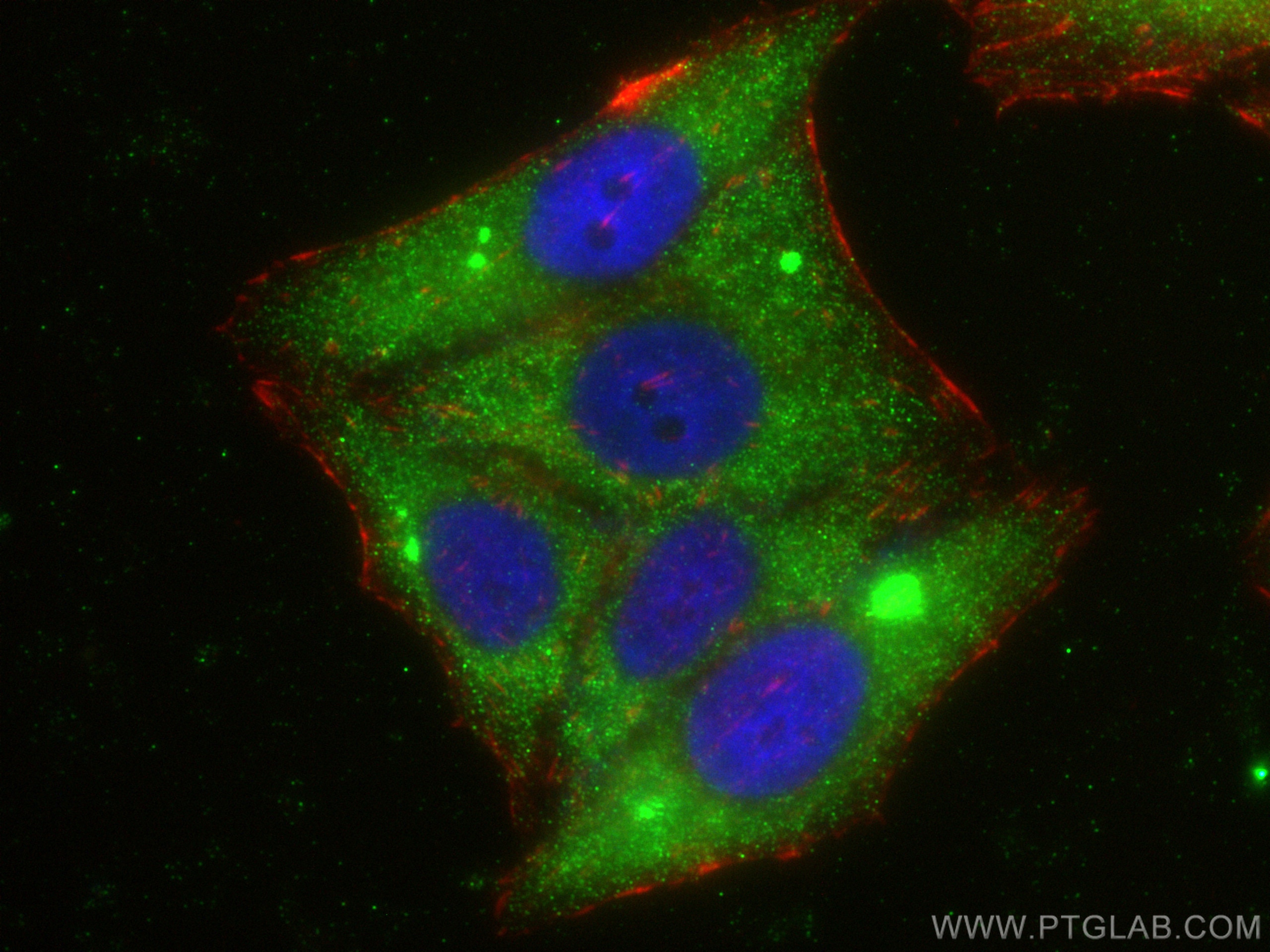
| Positive IF/ICC detected in | HepG2 cells |
Recommended dilution
| Application | Dilution |
|---|---|
| Western Blot (WB) | WB : 1:500-1:1000 |
| Immunoprecipitation (IP) | IP : 0.5-4.0 ug for 1.0-3.0 mg of total protein lysate |
| Immunohistochemistry (IHC) | IHC : 1:50-1:500 |
| Immunofluorescence (IF)-P | IF-P : 1:200-1:800 |
| Immunofluorescence (IF)/ICC | IF/ICC : 1:50-1:500 |
| It is recommended that this reagent should be titrated in each testing system to obtain optimal results. | |
| Sample-dependent, Check data in validation data gallery. | |
Published Applications
| KD/KO | See 3 publications below |
| WB | See 7 publications below |
| IHC | See 4 publications below |
| IF | See 6 publications below |
Product Information
13710-1-AP targets CPE in WB, IHC, IF/ICC, IF-P, IP, ELISA applications and shows reactivity with human, mouse, rat samples.
| Tested Reactivity | human, mouse, rat |
| Cited Reactivity | human, mouse, rat |
| Host / Isotype | Rabbit / IgG |
| Class | Polyclonal |
| Type | Antibody |
| Immunogen |
CatNo: Ag4647 Product name: Recombinant human CPE protein Source: e coli.-derived, PGEX-4T Tag: GST Domain: 126-476 aa of BC033866 Sequence: FLAQYLCNEYQKGNETIVNLIHSTRIHIMPSLNPDGFEKAASQPGELKDWFVGRSNAQGIDLNRNFPDLDRIVYVNEKEGGPNNHLLKNMKKIVDQNTKLAPETKAVIHWIMDIPFVLSANLHGGDLVANYPYDETRSGSAHEYSSSPDDAIFQSLARAYSSFNPAMSDPNRPPCRKNDDDSSFVDGTTNGGAWYSVPGGMQDFNYLSSNCFEITVELSCEKFPPEETLKTYWEDNKNSLISYLEQIHRGVKGFVRDLQGNPIANATISVEGIDHDVTSAKDGDYWRLLIPGNYKLTASAPGYLAITKKVAVPYSPAAGVDFELESFSERKEEEKEELMEWWKMMSETLNF Predict reactive species |
| Full Name | carboxypeptidase E |
| Calculated Molecular Weight | 476 aa, 53 kDa |
| Observed Molecular Weight | 50-55 kDa |
| GenBank Accession Number | BC033866 |
| Gene Symbol | Carboxypeptidase E |
| Gene ID (NCBI) | 1363 |
| RRID | AB_2083913 |
| Conjugate | Unconjugated |
| Form | Liquid |
| Purification Method | Antigen affinity purification |
| UNIPROT ID | P16870 |
| Storage Buffer | PBS with 0.02% sodium azide and 50% glycerol, pH 7.3. |
| Storage Conditions | Store at -20°C. Stable for one year after shipment. Aliquoting is unnecessary for -20oC storage. 20ul sizes contain 0.1% BSA. |
Background Information
CPE(Carboxypeptidase E) is also named as CPH. It belongs to the peptidase M14 family and is involved in the biosynthesis of peptide hormones and neurotransmitters, including insulin.The deduced 476-amino acid human protein contains an N-terminal signal peptide, followed by a 'pro' sequence, a polyarginine stretch, and 2 potential N-glycosylation sites.
Protocols
| Product Specific Protocols | |
|---|---|
| IF protocol for CPE antibody 13710-1-AP | Download protocol |
| IHC protocol for CPE antibody 13710-1-AP | Download protocol |
| IP protocol for CPE antibody 13710-1-AP | Download protocol |
| WB protocol for CPE antibody 13710-1-AP | Download protocol |
| Standard Protocols | |
|---|---|
| Click here to view our Standard Protocols |
Publications
| Species | Application | Title |
|---|---|---|
Cell Metab Reductive TCA cycle metabolism fuels glutamine- and glucose-stimulated insulin secretion. | ||
Diabetes Translational Factor eIF4G1 Regulates Glucose Homeostasis and Pancreatic β-Cell Function. | ||
Am J Physiol Endocrinol Metab Loss of the Golgi-localized v-ATPase subunit does not alter insulin granule formation or pancreatic islet β-cell function | ||
Brain Pathol Secretory sorting receptors carboxypeptidase E and secretogranin III in amyloid β-associated neural degeneration in Alzheimer's disease. | ||
Neuropharmacology Esketamine mitigates endotoxin-induced hippocampal injury by regulating calcium transient and synaptic plasticity via the NF-α1/CREB pathway | ||
Front Genet Development and Validation of a Novel Gene Signature for Predicting the Prognosis by Identifying m5C Modification Subtypes of Cervical Cancer.
|

