

Tested Applications
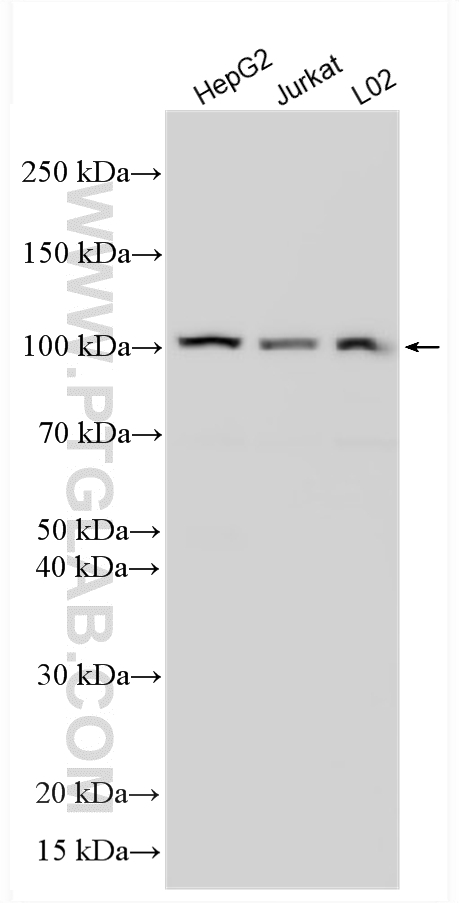
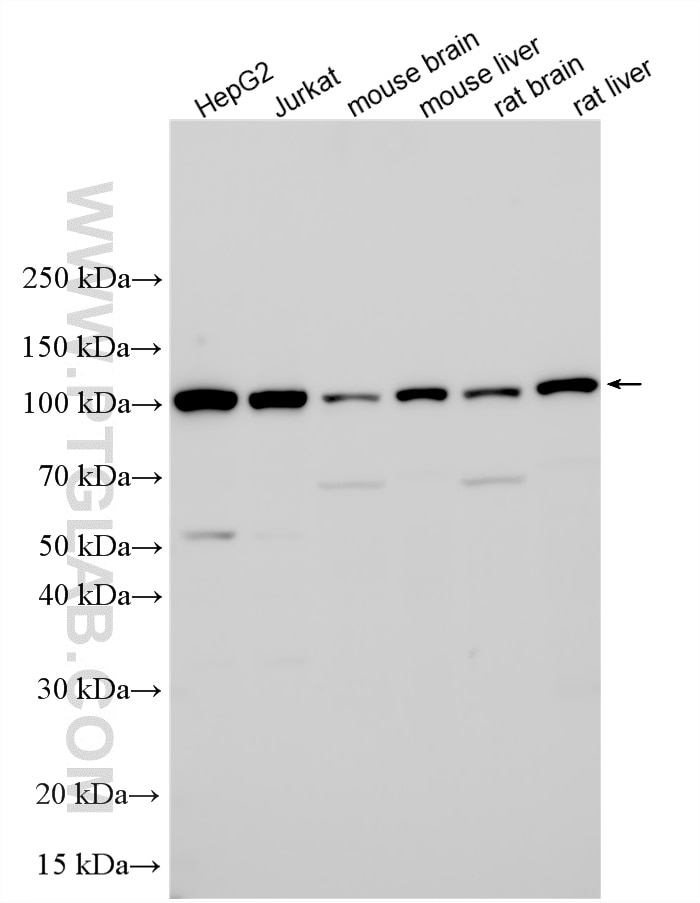
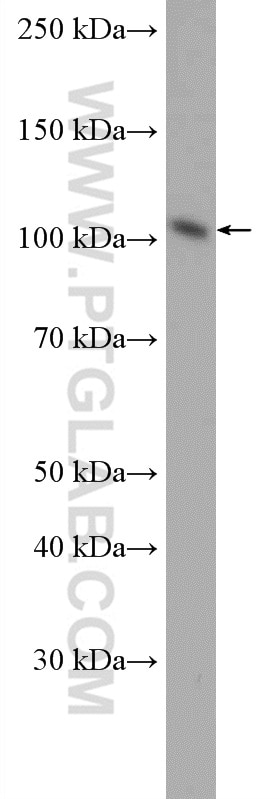
| Positive WB detected in | HepG2 cells, Jurkat cells, mouse brain tissue, mouse liver tissue, rat brain tissue, rat liver tissue, L02 cells |
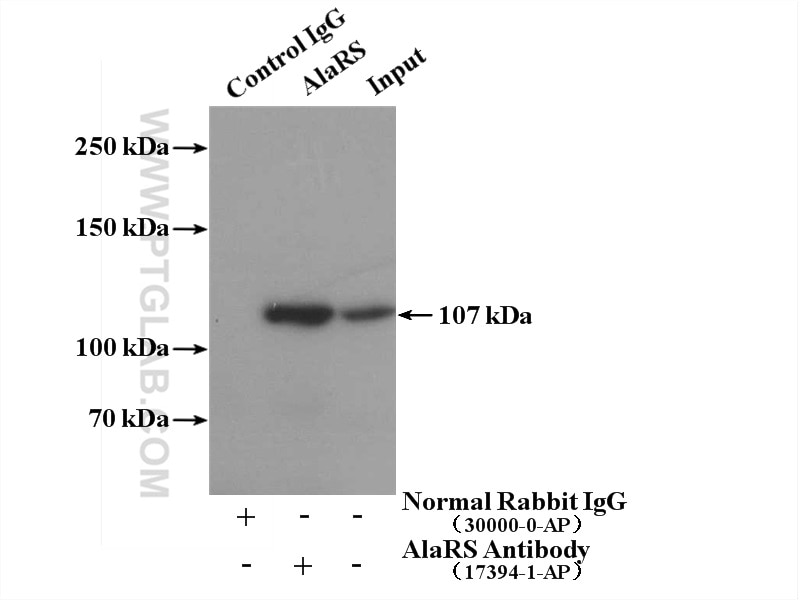
| Positive IP detected in | HepG2 cells |
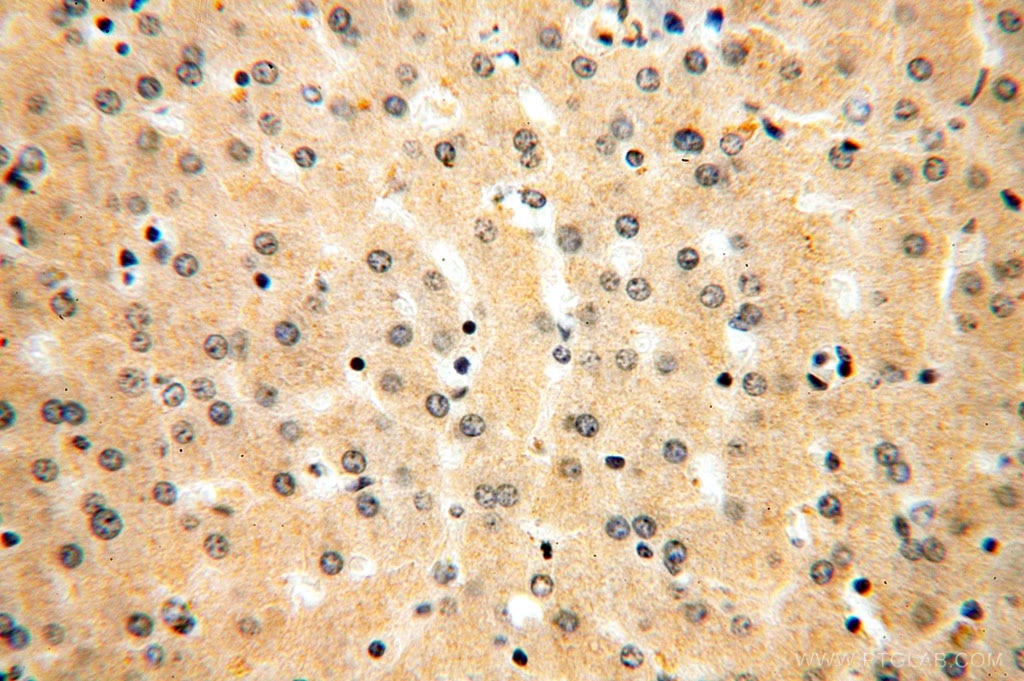
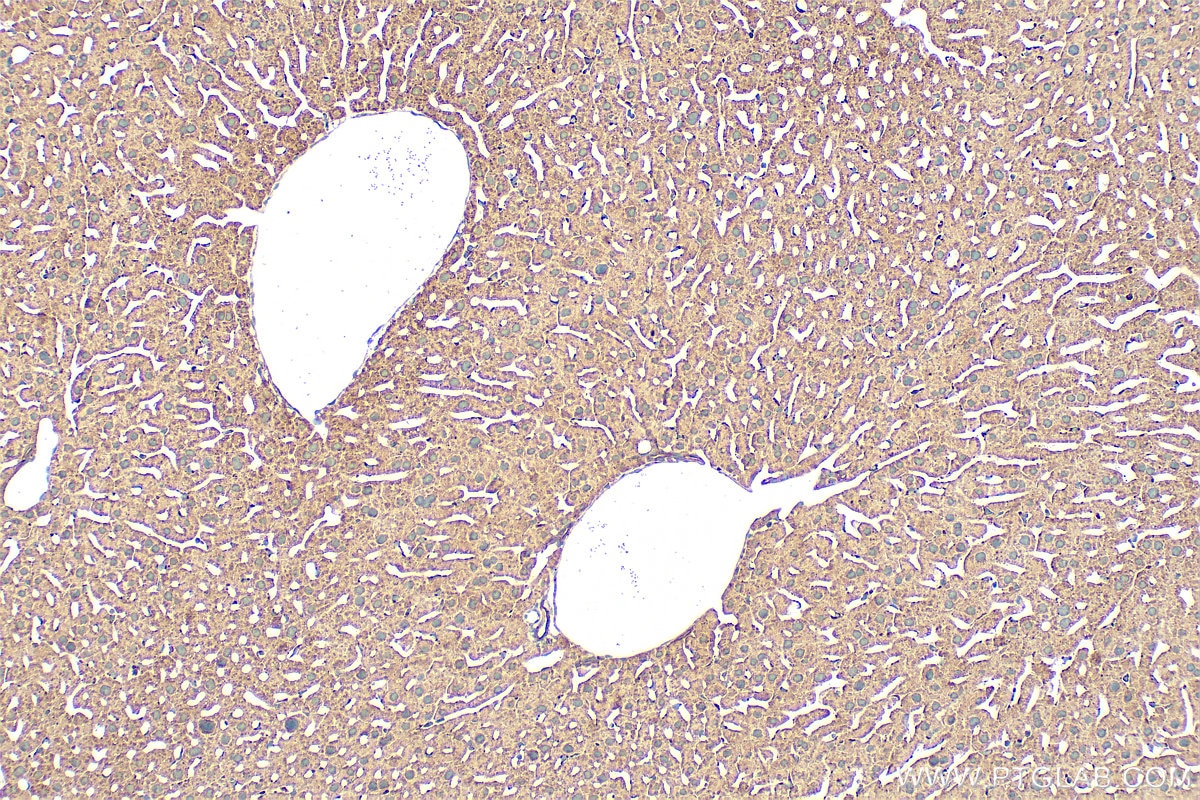
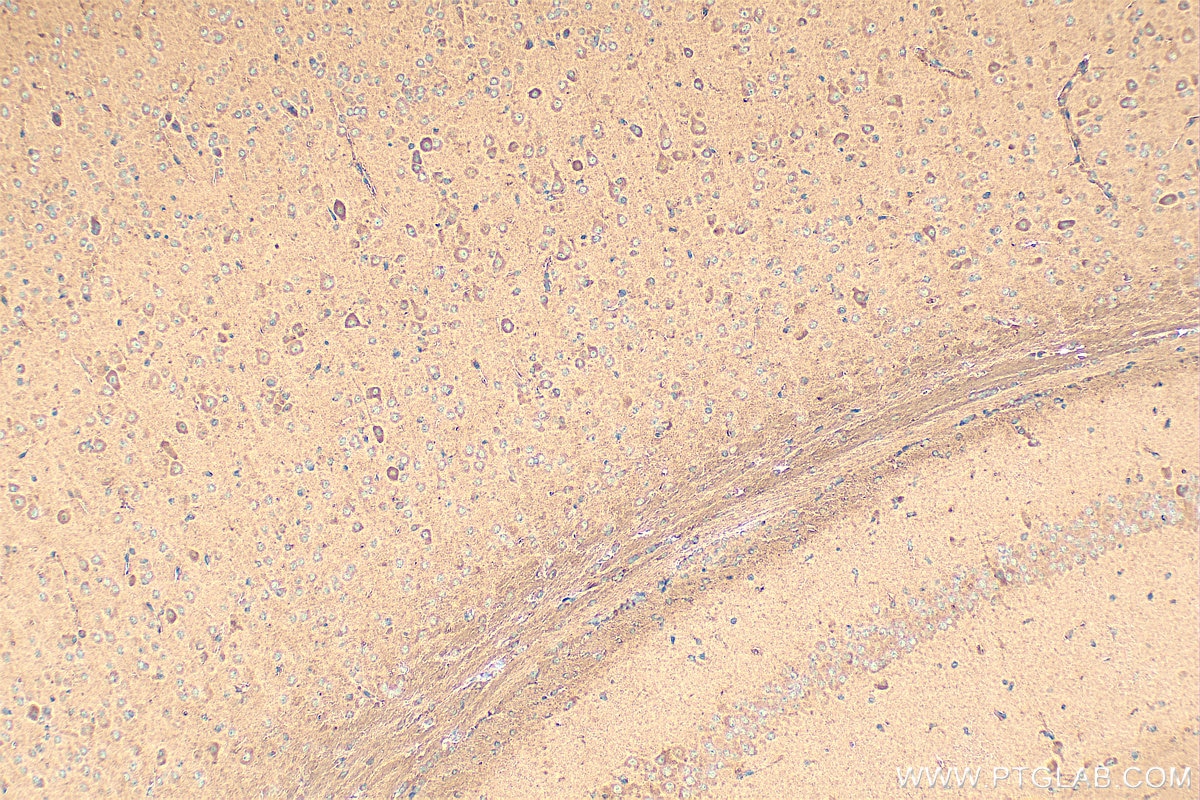
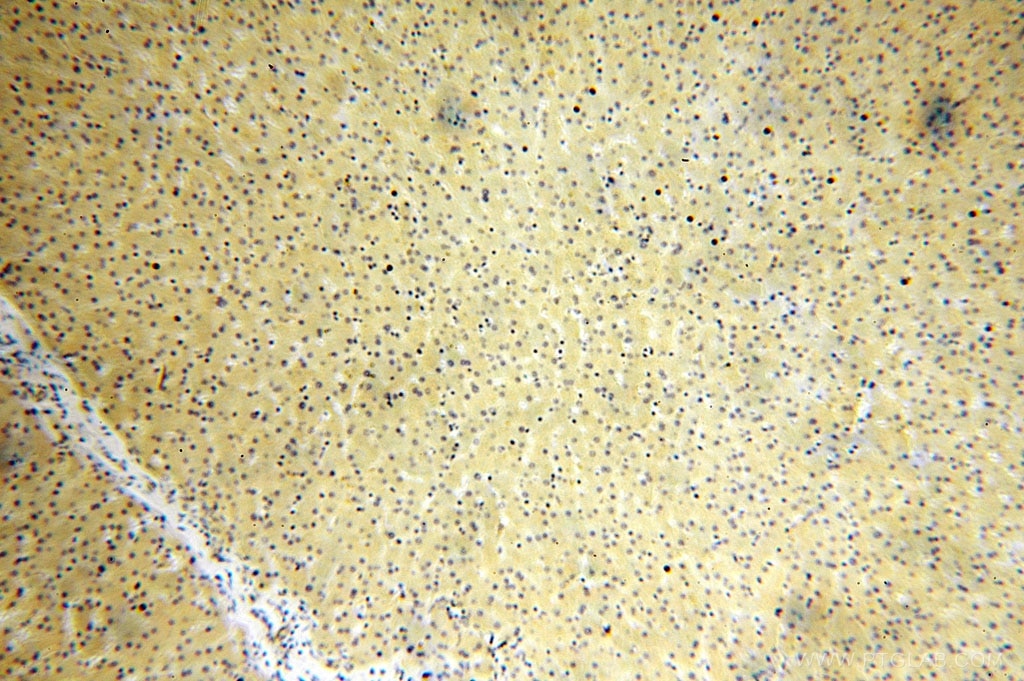
| Positive IHC detected in | human liver tissue, mouse brain tissue, mouse liver tissue Note: suggested antigen retrieval with TE buffer pH 9.0; (*) Alternatively, antigen retrieval may be performed with citrate buffer pH 6.0 |
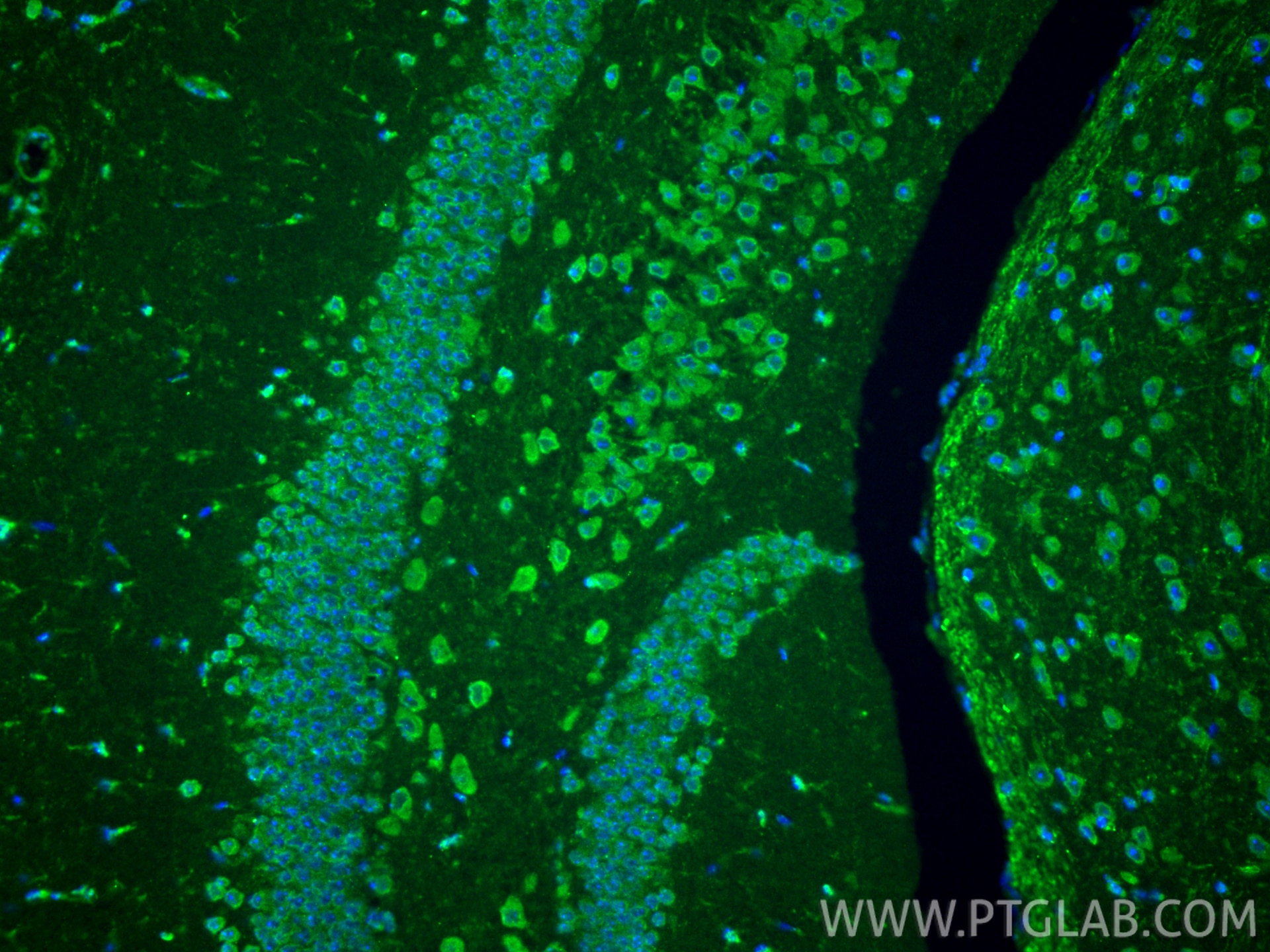
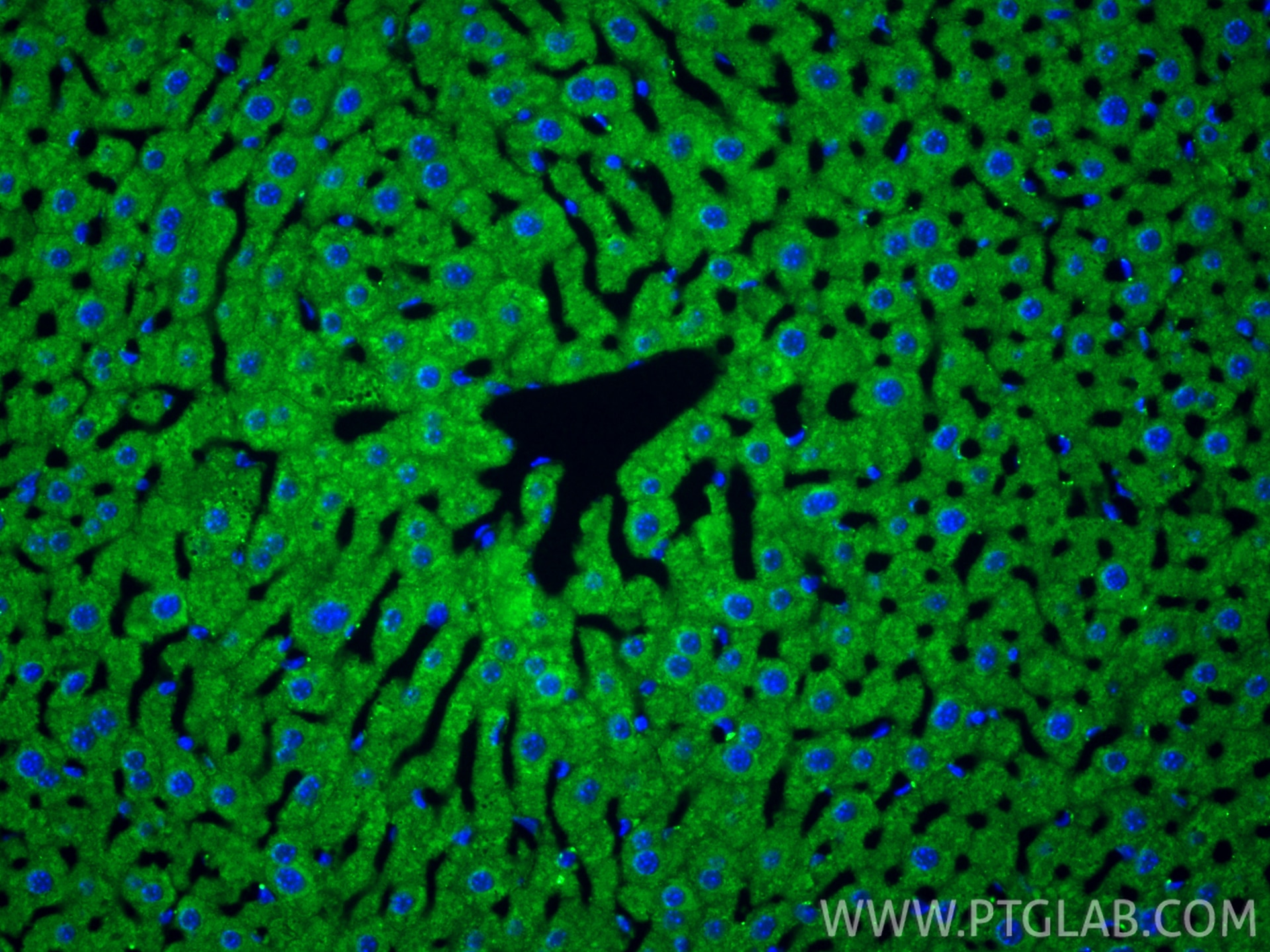
| Positive IF-P detected in | mouse liver tissue, mouse brain tissue |
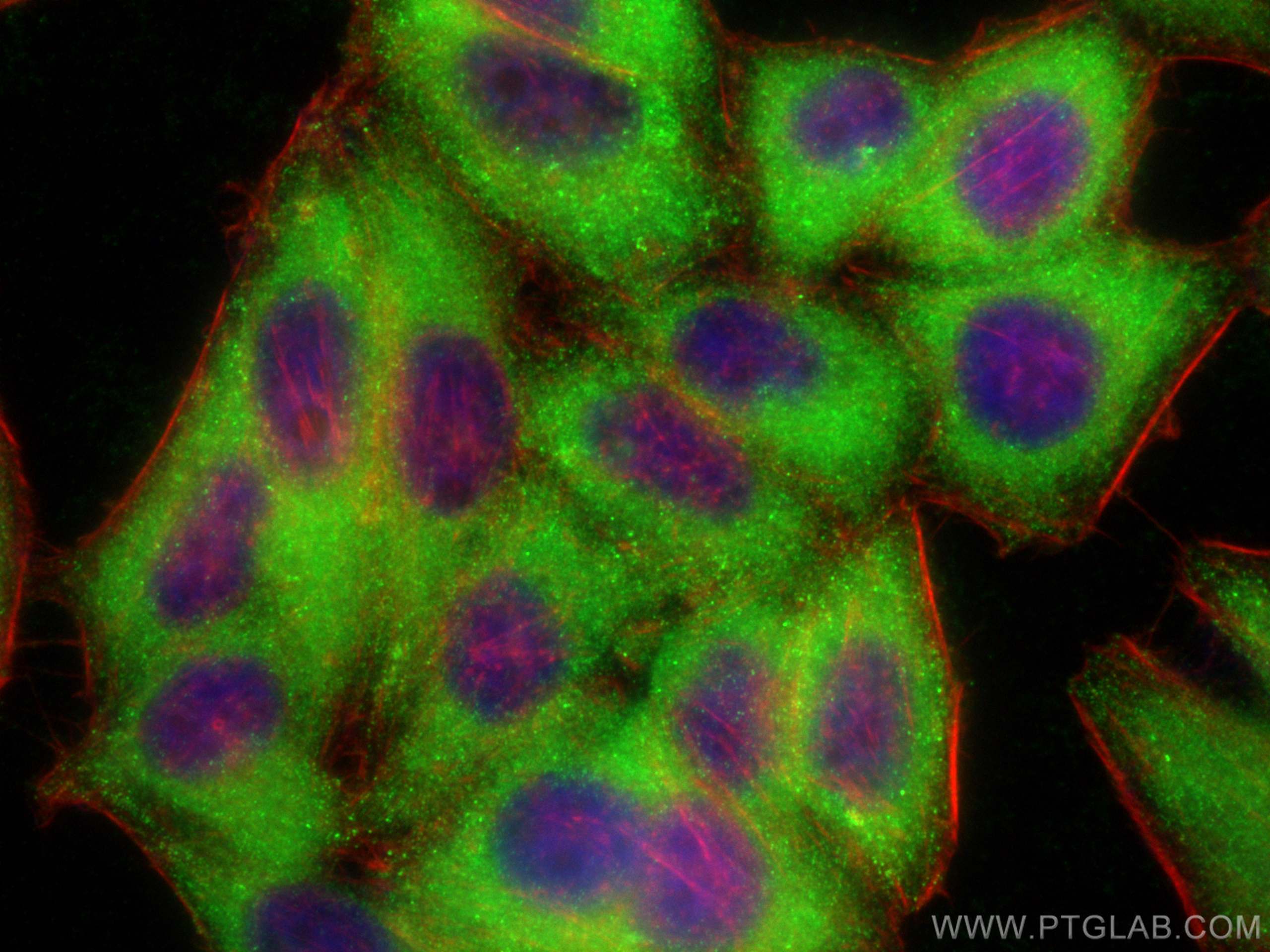
| Positive IF/ICC detected in | HepG2 cells |
Recommended dilution
| Application | Dilution |
|---|---|
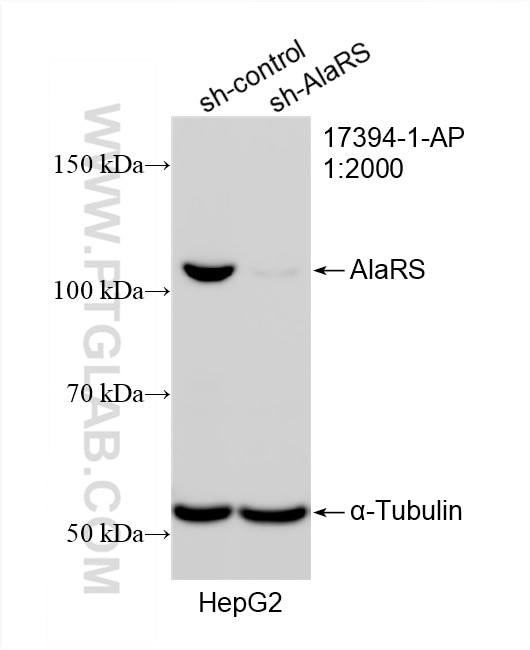
| Western Blot (WB) | WB : 1:2000-1:16000 |
| Immunoprecipitation (IP) | IP : 0.5-4.0 ug for 1.0-3.0 mg of total protein lysate |
| Immunohistochemistry (IHC) | IHC : 1:20-1:200 |
| Immunofluorescence (IF)-P | IF-P : 1:50-1:500 |
| Immunofluorescence (IF)/ICC | IF/ICC : 1:200-1:800 |
| It is recommended that this reagent should be titrated in each testing system to obtain optimal results. | |
| Sample-dependent, Check data in validation data gallery. | |
Product Information
17394-1-AP targets AlaRS in WB, IHC, IF/ICC, IF-P, IP, CoIP, ELISA applications and shows reactivity with human, mouse, rat samples.
| Tested Reactivity | human, mouse, rat |
| Cited Reactivity | human, mouse, rat |
| Host / Isotype | Rabbit / IgG |
| Class | Polyclonal |
| Type | Antibody |
| Immunogen |
CatNo: Ag11294 Product name: Recombinant human AARS protein Source: e coli.-derived, PGEX-4T Tag: GST Domain: 1-350 aa of BC011451 Sequence: MDSTLTASEIRQRFIDFFKRNEHTYVHSSATIPLDDPTLLFANAGMNQFKPIFLNTIDPSHPMAKLSRAANTQKCIRAGGKHNDLDDVGKDVYHHTFFEMLGSWSFGDYFKELACKMALELLTQEFGIPIERLYVTYFGGDEAAGLEADLECKQIWQNLGLDDTKILPGNMKDNFWEMGDTGPCGPCSEIHYDRIGGRDAAHLVNQDDPNVLEIWNLVFIQYNREADGILKPLPKKSIDTGMGLERLVSVLQNKMSNYDTDLFVPYFEAIQKGTGARPYTGKVGAEDADGIDMAYRVLADHARTITVALADGGRPDNTGRGYVLRRILRRAVRYAHEKLNASRGFFATLV Predict reactive species |
| Full Name | alanyl-tRNA synthetase |
| Calculated Molecular Weight | 968 aa, 107 kDa |
| Observed Molecular Weight | 107 kDa |
| GenBank Accession Number | BC011451 |
| Gene Symbol | AlaRS |
| Gene ID (NCBI) | 16 |
| RRID | AB_2219748 |
| Conjugate | Unconjugated |
| Form | Liquid |
| Purification Method | Antigen affinity purification |
| UNIPROT ID | P49588 |
| Storage Buffer | PBS with 0.02% sodium azide and 50% glycerol, pH 7.3. |
| Storage Conditions | Store at -20°C. Stable for one year after shipment. Aliquoting is unnecessary for -20oC storage. 20ul sizes contain 0.1% BSA. |
Background Information
AARS(alanyl-tRNA synthetase) is also named as AlaRS(alanine tRNA ligase 1, cytoplasmic), renal carcinoma antigen NY-REN-42 and belongs to the class-II aminoacyl-tRNA synthetase family. It can interpret the RNA code and attach specific aminoacids to the tRNAs that contain the cognate trinucleotide anticodons. AARS consists of three domains: the N-terminal catalytic domain, the editing domain and the C-terminal C-Ala domain. The editing domain removes incorrectly charged amino acids, while the C-Ala domain, along with tRNA(Ala), serves as a bridge to cooperatively bring together the editing and aminoacylation centers thus stimulating deacylation of misacylated tRNAs(PMID:19661429).
Protocols
| Product Specific Protocols | |
|---|---|
| IF protocol for AlaRS antibody 17394-1-AP | Download protocol |
| IHC protocol for AlaRS antibody 17394-1-AP | Download protocol |
| IP protocol for AlaRS antibody 17394-1-AP | Download protocol |
| WB protocol for AlaRS antibody 17394-1-AP | Download protocol |
| Standard Protocols | |
|---|---|
| Click here to view our Standard Protocols |
Publications
What published studies show
The anti-AlaRS (AARS) polyclonal antibody (Cat# 17394-1-AP) has 21 citations published in journals including Nature Communications, Cell Discovery, Advanced Science, Science Advances, Cell Death & Differentiation, Cell Reports, Cancer Letters, iScience, and JCI Insight. Associated research fields span protein lactylation mechanisms, oncology (hepatocellular carcinoma, AML, bladder cancer, head and neck SCC), sepsis, diabetic complications, rheumatoid arthritis, immune evasion, cuproptosis, ferroptosis, and neuroinflammation.
| Species | Application | Title |
|---|---|---|
Nat Commun Comprehensive proteogenomic characterization of early duodenal cancer reveals the carcinogenesis tracks of different subtypes | ||
Nat Commun NPM3 functions as a lactyltransferase to promote necroptosis in male diabetic cardiomyopathy mice models via FASN transcription modulation. | ||
Nat Commun Hexokinase 2-mediated histone H3K18la promotes PAI-1-dependent thrombosis in acute myeloid leukemia via tumor-endothelial crosstalk. | ||
Cell Discov NUDT21 lactylation reprograms alternative polyadenylation to promote cuproptosis resistance | ||
Adv Sci (Weinh) ASH2L-K312-Lac Stimulates Angiogenesis in Tumors to Expedite the Malignant Progression of Hepatocellular Carcinoma | ||
Sci Adv Infection-induced lysine lactylation enables herpesvirus immune evasion
|

