
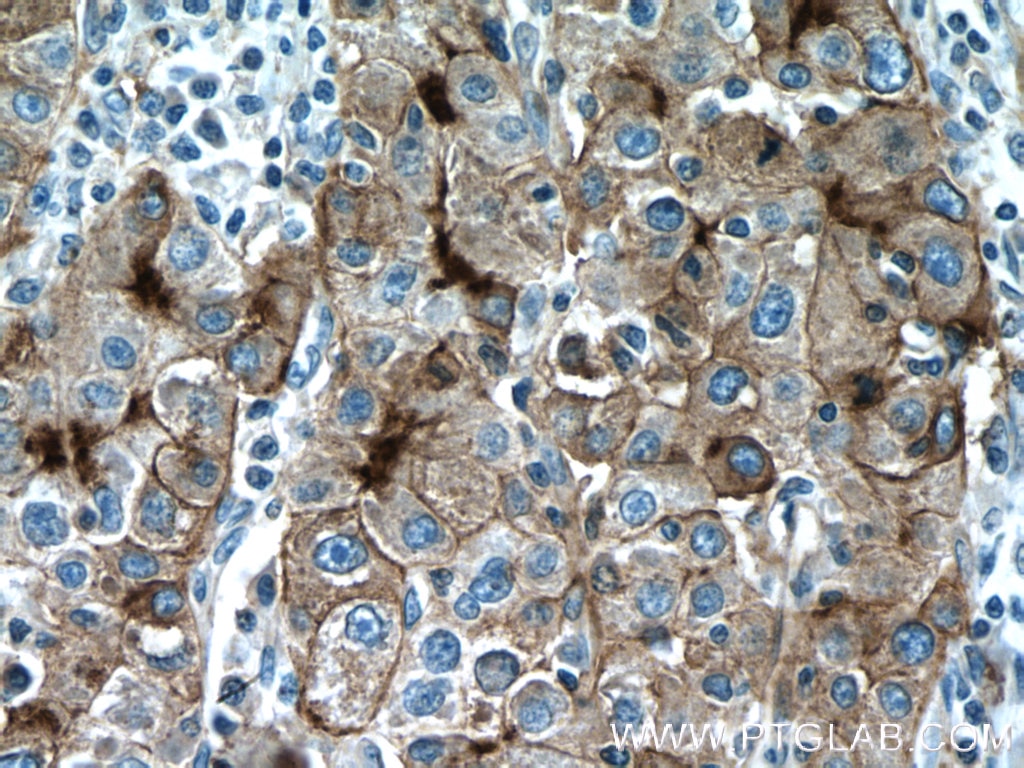
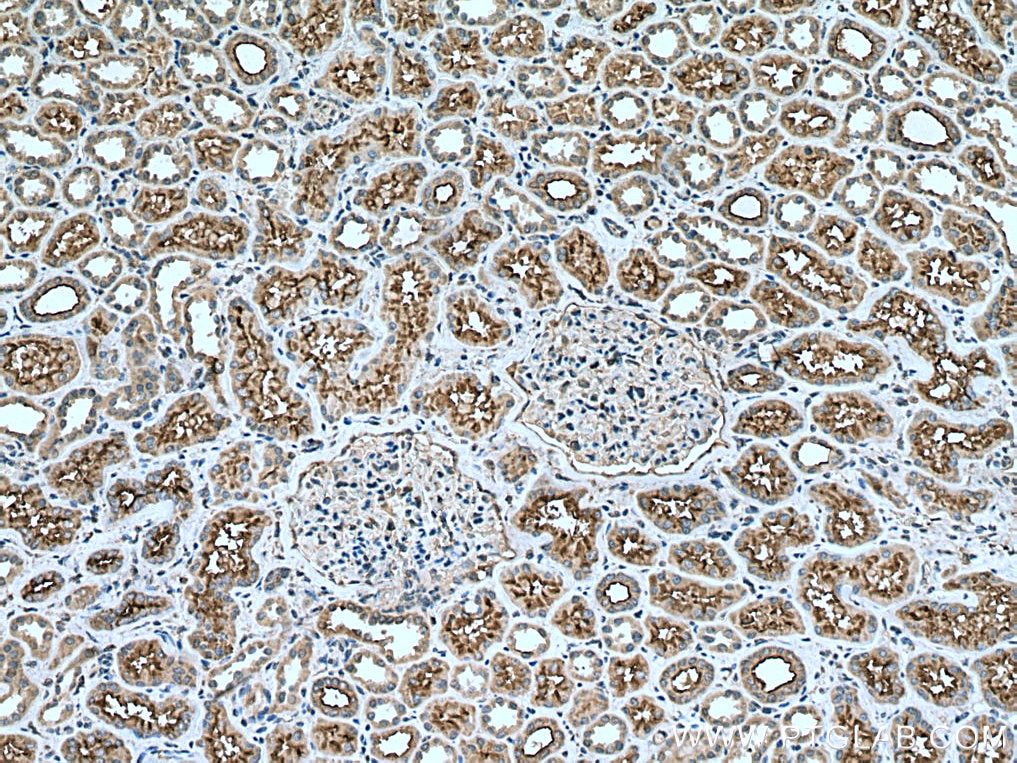

Tested Applications
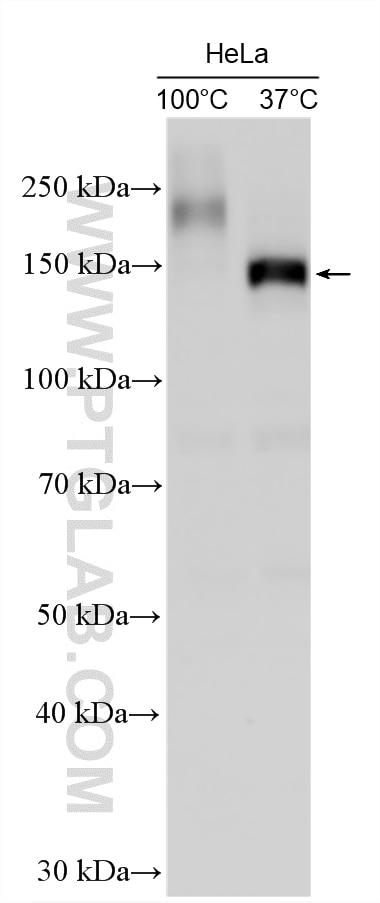
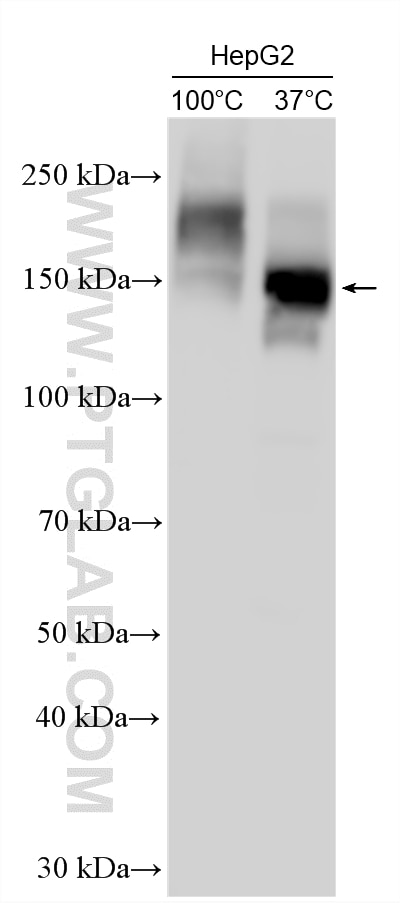
| Positive WB detected in | 37°C incubated HepG2 cells, 37°C incubated HeLa cells |
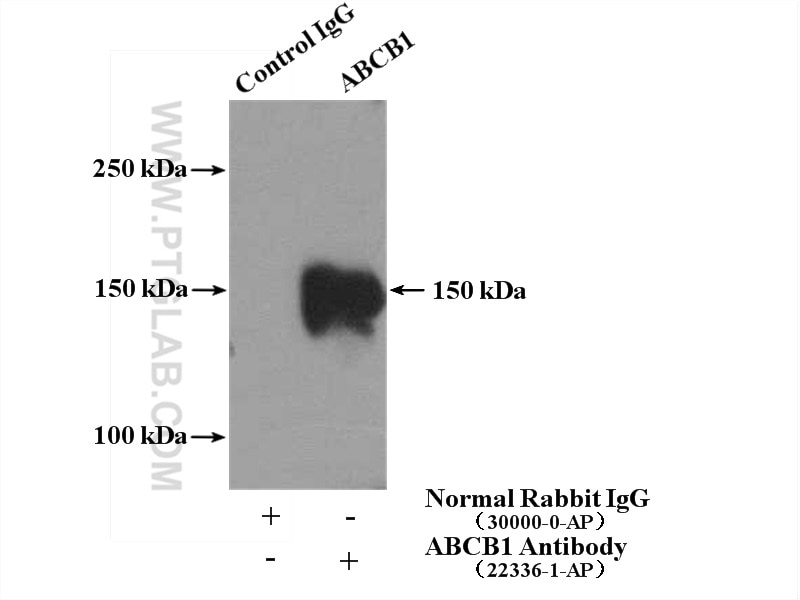
| Positive IP detected in | human placenta tissue |
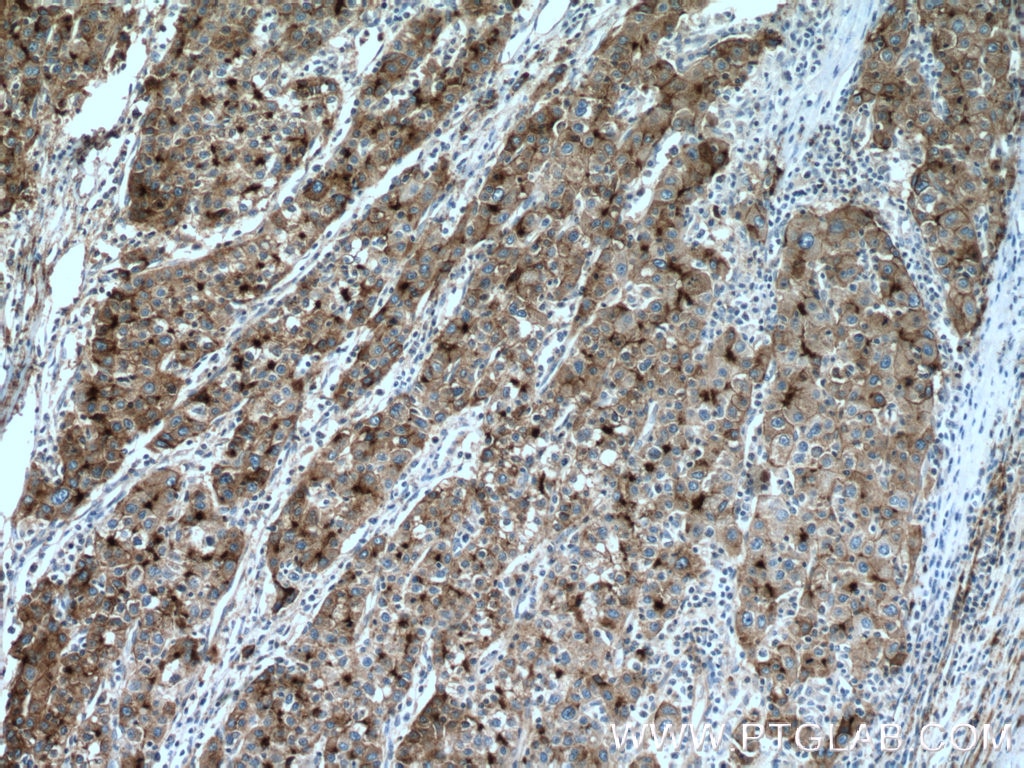
| Positive IHC detected in | human liver cancer tissue, human kidney tissue Note: suggested antigen retrieval with TE buffer pH 9.0; (*) Alternatively, antigen retrieval may be performed with citrate buffer pH 6.0 |
Heating sample to 37°C for 1 hour after lysis is recommended in WB assays
Recommended dilution
| Application | Dilution |
|---|---|
| Western Blot (WB) | WB : 1:5000-1:50000 |
| Immunoprecipitation (IP) | IP : 0.5-4.0 ug for 1.0-3.0 mg of total protein lysate |
| Immunohistochemistry (IHC) | IHC : 1:50-1:500 |
| It is recommended that this reagent should be titrated in each testing system to obtain optimal results. | |
| Sample-dependent, Check data in validation data gallery. | |
Product Information
22336-1-AP targets P glycoprotein in WB, IHC, IF, IP, CoIP, ELISA applications and shows reactivity with human samples.
| Tested Reactivity | human |
| Cited Reactivity | human, mouse, rat, pig |
| Host / Isotype | Rabbit / IgG |
| Class | Polyclonal |
| Type | Antibody |
| Immunogen |
CatNo: Ag17811 Product name: Recombinant human ABCB1 protein Source: e coli.-derived, PGEX-4T Tag: GST Domain: 624-708 aa of BC130424 Sequence: KLVTMQTAGNEVELENAADESKSEIDALEMSSNDSRSSLIRKRSTRRSVRGSQAQDRKLSTKEALDESIPPVSFWRIMKLNLTEW Predict reactive species |
| Full Name | ATP-binding cassette, sub-family B (MDR/TAP), member 1 |
| Calculated Molecular Weight | 1280 aa, 142 kDa |
| Observed Molecular Weight | 130-150 kDa |
| GenBank Accession Number | BC130424 |
| Gene Symbol | P glycoprotein |
| Gene ID (NCBI) | 5243 |
| RRID | AB_2833023 |
| Conjugate | Unconjugated |
| Form | Liquid |
| Purification Method | Antigen affinity purification |
| UNIPROT ID | P08183 |
| Storage Buffer | PBS with 0.02% sodium azide and 50% glycerol, pH 7.3. |
| Storage Conditions | Store at -20°C. Stable for one year after shipment. Aliquoting is unnecessary for -20oC storage. 20ul sizes contain 0.1% BSA. |
Background Information
ABCB1 (also known as P-gp/ P-glycoprotein, MDR1/multidrug-resistance 1) is a plasma membrane protein first discovered in multidrug resistant tumor cells. ABCB1 can extrude a large number of medically relevant compounds from cells and causes drug resistance. ABCB1 is expressed in a variety of human cancers as well as normal tissues including brain, and placenta. Overexpression of ABCB1 correlates with a negative prognosis in several types of cancer. For optimal WB detection with 22336-1-AP, we recommend to avoid boiling the sample after lysis.
Protocols
| Product Specific Protocols | |
|---|---|
| IHC protocol for P glycoprotein antibody 22336-1-AP | Download protocol |
| IP protocol for P glycoprotein antibody 22336-1-AP | Download protocol |
| WB protocol for P glycoprotein antibody 22336-1-AP | Download protocol |
| Standard Protocols | |
|---|---|
| Click here to view our Standard Protocols |
Publications
What published studies show
I'll search for the datasheet and citations for catalog number 22336-1-AP.The P glycoprotein Polyclonal antibody (catalog number 22336-1-AP) has 193 citations. These appear in prominent journals including Molecular Cancer, Drug Resistance Updates, Nature Communications, ACS Nano, Theranostics, Acta Pharmaceutica Sinica B, Advanced Science, Nature and Cell Death journals, plus many specialized oncology and pharmacology journals. Most citations are in the fields of multidrug resistance (MDR) mechanisms and drug resistance research, particularly P-glycoprotein/ABCB1-mediated chemoresistance in pancreatic, breast, ovarian, lung, and colorectal cancers. Research spans chemosensitization, drug efflux transporters, ferroptosis, autophagy, and cancer stem cell biology.
| Species | Application | Title |
|---|---|---|
Mol Cancer Hsa-miR-3178/RhoB/PI3K/Akt, a novel signaling pathway regulates ABC transporters to reverse gemcitabine resistance in pancreatic cancer. | ||
Mol Cancer PARP1-DOT1L transcription axis drives acquired resistance to PARP inhibitor in ovarian cancer | ||
Drug Resist Updat AMPKα2 attenuates doxorubicin induced ferroptosis by promoting NCOA4 degradation in triple negative breast cancer. | ||
Drug Resist Updat Intercellular adhesion molecule-1 suppresses TMZ chemosensitivity in acquired TMZ-resistant gliomas by increasing assembly of ABCB1 on the membrane | ||
Drug Resist Updat Lansoprazole (LPZ) reverses multidrug resistance (MDR) in cancer through impeding ATP-binding cassette (ABC) transporter-mediated chemotherapeutic drug efflux and lysosomal sequestration |
Reviews
What customers say
Able is busy answering your previous question. Please try again later.
The reviews below have been submitted by verified Proteintech customers who received an incentive for providing their feedback.
SABRINA (Verified Customer) (12-07-2021) | Good antibody, but sometimes it detects also aspecific bands.
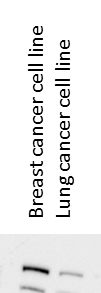 |
Yu Siong (Verified Customer) (03-01-2019) | It worked perfectly for my porcine brain endothelial cells!
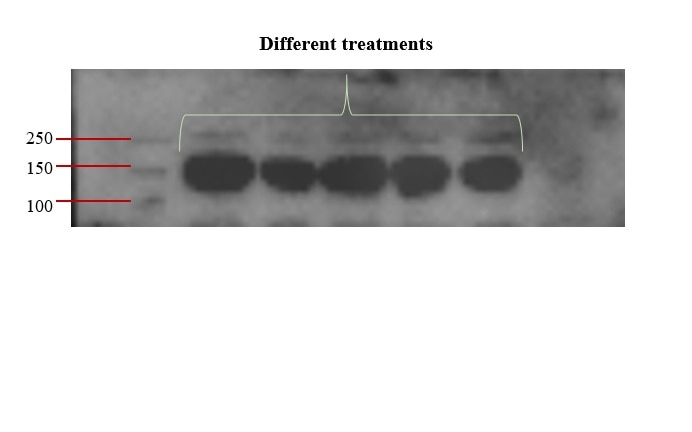 |

