

Tested Applications
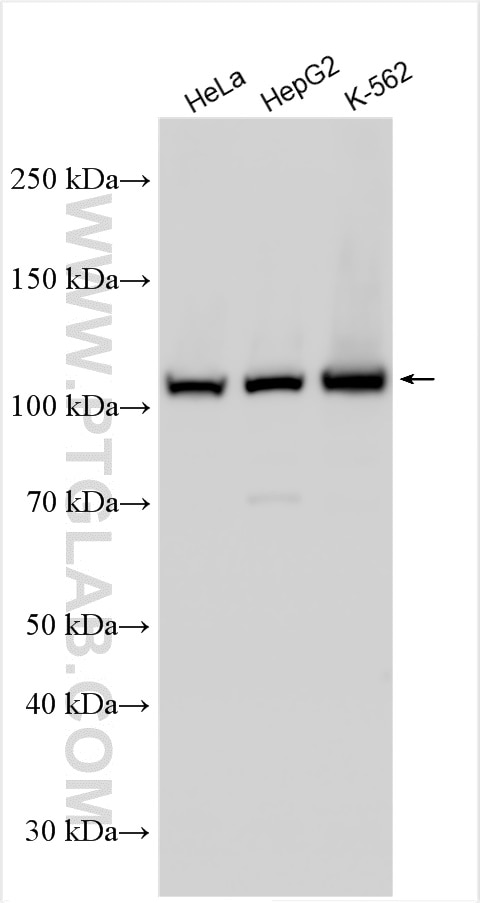
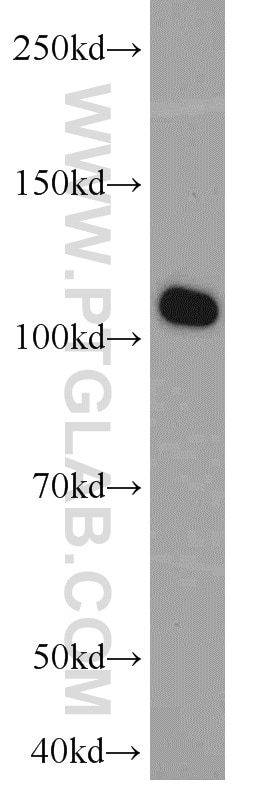
| Positive WB detected in | HeLa cells, K-562 cells, HepG2 cells |
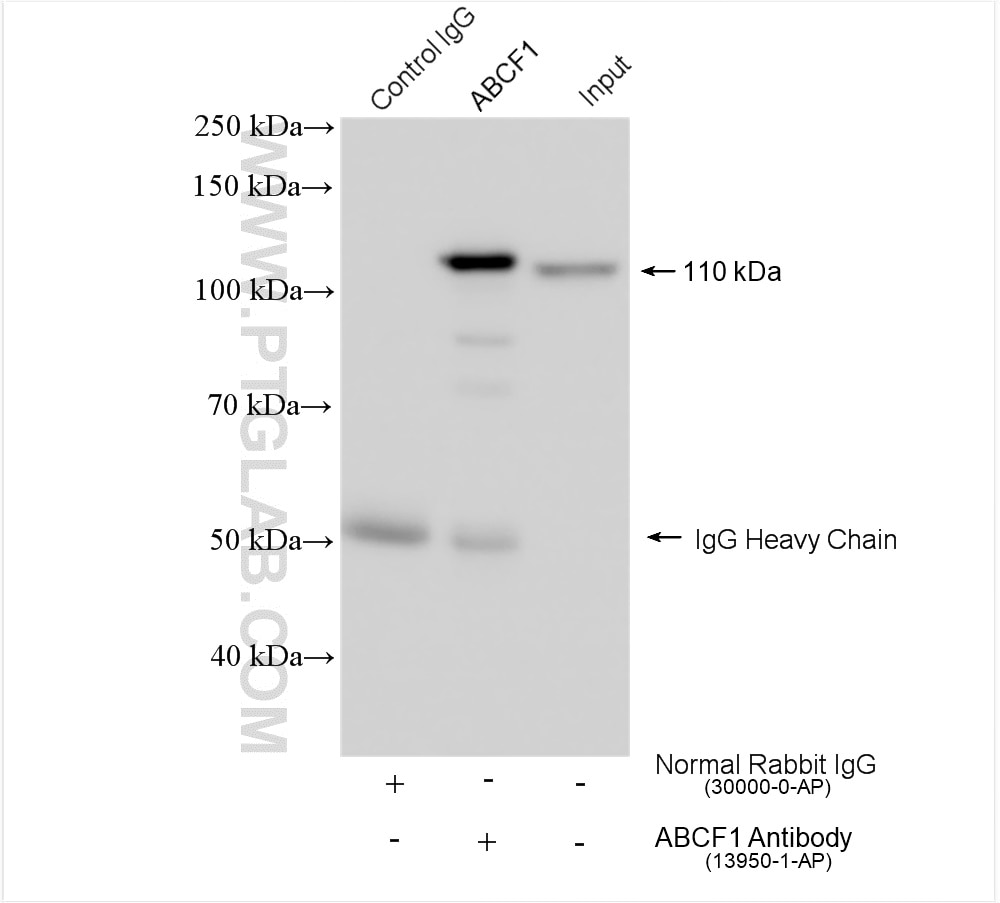
| Positive IP detected in | K-562 cells |
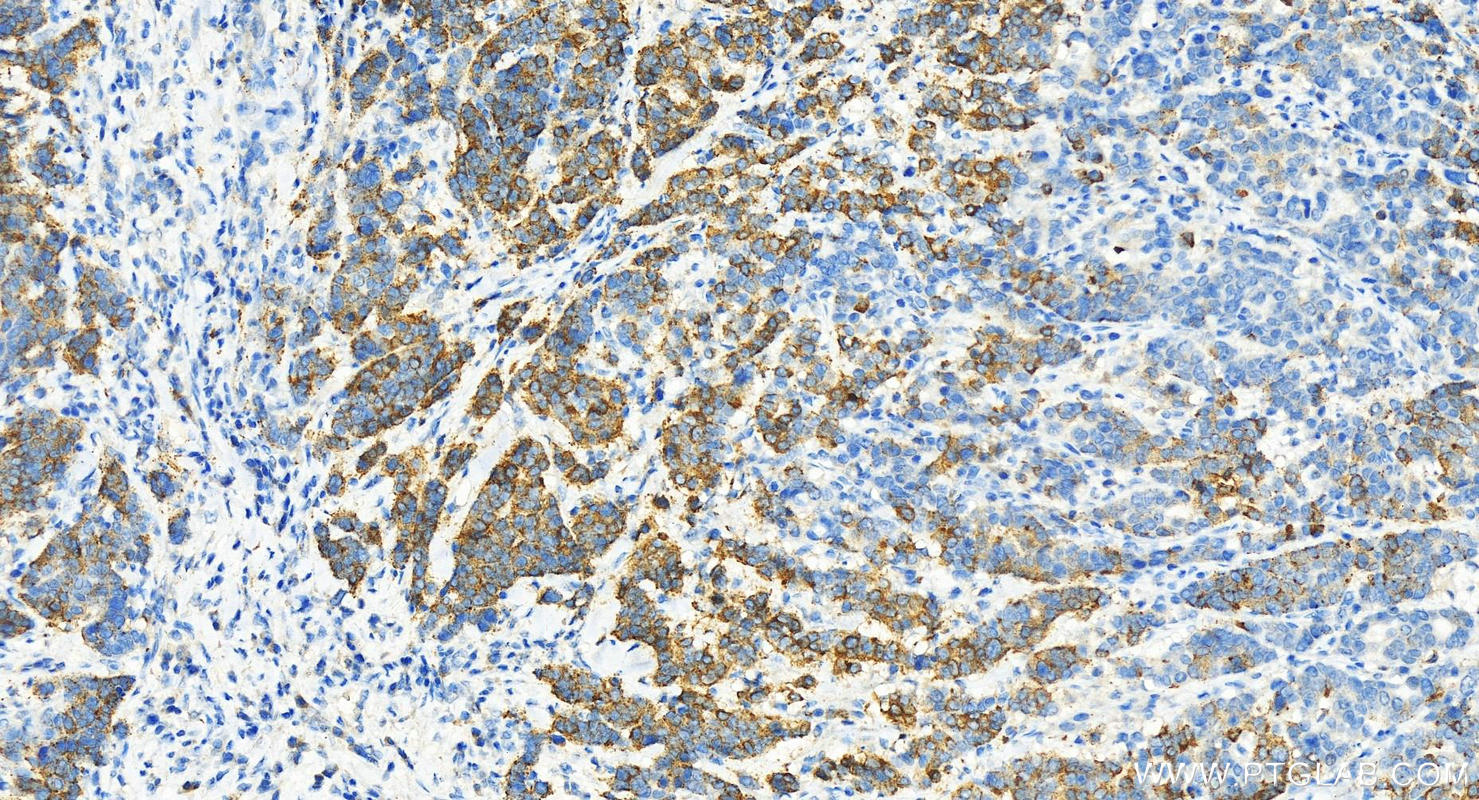
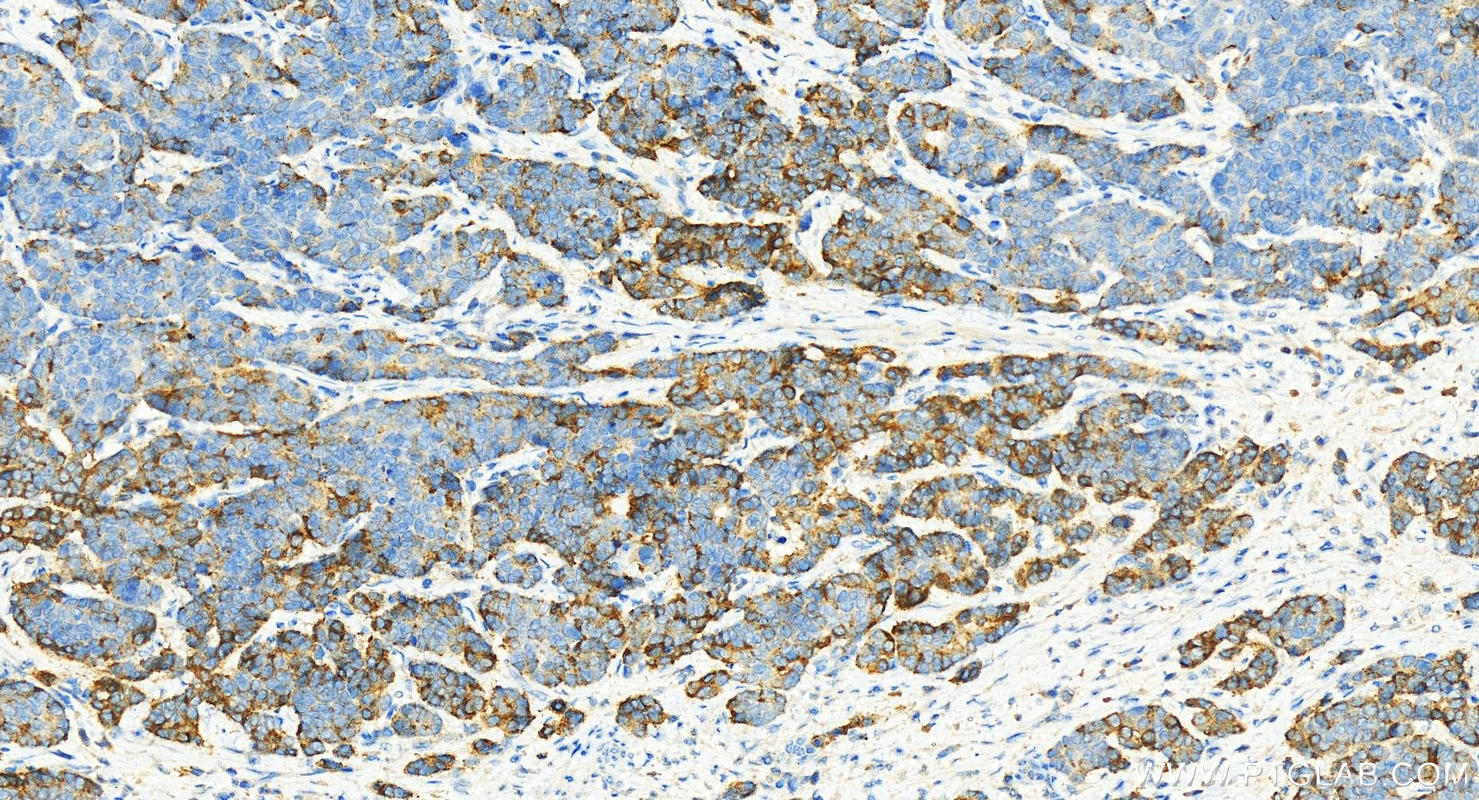
| Positive IHC detected in | human stomach cancer tissue Note: suggested antigen retrieval with TE buffer pH 9.0; (*) Alternatively, antigen retrieval may be performed with citrate buffer pH 6.0 |
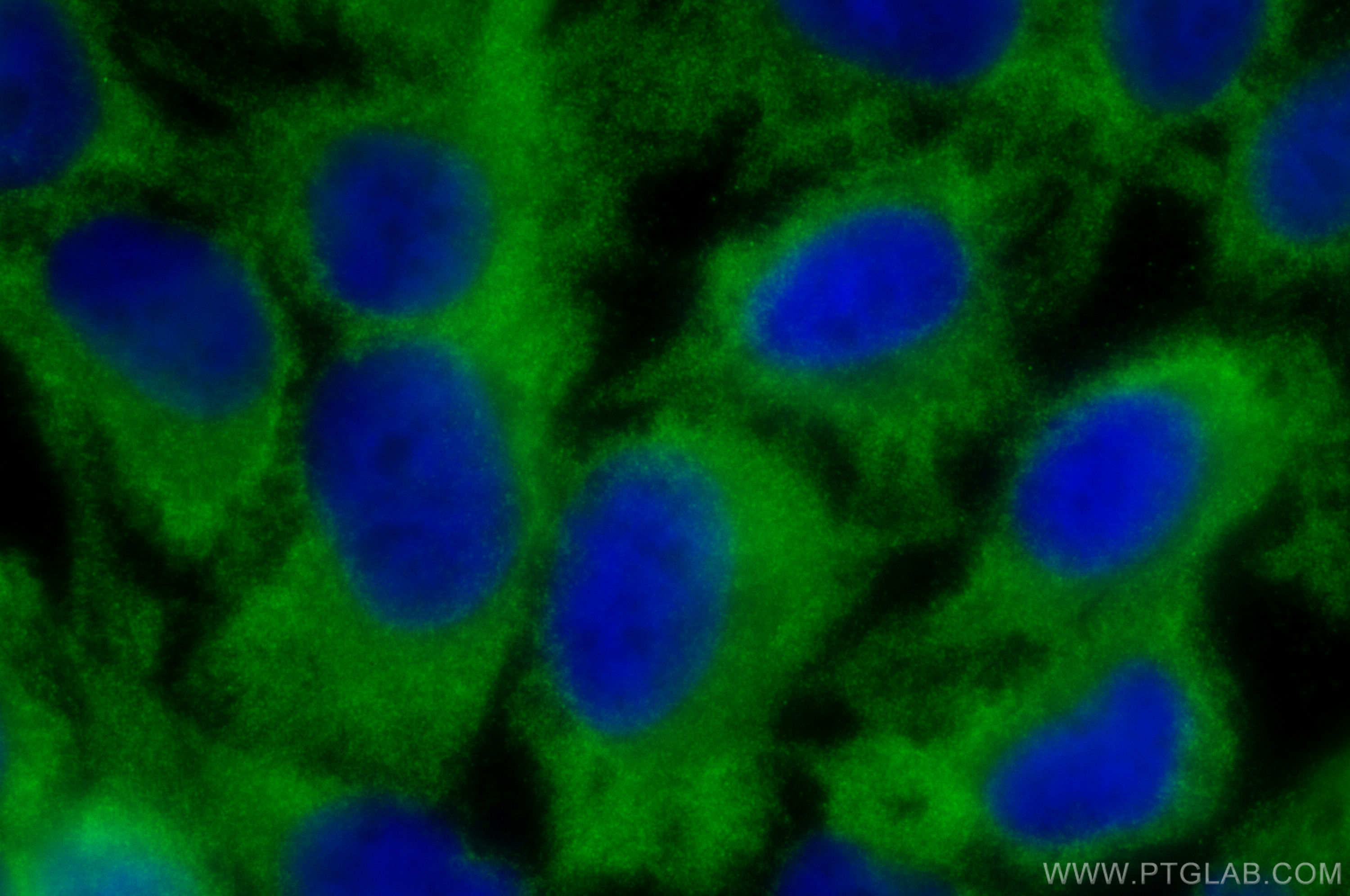
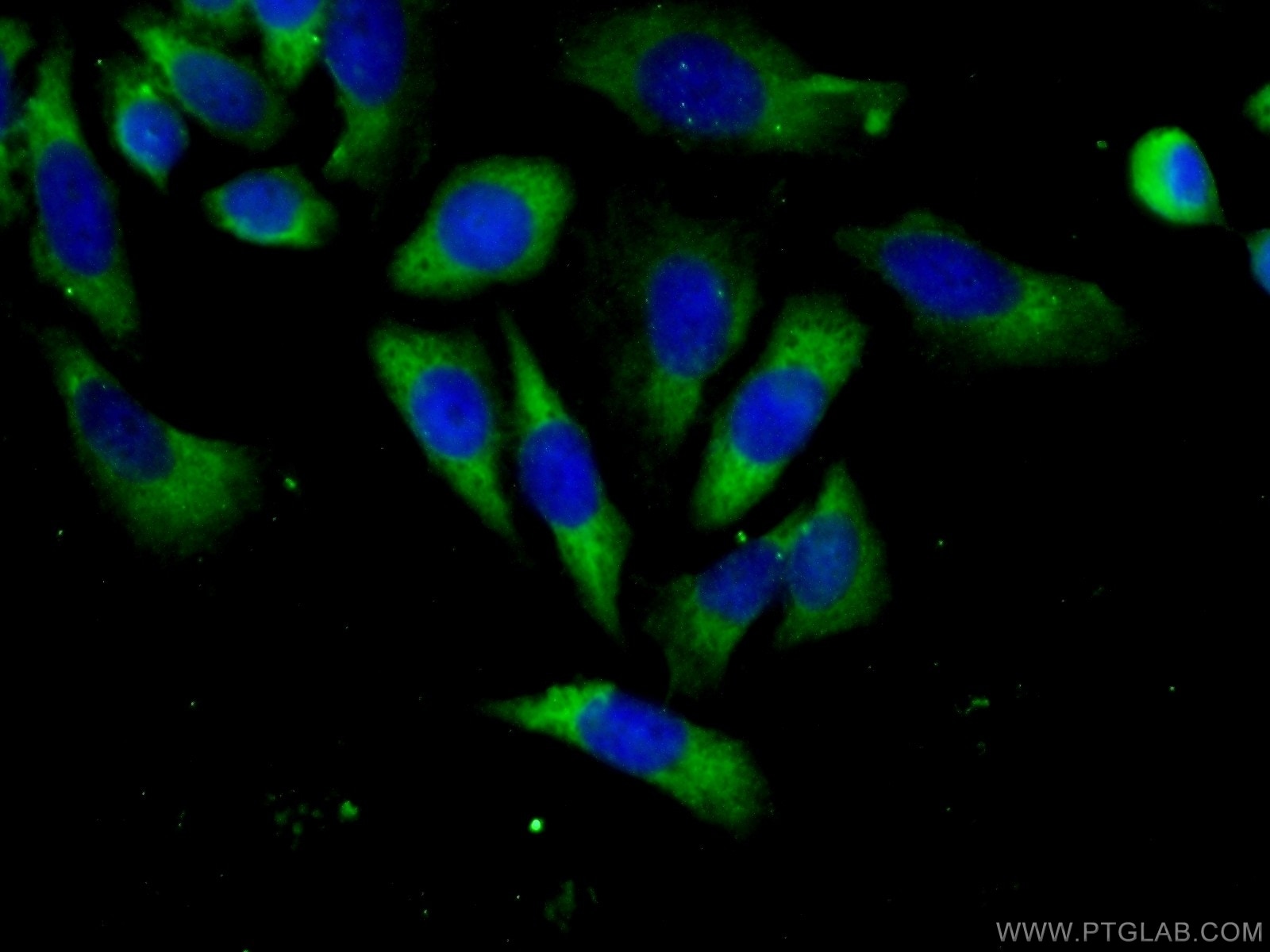
| Positive IF/ICC detected in | HeLa cells |
Recommended dilution
| Application | Dilution |
|---|---|
| Western Blot (WB) | WB : 1:2000-1:10000 |
| Immunoprecipitation (IP) | IP : 0.5-4.0 ug for 1.0-3.0 mg of total protein lysate |
| Immunohistochemistry (IHC) | IHC : 1:500-1:2000 |
| Immunofluorescence (IF)/ICC | IF/ICC : 1:200-1:800 |
| It is recommended that this reagent should be titrated in each testing system to obtain optimal results. | |
| Sample-dependent, Check data in validation data gallery. | |
Product Information
13950-1-AP targets ABCF1 in WB, IHC, IF/ICC, IP, CoIP, ELISA applications and shows reactivity with human, mouse, rat samples.
| Tested Reactivity | human, mouse, rat |
| Cited Reactivity | human, mouse |
| Host / Isotype | Rabbit / IgG |
| Class | Polyclonal |
| Type | Antibody |
| Immunogen |
CatNo: Ag5061 Product name: Recombinant human ABCF1 protein Source: e coli.-derived, PGEX-4T Tag: GST Domain: 496-845 aa of BC034488 Sequence: GWRKTLLIVSHDQGFLDDVCTDIIHLDAQRLHYYRGNYMTFKKMYQQKQKELLKQYEKQEKKLKELKAGGKSTKQAEKQTKEALTRKQQKCRRKNQDEESQEAPELLKRPKEYTVRFTFPDPPPLSPPVLGLHGVTFGYQGQKPLFKNLDFGIDMDSRICIVGPNGVGKSTLLLLLTGKLTPTHGEMRKNHRLKIGFFNQQYAEQLRMEETPTEYLQRGFNLPYQDARKCLGRFGLESHAHTIQICKLSGGQKARVVFAELACREPDVLILDEPTNNLDIESIDALGEAINEYKGAVIVVSHDARLITETNCQLWVVEEQSVSQIDGDFEDYKREVLEALGEVMVSRPRE Predict reactive species |
| Full Name | ATP-binding cassette, sub-family F (GCN20), member 1 |
| Calculated Molecular Weight | 92 kDa |
| Observed Molecular Weight | 110 kDa |
| GenBank Accession Number | BC034488 |
| Gene Symbol | ABCF1 |
| Gene ID (NCBI) | 23 |
| RRID | AB_2242044 |
| Conjugate | Unconjugated |
| Form | Liquid |
| Purification Method | Antigen affinity purification |
| UNIPROT ID | Q8NE71 |
| Storage Buffer | PBS with 0.02% sodium azide and 50% glycerol, pH 7.3. |
| Storage Conditions | Store at -20°C. Stable for one year after shipment. Aliquoting is unnecessary for -20oC storage. 20ul sizes contain 0.1% BSA. |
Background Information
ABCF1, also known as ABC27, and ABC50, is a member of the superfamily of ATP-binding cassette (ABC) transporters and contains two ABC transporter domains. ABC genes are divided into seven distinct subfamilies (ABC1, MDR/TAP, MRP, ALD, OABP, GCN20, White). Unlike other members of the superfamily, ABCF1 lacks the transmembrane domains that are characteristic of most ABC transporters. ABCF1 may be regulated by tumor necrosis factor-alpha and play a role in the enhancement of protein synthesis and thus participate in the inflammatory processes(PMID: 9790762).
Protocols
| Product Specific Protocols | |
|---|---|
| IF protocol for ABCF1 antibody 13950-1-AP | Download protocol |
| IHC protocol for ABCF1 antibody 13950-1-AP | Download protocol |
| IP protocol for ABCF1 antibody 13950-1-AP | Download protocol |
| WB protocol for ABCF1 antibody 13950-1-AP | Download protocol |
| Standard Protocols | |
|---|---|
| Click here to view our Standard Protocols |
Publications
What published studies show
The anti-ABCF1 antibody (Cat# 13950-1-AP) has 4 total citations published in Immunity, Science Advances, Cell Death & Differentiation, and Proteomics. Research fields span macrophage polarization in septic shock, embryonic stem cell transcription and genome surveillance, hepatocellular carcinoma malignant progression via HIF1 signaling, and global profiling of protein lysine lactylation in liver cancer. Applications include CoIP, WB, IF, and IP across human and mouse species.
| Species | Application | Title |
|---|---|---|
Immunity The ATP-Binding Cassette Gene ABCF1 Functions as an E2 Ubiquitin-Conjugating Enzyme Controlling Macrophage Polarization to Dampen Lethal Septic Shock. | ||
Sci Adv ATP-binding cassette protein ABCF1 couples transcription and genome surveillance in embryonic stem cells through low-complexity domain.
| ||
Cell Death Differ ABCF1-K430-Lactylation promotes HCC malignant progression via transcriptional activation of HIF1 signaling pathway
| ||
Proteomics Global profiling of protein lysine lactylation and potential target modified protein analysis in hepatocellular carcinoma |

