

Tested Applications
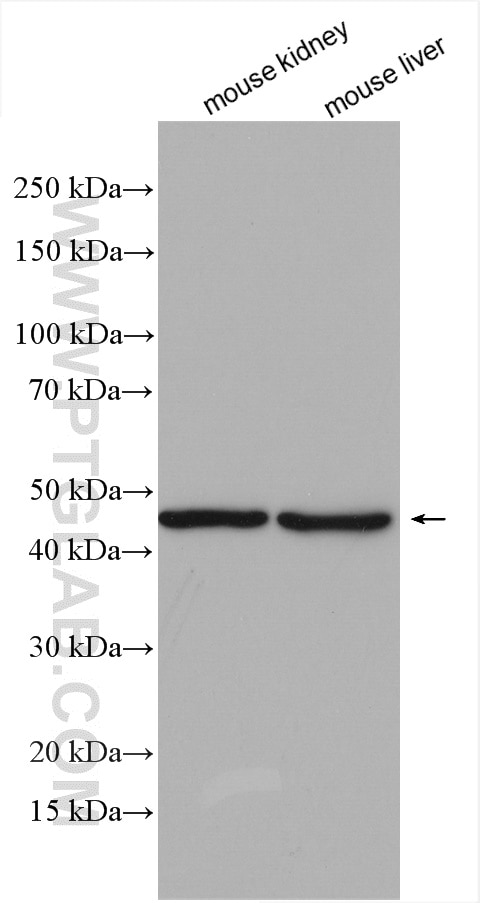
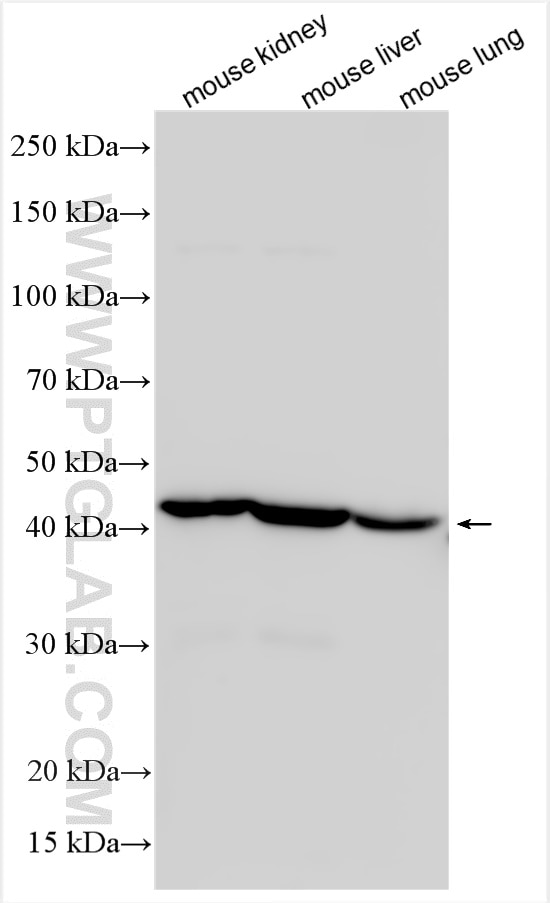
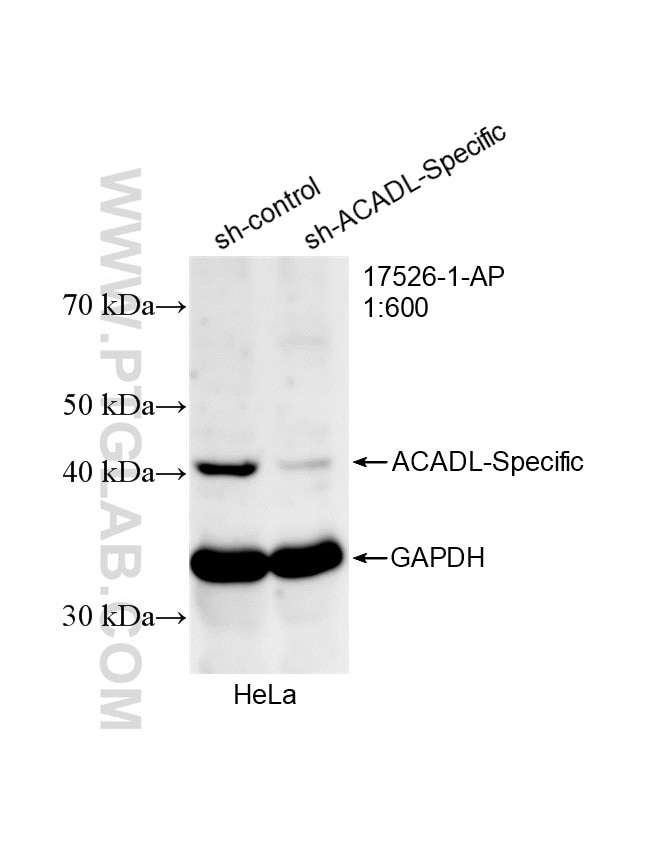
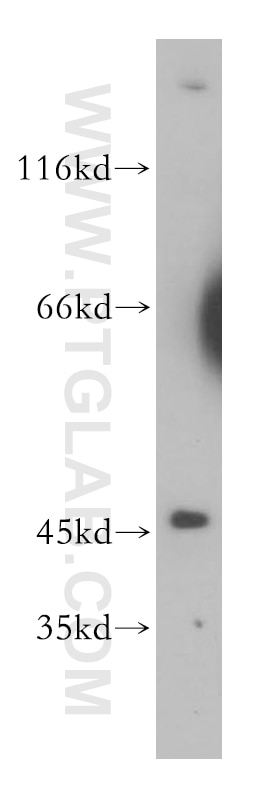
| Positive WB detected in | mouse kidney tissue, HeLa cells, mouse heart tissue, mouse liver tissue, mouse lung tissue |
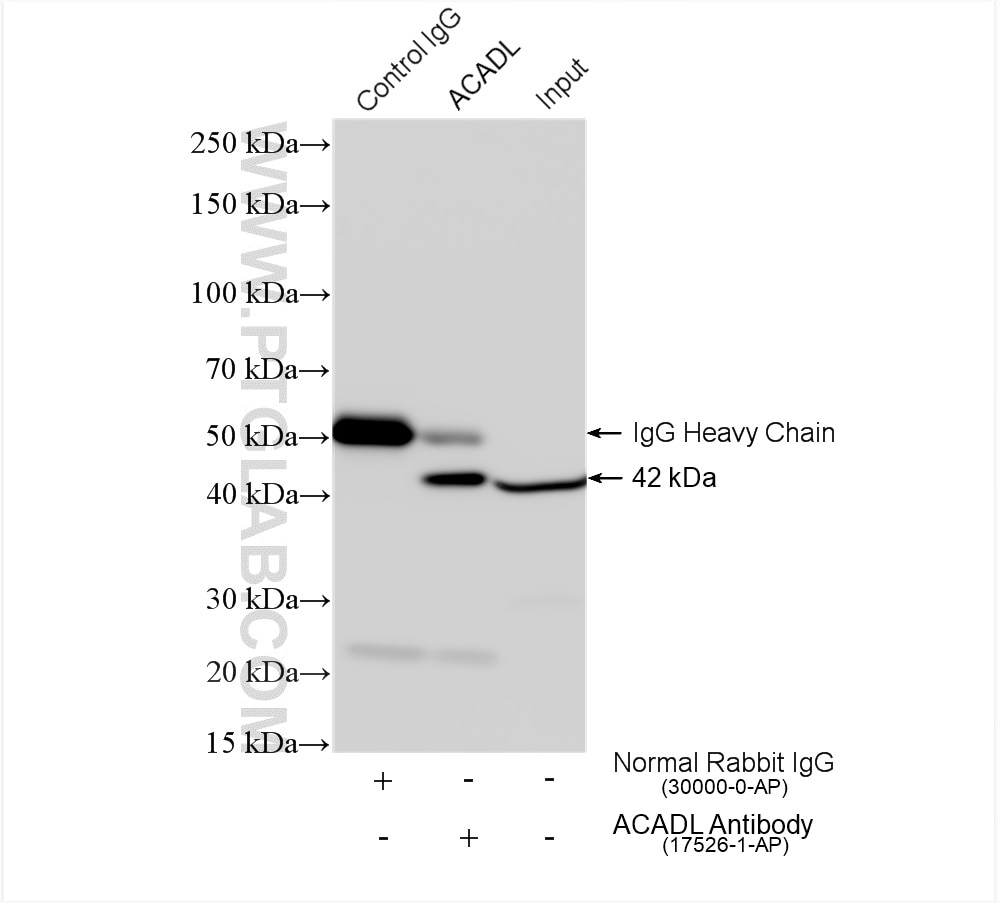
| Positive IP detected in | mouse kidney tissue |
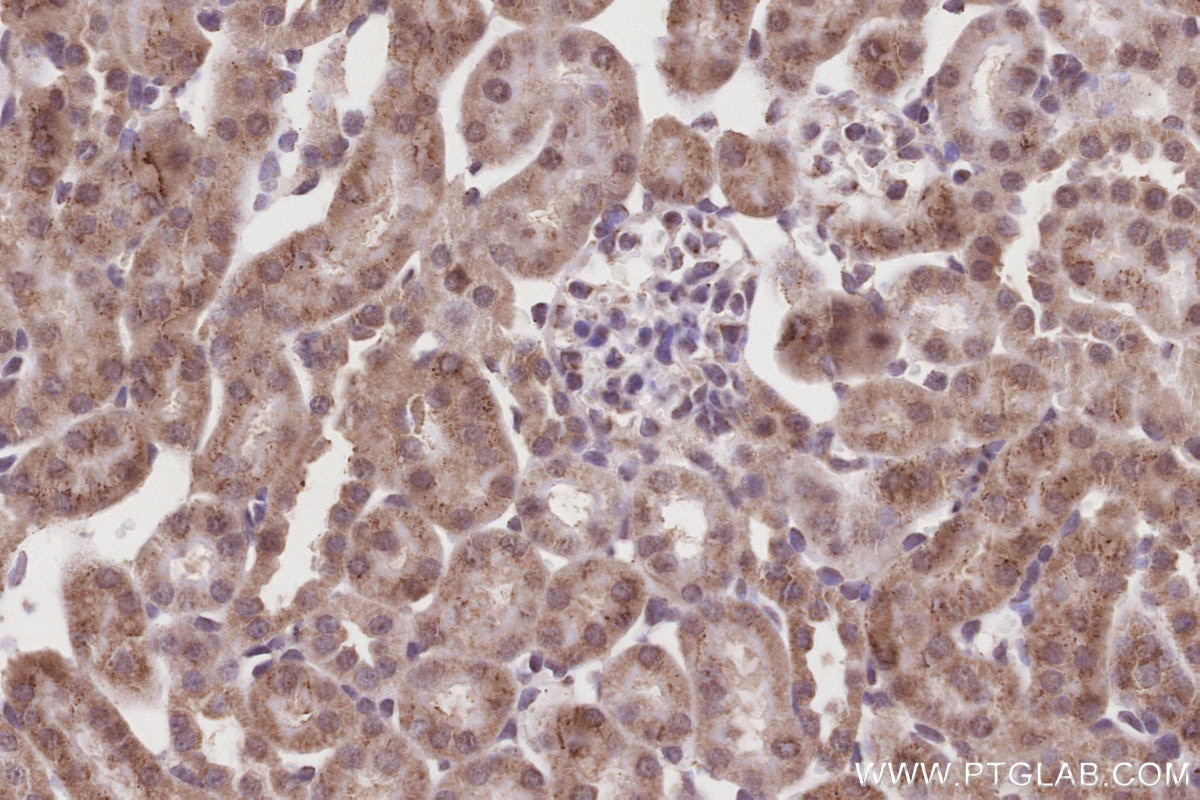
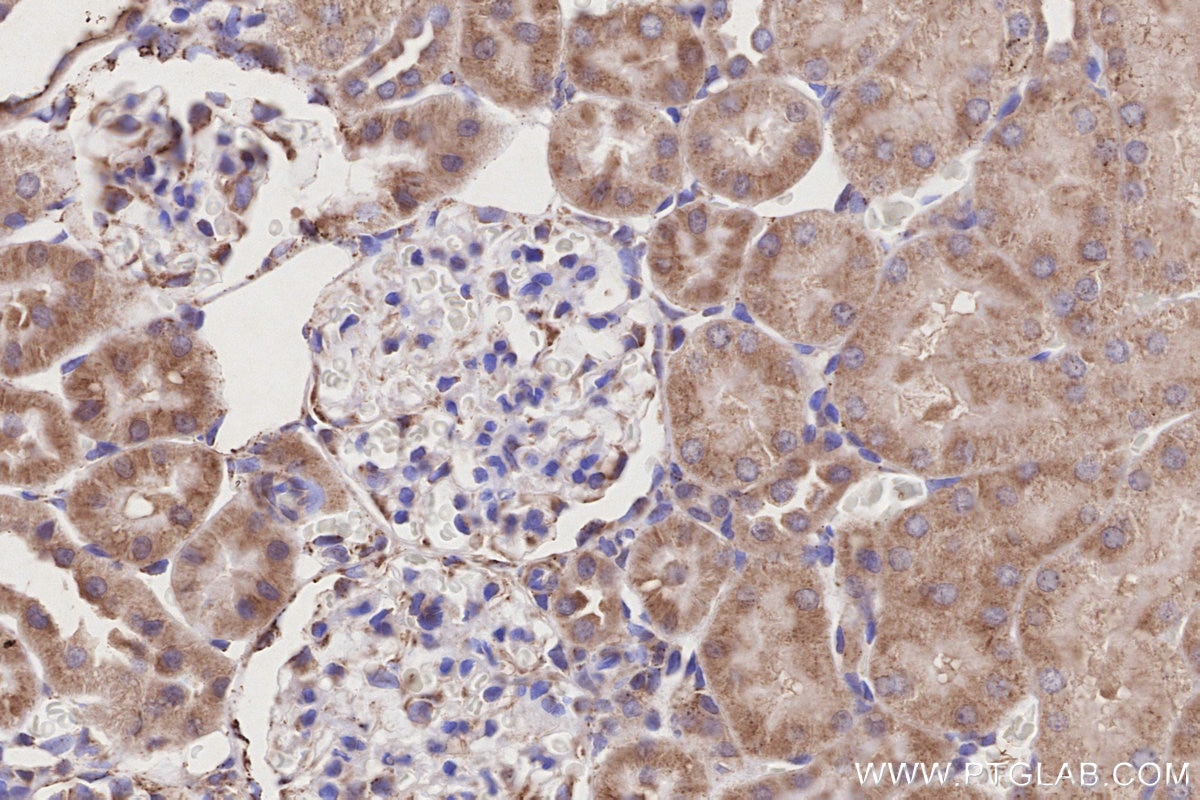
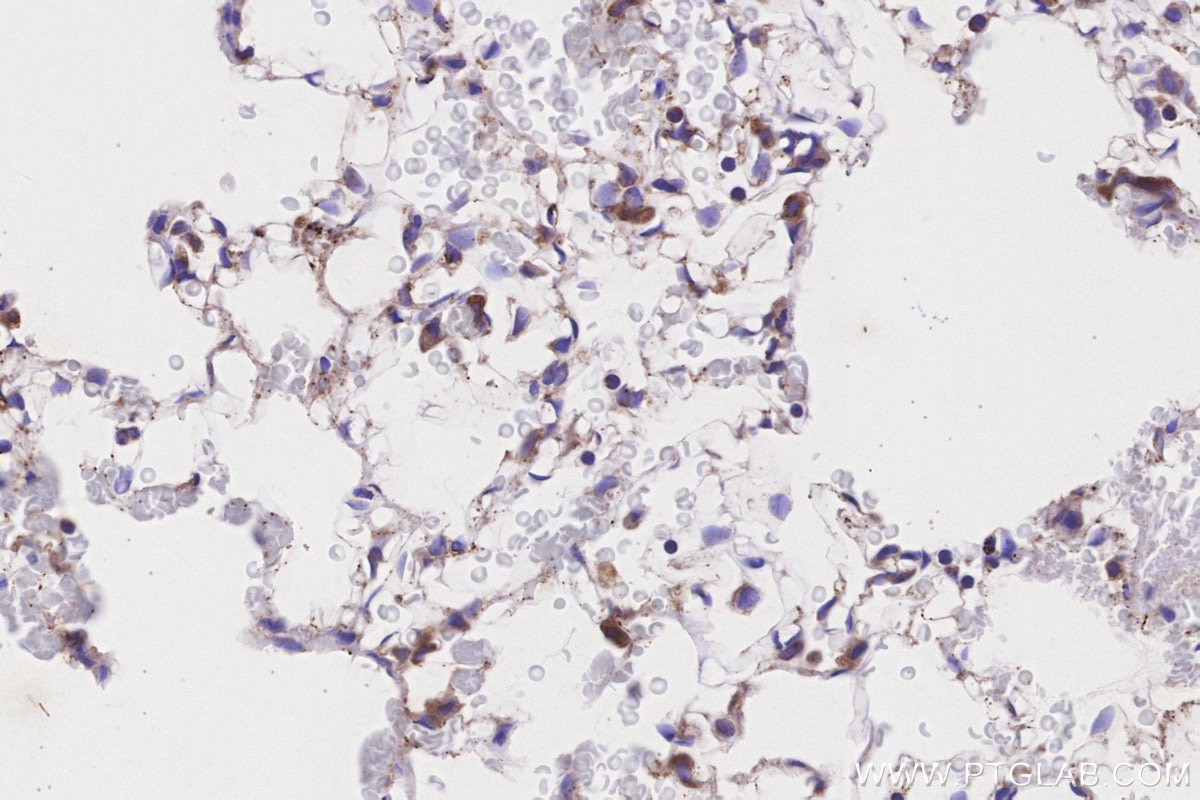
| Positive IHC detected in | rat kidney tissue, mouse kidney tissue, rat lung tissue Note: suggested antigen retrieval with TE buffer pH 9.0; (*) Alternatively, antigen retrieval may be performed with citrate buffer pH 6.0 |
Recommended dilution
| Application | Dilution |
|---|---|
| Western Blot (WB) | WB : 1:5000-1:50000 |
| Immunoprecipitation (IP) | IP : 0.5-4.0 ug for 1.0-3.0 mg of total protein lysate |
| Immunohistochemistry (IHC) | IHC : 1:250-1:1000 |
| It is recommended that this reagent should be titrated in each testing system to obtain optimal results. | |
| Sample-dependent, Check data in validation data gallery. | |
Product Information
17526-1-AP targets ACADL-Specific in WB, IHC, IF, IP, ELISA applications and shows reactivity with human, mouse samples.
| Tested Reactivity | human, mouse |
| Cited Reactivity | human, mouse, rat, pig, sheep, ewes |
| Host / Isotype | Rabbit / IgG |
| Class | Polyclonal |
| Type | Antibody |
| Immunogen |
Peptide Predict reactive species |
| Full Name | acyl-Coenzyme A dehydrogenase, long chain |
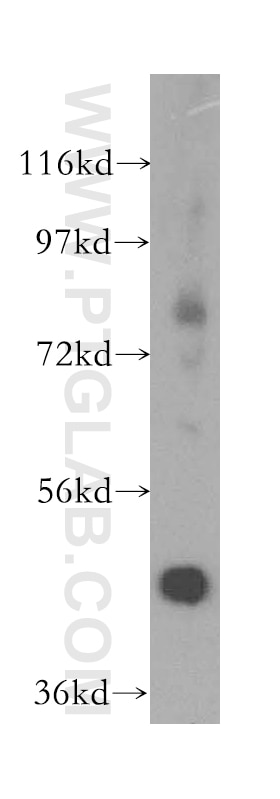
| Calculated Molecular Weight | 48 kDa |
| Observed Molecular Weight | 48 kDa |
| GenBank Accession Number | NM_001608 |
| Gene Symbol | ACADL |
| Gene ID (NCBI) | 33 |
| RRID | AB_2219661 |
| Conjugate | Unconjugated |
| Form | Liquid |
| Purification Method | Antigen affinity purification |
| UNIPROT ID | P28330 |
| Storage Buffer | PBS with 0.02% sodium azide and 50% glycerol, pH 7.3. |
| Storage Conditions | Store at -20°C. Stable for one year after shipment. Aliquoting is unnecessary for -20oC storage. 20ul sizes contain 0.1% BSA. |
Background Information
ACADL(Long-chain specific acyl-CoA dehydrogenase, mitochondrial) is also named as LCAD and belongs to the acyl-CoA dehydrogenase family.It catalyzes the first reaction of the mitochondrial β-oxidation of fatty acids and is synthesized in the cytosol as a precursor that is larger than its mature from. The size difference between the precursor and mature rat LCAD has been estimated to be 3 kDa on the basis of SDS-PAGE(PMID:1774065). Defects in ACADL are a cause of acyl-CoA dehydrogenase very long-chain deficiency (ACADVLD).This antibody is specific to ACADL.
Protocols
| Product Specific Protocols | |
|---|---|
| IHC protocol for ACADL-Specific antibody 17526-1-AP | Download protocol |
| IP protocol for ACADL-Specific antibody 17526-1-AP | Download protocol |
| WB protocol for ACADL-Specific antibody 17526-1-AP | Download protocol |
| Standard Protocols | |
|---|---|
| Click here to view our Standard Protocols |
Publications
What published studies show
The ACADL-Specific Polyclonal antibody (Cat# 17526-1-AP) has 85 citations spanning high-impact journals including Nature Communications, Cell Research, Cancer Research, Advanced Science, FASEB Journal, and Journal of Biological Chemistry. Research fields covered include fatty acid oxidation, lipid metabolism, cardiac energetics, cancer (hepatocellular, pancreatic, lung), liver disease (NAFLD/MASLD), mitochondrial dysfunction, atherosclerosis, diabetes, obesity, neurogenesis, and renal fibrosis. Applications are predominantly Western blot, with some IHC, IF, and IP.
| Species | Application | Title |
|---|---|---|
Signal Transduct Target Ther A two-strata energy flux system driven by a stress hormone prioritizes cardiac energetics | ||
Nanomicro Lett Nanoparticle-Mediated Lipid Metabolic Reprogramming of T Cells in Tumor Microenvironments for Immunometabolic Therapy. | ||
Cell Res Hypoxia induces mitochondrial protein lactylation to limit oxidative phosphorylation | ||
Bioact Mater A foam cell-targeted lipophagy restoration strategy stabilizes vulnerable atherosclerotic plaques. | ||
Cancer Res Long-Chain Fatty Acid Redistribution Induced by SLC27A2 Deficiency Facilitates Hypoxic Adaptation and Immunosuppression in Hepatocellular Carcinoma | ||
Bone Res Pak4-mediated crosstalk between necroptotic macrophages and tendon stem/progenitor cells contributes to traumatic heterotopic ossification formation. |
Reviews
What customers say
All three reviewers rate the product 4–5 stars. Two used it for Western Blot (one at 1:500 dilution on mouse brain tissue) and one for Immunofluorescence at 1:50 dilution on liver tissue, all reporting successful results. One reviewer also highlighted fast shipping and a positive ordering experience. Overall, customers find this antibody reliable and easy to use across applications.
The reviews below have been submitted by verified Proteintech customers who received an incentive for providing their feedback.
Rebeca (Verified Customer) (03-11-2024) | I had a great experience ordering this product and it arrived within a few days.
|
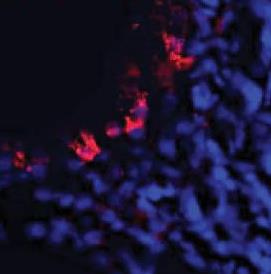
Wu (Verified Customer) (04-10-2021) | LCAD antibody worked good in IF assay at 1:50 dilution.
 |
Tanusree (Verified Customer) (12-18-2019) | Product worked well in WB at 1:500 dilution
|

