

Tested Applications
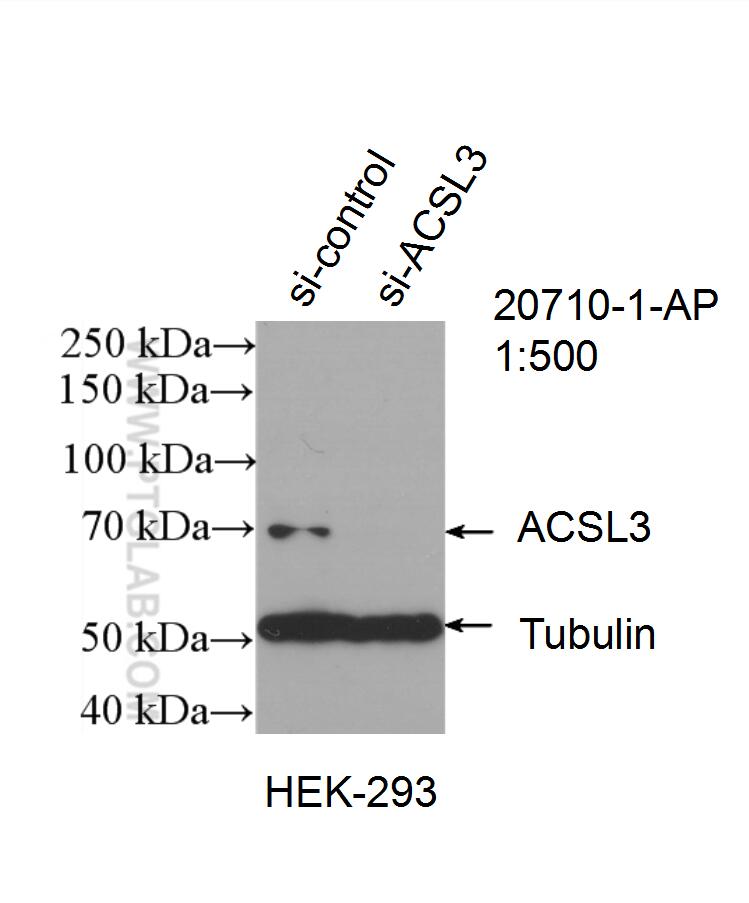
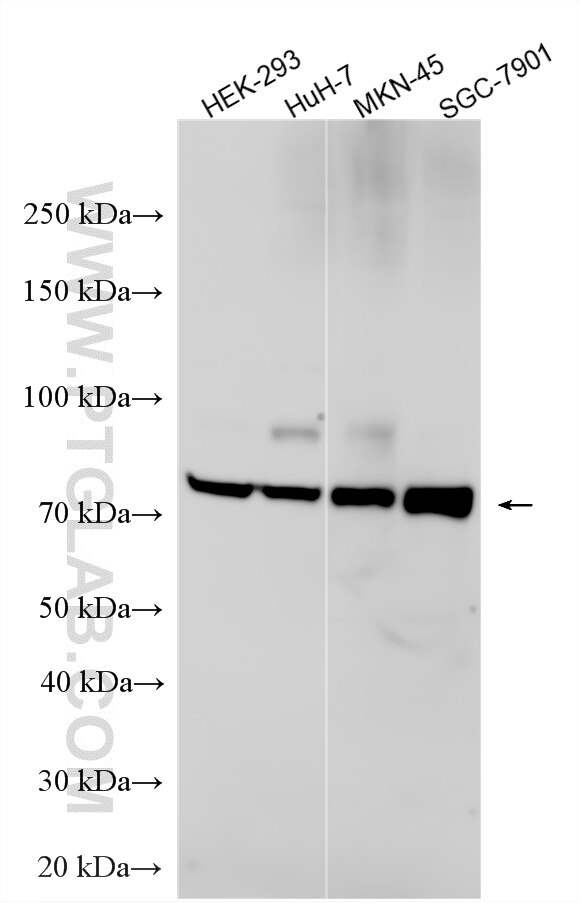
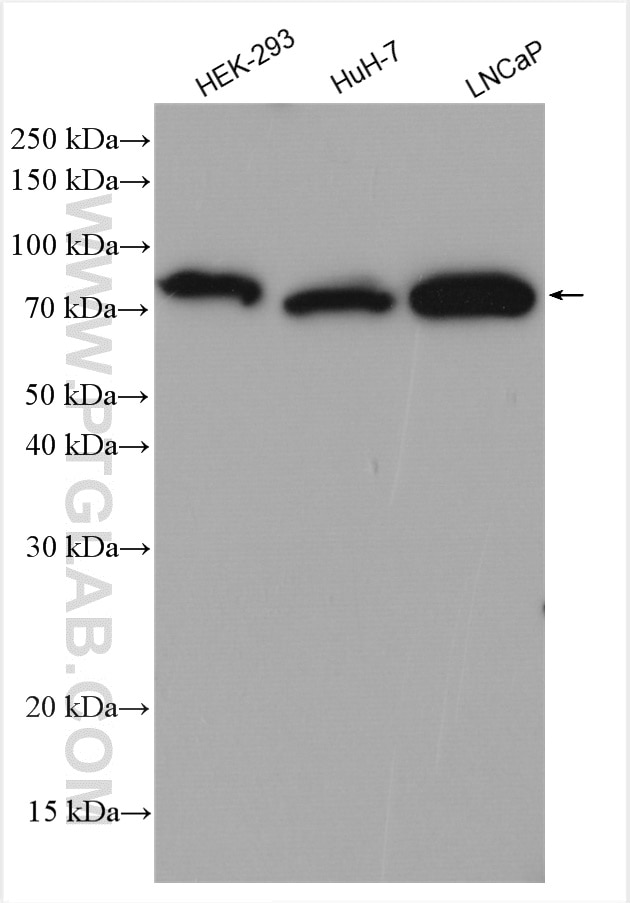
| Positive WB detected in | HEK-293 cells, HuH-7 cells, MNK-45 cells, SGC-7901 cells, LNCaP cells |
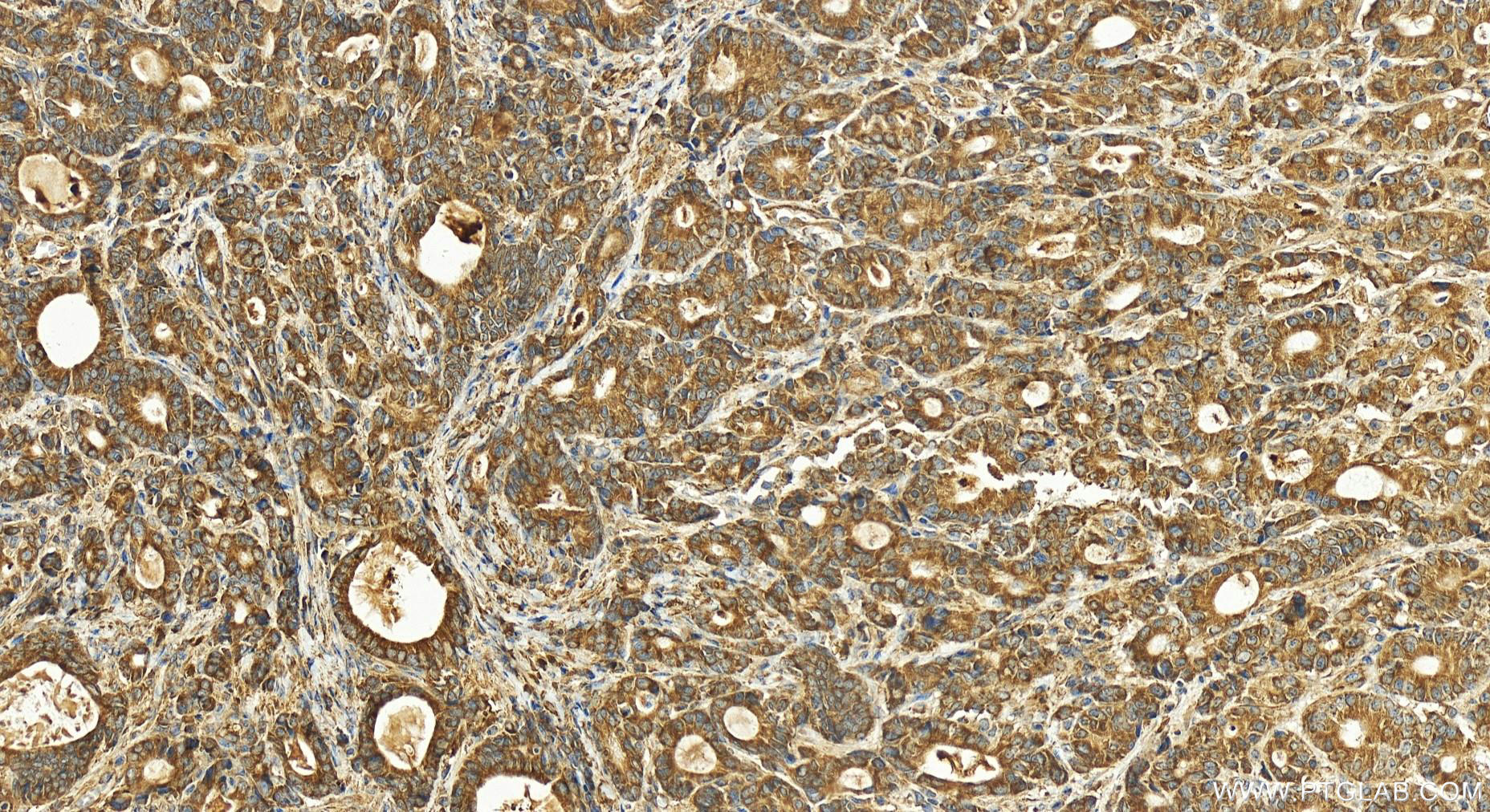
| Positive IHC detected in | human stomach cancer tissue Note: suggested antigen retrieval with TE buffer pH 9.0; (*) Alternatively, antigen retrieval may be performed with citrate buffer pH 6.0 |
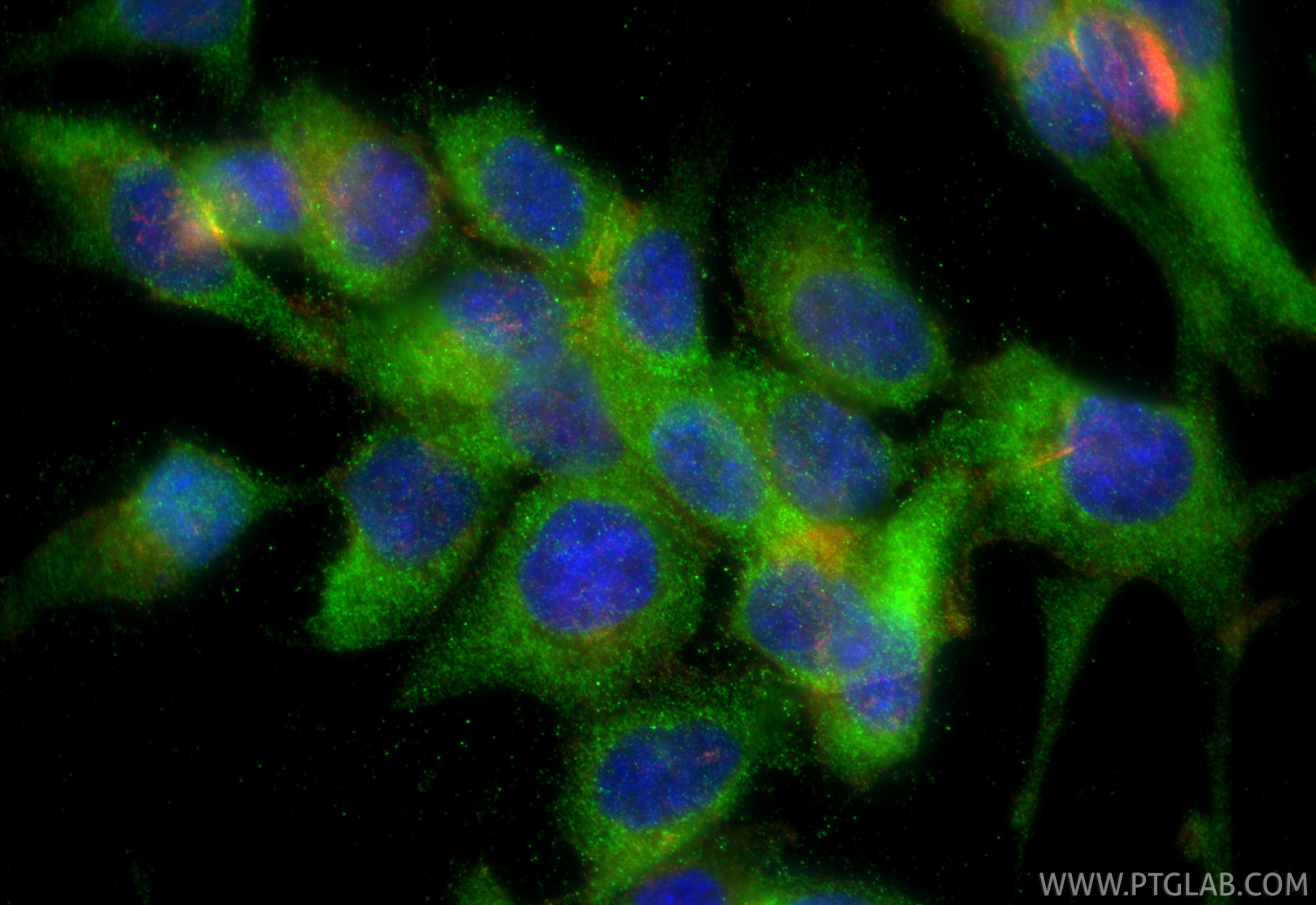
| Positive IF/ICC detected in | HCT 116 cells |
Recommended dilution
| Application | Dilution |
|---|---|
| Western Blot (WB) | WB : 1:2000-1:10000 |
| Immunohistochemistry (IHC) | IHC : 1:50-1:500 |
| Immunofluorescence (IF)/ICC | IF/ICC : 1:200-1:800 |
| It is recommended that this reagent should be titrated in each testing system to obtain optimal results. | |
| Sample-dependent, Check data in validation data gallery. | |
Product Information
20710-1-AP targets ACSL3 in WB, IHC, IF/ICC, IP, CoIP, ELISA applications and shows reactivity with human, mouse samples.
| Tested Reactivity | human, mouse |
| Cited Reactivity | human, mouse |
| Host / Isotype | Rabbit / IgG |
| Class | Polyclonal |
| Type | Antibody |
| Immunogen |
Peptide Predict reactive species |
| Full Name | acyl-CoA synthetase long-chain family member 3 |
| Calculated Molecular Weight | 80 kDa |
| Observed Molecular Weight | 70-80 kDa |
| GenBank Accession Number | NM_004457 |
| Gene Symbol | ACSL3 |
| Gene ID (NCBI) | 2181 |
| RRID | AB_10697670 |
| Conjugate | Unconjugated |
| Form | Liquid |
| Purification Method | Antigen affinity purification |
| UNIPROT ID | O95573 |
| Storage Buffer | PBS with 0.02% sodium azide and 50% glycerol, pH 7.3. |
| Storage Conditions | Store at -20°C. Stable for one year after shipment. Aliquoting is unnecessary for -20oC storage. 20ul sizes contain 0.1% BSA. |
Background Information
ACSL3, also named as ACS3, FACL3 and LACS3, belongs to the ATP-dependent AMP-binding enzyme family. Acyl-CoA synthetases (ACSL) activate long-chain fatty acids for both synthesis of cellular lipids, and degradation via beta-oxidation. ACSL3 mediates hepatic lipogenesis. Preferentially uses myristate, laurate, arachidonate and eicosapentaenoate as substrates. Has mainly an anabolic role in energy metabolism. Required for the incorporation of fatty acids into phosphatidylcholine, the major phospholipid located on the surface of VLDL (very low density lipoproteins). The antibody is specific to ACSL3.
Protocols
| Product Specific Protocols | |
|---|---|
| IHC protocol for ACSL3 antibody 20710-1-AP | Download protocol |
| WB protocol for ACSL3 antibody 20710-1-AP | Download protocol |
| Standard Protocols | |
|---|---|
| Click here to view our Standard Protocols |
Publications
What published studies show
Anti-ACSL3 antibody (Cat# 20710-1-AP) has 49 citations across journals including Nature Communications, Nature Metabolism, Molecular Cell, Free Radical Biology and Medicine, Cell Death & Discovery, Clinical Translational Medicine, and Journal of Biological Chemistry. Research fields span lipid/fatty acid metabolism, ferroptosis, cancer biology (glioblastoma, breast, bladder, lung, and colorectal cancers), metabolic reprogramming, drug resistance, cardiovascular disease, neurodegeneration, and reproductive biology.
| Species | Application | Title |
|---|---|---|
Cancer Commun (Lond) Blockage of EGFR/AKT and mevalonate pathways synergize the antitumor effect of temozolomide by reprogramming energy metabolism in glioblastoma | ||
Nat Metab N6-methyladenosine (m6A) in 18S rRNA promotes fatty acid metabolism and oncogenic transformation | ||
Nat Commun Endosomal trafficking participates in lipid droplet catabolism to maintain lipid homeostasis | ||
Nat Commun TMEM120A maintains adipose tissue lipid homeostasis through ER CoA channeling. | ||
Nat Commun Attenuated growth factor signaling during cell death initiation sensitizes membranes towards peroxidation | ||
Nat Commun Sec14L6 is a phosphoinositide transporter that regulates phosphoinositide homeostasis and biogenesis of lipid droplets |

