

Tested Applications
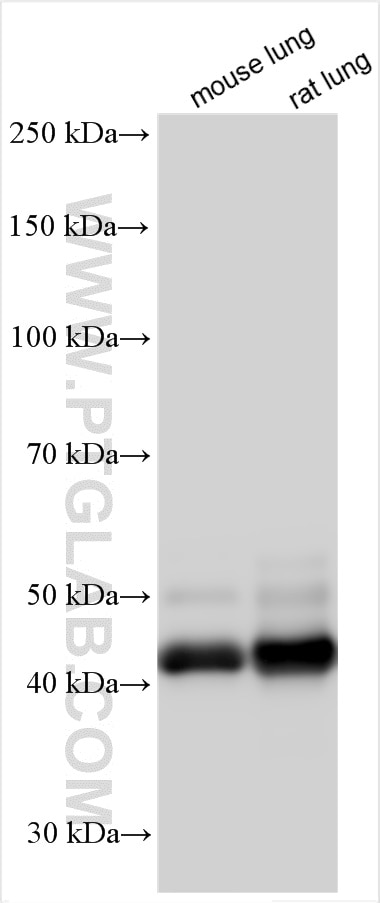
| Positive WB detected in | mouse lung tissue, rat lung tissue |
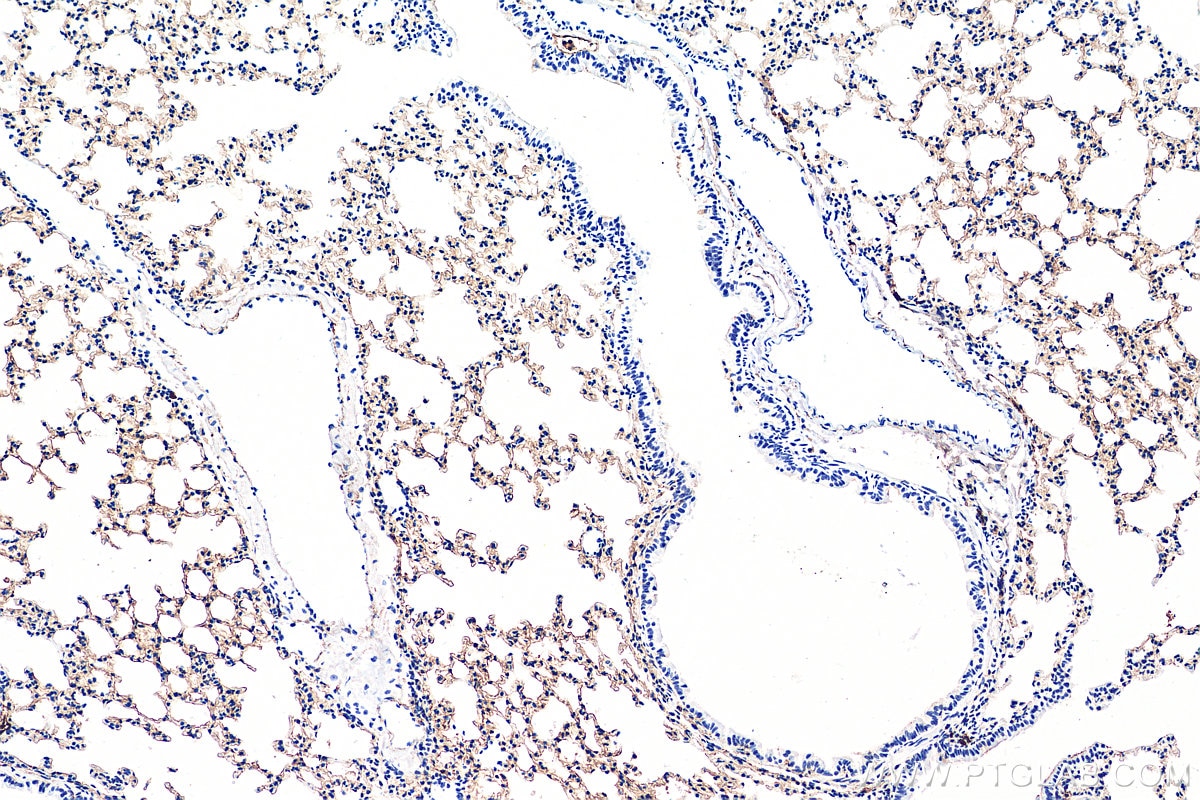
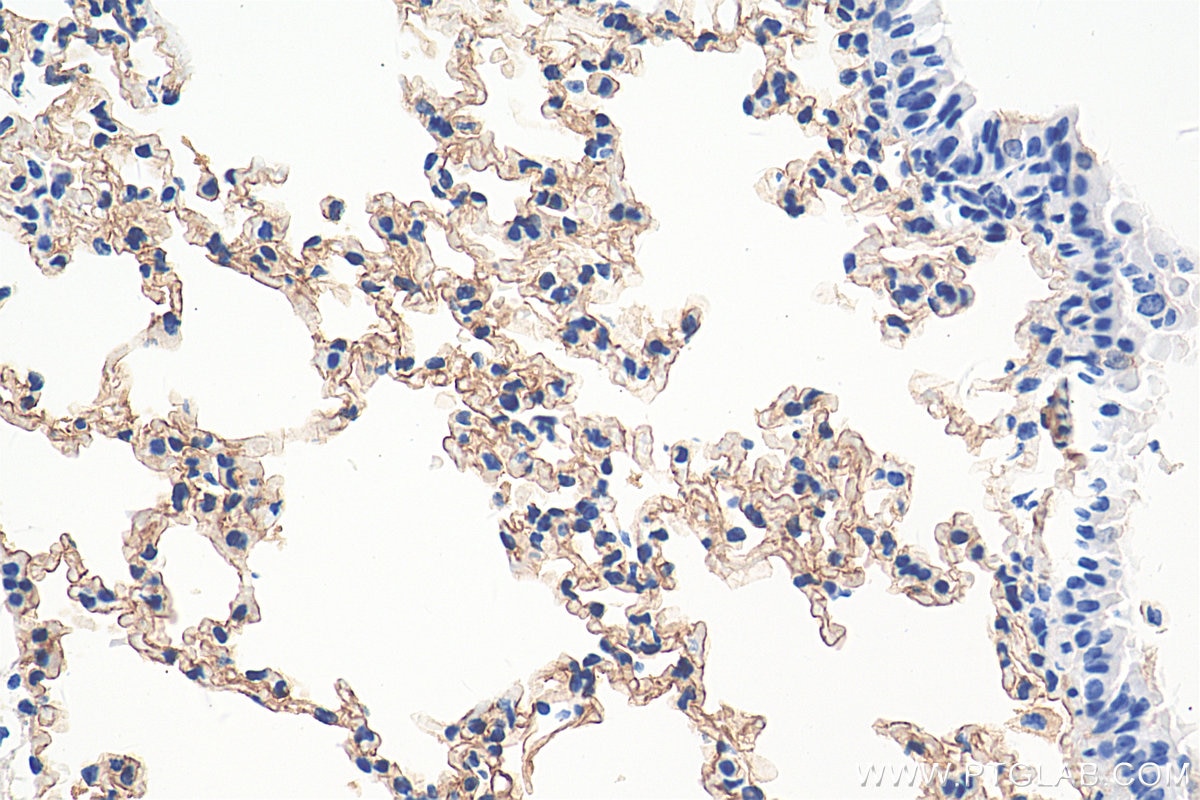
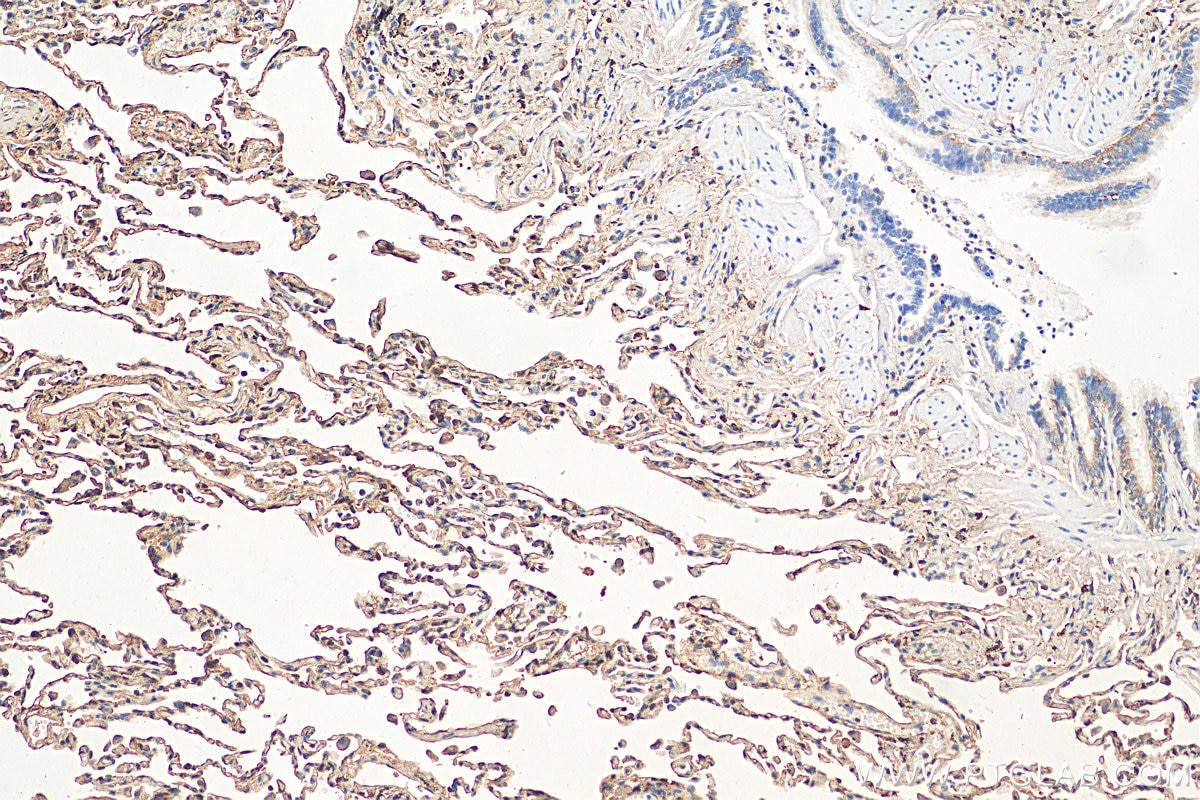
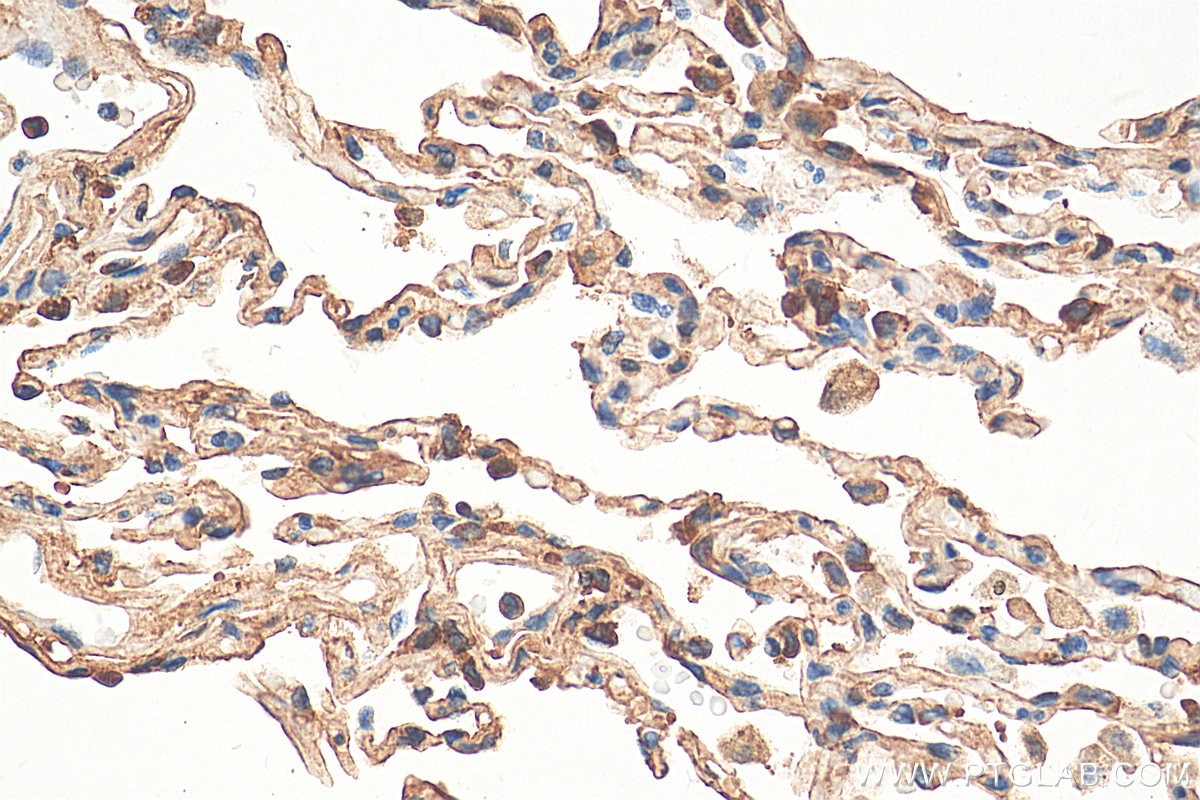
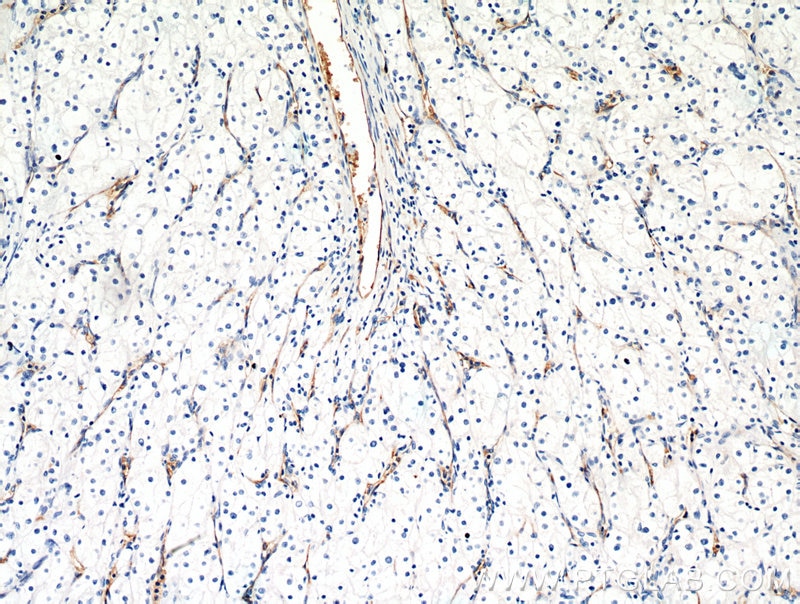
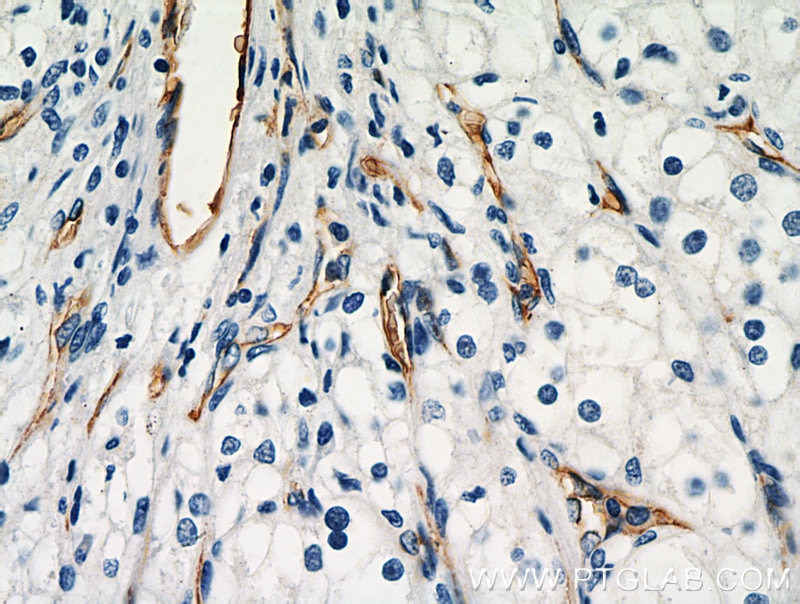
| Positive IHC detected in | mouse lung tissue, human lung tissue, human renal cell carcinoma tissue Note: suggested antigen retrieval with TE buffer pH 9.0; (*) Alternatively, antigen retrieval may be performed with citrate buffer pH 6.0 |
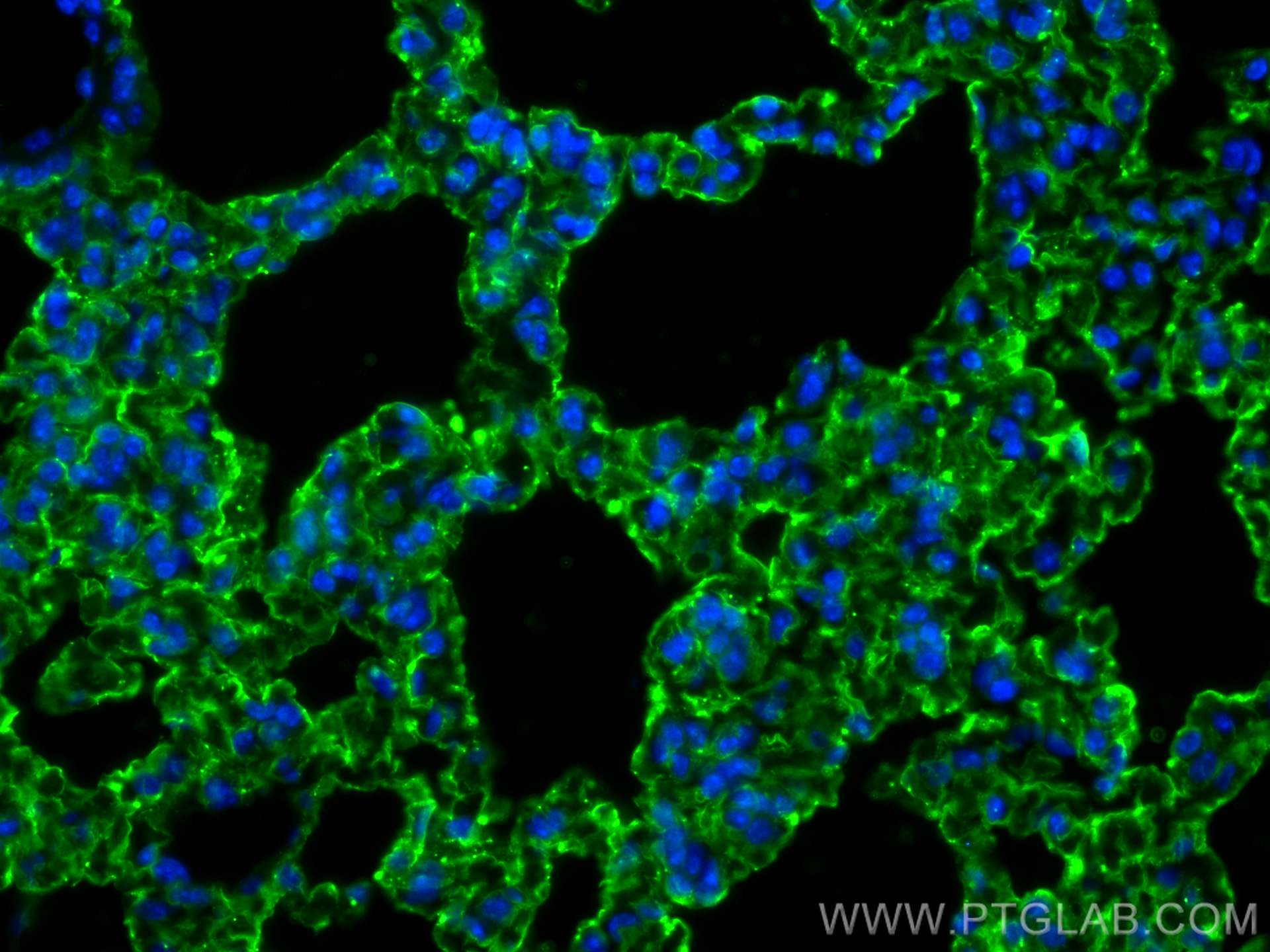
| Positive IF-P detected in | mouse lung tissue |
Recommended dilution
| Application | Dilution |
|---|---|
| Western Blot (WB) | WB : 1:2000-1:16000 |
| Immunohistochemistry (IHC) | IHC : 1:1000-1:4000 |
| Immunofluorescence (IF)-P | IF-P : 1:50-1:500 |
| It is recommended that this reagent should be titrated in each testing system to obtain optimal results. | |
| Sample-dependent, Check data in validation data gallery. | |
Product Information
16346-1-AP targets AGER/RAGE in WB, IHC, IF-P, ELISA applications and shows reactivity with human, mouse, rat samples.
| Tested Reactivity | human, mouse, rat |
| Cited Reactivity | human, mouse, rat |
| Host / Isotype | Rabbit / IgG |
| Class | Polyclonal |
| Type | Antibody |
| Immunogen |
CatNo: Ag9540 Product name: Recombinant human AGER protein Source: e coli.-derived, PGEX-4T Tag: GST Domain: 26-340 aa of BC020669 Sequence: ITARIGEPLVLKCKGAPKKPPQRLEWKLNTGRTEAWKVLSPQGGGPWDSVARVLPNGSLFLPAVGIQDEGIFRCQAMNRNGKETKSNYRVRVYQIPGKPEIVDSASELTAGVPNKVGTCVSEGSYPAGTLSWHLDGKPLVPNEKGVSVKEQTRRHPETGLFTLQSELMVTPARGGDPRPTFSCSFSPGLPRHRALRTAPIQPRVWEPVPLEEVQLVVEPEGGAVAPGGTVTLTCEVPAQPSPQIHWMKDGVPLPLPPSPVLILPEIGPQDQGTYSCVATHSSHGPQESRAVSISIIEPGEEGPTAGSVGGSGLGT Predict reactive species |
| Full Name | advanced glycosylation end product-specific receptor |
| Calculated Molecular Weight | 404 aa, 43 kDa |
| Observed Molecular Weight | 43 kDa |
| GenBank Accession Number | BC020669 |
| Gene Symbol | AGER |
| Gene ID (NCBI) | 177 |
| RRID | AB_2878246 |
| Conjugate | Unconjugated |
| Form | Liquid |
| Purification Method | Antigen affinity purification |
| UNIPROT ID | Q15109 |
| Storage Buffer | PBS with 0.02% sodium azide and 50% glycerol, pH 7.3. |
| Storage Conditions | Store at -20°C. Stable for one year after shipment. Aliquoting is unnecessary for -20oC storage. 20ul sizes contain 0.1% BSA. |
Background Information
Advanced glycosylation end product-specific receptor (AGER, also known as RAGE) is a member of the immunoglobulin superfamily of cell surface receptors, which interacts with distinct families of ligands, mediating diverse functions in a broad array of cell types including cellular migration, proliferation, survival and apoptosis (PMID: 12645002; 17425919). It senses endogenous stress signals with a broad ligand repertoire including advanced glycation end products, S100 proteins, high-mobility group box 1 protein/HMGB1, amyloid beta/APP oligomers, nucleic acids, phospholipids and glycosaminoglycans (PMID: 19910580; 28627626). It interacts with distinct molecules implicated in homeostasis, development, inflammation, and certain diseases such as diabetes and Alzheimer's disease (PMID: 26253613; 31079281).
Protocols
| Product Specific Protocols | |
|---|---|
| IF protocol for AGER/RAGE antibody 16346-1-AP | Download protocol |
| IHC protocol for AGER/RAGE antibody 16346-1-AP | Download protocol |
| WB protocol for AGER/RAGE antibody 16346-1-AP | Download protocol |
| Standard Protocols | |
|---|---|
| Click here to view our Standard Protocols |
Publications
What published studies show
Anti-RAGE antibody (Cat# 16346-1-AP) has accumulated 81 citations across journals including Science, Nature Communications, Signal Transduction and Targeted Therapy, FASEB Journal, Journal of Neuroinflammation, ACS Nano, Cell Reports, and Journal of Ethnopharmacology. Research fields span diabetic complications, neuroinflammation, cardiovascular disease, fibrosis, sepsis, wound healing, cancer, and bone metabolism, with primary applications in Western blot, immunofluorescence, and immunohistochemistry.
| Species | Application | Title |
|---|---|---|
Signal Transduct Target Ther Inducible CD147 up-regulation boosts extended SARS-CoV-2 infection triggering severe COVID-19 independent of ACE2. | ||
Science Macrophage peroxisomes guide alveolar regeneration and limit SARS-CoV-2 tissue sequelae | ||
Bioact Mater Intelligent responsive alloy scaffold temporally regulates the immune-osteogenic axis for the treatment of infectious bone defects. | ||
J Extracell Vesicles S100A9 Aggravates Cardiac Fibrosis by TLR4/PGC-1α Mediated Macrophage-Myofibroblast Crosstalk. | ||
Nat Commun S100P is a ferroptosis suppressor to facilitate hepatocellular carcinoma development by rewiring lipid metabolism
| ||
Nat Commun Interleukin-11 causes alveolar type 2 cell dysfunction and prevents alveolar regeneration |

