
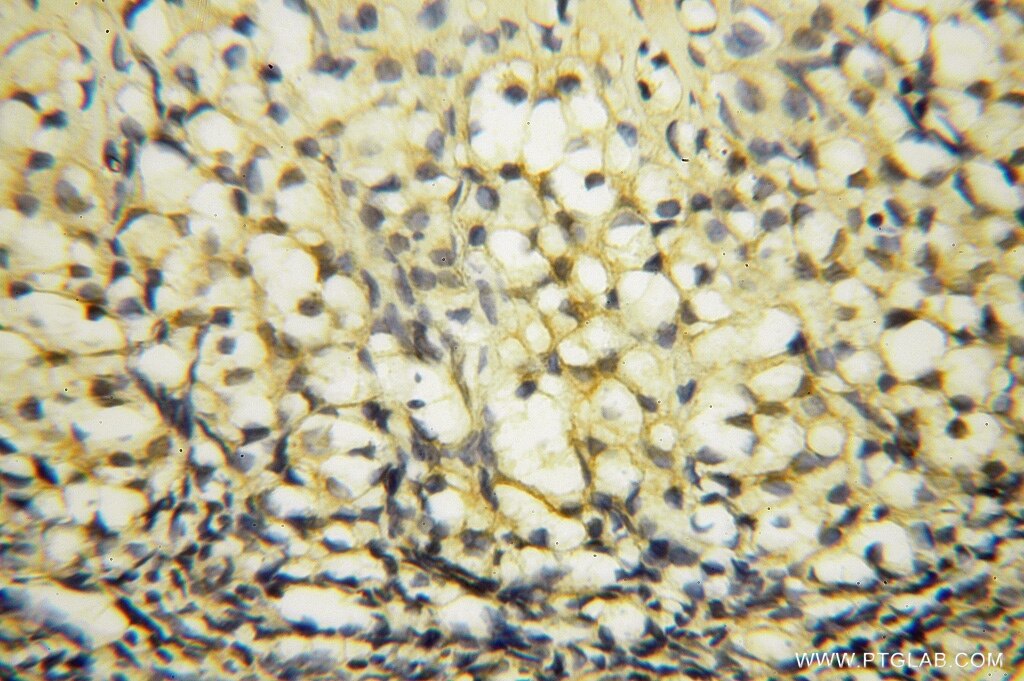

Tested Applications
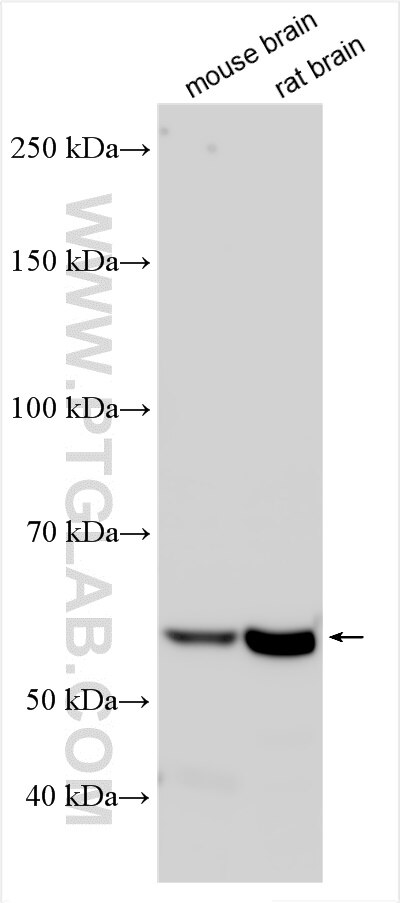
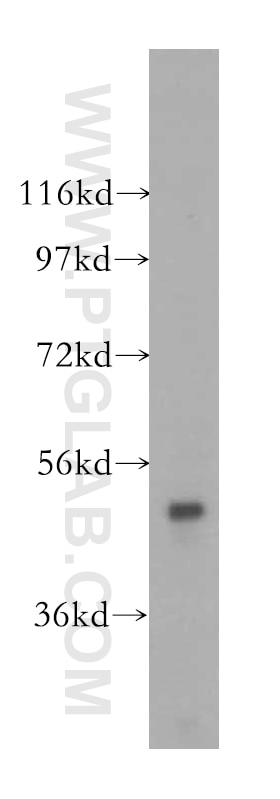
| Positive WB detected in | mouse brain tissue, mouse testis tissue, rat brain tissue |
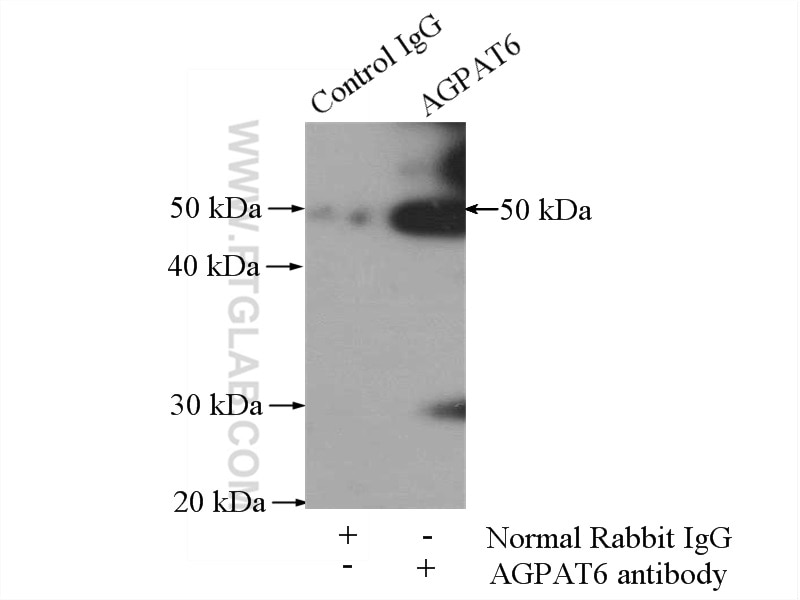
| Positive IP detected in | mouse brain tissue |
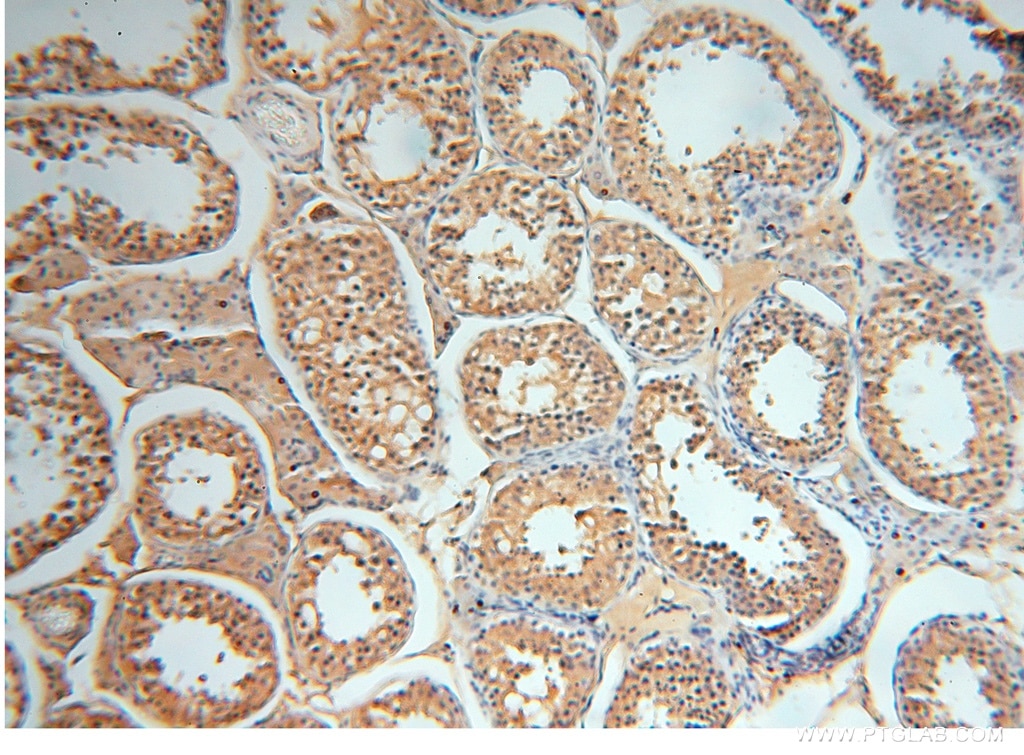
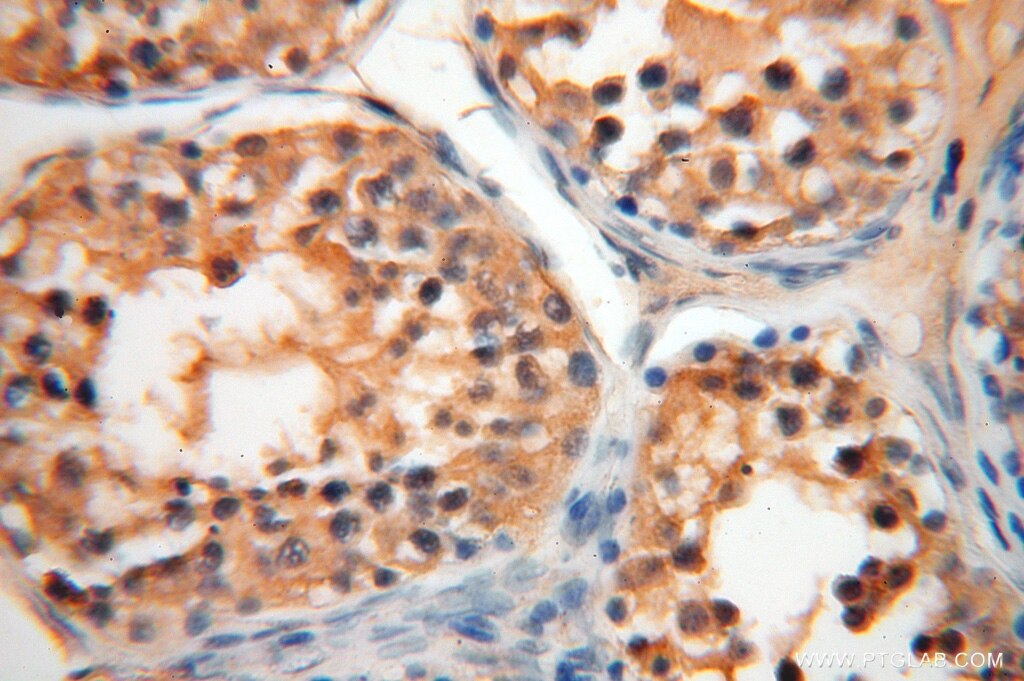
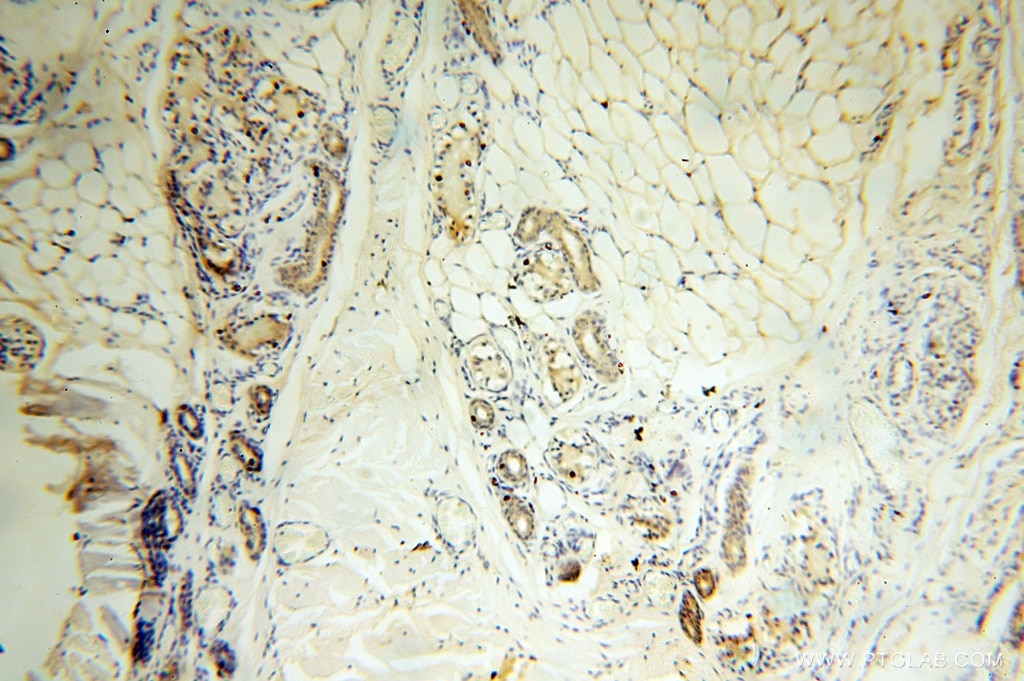
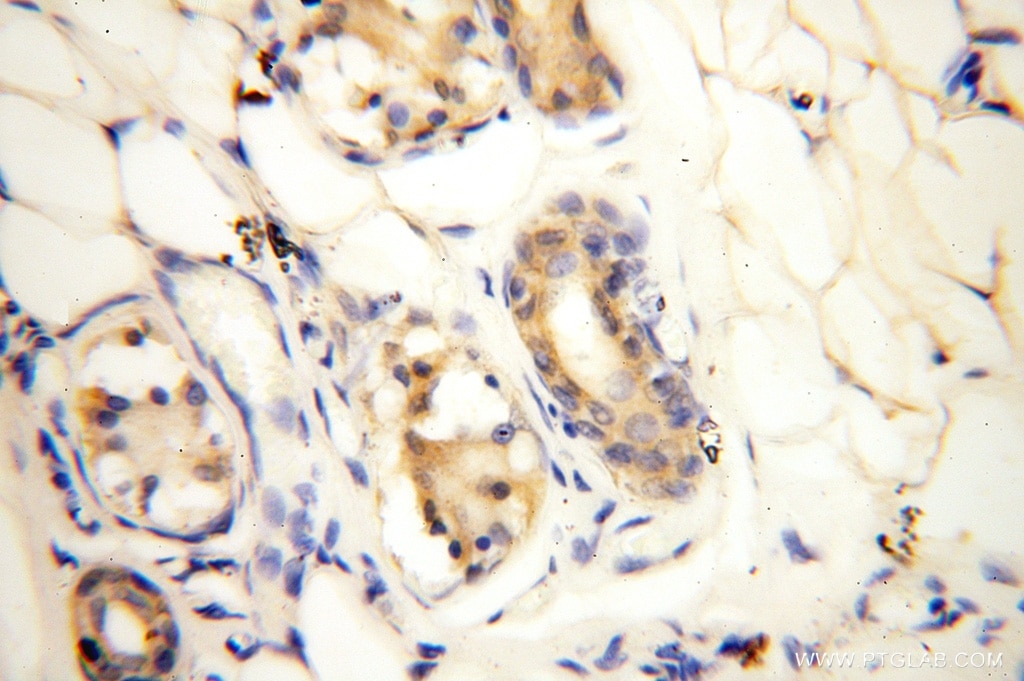
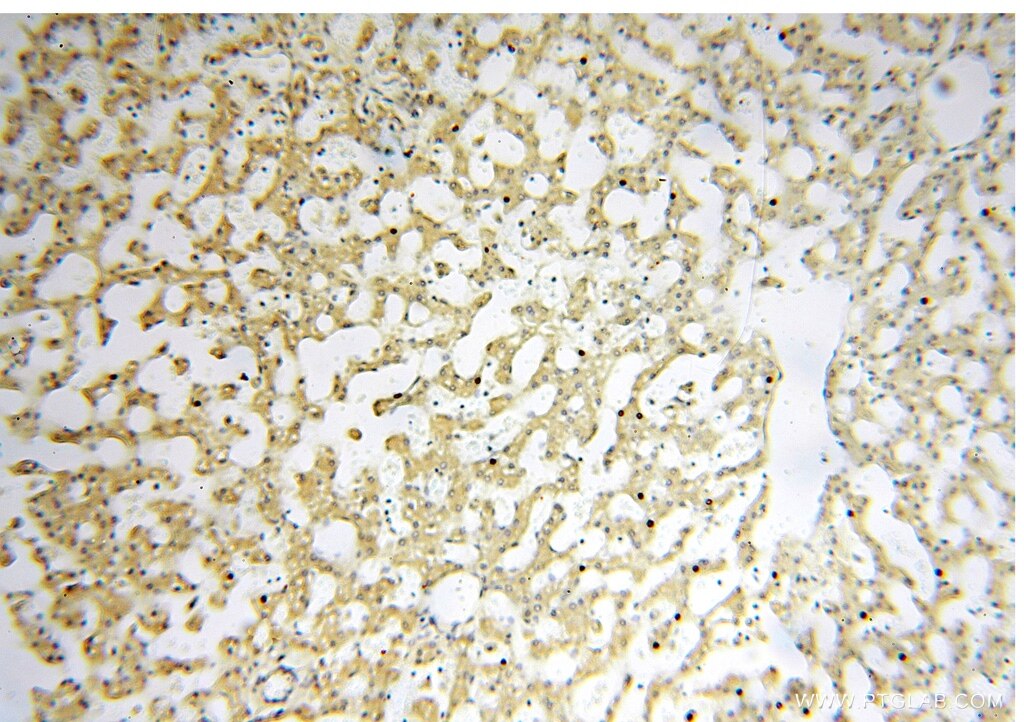
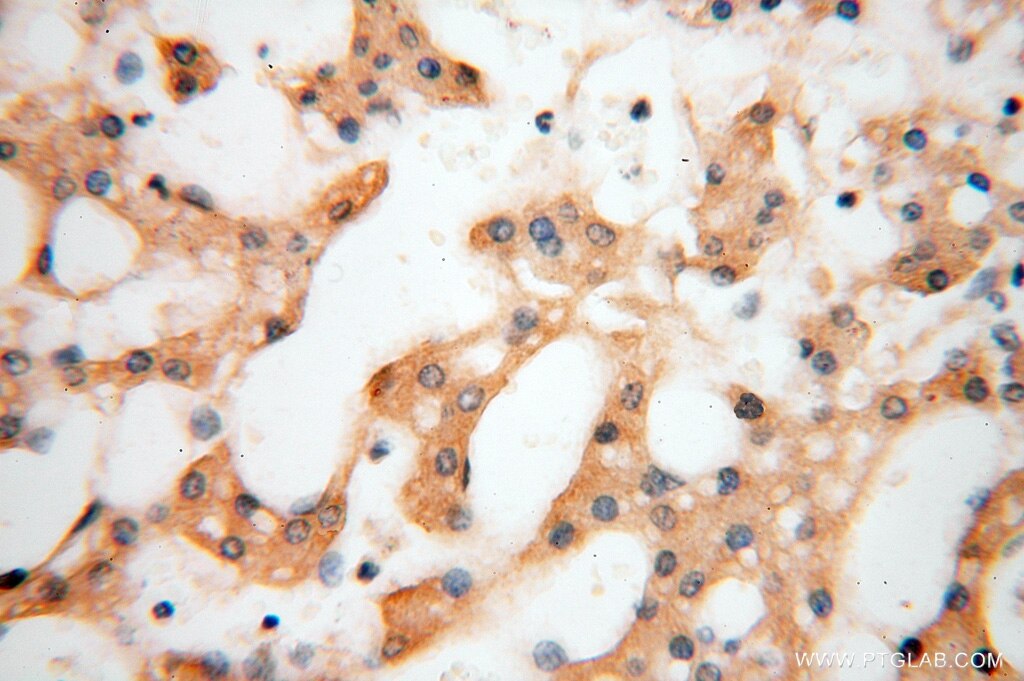
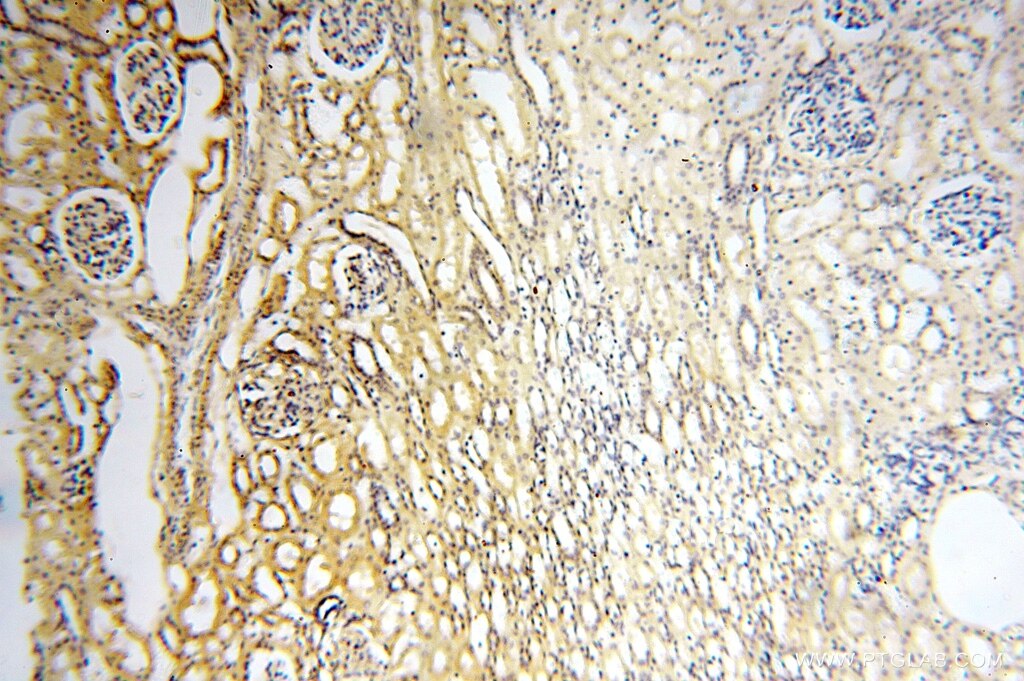
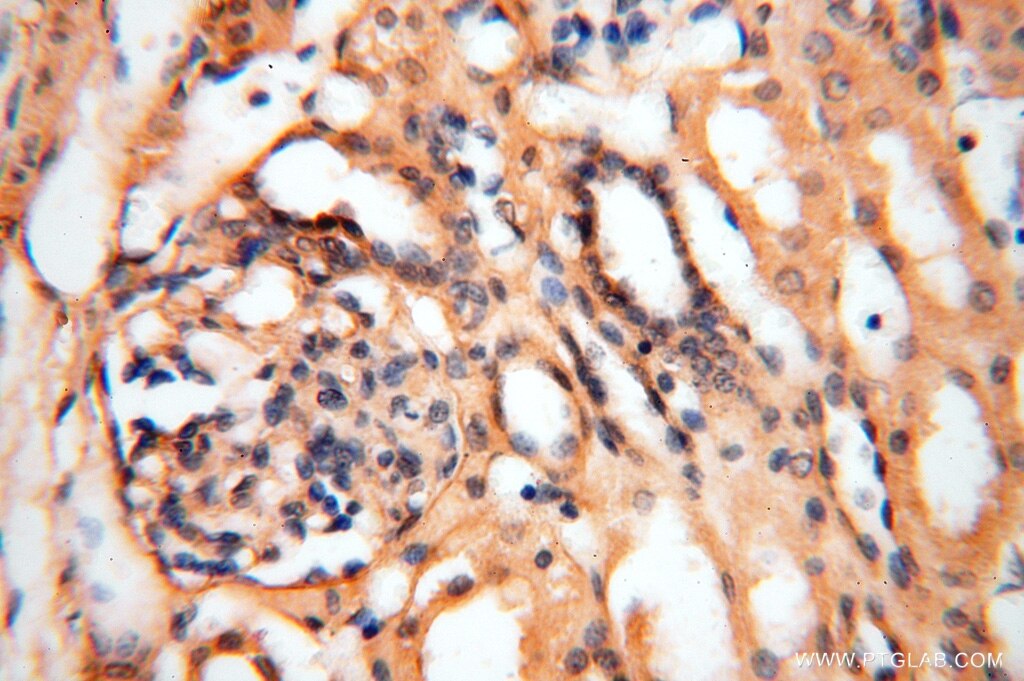
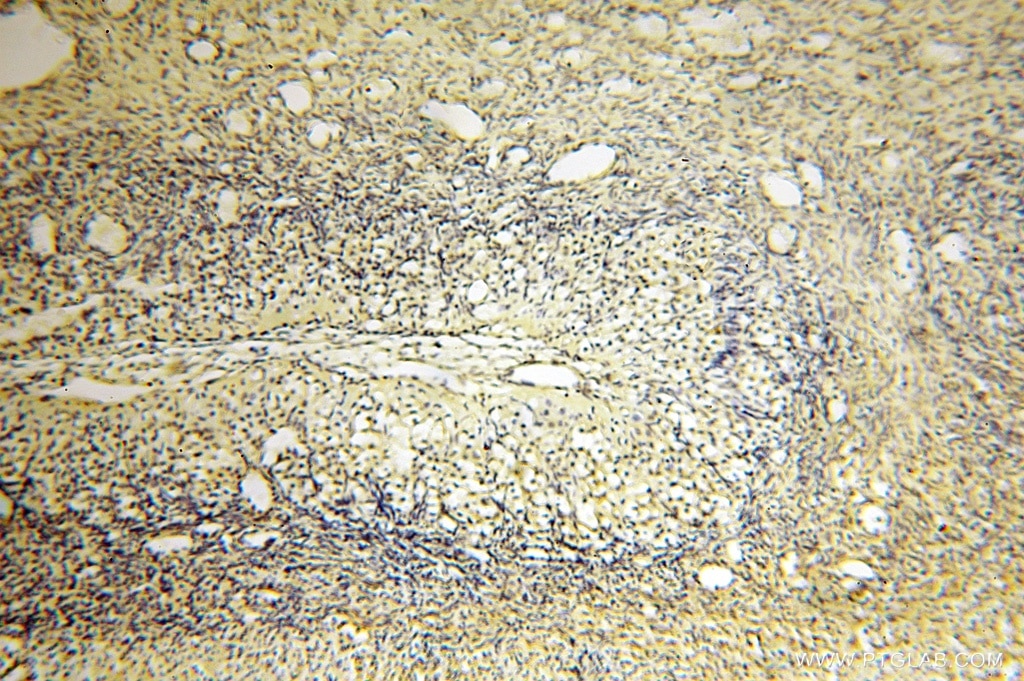
| Positive IHC detected in | human testis tissue, human kidney tissue, human liver tissue, human ovary tissue, human skin tissue Note: suggested antigen retrieval with TE buffer pH 9.0; (*) Alternatively, antigen retrieval may be performed with citrate buffer pH 6.0 |
Recommended dilution
| Application | Dilution |
|---|---|
| Western Blot (WB) | WB : 1:1000-1:4000 |
| Immunoprecipitation (IP) | IP : 0.5-4.0 ug for 1.0-3.0 mg of total protein lysate |
| Immunohistochemistry (IHC) | IHC : 1:20-1:200 |
| It is recommended that this reagent should be titrated in each testing system to obtain optimal results. | |
| Sample-dependent, Check data in validation data gallery. | |
Product Information
16762-1-AP targets AGPAT6 in WB, IHC, IP, ELISA applications and shows reactivity with human, mouse, rat samples.
| Tested Reactivity | human, mouse, rat |
| Cited Reactivity | human, mouse |
| Host / Isotype | Rabbit / IgG |
| Class | Polyclonal |
| Type | Antibody |
| Immunogen |
CatNo: Ag10294 Product name: Recombinant human AGPAT6 protein Source: e coli.-derived, PGEX-4T Tag: GST Domain: 206-456 aa of BC051377 Sequence: KEFMSKHVHLMCYRICVRALTAIITYHDRENRPRNGGICVANHTSPIDVIILASDGYYAMVGQVHGGLMGVIQRAMVKACPHVWFERSEVKDRHLVAKRLTEHVQDKSKLPILIFPEGTCINNTSVMMFKKGSFEIGATVYPVAIKYDPQFGDAFWNSSKYGMVTYLLRMMTSWAIVCSVWYLPPMTREADEDAVQFANRVKSAIARQGGLVDLLWDGGLKREKVKDTFKEEQQKLYSKMIVGNHKDRSRS Predict reactive species |
| Full Name | 1-acylglycerol-3-phosphate O-acyltransferase 6 (lysophosphatidic acid acyltransferase, zeta) |
| Calculated Molecular Weight | 456 aa, 52 kDa |
| Observed Molecular Weight | 52 kDa |
| GenBank Accession Number | BC051377 |
| Gene Symbol | AGPAT6 |
| Gene ID (NCBI) | 137964 |
| RRID | AB_1850878 |
| Conjugate | Unconjugated |
| Form | Liquid |
| Purification Method | Antigen affinity purification |
| UNIPROT ID | Q86UL3 |
| Storage Buffer | PBS with 0.02% sodium azide and 50% glycerol, pH 7.3. |
| Storage Conditions | Store at -20°C. Stable for one year after shipment. Aliquoting is unnecessary for -20oC storage. 20ul sizes contain 0.1% BSA. |
Background Information
AGPAT6 is a member of the 1-acylglycerol-3-phosphate O-acyltransferase (AGPAT) family. AGPAT6 is expressed in brown adipose tissue and mammary epithelium as well as many other tissues. A deficiency of AGPAT6 in mice results in resistance to dietinduced and genetic forms of obesity.
Protocols
| Product Specific Protocols | |
|---|---|
| IHC protocol for AGPAT6 antibody 16762-1-AP | Download protocol |
| IP protocol for AGPAT6 antibody 16762-1-AP | Download protocol |
| WB protocol for AGPAT6 antibody 16762-1-AP | Download protocol |
| Standard Protocols | |
|---|---|
| Click here to view our Standard Protocols |
Publications
What published studies show
The AGPAT6 Polyclonal antibody (Cat# 16762-1-AP) has 6 total citations. They appear in Nature Communications (2), EMBO Reports, Investigative Ophthalmology & Visual Science, Chemical Biology & Interaction, and Advanced Science. Research fields span lipid droplet catabolism and lipid homeostasis, glycerolipid synthesis and lipotoxicity, mitochondrial fusion, lysophospholipid alterations in glaucomatous optic nerves, hepatic steatosis, and ferroptosis suppression during viral replication.
| Species | Application | Title |
|---|---|---|
Nat Commun A conserved ER protein prevents lipotoxicity by stimulating the key enzyme in glycerolipid synthesis. | ||
Nat Commun Endosomal trafficking participates in lipid droplet catabolism to maintain lipid homeostasis
| ||
EMBO Rep MTCH2 cooperates with MFN2 and lysophosphatidic acid synthesis to sustain mitochondrial fusion | ||
Invest Ophthalmol Vis Sci Alteration in Lysophospholipids and Converting Enzymes in Glaucomatous Optic Nerves. | ||
Chem Biol Interact Gestational exposure to short-chain chlorinated paraffins induces sex-specific hepatic steatosis in adult mouse offspring. | ||
Adv Sci (Weinh) Lyssavirus Nucleoprotein Induces GPAT4-Mediated CYB5R1 Depalmitoylation to Suppress Ferroptosis and Promote Viral Replication. |

