

Tested Applications
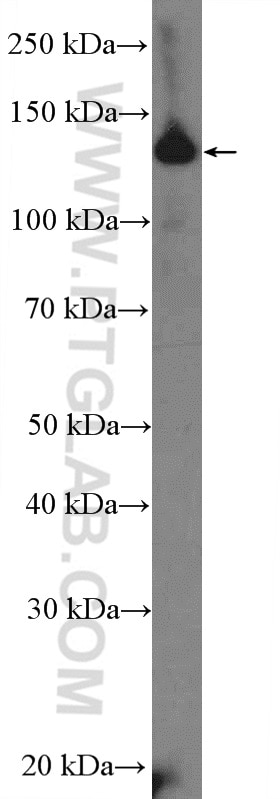
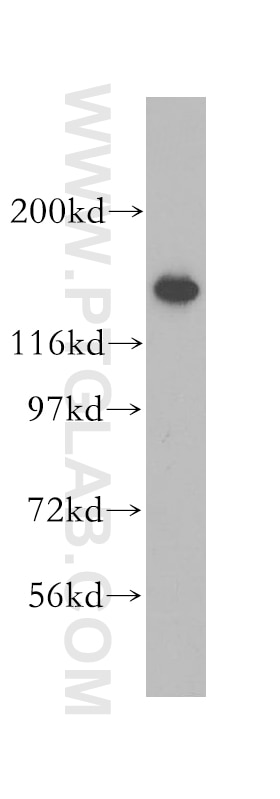
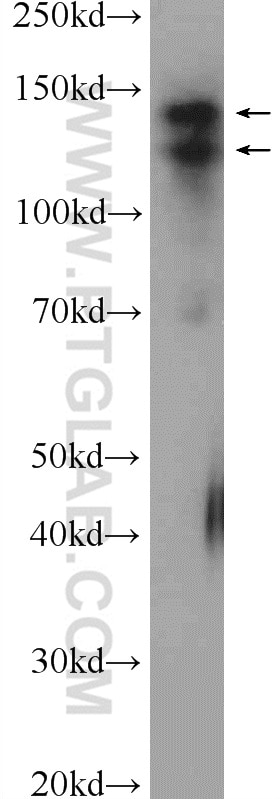
| Positive WB detected in | mouse brain tissue, A549 cells, mouse testis tissue |
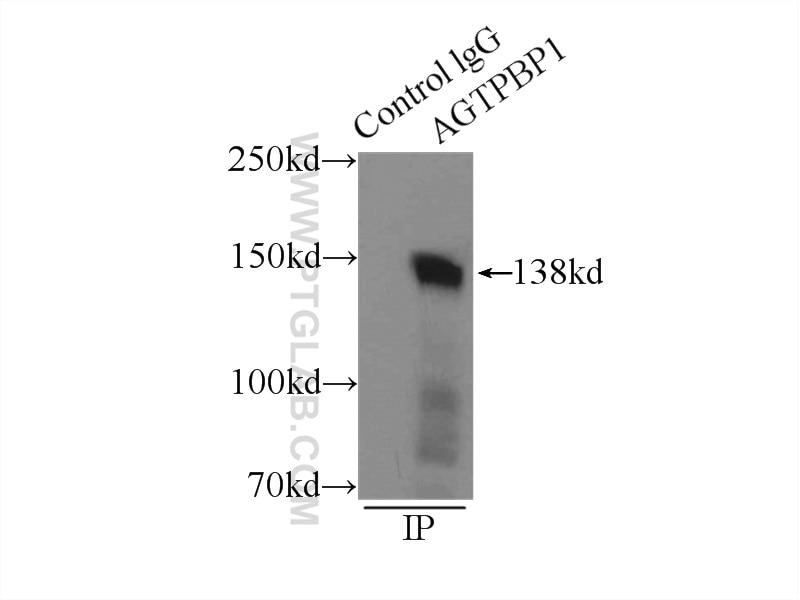
| Positive IP detected in | mouse testis tissue |
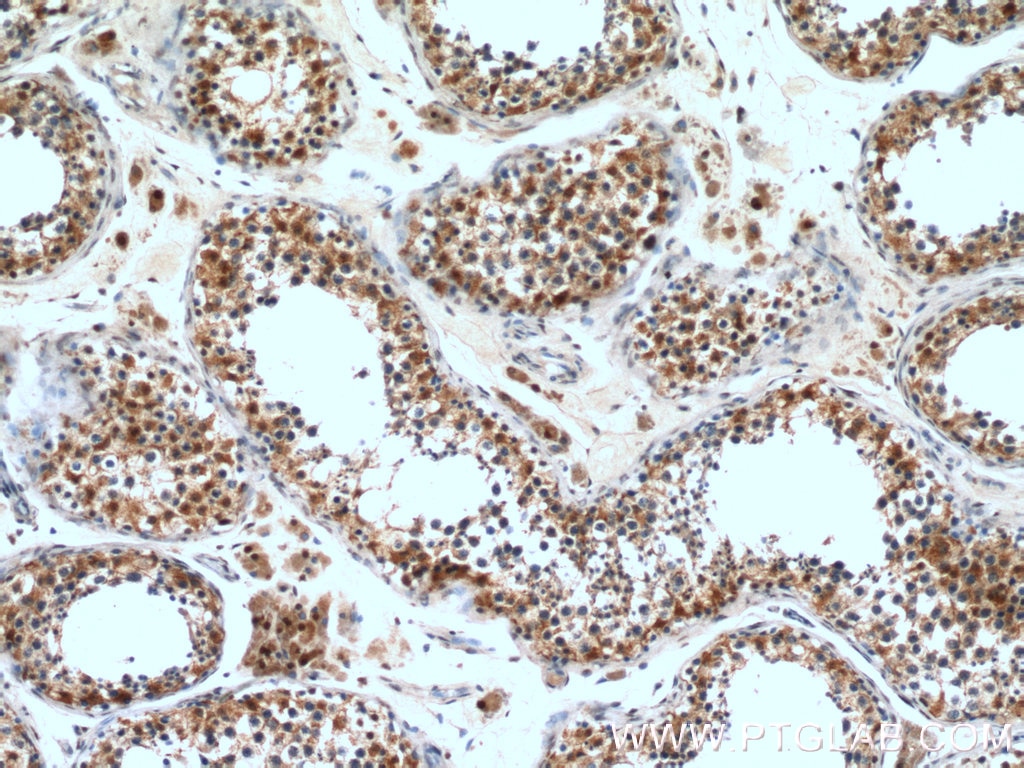
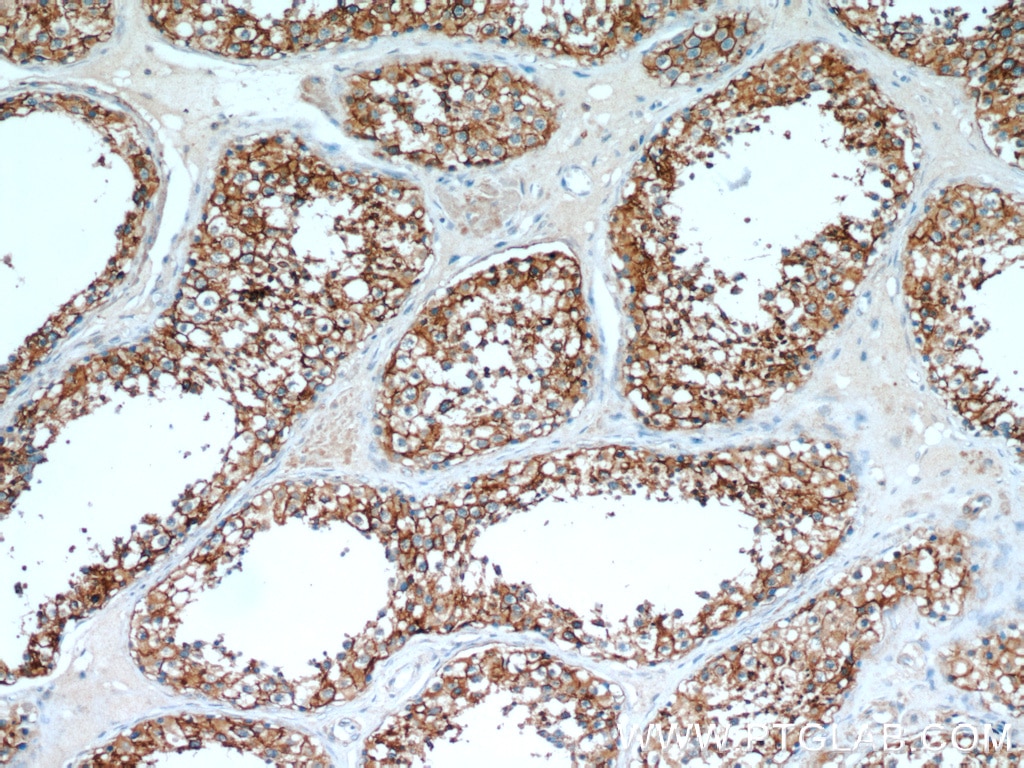
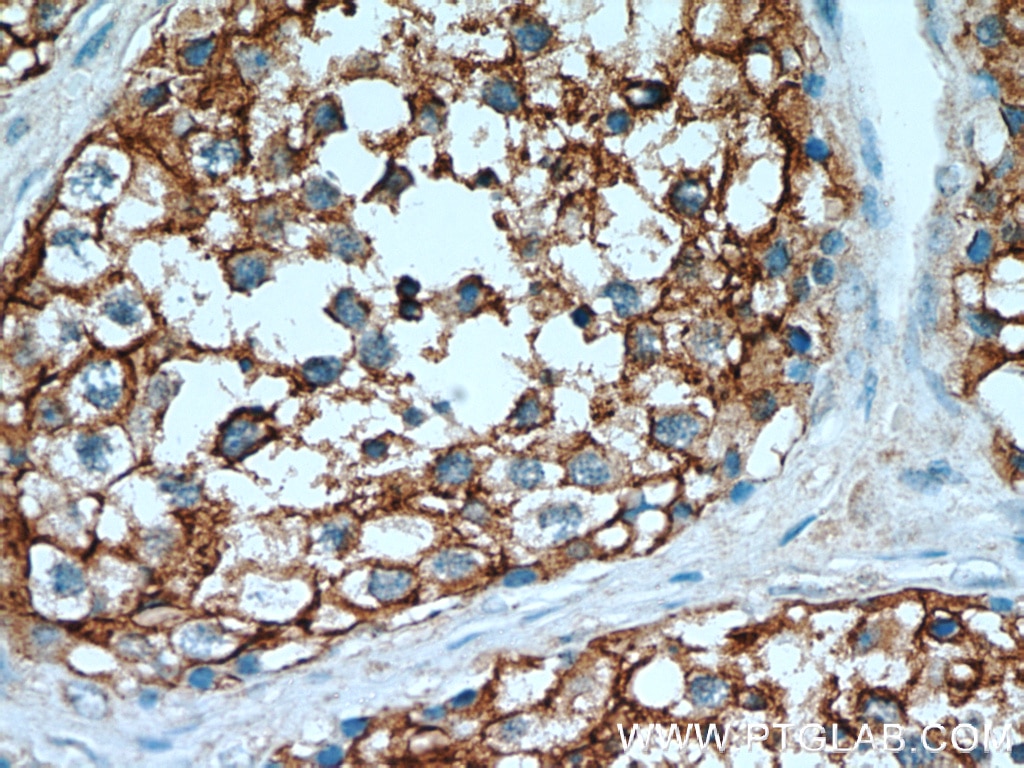
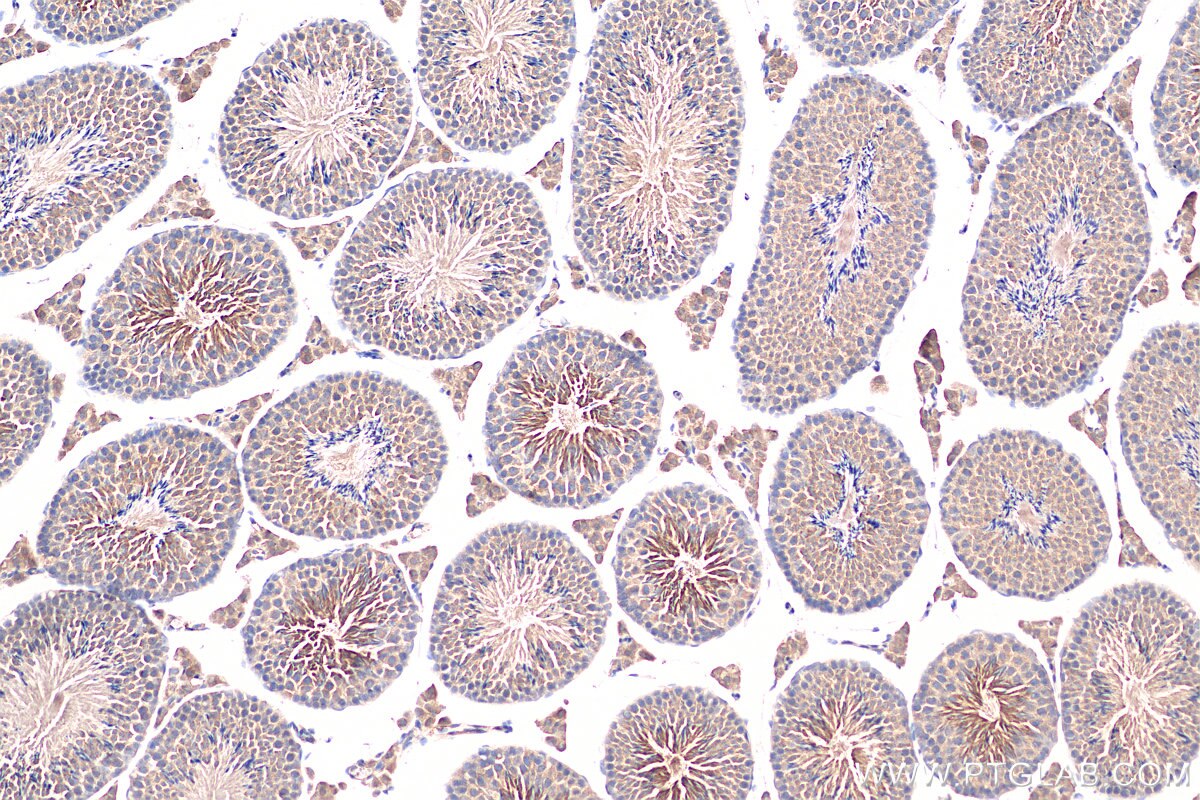
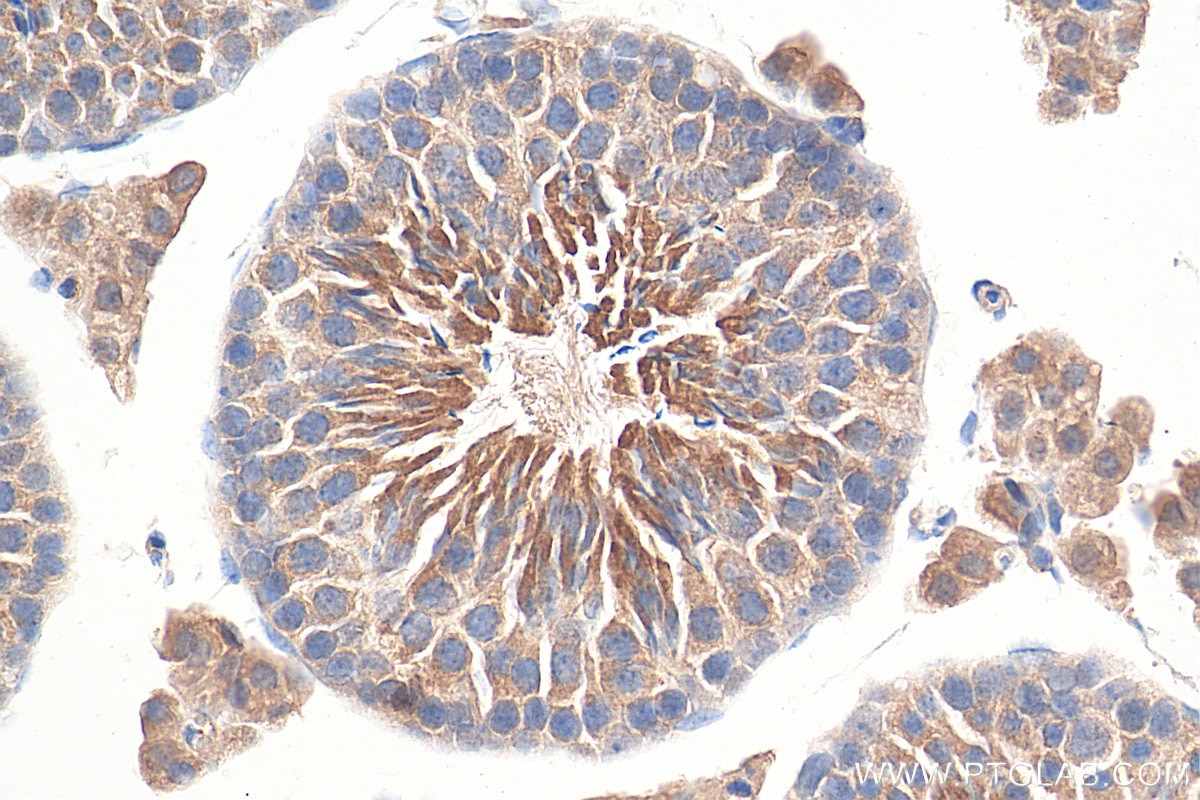
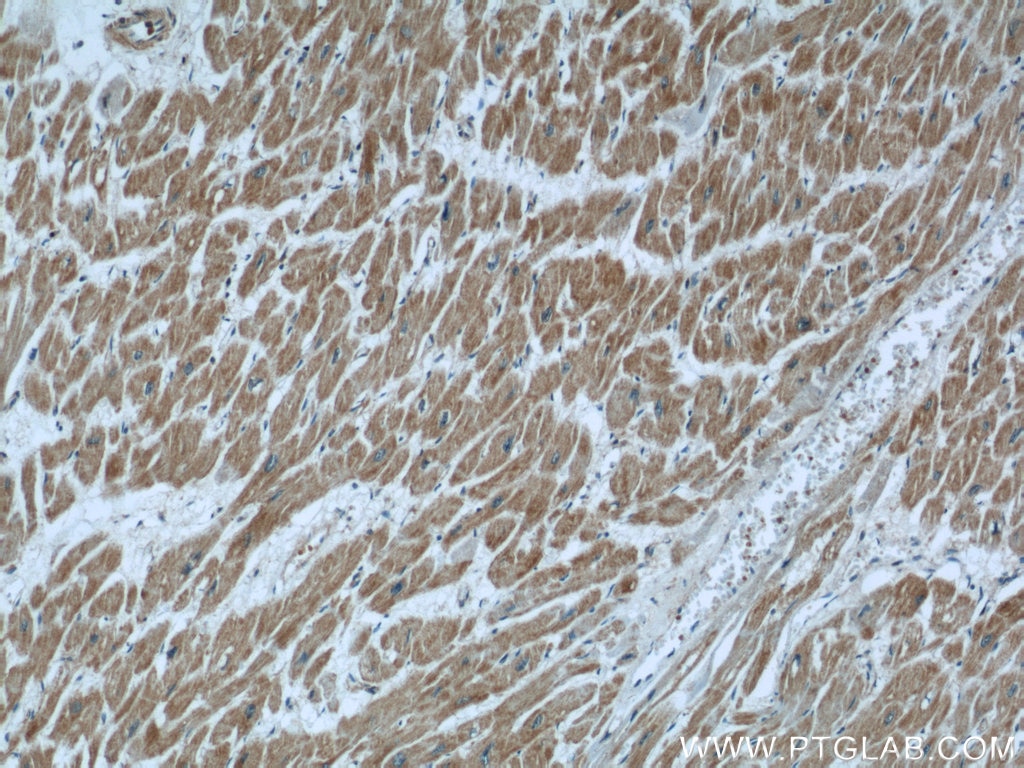
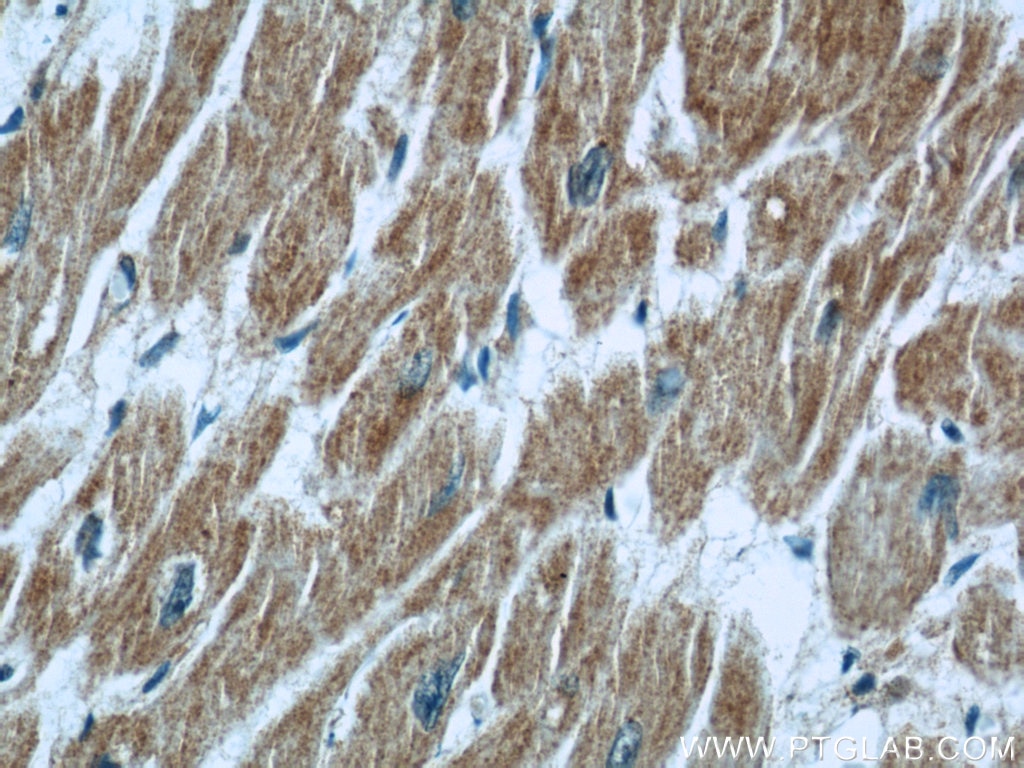
| Positive IHC detected in | human testis tissue, human heart tissue, mouse testis tissue Note: suggested antigen retrieval with TE buffer pH 9.0; (*) Alternatively, antigen retrieval may be performed with citrate buffer pH 6.0 |
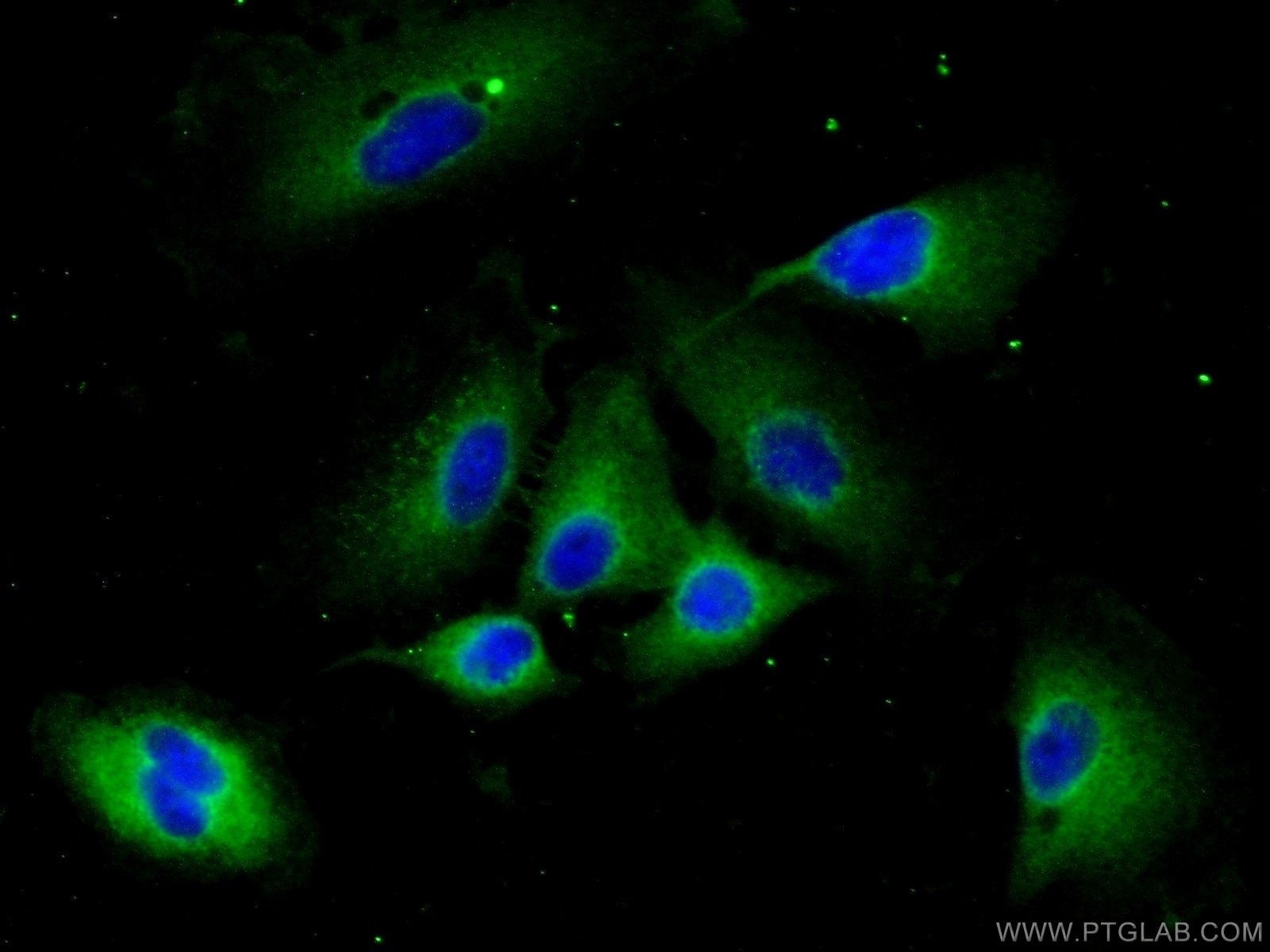
| Positive IF/ICC detected in | A549 cells |
Recommended dilution
| Application | Dilution |
|---|---|
| Western Blot (WB) | WB : 1:500-1:3000 |
| Immunoprecipitation (IP) | IP : 0.5-4.0 ug for 1.0-3.0 mg of total protein lysate |
| Immunohistochemistry (IHC) | IHC : 1:50-1:500 |
| Immunofluorescence (IF)/ICC | IF/ICC : 1:10-1:100 |
| It is recommended that this reagent should be titrated in each testing system to obtain optimal results. | |
| Sample-dependent, Check data in validation data gallery. | |
Product Information
14067-1-AP targets CCP1 in WB, IHC, IF/ICC, IP, ELISA applications and shows reactivity with human, mouse samples.
| Tested Reactivity | human, mouse |
| Cited Reactivity | human, mouse, rat |
| Host / Isotype | Rabbit / IgG |
| Class | Polyclonal |
| Type | Antibody |
| Immunogen |
CatNo: Ag5122 Product name: Recombinant human CCP1 protein Source: e coli.-derived, PGEX-4T Tag: GST Domain: 837-1186 aa of BC060815 Sequence: VLCETLSGNSCPLVTITAMPESNYYEHICHFRNRPYVFLSARVHPGETNASWVMKGTLEYLMSNNPTAQSLRESYIFKIVPMLNPDGVINGNHRCSLSGEDLNRQWQSPSPDLHPTIYHAKGLLQYLAAVKRLPLVYCDYHGHSRKKNVFMYGCSIKETVWHTNDNATSCDVVEDTGYRTLPKILSHIAPAFCMSSCSFVVEKSKESTARVVVWREIGVQRSYTMESTLCGCDQGKYKGLQIGTRELEEMGAKFCVGLLRLKRLTSPLEYNLPSSLLDFENDLIESSCKVTSPTTYVLDEDEPRFLEEVDYSAESNDELDIELAENVGDYEPSAQEEVLSDSELSRTYLP Predict reactive species |
| Full Name | ATP/GTP binding protein 1 |
| Calculated Molecular Weight | 138 kDa |
| Observed Molecular Weight | 138 kDa |
| GenBank Accession Number | BC060815 |
| Gene Symbol | CCP1 |
| Gene ID (NCBI) | 23287 |
| RRID | AB_2225559 |
| Conjugate | Unconjugated |
| Form | Liquid |
| Purification Method | Antigen affinity purification |
| UNIPROT ID | Q9UPW5 |
| Storage Buffer | PBS with 0.02% sodium azide and 50% glycerol, pH 7.3. |
| Storage Conditions | Store at -20°C. Stable for one year after shipment. Aliquoting is unnecessary for -20oC storage. 20ul sizes contain 0.1% BSA. |
Background Information
AGTPBP1, also known as CCP1 (cytosolic carboxy-peptidase 1), or Nna1, belongs to the peptidase M14 family. AGTPBP1 is a zinc carboxypeptidase that contains nuclear localization signals and an ATP/GTP-binding motiff. Thus, it may contribute to nuclear signaling events in differentiating and regenerating neurons. It serves important functions in the nervous system, and AGTPBP1 mutations may cause Purkinje cell degeneration (pcd) phenotypes.
Protocols
| Product Specific Protocols | |
|---|---|
| IF protocol for CCP1 antibody 14067-1-AP | Download protocol |
| IHC protocol for CCP1 antibody 14067-1-AP | Download protocol |
| IP protocol for CCP1 antibody 14067-1-AP | Download protocol |
| WB protocol for CCP1 antibody 14067-1-AP | Download protocol |
| Standard Protocols | |
|---|---|
| Click here to view our Standard Protocols |
Publications
What published studies show
Anti-AGTPBP1 (CCP1) antibody, catalog number 14067-1-AP, has 25 total citations published in journals including Cell, Nature Communications, PNAS, EMBO Journal, Molecular Therapy, Journal of Cell Biology, FASEB Journal, Journal of Biological Chemistry, and International Journal of Molecular Sciences. Associated research fields span neurodegeneration (cerebellar atrophy, Purkinje cell loss), cancer (pancreatic and breast), spermatogenesis/male infertility, cilia biology, lipid metabolism, and pulmonary fibrosis.
| Species | Application | Title |
|---|---|---|
Nat Commun AMPK activation promotes lipid droplet dispersion on detyrosinated microtubules to increase mitochondrial fatty acid oxidation. | ||
Nat Commun Klf4 glutamylation is required for cell reprogramming and early embryonic development in mice.
| ||
Nat Commun Identification of a component of the tubulin poly-glutamylase complex required for phosphoinositide homeostasis and cilium assembly and maintenance. | ||
Adv Sci (Weinh) Single-Cell RNA Sequencing of Retina Reveals Nna1 Upregulation in Myopic Diabetic Retinopathy as a Protective Factor Against Diabetic Damage. | ||
Mol Ther AAV-based gene therapy ameliorates neurological deficits in a mouse model of childhood-onset neurodegeneration with cerebellar atrophy (CONDCA) |

