

Tested Applications
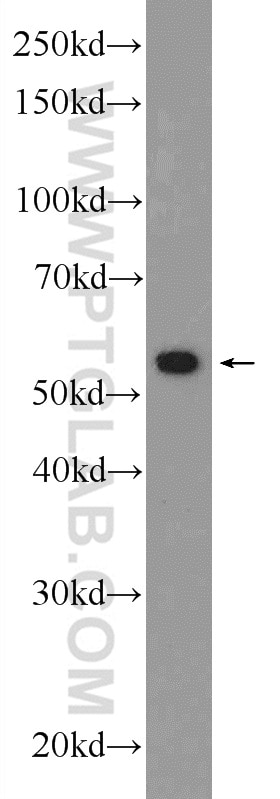
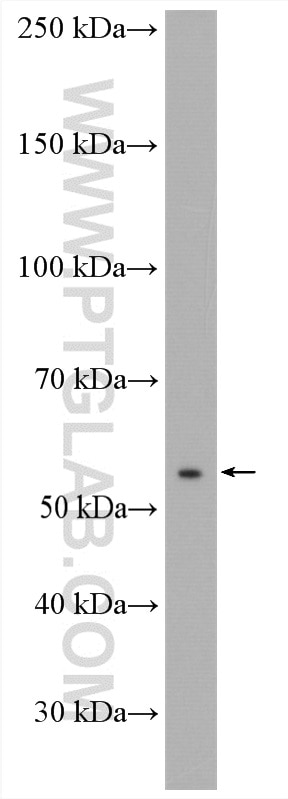
| Positive WB detected in | HEK-293 cells, PC-3 cells |
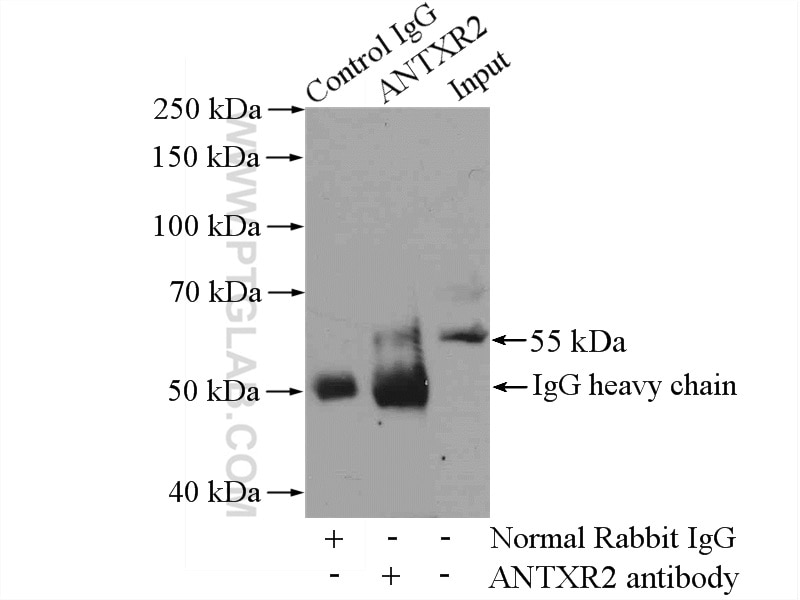
| Positive IP detected in | HEK-293 cells |
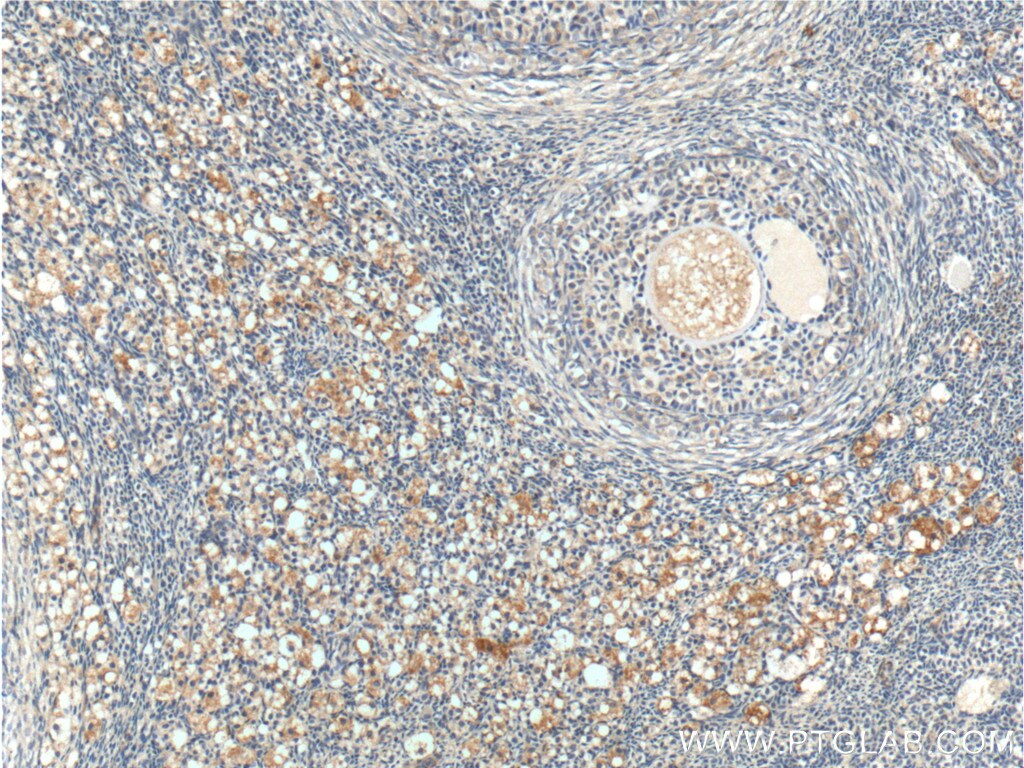
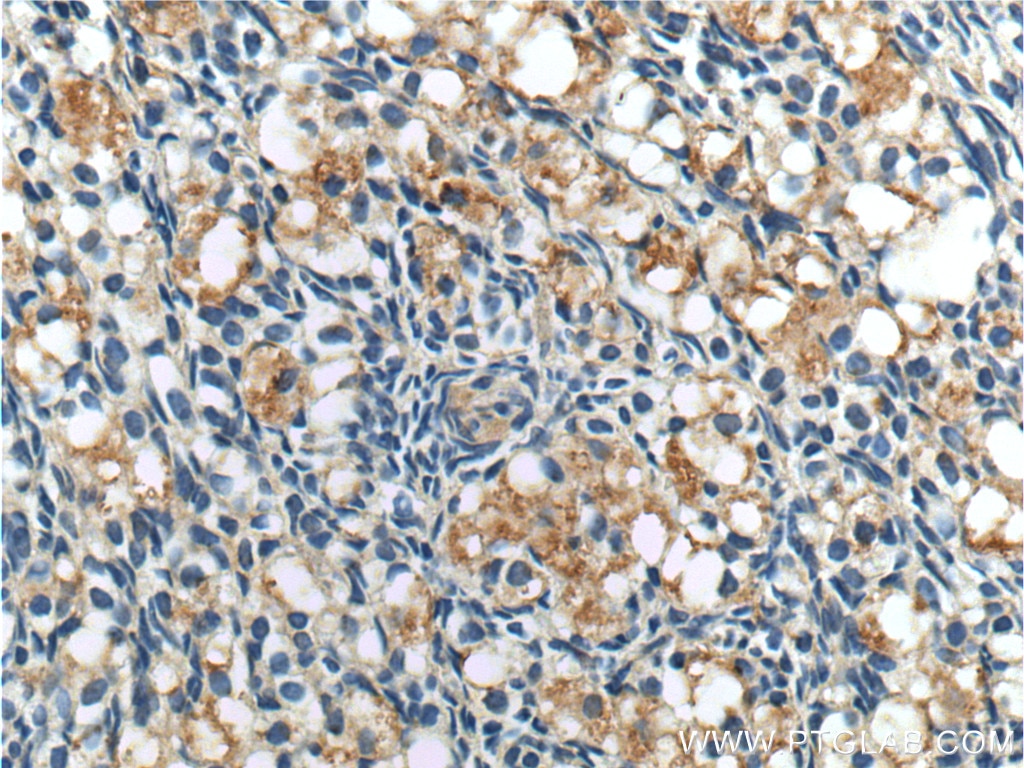
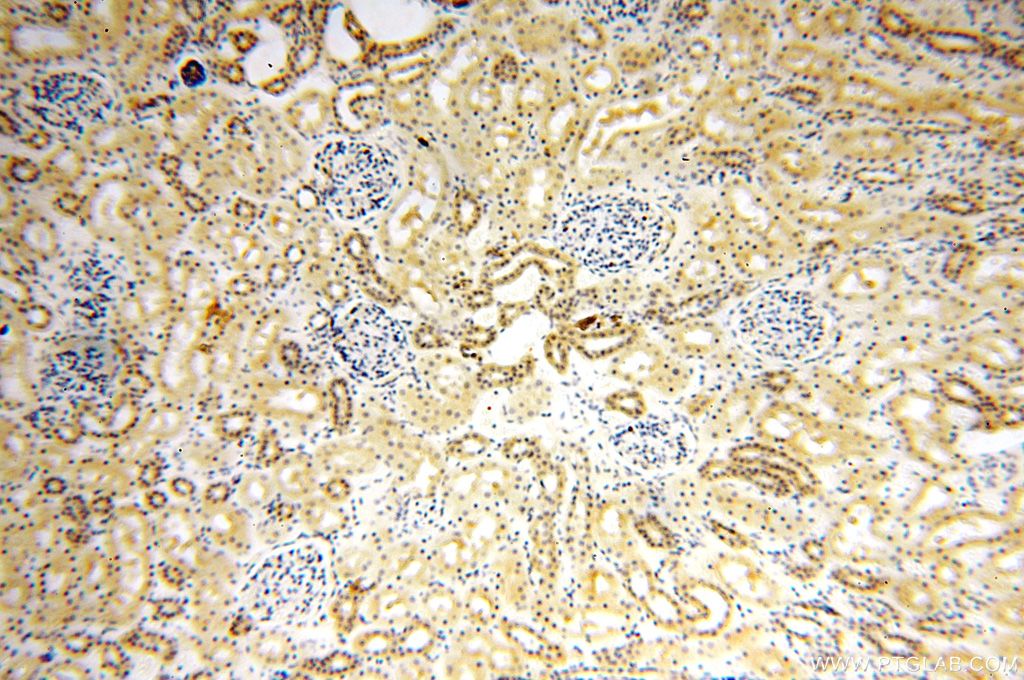
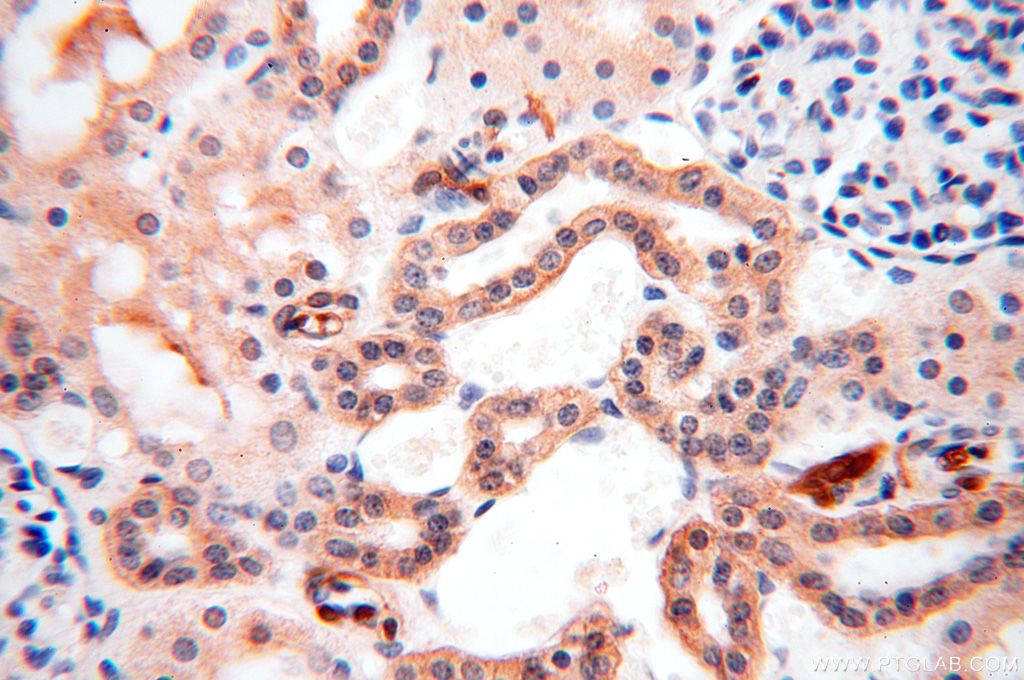
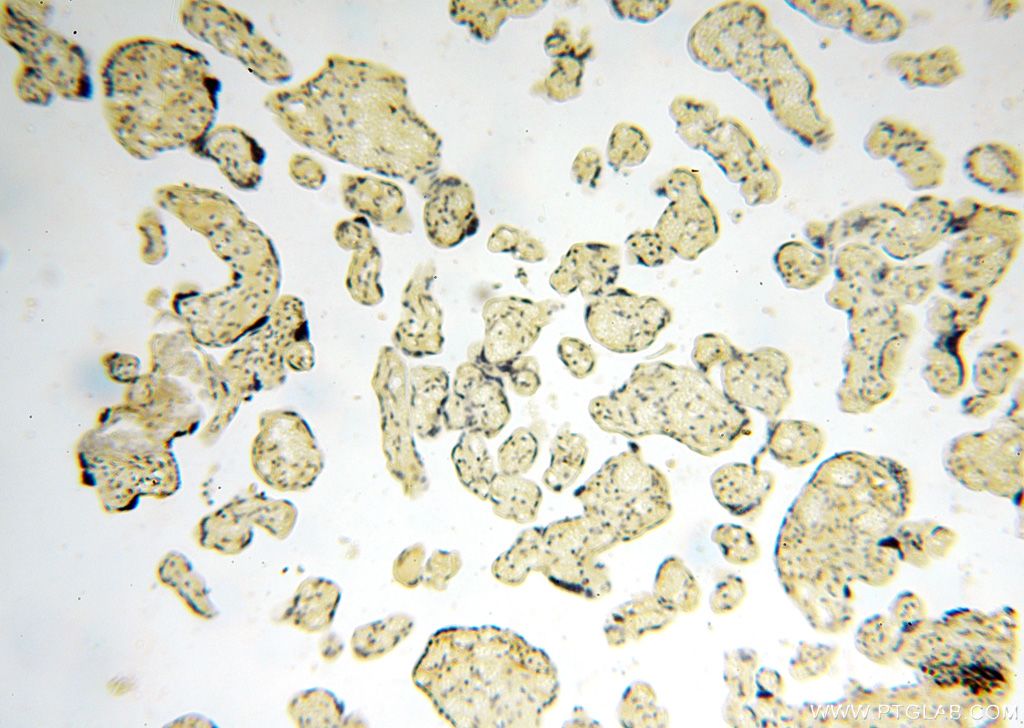
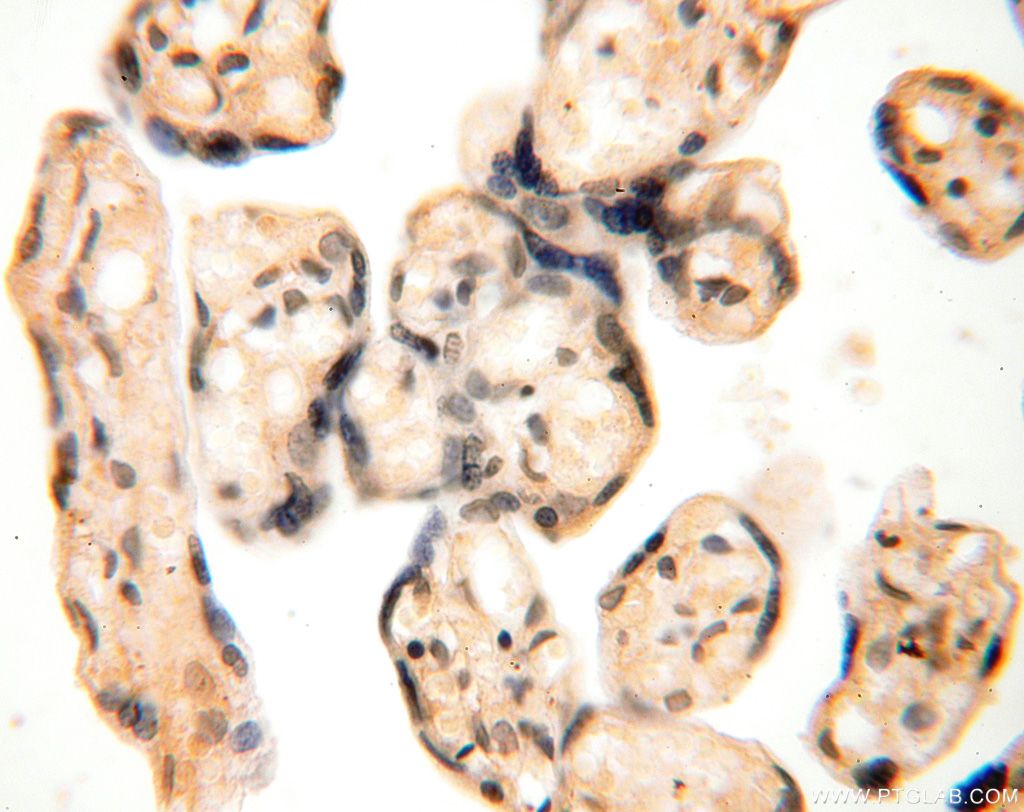
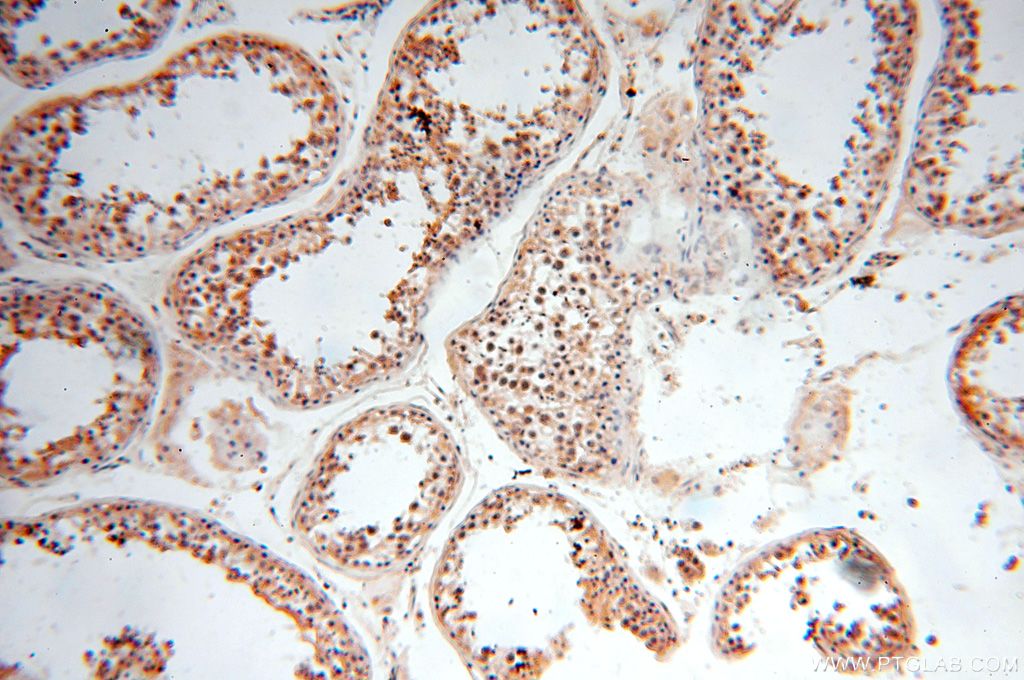
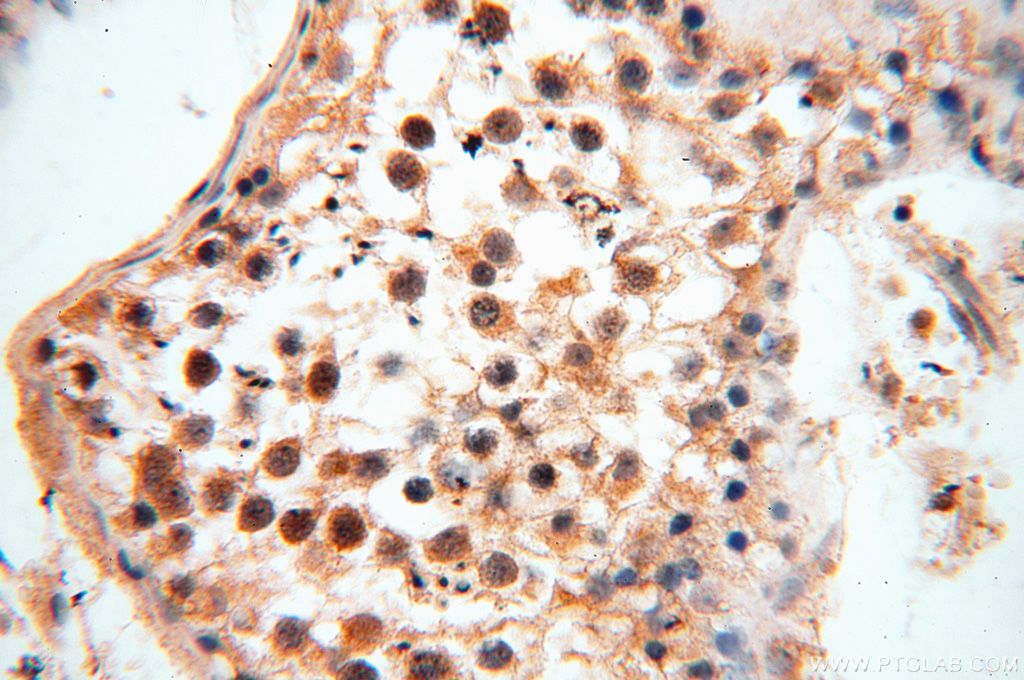
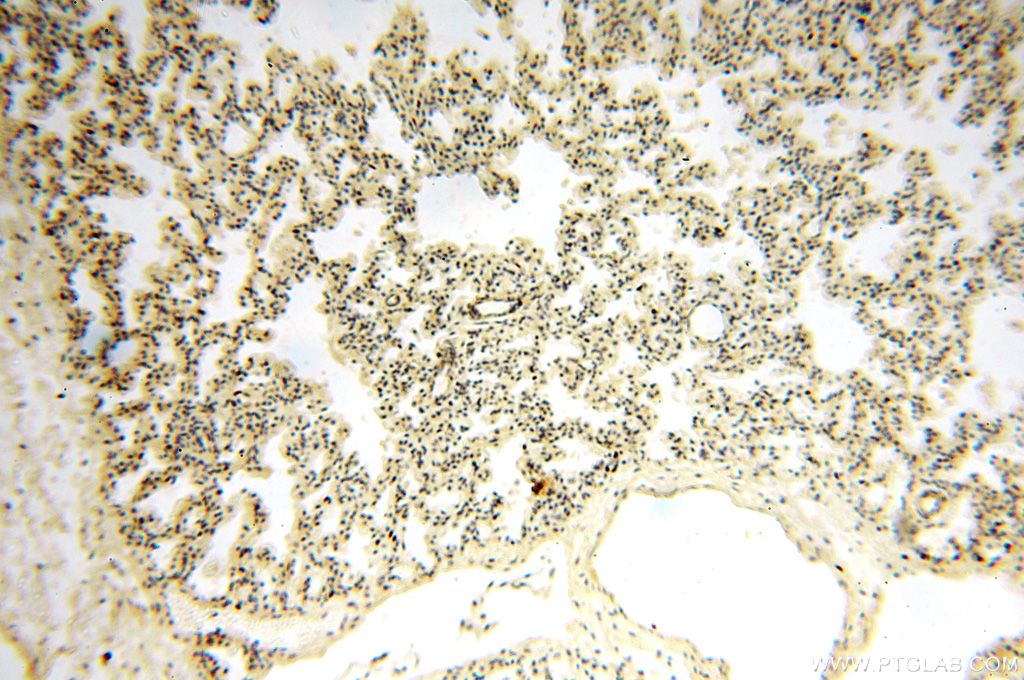
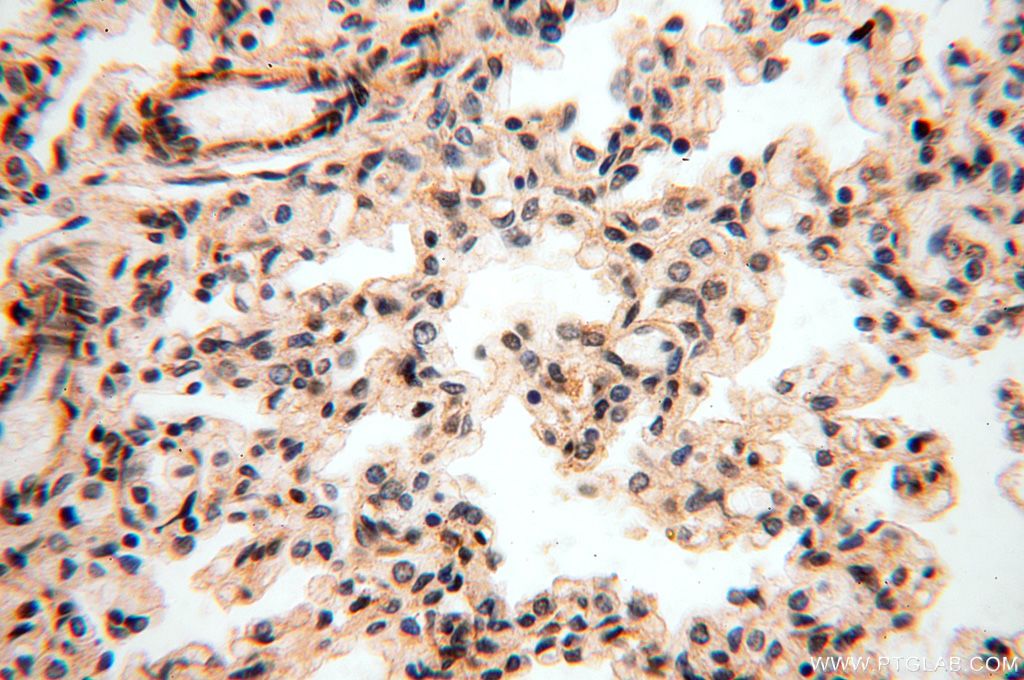
| Positive IHC detected in | human ovary tissue, human kidney tissue, human placenta tissue, human testis tissue, human lung tissue Note: suggested antigen retrieval with TE buffer pH 9.0; (*) Alternatively, antigen retrieval may be performed with citrate buffer pH 6.0 |
Recommended dilution
| Application | Dilution |
|---|---|
| Western Blot (WB) | WB : 1:500-1:1000 |
| Immunoprecipitation (IP) | IP : 0.5-4.0 ug for 1.0-3.0 mg of total protein lysate |
| Immunohistochemistry (IHC) | IHC : 1:50-1:500 |
| It is recommended that this reagent should be titrated in each testing system to obtain optimal results. | |
| Sample-dependent, Check data in validation data gallery. | |
Product Information
16723-1-AP targets ANTXR2 in WB, IHC, IP, CoIP, ELISA applications and shows reactivity with human samples.
| Tested Reactivity | human |
| Cited Reactivity | human, camelus bactrianus |
| Host / Isotype | Rabbit / IgG |
| Class | Polyclonal |
| Type | Antibody |
| Immunogen |
CatNo: Ag10162 Product name: Recombinant human ANTXR2 protein Source: e coli.-derived, PGEX-4T Tag: GST Domain: 25-230 aa of BC107876 Sequence: ISKGLEDLKRVSPVGETYIHEGLKLANEQIQKAGGLKTSSIIIALTDGKLDGLVPSYAEKEAKISRSLGASVYCVGVLDFEQAQLERIADSKEQVFPVKGGFQALKGIINSILAQSCTEILELQPSSVCVGEEFQIVLSGRGFMLGSRNGSVLCTYTVNETYTTSVKPVSVQLNSMLCPAPILNKAGETLDVSVSFNGGKSVISGS Predict reactive species |
| Full Name | anthrax toxin receptor 2 |
| Calculated Molecular Weight | 54 kDa |
| Observed Molecular Weight | 55 kDa |
| GenBank Accession Number | BC107876 |
| Gene Symbol | ANTXR2 |
| Gene ID (NCBI) | 118429 |
| RRID | AB_2056741 |
| Conjugate | Unconjugated |
| Form | Liquid |
| Purification Method | Antigen affinity purification |
| UNIPROT ID | P58335 |
| Storage Buffer | PBS with 0.02% sodium azide and 50% glycerol, pH 7.3. |
| Storage Conditions | Store at -20°C. Stable for one year after shipment. Aliquoting is unnecessary for -20oC storage. 20ul sizes contain 0.1% BSA. |
Background Information
ANTXR2 (anthrax toxin receptor 2), also known as CMG2 (capillary morphogenesis gene 2 protein) is a transmembrane protein that is induced during capillary morphogenesis. It contains a vWA domain that shows strong binding to laminin and collagen IV, suggesting that this protein plays a role in basement membrane matrix assembly and endothelial cell morphogenesis (PMID: 11683410; 14508707). Like its paralog TEM8 (ANTXR1), ANTXR2 also functions as a receptor for anthrax toxin. Mutations in ANTXR2 result in the allelic disorders juvenile hyaline fibromatosis and infantile systemic hyalinosis (PMID: 14508707; 12973667; 22383261).
Protocols
| Product Specific Protocols | |
|---|---|
| IHC protocol for ANTXR2 antibody 16723-1-AP | Download protocol |
| IP protocol for ANTXR2 antibody 16723-1-AP | Download protocol |
| WB protocol for ANTXR2 antibody 16723-1-AP | Download protocol |
| Standard Protocols | |
|---|---|
| Click here to view our Standard Protocols |
Publications
What published studies show
The ANTXR2 Polyclonal antibody (Cat# 16723-1-AP) has 10 citations across journals including Nature Communications, Angiogenesis, PNAS, Developmental Cell, Oncogene, Journal of Pathology, FASEB Journal, Pigment Cell & Melanoma Research, Biology of Reproduction, and Reproduction in Domestic Animals. Research fields span anthrax toxin susceptibility, angiogenesis, lipid modification, gastric and glioma cancer, pulmonary hypertension, melanoma, cervical remodeling, and reproductive biomarker discovery.
| Species | Application | Title |
|---|---|---|
Nat Commun Dynamic S-acylation controls CMG2 maturation extracellular matrix regulation and anthrax toxin susceptibility in vivo. | ||
Angiogenesis Capillary morphogenesis gene 2 (CMG2) mediates growth factor-induced angiogenesis by regulating endothelial cell chemotaxis.
| ||
Proc Natl Acad Sci U S A Anthrax toxin requires ZDHHC5-mediated palmitoylation of its surface-processing host enzymes. | ||
Dev Cell ER-Golgi-localized proteins TMED2 and TMED10 control the formation of plasma membrane lipid nanodomains | ||
Oncogene Capillary morphogenesis gene 2 maintains gastric cancer stem-like cell phenotype by activating a Wnt/β-catenin pathway. | ||
J Pathol Capillary morphogenesis protein 2 is a novel prognostic biomarker and plays oncogenic roles in glioma. |

