

Tested Applications
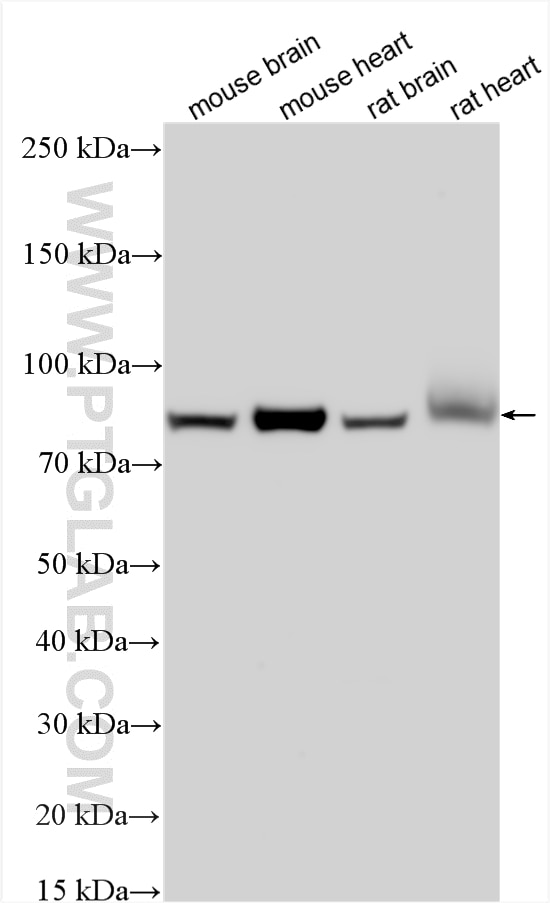
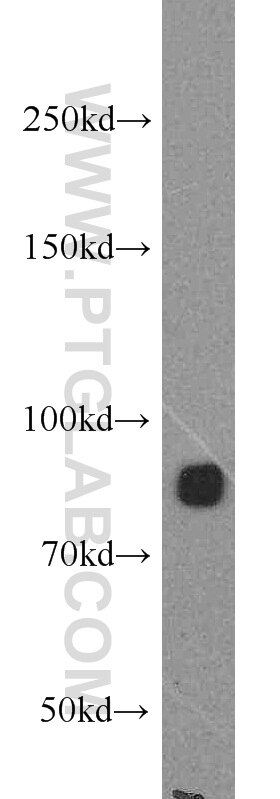
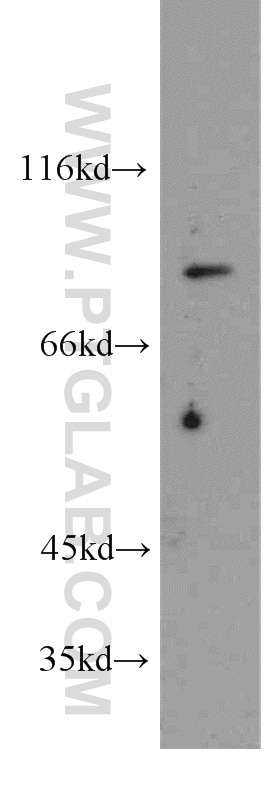
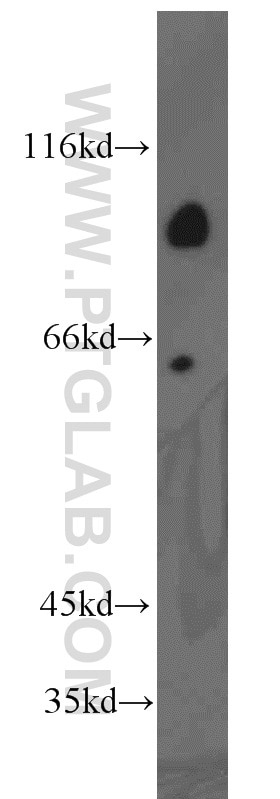
| Positive WB detected in | mouse brain tissue, human heart tissue, mouse kidney tissue, HEK-293 cells, mouse heart tissue, rat brain tissue, rat heart tissue |
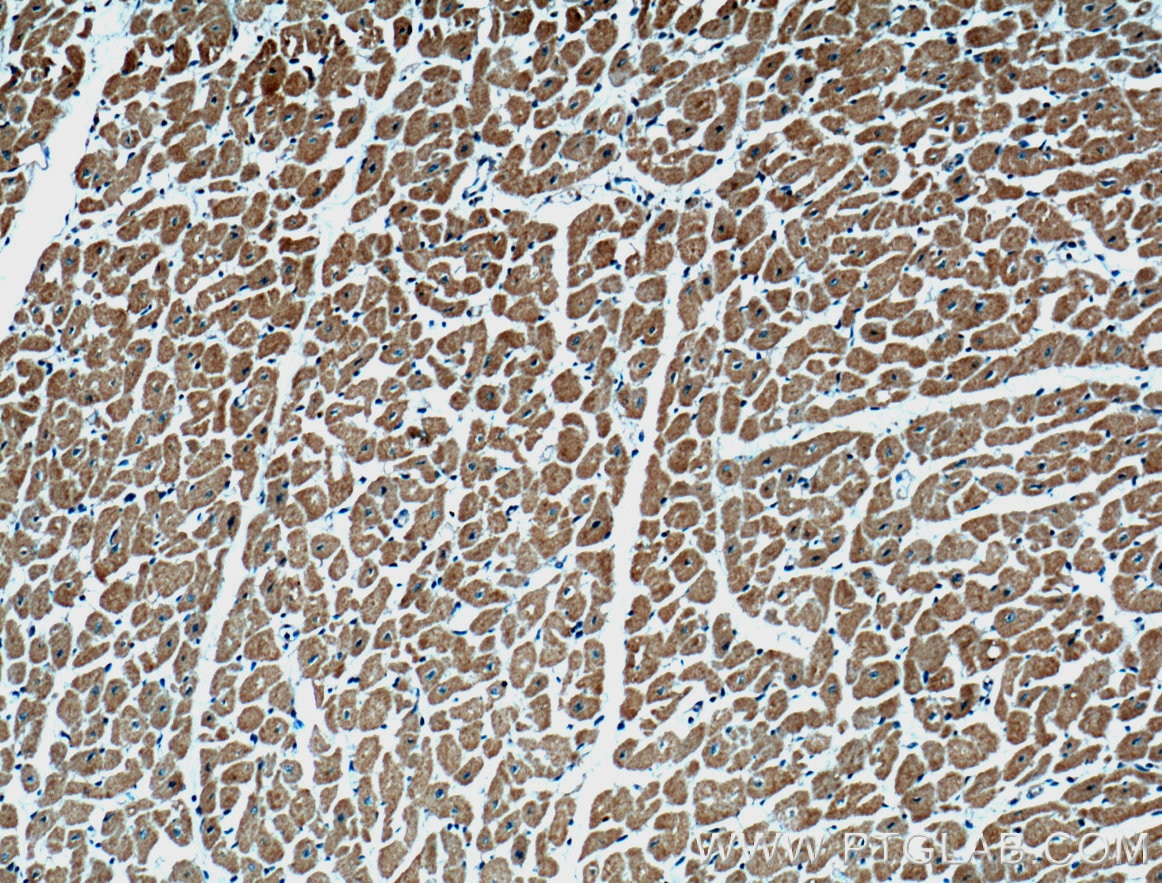
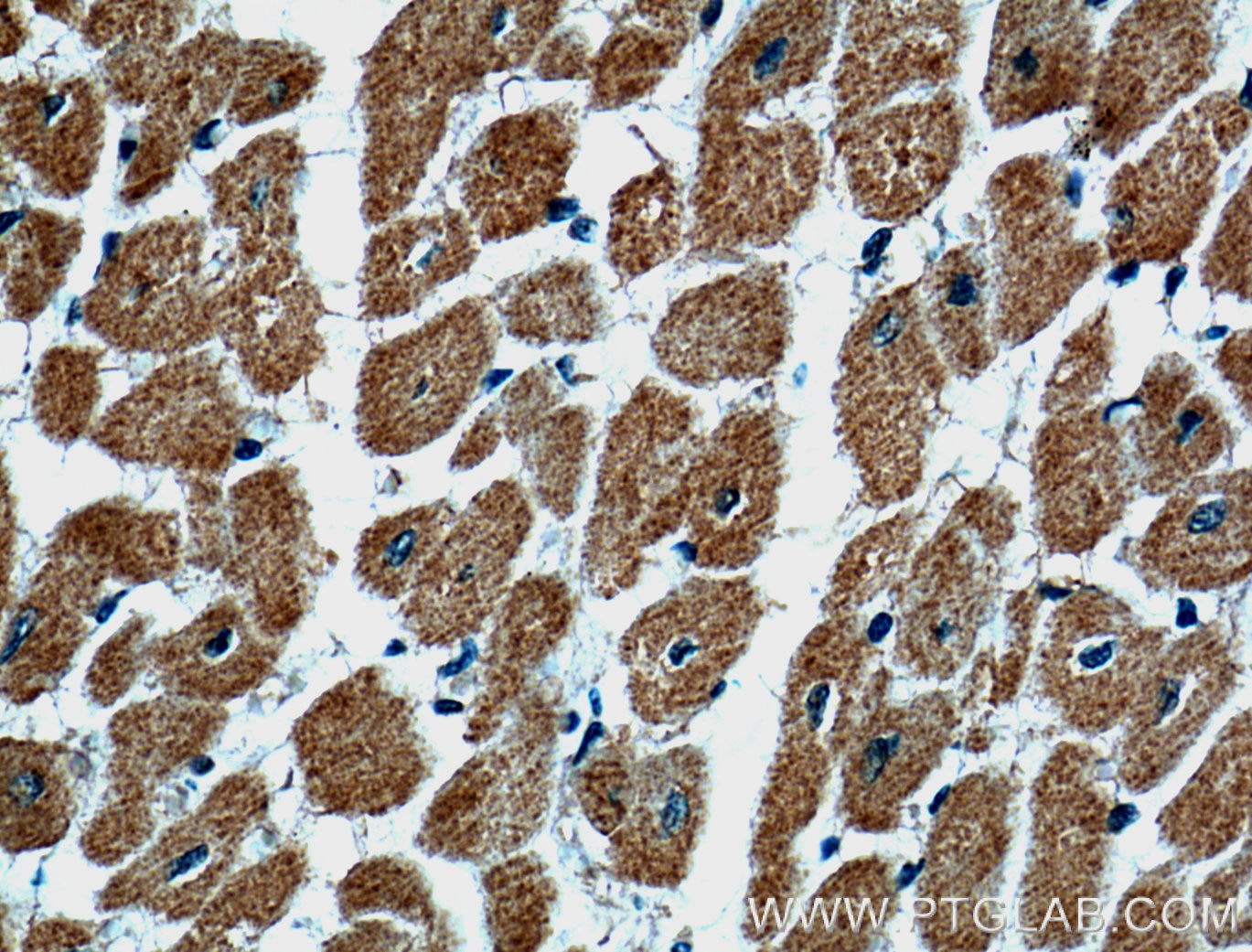
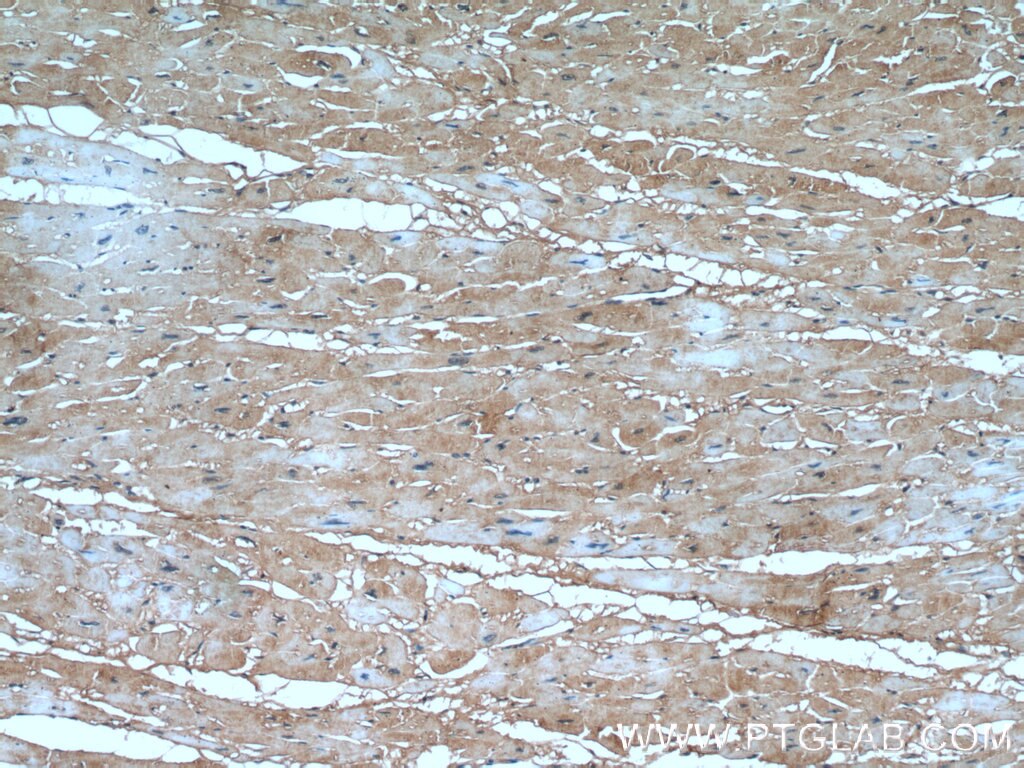
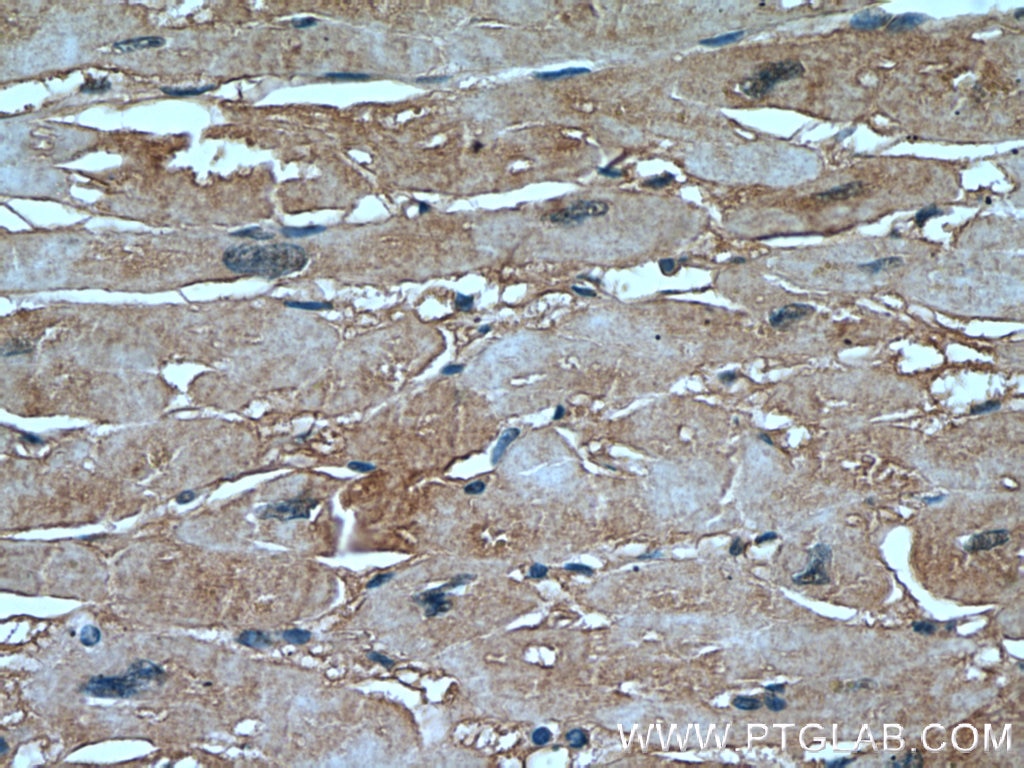
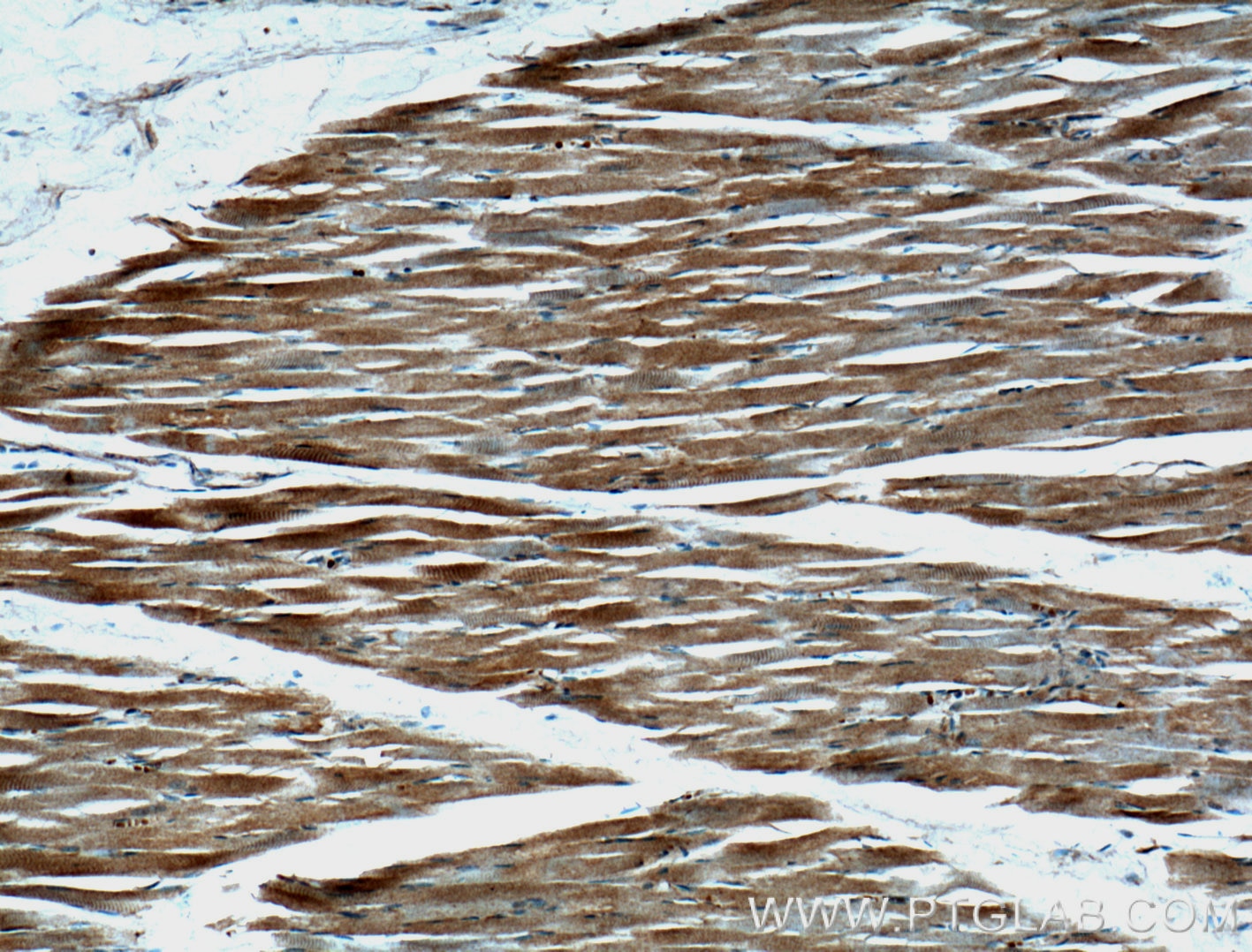
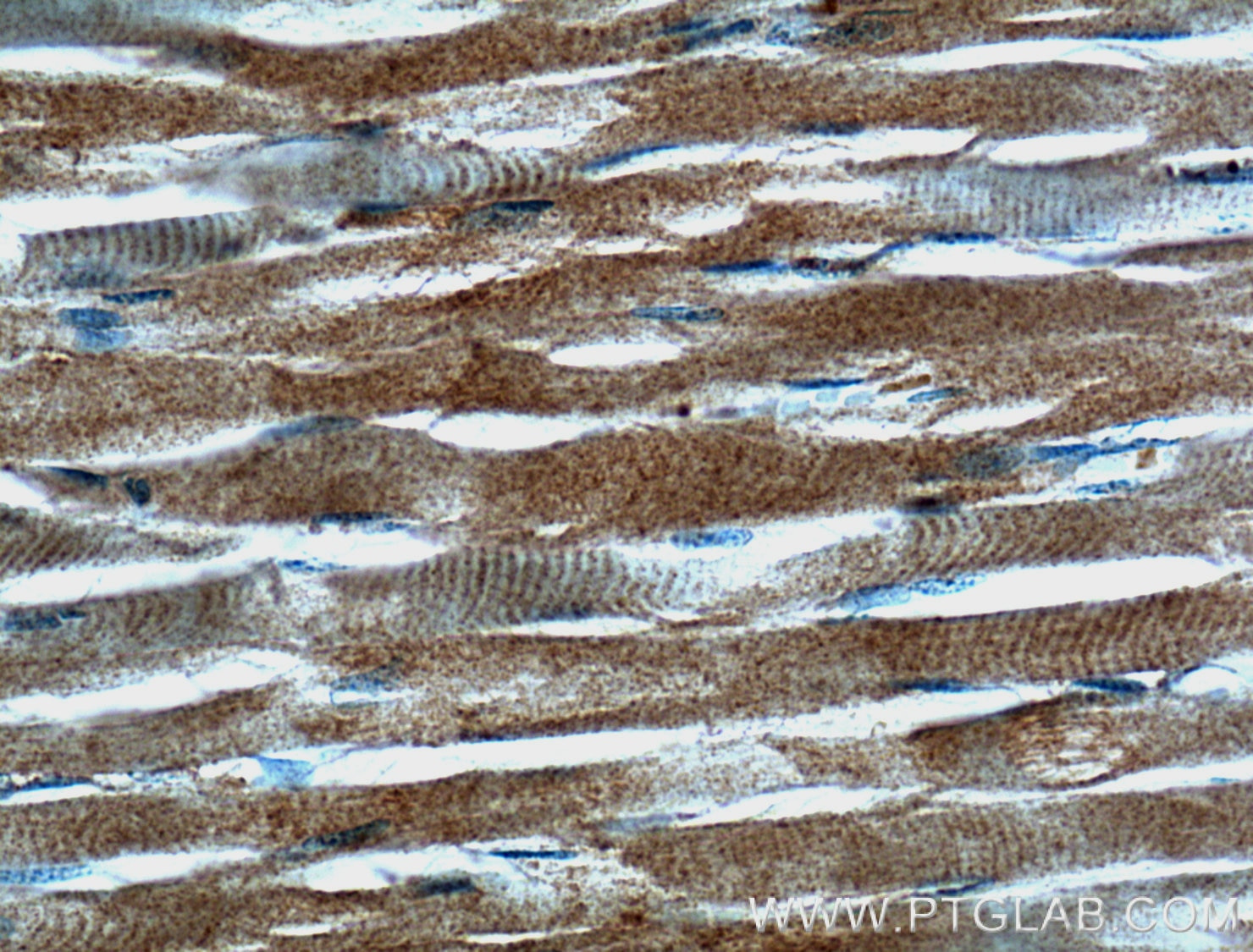
| Positive IHC detected in | human heart tissue, human skeletal muscle tissue Note: suggested antigen retrieval with TE buffer pH 9.0; (*) Alternatively, antigen retrieval may be performed with citrate buffer pH 6.0 |
Recommended dilution
| Application | Dilution |
|---|---|
| Western Blot (WB) | WB : 1:500-1:2000 |
| Immunohistochemistry (IHC) | IHC : 1:50-1:500 |
| It is recommended that this reagent should be titrated in each testing system to obtain optimal results. | |
| Sample-dependent, Check data in validation data gallery. | |
Product Information
55139-1-AP targets ARHGAP10 in WB, IHC, ELISA applications and shows reactivity with human, mouse, rat samples.
| Tested Reactivity | human, mouse, rat |
| Cited Reactivity | human, mouse |
| Host / Isotype | Rabbit / IgG |
| Class | Polyclonal |
| Type | Antibody |
| Immunogen |
Peptide Predict reactive species |
| Full Name | Rho GTPase activating protein 10 |
| Calculated Molecular Weight | 89 kDa |
| Observed Molecular Weight | 89 kDa |
| GenBank Accession Number | NM_024605 |
| Gene Symbol | ARHGAP10 |
| Gene ID (NCBI) | 79658 |
| RRID | AB_10794449 |
| Conjugate | Unconjugated |
| Form | Liquid |
| Purification Method | Antigen affinity purification |
| UNIPROT ID | A1A4S6 |
| Storage Buffer | PBS with 0.02% sodium azide and 50% glycerol, pH 7.3. |
| Storage Conditions | Store at -20°C. Stable for one year after shipment. Aliquoting is unnecessary for -20oC storage. 20ul sizes contain 0.1% BSA. |
Background Information
ARHGAP10, also named as GRAF2, is GTPase activator for the small GTPases RhoA and Cdc42 by converting them to an inactive GDP-bound state. It is essential for PTKB2 regulation of cytoskeletal organization via Rho family GTPases. ARHGAP10 inhibits PAK2 proteolytic fragment PAK-2p34 kinase activity and changes its localization from the nucleus to the perinuclear region. It stabilizes PAK-2p34 thereby increasing stimulation of cell death. The antibody is specific to ARHGAP10.
Protocols
| Product Specific Protocols | |
|---|---|
| IHC protocol for ARHGAP10 antibody 55139-1-AP | Download protocol |
| WB protocol for ARHGAP10 antibody 55139-1-AP | Download protocol |
| Standard Protocols | |
|---|---|
| Click here to view our Standard Protocols |
Publications
What published studies show
ARHGAP10 antibody (Cat# 55139-1-AP) has 14 citations in journals including Nature Metabolism, Frontiers in Immunology, Journal of Neurology, Journal of Biological Chemistry, eLife, Molecular Therapy Nucleic Acids, and Frontiers in Oncology. Research fields span cancer biology (gastric, ovarian, breast, colorectal, and oral cancers), ferroptosis, apoptosis, autoimmune encephalitis, osteoclast biology, and BCAA metabolism.
| Species | Application | Title |
|---|---|---|
Nat Metab Enhanced BCAT1 activity and BCAA metabolism promotes RhoC activity in cancer progression | ||
Mol Ther Nucleic Acids miR-3174 Contributes to Apoptosis and Autophagic Cell Death Defects in Gastric Cancer Cells by Targeting ARHGAP10.
| ||
J Neurol Rho GTPase-activating protein 10 (ARHGAP10/GRAF2) is a novel autoantibody target in patients with autoimmune encephalitis | ||
Front Cell Dev Biol The Beta-Tubulin Isotype TUBB6 Controls Microtubule and Actin Dynamics in Osteoclasts. | ||
Mol Med Rep miR‑337‑3p inhibits gastric tumor metastasis by targeting ARHGAP10.
|

