
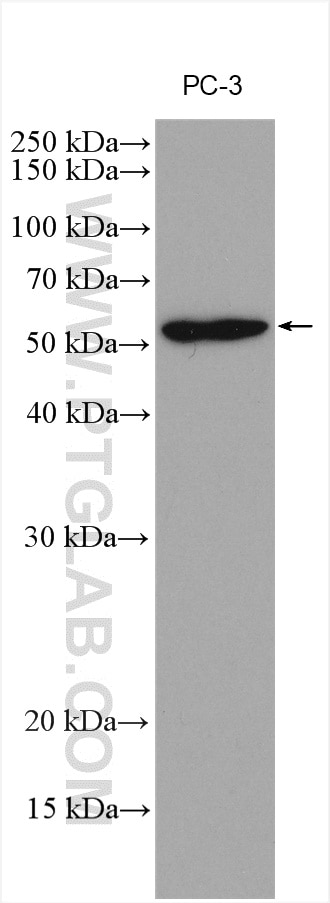
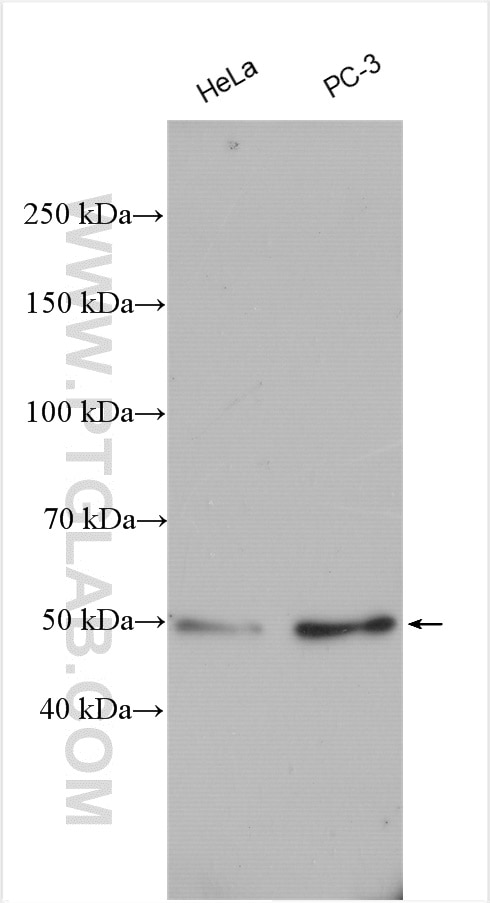
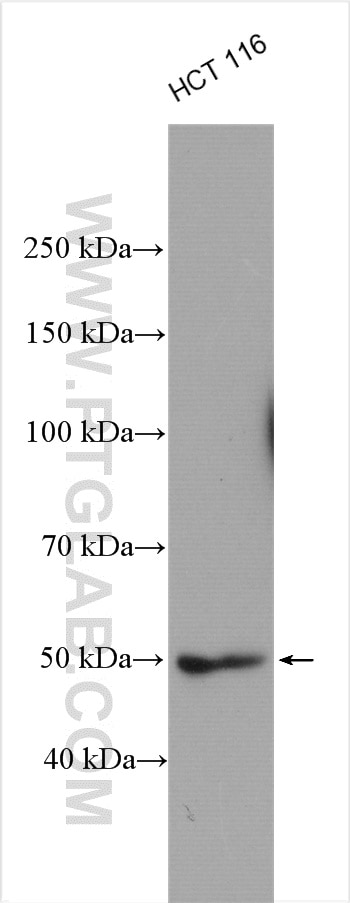
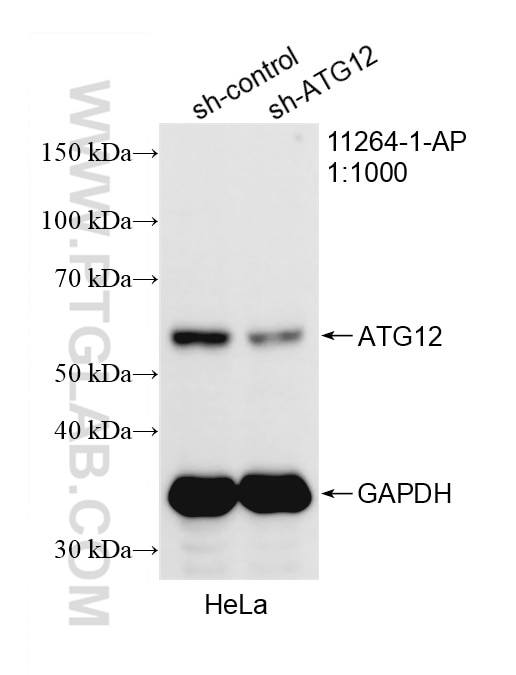

Tested Applications
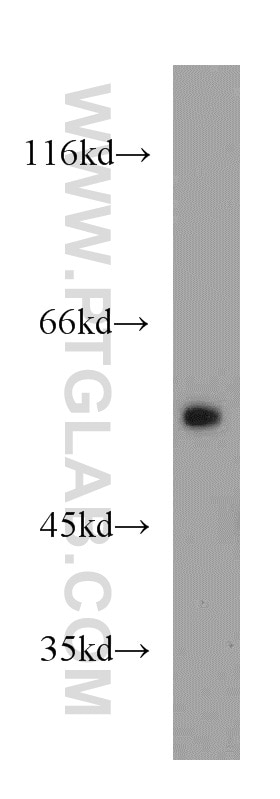
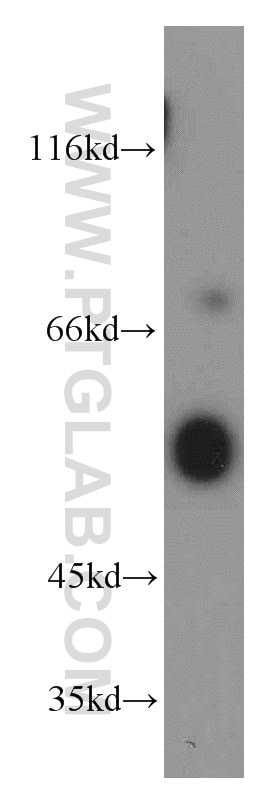
| Positive WB detected in | PC-3 cells, COLO 320 cells, NIH/3T3 cells, HeLa cells, HCT 116 cells |
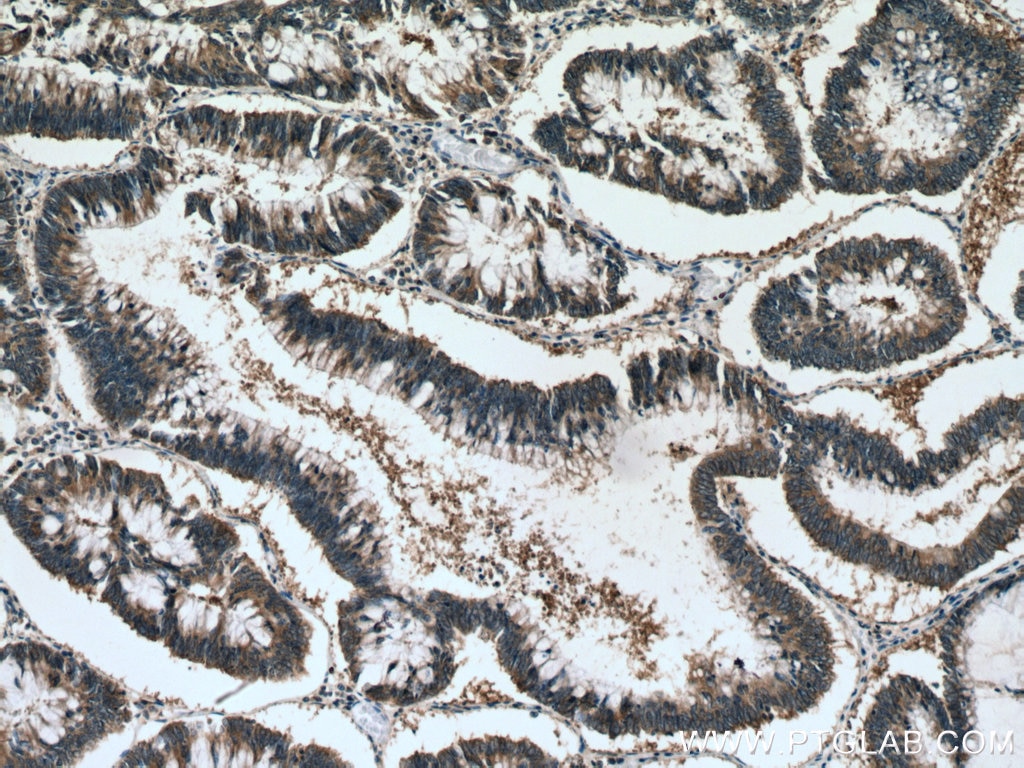
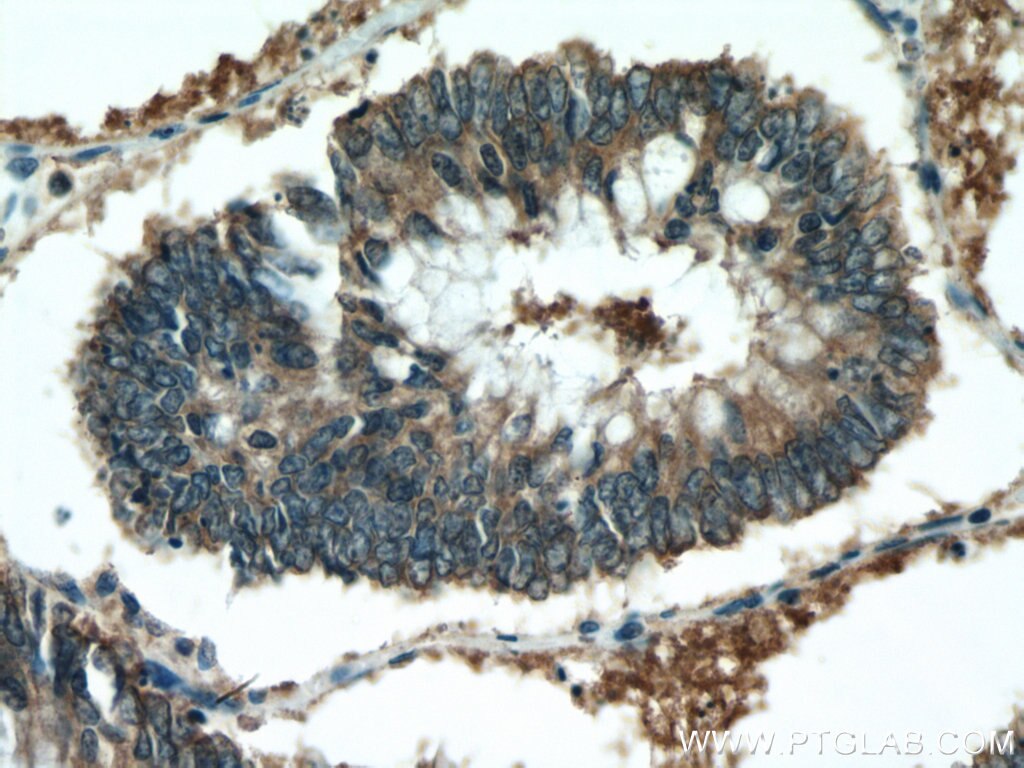
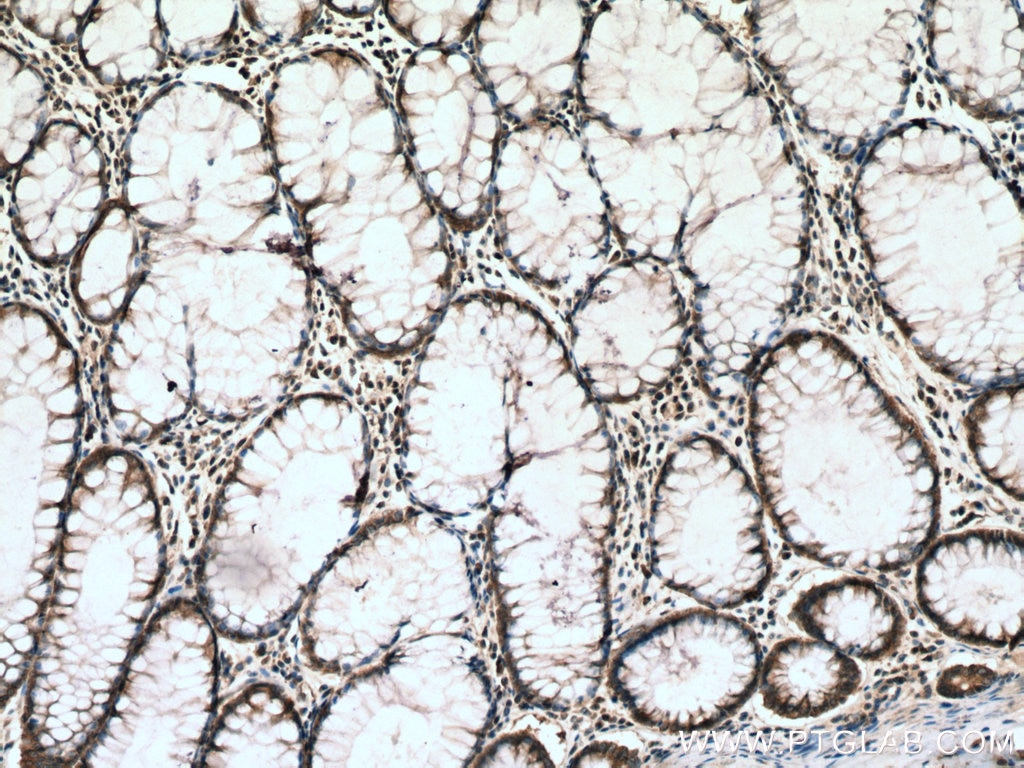
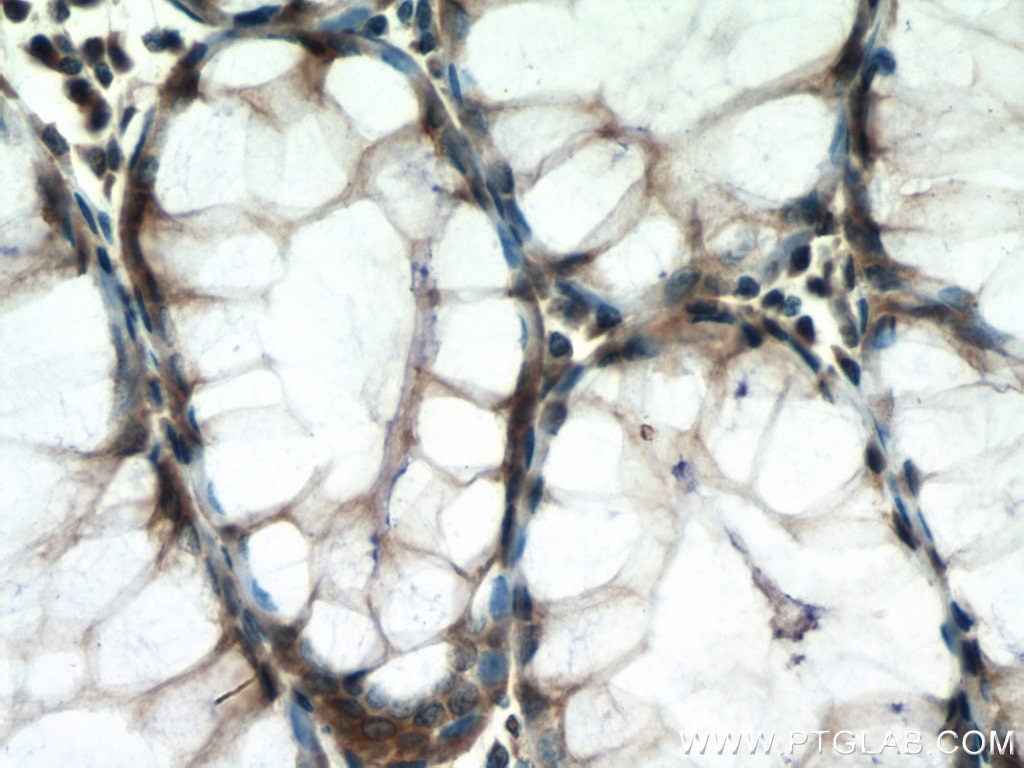
| Positive IHC detected in | human colon cancer tissue Note: suggested antigen retrieval with TE buffer pH 9.0; (*) Alternatively, antigen retrieval may be performed with citrate buffer pH 6.0 |
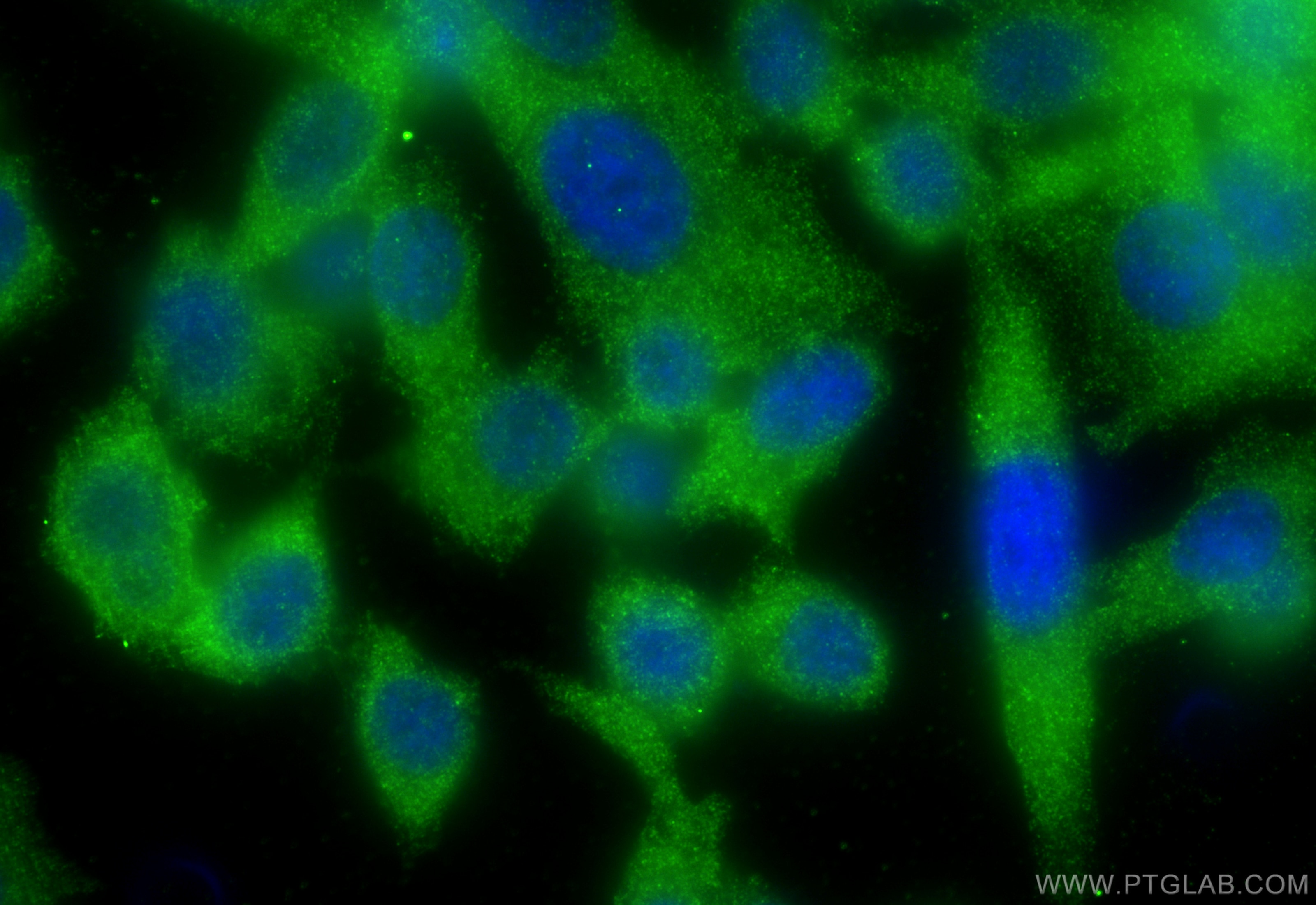
| Positive IF/ICC detected in | PC-3 cells |
Recommended dilution
| Application | Dilution |
|---|---|
| Western Blot (WB) | WB : 1:500-1:1000 |
| Immunohistochemistry (IHC) | IHC : 1:50-1:500 |
| Immunofluorescence (IF)/ICC | IF/ICC : 1:200-1:800 |
| It is recommended that this reagent should be titrated in each testing system to obtain optimal results. | |
| Sample-dependent, Check data in validation data gallery. | |
Product Information
11264-1-AP targets ATG12 in WB, IHC, IF/ICC, ELISA applications and shows reactivity with human, mouse samples.
| Tested Reactivity | human, mouse |
| Cited Reactivity | human, mouse, rat |
| Host / Isotype | Rabbit / IgG |
| Class | Polyclonal |
| Type | Antibody |
| Immunogen |
CatNo: Ag1791 Product name: Recombinant human ATG12 protein Source: e coli.-derived, PGEX-4T Tag: GST Domain: 1-187 aa of BC012266 Sequence: MTSREHQVSLCNCVPLLRRLLCDAPWRKARPLHALSRYFRSRVSPSKMAEEPQSVLQLPTSIAAGGEGLTDVSPETTTPEPPSSAAVSPGTEEPAGDTKKKIDILLKAVGDTPIMKTKKWAVERTRTIQGLIDFIKKFLKLVASEQLFIYVNQSFAPSPDQEVGTLYECFGSDGKLVLHYCKSQAWG Predict reactive species |
| Full Name | ATG12 autophagy related 12 homolog (S. cerevisiae) |
| Calculated Molecular Weight | 15 kDa |
| Observed Molecular Weight | 48-55 kDa |
| GenBank Accession Number | BC012266 |
| Gene Symbol | ATG12 |
| Gene ID (NCBI) | 9140 |
| RRID | AB_10807096 |
| Conjugate | Unconjugated |
| Form | Liquid |
| Purification Method | Antigen affinity purification |
| UNIPROT ID | O94817 |
| Storage Buffer | PBS with 0.02% sodium azide and 50% glycerol, pH 7.3. |
| Storage Conditions | Store at -20°C. Stable for one year after shipment. Aliquoting is unnecessary for -20oC storage. 20ul sizes contain 0.1% BSA. |
Background Information
ATG12, also named as APG12 and APG12L, belongs to the ATG12 family. It is required for autophagy. Free ATG12 is 15kd or 8kd. Conjugated to ATG5, ATG12-ATG5 show 48-55kd.
Protocols
| Product Specific Protocols | |
|---|---|
| IF protocol for ATG12 antibody 11264-1-AP | Download protocol |
| IHC protocol for ATG12 antibody 11264-1-AP | Download protocol |
| WB protocol for ATG12 antibody 11264-1-AP | Download protocol |
| Standard Protocols | |
|---|---|
| Click here to view our Standard Protocols |
Publications
What published studies show
ATG12 antibody (Cat# 11264-1-AP) has 19 citations in Autophagy, Advanced Science, Chinese Medical Journal, Journal of Ethnopharmacology, European Journal of Pharmacology, Frontiers in Cell and Developmental Biology, Chemical Biology & Interaction, Cancer Science, Journal of Cellular and Molecular Medicine, Neurochemistry Research, Biology, Journal of Cellular Physiology, Biochemical Journal, International Journal of Biochemistry & Cell Biology, Animal Models and Experimental Medicine, Biology of Reproduction, PLoS ONE, Pharmacology, and Journal of Craniofacial Surgery. Fields include autophagy, cancer, liver disease, neurology, nephrology, reproduction, and dermatology.
| Species | Application | Title |
|---|---|---|
Autophagy WNT2B impairs endosomal trafficking via WASHC5 to inhibit autophagy: a novel non-secretory WNT pathway. | ||
Adv Sci (Weinh) Mitochondrial tRNAGlu 14693A>G Mutation, an "Enhancer" to the Phenotypic Expression of Leber's Hereditary Optic Neuropathy | ||
Chin Med J (Engl) MiR-3653 blocks autophagy to inhibit epithelial-mesenchymal transition in breast cancer cells by targeting the autophagy-regulatory genes ATG12 and AMBRA1
| ||
J Ethnopharmacol Licochalcone A promotes autophagy to ameliorate NAFLD by inhibiting the mTOR and regulating ULK1/Beclin1/VPS34 pathway | ||
Eur J Pharmacol Latcripin-7A from Lentinula edodes C91-3 induces apoptosis, autophagy, and cell cycle arrest at G1 phase in human gastric cancer cells via inhibiting PI3K/Akt/mTOR signaling. | ||
Front Cell Dev Biol Enhancing autophagy and energy metabolism in the meniscus can delay the occurrence of PTOA in ACLT rat |

