
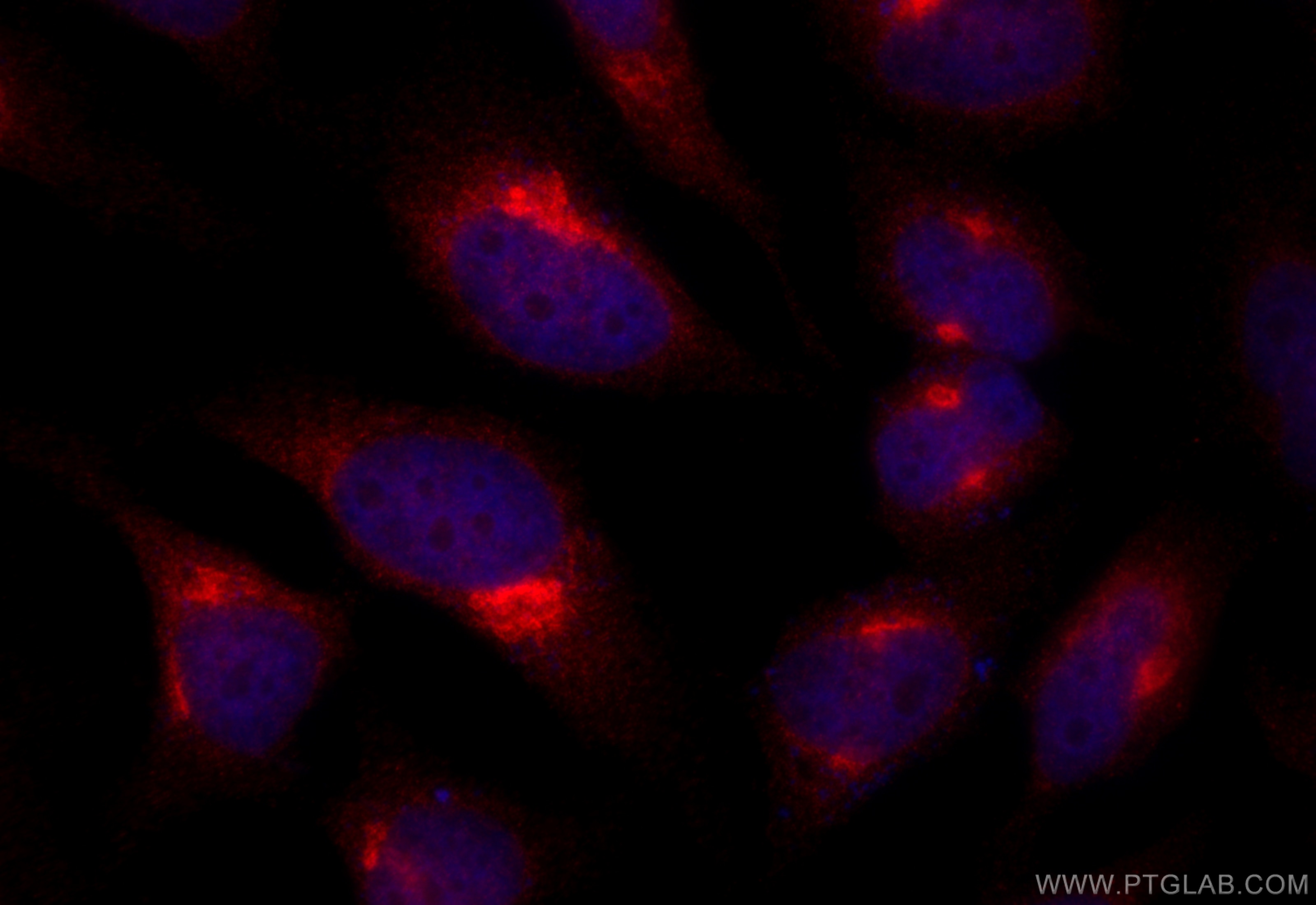

Tested Applications
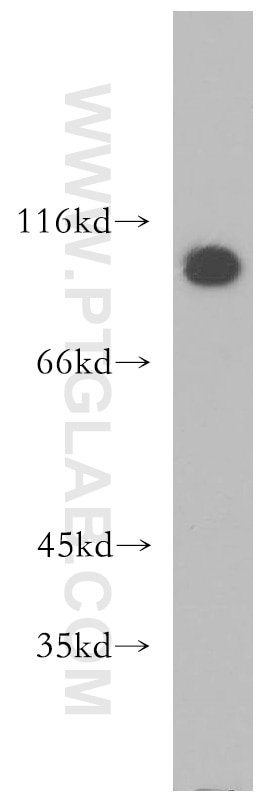
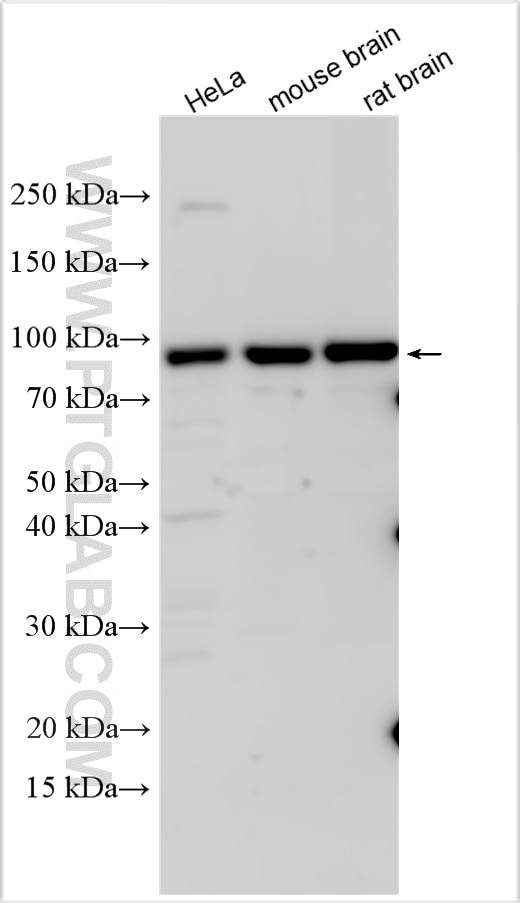
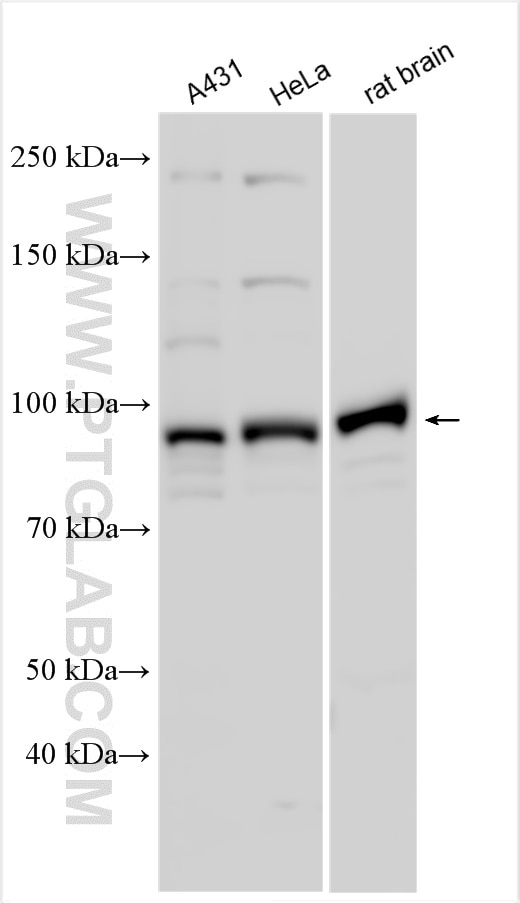
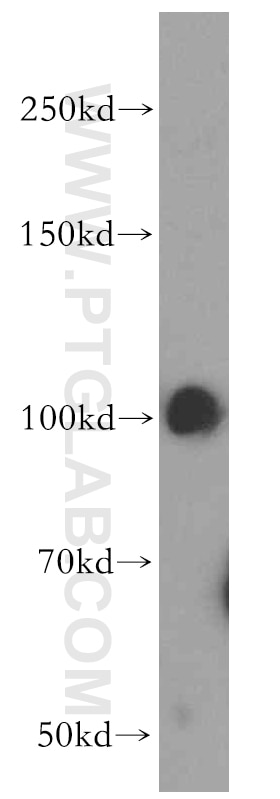
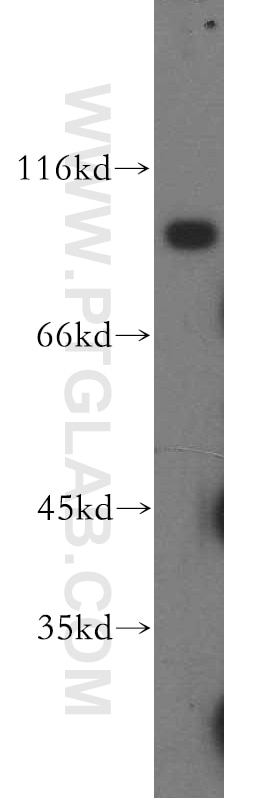
| Positive WB detected in | HeLa cells, A431 cells, human brain tissue, rat brain tissue, mouse brain tissue |
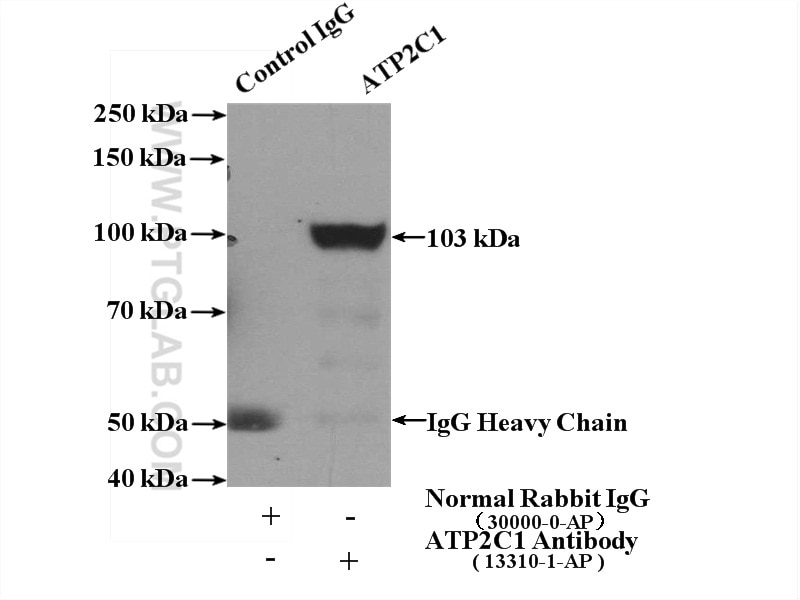
| Positive IP detected in | mouse kidney tissue |
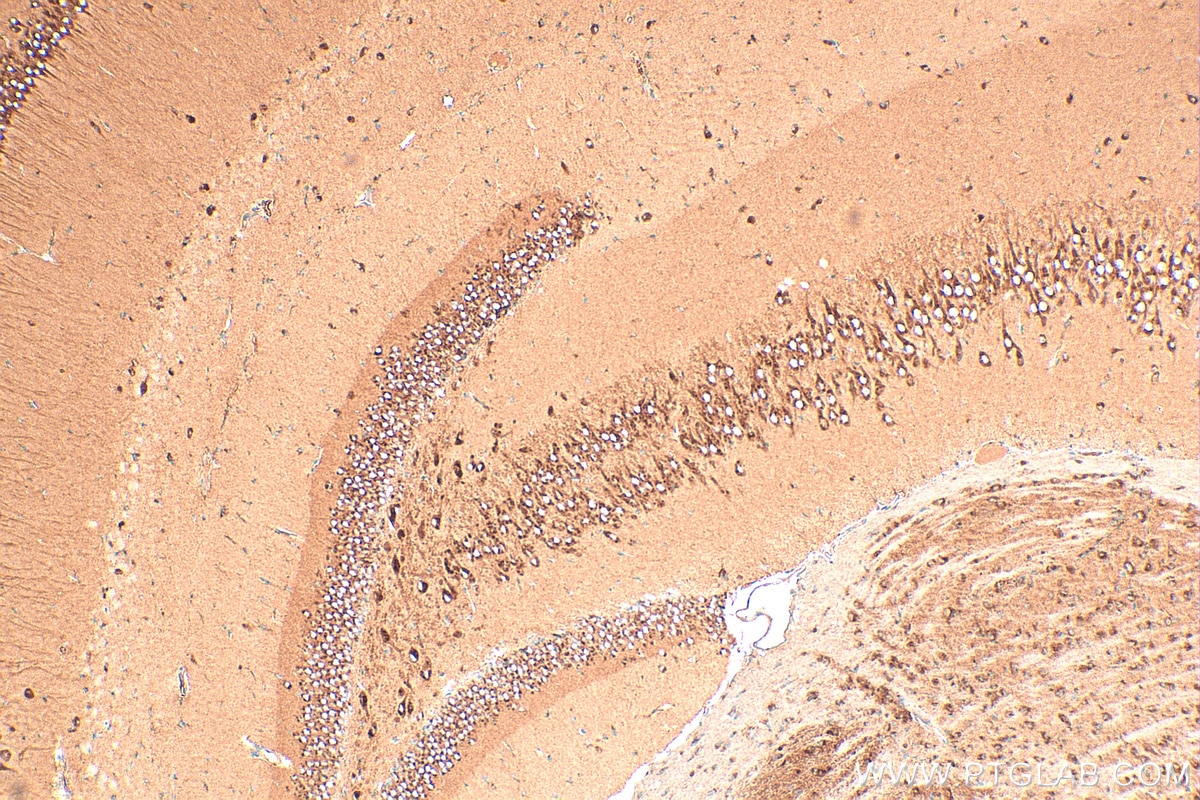
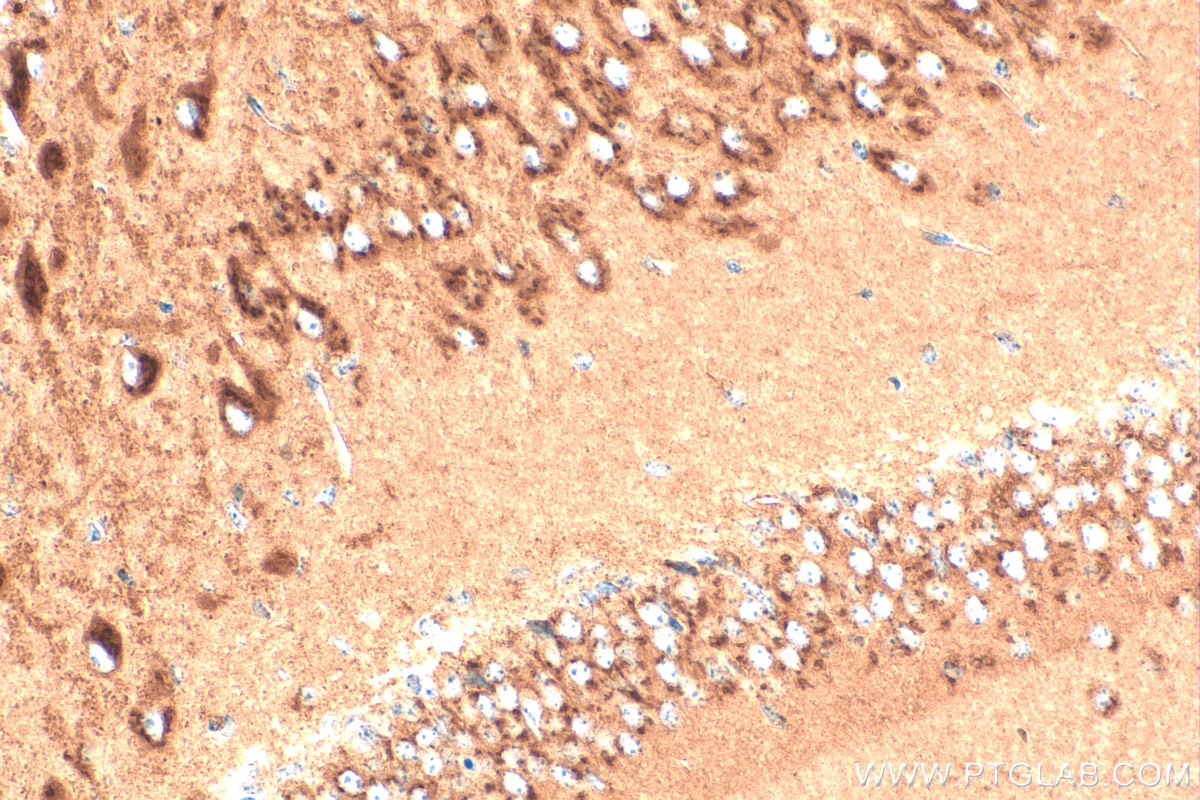
| Positive IHC detected in | mouse brain tissue Note: suggested antigen retrieval with TE buffer pH 9.0; (*) Alternatively, antigen retrieval may be performed with citrate buffer pH 6.0 |
| Positive IF/ICC detected in | HeLa cells |
Recommended dilution
| Application | Dilution |
|---|---|
| Western Blot (WB) | WB : 1:1000-1:8000 |
| Immunoprecipitation (IP) | IP : 0.5-4.0 ug for 1.0-3.0 mg of total protein lysate |
| Immunohistochemistry (IHC) | IHC : 1:50-1:500 |
| Immunofluorescence (IF)/ICC | IF/ICC : 1:400-1:1600 |
| It is recommended that this reagent should be titrated in each testing system to obtain optimal results. | |
| Sample-dependent, Check data in validation data gallery. | |
Product Information
13310-1-AP targets ATP2C1 in WB, IHC, IF/ICC, IP, ELISA applications and shows reactivity with human, mouse, rat samples.
| Tested Reactivity | human, mouse, rat |
| Cited Reactivity | human, mouse, rat |
| Host / Isotype | Rabbit / IgG |
| Class | Polyclonal |
| Type | Antibody |
| Immunogen |
CatNo: Ag4143 Product name: Recombinant human ATP2C1 protein Source: e coli.-derived, PGEX-4T Tag: GST Domain: 320-654 aa of BC028139 Sequence: LGVMRMVKKRAIVKKLPIVETLGCCNVICSDKTGTLTKNEMTVTHIFTSDGLHAEVTGVGYNQFGEVIVDGDVVHGFYNPAVSRIVEAGCVCNDAVIRNNTLMGKPTEGALIALAMKMGLDGLQQDYIRKAEYPFSSEQKWMAVKCVHRTQQDRPEICFMKGAYEQVIKYCTTYQSKGQTLTLTQQQRDVYQQEKARMGSAGLRVLALASGPELGQLTFLGLVGIIDPPRTGVKEAVTTLIASGVSIKMITGDSQETAVAIASRLGLYSKTSQSVSGEEIDAMDVQQLSQIVPKVAVFYRASPRHKMKIIKSLQKNGSVVAMTGDGVNDAVALKA Predict reactive species |
| Full Name | ATPase, Ca++ transporting, type 2C, member 1 |
| Calculated Molecular Weight | 919 aa, 101 kDa |
| Observed Molecular Weight | 95-103 kDa |
| GenBank Accession Number | BC028139 |
| Gene Symbol | ATP2C1 |
| Gene ID (NCBI) | 27032 |
| RRID | AB_10640808 |
| Conjugate | Unconjugated |
| Form | Liquid |
| Purification Method | Antigen affinity purification |
| UNIPROT ID | P98194 |
| Storage Buffer | PBS with 0.02% sodium azide and 50% glycerol, pH 7.3. |
| Storage Conditions | Store at -20°C. Stable for one year after shipment. Aliquoting is unnecessary for -20oC storage. 20ul sizes contain 0.1% BSA. |
Background Information
ATP2C1, also known as hSPCA1, belongs to the family of P-type cation transport ATPases. ATP2C1 is a Golgi-localized ATPase that mediates Golgi uptake of cytosolic Ca(2+) and Mg(2+) and has a role in regulating Ca(2+) and Mn(2+) cellular content (PMID: 11741891). ATP2C1 is found in most tissues except colon, thymus, spleen, and leukocytes. It is expressed in keratinocytes (PMID: 15831496, 14632183). Defects in ATP2C1 cause Hailey-Hailey disease (HHD)(PMID: 10615129, 28035777).
Protocols
| Product Specific Protocols | |
|---|---|
| IF protocol for ATP2C1 antibody 13310-1-AP | Download protocol |
| IHC protocol for ATP2C1 antibody 13310-1-AP | Download protocol |
| IP protocol for ATP2C1 antibody 13310-1-AP | Download protocol |
| WB protocol for ATP2C1 antibody 13310-1-AP | Download protocol |
| Standard Protocols | |
|---|---|
| Click here to view our Standard Protocols |
Publications
What published studies show
The ATP2C1 Polyclonal antibody (Cat# 13310-1-AP) has 7 citations published in journals including J Clin Invest, Front Cell Dev Biol, Cell Signal, BMC Pulm Med, PLoS One, Clin Cosmet Investig Dermatol, and Zhong Nan Da Xue Xue Bao Yi Xue Ban. Research fields span cancer secretory vesicle regulation, UV-induced senescence, neuroinflammation after intracerebral hemorrhage, Golgi stress in acute lung injury, endothelial calcium signaling, Hailey-Hailey disease, and oxygen-glucose deprivation injury. Applications include WB and IF in human, mouse, and rat models.
| Species | Application | Title |
|---|---|---|
J Clin Invest Chromosomal 3q amplicon encodes essential regulators of secretory vesicles that drive secretory addiction in cancer | ||
Front Cell Dev Biol A Negative Feedback Loop in Ultraviolet A-Induced Senescence in Human Dermal Fibroblasts Formed by SPCA1 and MAPK. | ||
Cell Signal Targeting CDK1 inhibits Golgi apparatus stress-mediated neuroinflammation and neuronal apoptosis after intracerebral hemorrhage by modulating GRASP55 phosphorylation | ||
BMC Pulm Med Tetramethylpyrazine ameliorates endotoxin-induced acute lung injury by relieving Golgi stress via the Nrf2/HO-1 signaling pathway | ||
PLoS One Chemigenetic Ca2+ indicators report elevated Ca2+ levels in endothelial Weibel-Palade bodies | ||
Clin Cosmet Investig Dermatol The Pathogenic Mechanism of the ATP2C1 p.Ala109_Gln120del Mutation in Hailey-Hailey Disease |
Reviews
What customers say
Able is busy answering your previous question. Please try again later.
The reviews below have been submitted by verified Proteintech customers who received an incentive for providing their feedback.
Boyan (Verified Customer) (09-12-2019) | This antibody could detect endogenous ATP2C1 both for WB and IF. For WB, besides the band at the expected molecular weight, it also gives a non specific band at ~ 150 kd.
|

