
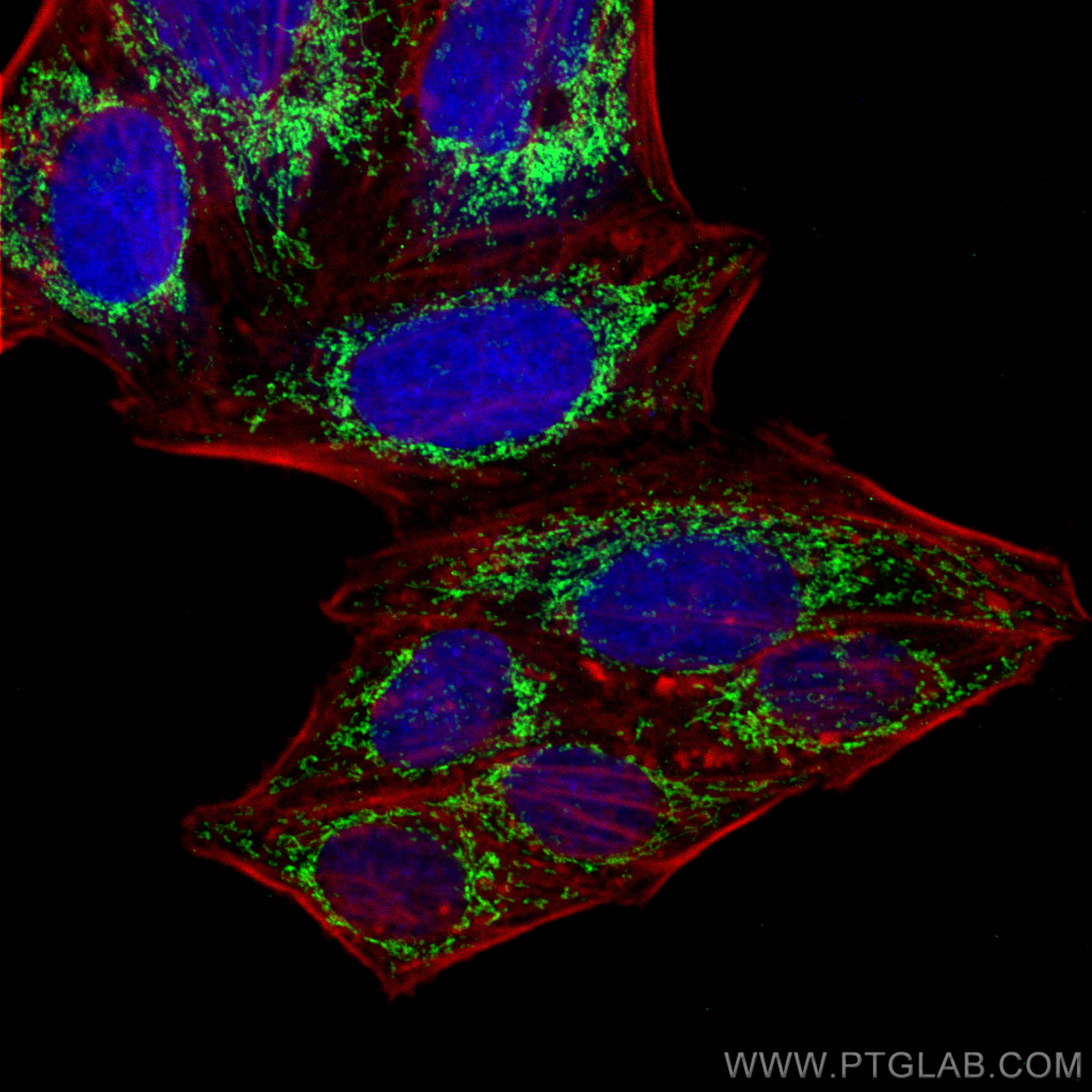
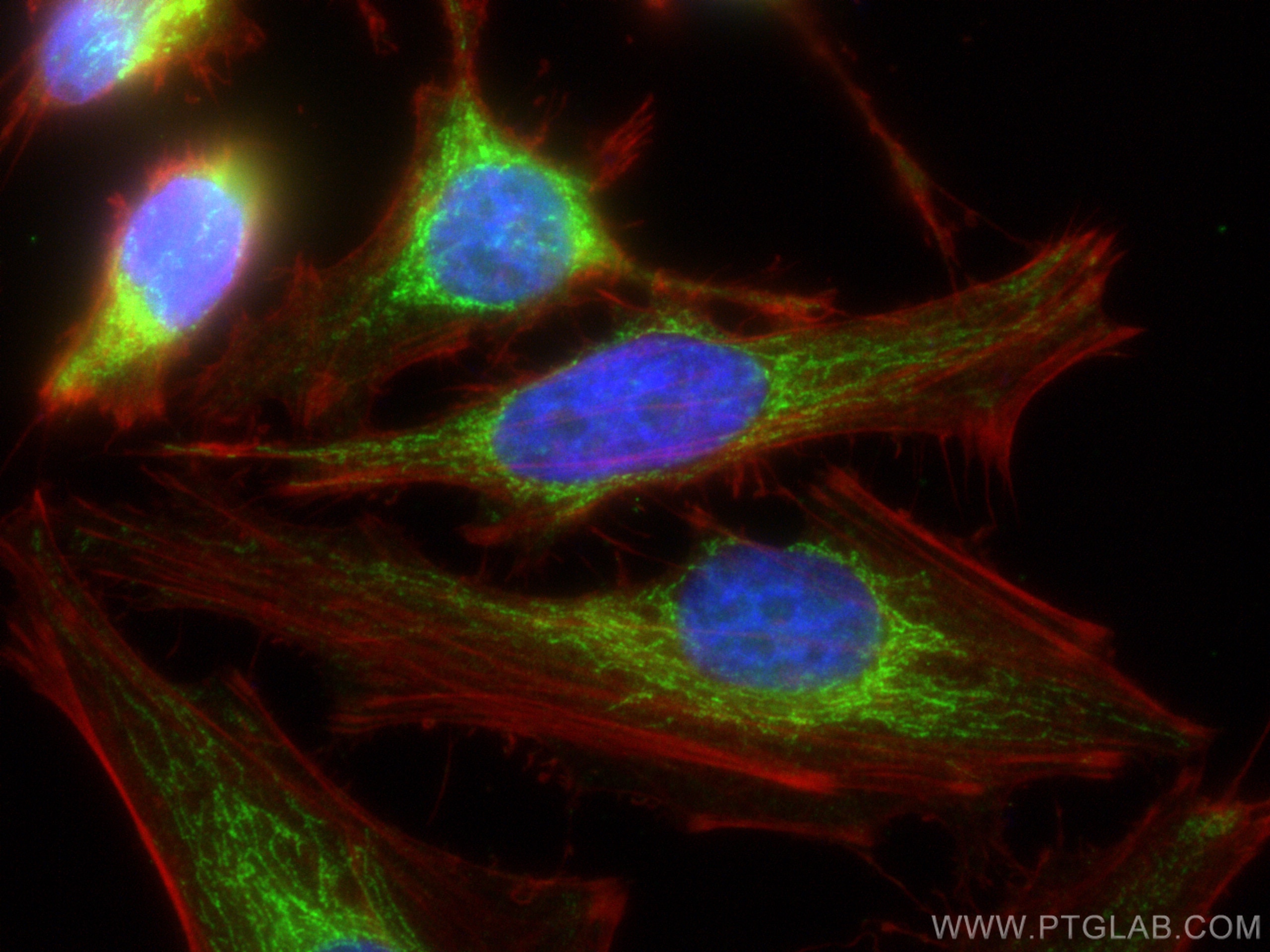

Tested Applications
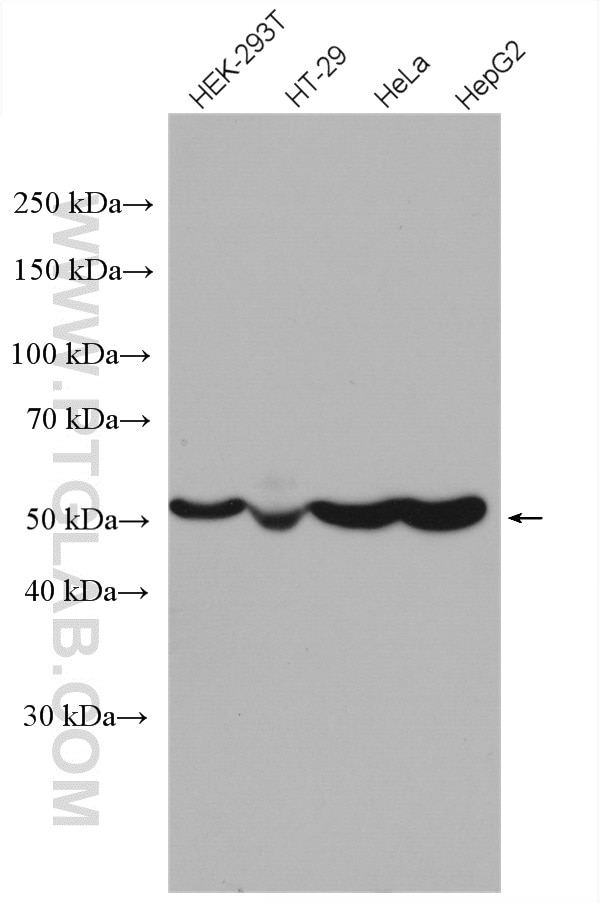
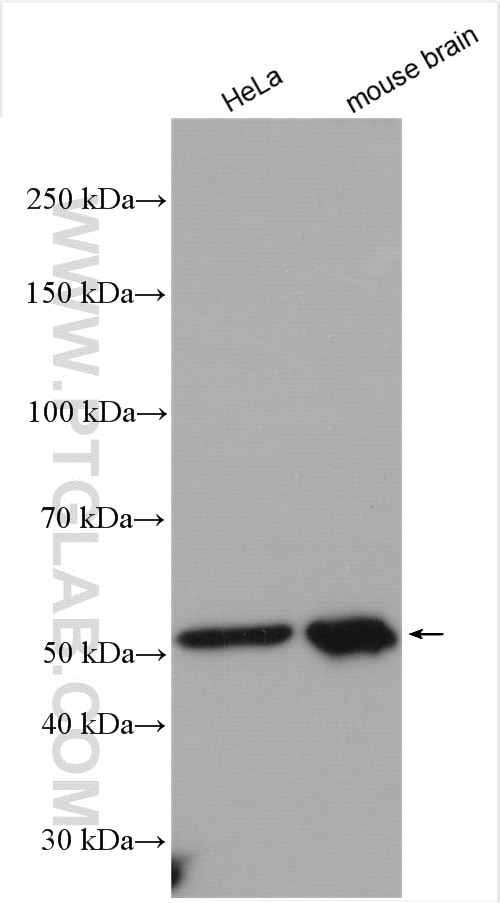
| Positive WB detected in | HEK-293T cells, HeLa cells, HT-29 cells, HepG2 cells, mouse brain tissue |
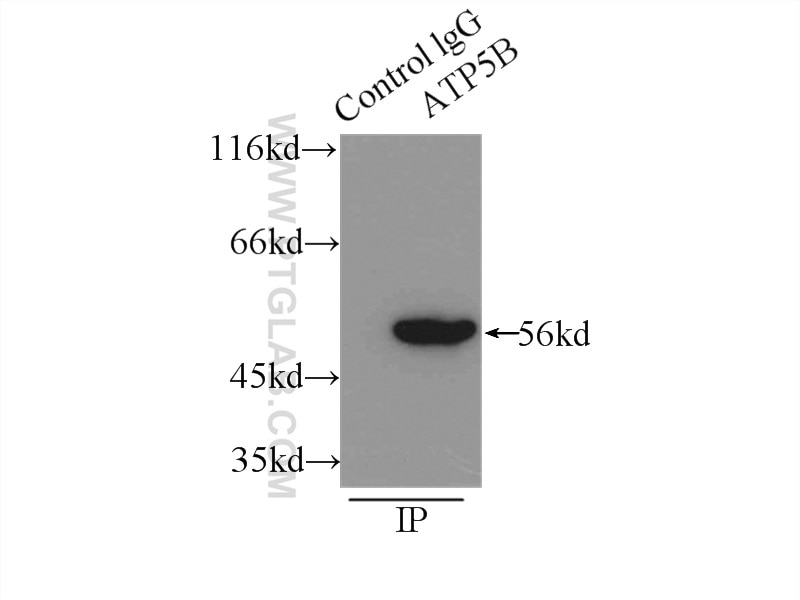
| Positive IP detected in | mouse heart tissue |
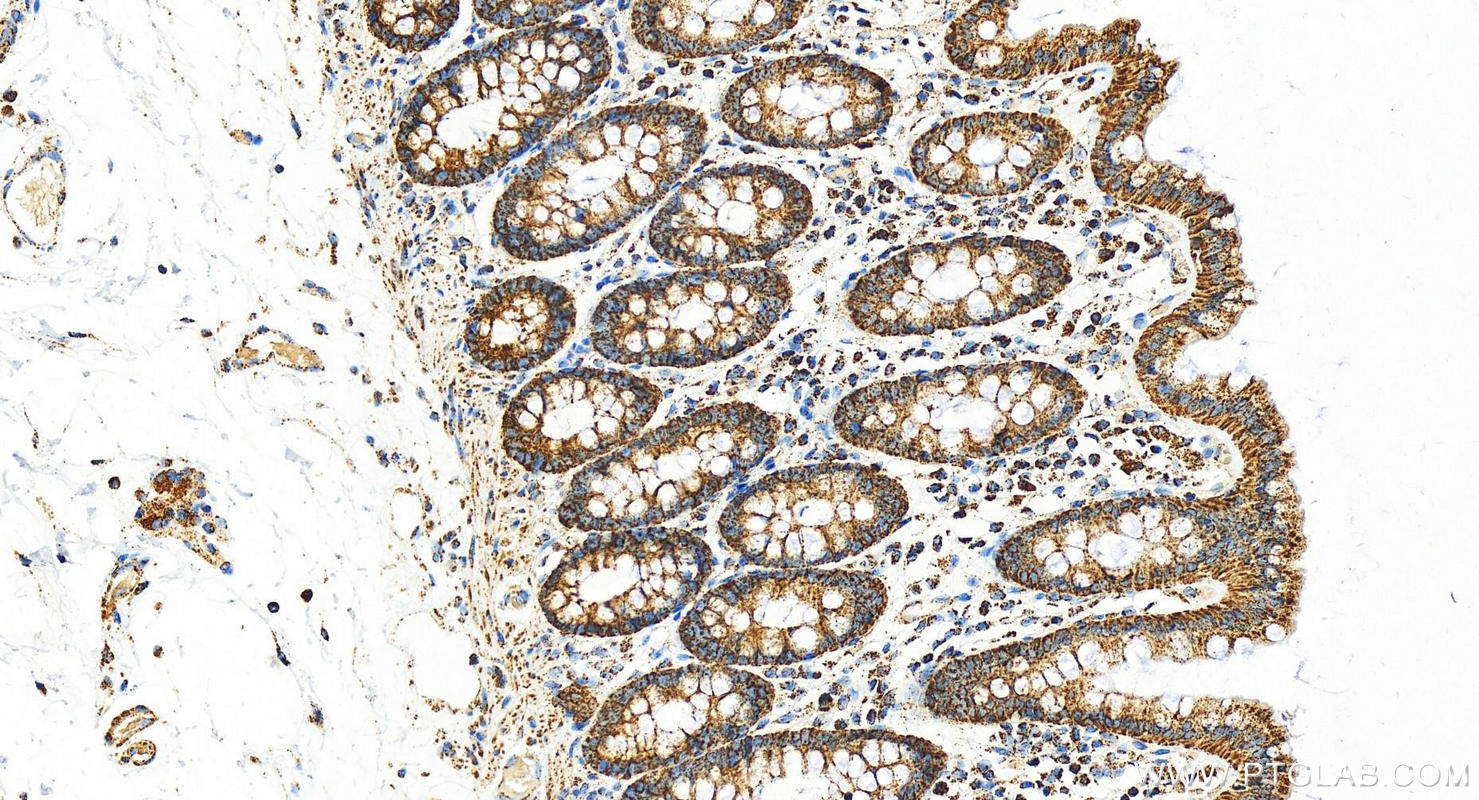
| Positive IHC detected in | human colon Note: suggested antigen retrieval with TE buffer pH 9.0; (*) Alternatively, antigen retrieval may be performed with citrate buffer pH 6.0 |
| Positive IF/ICC detected in | HepG2 cells, HeLa cells |
Recommended dilution
| Application | Dilution |
|---|---|
| Western Blot (WB) | WB : 1:1000-1:6000 |
| Immunoprecipitation (IP) | IP : 0.5-4.0 ug for 1.0-3.0 mg of total protein lysate |
| Immunohistochemistry (IHC) | IHC : 1:300-1:1200 |
| Immunofluorescence (IF)/ICC | IF/ICC : 1:50-1:500 |
| It is recommended that this reagent should be titrated in each testing system to obtain optimal results. | |
| Sample-dependent, Check data in validation data gallery. | |
Product Information
17247-1-AP targets ATPB in WB, IHC, IF/ICC, IP, CoIP, ELISA applications and shows reactivity with human, mouse, rat samples.
| Tested Reactivity | human, mouse, rat |
| Cited Reactivity | human, mouse, rat |
| Host / Isotype | Rabbit / IgG |
| Class | Polyclonal |
| Type | Antibody |
| Immunogen |
CatNo: Ag11177 Product name: Recombinant human ATPB protein Source: e coli.-derived, PGEX-4T Tag: GST Domain: 181-529 aa of BC016512 Sequence: EILVTGIKVVDLLAPYAKGGKIGLFGGAGVGKTVLIMELINNVAKAHGGYSVFAGVGERTREGNDLYHEMIESGVINLKDATSKVALVYGQMNEPPGARARVALTGLTVAEYFRDQEGQDVLLFIDNIFRFTQAGSEVSALLGRIPSAVGYQPTLATDMGTMQERITTTKKGSITSVQAIYVPADDLTDPAPATTFAHLDATTVLSRAIAELGIYPAVDPLDSTSRIMDPNIVGSEHYDVARGVQKILQDYKSLQDIIAILGMDELSEEDKLTVSRARKIQRFLSQPFQVAEVFTGHMGKLVPLKETIKGFQQILAGEYDHLPEQAFYMVGPIEEAVAKADKLAEEHSS Predict reactive species |
| Full Name | ATP synthase, H+ transporting, mitochondrial F1 complex, beta polypeptide |
| Calculated Molecular Weight | 529 aa, 57 kDa |
| Observed Molecular Weight | 45-57 kDa |
| GenBank Accession Number | BC016512 |
| Gene Symbol | ATPB |
| Gene ID (NCBI) | 506 |
| RRID | AB_2061878 |
| Conjugate | Unconjugated |
| Form | Liquid |
| Purification Method | Antigen affinity purification |
| UNIPROT ID | P06576 |
| Storage Buffer | PBS with 0.02% sodium azide and 50% glycerol, pH 7.3. |
| Storage Conditions | Store at -20°C. Stable for one year after shipment. Aliquoting is unnecessary for -20oC storage. 20ul sizes contain 0.1% BSA. |
Background Information
ATP5B, also named as ATPMB and ATPSB, belongs to the ATPase alpha/beta chains family. It is a high affinity HDL receptor for apolipoprotein A1. ATP5B is a subunit of mitochondrial ATP synthase (F1F0 ATP synthase or Complex V ). ATP5B has a calculated molecular mass of 57 kDa and ~5 kDa transit peptide can be removed in the mature form.
Protocols
| Product Specific Protocols | |
|---|---|
| IF protocol for ATPB antibody 17247-1-AP | Download protocol |
| IHC protocol for ATPB antibody 17247-1-AP | Download protocol |
| IP protocol for ATPB antibody 17247-1-AP | Download protocol |
| WB protocol for ATPB antibody 17247-1-AP | Download protocol |
| Standard Protocols | |
|---|---|
| Click here to view our Standard Protocols |
Publications
What published studies show
The ATPB Polyclonal antibody (catalog number 17247-1-AP) has 96 citations. These appear in high-impact journals including Nature, Neuron, Nat Commun, Blood, EMBO J, Sci Adv, Theranostics, and Cell Death & Disease. Research fields span mitochondrial dysfunction and bioenergetics, neurodegeneration (Alzheimer's, Parkinson's, Huntington's, ALS), acute kidney injury, cancer, cardiac disease, ferroptosis, autophagy/mitophagy, and metabolic reprogramming, with applications mainly in WB, IF, IHC, and IP.
| Species | Application | Title |
|---|---|---|
Blood TGF-β-PDL1 signaling in neutrophils preserves the lung barrier during hyperinflammation | ||
Autophagy Deficiency of mitophagy receptor FUNDC1 impairs mitochondrial quality and aggravates dietary-induced obesity and metabolic syndrome. | ||
Protein Cell Isolation and Proteomics of Human Skeletal Muscle Lipid Droplets Identify Anchored Mitochondria and Associated TPD52L2 | ||
Nat Commun ATAD3A oligomerization promotes neuropathology and cognitive deficits in Alzheimer's disease models. | ||
Nat Commun Small-molecule suppression of calpastatin degradation reduces neuropathology in models of Huntington's disease. |

