

Tested Applications
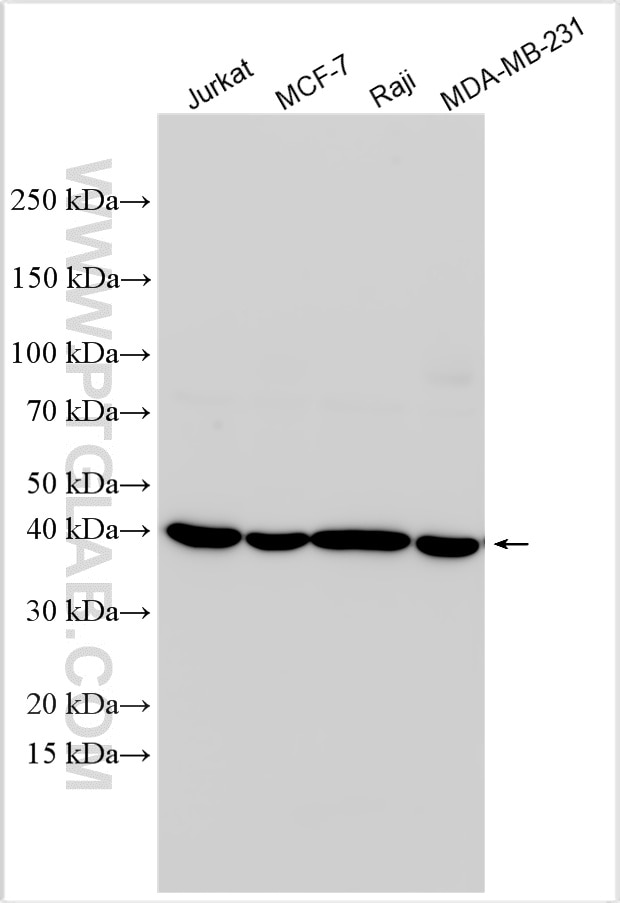
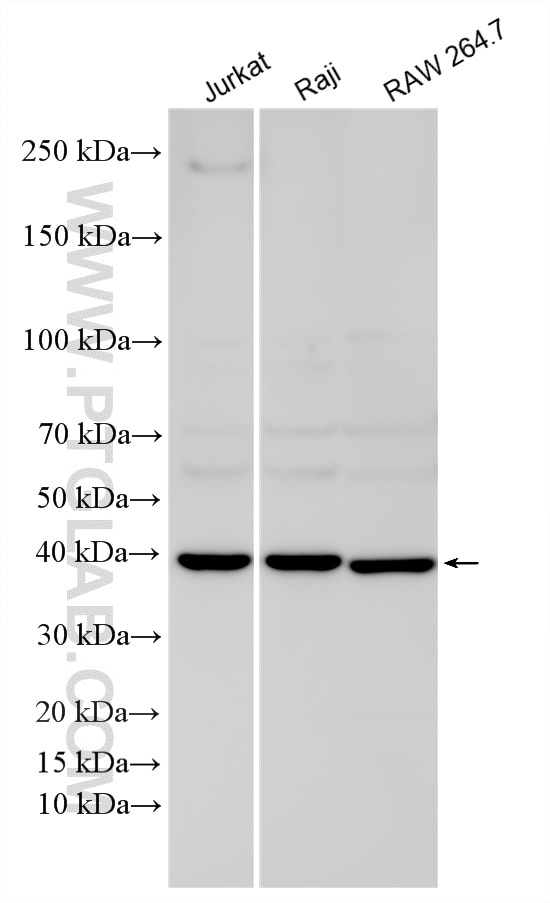
| Positive WB detected in | Jurkat cells, L02 cells, Raji cells, RAW 264.7 cells, MCF-7 cells, MDA-MB-231 cells |
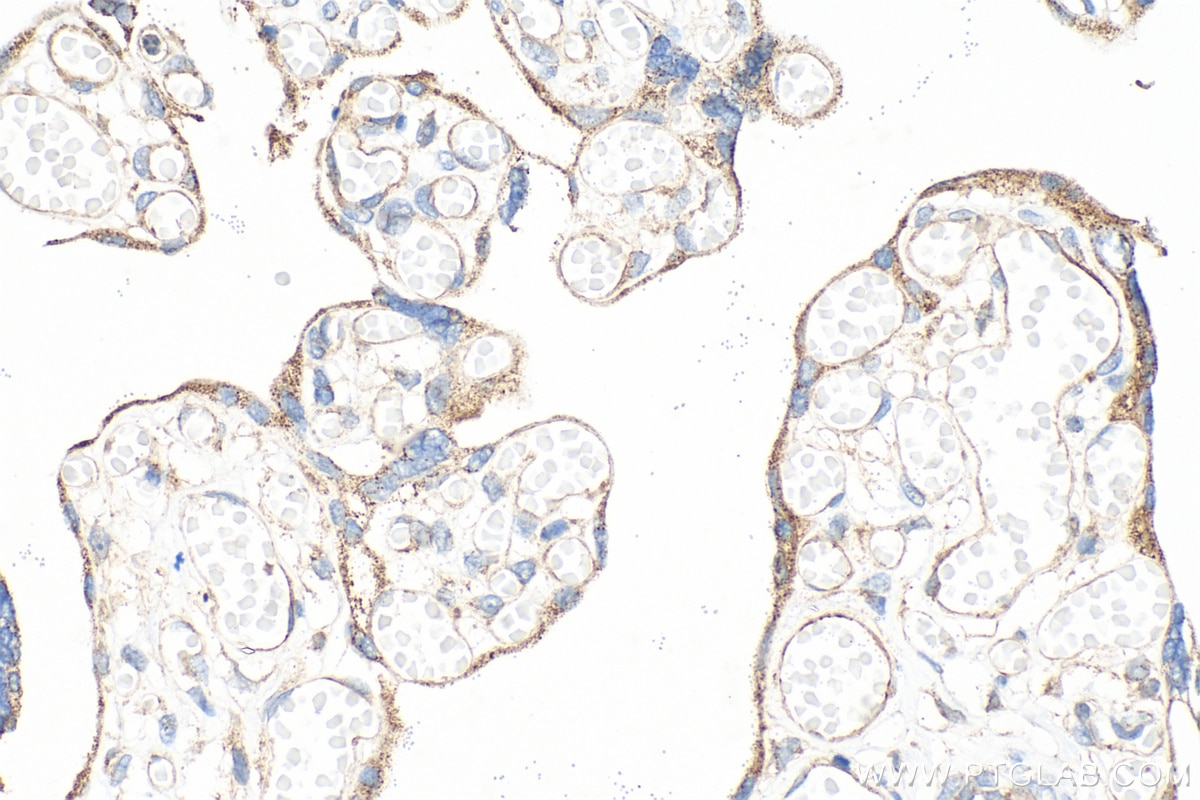
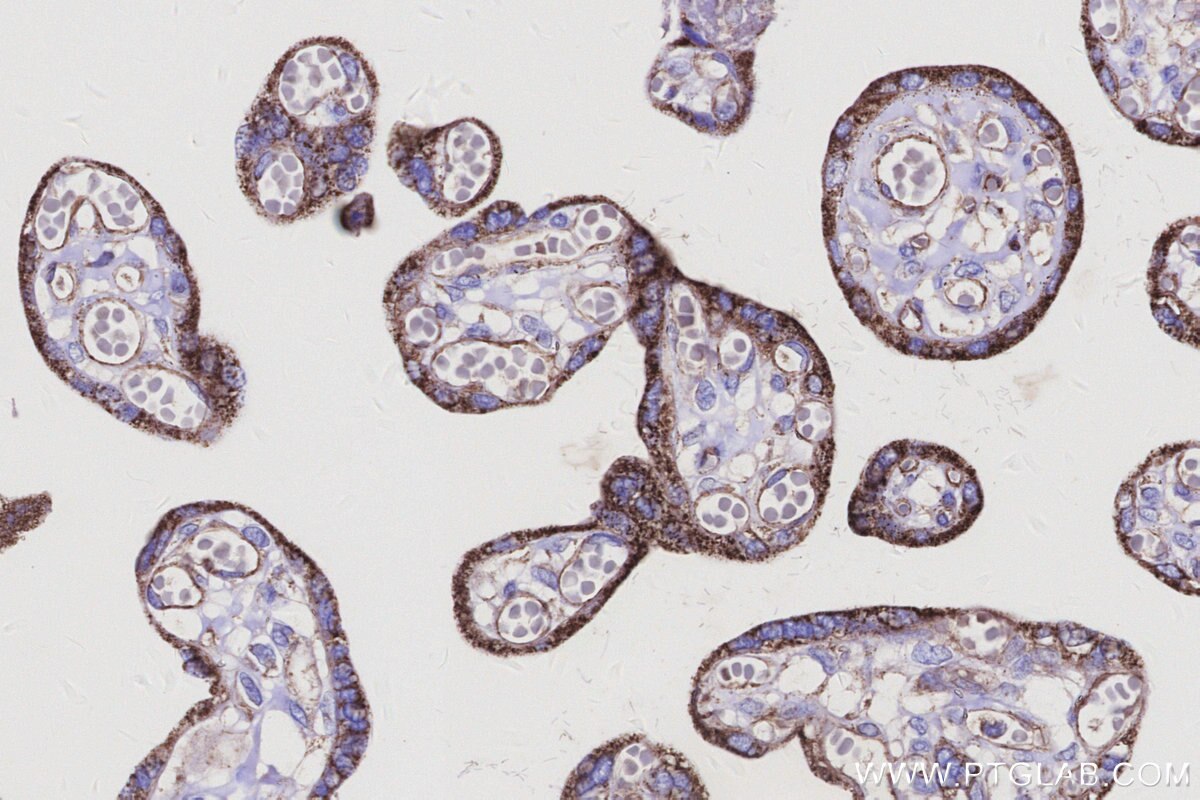
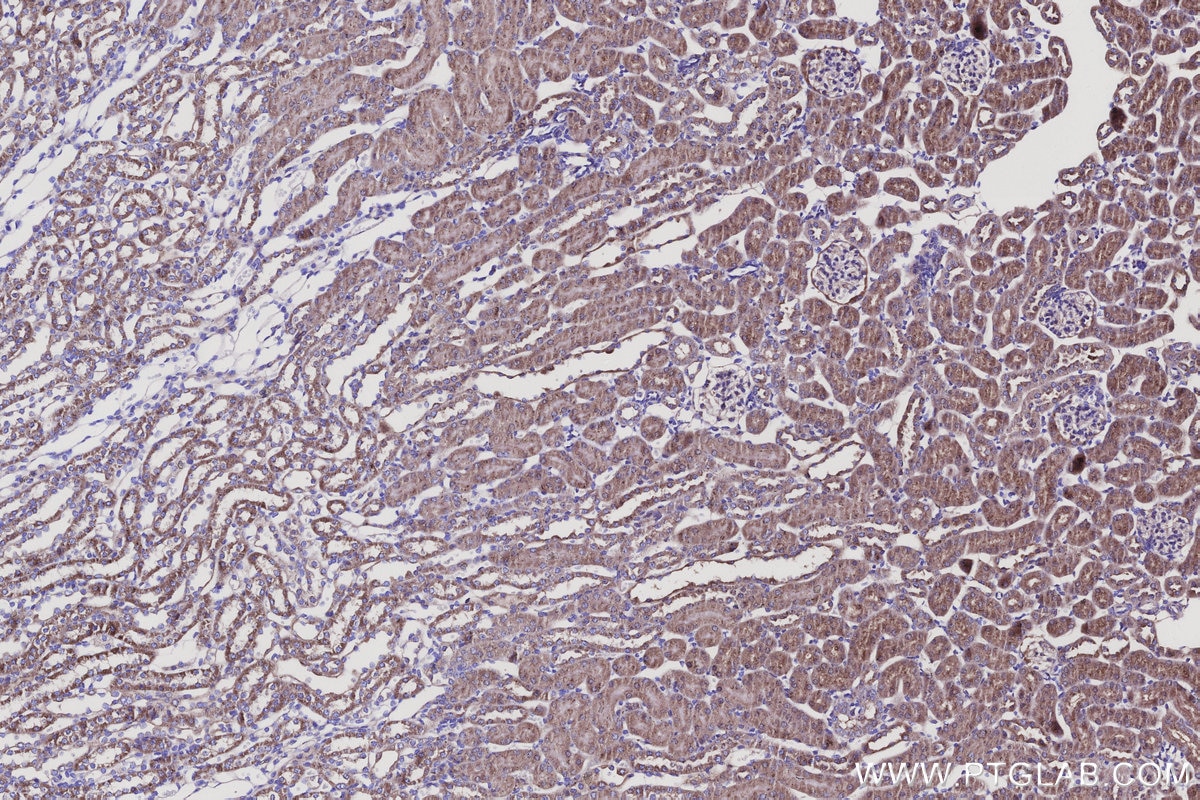
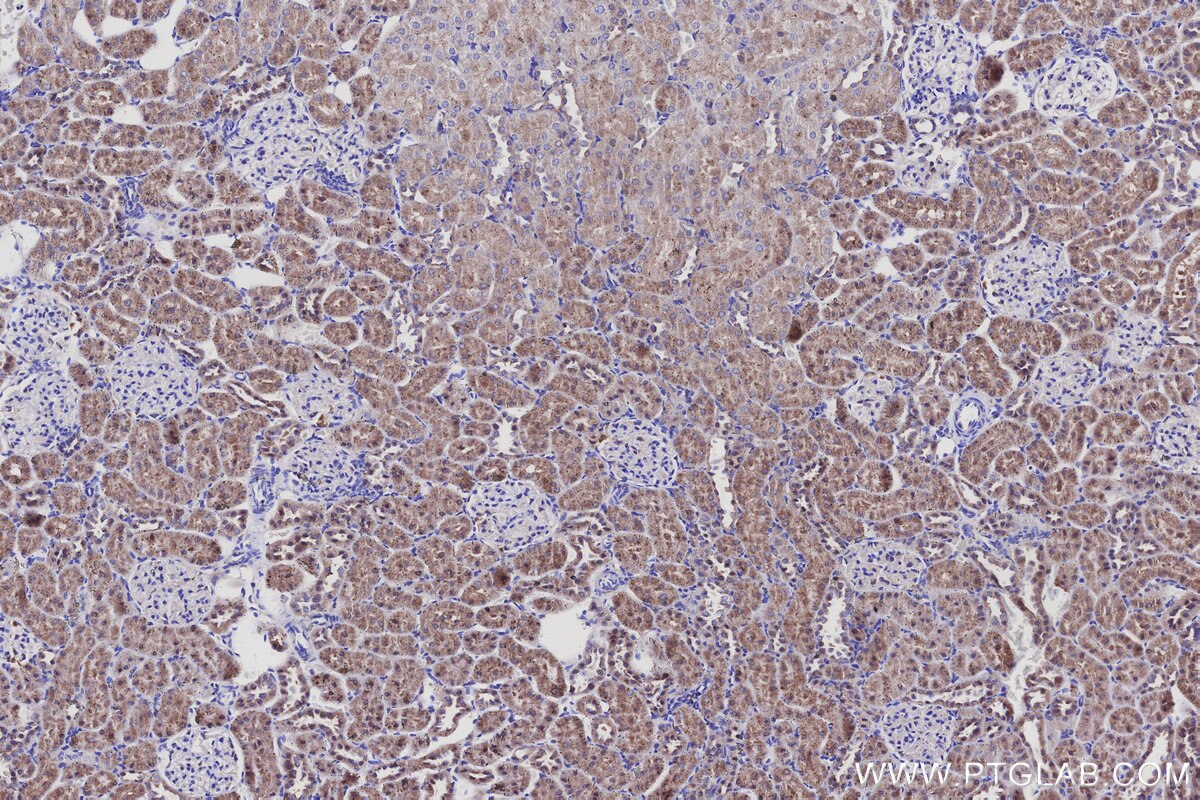
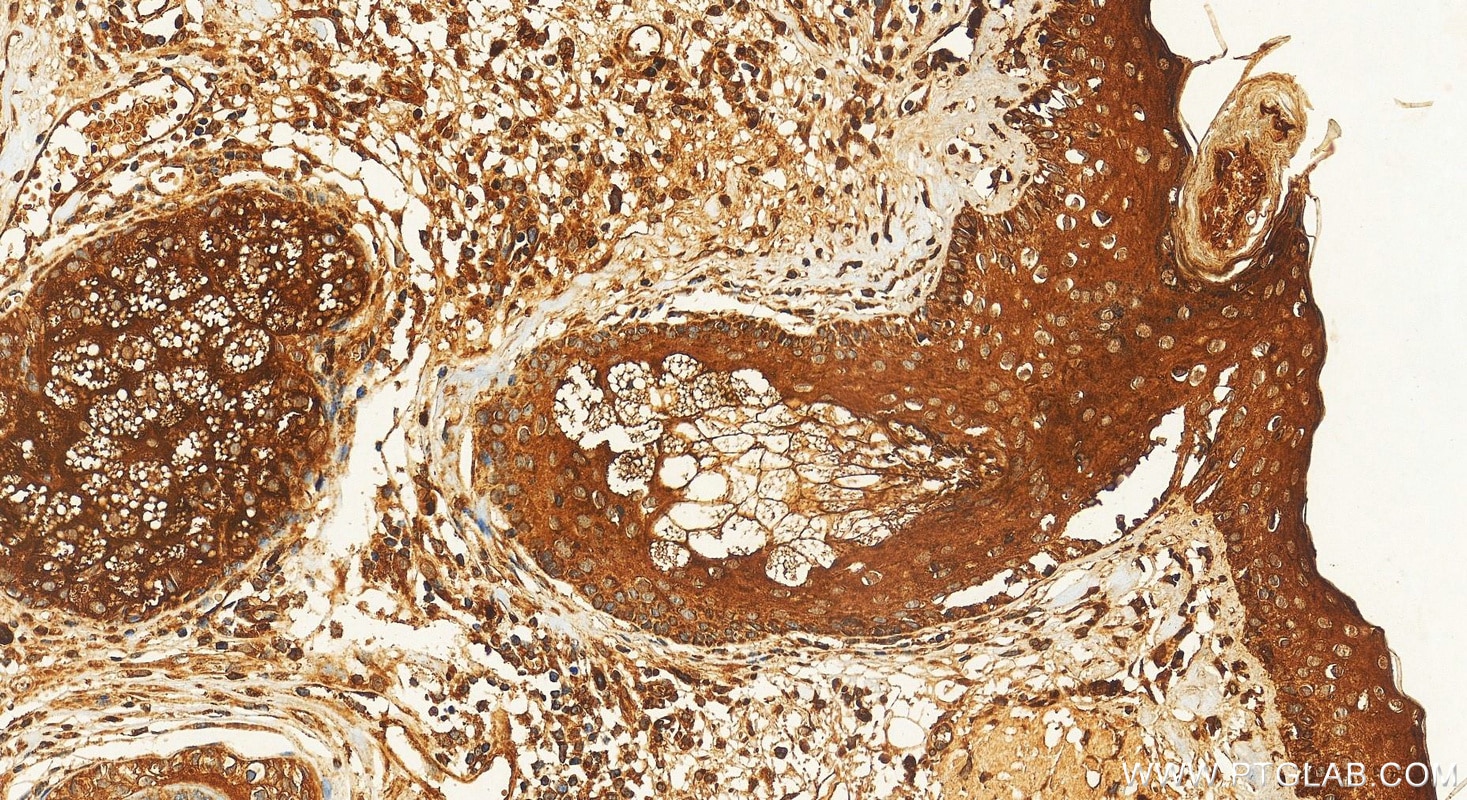
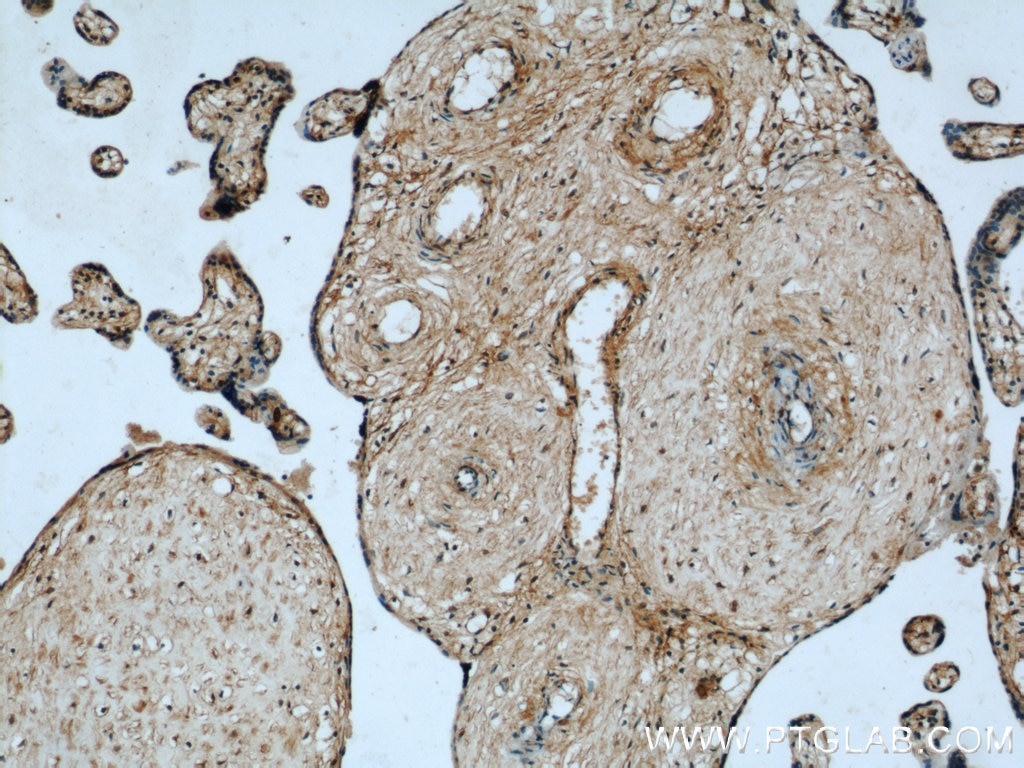
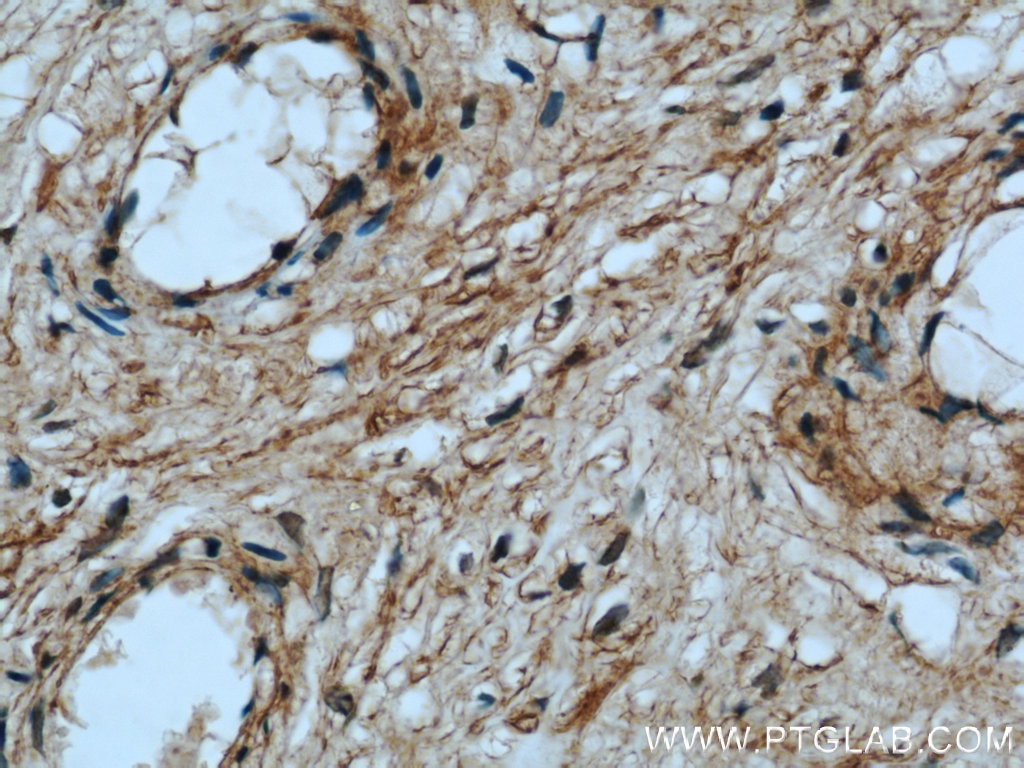
| Positive IHC detected in | human skin tissue, rat kidney tissue, human placenta tissue, mouse kidney tissue Note: suggested antigen retrieval with TE buffer pH 9.0; (*) Alternatively, antigen retrieval may be performed with citrate buffer pH 6.0 |
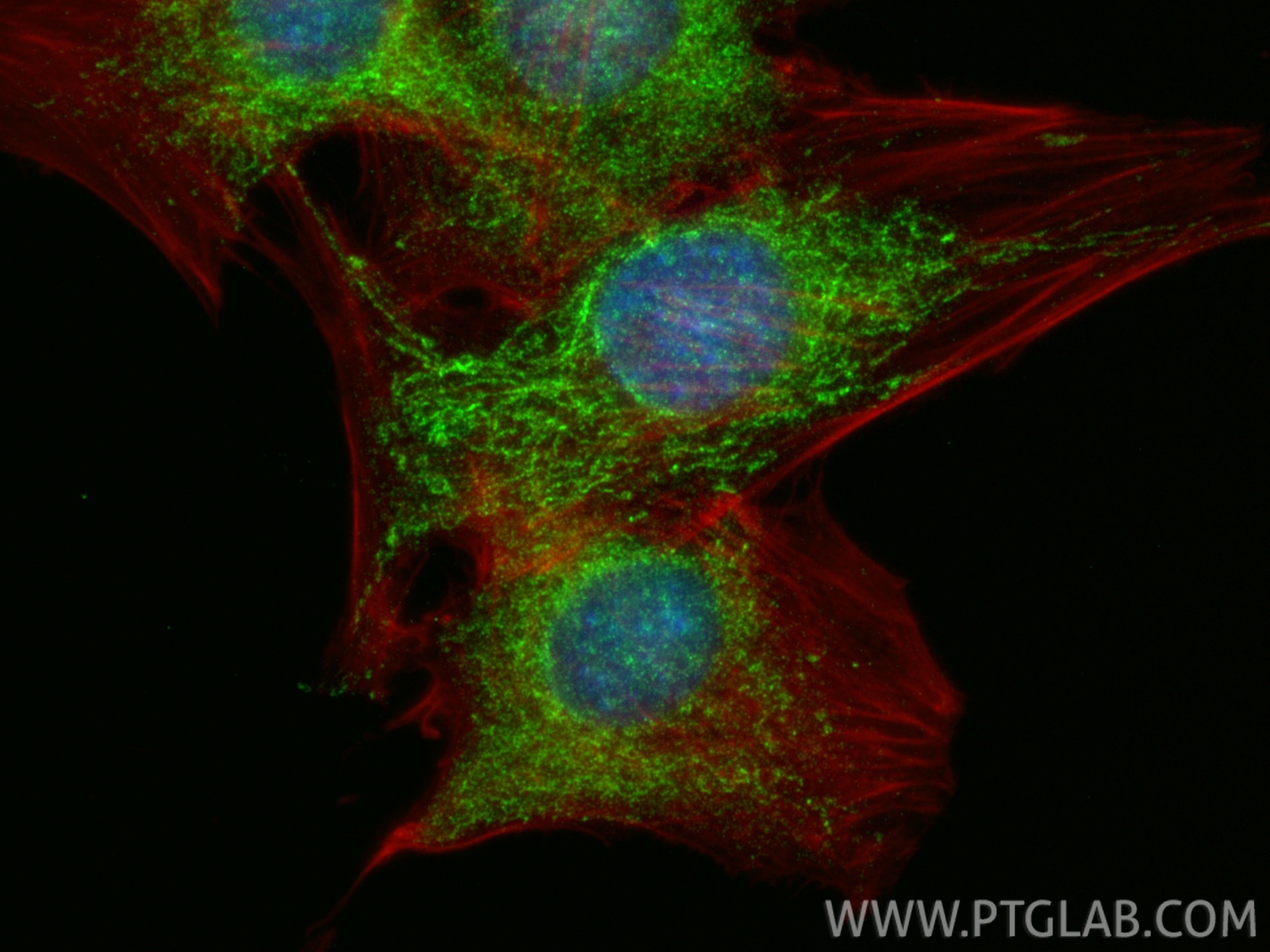
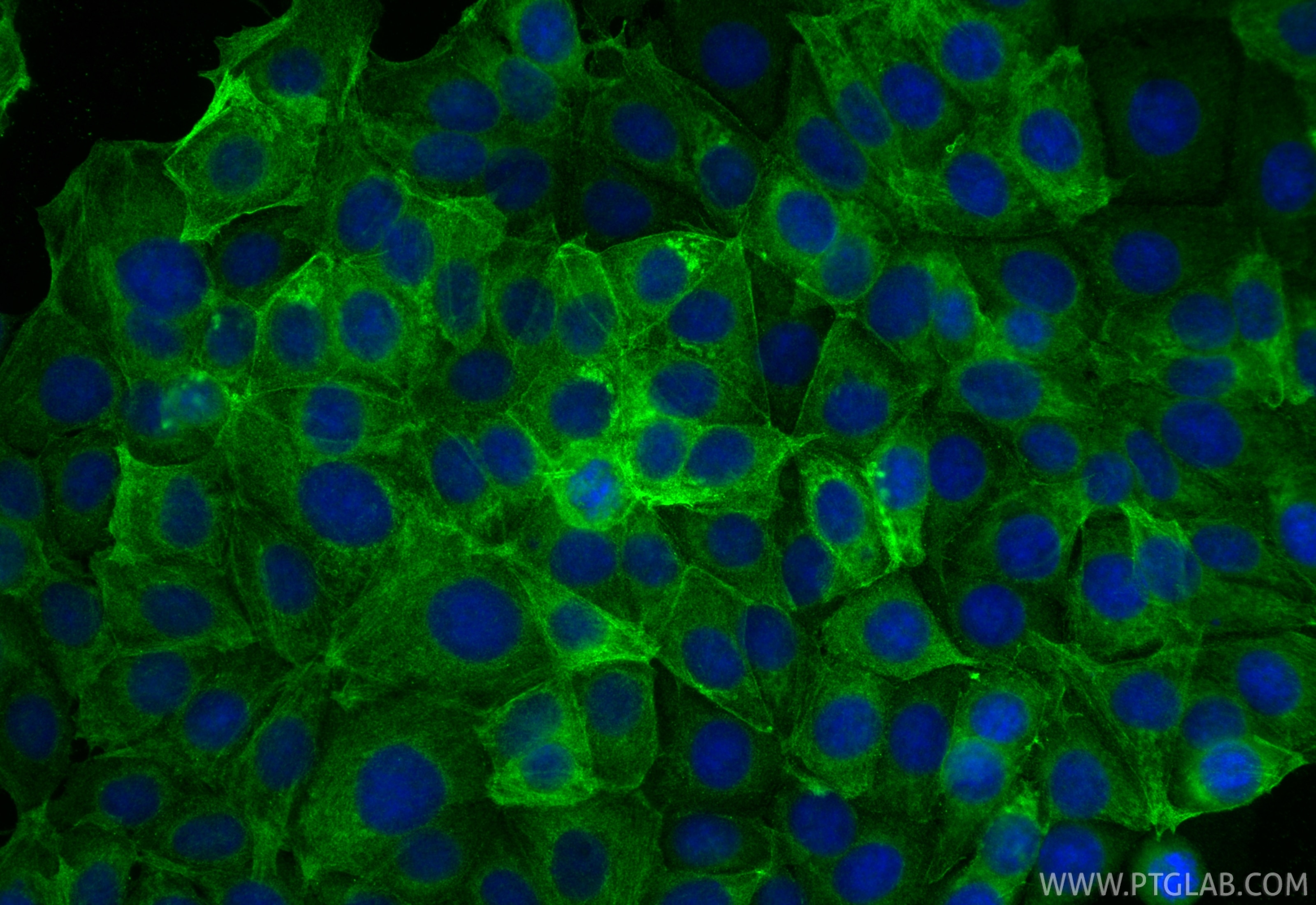
| Positive IF/ICC detected in | C2C12 cells, MCF-7 cells |
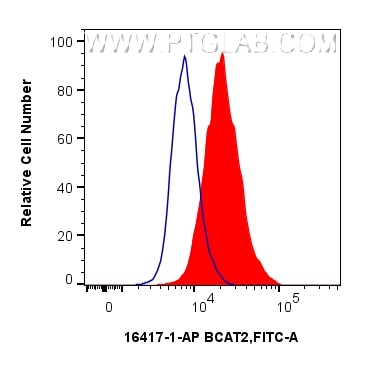
| Positive FC (Intra) detected in | HepG2 cells |
Recommended dilution
| Application | Dilution |
|---|---|
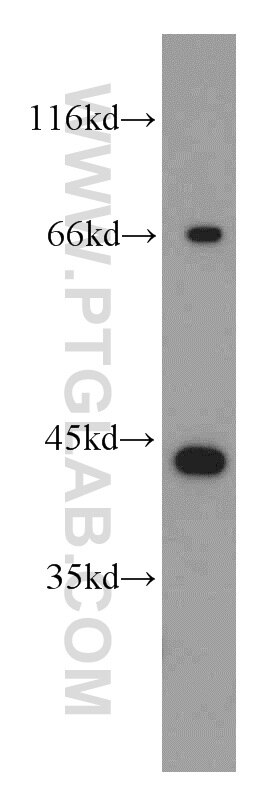
| Western Blot (WB) | WB : 1:1000-1:6000 |
| Immunohistochemistry (IHC) | IHC : 1:50-1:500 |
| Immunofluorescence (IF)/ICC | IF/ICC : 1:50-1:500 |
| Flow Cytometry (FC) (INTRA) | FC (INTRA) : 0.25 ug per 10^6 cells in a 100 ul suspension |
| It is recommended that this reagent should be titrated in each testing system to obtain optimal results. | |
| Sample-dependent, Check data in validation data gallery. | |
Product Information
16417-1-AP targets BCAT2 in WB, IHC, IF/ICC, FC (Intra), ELISA applications and shows reactivity with human, mouse samples.
| Tested Reactivity | human, mouse |
| Cited Reactivity | human, mouse, rat |
| Host / Isotype | Rabbit / IgG |
| Class | Polyclonal |
| Type | Antibody |
| Immunogen |
CatNo: Ag9573 Product name: Recombinant human BCAT2 protein Source: e coli.-derived, PGEX-4T Tag: GST Domain: 41-392 aa of BC001900 Sequence: MTQKPHKKPGPGEPLVFGKTFTDHMLMVEWNDKGWGQPRIQPFQNLTLHPASSSLHYSLQLFEGMKAFKGKDQQVRLFRPWLNMDRMLRSAMRLCLPSFDKLELLECIRRLIEVDKDWVPDAAGTSLYVRPVLIGNEPSLGVSQPTRALLFVILCPVGAYFPGGSVTPVSLLADPAFIRAWVGGVGNYKLGGNYGPTVLVQQEALKRGCEQVLWLYGPDHQLTEVGTMNIFVYWTHEDGVLELVTPPLNGVILPGVVRQSLLDMAQTWGEFRVVERTITMKQLLRALEEGRVREVFGSGTACQVCPVHRILYKDRNLHIPTMENGPELILRFQKELKEIQYGIRAHEWMFPV Predict reactive species |
| Full Name | branched chain aminotransferase 2, mitochondrial |
| Calculated Molecular Weight | 44 kDa |
| Observed Molecular Weight | 38-42 kDa |
| GenBank Accession Number | BC001900 |
| Gene Symbol | BCAT2 |
| Gene ID (NCBI) | 587 |
| RRID | AB_10792411 |
| Conjugate | Unconjugated |
| Form | Liquid |
| Purification Method | Antigen affinity purification |
| UNIPROT ID | O15382 |
| Storage Buffer | PBS with 0.02% sodium azide and 50% glycerol, pH 7.3. |
| Storage Conditions | Store at -20°C. Stable for one year after shipment. Aliquoting is unnecessary for -20oC storage. 20ul sizes contain 0.1% BSA. |
Background Information
Branched-chain amino acid transaminase 2 (BCAT2) is an important enzyme in branched-chain amino acids (BCAAs) catabolism that reversibly catalyzes the initial step of BCAA degradation to branched-chain acyl-CoA. In humans, BCAT2 encodes a mitochondrial protein that is ubiquitously expressed in all organs (except hepatocytes) (PMID:32467562). Moreover, other reports showed that overexpressed BCAT2 in pancreatic ductal adenocarcinoma (PDAC) cells enhanced cell proliferation and survival in vitro and in vivo (PMID:35663242).
Protocols
| Product Specific Protocols | |
|---|---|
| IF protocol for BCAT2 antibody 16417-1-AP | Download protocol |
| IHC protocol for BCAT2 antibody 16417-1-AP | Download protocol |
| WB protocol for BCAT2 antibody 16417-1-AP | Download protocol |
| Standard Protocols | |
|---|---|
| Click here to view our Standard Protocols |
Publications
What published studies show
The BCAT2 Polyclonal Antibody (16417-1-AP) has 39 citations across leading journals, including Nature Cancer, Nature Metabolism, Cell Stem Cell, Nature Cell Biology, Cancer Research, Nature Communications, Redox Biology, Cell Reports, and Theranostics. Research fields center on branched-chain amino acid (BCAA) metabolism, including cancer metabolism (pancreatic, prostate, glioblastoma, colorectal, leukemia), diabetes/cardiomyopathy, adipose browning, metabolic synthetic lethality, and mitochondrial/ferroptosis biology. Applications primarily include Western blot, with some immunocytochemistry and immunofluorescence studies in human, mouse, and rat models.
| Species | Application | Title |
|---|---|---|
Nat Cancer Integrative proteogenomic profiling of high-risk prostate cancer samples from Chinese patients indicates metabolic vulnerabilities and diagnostic biomarkers
| ||
Nat Metab Branched-chain α-ketoacids aerobically activate HIF1α signalling in vascular cells | ||
Cell Stem Cell METTL16 drives leukemogenesis and leukemia stem cell self-renewal by reprogramming BCAA metabolism | ||
Nat Cell Biol BCAT2-mediated BCAA catabolism is critical for development of pancreatic ductal adenocarcinoma. |
Reviews
What customers say
Able is busy answering your previous question. Please try again later.
The reviews below have been submitted by verified Proteintech customers who received an incentive for providing their feedback.
Kamal (Verified Customer) (02-15-2024) | Antibody works well when diluted in 1X TBST. Bands appeared at 40 kDa.
|
chao (Verified Customer) (01-30-2020) | Strong, clear band for heart lysates.
|

