

Tested Applications
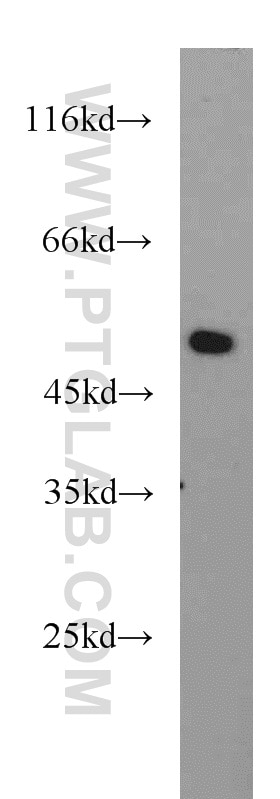
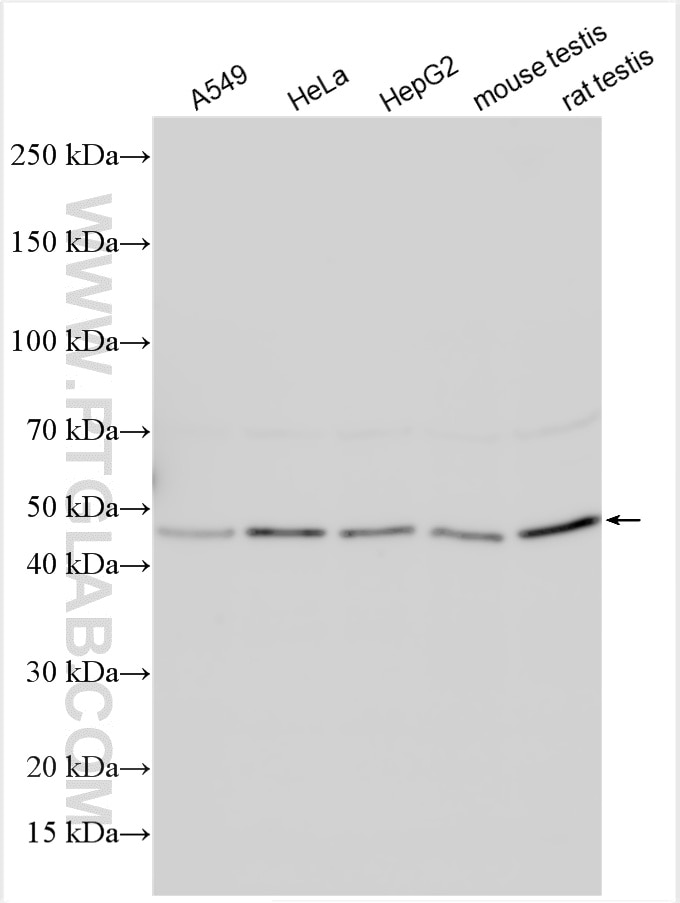
| Positive WB detected in | A549 cells, HeLa cells, HepG2 cells, mouse testis tissue, rat testis tissue |
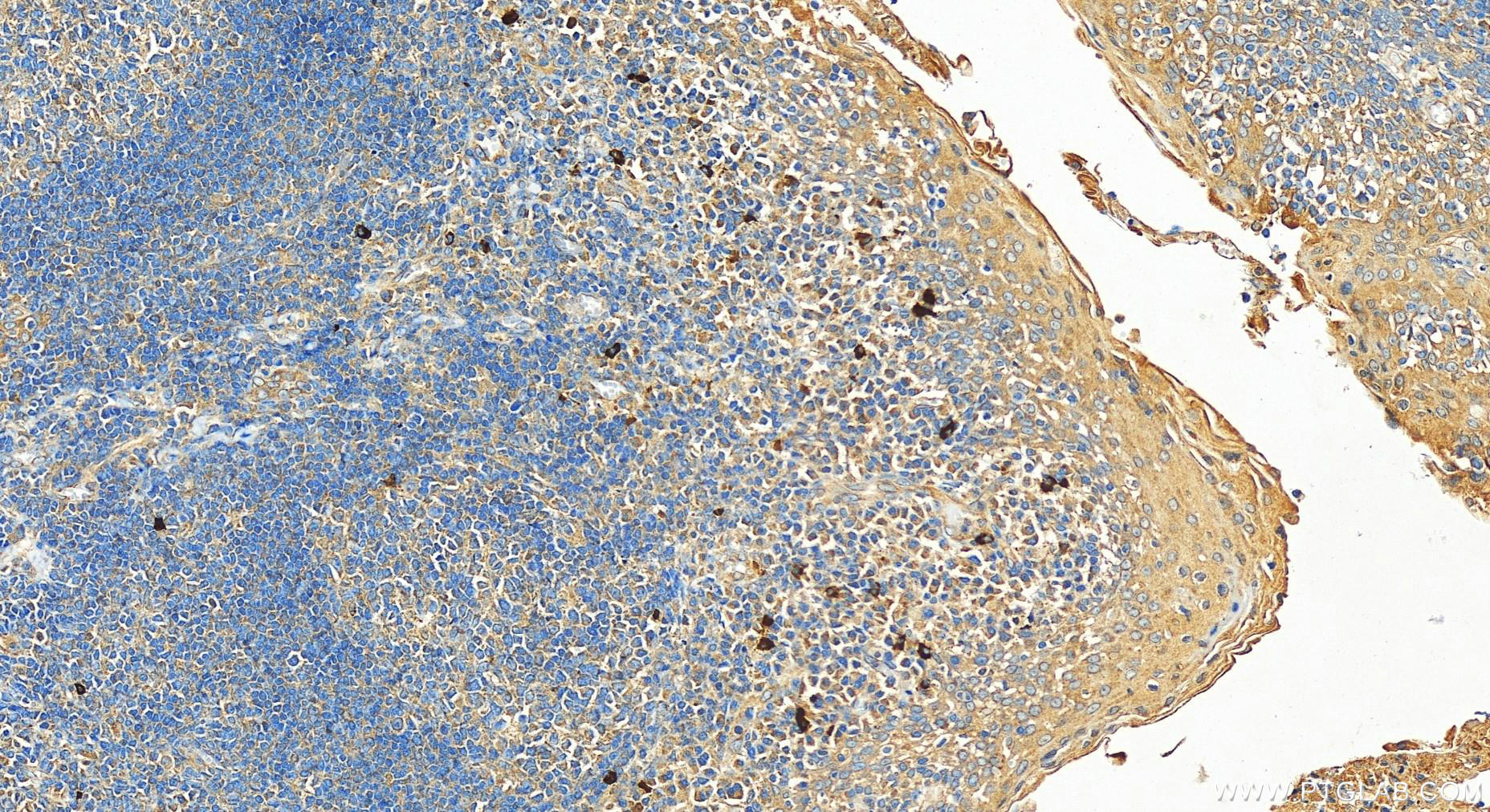
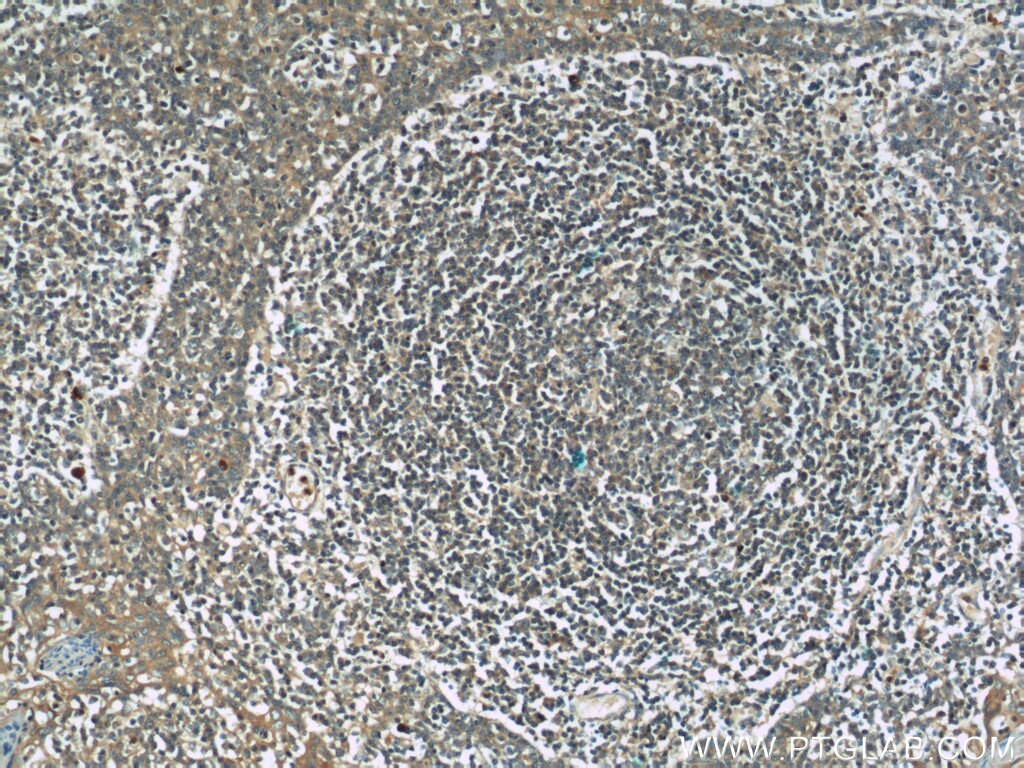
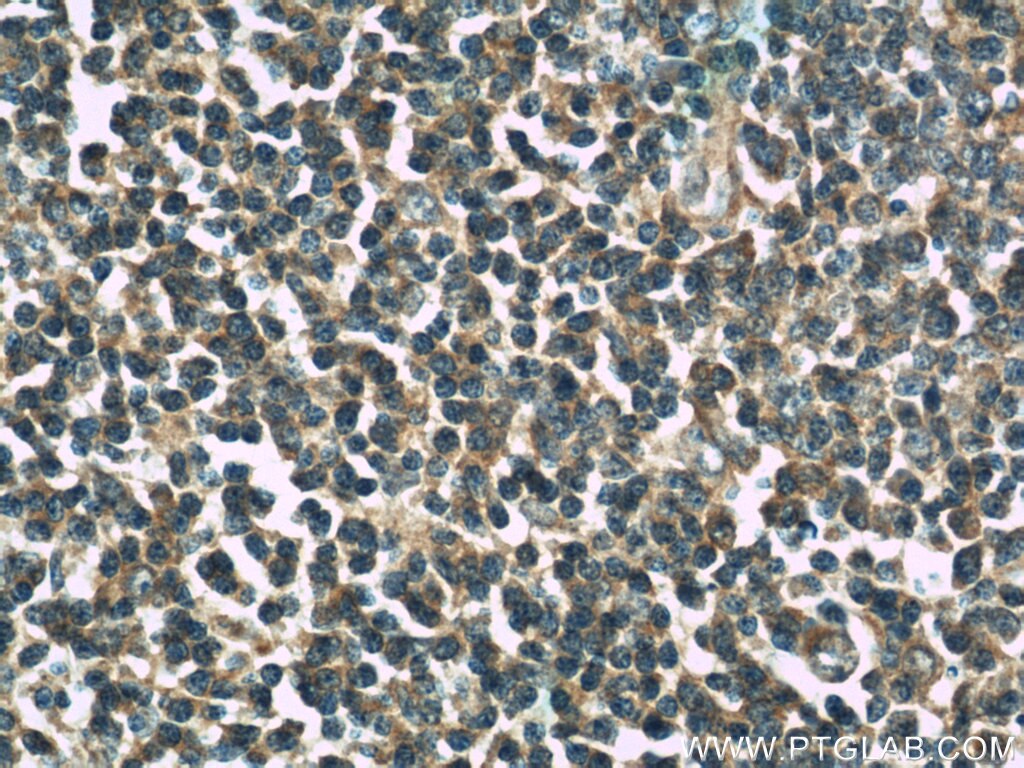
| Positive IHC detected in | human tonsillitis tissue Note: suggested antigen retrieval with TE buffer pH 9.0; (*) Alternatively, antigen retrieval may be performed with citrate buffer pH 6.0 |
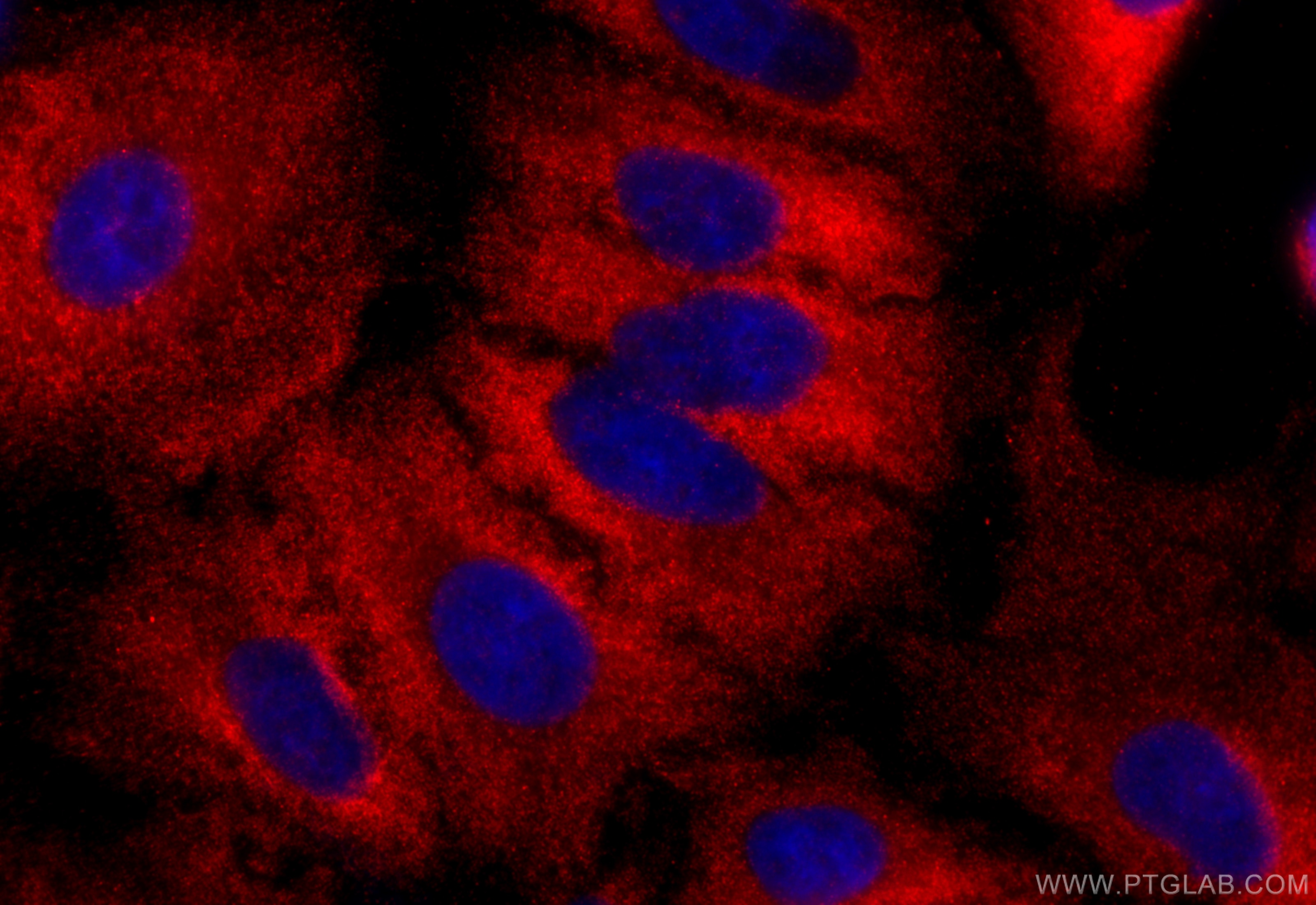
| Positive IF/ICC detected in | A549 cells |
Recommended dilution
| Application | Dilution |
|---|---|
| Western Blot (WB) | WB : 1:500-1:2000 |
| Immunohistochemistry (IHC) | IHC : 1:800-1:3200 |
| Immunofluorescence (IF)/ICC | IF/ICC : 1:200-1:800 |
| It is recommended that this reagent should be titrated in each testing system to obtain optimal results. | |
| Sample-dependent, Check data in validation data gallery. | |
Product Information
13461-2-AP targets BPIL1 in WB, IHC, IF/ICC, ELISA applications and shows reactivity with human, mouse, rat samples.
| Tested Reactivity | human, mouse, rat |
| Cited Reactivity | human |
| Host / Isotype | Rabbit / IgG |
| Class | Polyclonal |
| Type | Antibody |
| Immunogen |
CatNo: Ag4051 Product name: Recombinant human BPIL1 protein Source: e coli.-derived, PGEX-4T Tag: GST Domain: 233-424 aa of BC034415 Sequence: IILPTDATPFVLPRHVGTEGSMATGGLSQQLFDSALLLLQKAGALNLDITGQLRSDDNLLNTSALGRLIPEVARQFPEPMPVVLKVRLGATPVAMLHTNNATLRLQPFVEVLATASNSAFQSLFSLDVVVNLRLQLSVSKVKLQGTTSVLGDVQLTVASSNVGFIDTDQVRTLMGTVFEKPLLDHLNALLAM Predict reactive species |
| Full Name | bactericidal/permeability-increasing protein-like 1 |
| Calculated Molecular Weight | 458 aa, 49 kDa |
| Observed Molecular Weight | 49 kDa |
| GenBank Accession Number | BC034415 |
| Gene Symbol | BPIL1 |
| Gene ID (NCBI) | 80341 |
| RRID | AB_2067089 |
| Conjugate | Unconjugated |
| Form | Liquid |
| Purification Method | Antigen affinity purification |
| UNIPROT ID | Q8N4F0 |
| Storage Buffer | PBS with 0.02% sodium azide and 50% glycerol, pH 7.3. |
| Storage Conditions | Store at -20°C. Stable for one year after shipment. Aliquoting is unnecessary for -20oC storage. 20ul sizes contain 0.1% BSA. |
Background Information
Bactericidal/permeability-increasing protein-like 1 (BPIL1, also known as LPLUNC2 or BPIFB2) is a member of the lipid transfer (LT)/lipopolysaccharide binding protein (LBP) family. LT/LBP proteins are structurally related proteins capable of binding phospholipids and lipopolysaccharides (PMID: 12185532). The gene of BPIL1 maps to Chromosome 20q11, and encodes a 458-amino acid protein with a calculated molecular weight of 49 kDa. It is highly expressed in hypertrophic tonsils. BPIL1 has been identified as a nasal mucous protein that may be involved in immune response in the nose against microbial infections (PMID: 15996010). Reduced expression of antimicrobial PLUNC proteins (LPLUNC1 and LPLUNC2) has been reported in nasal polyp tissues of patients with chronic rhinosinusitis (PMID: 22676062).
Protocols
| Product Specific Protocols | |
|---|---|
| IF protocol for BPIL1 antibody 13461-2-AP | Download protocol |
| IHC protocol for BPIL1 antibody 13461-2-AP | Download protocol |
| WB protocol for BPIL1 antibody 13461-2-AP | Download protocol |
| Standard Protocols | |
|---|---|
| Click here to view our Standard Protocols |
Publications
What published studies show
The BPIL1 Polyclonal antibody (catalog number 13461-2-AP) has a total of 3 citations. These appear in the journals Allergy, Journal of Proteome Research, and Journal of Immunology Research. The associated research fields include chronic rhinosinusitis with nasal polyps, antimicrobial protein expression, and proteomic analysis of bronchoalveolar lavage fluid. Applications used were Western blotting and immunohistochemistry in human samples.
| Species | Application | Title |
|---|---|---|
Allergy Reduced expression of antimicrobial PLUNC proteins in nasal polyp tissues of patients with chronic rhinosinusitis. | ||
J Proteome Res Proteomic analysis of human bronchoalveolar lavage fluid after subsgemental exposure. | ||
J Immunol Res Reduced Expression of Antimicrobial Protein Secretory Leukoprotease Inhibitor and Clusterin in Chronic Rhinosinusitis with Nasal Polyps. |

