

Tested Applications
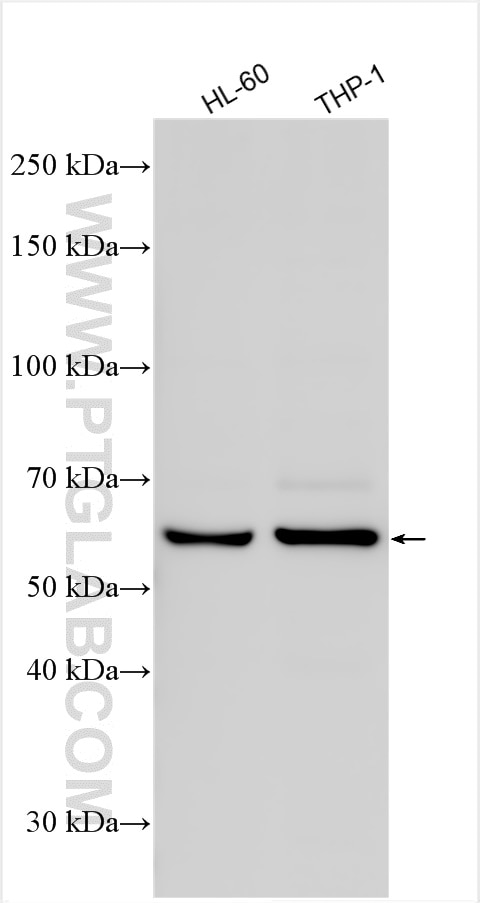
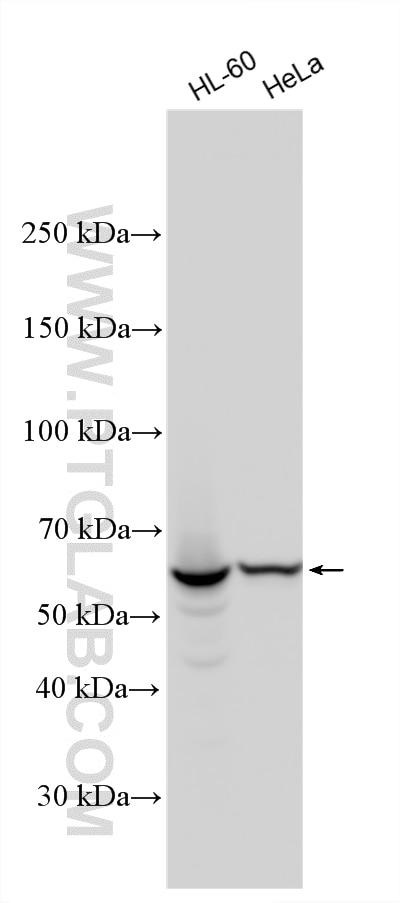
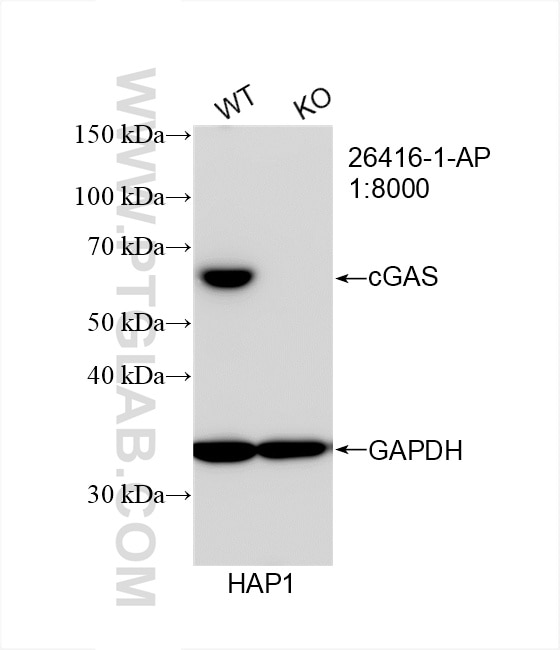
| Positive WB detected in | HL-60 cells, HAP1 cells, THP-1 cells, HeLa cells |
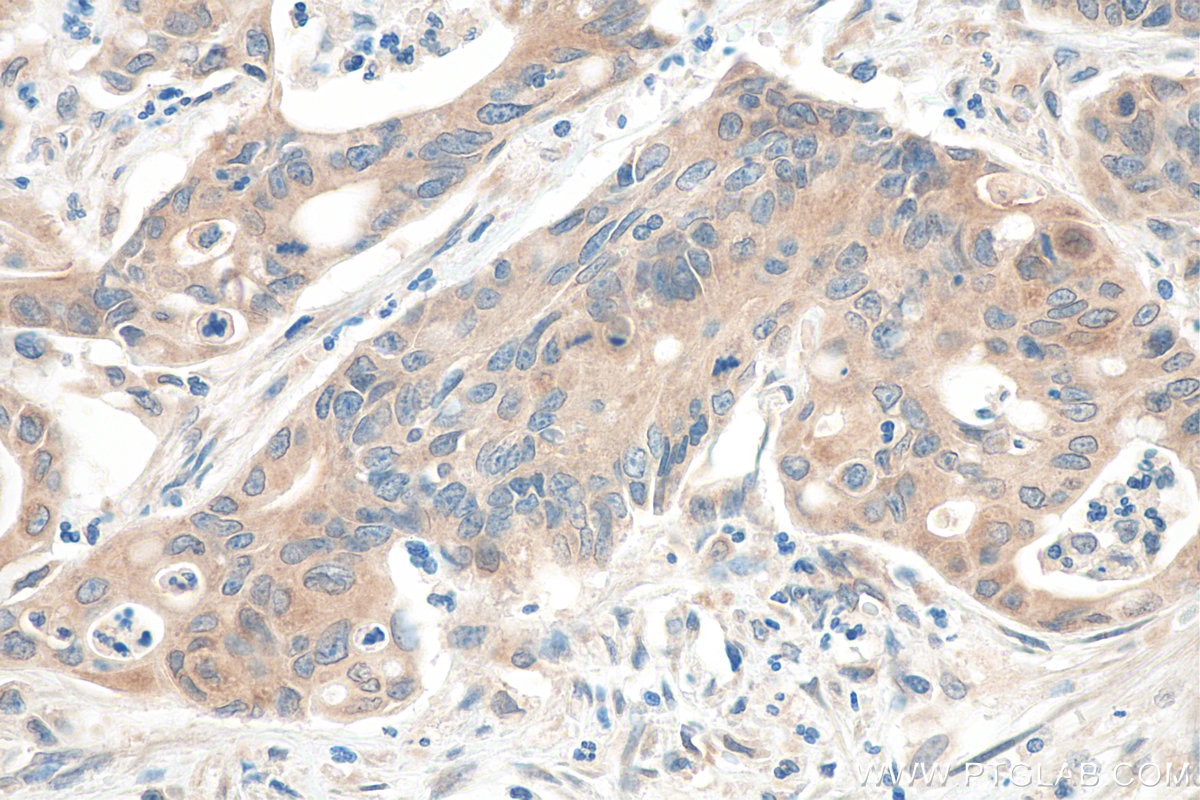
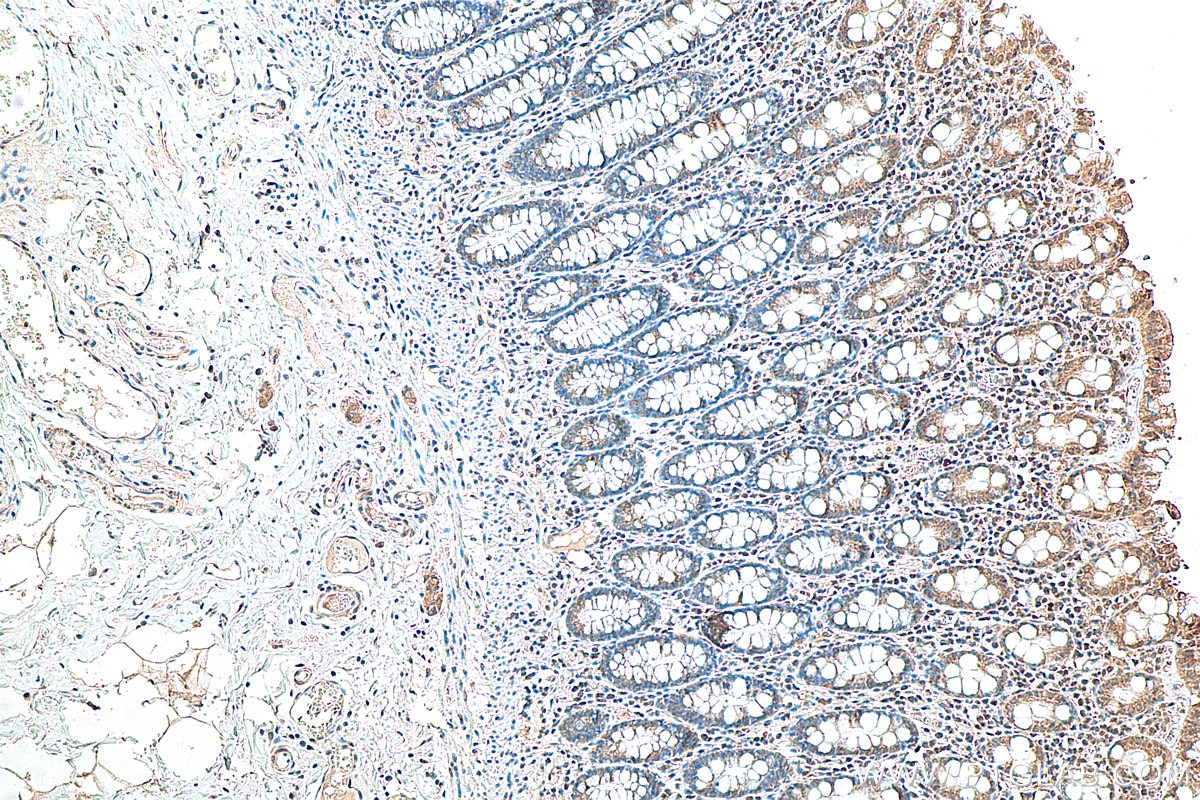
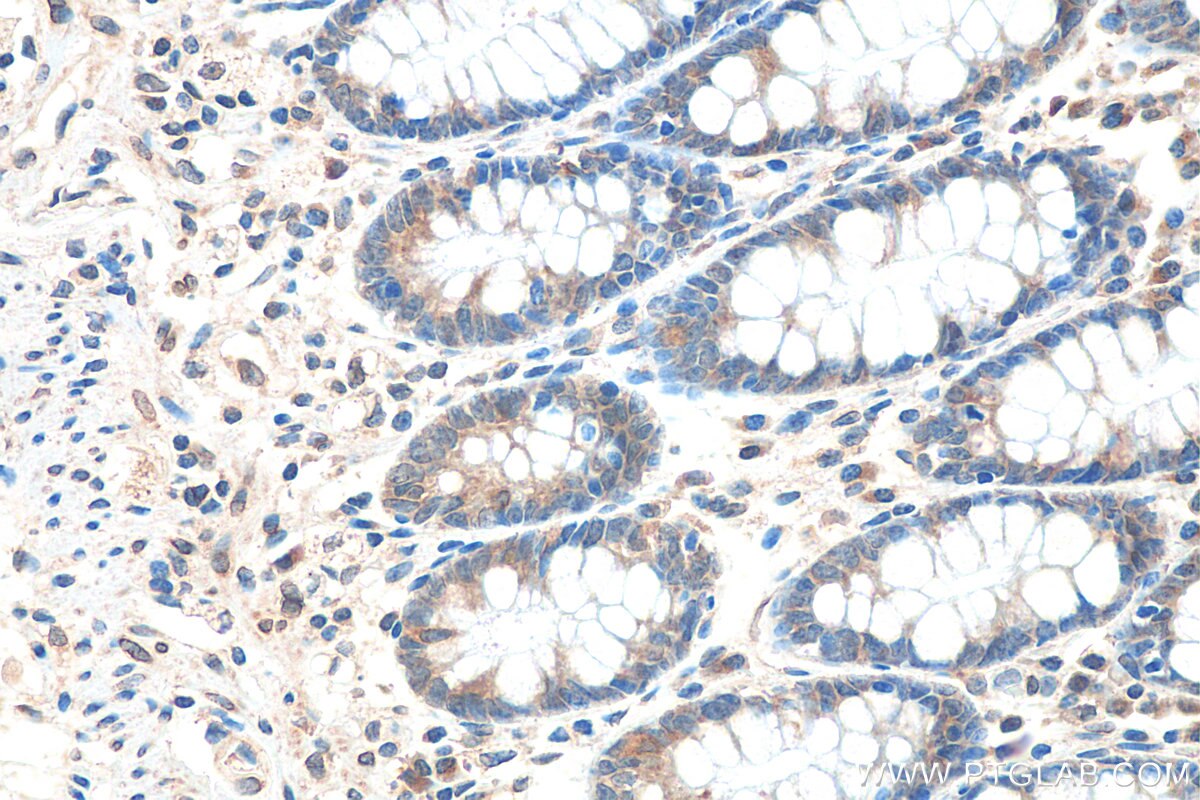
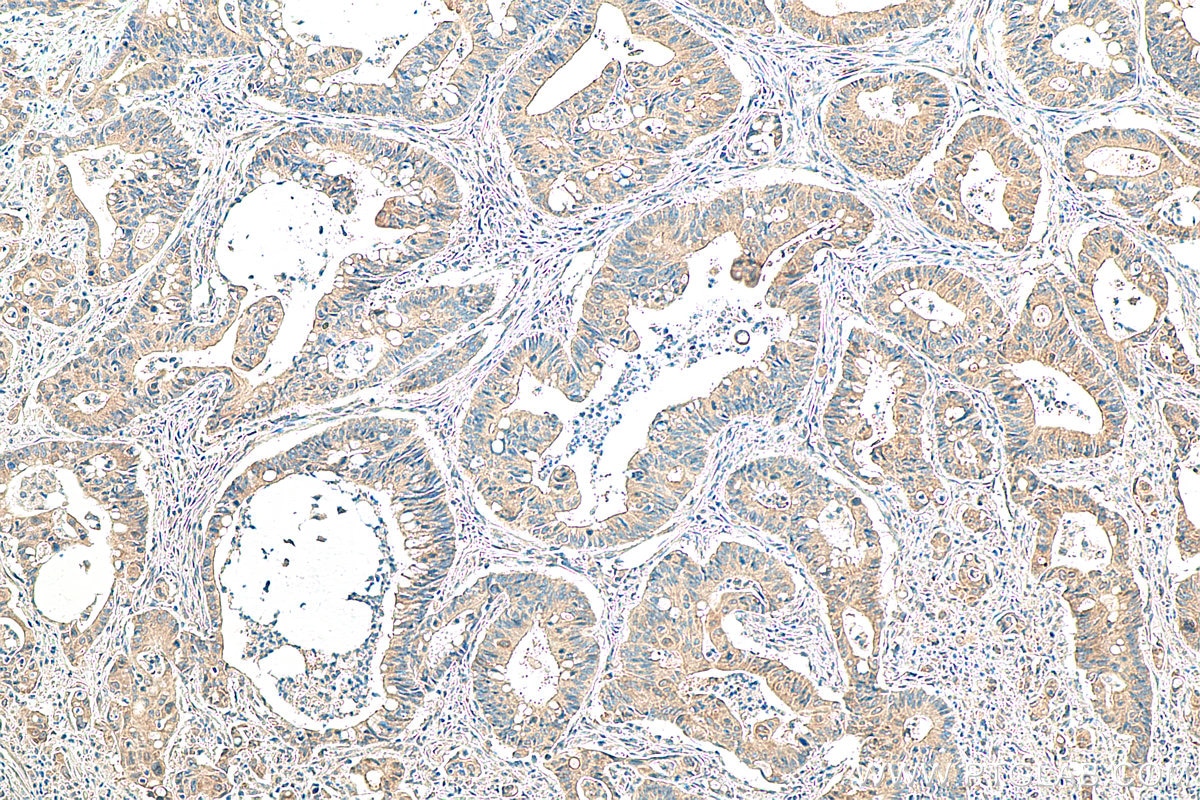
| Positive IHC detected in | human colon cancer tissue, human colon tissue Note: suggested antigen retrieval with TE buffer pH 9.0; (*) Alternatively, antigen retrieval may be performed with citrate buffer pH 6.0 |
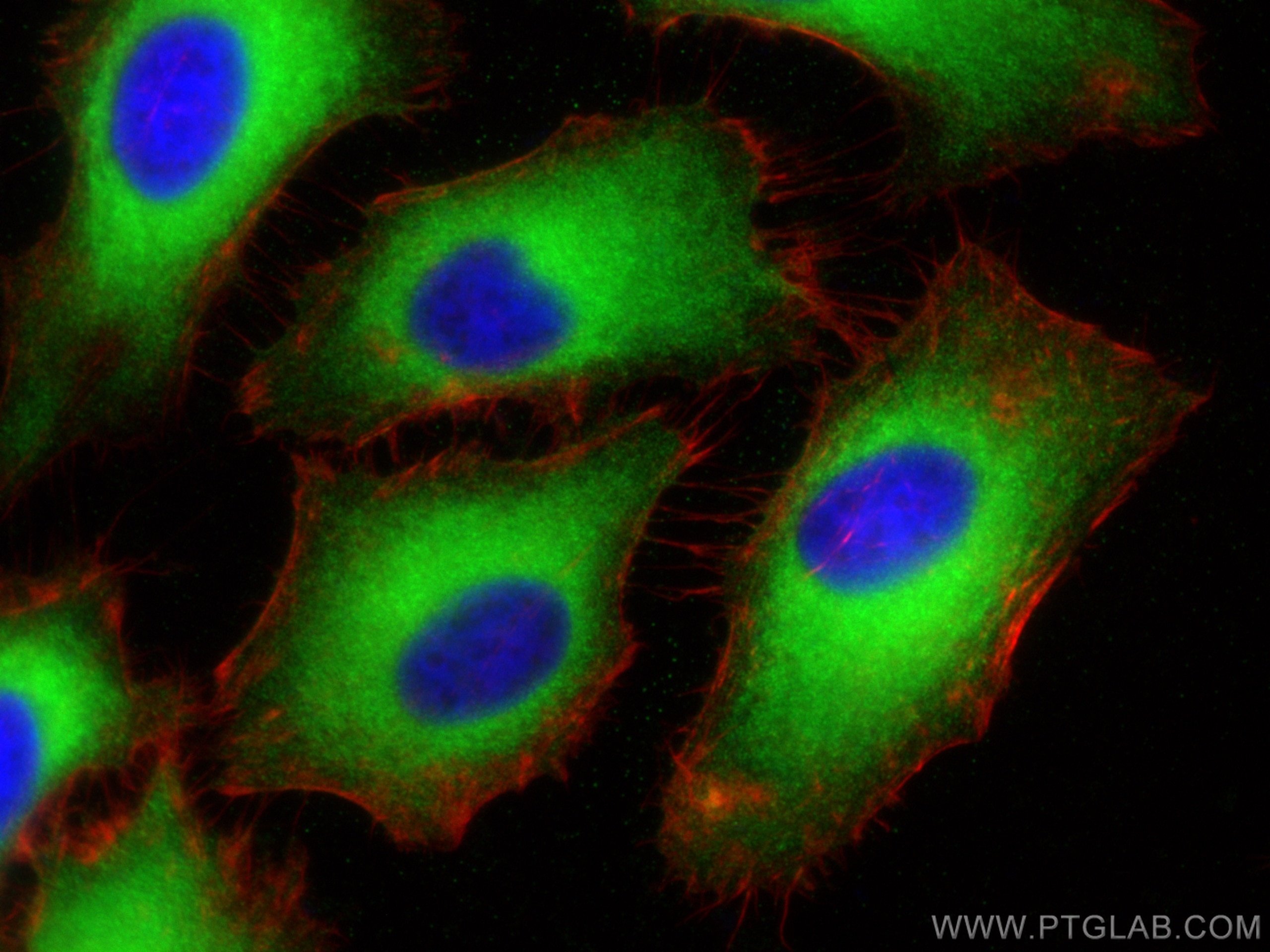
| Positive IF/ICC detected in | HeLa cells |
Recommended dilution
| Application | Dilution |
|---|---|
| Western Blot (WB) | WB : 1:10000-1:40000 |
| Immunohistochemistry (IHC) | IHC : 1:400-1:1600 |
| Immunofluorescence (IF)/ICC | IF/ICC : 1:200-1:800 |
| It is recommended that this reagent should be titrated in each testing system to obtain optimal results. | |
| Sample-dependent, Check data in validation data gallery. | |
Product Information
26416-1-AP targets cGAS in WB, IHC, IF/ICC, IP, CoIP, ELISA applications and shows reactivity with human samples.
| Tested Reactivity | human |
| Cited Reactivity | human, rat, pig, bovine, hamster |
| Host / Isotype | Rabbit / IgG |
| Class | Polyclonal |
| Type | Antibody |
| Immunogen |
CatNo: Ag23455 Product name: Recombinant human C6orf150 protein Source: e coli.-derived, PET30a Tag: 6*His Domain: 1-233 aa of BC113608 Sequence: MQPWHGKAMQRASEAGATAPKASARNARGAPMDPNESPAAPEAALPKAGKFGPARKSGSRQKKSAPDTQERPPVRATGARAKKAPQRAQDTQPSDATSAPGAEGLEPPAAREPALSRAGSCRQRGARCSTKPRPPPGPWDVPSPGLPVSAPILVRRDAAPGASKLRAVLEKLKLSRDDISTAAGMVKGVVDHLLLRLKCDSAFRGVGLLNTGSYYEHVKISAPNEFDVMFKLE Predict reactive species |
| Full Name | chromosome 6 open reading frame 150 |
| Calculated Molecular Weight | 496 aa, 54 kDa |
| Observed Molecular Weight | 58 kDa |
| GenBank Accession Number | BC113608 |
| Gene Symbol | cGAS |
| Gene ID (NCBI) | 115004 |
| RRID | AB_2880507 |
| Conjugate | Unconjugated |
| Form | Liquid |
| Purification Method | Antigen affinity purification |
| UNIPROT ID | Q8N884 |
| Storage Buffer | PBS with 0.02% sodium azide and 50% glycerol, pH 7.3. |
| Storage Conditions | Store at -20°C. Stable for one year after shipment. Aliquoting is unnecessary for -20oC storage. 20ul sizes contain 0.1% BSA. |
Background Information
cGAS (Cyclic GMP-AMP synthase), also known as C6orf150 or h-cGAS, is a 522 aa protein. cGAS mediates innate immune responses against invading pathogens, or against self-dsDNA, which causes autoimmune disorders. The cGAS sensor not only recognizes cytosolic dsDNA but also synthesizes the second messenger cGAMP from ATP and GTP, which then binds to and activates STING. STING undergoes conformational changes and translocation from the endoplasmic reticulum to the Golgi apparatus to encounter TBK1 and IRF3, eventually triggering the production of type I IFNs.
Protocols
| Product Specific Protocols | |
|---|---|
| IF protocol for cGAS antibody 26416-1-AP | Download protocol |
| IHC protocol for cGAS antibody 26416-1-AP | Download protocol |
| WB protocol for cGAS antibody 26416-1-AP | Download protocol |
| Standard Protocols | |
|---|---|
| Click here to view our Standard Protocols |
Publications
What published studies show
cGAS Polyclonal Antibody (26416-1-AP) – Citation Summary
The cGAS Polyclonal antibody (product 26416-1-AP) has been cited 216 times across more than 140 journals, including high-impact titles such as Signal Transduction and Targeted Therapy, Cancer Cell, Cell, Immunity, Molecular Cell, Nature Communications, Autophagy, EMBO Reports, Journal of Clinical Investigation, and Cell Reports. The research fields span cancer biology and immunotherapy, innate immunity and viral infection (including HIV, poxvirus, herpesvirus, and ASFV), neuroinflammation and neurodegeneration, kidney/liver ischemia–reperfusion injury, cardiovascular disease, autoimmune disorders, toxicology, and nanomedicine.
| Species | Application | Title |
|---|---|---|
Signal Transduct Target Ther The cGAS-STING pathway-dependent sensing of mitochondrial DNA mediates ocular surface inflammation | ||
Signal Transduct Target Ther TRAF3 activates STING-mediated suppression of EV-A71 and target of viral evasion | ||
Cancer Cell Ubiquitination-directed cytosolic DNA degradation governs cGAS-STING-mediated immune response to DNA damage. | ||
Cell Poxviruses Evade Cytosolic Sensing through Disruption of an mTORC1-mTORC2 Regulatory Circuit. | ||
Immunity Flavin adenine dinucleotide is an endogenous suppressor for cytosolic DNA and RNA sensors to modulate innate immunity. | ||
Nat Aging DNA damage in macrophages drives immune autoreactivity via nuclear antigen presentation. |
Reviews
What customers say
Able is busy answering your previous question. Please try again later.
The reviews below have been submitted by verified Proteintech customers who received an incentive for providing their feedback.
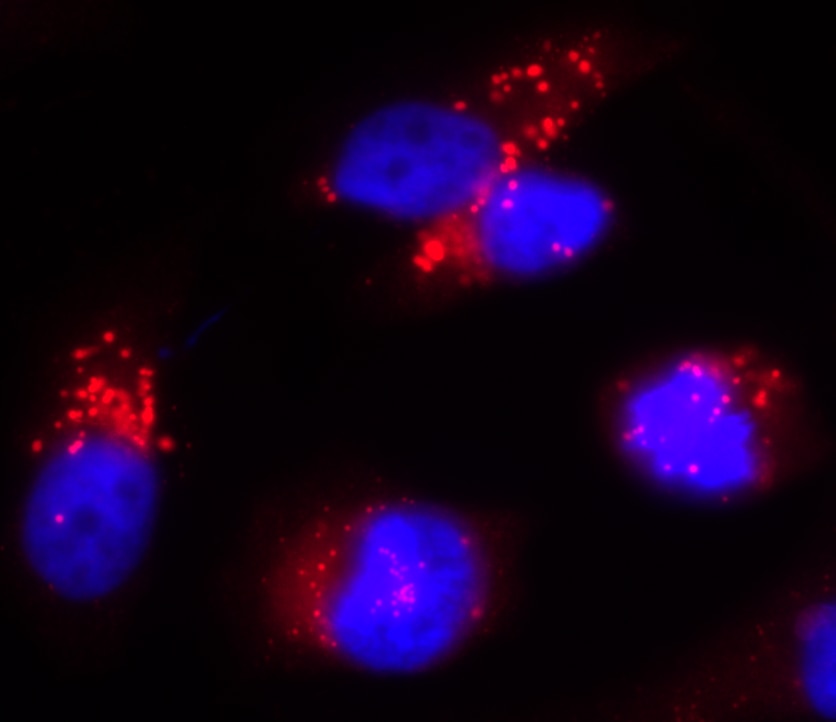
Vikas (Verified Customer) (08-21-2025) | Picture showing cGAS primary antibody stained with a far-red secondary antibody. The antibody demonstrates strong efficiency, producing a realistic and specific signal with minimal background noise.
 |
Vikas (Verified Customer) (04-08-2025) | Worked very good
|
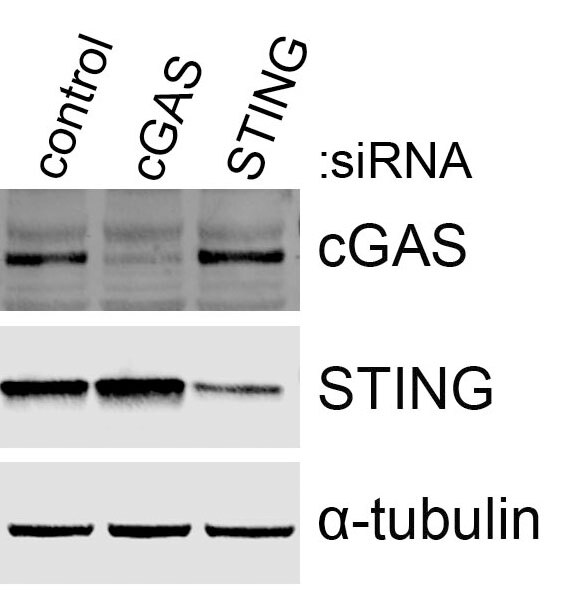
Hannah (Verified Customer) (12-10-2024) | Detects authentic cGAS band ~58kDa by western blot that disappears upon knockdown, but also detects a non-specific band just above, ~60kDa, which is not ideal for figure generation and concerning for other applications such as IF.
 |
Sonia (Verified Customer) (09-12-2023) | Very clear staining of ruptured micronuclei in U2OS cells, fixed in 4% FA and permeabilised with PBS-Triton 0.5%. Primary antibody incubation was performed o/n at 4ºC in blocking buffer at 1:250.
|
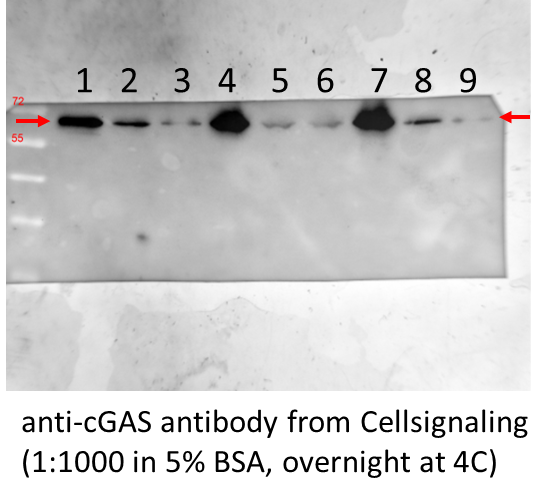
Shunbin (Verified Customer) (06-15-2023) | Produces a specific band and two other non-specific bands under the indicated conditions. The other cGAS Ab from Cell Signaling Technology produces one single band. (compare images attached
 |
Zhiping (Verified Customer) (03-18-2022) | Good Ab for WB
|
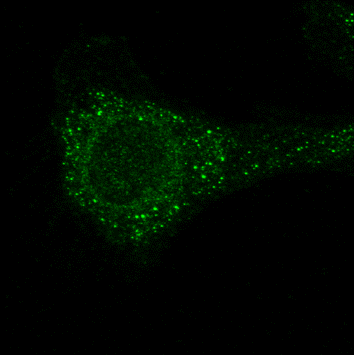
Coralie (Verified Customer) (10-20-2021) | Cytosolic staining of cGAS (forms dots, after PFA fixation).
 |

