

Tested Applications
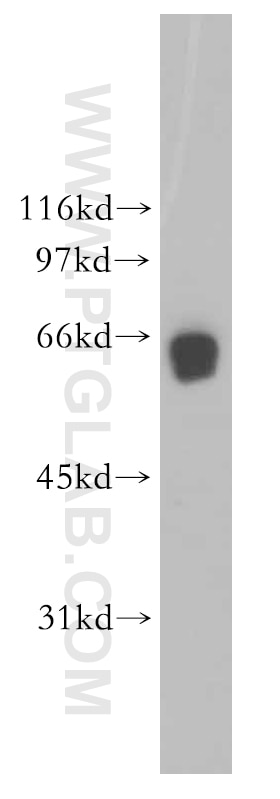
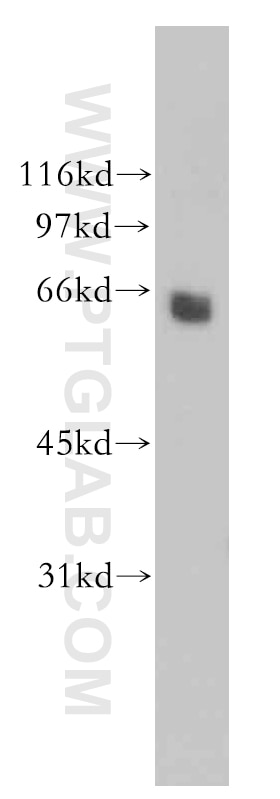
| Positive WB detected in | human cerebellum tissue, mouse thymus tissue |
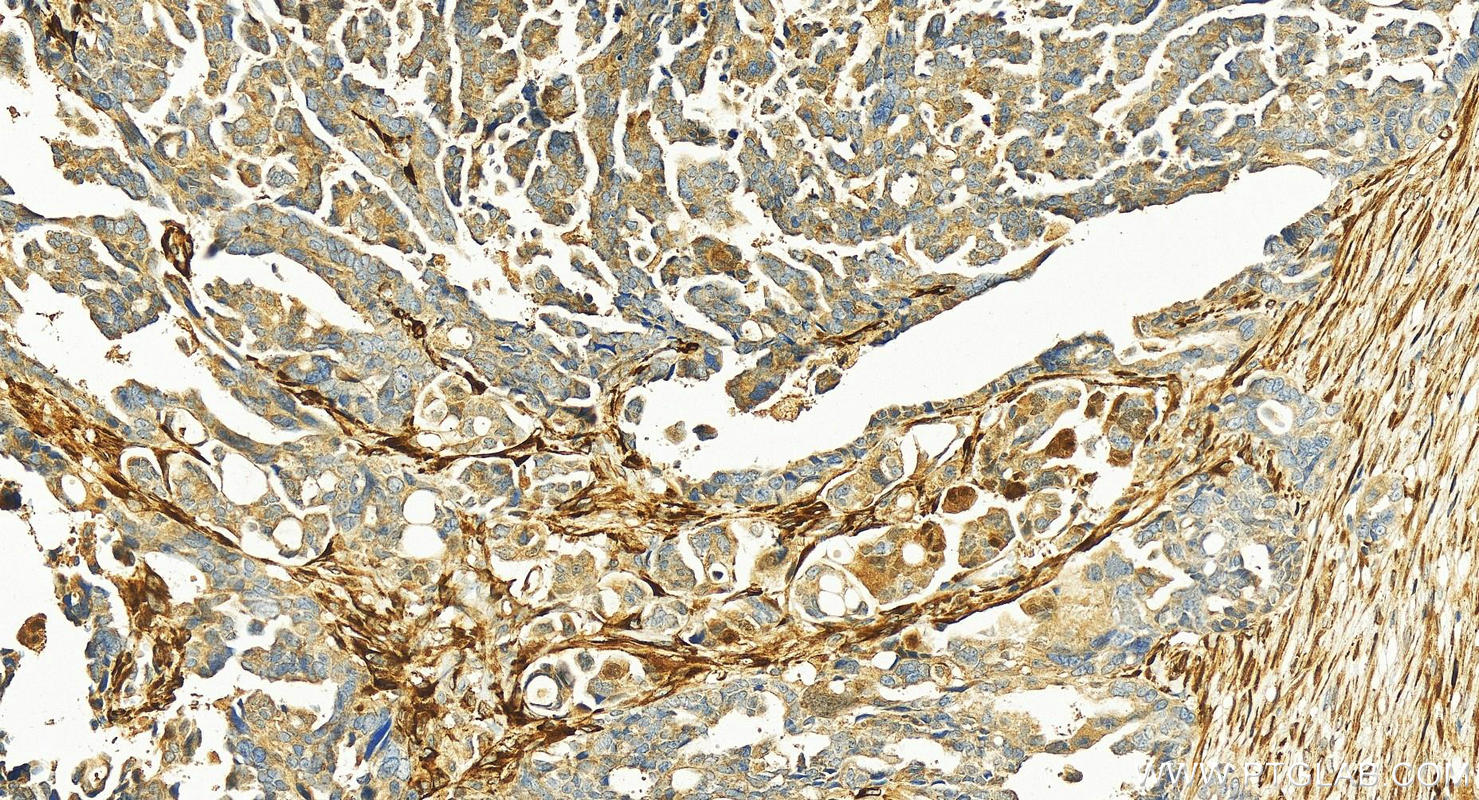
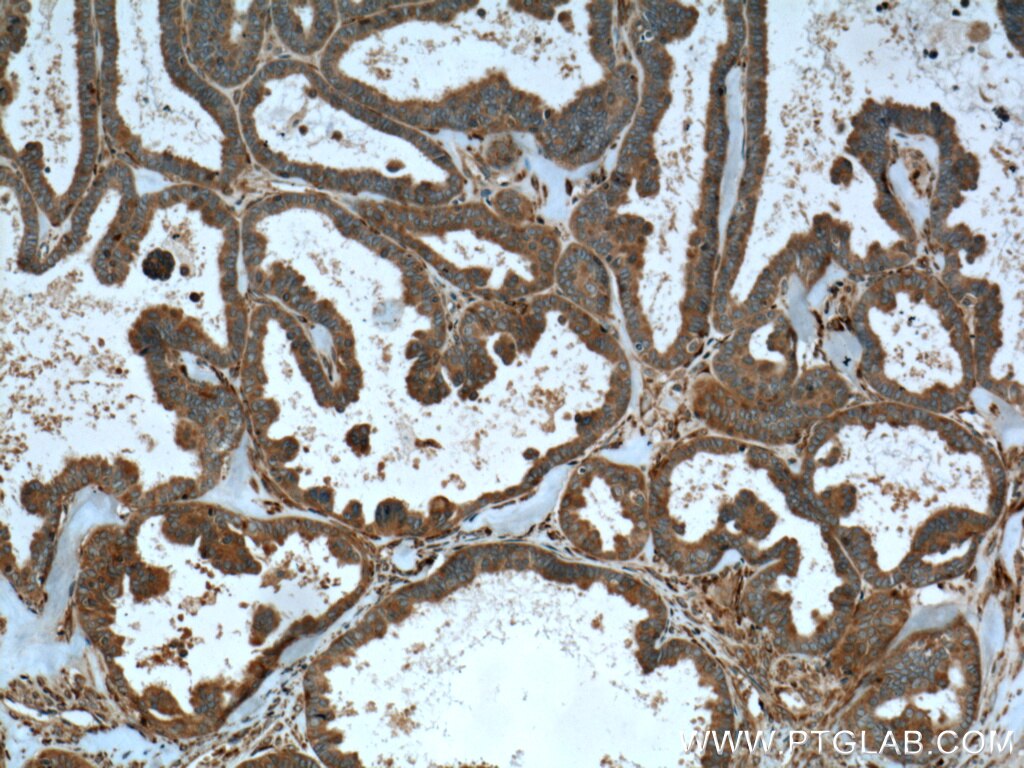
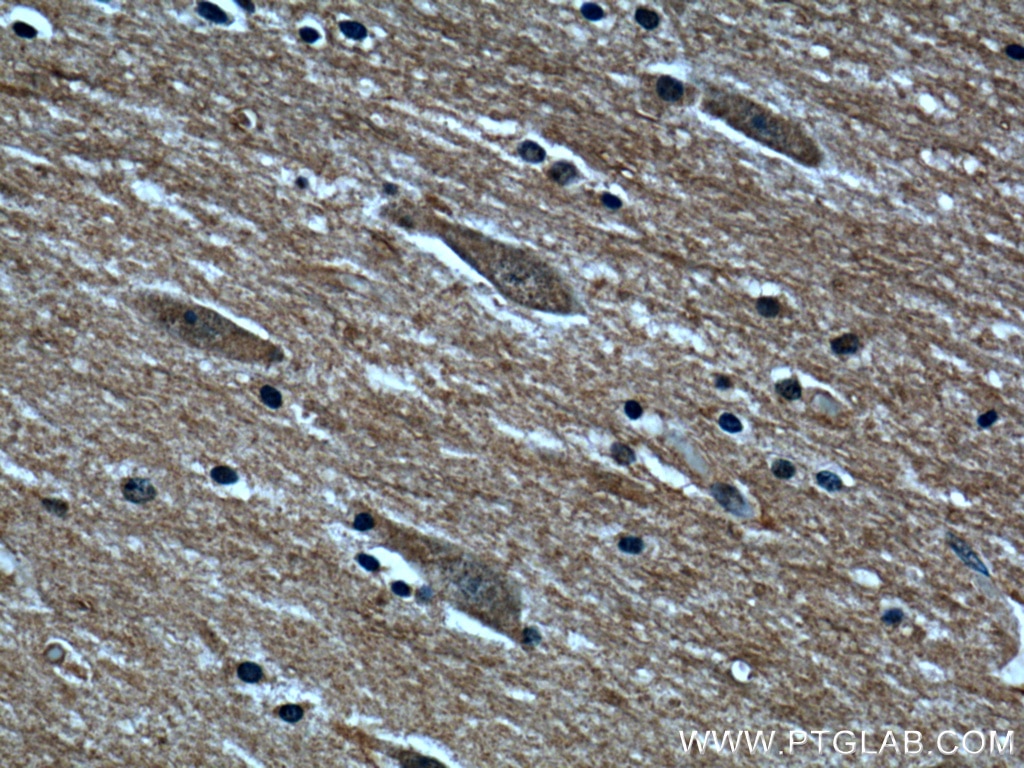
| Positive IHC detected in | human ovary cancer tissue, human brain tissue, human ovary tumor tissue Note: suggested antigen retrieval with TE buffer pH 9.0; (*) Alternatively, antigen retrieval may be performed with citrate buffer pH 6.0 |
Recommended dilution
| Application | Dilution |
|---|---|
| Western Blot (WB) | WB : 1:500-1:2400 |
| Immunohistochemistry (IHC) | IHC : 1:50-1:500 |
| It is recommended that this reagent should be titrated in each testing system to obtain optimal results. | |
| Sample-dependent, Check data in validation data gallery. | |
Product Information
13263-1-AP targets CaMKIV in WB, IHC, IF, ELISA applications and shows reactivity with human, mouse, rat samples.
| Tested Reactivity | human, mouse, rat |
| Cited Reactivity | human, mouse, rat |
| Host / Isotype | Rabbit / IgG |
| Class | Polyclonal |
| Type | Antibody |
| Immunogen |
CatNo: Ag3922 Product name: Recombinant human CAMK4 protein Source: e coli.-derived, PGEX-4T Tag: GST Domain: 1-302 aa of BC025687 Sequence: MLKVTVPSCSASSCSSVTASAAPGTASLVPDYWIDGSNRDALSDFFEVESELGRGATSIVYRCKQKGTQKPYALKVLKKTVDKKIVRTEIGVLLRLSHPNIIKLKEIFETPTEISLVLELVTGGELFDRIVEKGYYSERDAADAVKQILEAVAYLHENGIVHRDLKPENLLYATPAPDAPLKIADFGLSKIVEHQVLMKTVCGTPGYCAPEILRGCAYGPEVDMWSVGIITYILLCGFEPFYDERGDQFMFRRILNCEYYFISPWWDEVSLNAKDLVRKLIVLDPKKRLTTFQALQHPWVTG Predict reactive species |
| Full Name | calcium/calmodulin-dependent protein kinase IV |
| Calculated Molecular Weight | 473 aa, 52 kDa |
| Observed Molecular Weight | 56-65 kDa |
| GenBank Accession Number | BC025687 |
| Gene Symbol | CAMK4 |
| Gene ID (NCBI) | 814 |
| RRID | AB_2068381 |
| Conjugate | Unconjugated |
| Form | Liquid |
| Purification Method | Antigen affinity purification |
| UNIPROT ID | Q16566 |
| Storage Buffer | PBS with 0.02% sodium azide and 50% glycerol, pH 7.3. |
| Storage Conditions | Store at -20°C. Stable for one year after shipment. Aliquoting is unnecessary for -20oC storage. 20ul sizes contain 0.1% BSA. |
Background Information
CaMK4 (Calcium/calmodulin-dependent protein kinase IV) is a multifunctional serine/threonine kinase that regulates gene expression by activating transcription factors in a wide range of immune cells including T cells and antigen-presenting cells. The function of CaMK4 is suggested to be abnormal mainly in systemic lupus erythematosus (SLE), which is characterized by autoantibody production, immune complex formation, and immune dysregulation (PMID: 29252071). CaMKIV can translocate between the nucleus and cytoplasm (PMID: 21301225)
Protocols
| Product Specific Protocols | |
|---|---|
| IHC protocol for CaMKIV antibody 13263-1-AP | Download protocol |
| WB protocol for CaMKIV antibody 13263-1-AP | Download protocol |
| Standard Protocols | |
|---|---|
| Click here to view our Standard Protocols |
Publications
What published studies show
The CaMKIV Polyclonal antibody (catalog #13263-1-AP) has 8 total citations. These appear in journals including Cell Death Discovery, Journal of Investigative Dermatology, European Journal of Endocrinology, CNS Neuroscience & Therapeutics, Oncotarget, Frontiers in Molecular Biosciences, Toxicology Research, and Fitoterapia. Associated research fields span endocrinology (hypothyroidism, aldosterone synthesis), neurology (dendritic spine growth, Alzheimer's disease, ischemic stroke), oncology, dermatology (melanogenesis), and toxicology. Applications were primarily Western blot and immunofluorescence in human, rat, and mouse models.
| Species | Application | Title |
|---|---|---|
Cell Death Discov Congenital hypothyroidism impairs spine growth of dentate granule cells by downregulation of CaMKIV. | ||
J Invest Dermatol The Long Noncoding RNA UCA1 Negatively Regulates Melanogenesis in Melanocytes. | ||
Eur J Endocrinol TPD52 inhibits aldosterone synthesis through suppression of CAMKK2 signaling. | ||
CNS Neurosci Ther Congenital Hypothyroidism Dysregulates TRPC6 to Mediate Abnormal Dendritic Spine Growth of Hippocampal Neurons | ||
Oncotarget PIWIL1 destabilizes microtubule by suppressing phosphorylation at Ser16 and RLIM-mediated degradation of Stathmin1. | ||
Front Mol Biosci Novel cuproptosis metabolism-related molecular clusters and diagnostic signature for Alzheimer's disease |

