

Tested Applications
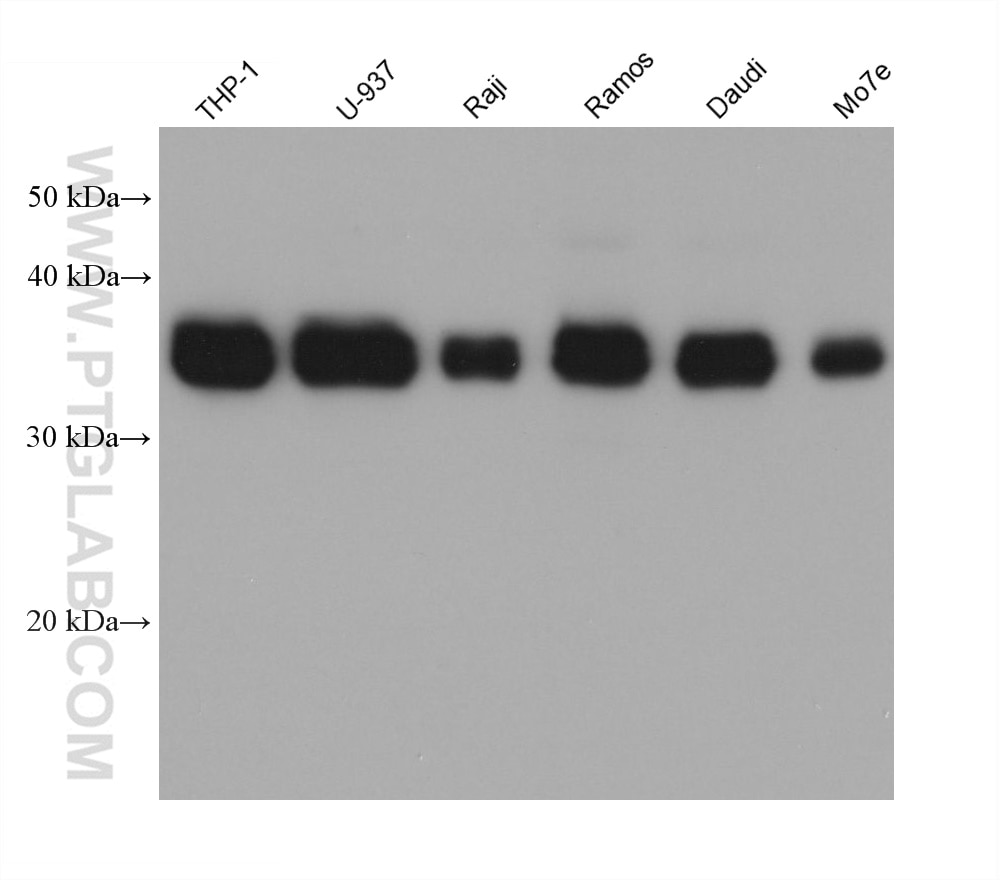
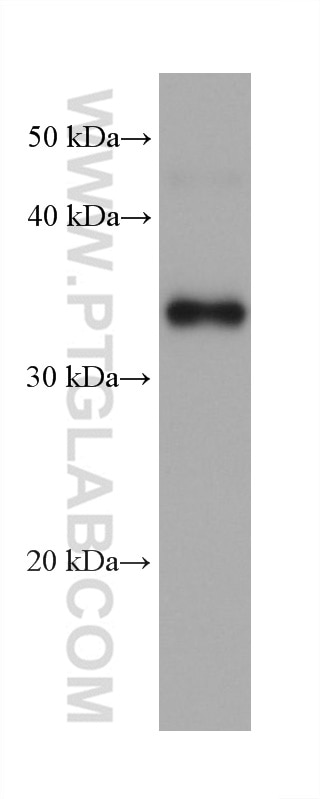
| Positive WB detected in | THP-1 cells, DC2.4 cells, U-937 cells, Raji cells, Ramos cells, Daudi cells, Mo7e cells |
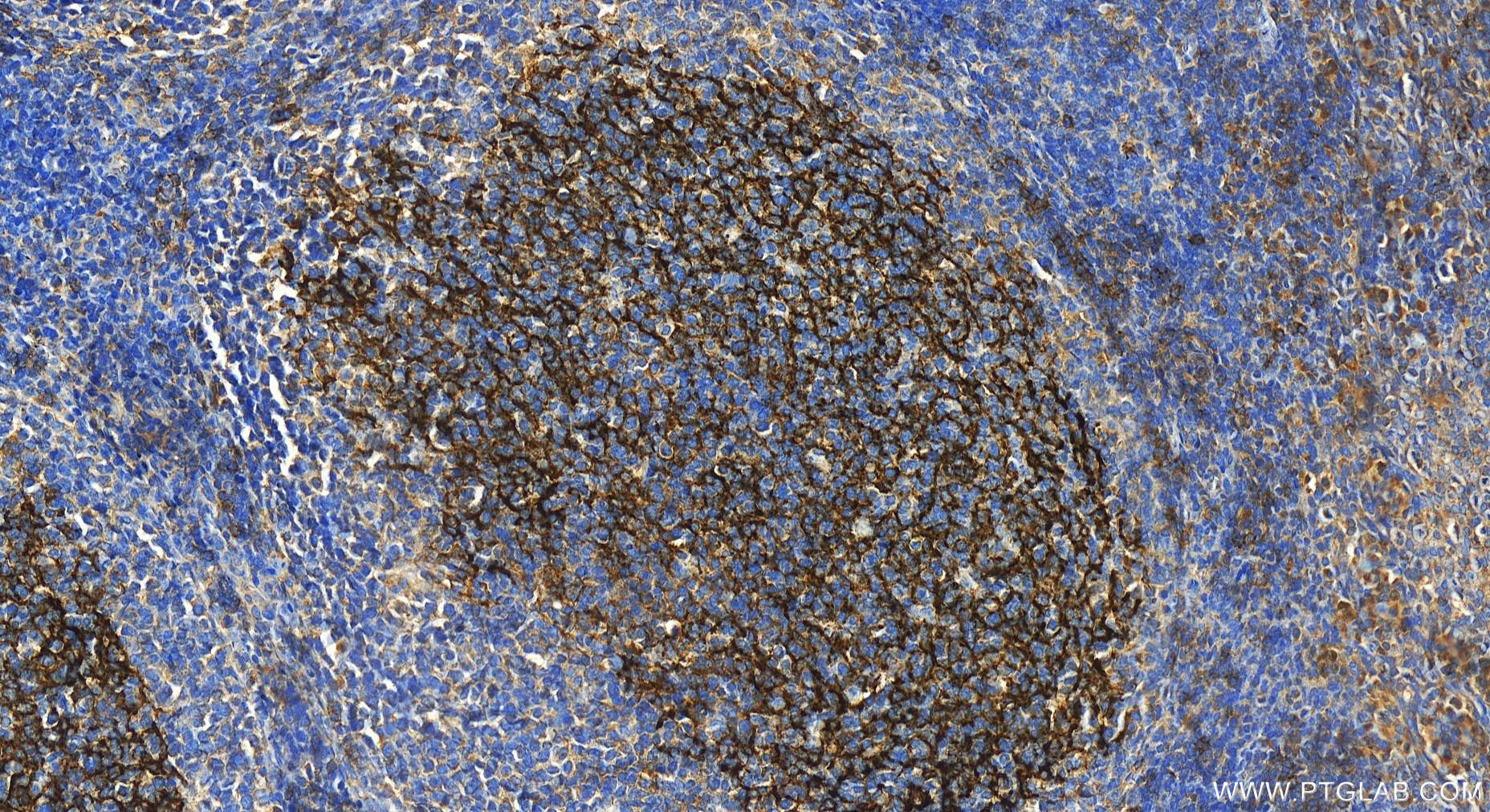
| Positive IHC detected in | human tonsillitis tissue Note: suggested antigen retrieval with TE buffer pH 9.0; (*) Alternatively, antigen retrieval may be performed with citrate buffer pH 6.0 |
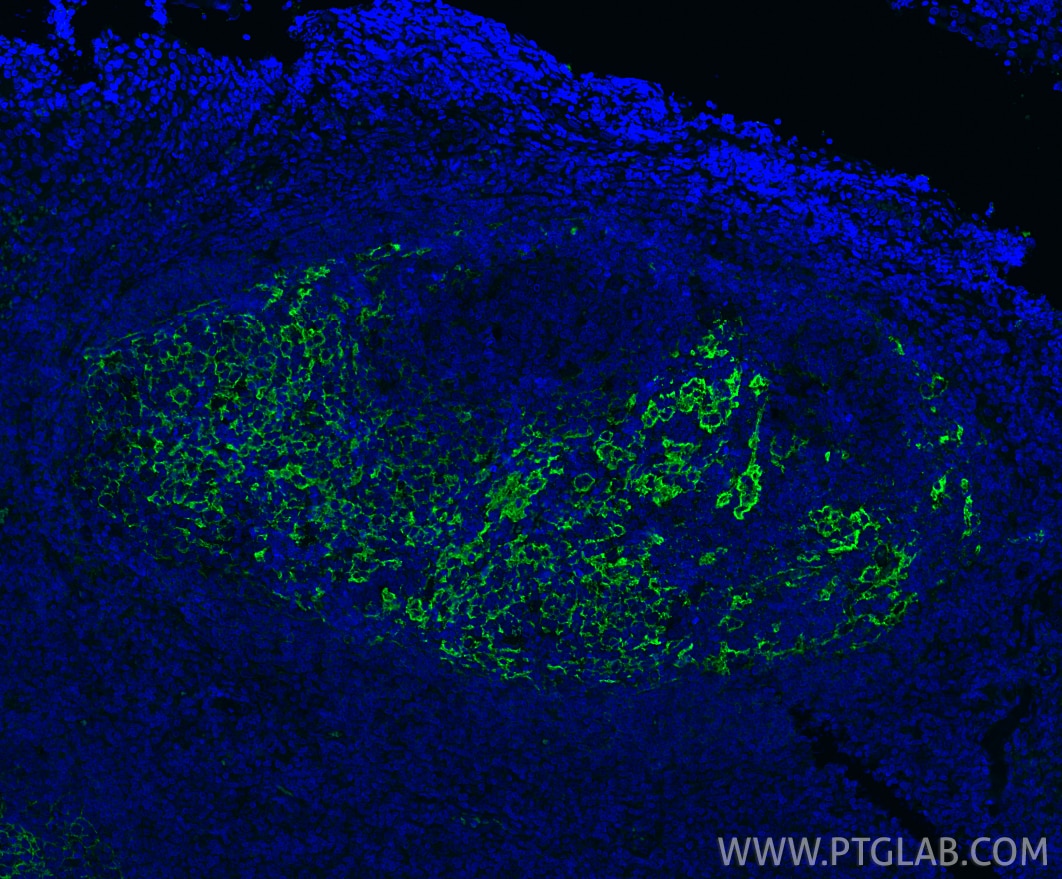
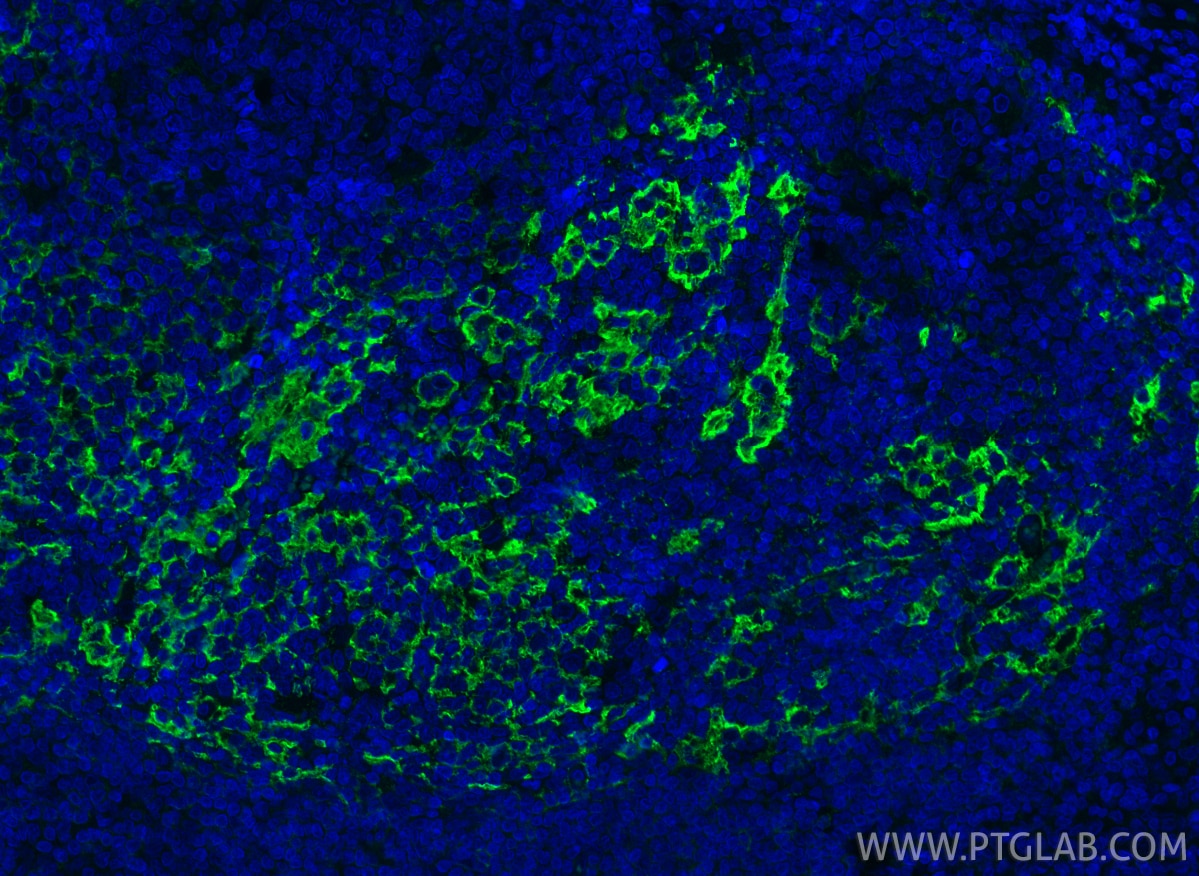
| Positive IF-P detected in | human tonsillitis tissue |
Recommended dilution
| Application | Dilution |
|---|---|
| Western Blot (WB) | WB : 1:5000-1:50000 |
| Immunohistochemistry (IHC) | IHC : 1:500-1:2000 |
| Immunofluorescence (IF)-P | IF-P : 1:200-1:800 |
| It is recommended that this reagent should be titrated in each testing system to obtain optimal results. | |
| Sample-dependent, Check data in validation data gallery. | |
Product Information
60208-1-Ig targets CD23 in WB, IHC, IF-P, ELISA applications and shows reactivity with human, mouse samples.
| Tested Reactivity | human, mouse |
| Cited Reactivity | human, mouse |
| Host / Isotype | Mouse / IgG1 |
| Class | Monoclonal |
| Type | Antibody |
| Immunogen |
CatNo: Ag0425 Product name: Recombinant human CD23,FCER2 protein Source: e coli.-derived, PGEX-4T Tag: GST Domain: 48-248 aa of BC064417 Sequence: DTTQSLKQLEERAARNVSQVSKNLESHHGDQMAQKSQSTQISQELEELRAEQQRLKSQDLELSWNLNGLQADLSSFKSQELNERNEASDLLERLREEVTKLRMELQVSSGFVCNTCPEKWINFQRKCYYFGKGTKQWVHARYACDDMEGQLVSIHSPEEQDFLTKHASHTGSWIGLRNLDLKGEFIWVDGSHVDYSNWAPG Predict reactive species |
| Full Name | Fc fragment of IgE, low affinity II, receptor for (CD23) |
| Calculated Molecular Weight | 321 aa, 36 kDa |
| Observed Molecular Weight | 36 kDa |
| GenBank Accession Number | BC064417 |
| Gene Symbol | CD23 |
| Gene ID (NCBI) | 2208 |
| RRID | AB_10949195 |
| Conjugate | Unconjugated |
| Form | Liquid |
| Purification Method | Protein G purification |
| UNIPROT ID | P06734 |
| Storage Buffer | PBS with 0.02% sodium azide and 50% glycerol, pH 7.3. |
| Storage Conditions | Store at -20°C. Stable for one year after shipment. Aliquoting is unnecessary for -20oC storage. 20ul sizes contain 0.1% BSA. |
Background Information
CD23, also known as low affinity immunoglobulin epsilon Fc receptor, is a transmembrane glycoprotein present on a subpopulation of B lymphocytes in germinal centres, EBV-transformed B-lymphoblastoid cell lines, follicular dendritic cells, and a subpopulation of peripheral blood cells. CD23 has essential roles in the regulation of IgE production and in the differentiation of B-cells.
Protocols
| Product Specific Protocols | |
|---|---|
| IF protocol for CD23 antibody 60208-1-Ig | Download protocol |
| IHC protocol for CD23 antibody 60208-1-Ig | Download protocol |
| WB protocol for CD23 antibody 60208-1-Ig | Download protocol |
| Standard Protocols | |
|---|---|
| Click here to view our Standard Protocols |
Publications
What published studies show
Able is busy answering your previous question. Please try again later.
| Species | Application | Title |
|---|---|---|
J Immunother Cancer Spatial habitat radiomics predicts tertiary lymphoid structure status and identifies an IDO1+ migratory dendritic cell axis in breast cancer | ||
Clin Cancer Res Divergent Tumor Immune Microenvironment and Response to Neoadjuvant Chemoimmunotherapy in Resectable Non-Small Cell Lung Cancer: A Single-Arm Phase II Trial. | ||
Clin Transl Med Single-cell transcriptome sequencing of B-cell heterogeneity and tertiary lymphoid structure predicts breast cancer prognosis and neoadjuvant therapy efficacy | ||
Sci Signal Short stature and combined immunodeficiency associated with mutations in RGS10. | ||
Front Immunol Intratumoral bacterial load and tertiary lymphoid structure density in hepatocellular carcinoma: association and prognostic significance | ||
Cancer Med C-Reactive Protein to Lymphocyte Ratio (CLR) and Lactate Dehydrogenase to Albumin Ratio (LAR) as Prognostic Biomarkers in Acral Melanoma: Association With Tertiary Lymphoid Structures and Immune Cell Infiltration |
Reviews
What customers say
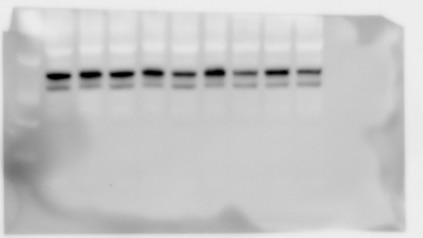
Only a single review was found for 60208-1-Ig. A Western Blot user (rated 4/5) used the antibody to analyze microglia controls and cells under different treatments, applied it at a 1:1000 dilution on microglia derived from iPSC. The review is brief and provides limited detail, but indicates the product worked acceptably for this WB application.
The reviews below have been submitted by verified Proteintech customers who received an incentive for providing their feedback.
Alicia (Verified Customer) (10-06-2025) | Microglia Control and with different treatments
 |

