

Tested Applications
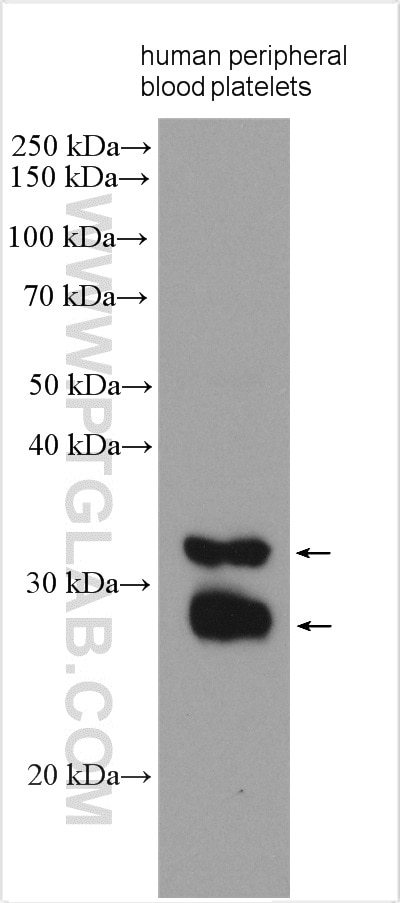
| Positive WB detected in | human peripheral blood platelets |
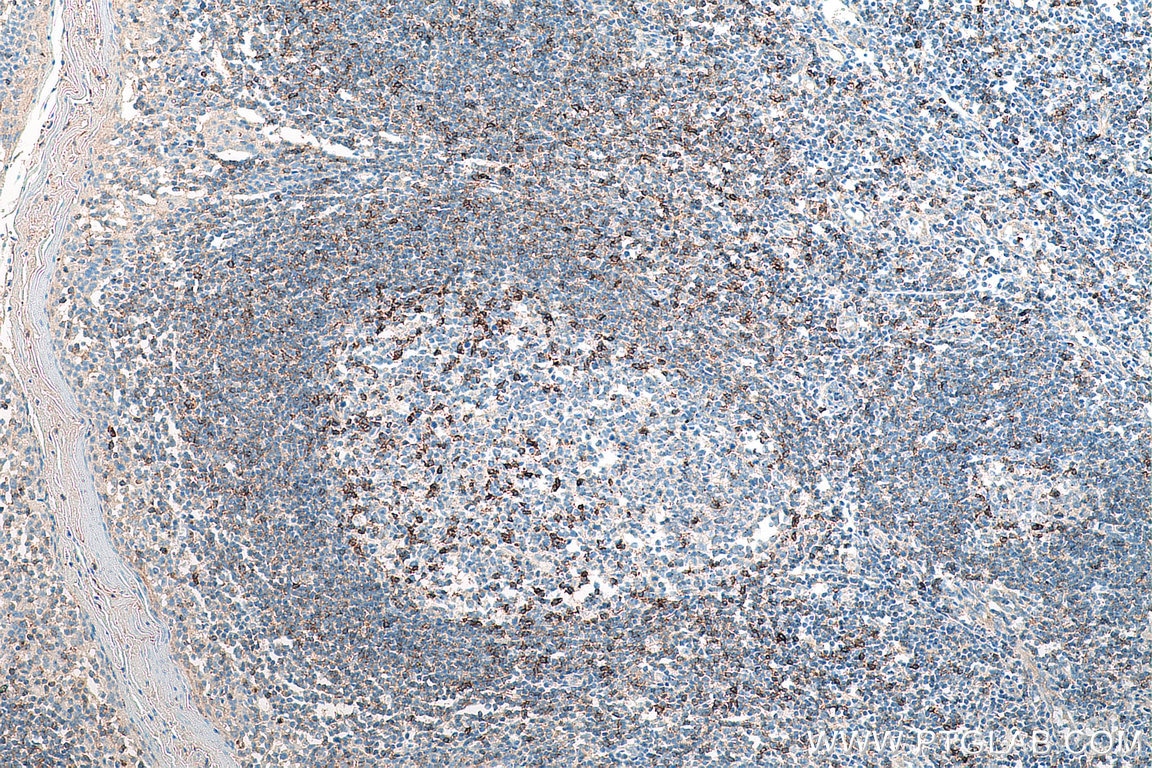
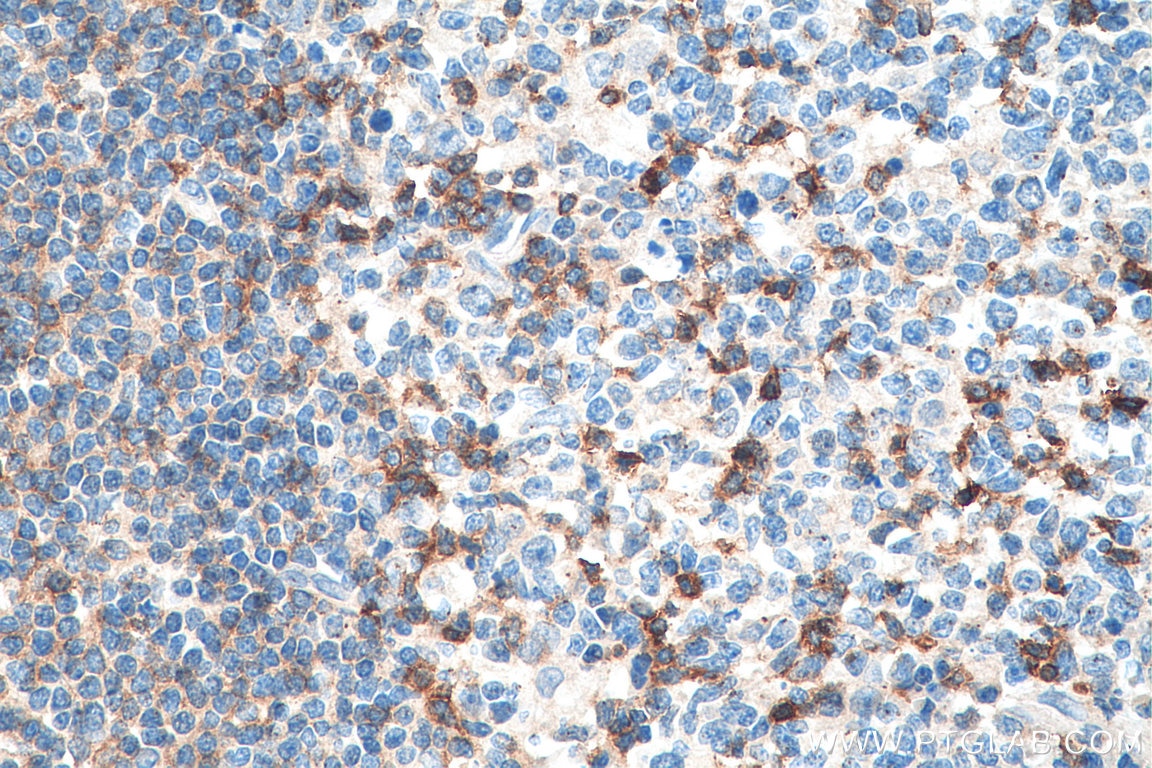
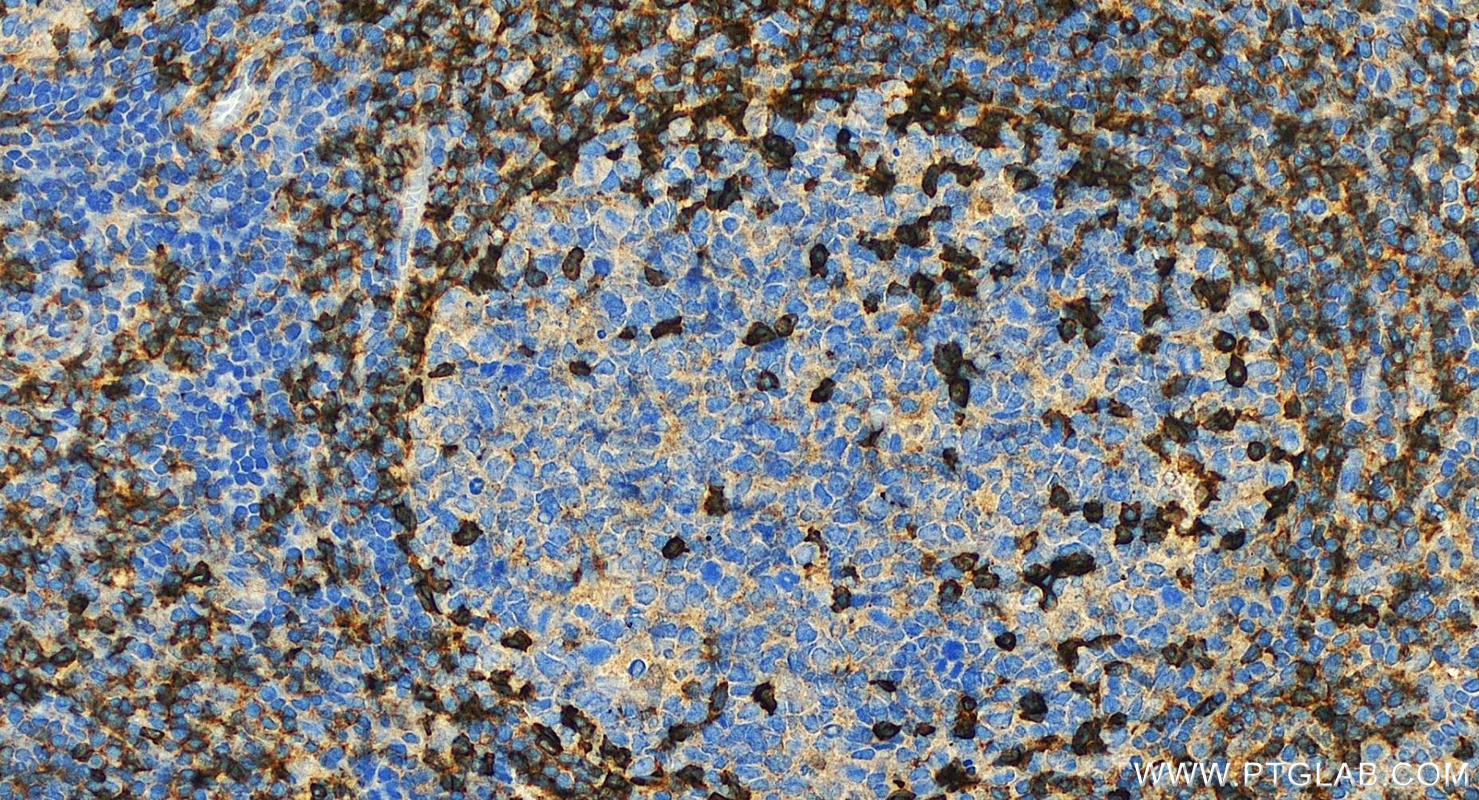
| Positive IHC detected in | human tonsillitis tissue Note: suggested antigen retrieval with TE buffer pH 9.0; (*) Alternatively, antigen retrieval may be performed with citrate buffer pH 6.0 |
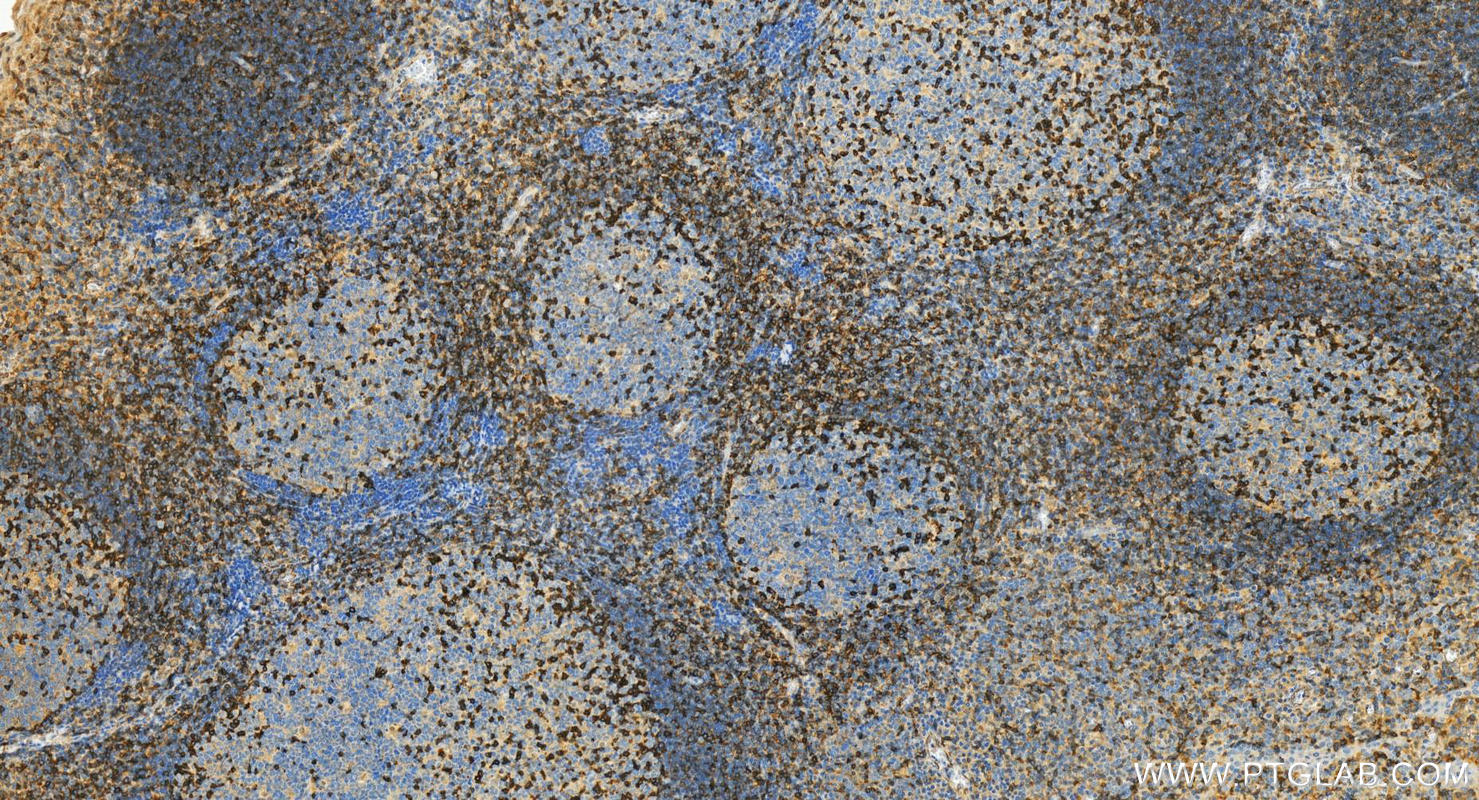
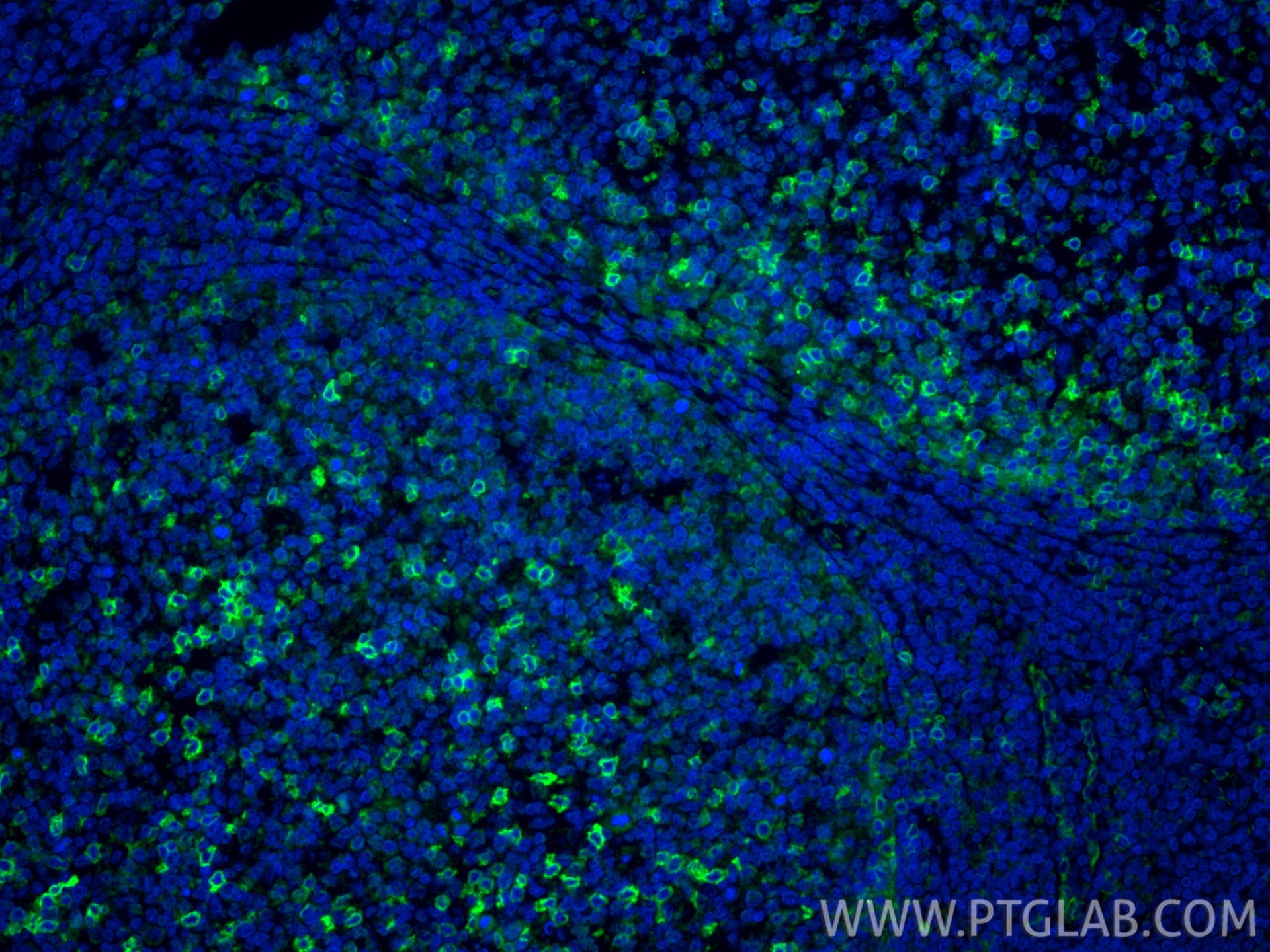
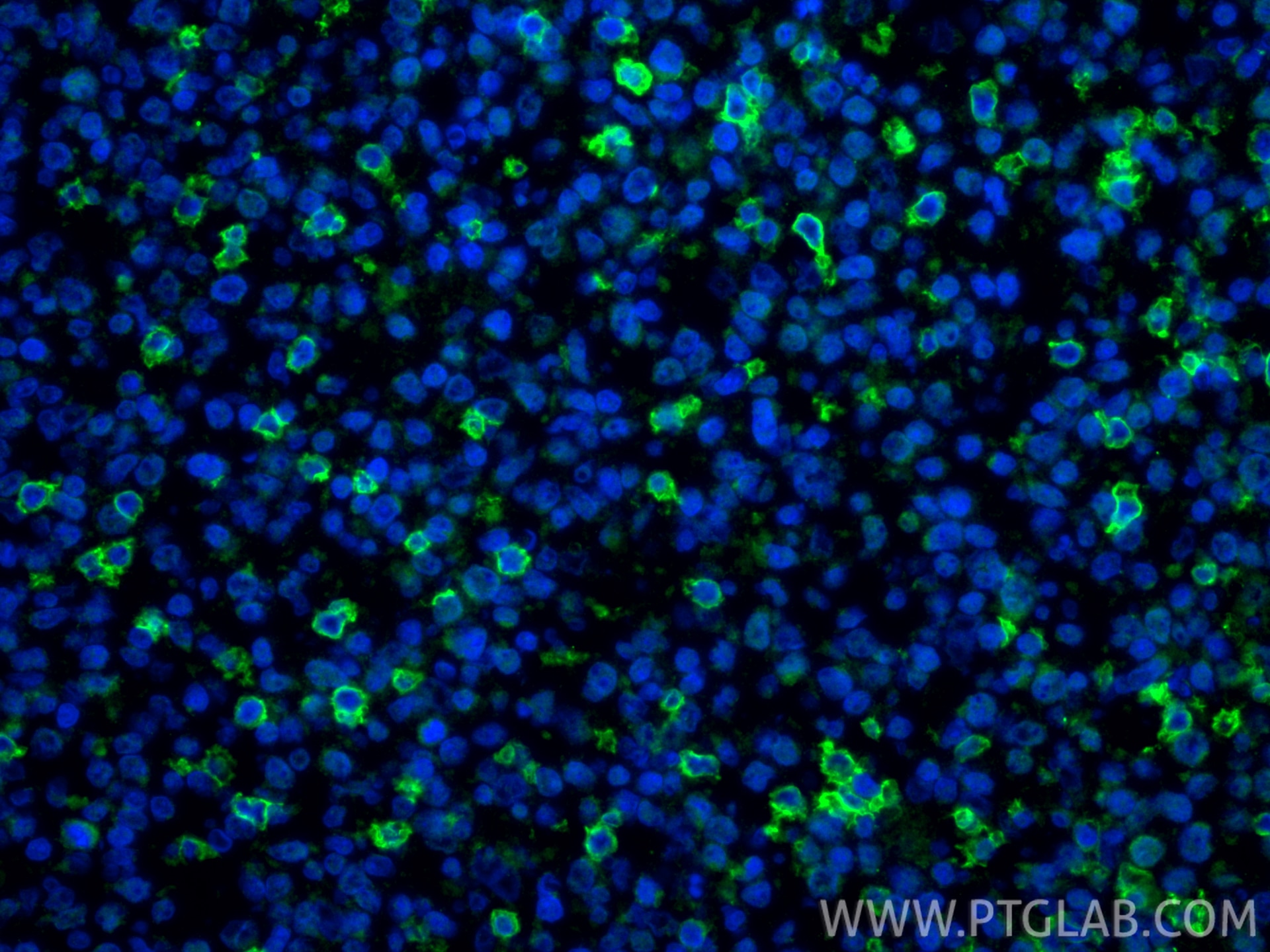
| Positive IF-P detected in | human tonsillitis tissue |
Recommended dilution
| Application | Dilution |
|---|---|
| Western Blot (WB) | WB : 1:500-1:3000 |
| Immunohistochemistry (IHC) | IHC : 1:1000-1:4000 |
| Immunofluorescence (IF)-P | IF-P : 1:200-1:800 |
| It is recommended that this reagent should be titrated in each testing system to obtain optimal results. | |
| Sample-dependent, Check data in validation data gallery. | |
Product Information
10803-1-AP targets CD69 in WB, IHC, IF-P, ELISA applications and shows reactivity with human samples.
| Tested Reactivity | human |
| Cited Reactivity | human, mouse |
| Host / Isotype | Rabbit / IgG |
| Class | Polyclonal |
| Type | Antibody |
| Immunogen |
CatNo: Ag1094 Product name: Recombinant human CD69 protein Source: e coli.-derived, PGEX-4T Tag: GST Domain: 1-199 aa of BC007037 Sequence: MSSENCFVAENSSLHPESGQENDATSPHFSTRHEGSFQVPVLCAVMNVVFITILIIALIALSVGQYNCPGQYTFSMPSDSHVSSCSEDWVGYQRKCYFISTVKRSWTSAQNACSEHGATLAVIDSEKDMNFLKRYAGREEHWVGLKKEPGHPWKWSNGKEFNNWFNVTGSDKCVFLKNTEVSSMECEKNLYWICNKPYK Predict reactive species |
| Full Name | CD69 molecule |
| Calculated Molecular Weight | 23 kDa |
| Observed Molecular Weight | 28 kDa, 32 kDa |
| GenBank Accession Number | BC007037 |
| Gene Symbol | CD69 |
| Gene ID (NCBI) | 969 |
| RRID | AB_2074965 |
| Conjugate | Unconjugated |
| Form | Liquid |
| Purification Method | Antigen affinity purification |
| UNIPROT ID | Q07108 |
| Storage Buffer | PBS with 0.02% sodium azide and 50% glycerol, pH 7.3. |
| Storage Conditions | Store at -20°C. Stable for one year after shipment. Aliquoting is unnecessary for -20oC storage. 20ul sizes contain 0.1% BSA. |
Background Information
CD69, also known as activation inducer molecule (AIM) or early activation antigen (EA1), is a cell surface glycoprotein expressed shortly after activation on T lymphocytes and other cells of haematopoietic origin, including natural killer cells. It is a disulfide-linked homodimer composed of two chains belonging to the type II integral protein with a C-type lectin domain. CD69 is involved in lymphocyte proliferation and functions as a signal-transmitting receptor in lymphocytes, natural killer cells, and platelets. (PMID: 2466079; PMID: 9307073; PMID: 37223078)
Protocols
| Product Specific Protocols | |
|---|---|
| IF protocol for CD69 antibody 10803-1-AP | Download protocol |
| IHC protocol for CD69 antibody 10803-1-AP | Download protocol |
| WB protocol for CD69 antibody 10803-1-AP | Download protocol |
| Standard Protocols | |
|---|---|
| Click here to view our Standard Protocols |
Publications
What published studies show
The CD69 Polyclonal antibody (Cat# 10803-1-AP) has 21 citations published in journals including Cell Stem Cell, Cell Reports, Advanced Science, Cancer Communications, Molecular Cancer, Frontiers in Immunology, iScience, and Biochemical Pharmacology. The associated research fields span T cell immunology, tumor microenvironment, cancer immunotherapy, autoimmune diseases, and inflammatory responses, with applications primarily in IHC, IF, and WB.
| Species | Application | Title |
|---|---|---|
Cancer Commun (Lond) Targeting autophagy overcomes cancer-intrinsic resistance to CAR-T immunotherapy in B-cell malignancies | ||
Cell Stem Cell Patient-derived glioblastoma organoids as real-time avatars for assessing responses to clinical CAR-T cell therapy | ||
J Nanobiotechnology Optogenetic engineered umbilical cord MSC-derived exosomes for remodeling of the immune microenvironment in diabetic wounds and the promotion of tissue repair | ||
Adv Sci (Weinh) CD20(+)FCRL4(+) B Cells Activate CD8(+) T Cells via MHC-I Restriction in Nasopharyngeal Carcinoma Anti-Tumor Immunity. | ||
Cell Rep Med Spleen-targeted neoantigen mRNA vaccine induces ISG15(+) CD8(+) T cell-mediated tertiary lymphoid structure formation in hepatocellular carcinoma. | ||
Research (Wash D C) Integrin-Mediated Mechanosensing of Modeled Lymph Node Microenvironment Promotes T Cell Activation via Nuclear Deformation. |

