

Tested Applications
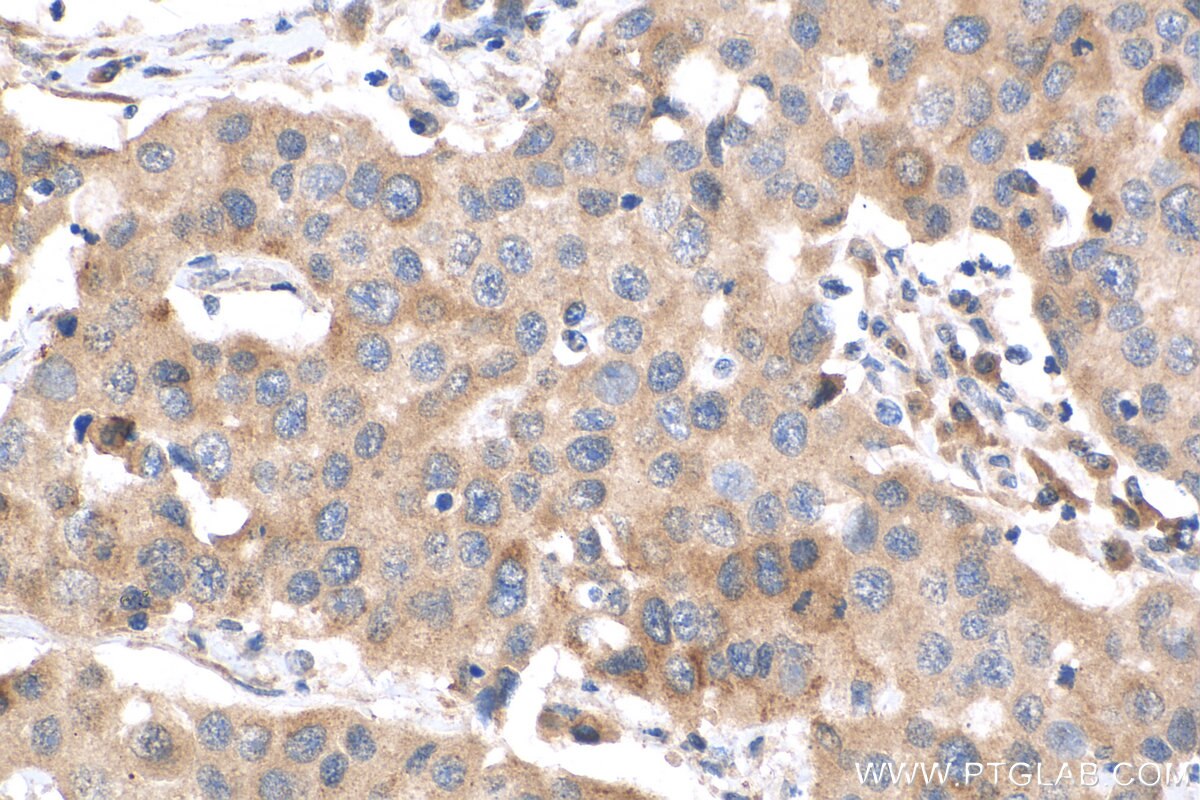
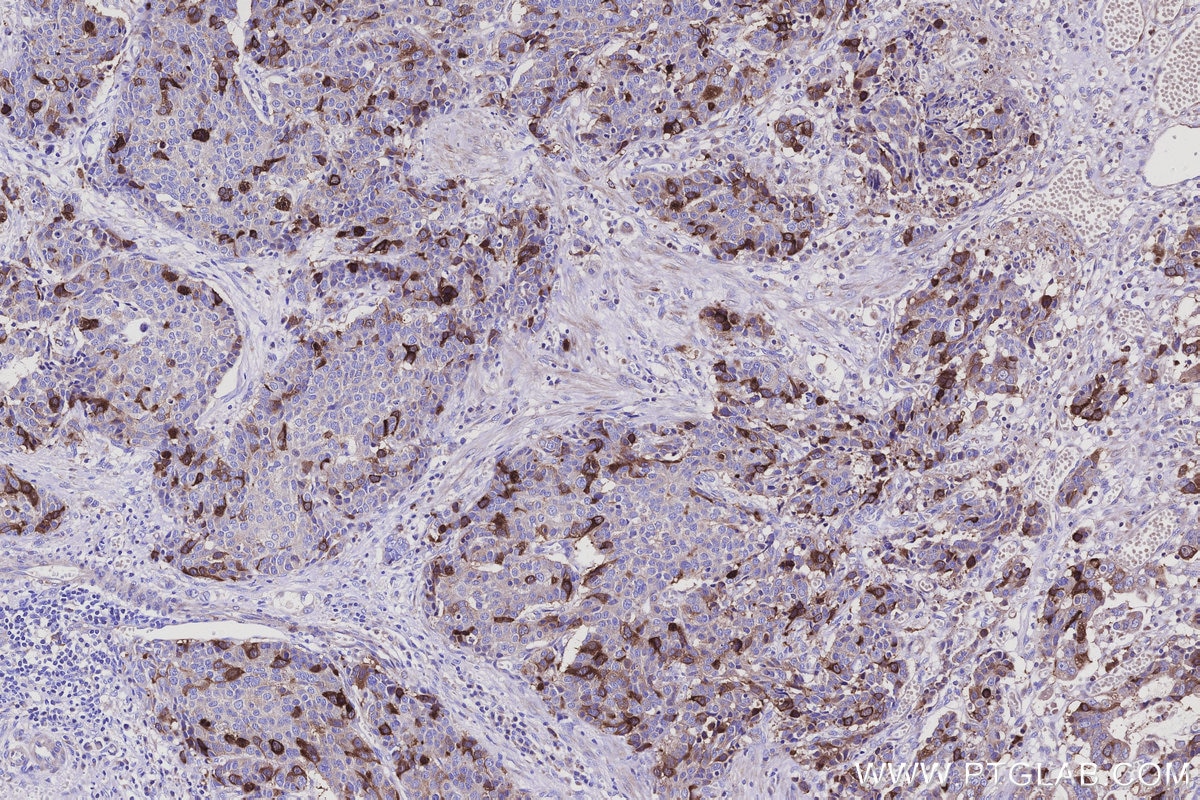
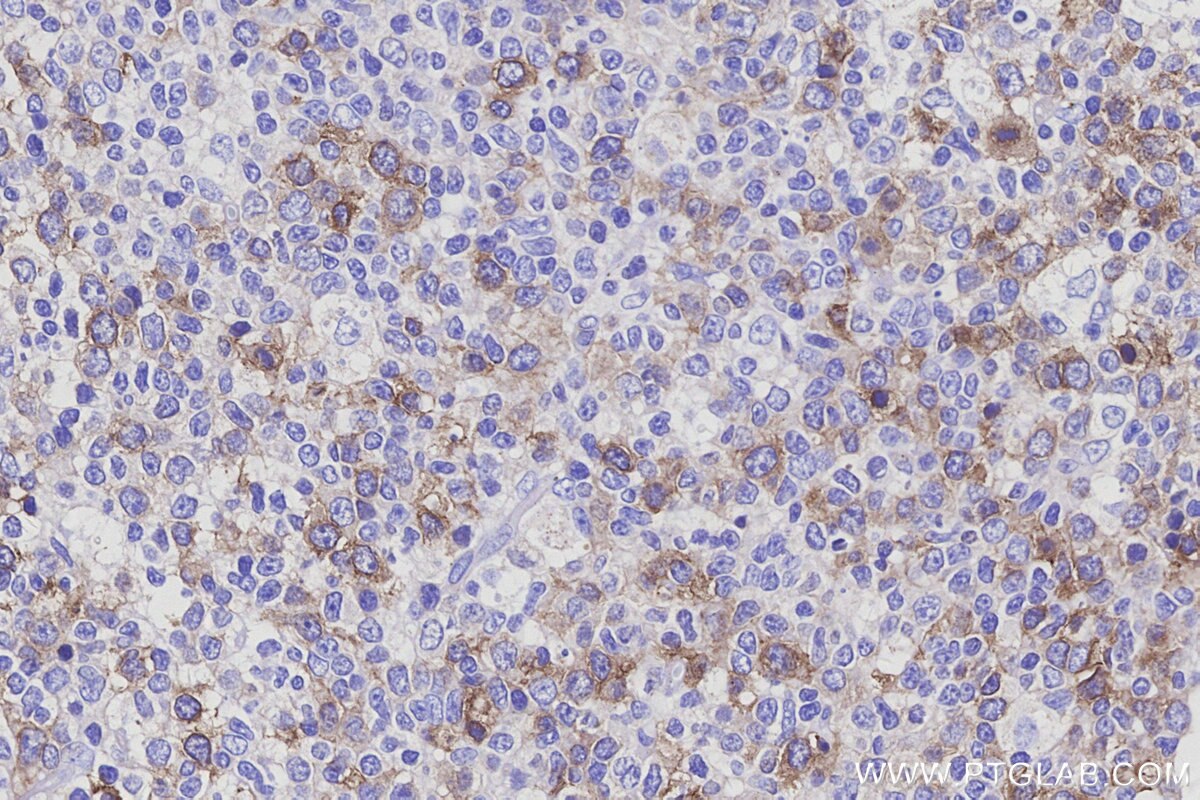
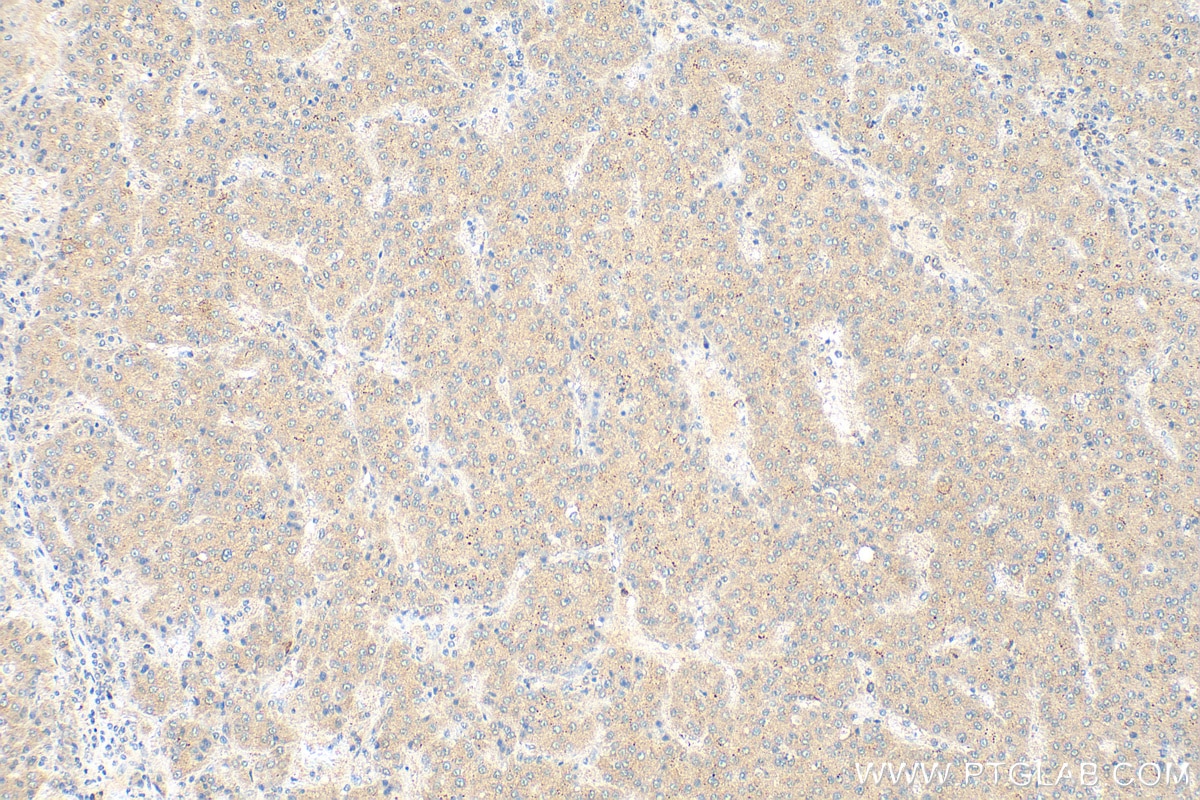
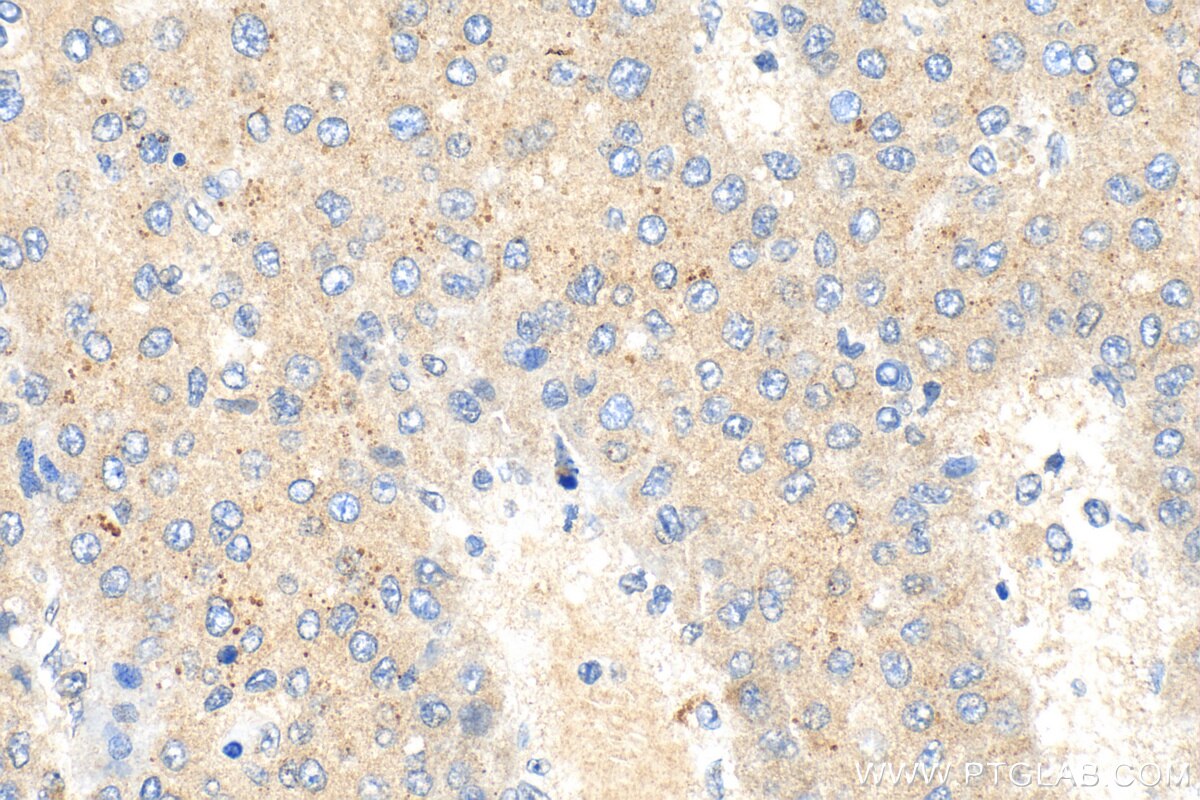
| Positive IHC detected in | human breast cancer tissue, human liver cancer tissue, human stomach cancer tissue, human tonsillitis tissue Note: suggested antigen retrieval with TE buffer pH 9.0; (*) Alternatively, antigen retrieval may be performed with citrate buffer pH 6.0 |
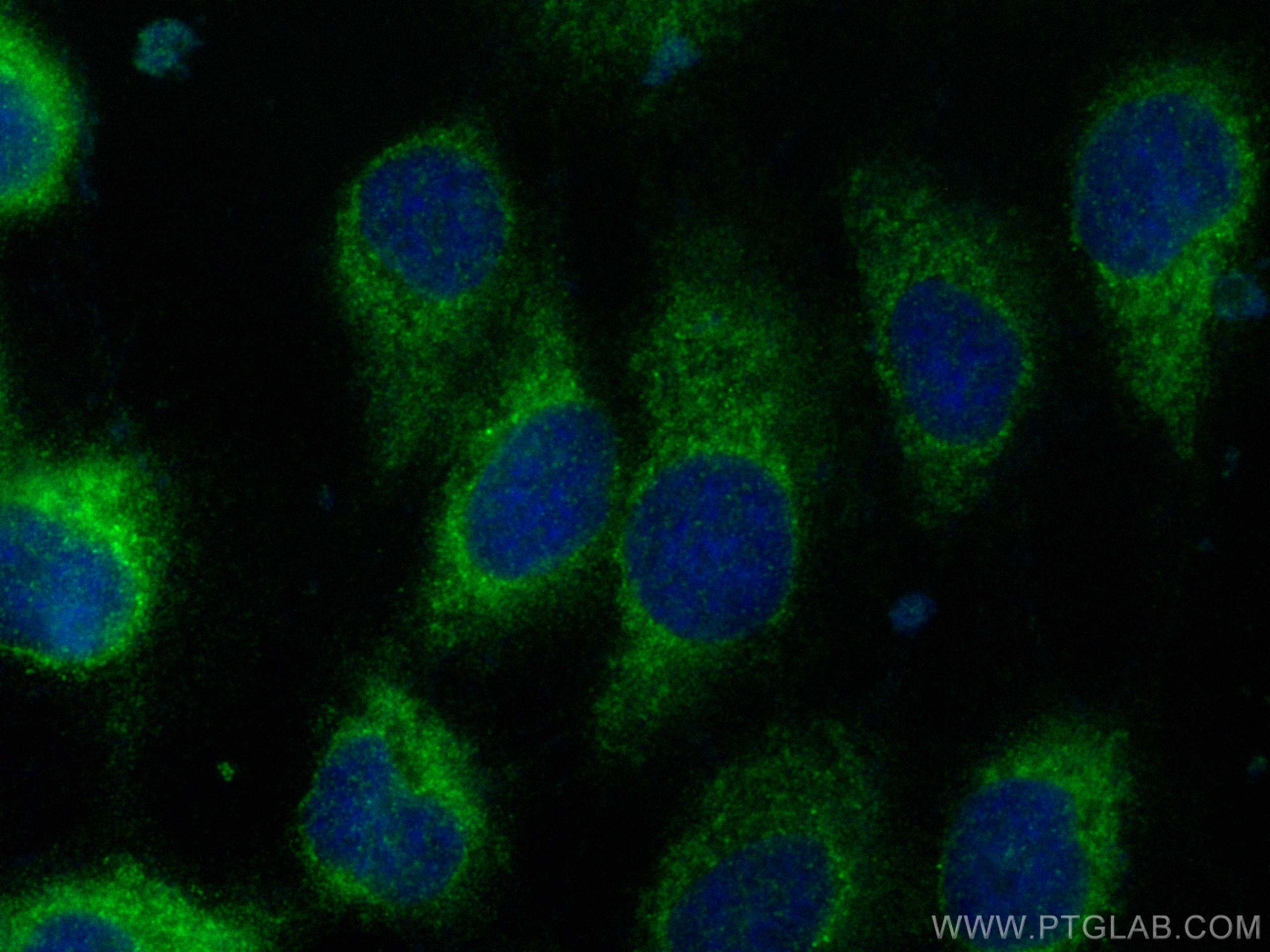
| Positive IF/ICC detected in | A431 cells |
Recommended dilution
| Application | Dilution |
|---|---|
| Immunohistochemistry (IHC) | IHC : 1:50-1:500 |
| Immunofluorescence (IF)/ICC | IF/ICC : 1:200-1:800 |
| It is recommended that this reagent should be titrated in each testing system to obtain optimal results. | |
| Sample-dependent, Check data in validation data gallery. | |
Product Information
15594-1-AP targets CDCA3 in WB, IHC, IF/ICC, CoIP, ELISA applications and shows reactivity with human samples.
| Tested Reactivity | human |
| Cited Reactivity | human |
| Host / Isotype | Rabbit / IgG |
| Class | Polyclonal |
| Type | Antibody |
| Immunogen |
CatNo: Ag7951 Product name: Recombinant human CDCA3 protein Source: e coli.-derived, PET28a Tag: 6*His Domain: 1-268 aa of BC002551 Sequence: MGSAKSVPVTPARPPPHNKHLARVADPRSPSAGILRTPIQVESSPQPGLPAGEQLEGLKHAQDSDPRSPTLGIARTPMKTSSGDPPSPLVKQLSEVFETEDSKSNLPPEPVLPPEAPLSSELDLPLGTQLSVEEQMPPWNQTEFPSKQVFSKEEARQPTETPVASQSSDKPSRDPETPRSSGSMRNRWKPNSSKVLGRSPLTILQDDNSPGTLTLRQGKRPSPLSENVSELKEGAILGTGRLLKTGGRAWEQGQDHDKENQHFPLVES Predict reactive species |
| Full Name | cell division cycle associated 3 |
| Calculated Molecular Weight | 29 kDa |
| GenBank Accession Number | BC002551 |
| Gene Symbol | CDCA3 |
| Gene ID (NCBI) | 83461 |
| RRID | AB_2878154 |
| Conjugate | Unconjugated |
| Form | Liquid |
| Purification Method | Antigen affinity purification |
| UNIPROT ID | Q99618 |
| Storage Buffer | PBS with 0.02% sodium azide and 50% glycerol, pH 7.3. |
| Storage Conditions | Store at -20°C. Stable for one year after shipment. Aliquoting is unnecessary for -20oC storage. 20ul sizes contain 0.1% BSA. |
Background Information
CDCA3, also named C8, GRCC8, and TOME1, is an F-box-like protein required for entry into mitosis. It acts by participating in E3 ligase complexes that mediate the ubiquitination and degradation of WEE1 kinase at the G2/M phase.
Protocols
| Product Specific Protocols | |
|---|---|
| IF protocol for CDCA3 antibody 15594-1-AP | Download protocol |
| IHC protocol for CDCA3 antibody 15594-1-AP | Download protocol |
| Standard Protocols | |
|---|---|
| Click here to view our Standard Protocols |
Publications
What published studies show
The CDCA3 Polyclonal antibody (Cat# 15594-1-AP) has 10 total citations. These publications appear in journals including Oncogene, Cancer Cell International, Naunyn-Schmiedeberg's Archives of Pharmacology, Pathology Research and Practice, Cancer Medicine, Journal of Cancer, Biochemical and Biophysical Research Communications, Journal of Oncology, and Heliyon. The research fields span hepatocellular carcinoma, bladder urothelial carcinoma, colorectal cancer, renal cell carcinoma, sarcoma, and kidney renal papillary cell carcinoma, all within oncology and cancer biology.
| Species | Application | Title |
|---|---|---|
Oncogene CPSF4 regulates circRNA formation and microRNA mediated gene silencing in hepatocellular carcinoma. | ||
Cancer Cell Int The inhibitory effect of silencing CDCA3 on migration and proliferation in bladder urothelial carcinoma.
| ||
Naunyn Schmiedebergs Arch Pharmacol Curcumin targets miR-134-5p to suppress the progression of colorectal cancer through regulating the CDCA3/CDK1 pathway | ||
Pathol Res Pract miR-145-5p suppresses proliferation, metastasis and EMT of colorectal cancer by targeting CDCA3. | ||
Cancer Med A Novel Gene Expression Scoring System Predicts Recurrence in Non-Muscle-Invasive Bladder Cancer Patients | ||
J Cancer E2F4 Promotes the Proliferation of Hepatocellular Carcinoma Cells through Upregulation of CDCA3 |

