

Tested Applications
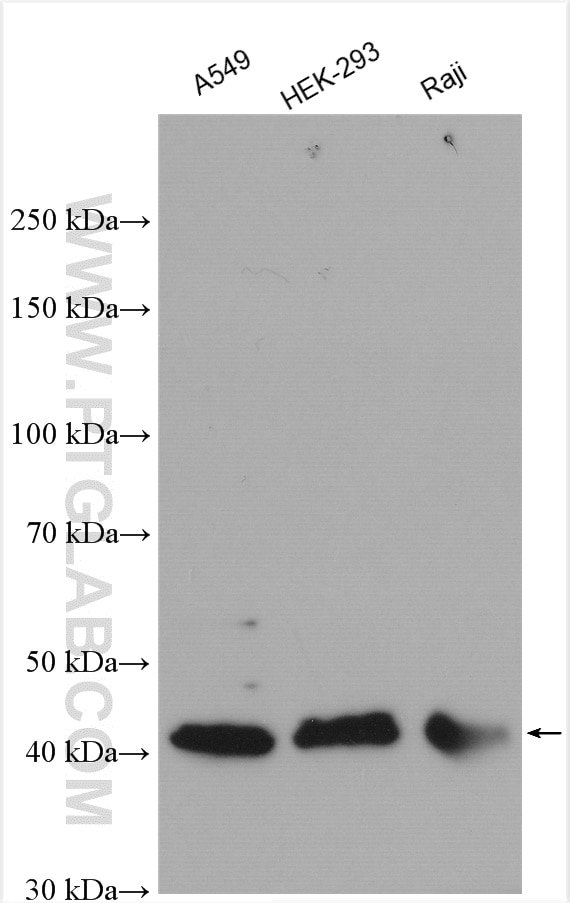
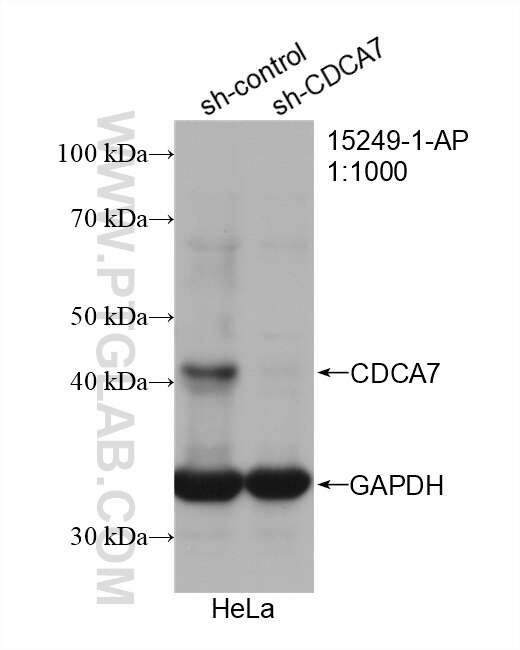
| Positive WB detected in | A549 cells, HeLa cells, HEK-293 cells, Raji cells |
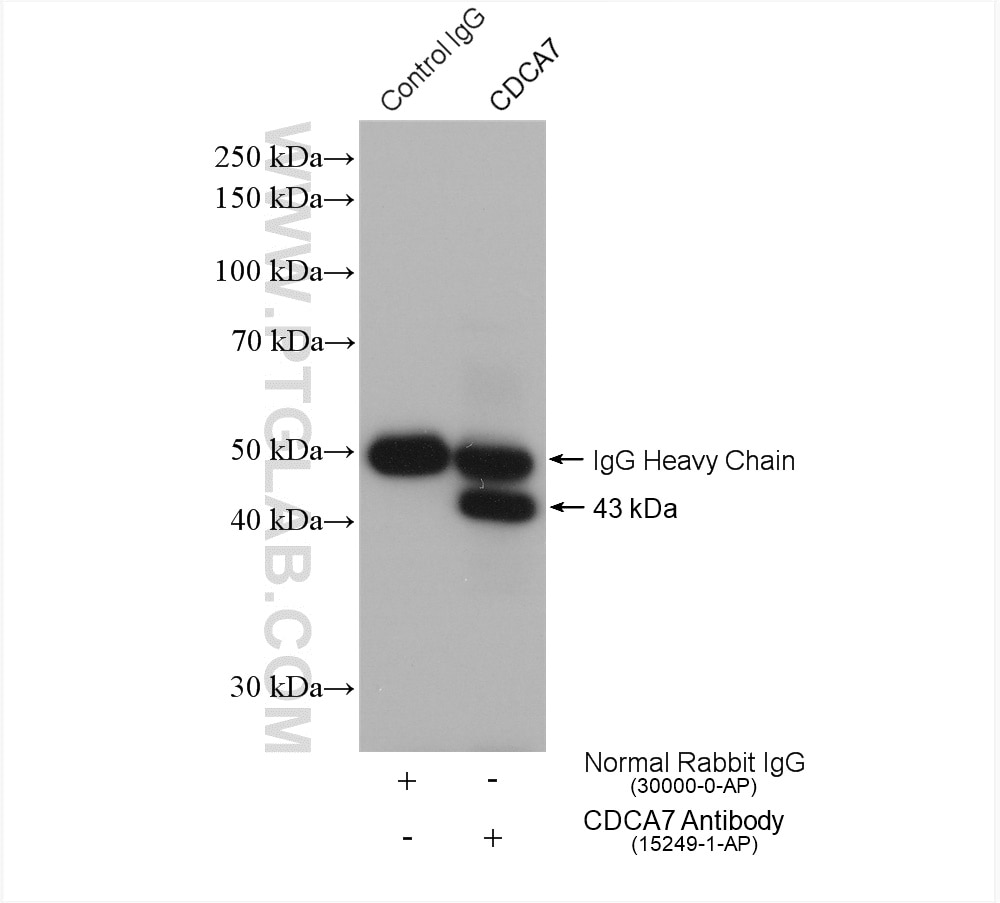
| Positive IP detected in | HEK-293 cells |
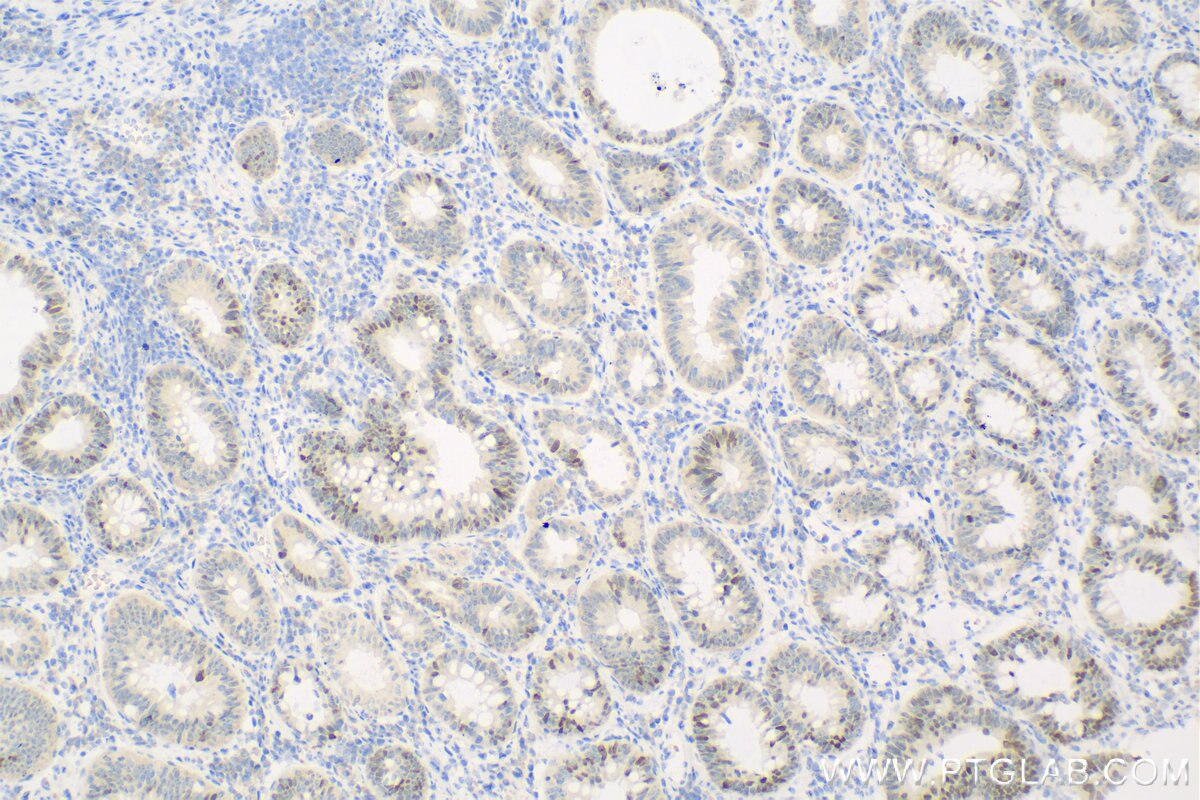
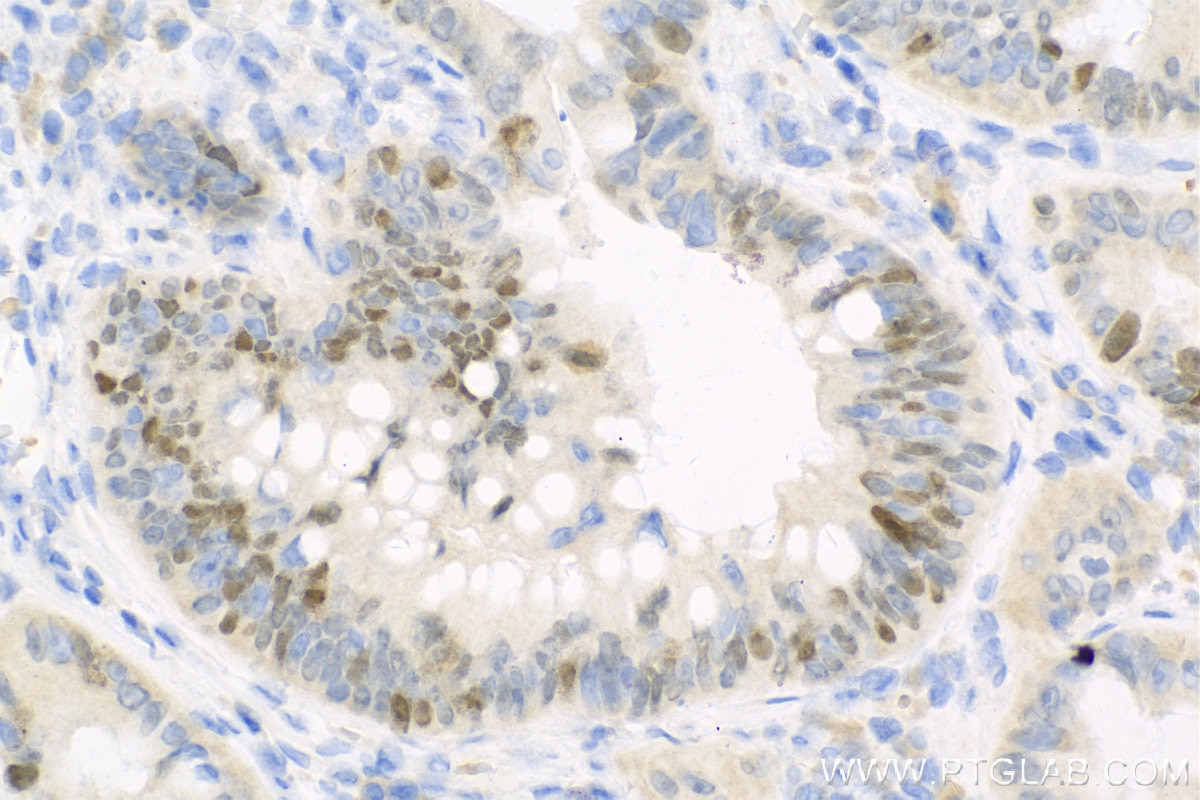
| Positive IHC detected in | human colon cancer tissue Note: suggested antigen retrieval with TE buffer pH 9.0; (*) Alternatively, antigen retrieval may be performed with citrate buffer pH 6.0 |
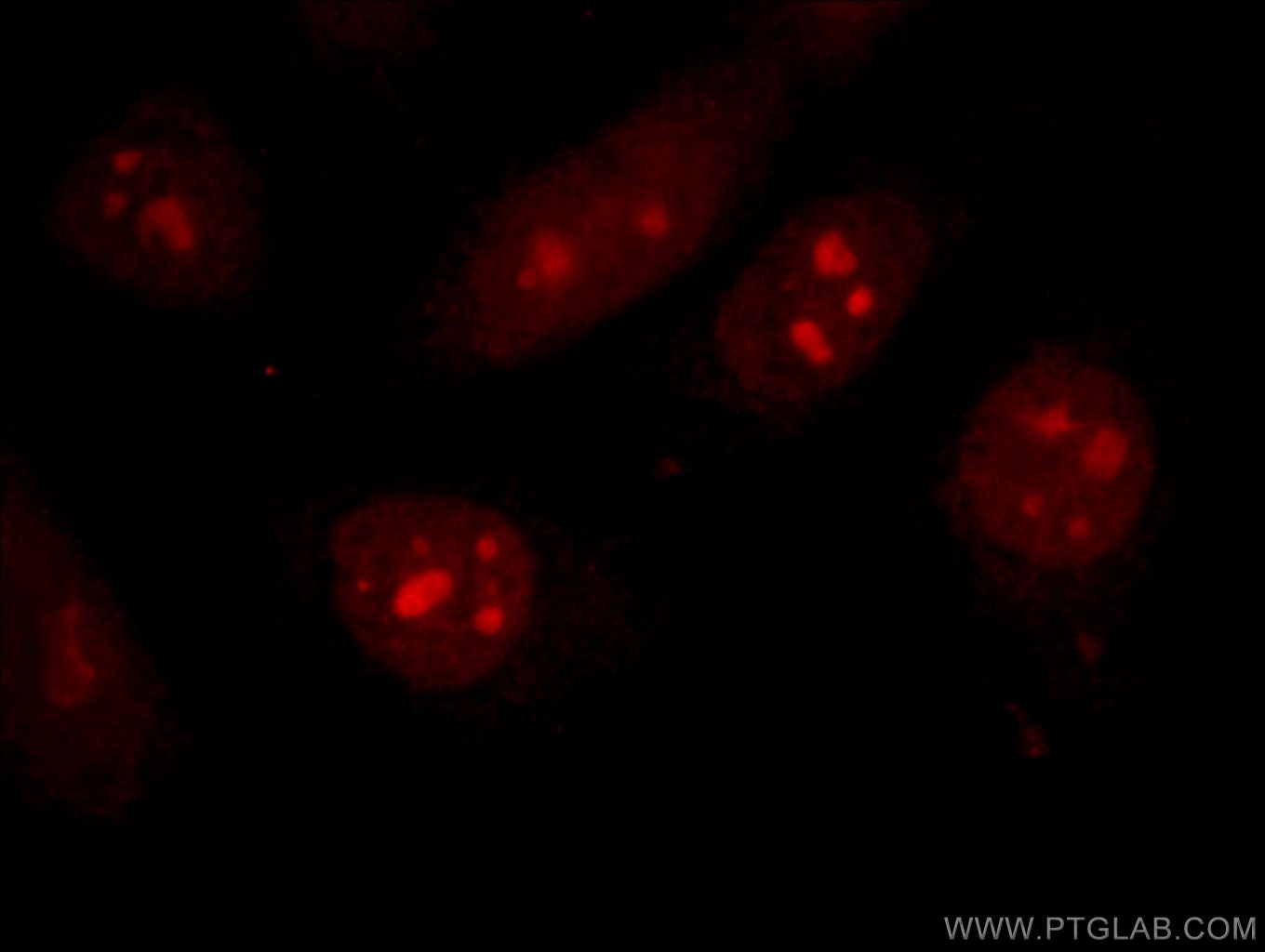
| Positive IF/ICC detected in | HepG2 cells |
Recommended dilution
| Application | Dilution |
|---|---|
| Western Blot (WB) | WB : 1:1000-1:5000 |
| Immunoprecipitation (IP) | IP : 0.5-4.0 ug for 1.0-3.0 mg of total protein lysate |
| Immunohistochemistry (IHC) | IHC : 1:250-1:1000 |
| Immunofluorescence (IF)/ICC | IF/ICC : 1:10-1:100 |
| It is recommended that this reagent should be titrated in each testing system to obtain optimal results. | |
| Sample-dependent, Check data in validation data gallery. | |
Product Information
15249-1-AP targets CDCA7 in WB, IHC, IF/ICC, IP, CoIP, ChIP, ELISA applications and shows reactivity with human, mouse, rat samples.
| Tested Reactivity | human, mouse, rat |
| Cited Reactivity | human, mouse |
| Host / Isotype | Rabbit / IgG |
| Class | Polyclonal |
| Type | Antibody |
| Immunogen |
CatNo: Ag4297 Product name: Recombinant human CDCA7 protein Source: e coli.-derived, T-HIS Tag: 6*His Domain: 1-371 aa of BC027966 Sequence: MDARRVPQKDLRVKKNLKKFRYVKLISMETSSSSDDSCDSFASDNFANTRLQSVREGCRTRSQCRHSGPLRVAMKFPARSTRGATNKKAESRQPSENSVTDSNSDSEDESGMNFLEKRALNIKQNKAMLAKLMSELESFPGSFRGRHPLPGSDSQSRRPRRRTFPGVASRRNPERRARPLTRSRSRILGSLDALPMEEEEEEDKYMLVRKRKTVDGYMNEDDLPRSRRSRSSVTLPHIIRPVEEITEEELENVCSNSREKIYNRSLGSTCHQCRQKTIDTKTNCRNPDCWGVRGQFCGPCLRNRYGEEVRDALLDPNWHCPPCRGICNCSFCRQRDGRCATGVLVYLAKYHGFGNVHAYLKSLKQEFEMQA Predict reactive species |
| Full Name | cell division cycle associated 7 |
| Calculated Molecular Weight | 43 kDa |
| Observed Molecular Weight | 40-43 kDa |
| GenBank Accession Number | BC027966 |
| Gene Symbol | CDCA7 |
| Gene ID (NCBI) | 83879 |
| RRID | AB_2878119 |
| Conjugate | Unconjugated |
| Form | Liquid |
| Purification Method | Antigen affinity purification |
| UNIPROT ID | Q9BWT1 |
| Storage Buffer | PBS with 0.02% sodium azide and 50% glycerol, pH 7.3. |
| Storage Conditions | Store at -20°C. Stable for one year after shipment. Aliquoting is unnecessary for -20oC storage. 20ul sizes contain 0.1% BSA. |
Background Information
CDCA7, also named as JP01, participates in MYC-mediated cell transformation and apoptosis. It plays a role as transcriptional regulator.
Protocols
| Product Specific Protocols | |
|---|---|
| IF protocol for CDCA7 antibody 15249-1-AP | Download protocol |
| IHC protocol for CDCA7 antibody 15249-1-AP | Download protocol |
| IP protocol for CDCA7 antibody 15249-1-AP | Download protocol |
| WB protocol for CDCA7 antibody 15249-1-AP | Download protocol |
| Standard Protocols | |
|---|---|
| Click here to view our Standard Protocols |
Publications
What published studies show
Anti-CDCA7 (Cat# 15249-1-AP) has 17 citations published in journals including Cancer Discovery, Nucleic Acids Research, Science Advances, PNAS, Journal of Experimental Medicine, Cell Chemical Biology, Journal of Biological Chemistry, Human Molecular Genetics, Frontiers in Pharmacology, Oncology Research, BMC Neuroscience, Genes, International Journal of Biological Sciences, Bioorganic Chemistry, Science Progress, and bioRxiv. Research fields span epigenetics and chromatin remodeling, cancer biology (colorectal, ovarian, gastric, glioma, breast), ICF syndrome, ferroptosis, inflammation, and neuroscience.
| Species | Application | Title |
|---|---|---|
Cancer Discov Epigenetic and oncogenic inhibitors cooperatively drive differentiation and kill KRAS-mutant colorectal cancers | ||
Nucleic Acids Res The ZBTB24-CDCA7-HELLS axis suppresses the totipotent 2C-like reprogramming by maintaining Dux methylation and repression | ||
Nucleic Acids Res The C-terminal 4CXXC-type zinc finger domain of CDCA7 recognizes hemimethylated DNA and modulates activities of chromatin remodeling enzyme HELLS | ||
Sci Adv CDCA7-associated global aberrant DNA hypomethylation translates to localized, tissue-specific transcriptional responses | ||
Int J Biol Sci Transmissible Gastroenteritis Virus (TGEV) Infection Alters the Expression of Cellular MicroRNA Species That Affect Transcription of TGEV Gene 7. | ||
J Exp Med Loss of ZBTB24 impairs nonhomologous end-joining and class-switch recombination in patients with ICF syndrome. |
Reviews
What customers say
One reviewer (5/5) successfully used the antibody for immunofluorescence at 1:250 dilution to detect overexpressed human CDCA7 in 293T cells, confirming clear nuclear localization. Another reviewer (3/5) tested it for Western blot, immunoprecipitation, and ChIP in fibroblasts and lymphoblastoid cells, reporting that the detected signal appeared lower than the expected molecular weight and that ChIP efficiency was suboptimal. Overall, the antibody performs well for IF but may have limitations in sensitivity and specificity for other applications.
The reviews below have been submitted by verified Proteintech customers who received an incentive for providing their feedback.
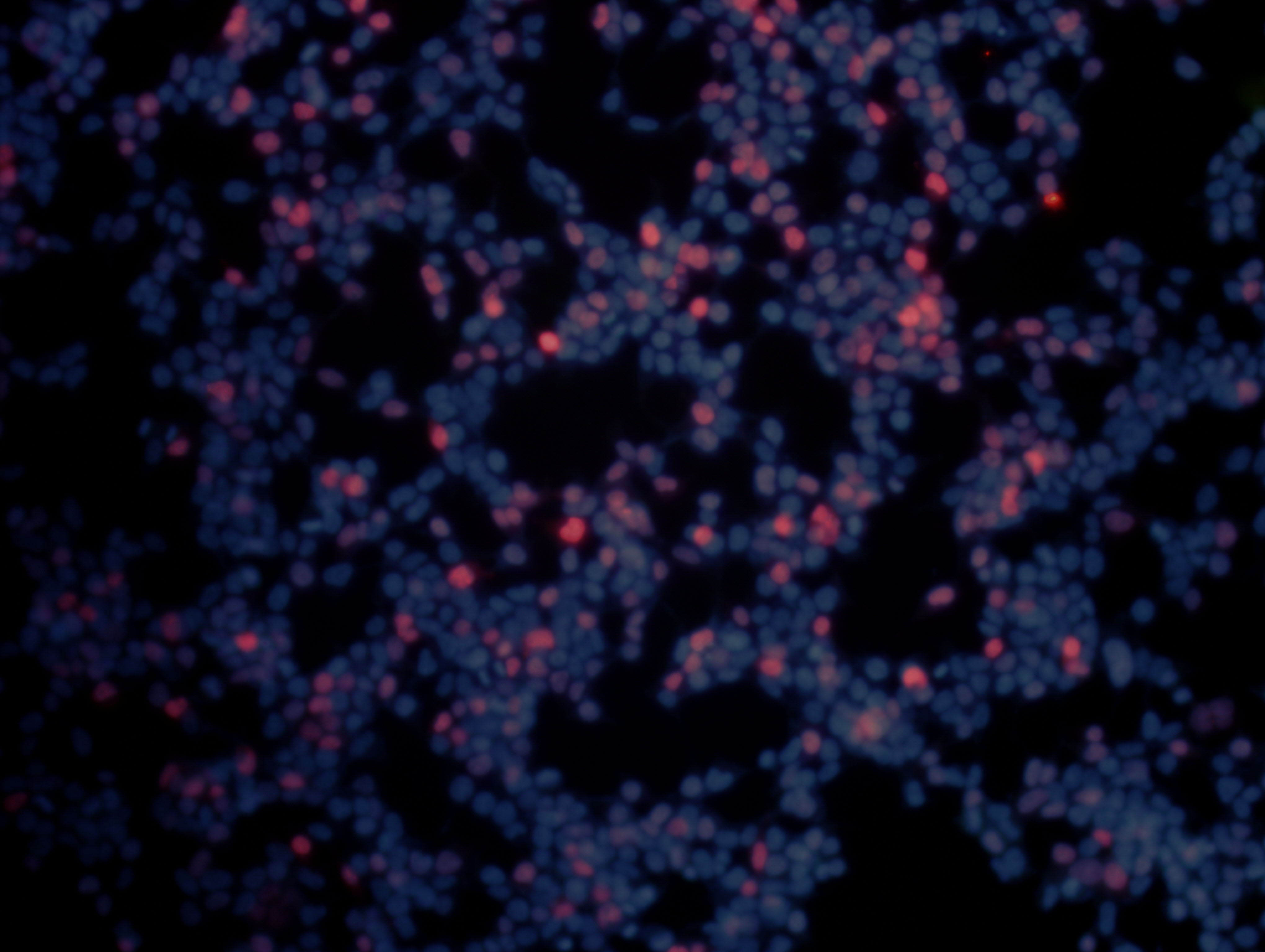
XIAOBING (Verified Customer) (11-05-2019) | CDCA7 antibody was used to stain the 293T cells transfected with human CDCA7 plasmid. Overexpressed CDCA7 (Red) was localized in the nucleus (DAPI was used to label the nucleus).
 |
Guillaume (Verified Customer) (09-08-2019) | I used cells mutated for ZBTB24 which control CDCA7 expression to test the specificity of the antibody. In WB and IP, the signal seem to be lower than the expected size in kDa. This CDCA7 antibody is not very efficient in ChIP
|

