
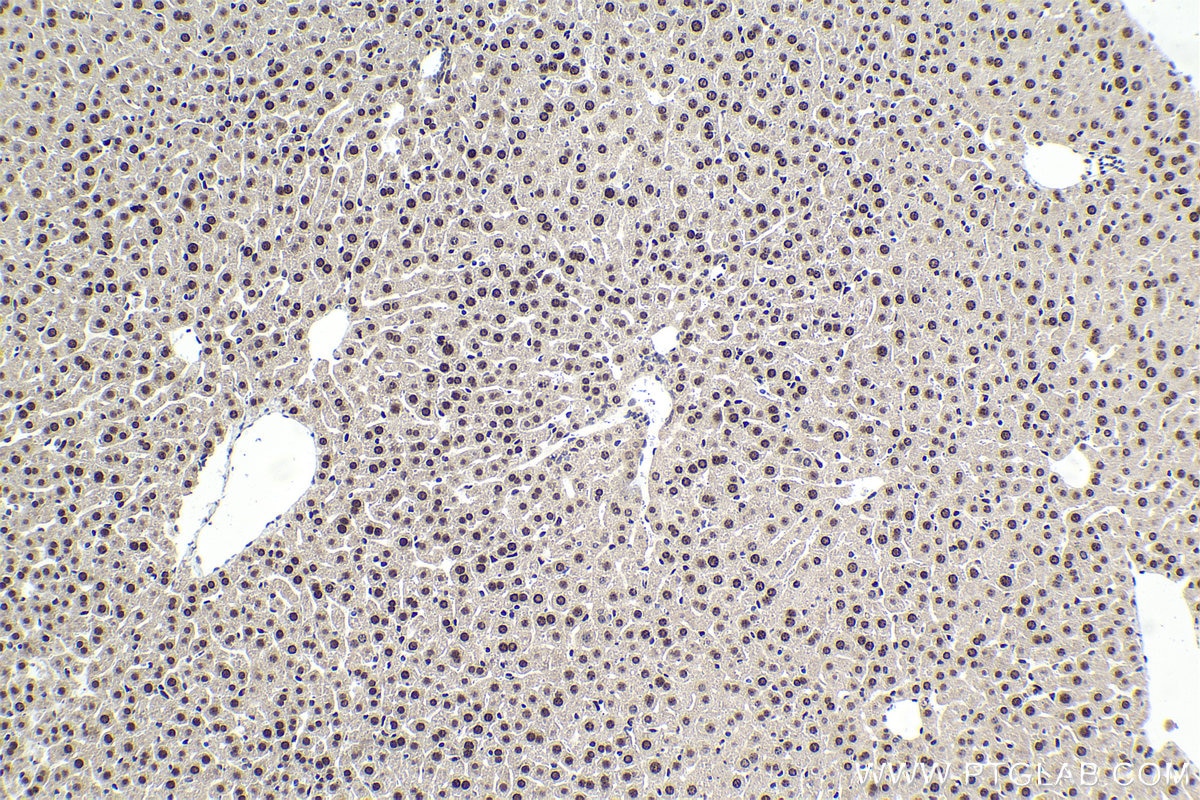
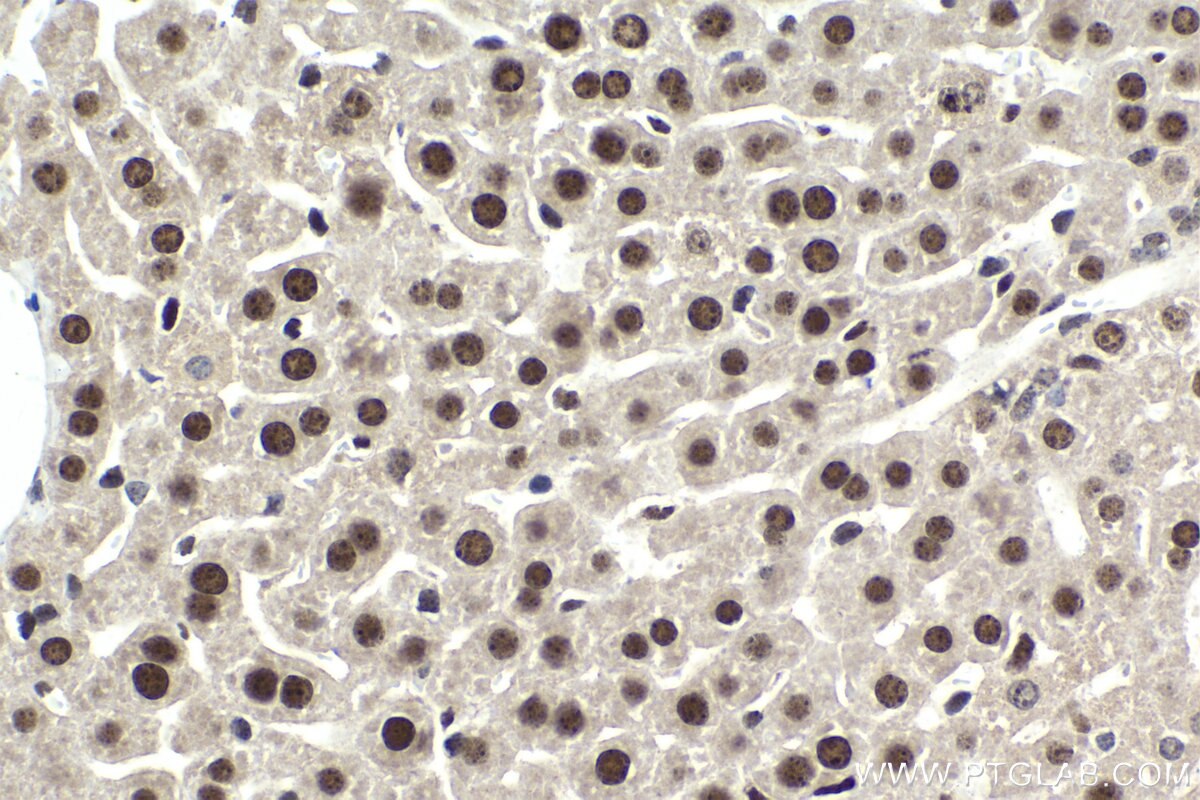
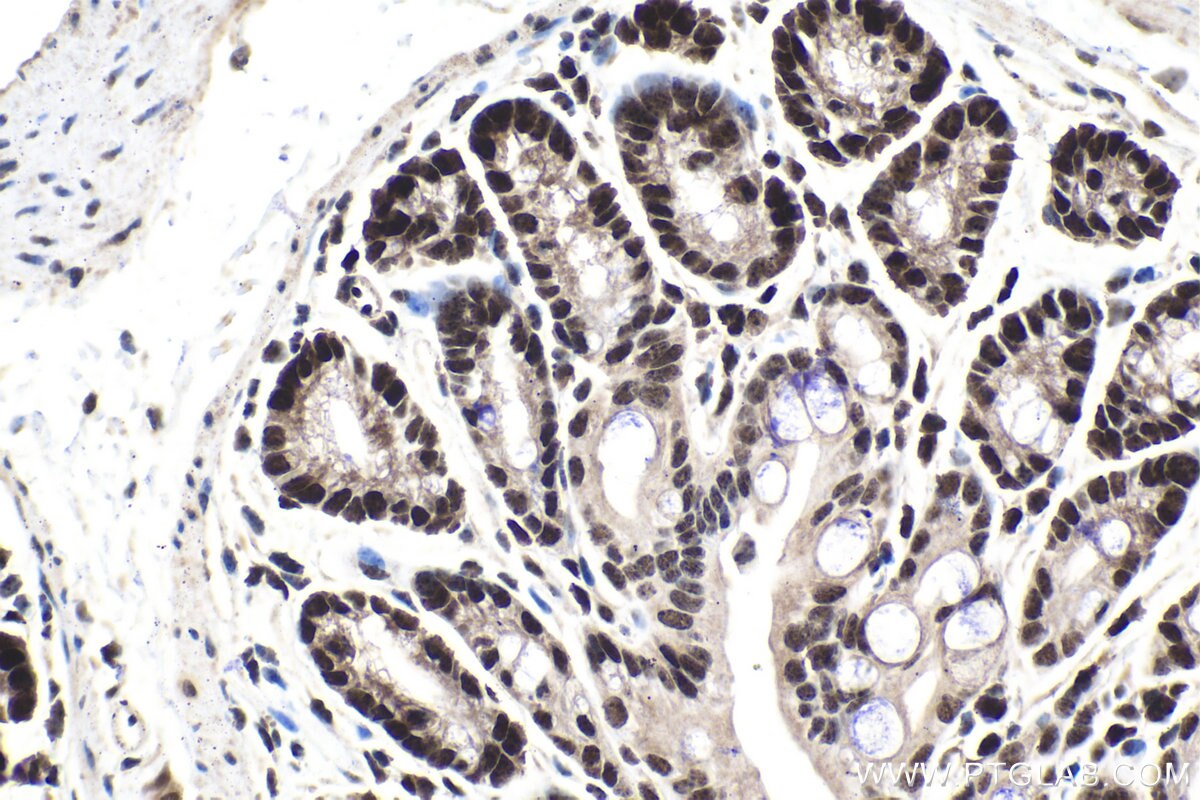
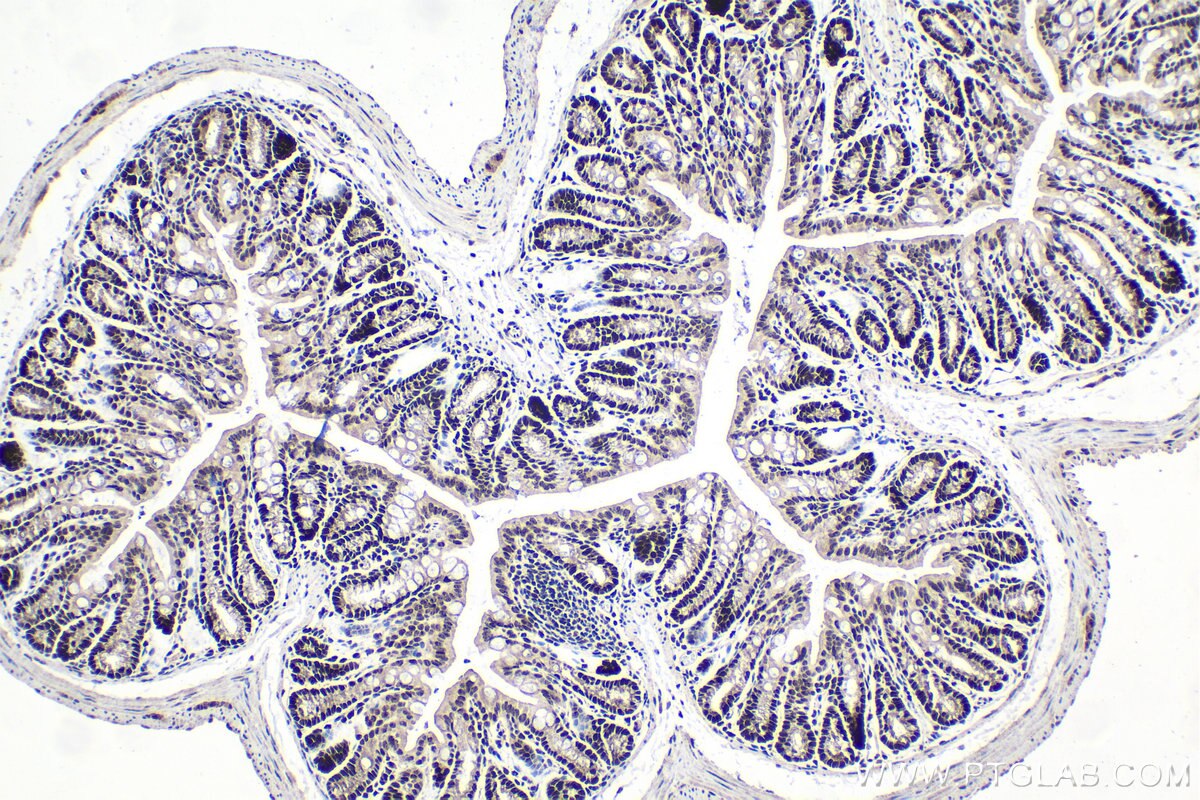
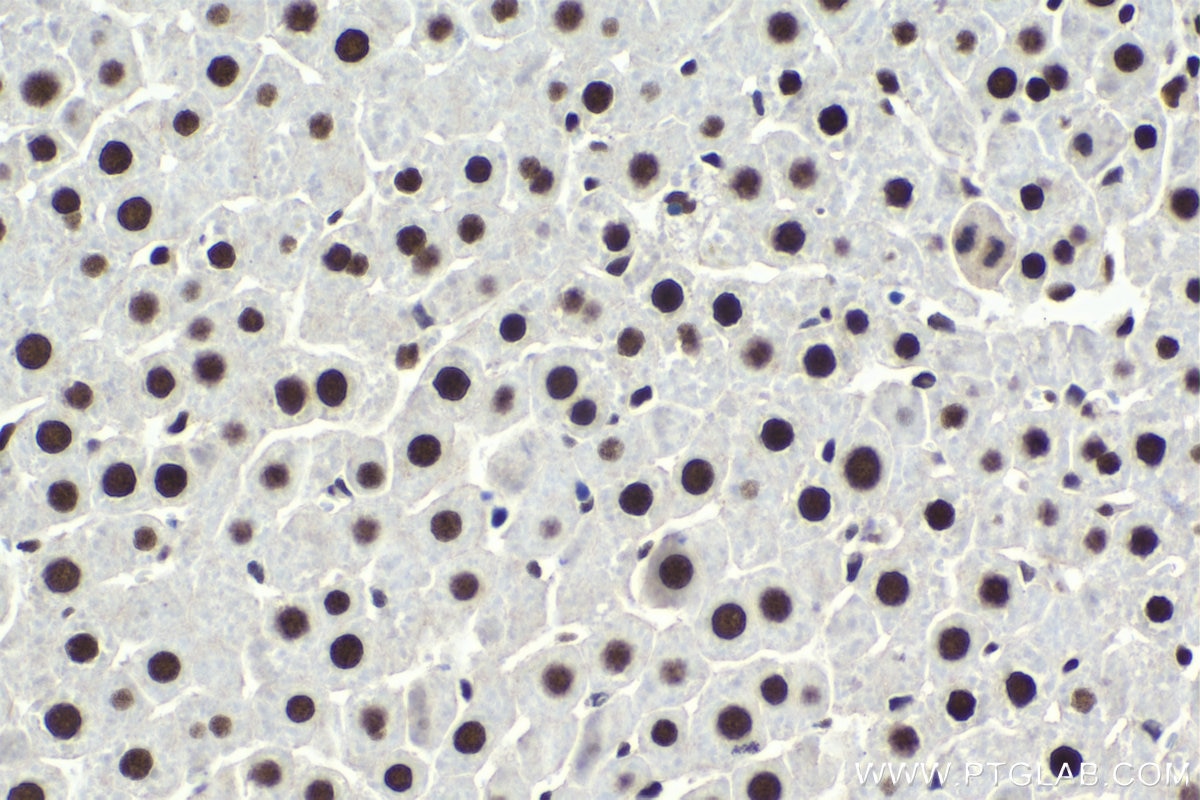
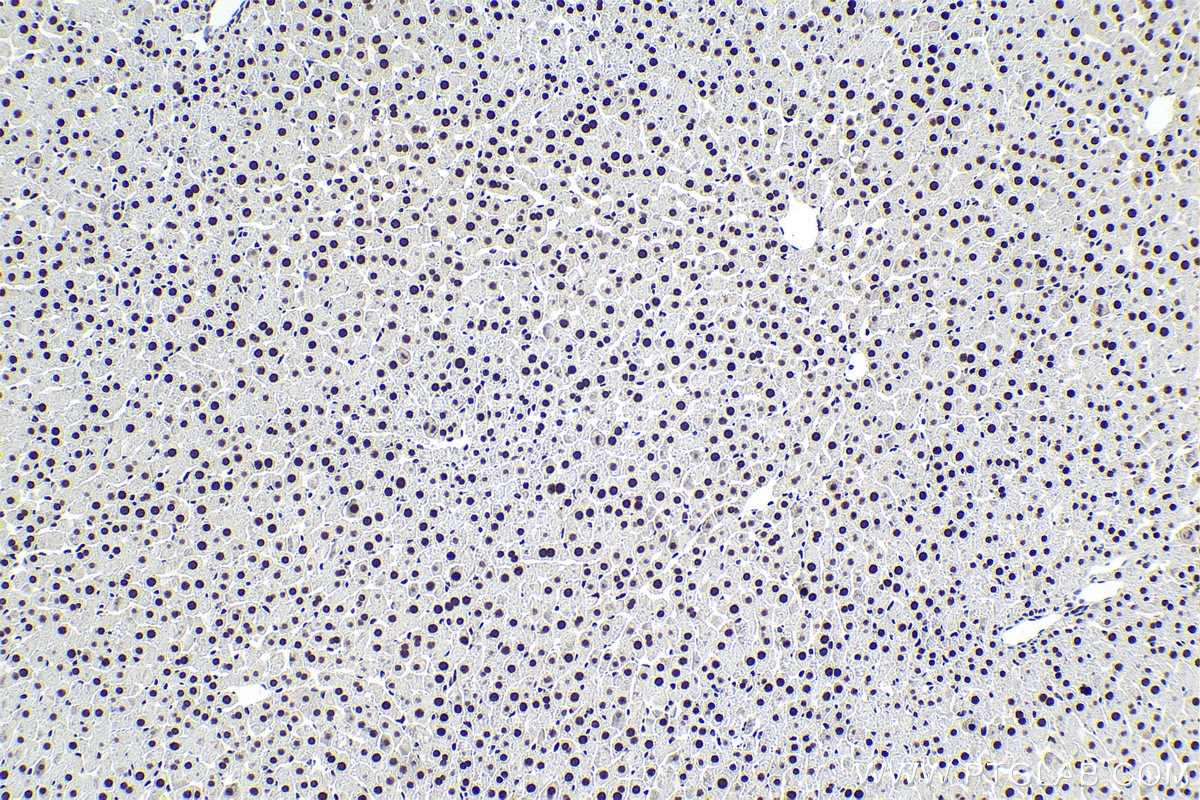
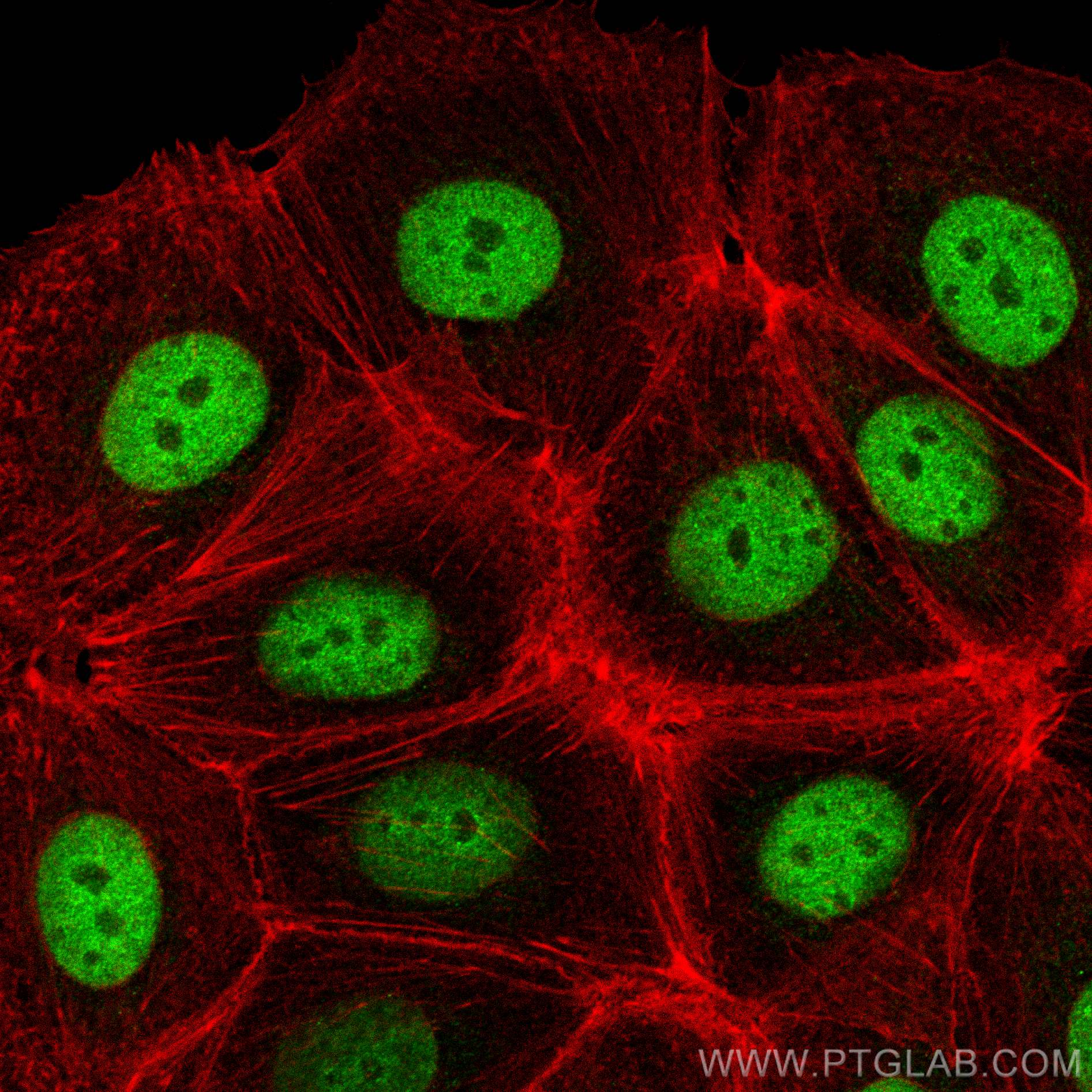

Tested Applications
| Positive IHC detected in | mouse liver tissue, mouse colon tissue, rat liver tissue Note: suggested antigen retrieval with TE buffer pH 9.0; (*) Alternatively, antigen retrieval may be performed with citrate buffer pH 6.0 |
| Positive IF/ICC detected in | MCF-7 cells |
Recommended dilution
| Application | Dilution |
|---|---|
| Immunohistochemistry (IHC) | IHC : 1:250-1:1000 |
| Immunofluorescence (IF)/ICC | IF/ICC : 1:1000-1:4000 |
| It is recommended that this reagent should be titrated in each testing system to obtain optimal results. | |
| Sample-dependent, Check data in validation data gallery. | |
Product Information
12997-1-AP targets CEBPG in WB, IHC, IF/ICC, ChIP, ELISA applications and shows reactivity with human, mouse, rat samples.
| Tested Reactivity | human, mouse, rat |
| Cited Reactivity | human, mouse, rat |
| Host / Isotype | Rabbit / IgG |
| Class | Polyclonal |
| Type | Antibody |
| Immunogen |
CatNo: Ag3663 Product name: Recombinant human CEBPG protein Source: e coli.-derived, PGEX-4T Tag: GST Domain: 1-150 aa of BC013128 Sequence: MSKISQQNSTPGVNGISVIHTQAHASGLQQVPQLVPAGPGGGGKAVAPSKQSKKSSPMDRNSDEYRQRRERNNMAVKKSRLKSKQKAQDTLQRVNQLKEENERLEAKIKLLTKELSVLKDLFLEHAHNLADNVQSISTENTTADGDNAGQ Predict reactive species |
| Full Name | CCAAT/enhancer binding protein (C/EBP), gamma |
| Calculated Molecular Weight | 150 aa, 16 kDa |
| Observed Molecular Weight | 16-18 kDa |
| GenBank Accession Number | BC013128 |
| Gene Symbol | CEBPG |
| Gene ID (NCBI) | 1054 |
| RRID | AB_2877902 |
| Conjugate | Unconjugated |
| Form | Liquid |
| Purification Method | Antigen affinity purification |
| UNIPROT ID | P53567 |
| Storage Buffer | PBS with 0.02% sodium azide and 50% glycerol, pH 7.3. |
| Storage Conditions | Store at -20°C. Stable for one year after shipment. Aliquoting is unnecessary for -20oC storage. 20ul sizes contain 0.1% BSA. |
Protocols
| Product Specific Protocols | |
|---|---|
| IF protocol for CEBPG antibody 12997-1-AP | Download protocol |
| IHC protocol for CEBPG antibody 12997-1-AP | Download protocol |
| Standard Protocols | |
|---|---|
| Click here to view our Standard Protocols |
Publications
What published studies show
The CEBPG Polyclonal antibody (Cat# 12997-1-AP) has 10 citations published in journals including Autophagy, Neuron, International Journal of Biological Sciences, Materials Today Bio, Journal of Orthopaedic Translation, Journal of Translational Medicine, Cell Biosciences, Cell Signaling, American Journal of Cancer Research, and Cancer Informatics. Research fields span autophagy, neurodegeneration, ferroptosis, bone formation, and multiple cancer types (endometrial, ovarian, glioblastoma, colorectal, esophageal), with applications in WB, IHC, IF, and ChIP.
| Species | Application | Title |
|---|---|---|
Autophagy RETREG1-mediated reticulophagy is activated by an ATF4-CEBPG/C/EBPγ heterodimer and confers protection against lipotoxicity | ||
Neuron Core transcription programs controlling injury-induced neurodegeneration of retinal ganglion cells.
| ||
Int J Biol Sci Novel LncRNA LINC02936 Suppresses Ferroptosis and Promotes Tumor Progression by Interacting with SIX1/CP Axis in Endometrial Cancer | ||
Mater Today Bio Hesperetin-black phosphorus nanosheets targeting TAMs induce ferroptosis and reverse protumoral polarization to remodel the immune microenvironment. | ||
J Orthop Translat l-arginine promotes angio-osteogenesis to enhance oxidative stress-inhibited bone formation by ameliorating mitophagy. | ||
J Transl Med CEBPG suppresses ferroptosis through transcriptional control of SLC7A11 in ovarian cancer |

