

Tested Applications
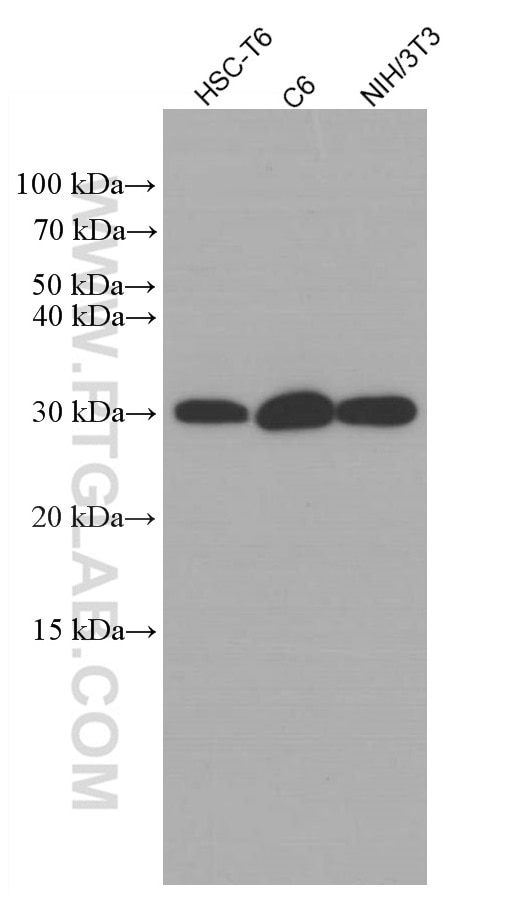
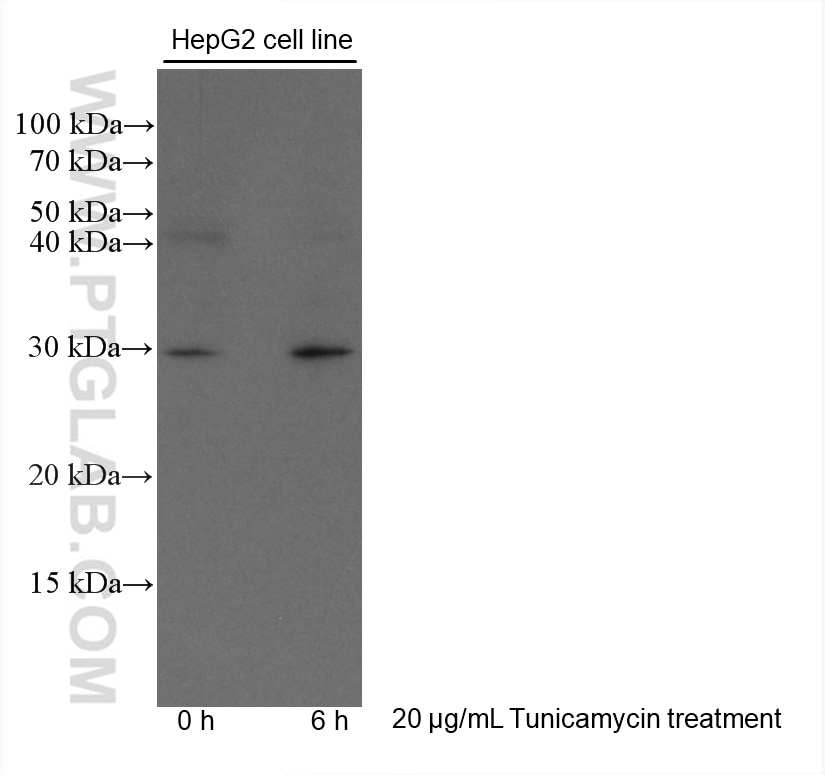
| Positive WB detected in | HSC-T6 cells, HepG2 cells, C6 cells, NIH/3T3 cells, Tunicamycin treated HepG2 cells |
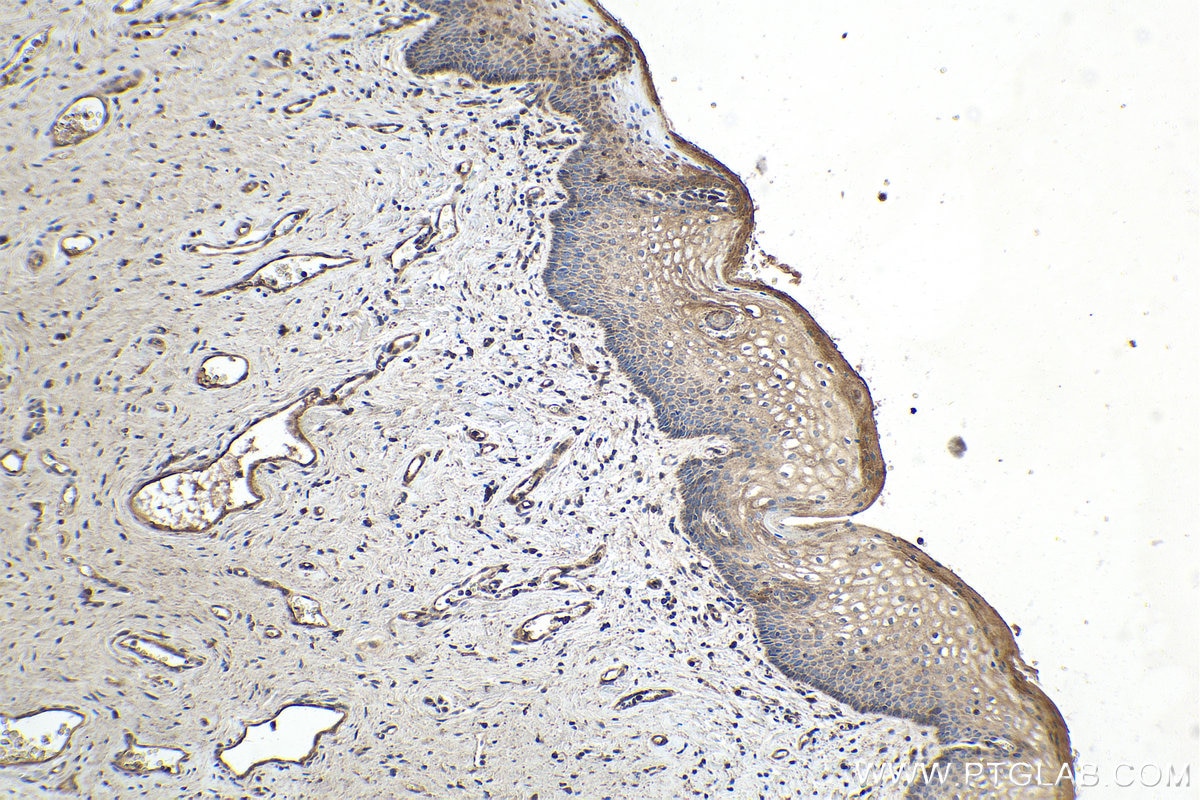
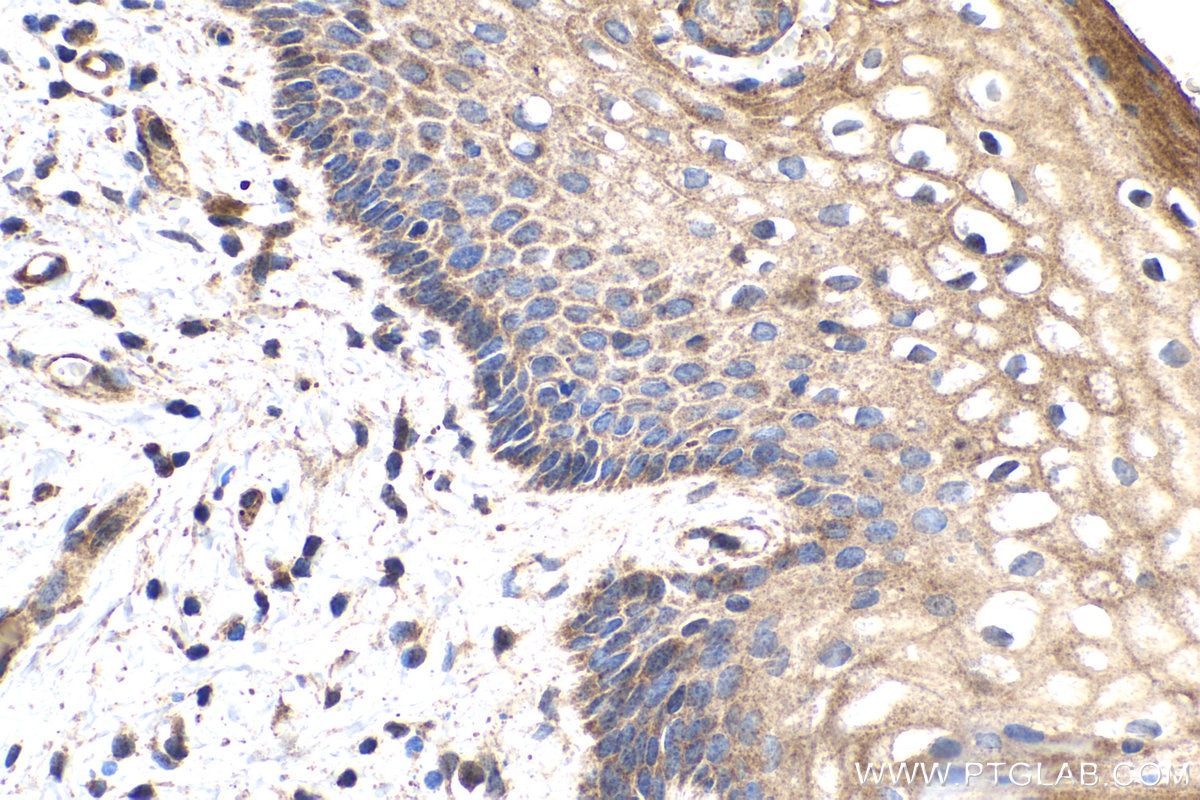
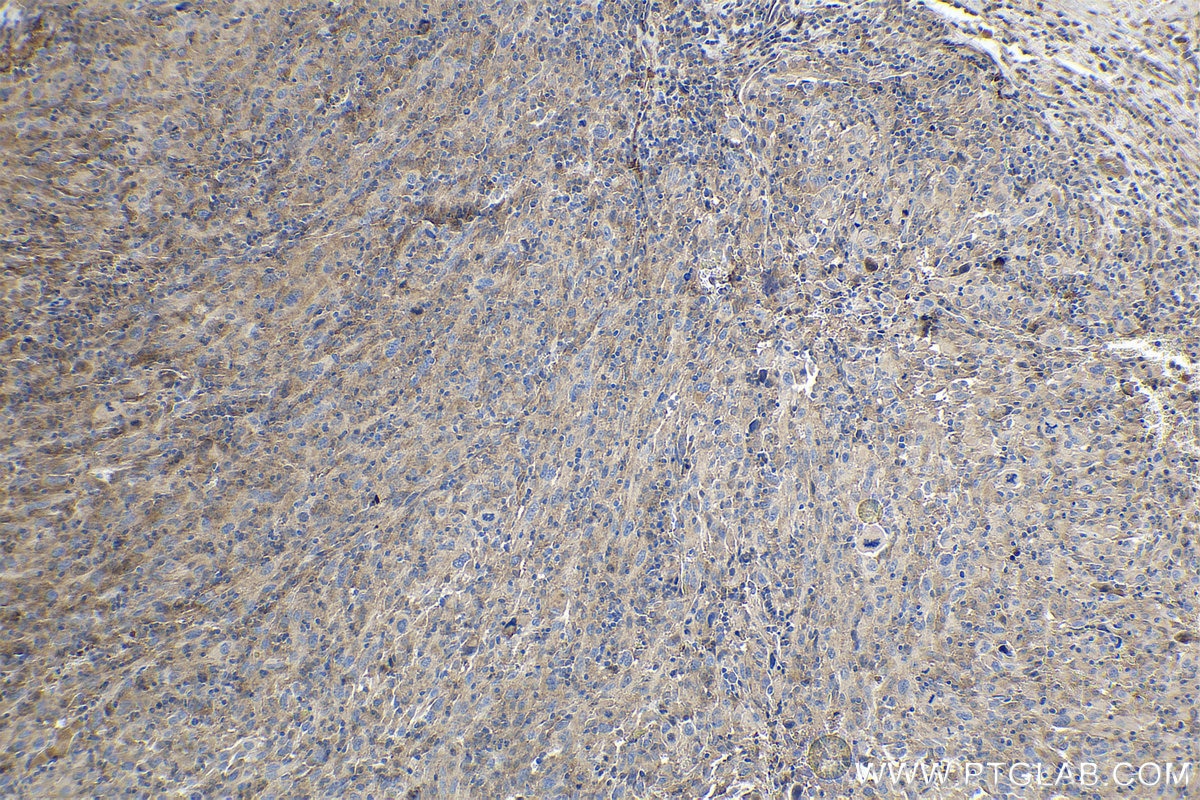
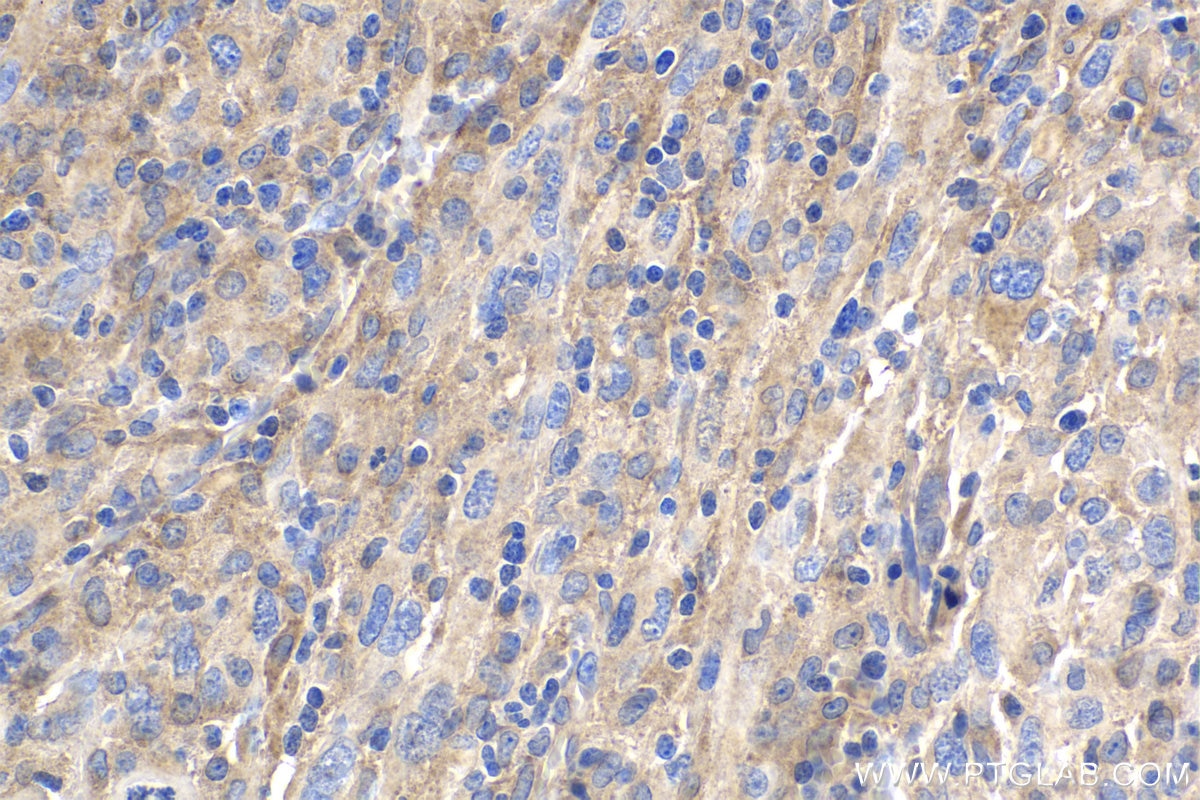
| Positive IHC detected in | human cervical cancer tissue, human skin cancer tissue Note: suggested antigen retrieval with TE buffer pH 9.0; (*) Alternatively, antigen retrieval may be performed with citrate buffer pH 6.0 |
Recommended dilution
| Application | Dilution |
|---|---|
| Western Blot (WB) | WB : 1:1000-1:6000 |
| Immunohistochemistry (IHC) | IHC : 1:250-1:1000 |
| It is recommended that this reagent should be titrated in each testing system to obtain optimal results. | |
| Sample-dependent, Check data in validation data gallery. | |
Product Information
66741-1-Ig targets CHOP/GADD153 in WB, IHC, IF, ELISA applications and shows reactivity with human, mouse, rat samples.
| Tested Reactivity | human, mouse, rat |
| Cited Reactivity | human, mouse, rat, pig, rabbit, shrew |
| Host / Isotype | Mouse / IgG2a |
| Class | Monoclonal |
| Type | Antibody |
| Immunogen |
CatNo: Ag7354 Product name: Recombinant human CHOP; GADD153 protein Source: e coli.-derived, PGEX-4T Tag: GST Domain: 1-169 aa of BC003637 Sequence: MAAESLPFSFGTLSSWELEAWYEDLQEVLSSDENGGTYVSPPGNEEEESKIFTTLDPASLAWLTEEEPEPAEVTSTSQSPHSPDSSQSSLAQEEEEEDQGRTRKRKQSGHSPARAGKQRMKEKEQENERKVAQLAEENERLKQEIERLTREVEATRRALIDRMVNLHQA Predict reactive species |
| Full Name | DNA-damage-inducible transcript 3 |
| Calculated Molecular Weight | 19 kDa |
| Observed Molecular Weight | 30 kDa |
| GenBank Accession Number | BC003637 |
| Gene Symbol | CHOP |
| Gene ID (NCBI) | 1649 |
| RRID | AB_2882089 |
| Conjugate | Unconjugated |
| Form | Liquid |
| Purification Method | Protein A purification |
| UNIPROT ID | P35638 |
| Storage Buffer | PBS with 0.02% sodium azide and 50% glycerol, pH 7.3. |
| Storage Conditions | Store at -20°C. Stable for one year after shipment. Aliquoting is unnecessary for -20oC storage. 20ul sizes contain 0.1% BSA. |
Background Information
CHOP, also known as GADD153 or DDIT3, is a highly conserved gene in both the structural and regulatory regions. Imposed by unfolded and misfolded proteins, CHOP is significantly induced by ER stress. CHOP is considered a proapoptotic marker of ER stress dependent cell death. CHOP acts as a dominant-negative inhibitor of the transcription factor C/EBP and LAP. It may play an important role in the malignant transformation of nevus to melanoma. The calculated molecular weight of CHOP is 19 kDa, but the protein migrates on an SDS-PAGE gel with an observed molecular mass of 29 kDa (PMID: 1547942).
Protocols
| Product Specific Protocols | |
|---|---|
| IHC protocol for CHOP/GADD153 antibody 66741-1-Ig | Download protocol |
| WB protocol for CHOP/GADD153 antibody 66741-1-Ig | Download protocol |
| Standard Protocols | |
|---|---|
| Click here to view our Standard Protocols |
Publications
What published studies show
The CHOP/GADD153 monoclonal antibody (66741-1-Ig) has 81 citations. Published across diverse journals including Nature Communications, Redox Biology, the EMBO Journal, Cell Reports, Oncogene, Journal of Biological Chemistry, Food Chemistry, and many specialized titles (Cardiovascular, Pharmacology, Toxicology, Nutrition, and Clinical Medicine). Research fields span endoplasmic reticulum (ER) stress, apoptosis, cancer (colorectal, prostate, hepatocellular, glioblastoma), neurodegeneration, metabolic and cardiovascular disease, liver and renal injury, immunology/inflammation, and food/chemical toxicology. Applications cited include Western blot, immunofluorescence, immunocytochemistry, and immunoprecipitation across human, mouse, rat, pig, and other species.
| Species | Application | Title |
|---|---|---|
Nat Commun Moderate-intensity interval exercise exacerbates cardiac lipotoxicity in high-fat, high-calories diet-fed mice | ||
Redox Biol A catalase inhibitor: Targeting the NADPH-binding site for castration-resistant prostate cancer therapy | ||
Redox Biol Mecheliolide elicits ROS-mediated ERS driven immunogenic cell death in hepatocellular carcinoma. | ||
J Nanobiotechnology Sono-triggered endoplasmic reticulum-targeted ROS burst silencing CD300ld to alleviate polymorphonuclear myeloid-derived suppressor cells for breast cancer treatment. | ||
Cell Death Dis BAP31 represses endoplasmic reticulum stress-mediated apoptosis and alleviates neurodegeneration in Parkinson's disease | ||
Int J Biol Sci Interaction Between the PERK/ATF4 Branch of the Endoplasmic Reticulum Stress and Mitochondrial One-Carbon Metabolism Regulates Neuronal Survival After Intracerebral Hemorrhage |
Reviews
What customers say
Able is busy answering your previous question. Please try again later.
The reviews below have been submitted by verified Proteintech customers who received an incentive for providing their feedback.
Kamal (Verified Customer) (11-05-2026) |
|

