

Tested Applications
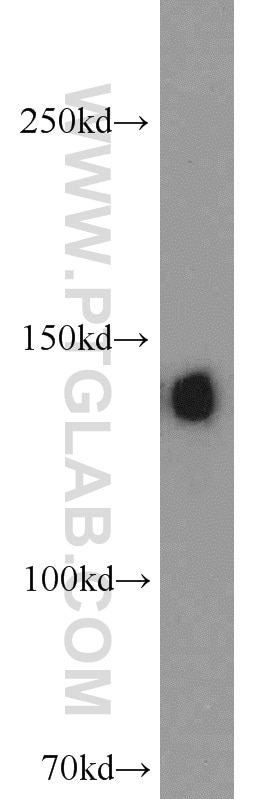
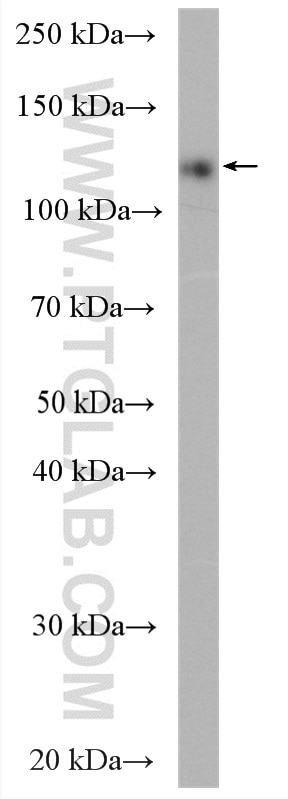
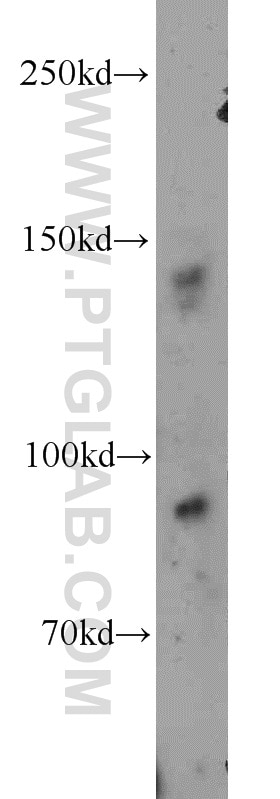
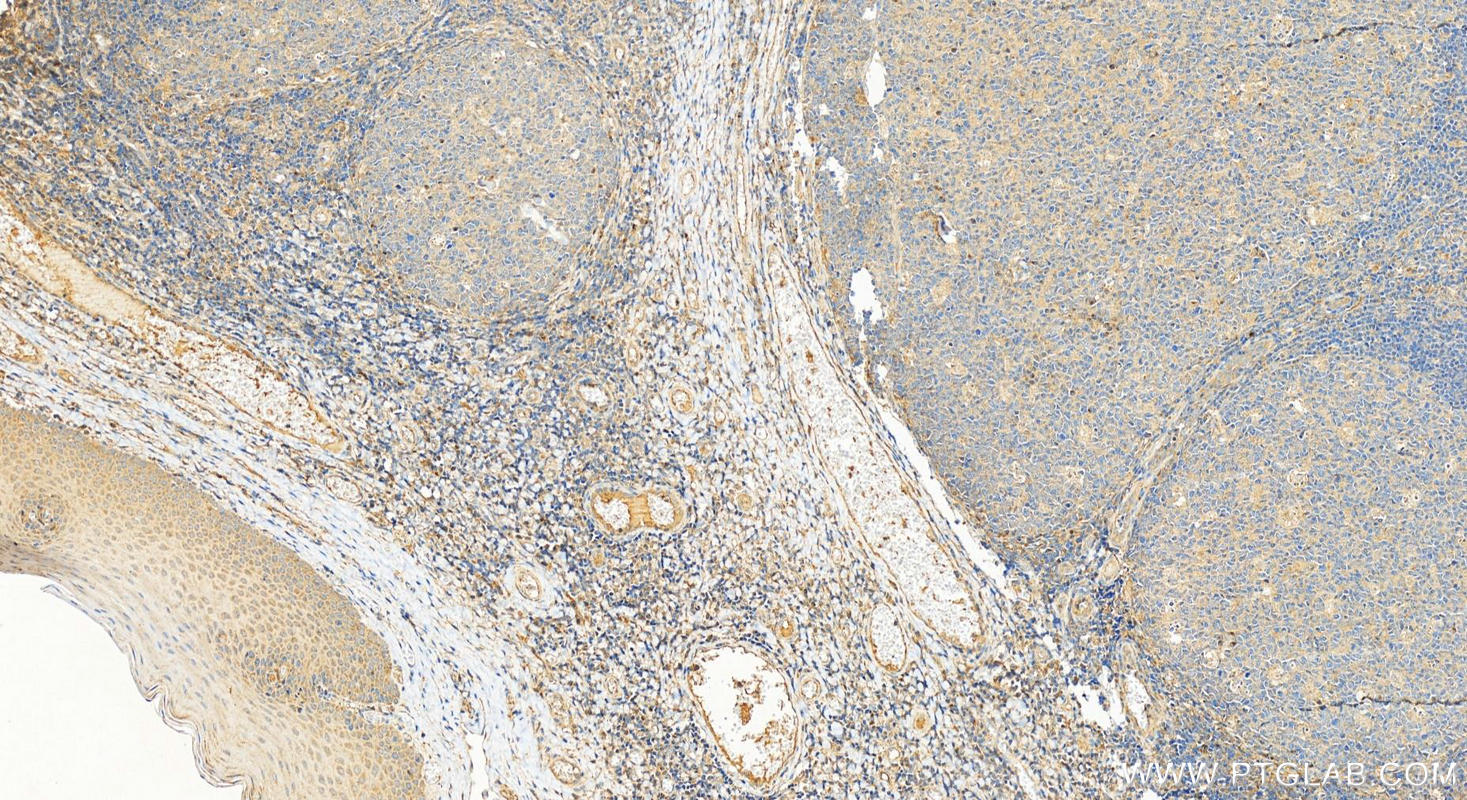
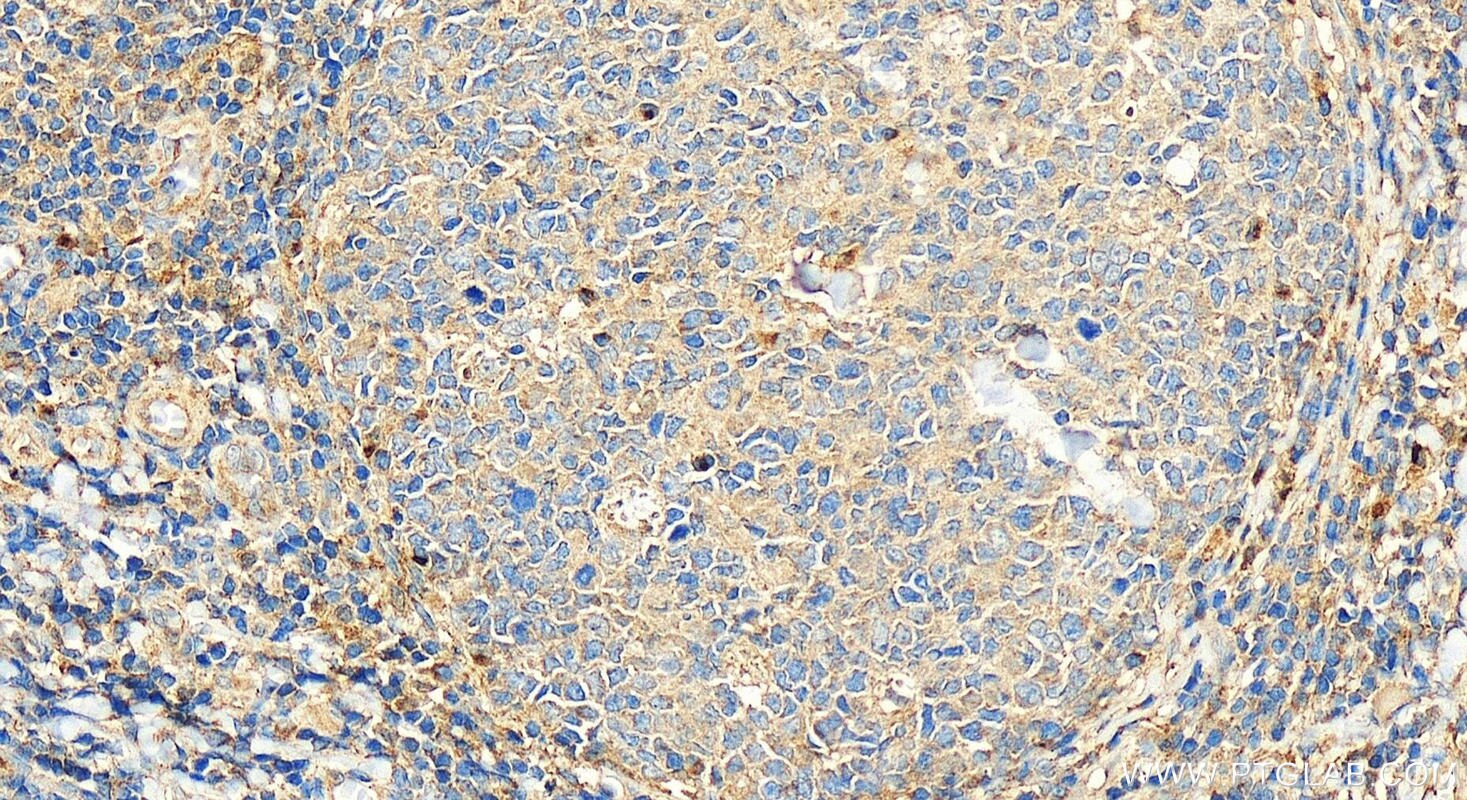
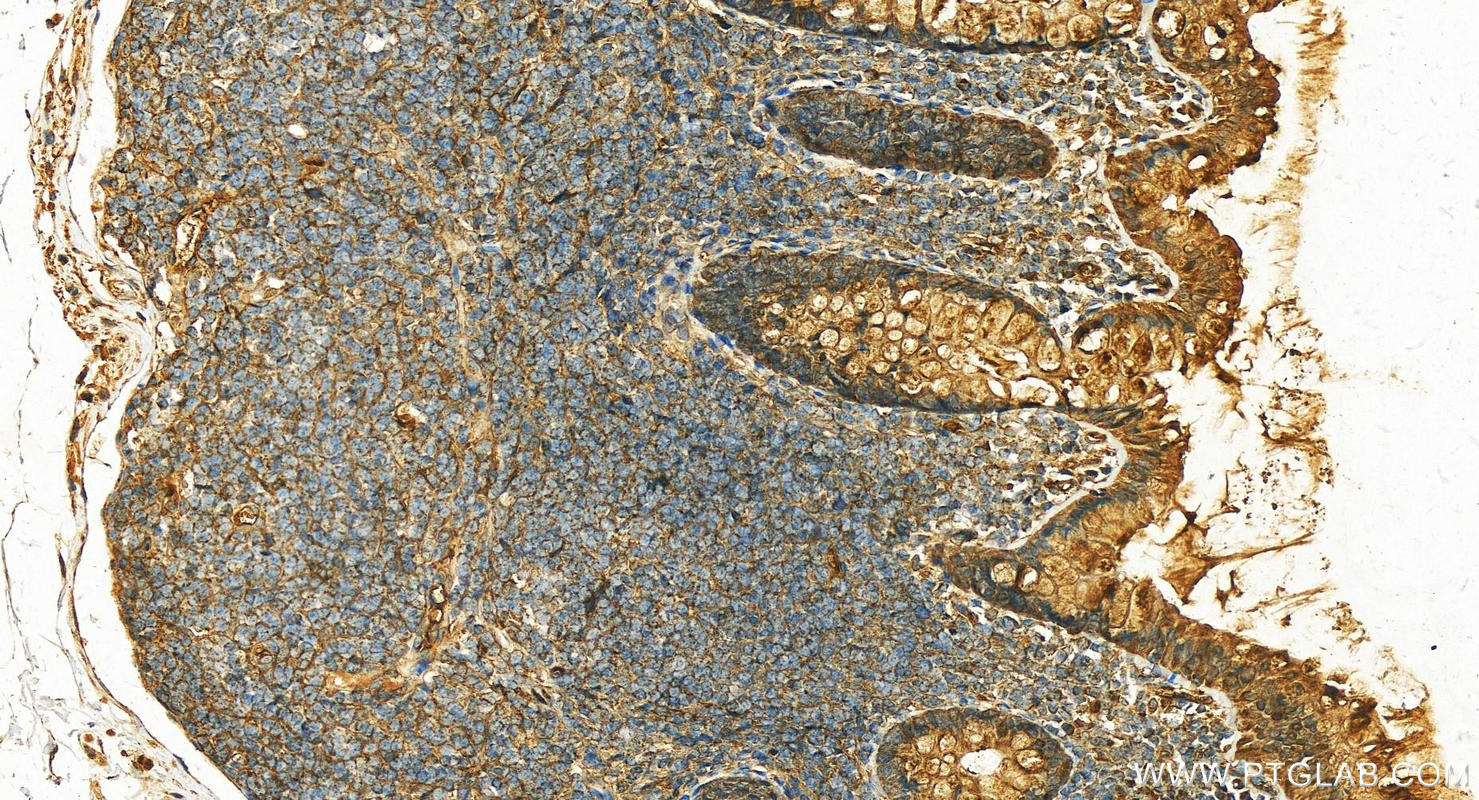
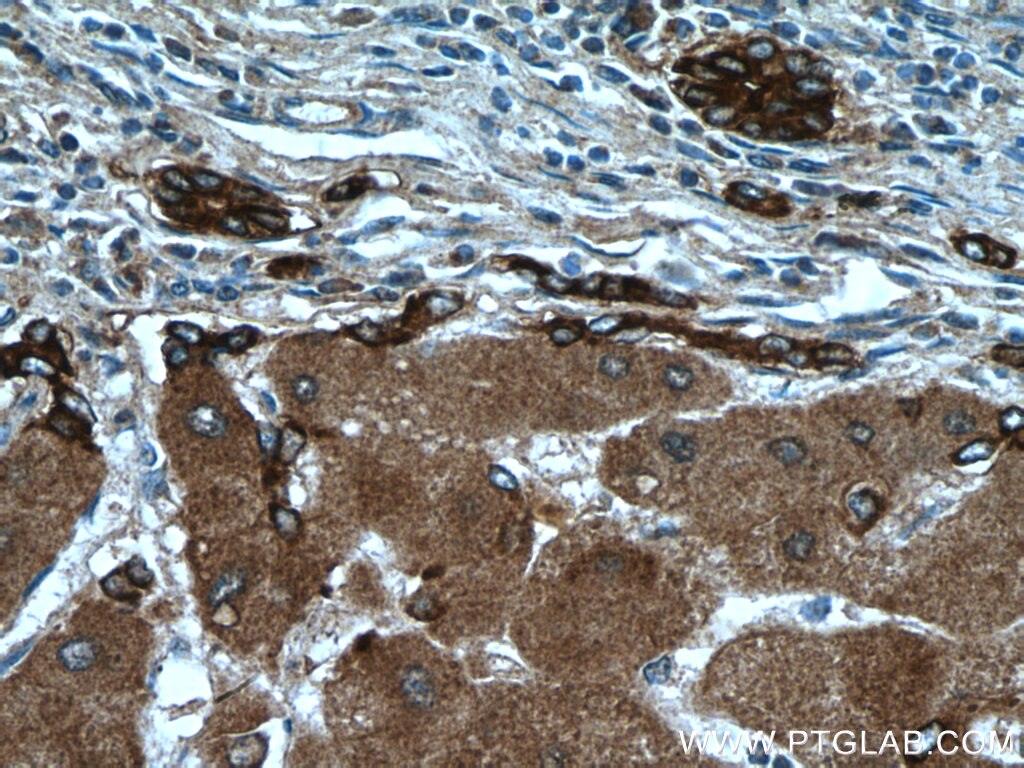
| Positive WB detected in | human blood tissue, mouse brain tissue, human plasma tissue |
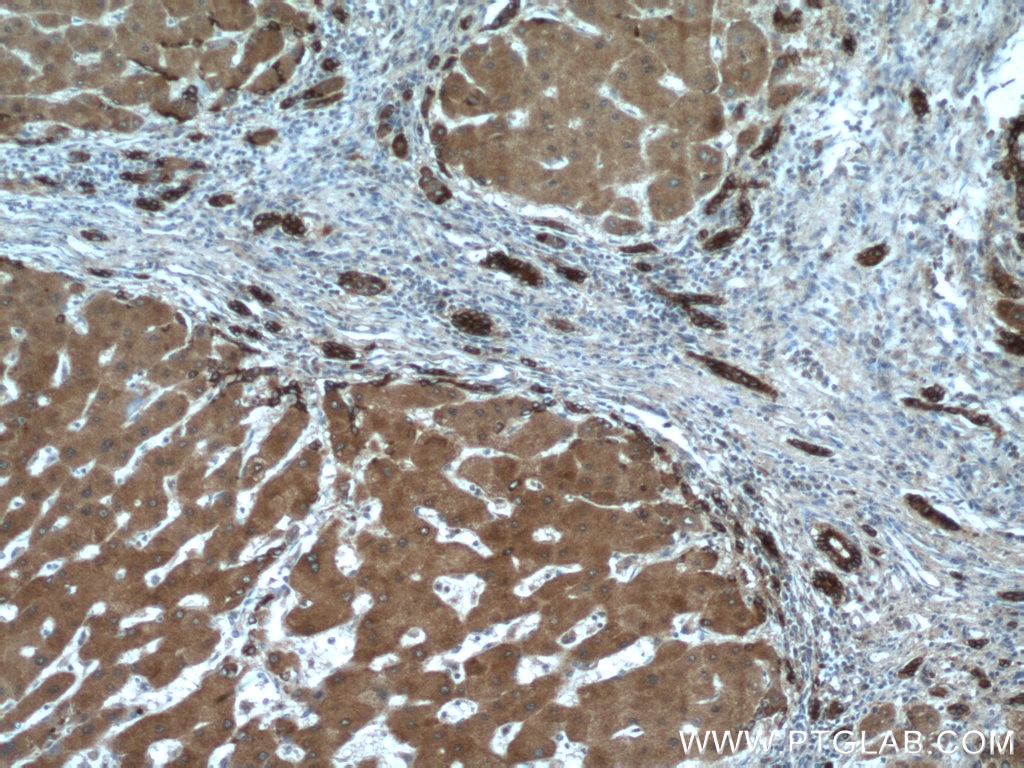
| Positive IHC detected in | human tonsillitis tissue, human colon tissue, human hepatocirrhosis tissue Note: suggested antigen retrieval with TE buffer pH 9.0; (*) Alternatively, antigen retrieval may be performed with citrate buffer pH 6.0 |
Recommended dilution
| Application | Dilution |
|---|---|
| Western Blot (WB) | WB : 1:500-1:2000 |
| Immunohistochemistry (IHC) | IHC : 1:400-1:1600 |
| It is recommended that this reagent should be titrated in each testing system to obtain optimal results. | |
| Sample-dependent, Check data in validation data gallery. | |
Product Information
21131-1-AP targets Ceruloplasmin in WB, IHC, IF, ELISA applications and shows reactivity with human, mouse samples.
| Tested Reactivity | human, mouse |
| Cited Reactivity | human, mouse, chicken |
| Host / Isotype | Rabbit / IgG |
| Class | Polyclonal |
| Type | Antibody |
| Immunogen |
CatNo: Ag15535 Product name: Recombinant human CP protein Source: e coli.-derived, PGEX-4T Tag: GST Domain: 194-446 aa of BC146663 Sequence: IGPLIICKKDSLDKEKEKHIDREFVVMFSVVDENFSWYLEDNIKTYCSEPEKVDKDNEDFQESNRMYSVNGYTFGSLPGLSMCAEDRVKWYLFGMGNEVDVHAAFFHGQALTNKNYRIDTINLFPATLFDAYMVAQNPGEWMLSCQNLNHLKAGLQAFFQVQECNKSSSKDNIRGKHVRHYYIAAEEIIWNYAPSGIDIFTKENLTAPGSDSAVFFEQGTTRIGGSYKKLVYREYTDASFTNRKERGPEEEHL Predict reactive species |
| Full Name | ceruloplasmin (ferroxidase) |
| Calculated Molecular Weight | 1065 aa, 122 kDa |
| Observed Molecular Weight | 130-140 kDa, 85 kDa |
| GenBank Accession Number | BC146663 |
| Gene Symbol | Ceruloplasmin |
| Gene ID (NCBI) | 1356 |
| RRID | AB_2878815 |
| Conjugate | Unconjugated |
| Form | Liquid |
| Purification Method | Antigen affinity purification |
| UNIPROT ID | P00450 |
| Storage Buffer | PBS with 0.02% sodium azide and 50% glycerol, pH 7.3. |
| Storage Conditions | Store at -20°C. Stable for one year after shipment. Aliquoting is unnecessary for -20oC storage. 20ul sizes contain 0.1% BSA. |
Background Information
Ceruloplasmin (CP) is a serum glycoprotein synthesized by hepatocytes and functions as the major transport protein of copper in blood where it acts as ferrodoxidase and is required for iron transport of transferrin. The intact ceruloplasmin migrated around 130-140 kDa and some proteolytic cleaved fragments could also be observed.
Protocols
| Product Specific Protocols | |
|---|---|
| IHC protocol for Ceruloplasmin antibody 21131-1-AP | Download protocol |
| WB protocol for Ceruloplasmin antibody 21131-1-AP | Download protocol |
| Standard Protocols | |
|---|---|
| Click here to view our Standard Protocols |
Publications
What published studies show
The Ceruloplasmin Polyclonal antibody (Cat# 21131-1-AP) has 15 citations published in journals including Advanced Science, Cell Death & Disease, International Journal of Biological Sciences, Journal of Neuroinflammation, iScience, Cells, Carcinogenesis, and Toxicology. Research fields span copper/iron metabolism, ferroptosis, neurological diseases (Wilson's disease, epilepsy, cognitive impairment), and cancer (renal cell carcinoma, endometrial cancer, breast cancer, glioblastoma, gastric cancer, pancreatic cancer).
| Species | Application | Title |
|---|---|---|
Adv Sci (Weinh) ITM2B Truncation Promotes Migrasome Formation to Accelerate Renal Cell Carcinoma Growth | ||
Cell Death Dis The divergent effects of astrocyte ceruloplasmin on learning and memory function in young and old mice | ||
Int J Biol Sci Novel LncRNA LINC02936 Suppresses Ferroptosis and Promotes Tumor Progression by Interacting with SIX1/CP Axis in Endometrial Cancer
| ||
J Neuroinflammation Aberrant copper metabolism and hepatic inflammation cause neurological manifestations in a mouse model of Wilson's disease | ||
J Colloid Interface Sci Dual metabolic reprogramming by metal-polyphenol nanoplatform enhances ferroptotic therapy for triple-negative breast cancer. | ||
Pharmaceutics TDMQ20 as A Drug Candidate for Wilson's Disease: Comparison with D-Penicillamine, Trientine, and Tetrathiomolybdate In Vitro and In Mice |

