

Tested Applications
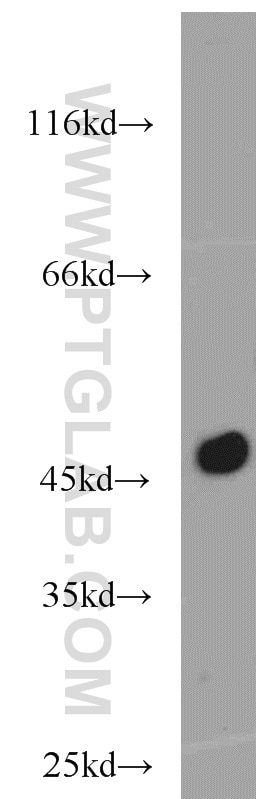
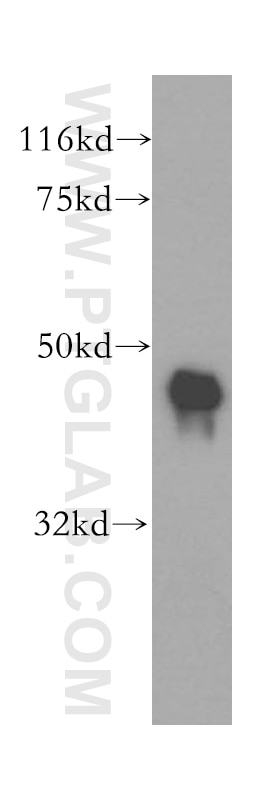
| Positive WB detected in | mouse pancreas tissue |
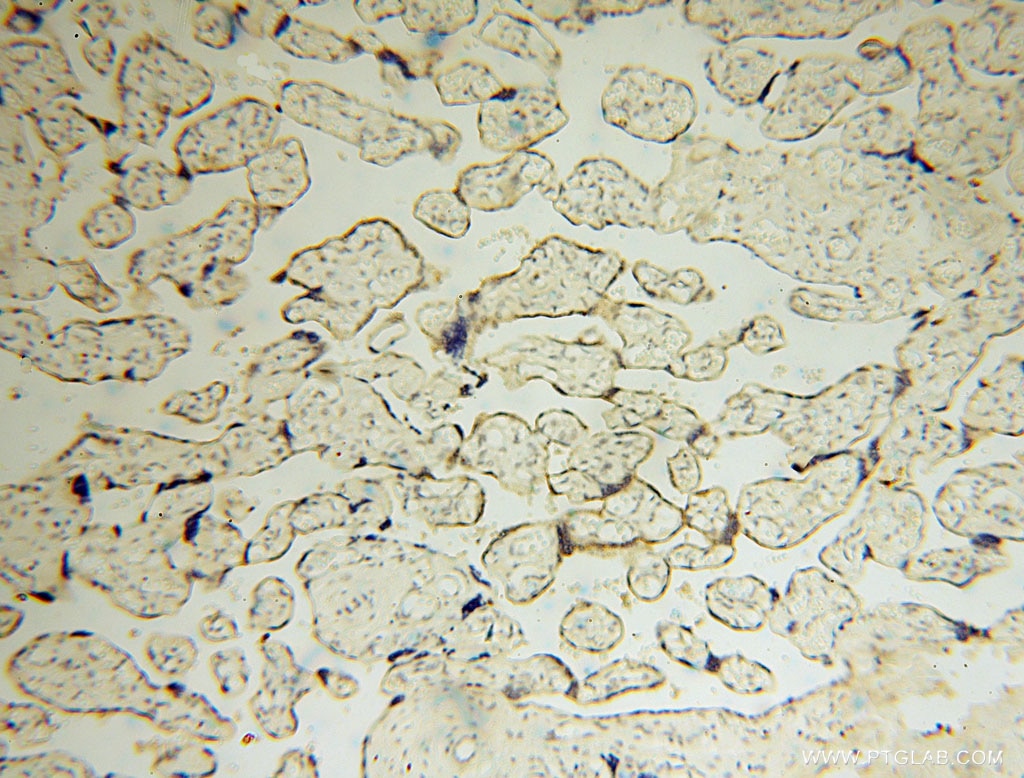
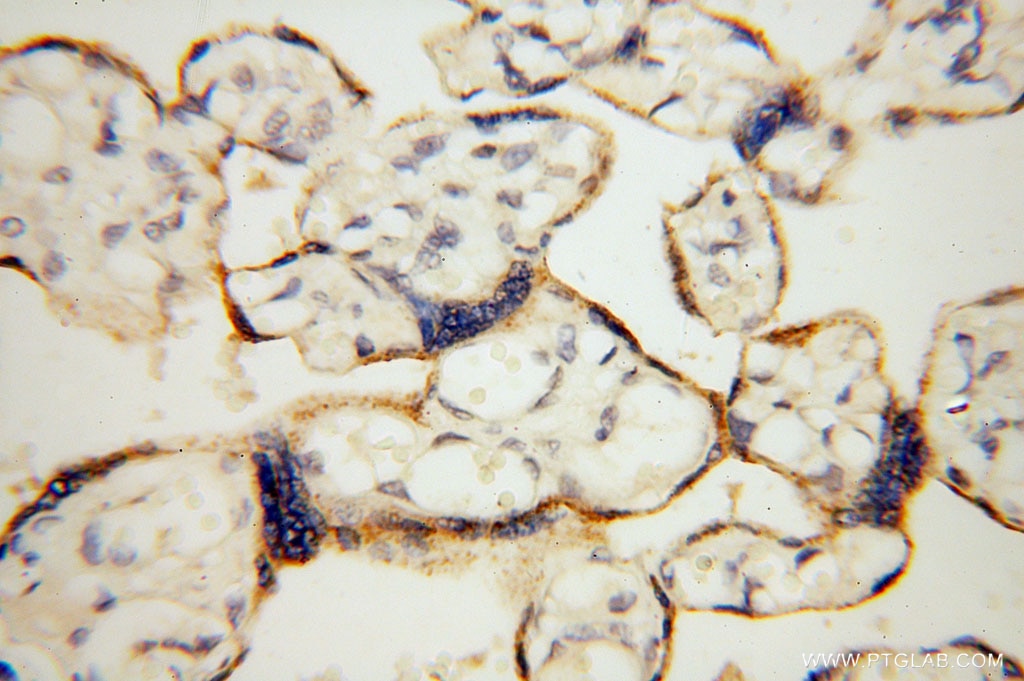
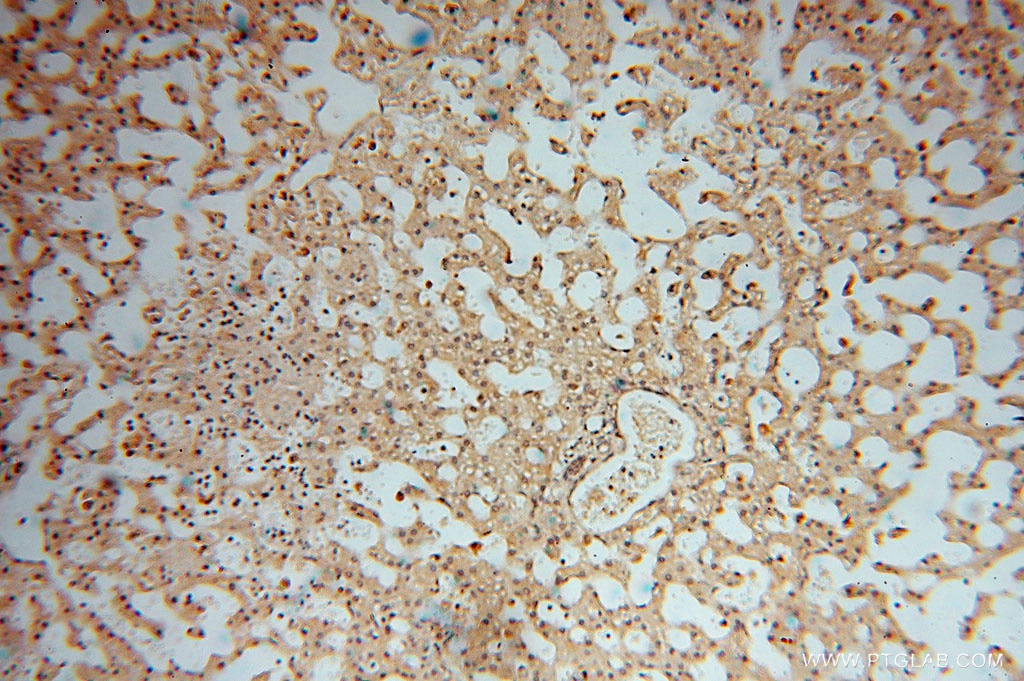
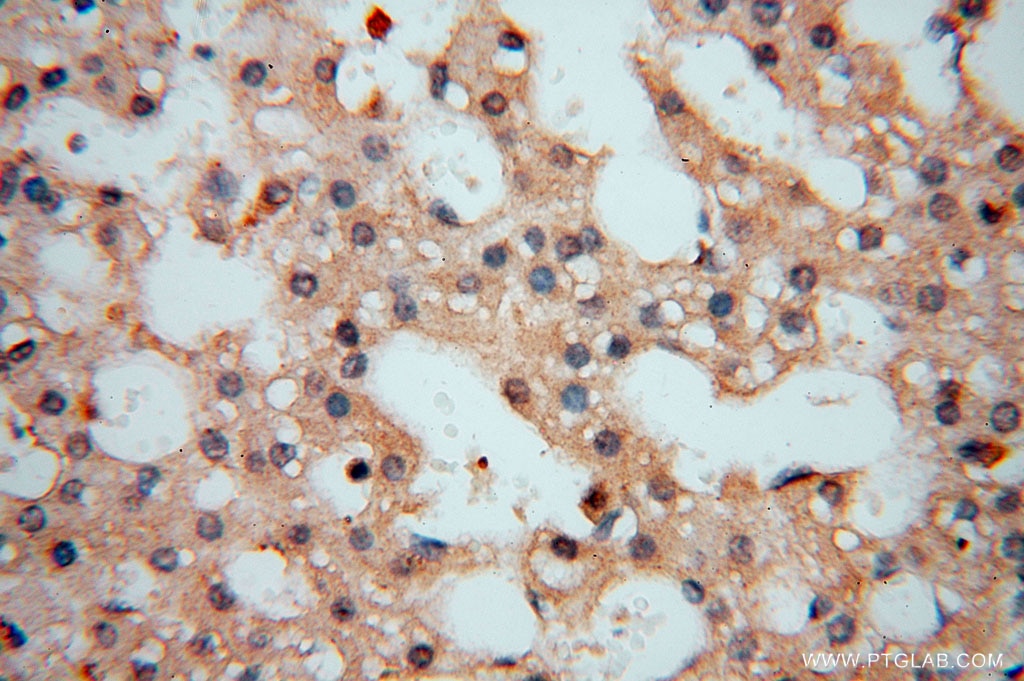
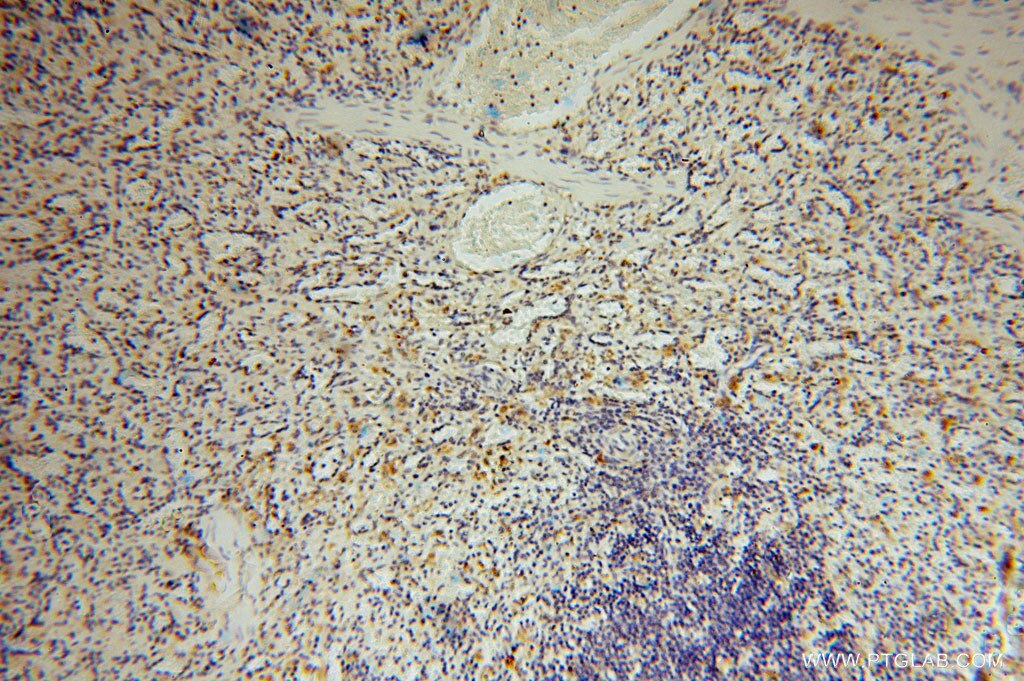
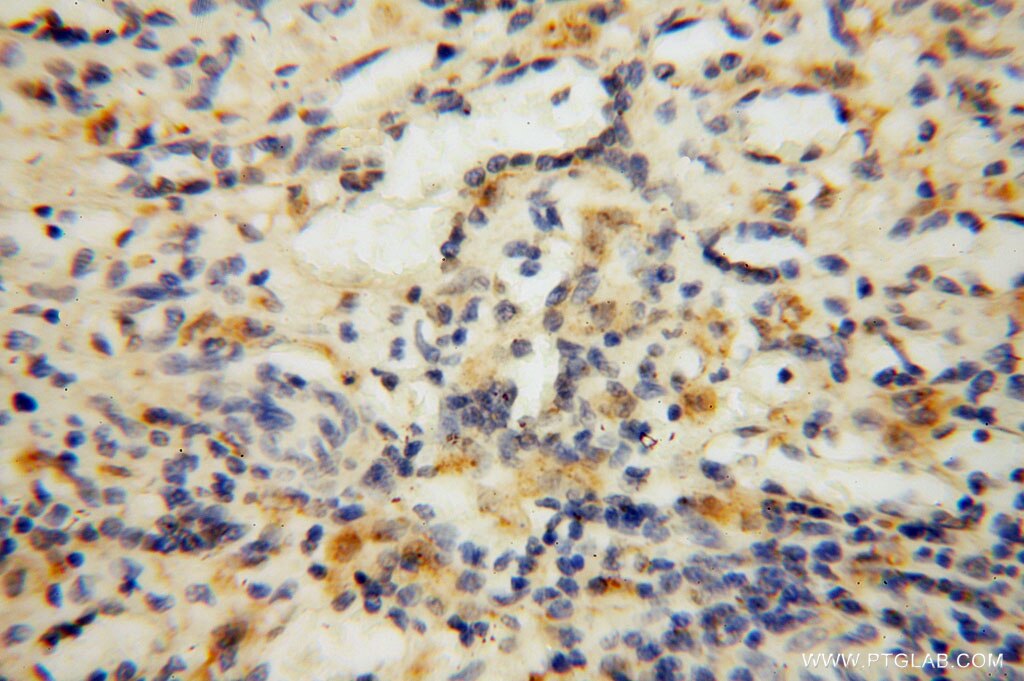
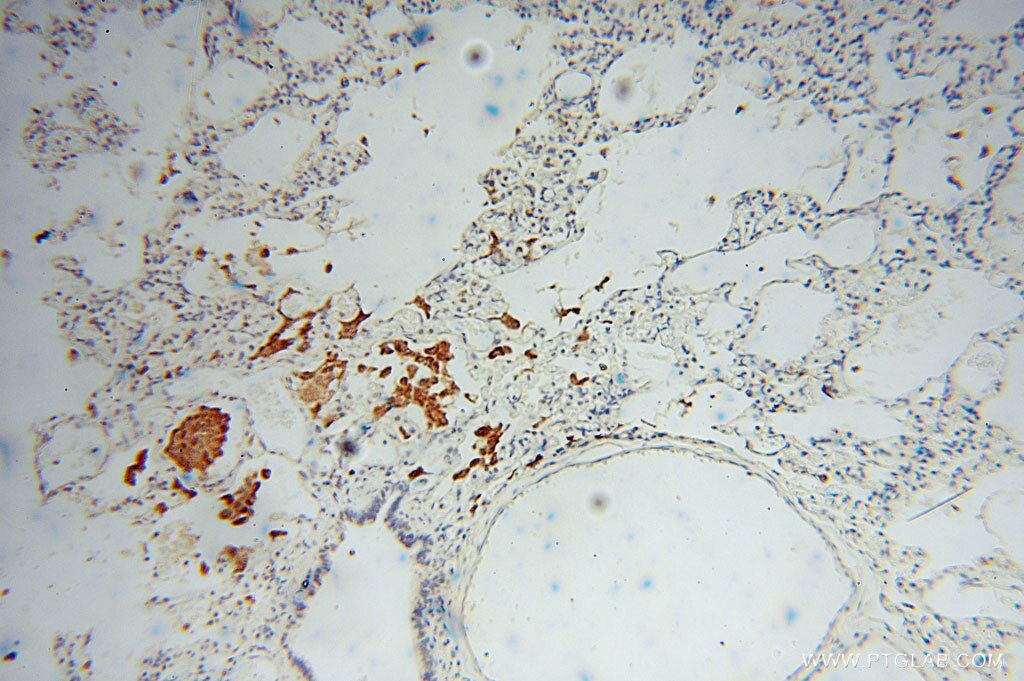
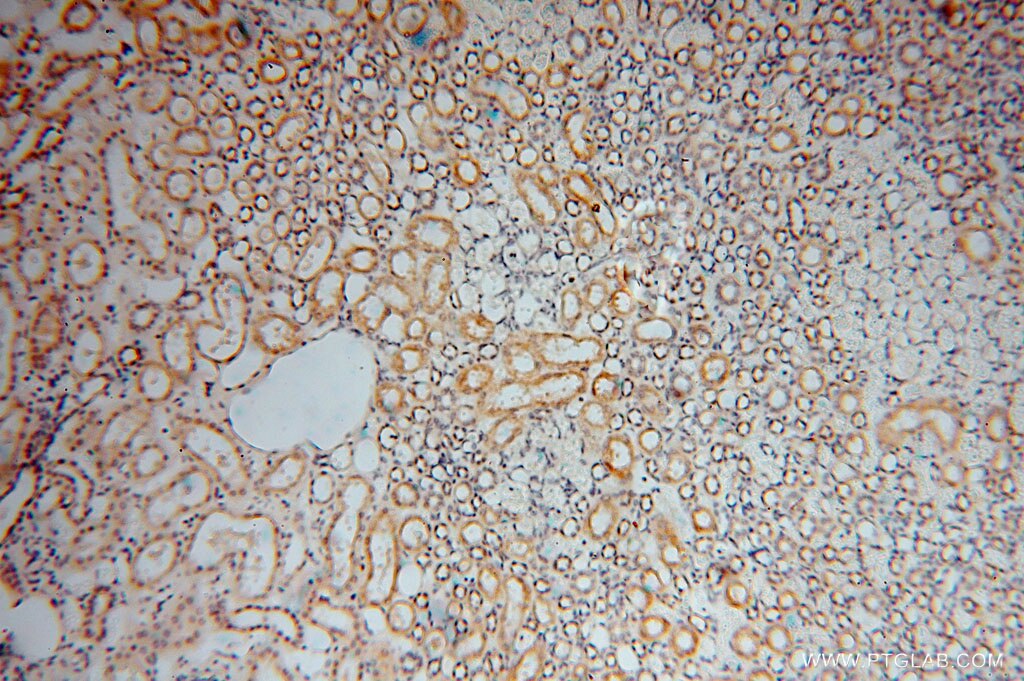
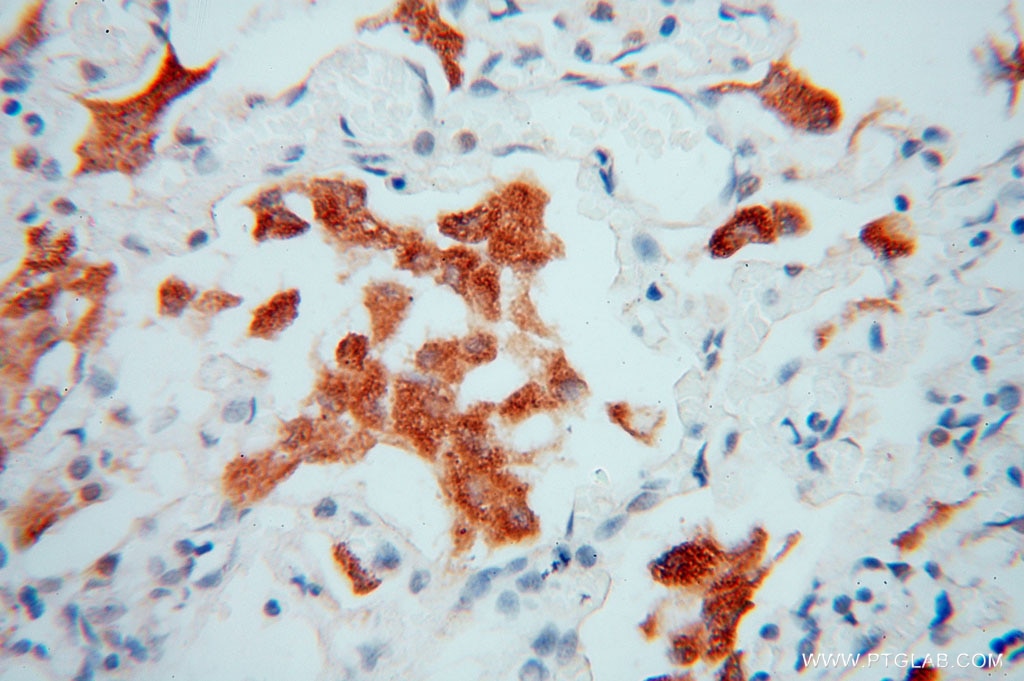
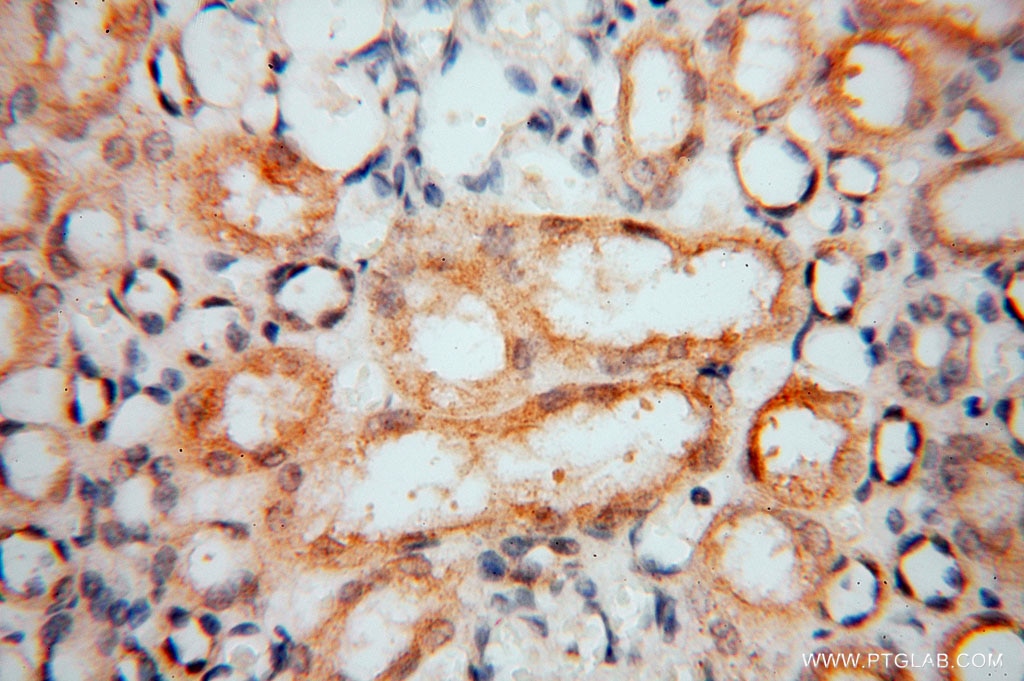
| Positive IHC detected in | human placenta tissue, human kidney tissue, human liver tissue, human lung tissue, human spleen tissue Note: suggested antigen retrieval with TE buffer pH 9.0; (*) Alternatively, antigen retrieval may be performed with citrate buffer pH 6.0 |
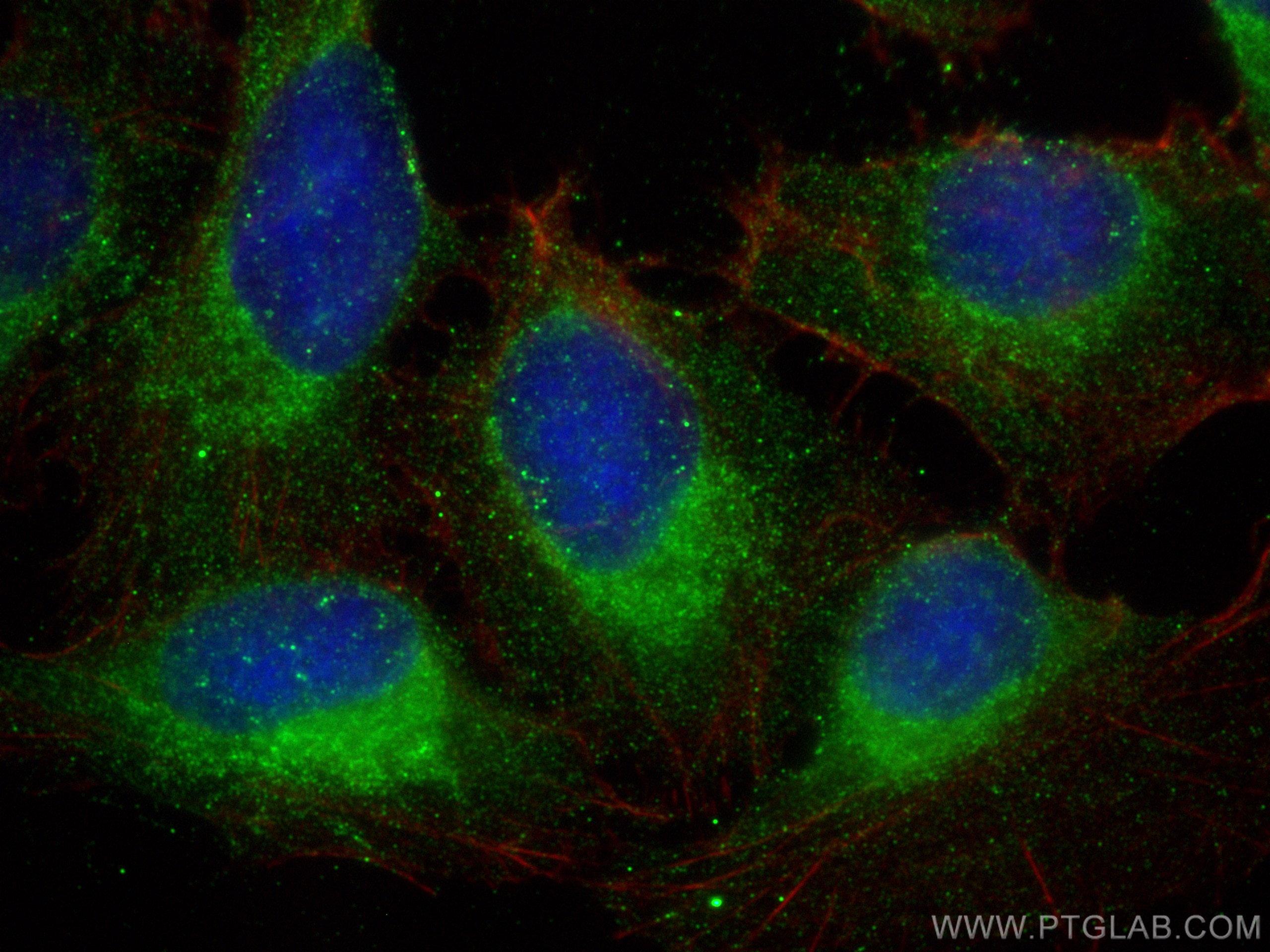
| Positive IF/ICC detected in | U2OS cells |
Recommended dilution
| Application | Dilution |
|---|---|
| Western Blot (WB) | WB : 1:500-1:2400 |
| Immunohistochemistry (IHC) | IHC : 1:20-1:200 |
| Immunofluorescence (IF)/ICC | IF/ICC : 1:200-1:800 |
| It is recommended that this reagent should be titrated in each testing system to obtain optimal results. | |
| Sample-dependent, Check data in validation data gallery. | |
Product Information
15836-1-AP targets Carboxypeptidase A1 in WB, IHC, IF/ICC, ELISA applications and shows reactivity with human, mouse, rat samples.
| Tested Reactivity | human, mouse, rat |
| Cited Reactivity | mouse, rat |
| Host / Isotype | Rabbit / IgG |
| Class | Polyclonal |
| Type | Antibody |
| Immunogen |
CatNo: Ag8586 Product name: Recombinant human CPA1 protein Source: e coli.-derived, PGEX-4T Tag: GST Domain: 71-419 aa of BC005279 Sequence: SIQAVKIFLESHGISYETMIEDVQSLLDEEQEQMFAFRSRARSTDTFNYATYHTLEEIYDFLDLLVAENPHLVSKIQIGNTYEGRPIYVLKFSTGGSKRPAIWIDTGIHSREWVTQASGVWFAKKITQDYGQDAAFTAILDTLDIFLEIVTNPDGFAFTHSTNRMWRKTRSHTAGSLCIGVDPNRNWDAGFGLSGASSNPCSETYRGKFANSEVEVKSIVDFVKDHGNIKAFISIHSYSQLLMYPYGYKTEPVPDQDELDQLSKAAVTALASLYGTKFNYGSIIKAIYQASGSTIDWTYSQGIKYSFTFELRDTGRYGFLLPASQIIPTAKETWLALLTIMEHTLNHPY Predict reactive species |
| Full Name | carboxypeptidase A1 (pancreatic) |
| Calculated Molecular Weight | 419 aa, 47 kDa |
| Observed Molecular Weight | 47 kDa |
| GenBank Accession Number | BC005279 |
| Gene Symbol | Carboxypeptidase A1 |
| Gene ID (NCBI) | 1357 |
| RRID | AB_2085586 |
| Conjugate | Unconjugated |
| Form | Liquid |
| Purification Method | Antigen affinity purification |
| UNIPROT ID | P15085 |
| Storage Buffer | PBS with 0.02% sodium azide and 50% glycerol, pH 7.3. |
| Storage Conditions | Store at -20°C. Stable for one year after shipment. Aliquoting is unnecessary for -20oC storage. 20ul sizes contain 0.1% BSA. |
Background Information
CPA1(Carboxypeptidase A1) is also named as CPA and belongs to the the peptidase M14 family. CPA1 is one of the genes whose expression in the pancreas and the protein which it encodes is synthesized as an inactive precursor, proCPA1, which is processed to the active enzyme by the proteolytic removal of the 95-amino acid N-terminal prodomain. The mature CPA1 is not secreted and is trapped and degraded intracellularly(PMID:8639628). This antibody is speicific to CPA1.
Protocols
| Product Specific Protocols | |
|---|---|
| IF protocol for Carboxypeptidase A1 antibody 15836-1-AP | Download protocol |
| IHC protocol for Carboxypeptidase A1 antibody 15836-1-AP | Download protocol |
| WB protocol for Carboxypeptidase A1 antibody 15836-1-AP | Download protocol |
| Standard Protocols | |
|---|---|
| Click here to view our Standard Protocols |
Publications
What published studies show
Able is busy answering your previous question. Please try again later.
| Species | Application | Title |
|---|---|---|
Cell Rep αE-Catenin Is a Positive Regulator of Pancreatic Islet Cell Lineage Differentiation. | ||
J Nutr Biochem Intermittent protein restriction improves glucose homeostasis in Zucker diabetic fatty rats and single-cell sequencing reveals distinct changes in β cells | ||
Development Focal adhesion kinase-mediated signaling controls the onset of pancreatic cell differentiation | ||
Pancreatology Smad4 deficiency substitutes Cdkn2b but not Cdkn2a downregulation in pancreatic cancer following induction of genetic events in adult mice. | ||
Dis Model Mech A novel pancreatic cancer model originated from transformation of acinar cells in adult tree shrew, a primate-like animal. |
Reviews
What customers say
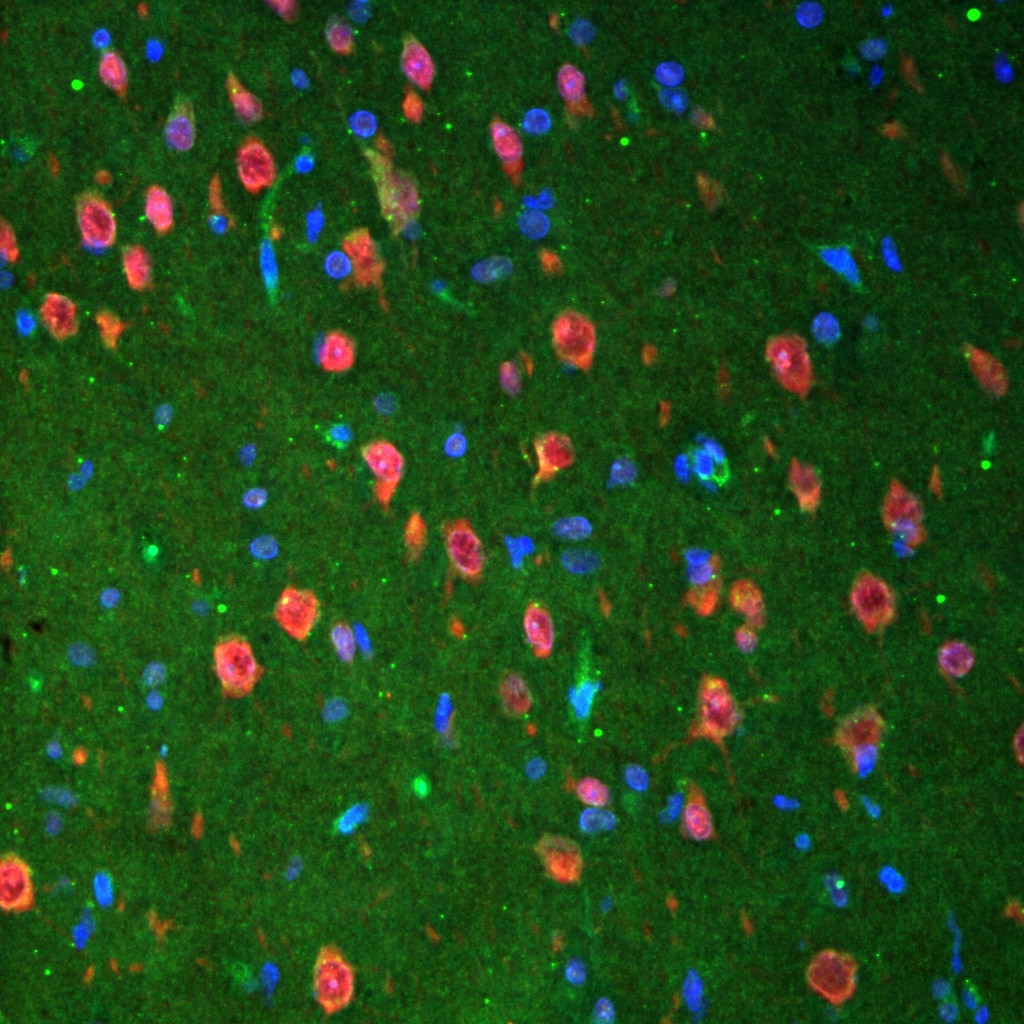
The single review reports a 5-star rating for this antibody used in immunofluorescence on human brain cortex FFPE tissue at a 1:100 dilution. The reviewer found that Carboxypeptidase A1 staining (green) worked well, but noted it did not mark neurons (red); instead, it appeared to label possible mast cells in the epileptic cortex. Overall, the antibody performed effectively for its intended target in this application.
The reviews below have been submitted by verified Proteintech customers who received an incentive for providing their feedback.
Reyes (Verified Customer) (02-14-2025) | Carboxypeptidase A1 (in green) seemed to work well on my human brain FFPE tissue. It does not mark my neurons (in red), but the possible mast cells in the epileptic cortex.
 |

