

Tested Applications
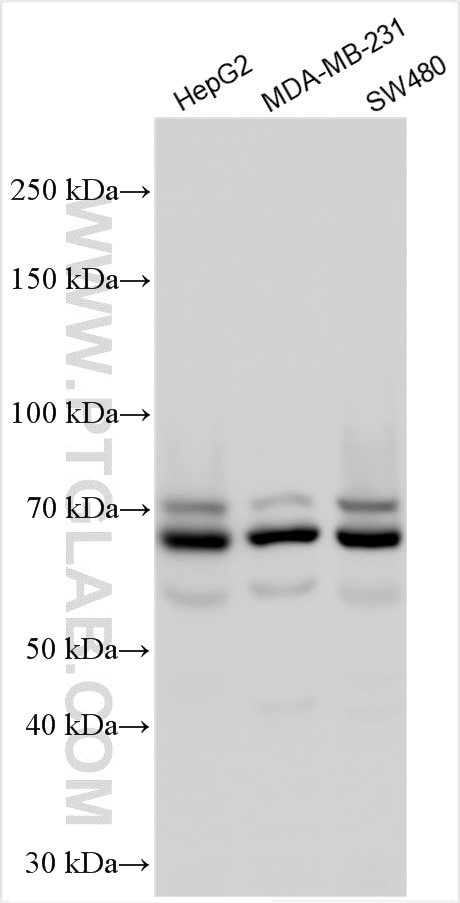
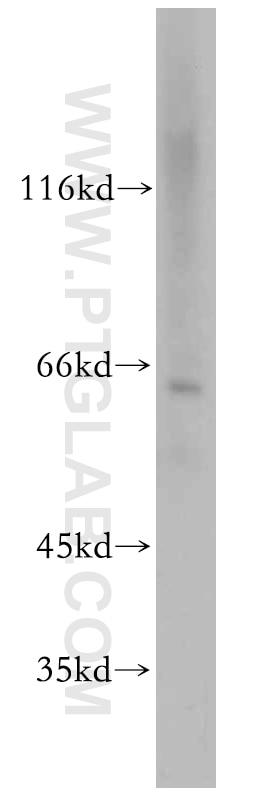
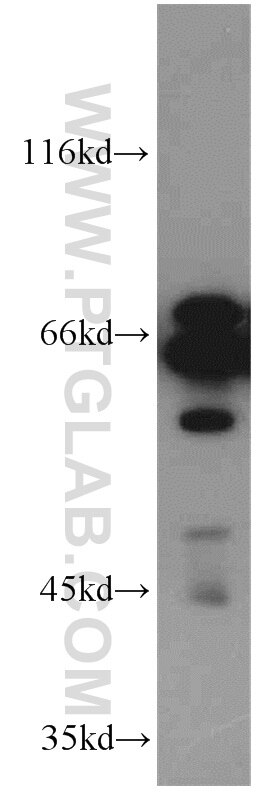
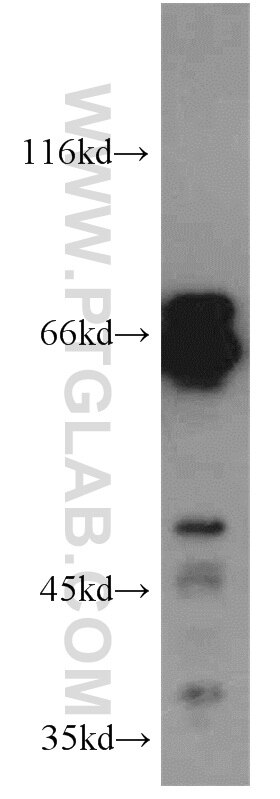
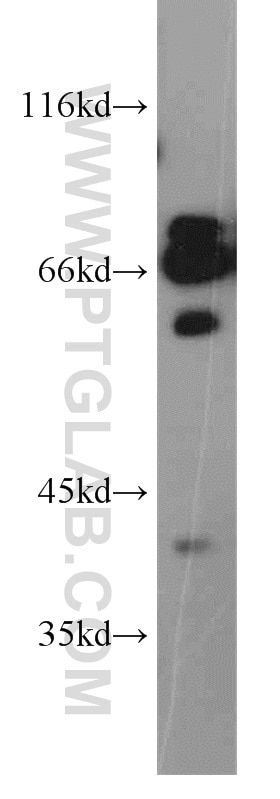
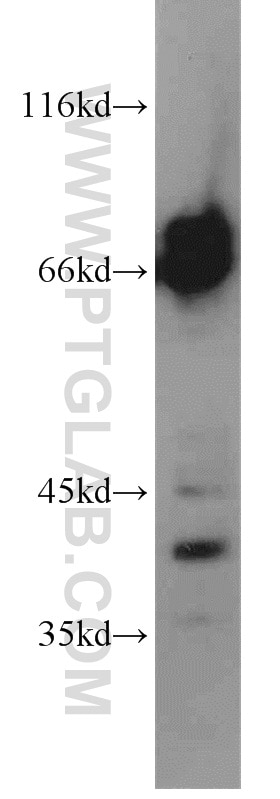
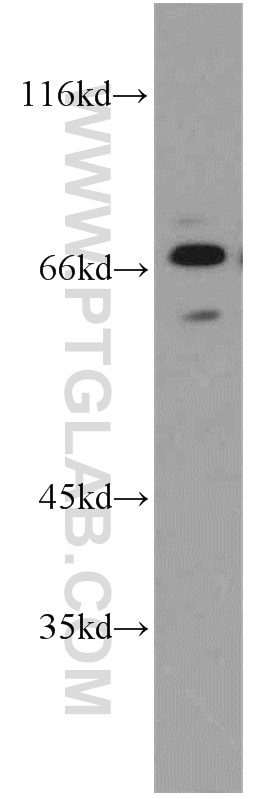
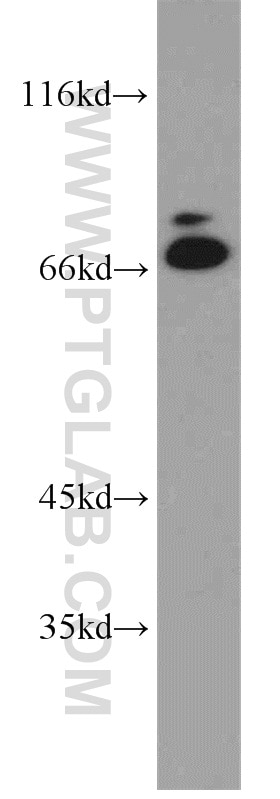
| Positive WB detected in | HepG2 cells, Jurkat cells, HeLa cells, PC-3 cells, MDA-MB-231 cells, SW480 cells |
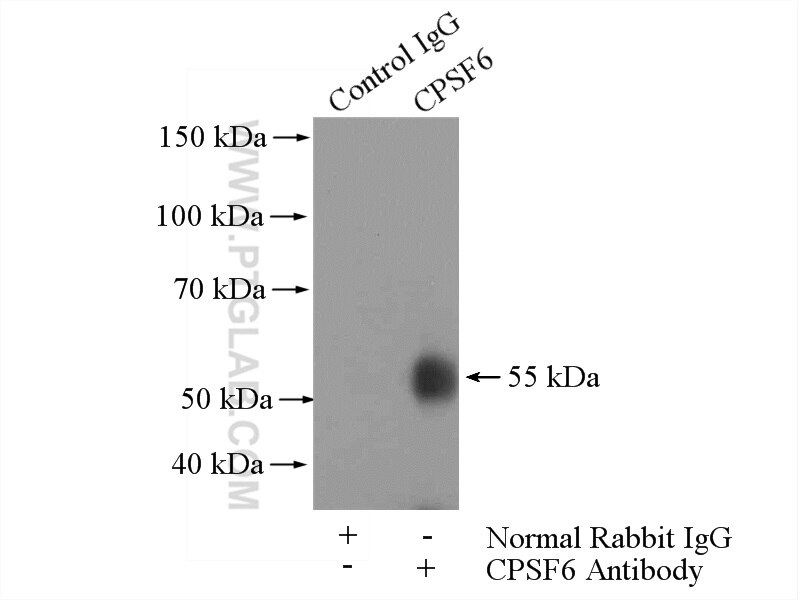
| Positive IP detected in | HeLa cells |
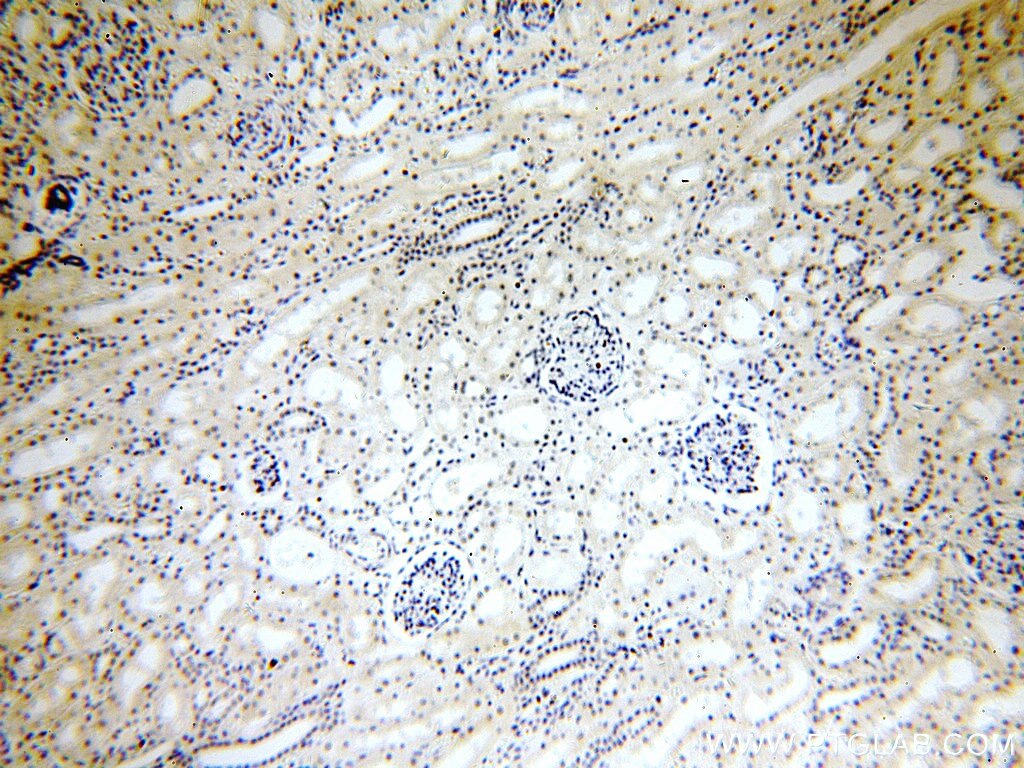
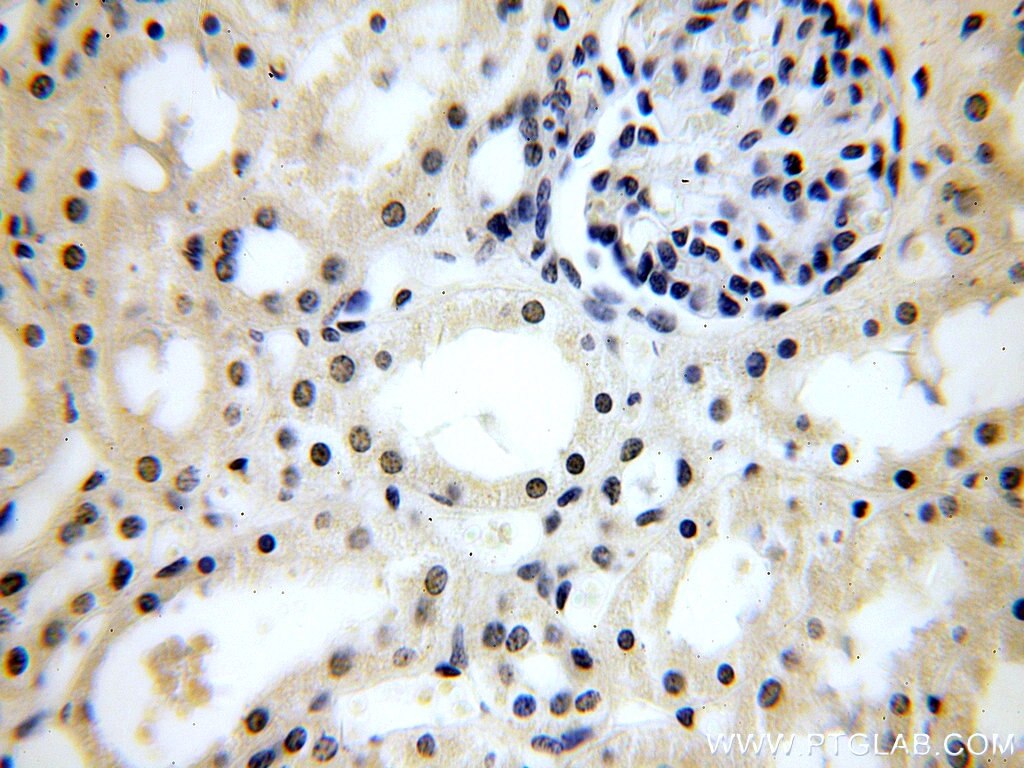
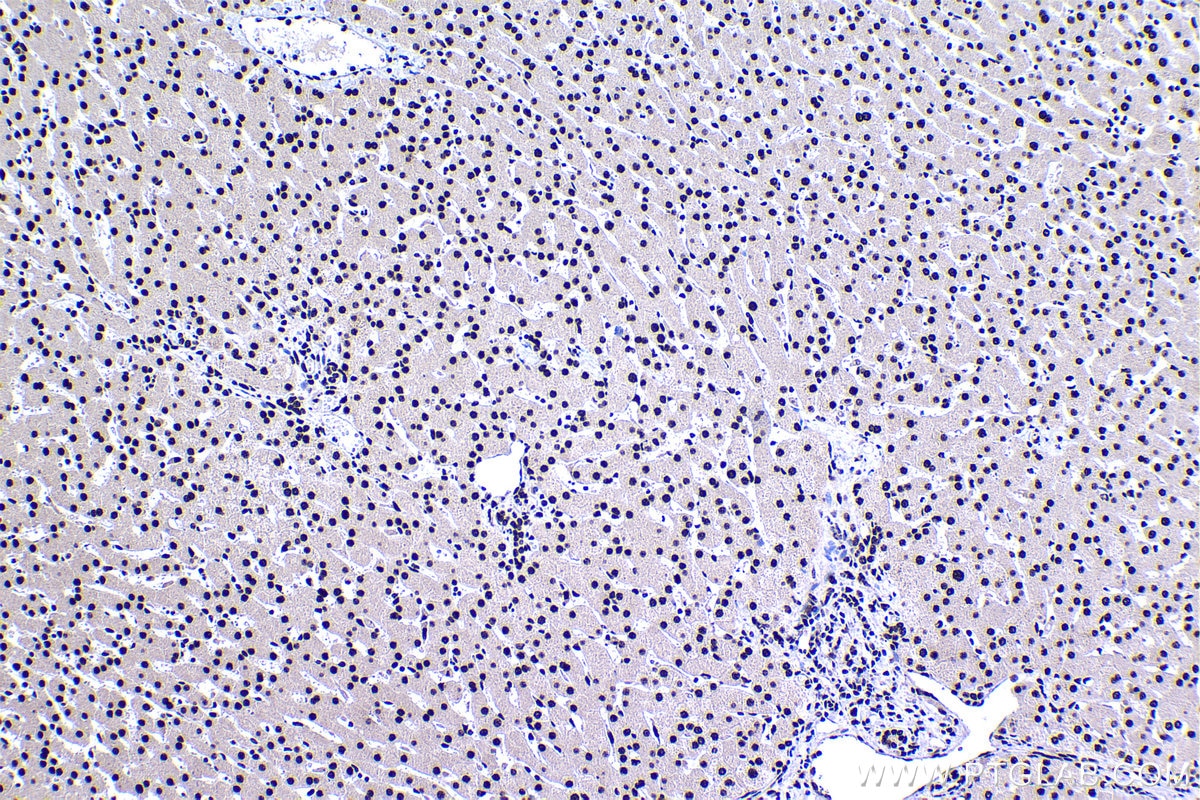
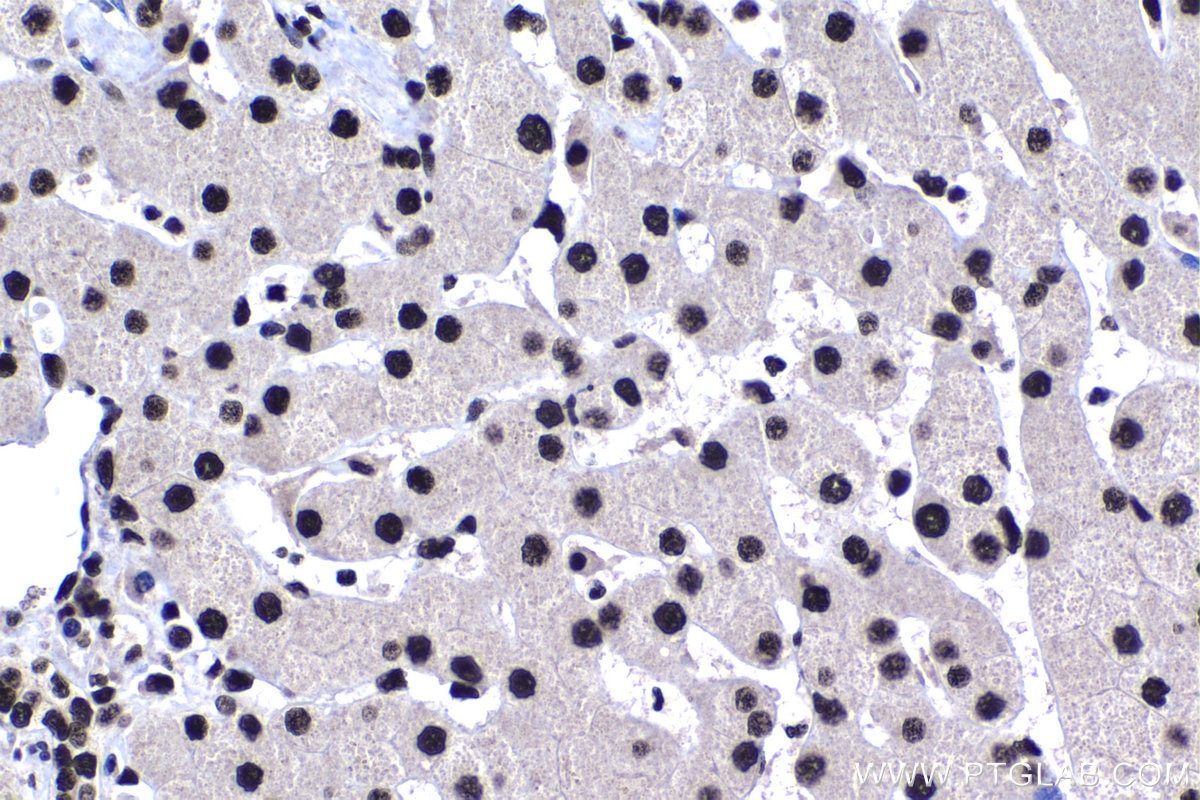
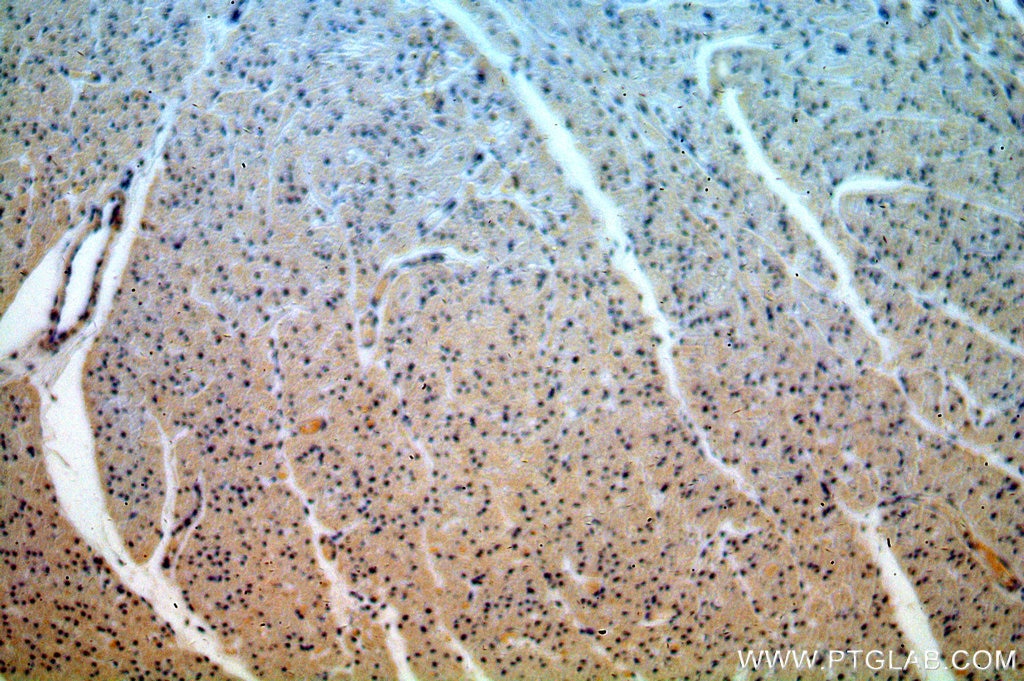
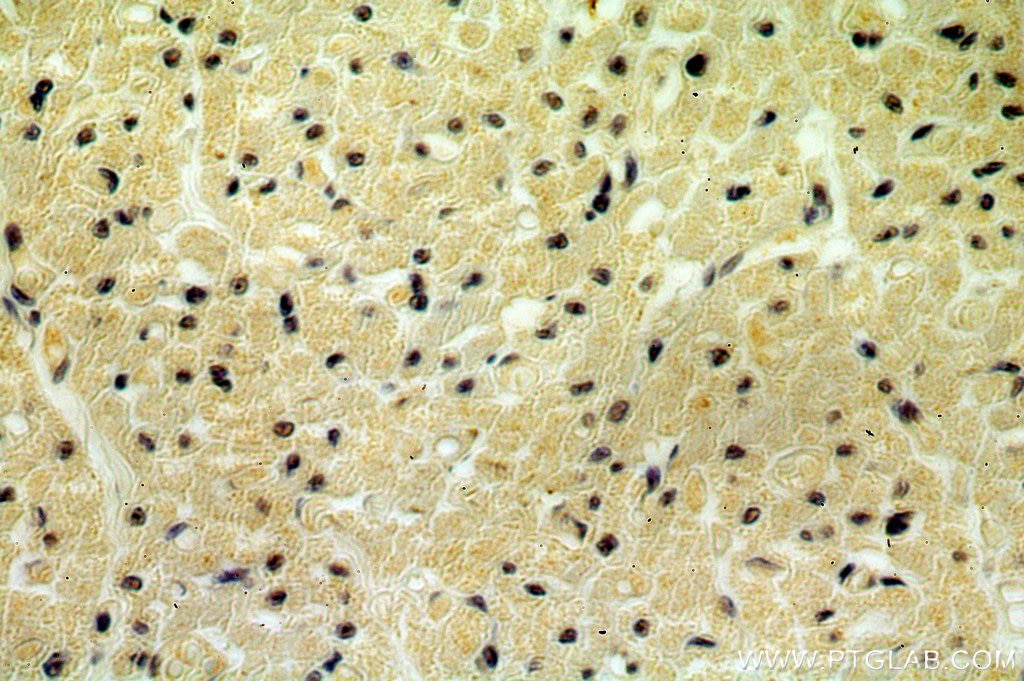
| Positive IHC detected in | human liver tissue, human heart tissue, human kidney tissue Note: suggested antigen retrieval with TE buffer pH 9.0; (*) Alternatively, antigen retrieval may be performed with citrate buffer pH 6.0 |
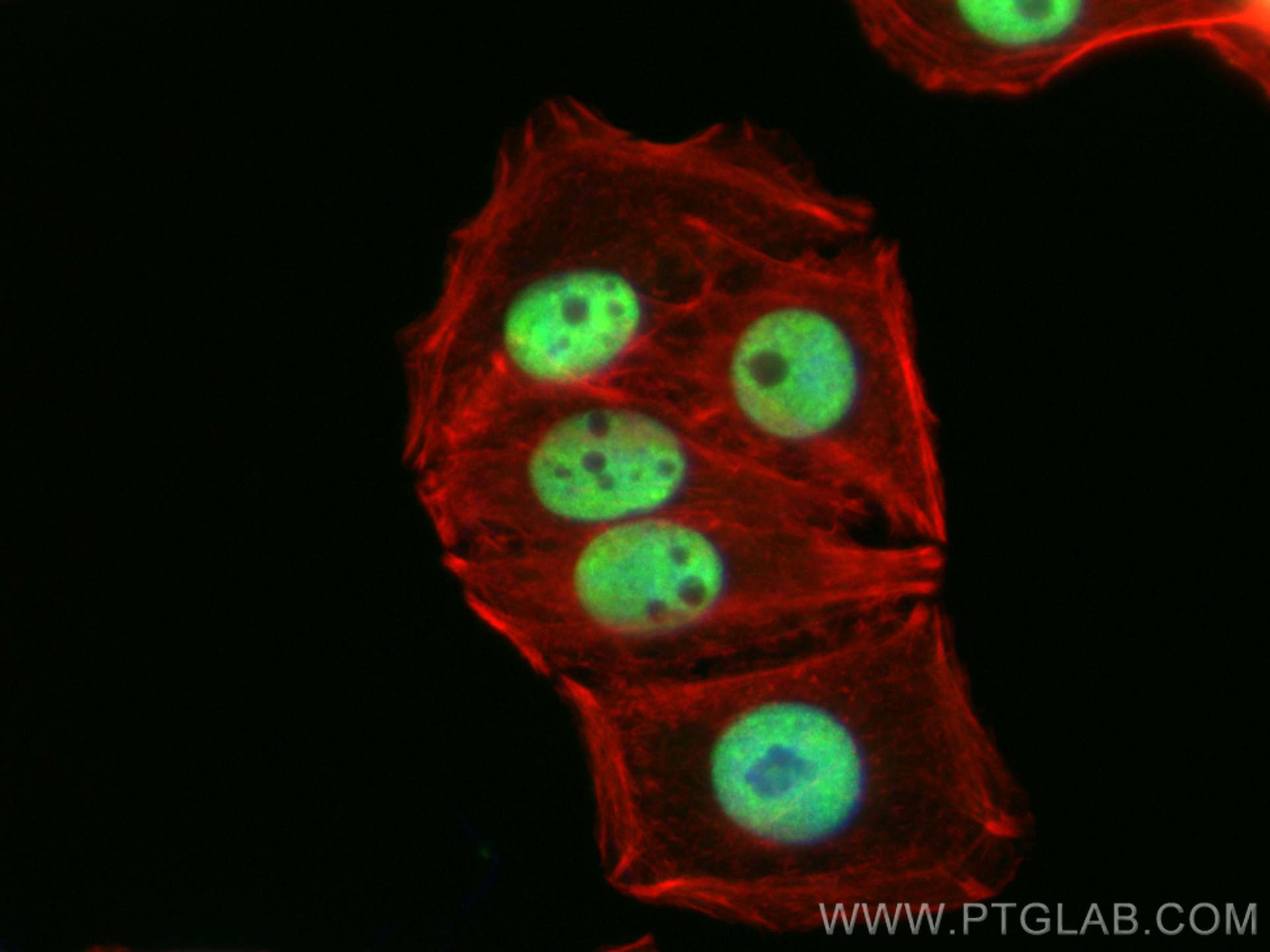
| Positive IF/ICC detected in | SW480 cells |
Recommended dilution
| Application | Dilution |
|---|---|
| Western Blot (WB) | WB : 1:5000-1:50000 |
| Immunoprecipitation (IP) | IP : 0.5-4.0 ug for 1.0-3.0 mg of total protein lysate |
| Immunohistochemistry (IHC) | IHC : 1:250-1:1000 |
| Immunofluorescence (IF)/ICC | IF/ICC : 1:50-1:500 |
| It is recommended that this reagent should be titrated in each testing system to obtain optimal results. | |
| Sample-dependent, Check data in validation data gallery. | |
Product Information
15489-1-AP targets CPSF6 in WB, IHC, IF/ICC, IP, ELISA applications and shows reactivity with human samples.
| Tested Reactivity | human |
| Cited Reactivity | human, mouse |
| Host / Isotype | Rabbit / IgG |
| Class | Polyclonal |
| Type | Antibody |
| Immunogen |
CatNo: Ag7852 Product name: Recombinant human CPSF6 protein Source: e coli.-derived, PGEX-4T Tag: GST Domain: 1-351 aa of BC000714 Sequence: MADGVDHIDIYADVGEEFNQEAEYGGHDQIDLYDDVISPSANNGDAPEDRDYMDTLPPTVGDDVGKGAAPNVVYTYTGKRIALYIGNLTWWTTDEDLTEAVHSLGVNDILEIKFFENRANGQSKGFALVGVGSEASSKKLMDLLPKRELHGQNPVVTPCNKQFLSQFEMQSRKTTQSGQMSGEGKAGPPGGSSRAAFPQGGRGRGRFPGAVPGGDRFPGPAGPGGPPPPFPGNLIKHLVKGTRPLFLETRIPWHMGHSIEEIPIFGLKAGQTPPRPPLGPPGPPGPPGPPPPGQVLPPPLAGPPNRGDRPPPPVLFPGQPFGQPPLGPLPPGPPPPVPGYGPPPGPPPPQQ Predict reactive species |
| Full Name | cleavage and polyadenylation specific factor 6, 68kDa |
| Calculated Molecular Weight | 59 kDa |
| Observed Molecular Weight | 55-68 kDa |
| GenBank Accession Number | BC000714 |
| Gene Symbol | CPSF6 |
| Gene ID (NCBI) | 11052 |
| RRID | AB_10694140 |
| Conjugate | Unconjugated |
| Form | Liquid |
| Purification Method | Antigen affinity purification |
| UNIPROT ID | Q16630 |
| Storage Buffer | PBS with 0.02% sodium azide and 50% glycerol, pH 7.3. |
| Storage Conditions | Store at -20°C. Stable for one year after shipment. Aliquoting is unnecessary for -20oC storage. 20ul sizes contain 0.1% BSA. |
Background Information
The binding of Cleavage factor Im (CFIM), also known as CPSF6, to the pre-mRNA is one of the earliest steps in the assembly of the cleavage and polyadenylation machinery and facilitates the recruitment of other processing factors. CFIM is required for the first step in pre-mRNA 3′-end processing and can be reconstituted in vitro from its heterologously expressed 25- and 68-kDa subunits. It involved in RNA binding, protein-protein interactions, and subcellular localization [PMID:15169763]. In addition, it is a pre-mRNA processing protein that dynamically shuttles between the nucleus and the cytoplasm and contains a C-terminal nuclear-targeting arginine/serine-rich (RS-) domain of the type bound by TNPO3[PMID:15169763,19864460].
Protocols
| Product Specific Protocols | |
|---|---|
| IF protocol for CPSF6 antibody 15489-1-AP | Download protocol |
| IHC protocol for CPSF6 antibody 15489-1-AP | Download protocol |
| IP protocol for CPSF6 antibody 15489-1-AP | Download protocol |
| WB protocol for CPSF6 antibody 15489-1-AP | Download protocol |
| Standard Protocols | |
|---|---|
| Click here to view our Standard Protocols |
Publications
What published studies show
Able is busy answering your previous question. Please try again later.
| Species | Application | Title |
|---|---|---|
Cell Discov NUDT21 lactylation reprograms alternative polyadenylation to promote cuproptosis resistance | ||
Mol Cell Mediator regulates transcriptional termination through crosstalk with pre-mRNA 3' end processing factors | ||
EMBO Mol Med A new class of capsid-targeting inhibitors that specifically block HIV-1 nuclear import | ||
Aging Cell Alternative Polyadenylation Contributes to Fibroblast Senescence in Pulmonary Fibrosis | ||
EMBO Rep The polyA tail facilitates splicing of last introns with weak 3' splice sites via PABPN1 |
Reviews
What customers say
One reviewer tested 15489-1-AP (anti-?) by immunofluorescence on human SH-SY5Y cells at a 1:1000 dilution, rating it 5/5. They found the signal somewhat dim yet specific, with knockdown confirmed via siRNA. Staining was predominantly nuclear, as expected. The protocol used 4% PFA fixation with methanol permeabilization, antibody prepared in 5% goat serum in PBST, and overnight incubation without a separate blocking step.
The reviews below have been submitted by verified Proteintech customers who received an incentive for providing their feedback.
Tatyana (Verified Customer) (03-11-2023) | The signal is not very bright but specific (siRNA knockdown verified). Predominantly nuclear, as expected. 4% PFA fixation followed by methanol permeabilization; antibody prepared in 5% goat serum in PBST; overnight incubation (no blocking step).
|

