
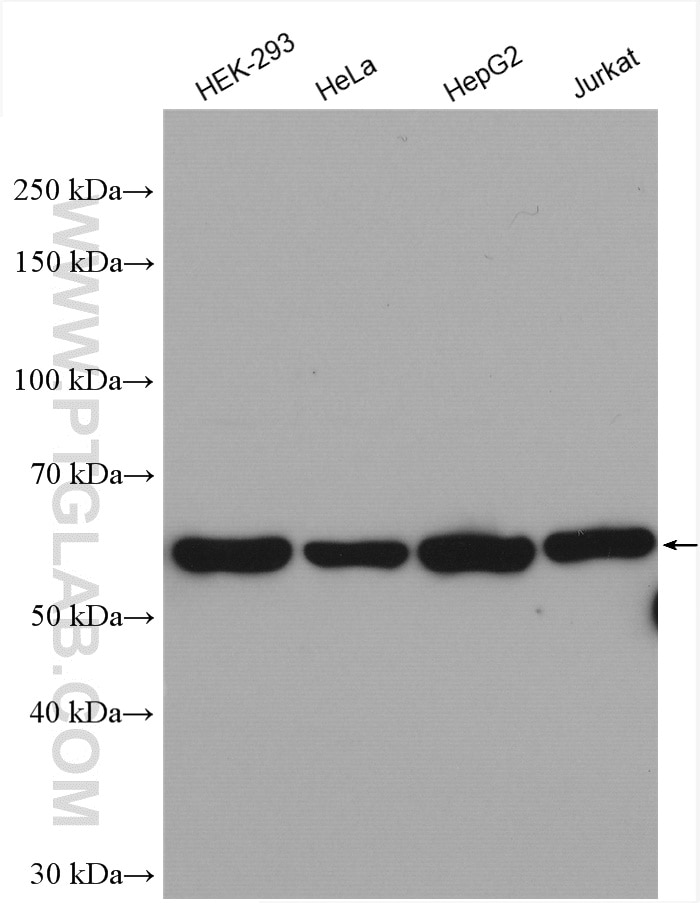
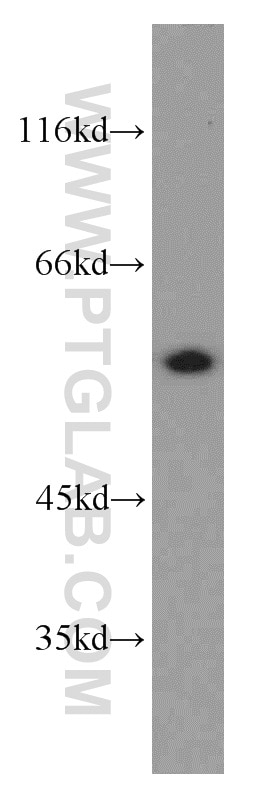
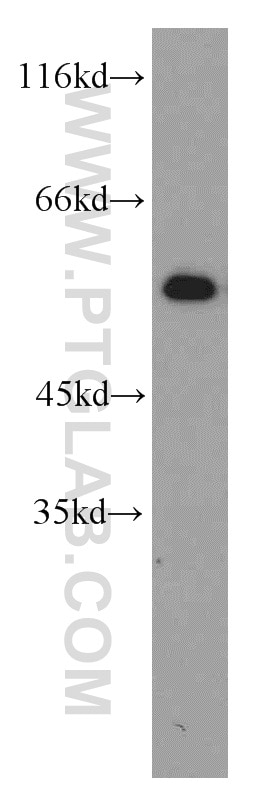
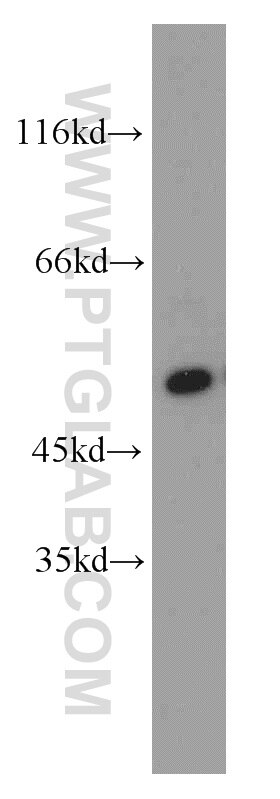

Tested Applications
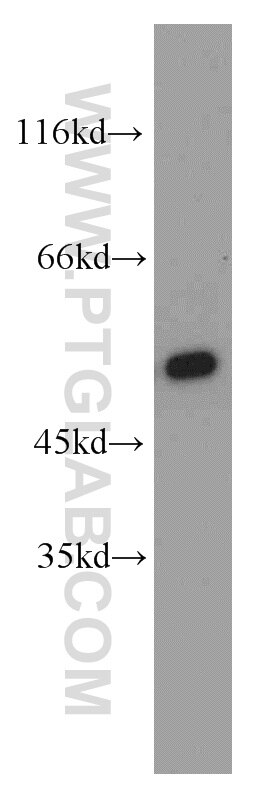
| Positive WB detected in | HEK-293 cells, HeLa cells, mouse brain tissue |
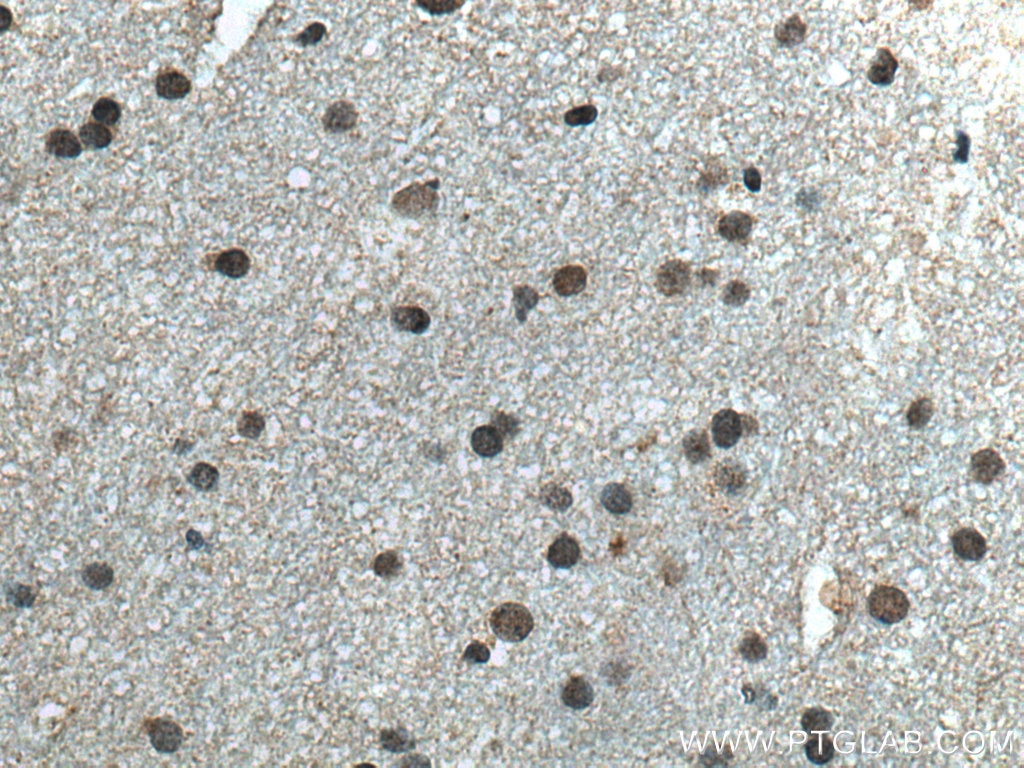
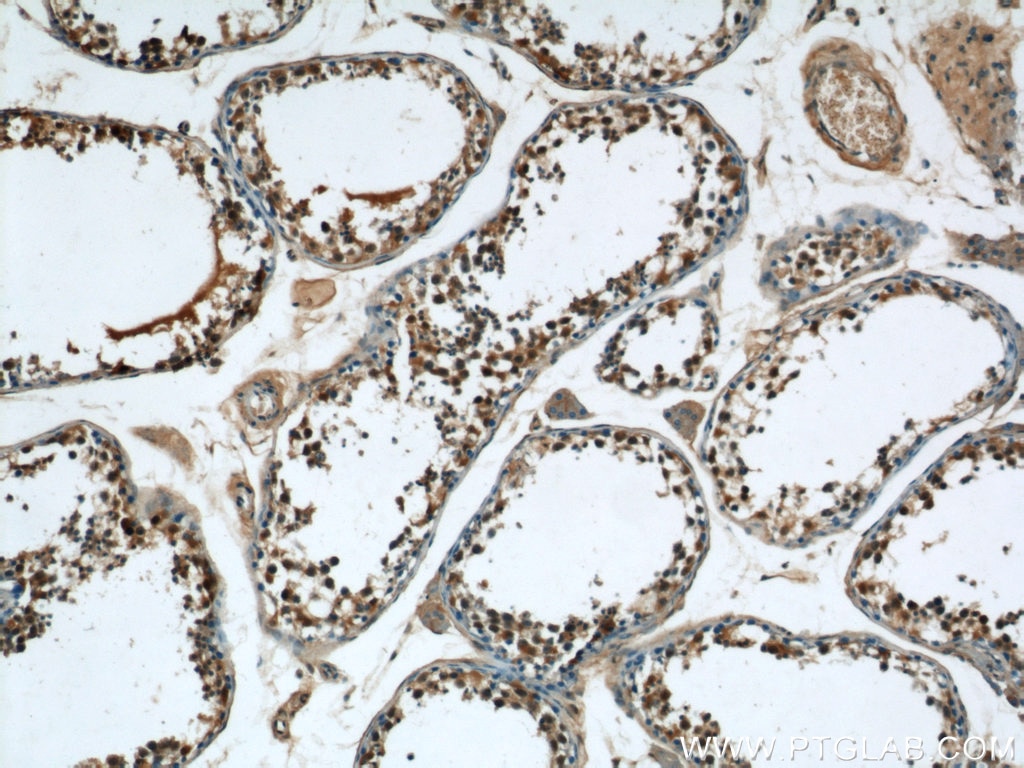
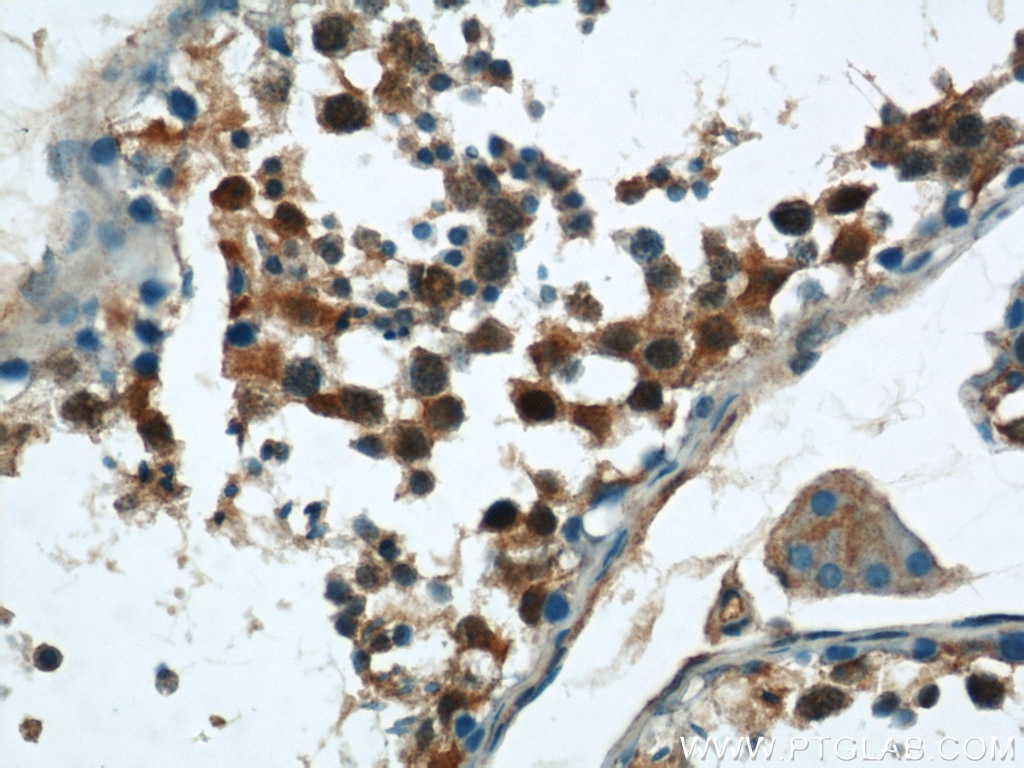
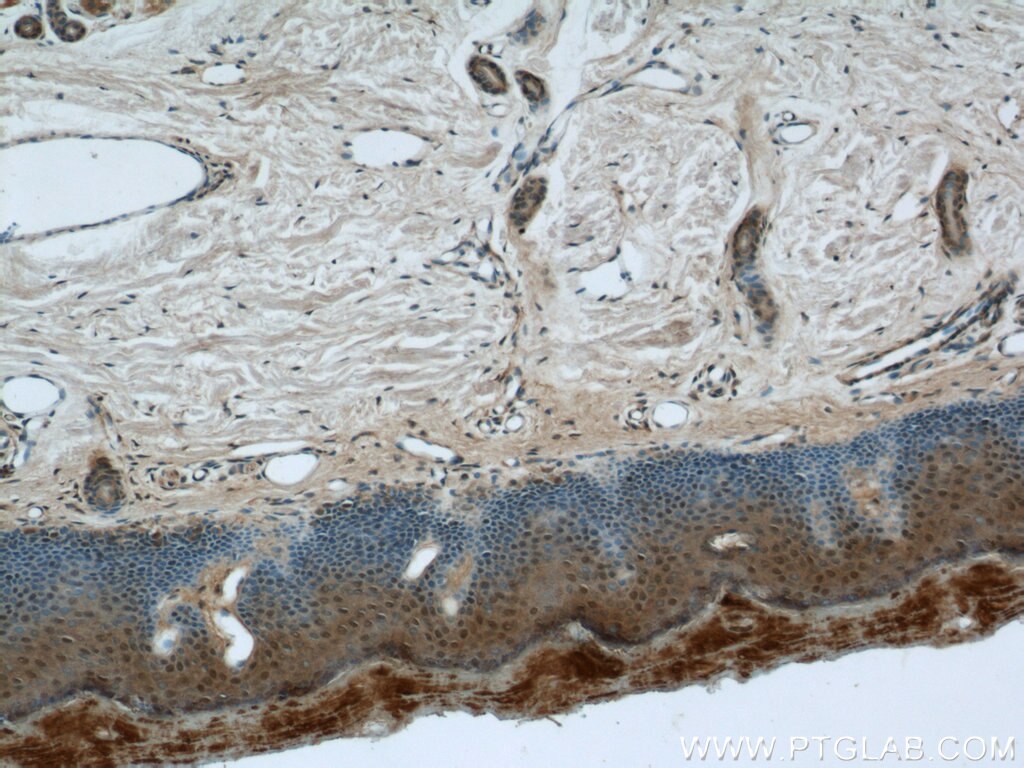
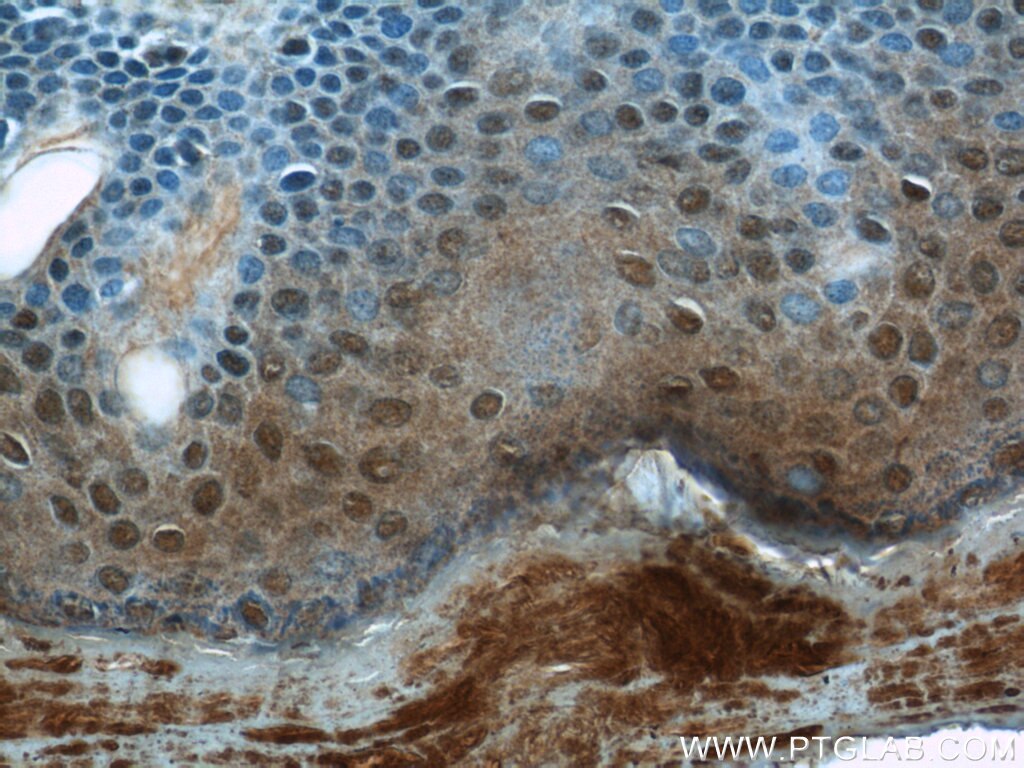
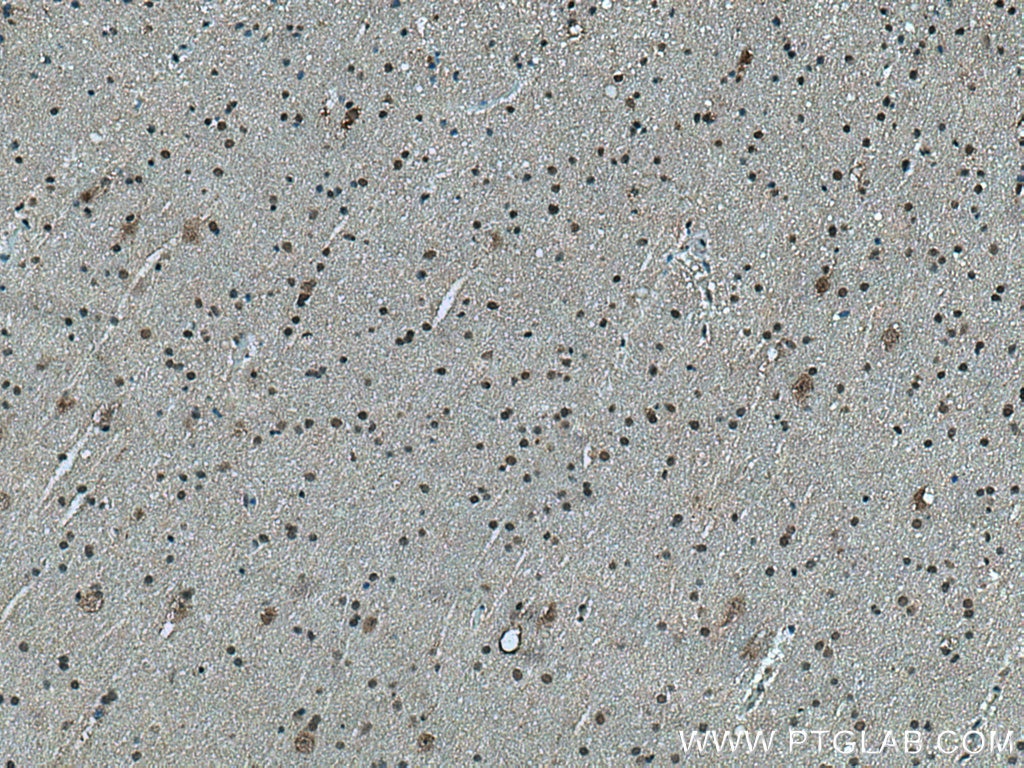
| Positive IHC detected in | human gliomas tissue, human skin tissue, human testis tissue Note: suggested antigen retrieval with TE buffer pH 9.0; (*) Alternatively, antigen retrieval may be performed with citrate buffer pH 6.0 |
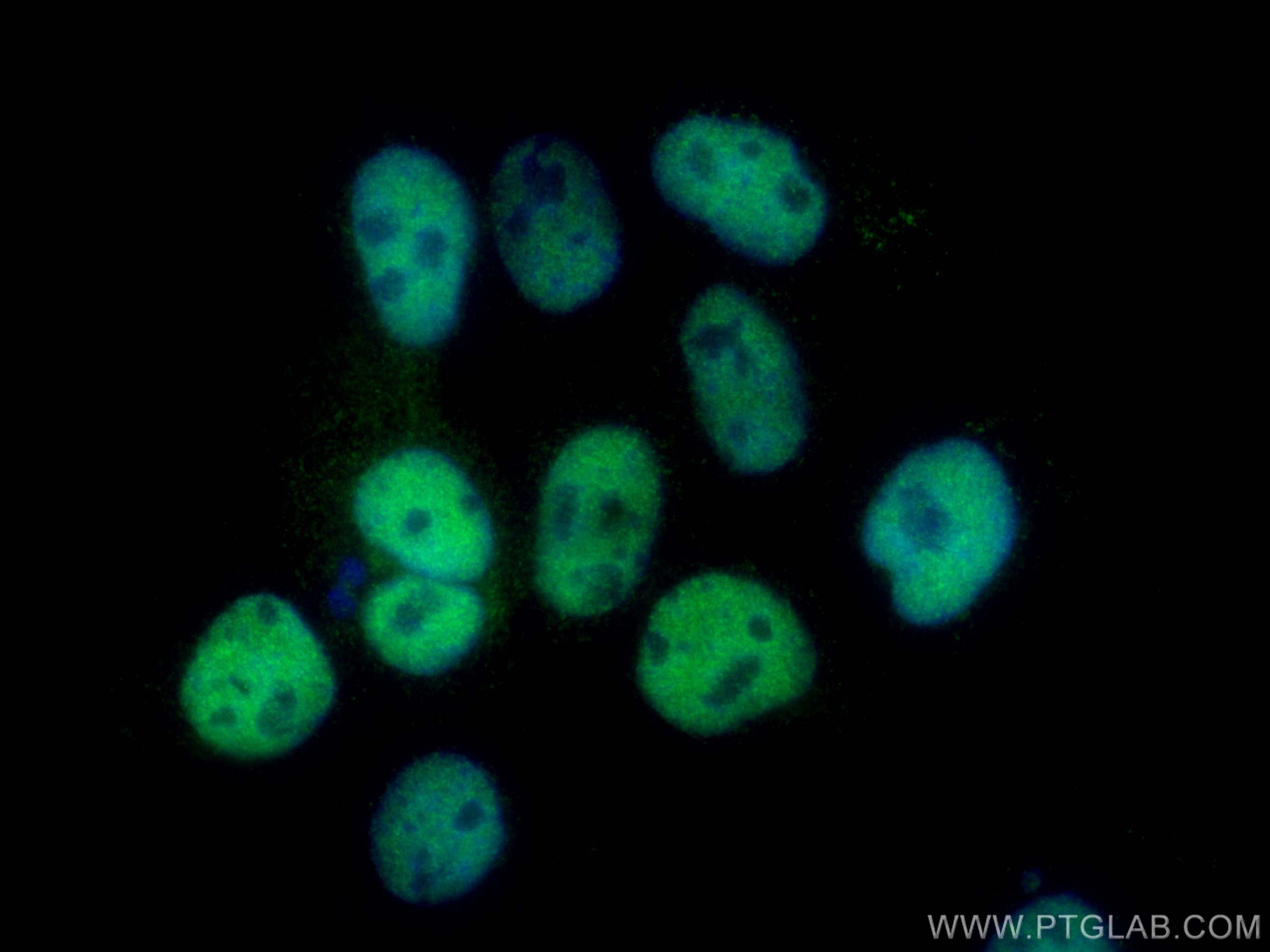
| Positive IF/ICC detected in | A431 cells |
Recommended dilution
| Application | Dilution |
|---|---|
| Western Blot (WB) | WB : 1:1000-1:6000 |
| Immunohistochemistry (IHC) | IHC : 1:50-1:500 |
| Immunofluorescence (IF)/ICC | IF/ICC : 1:50-1:500 |
| It is recommended that this reagent should be titrated in each testing system to obtain optimal results. | |
| Sample-dependent, Check data in validation data gallery. | |
Product Information
55195-1-AP targets CPSF7 in WB, IHC, IF/ICC, CoIP, ELISA applications and shows reactivity with human, mouse, rat samples.
| Tested Reactivity | human, mouse, rat |
| Cited Reactivity | human |
| Host / Isotype | Rabbit / IgG |
| Class | Polyclonal |
| Type | Antibody |
| Immunogen |
Peptide Predict reactive species |
| Full Name | pre-mRNA cleavage factor I, 59 kDa subunit |
| Calculated Molecular Weight | 56 kDa |
| Observed Molecular Weight | 52 kDa, 56 kDa |
| GenBank Accession Number | NM_001136040 |
| Gene Symbol | CPSF7 |
| Gene ID (NCBI) | 79869 |
| RRID | AB_10858797 |
| Conjugate | Unconjugated |
| Form | Liquid |
| Purification Method | Antigen affinity purification |
| UNIPROT ID | Q8N684 |
| Storage Buffer | PBS with 0.02% sodium azide and 50% glycerol, pH 7.3. |
| Storage Conditions | Store at -20°C. Stable for one year after shipment. Aliquoting is unnecessary for -20oC storage. 20ul sizes contain 0.1% BSA. |
Background Information
CPSF7, also named as CPSF59, belongs to the RRM CPSF6/7 family. It probable component of the cleavage factor Im complex (CFIm) that plays a key role in pre-mRNA 3' processing. CPSF7 binds to cleavage and polyadenylation RNA substrates(PMID: 15489334). This antibody is specific to CPSF7.
Protocols
| Product Specific Protocols | |
|---|---|
| IF protocol for CPSF7 antibody 55195-1-AP | Download protocol |
| IHC protocol for CPSF7 antibody 55195-1-AP | Download protocol |
| WB protocol for CPSF7 antibody 55195-1-AP | Download protocol |
| Standard Protocols | |
|---|---|
| Click here to view our Standard Protocols |
Publications
What published studies show
CPSF7 Polyclonal antibody (55195-1-AP) has 8 citations across leading journals: Molecular Cell (×2), Oncogene, Aging Cell, Cell Reports (×2, IF 7.7 each), Journal of Molecular Cell Biology, and PLOS Pathogens. Research fields span transcriptional termination and pre-mRNA 3' end processing, mRNA stability via 2'-O-methylation, alternative polyadenylation in ovarian cancer, fibroblast senescence in pulmonary fibrosis, antiviral macrophage responses, and phase separation-mediated cancer proliferation. Applications cited include Western blot, IHC, IF, and Co-IP, mostly in human samples.
| Species | Application | Title |
|---|---|---|
Mol Cell Mediator regulates transcriptional termination through crosstalk with pre-mRNA 3' end processing factors | ||
Oncogene SNRPD2-CPSF7-UBE2K axis drives ovarian cancer progression via alternative splicing-polyadenylation crosstalk. | ||
Cell Rep CPSF6 regulates alternative polyadenylation and proliferation of cancer cells through phase separation | ||
Aging Cell Alternative Polyadenylation Contributes to Fibroblast Senescence in Pulmonary Fibrosis | ||
Cell Rep E3 ligase SYVN1-mediated polyubiquitination of CPSF6 promotes alternative polyadenylation and antivirus effects of macrophages |

