
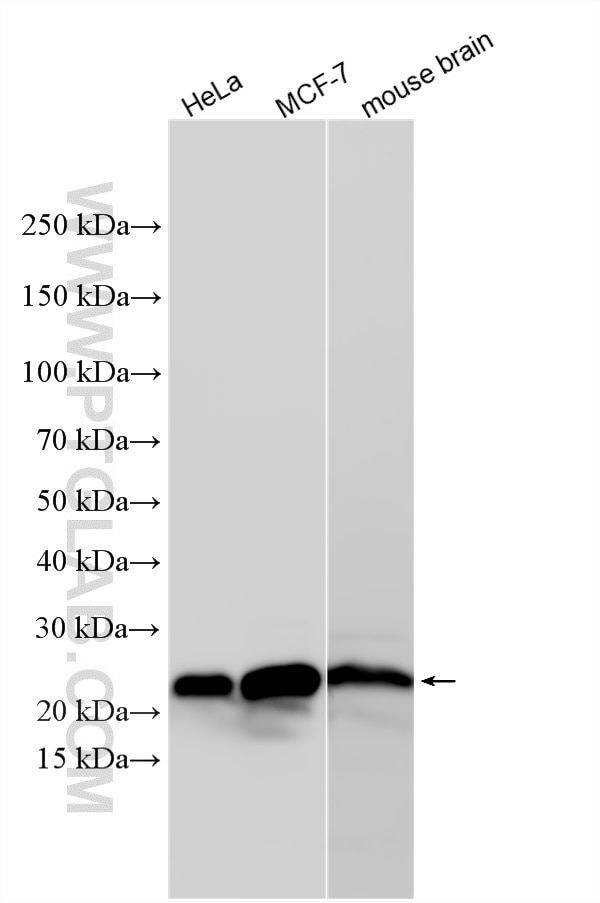
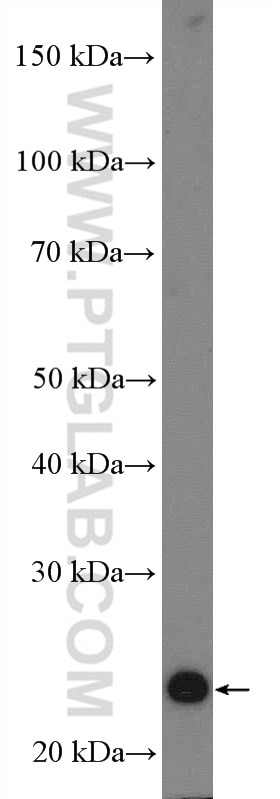
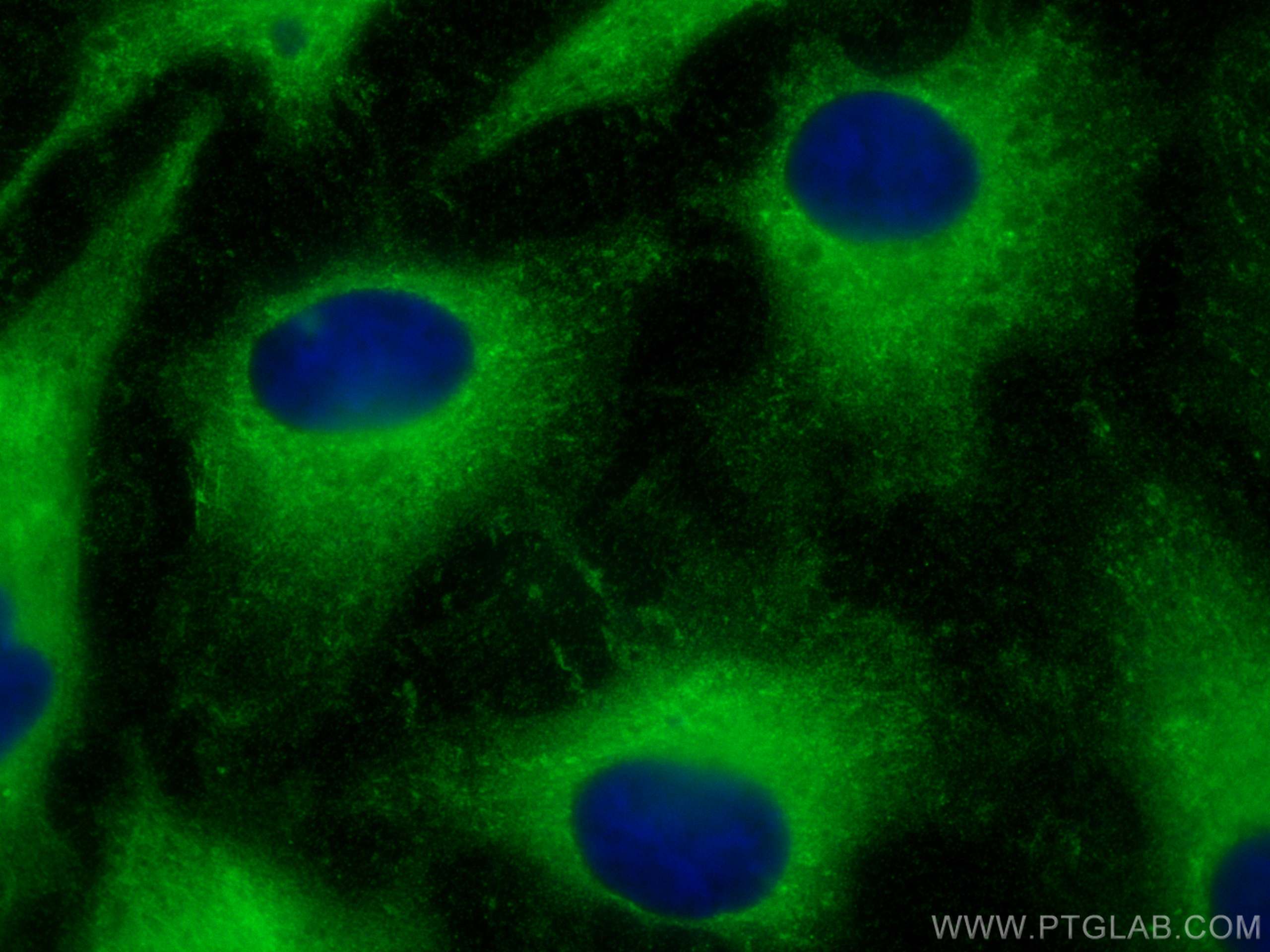

Tested Applications
| Positive WB detected in | HeLa cells, mouse heart tissue, MCF-7 cells, mouse brain tissue |
| Positive IF/ICC detected in | HeLa cells |
Recommended dilution
| Application | Dilution |
|---|---|
| Western Blot (WB) | WB : 1:1000-1:8000 |
| Immunofluorescence (IF)/ICC | IF/ICC : 1:200-1:800 |
| It is recommended that this reagent should be titrated in each testing system to obtain optimal results. | |
| Sample-dependent, Check data in validation data gallery. | |
Product Information
14801-1-AP targets CRIP2 in WB, IF/ICC, IP, ELISA applications and shows reactivity with human, mouse, rat samples.
| Tested Reactivity | human, mouse, rat |
| Cited Reactivity | human, mouse, rat, zebrafish |
| Host / Isotype | Rabbit / IgG |
| Class | Polyclonal |
| Type | Antibody |
| Immunogen |
CatNo: Ag6515 Product name: Recombinant human CRIP2 protein Source: e coli.-derived, PGEX-4T Tag: GST Domain: 1-208 aa of BC000434 Sequence: MASKCPKCDKTVYFAEKVSSLGKDWHKFCLKCERCSKTLTPGGHAEHDGKPFCHKPCYATLFGPKGVNIGGAGSYIYEKPLAEGPQVTGPIEVPAARAEERKASGPPKGPSRASSVTTFTGEPNTCPRCSKKVYFAEKVTSLGKDWHRPCLRCERCGKTLTPGGHAEHDGQPYCHKPCYGILFGPKGVNTGAVGSYIYDRDPEGKVQP Predict reactive species |
| Full Name | cysteine-rich protein 2 |
| Calculated Molecular Weight | 22 kDa |
| Observed Molecular Weight | 23-29 kDa |
| GenBank Accession Number | BC000434 |
| Gene Symbol | CRIP2 |
| Gene ID (NCBI) | 1397 |
| RRID | AB_2245316 |
| Conjugate | Unconjugated |
| Form | Liquid |
| Purification Method | Antigen affinity purification |
| UNIPROT ID | P52943 |
| Storage Buffer | PBS with 0.02% sodium azide and 50% glycerol, pH 7.3. |
| Storage Conditions | Store at -20°C. Stable for one year after shipment. Aliquoting is unnecessary for -20oC storage. 20ul sizes contain 0.1% BSA. |
Background Information
CRIP2, also known as CRP2 and ESP1, belongs to the cysteine-rich intestinal protein family (CRIP family). The CRIP family is a subfamily of the highly conserved Lin-1, Isl1, Mec3/double zinc finger protein family that exhibits diverse biological functions. CRIP2 is a cardiac vascular marker, and its expression is detected in cardiac endothelial cells during development and in the adult heart(PMID: 40118853).
Protocols
| Product Specific Protocols | |
|---|---|
| IF protocol for CRIP2 antibody 14801-1-AP | Download protocol |
| WB protocol for CRIP2 antibody 14801-1-AP | Download protocol |
| Standard Protocols | |
|---|---|
| Click here to view our Standard Protocols |
Publications
What published studies show
The CRIP2 Polyclonal antibody (Cat# 14801-1-AP) has 7 citations published in Molecular Cell, Basic Research in Cardiology, Cell & Molecular Life Sciences, Scientific Reports, Translational Breast Cancer Research, bioRxiv, and Molecular Cell Biology. Research fields span p53 binding and citrullination, cardiac contractile gene expression, vascular development and endothelial cell biology, breast cancer (miRNA regulation and triple-negative phenotype), and copper chaperone ATOX1-mediated myoblast differentiation. Applications include WB, IP, and IF across human, rat, mouse, and zebrafish species.
| Species | Application | Title |
|---|---|---|
Basic Res Cardiol Alkaline nucleoplasm facilitates contractile gene expression in the mammalian heart. | ||
Cell Mol Life Sci Crip2 affects vascular development by fine-tuning endothelial cell aggregation and proliferation
| ||
Sci Rep Effect of miR-6767-5p on breast cancer cell phenotype and its regulatory mechanism. | ||
Transl Breast Cancer Res The impact and mechanisms of CRIP2 on the biological behavior of triple-negative breast cancer cells. | ||
bioRxiv The copper chaperone ATOX1 exhibits differential protein-protein interactions and contributes to skeletal myoblast differentiation. |
Reviews
What customers say
Able is busy answering your previous question. Please try again later.
The reviews below have been submitted by verified Proteintech customers who received an incentive for providing their feedback.
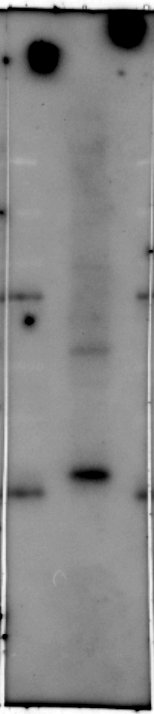
Joleen (Verified Customer) (06-07-2019) | The CRIP2 antibody works well and the protein shows up prominently as the lower band.
 |

