
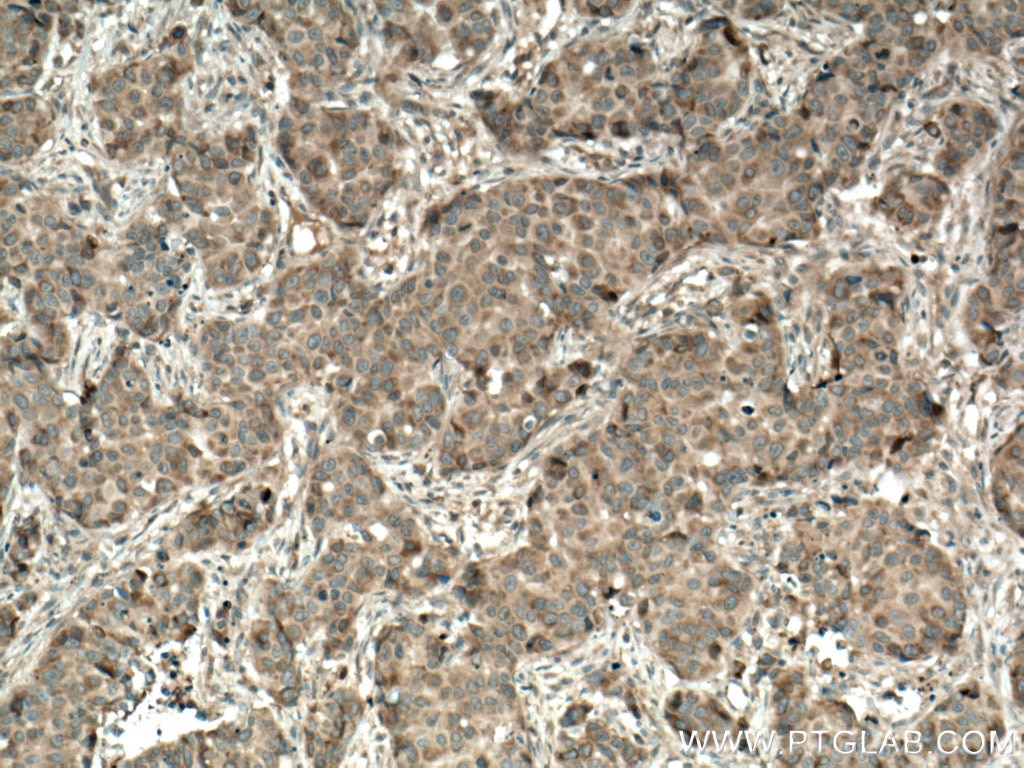
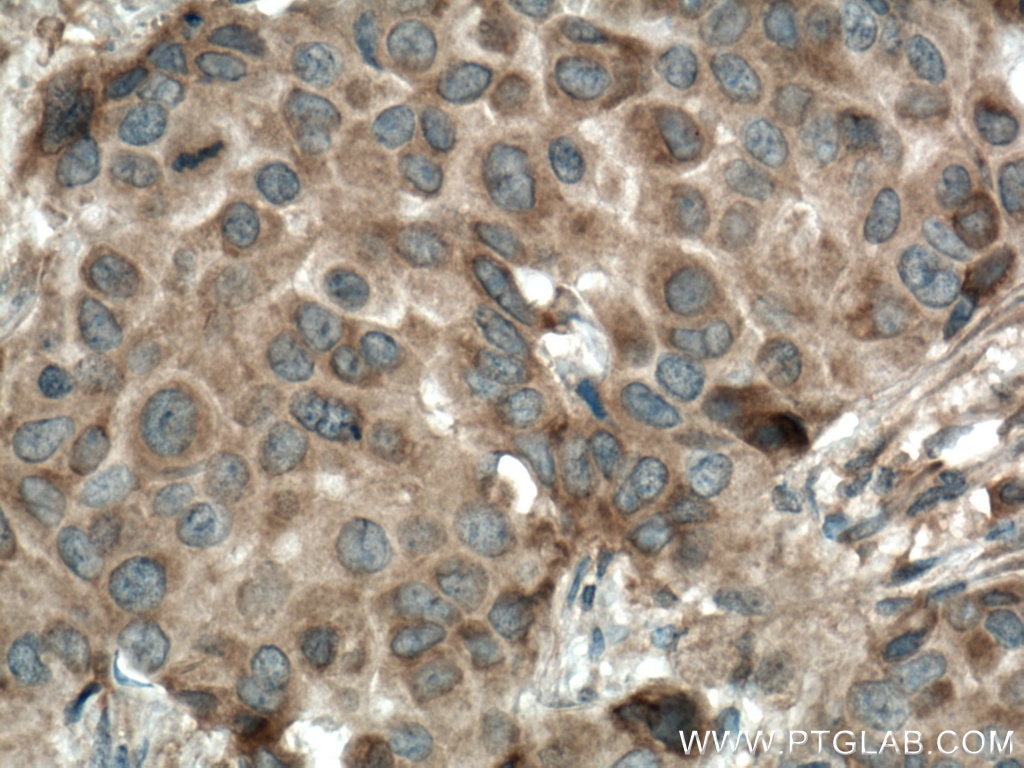
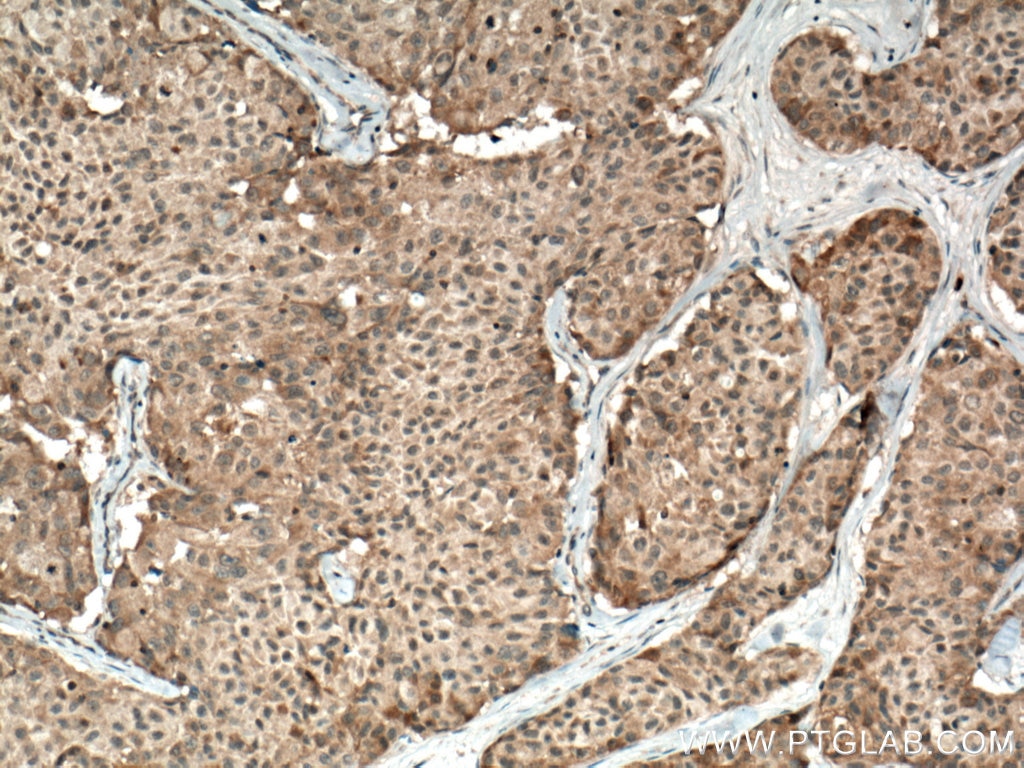
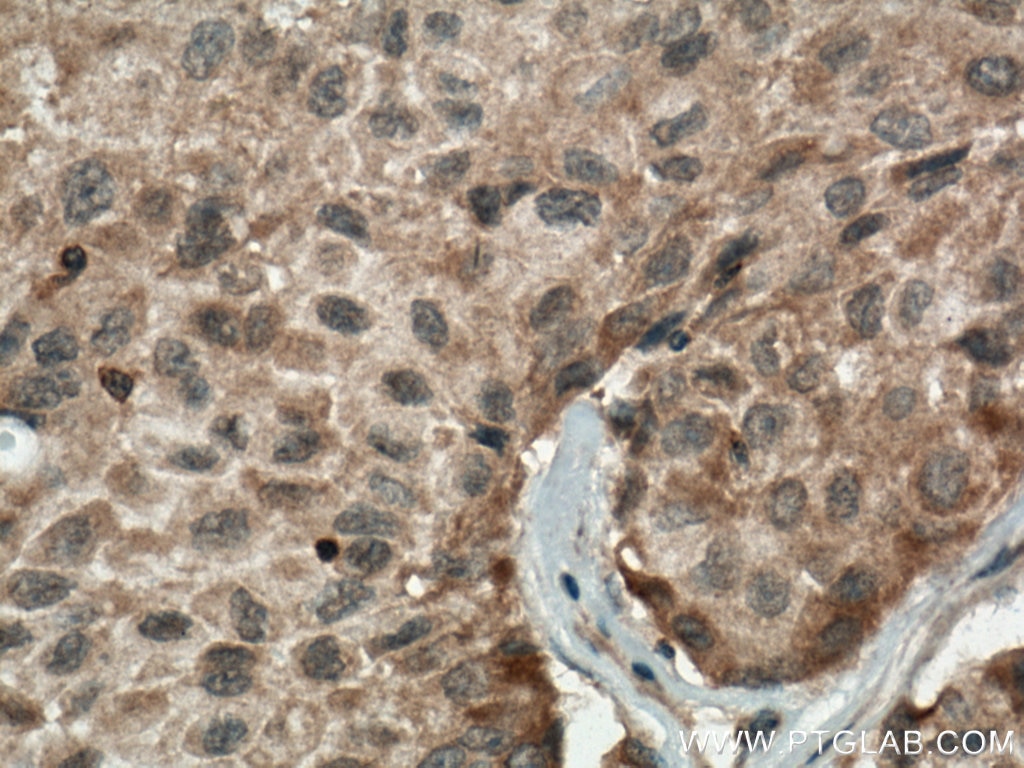

Tested Applications
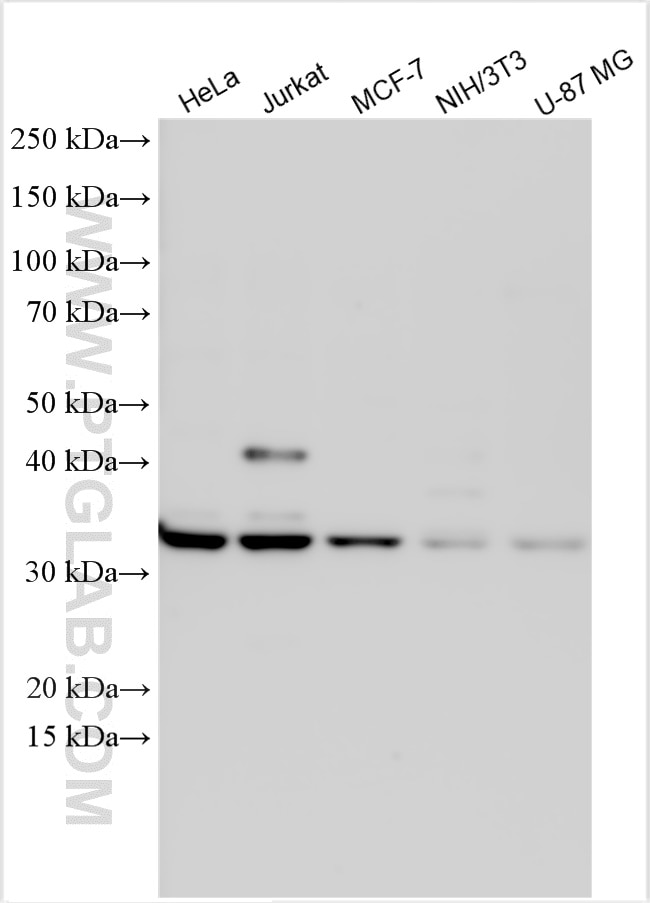
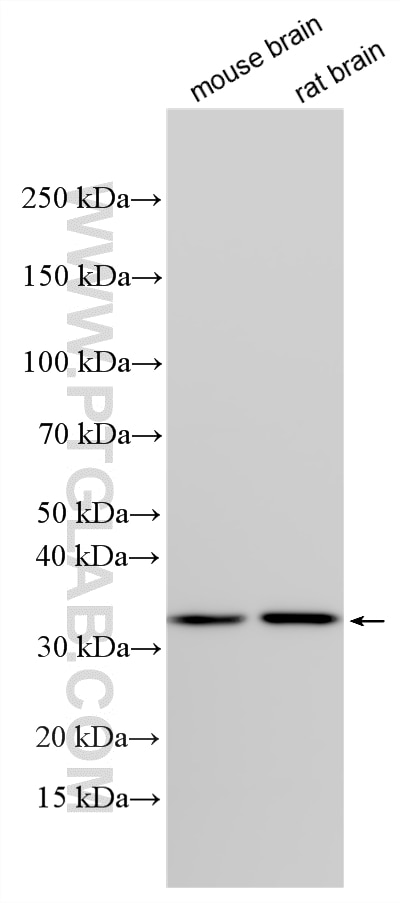
| Positive WB detected in | HeLa cells, mouse brain tissue, Jurkat cells, MCF-7 cells, NIH/3T3 cells, U-87 MG cells, rat brain tissue |
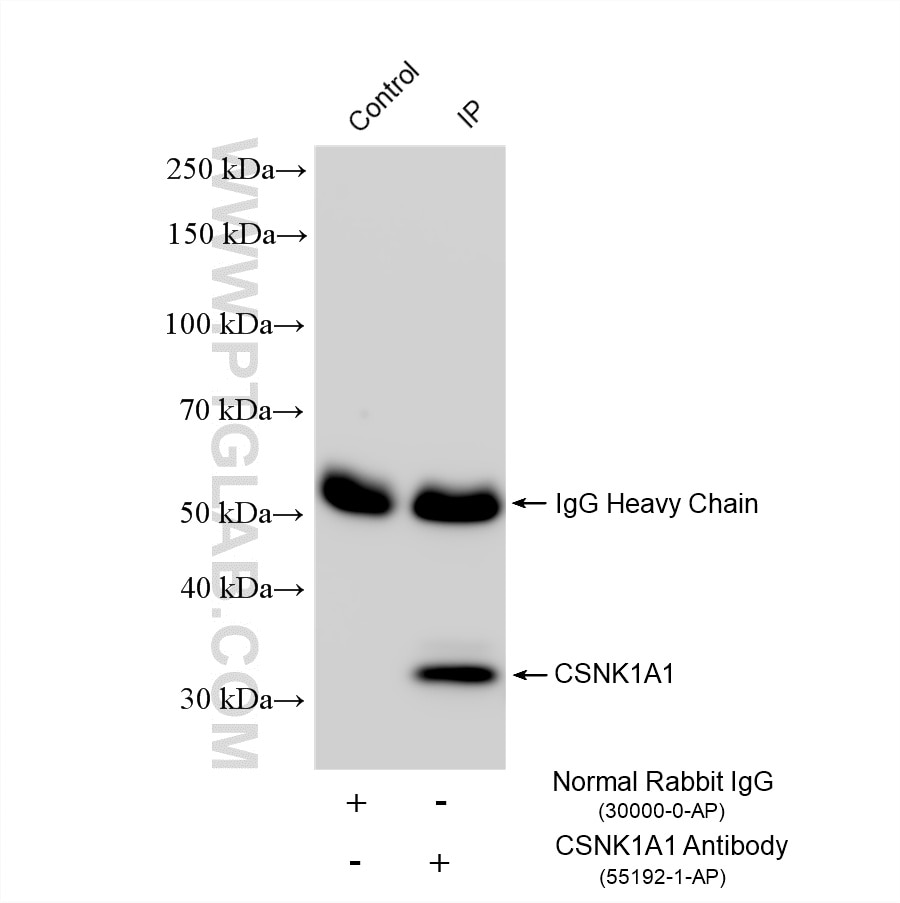
| Positive IP detected in | HeLa cells |
| Positive IHC detected in | human breast cancer tissue, human lung cancer tissue Note: suggested antigen retrieval with TE buffer pH 9.0; (*) Alternatively, antigen retrieval may be performed with citrate buffer pH 6.0 |
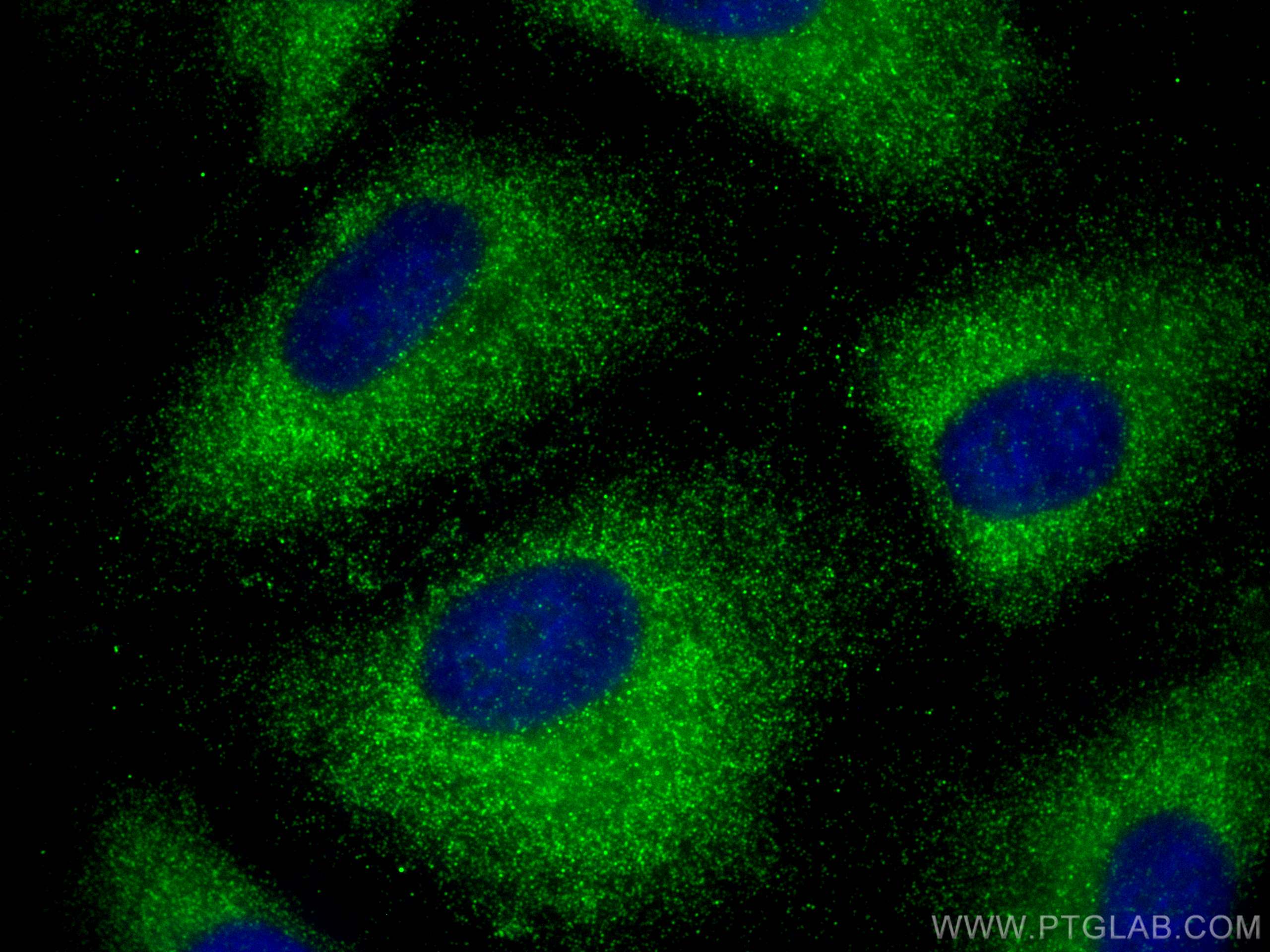
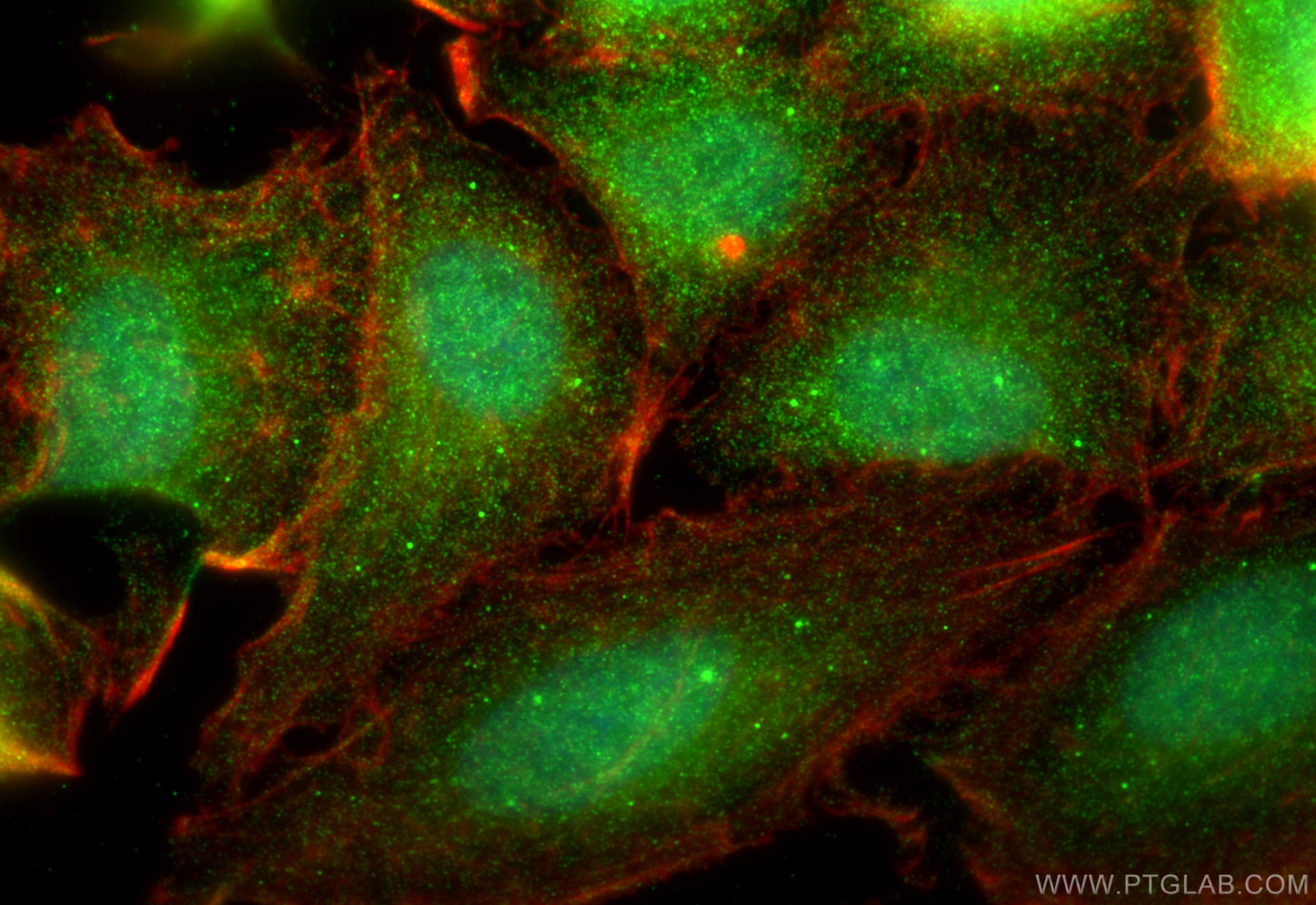
| Positive IF/ICC detected in | A549 cells |
Recommended dilution
| Application | Dilution |
|---|---|
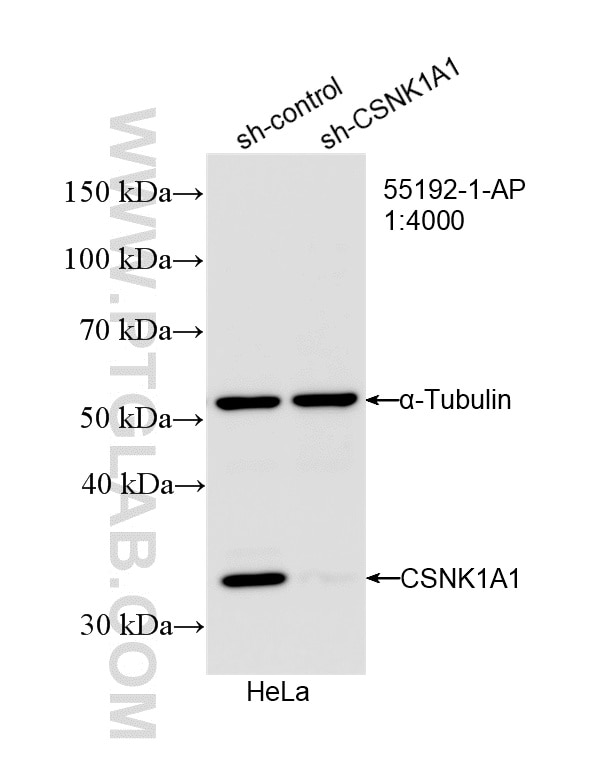
| Western Blot (WB) | WB : 1:1000-1:4000 |
| Immunoprecipitation (IP) | IP : 0.5-4.0 ug for 1.0-3.0 mg of total protein lysate |
| Immunohistochemistry (IHC) | IHC : 1:50-1:500 |
| Immunofluorescence (IF)/ICC | IF/ICC : 1:200-1:800 |
| It is recommended that this reagent should be titrated in each testing system to obtain optimal results. | |
| Sample-dependent, Check data in validation data gallery. | |
Product Information
55192-1-AP targets CSNK1A1 in WB, IHC, IF/ICC, IP, CoIP, RIP, ELISA applications and shows reactivity with human, mouse, rat samples.
| Tested Reactivity | human, mouse, rat |
| Cited Reactivity | human, mouse |
| Host / Isotype | Rabbit / IgG |
| Class | Polyclonal |
| Type | Antibody |
| Immunogen |
Peptide Predict reactive species |
| Full Name | casein kinase 1, alpha 1 |
| Calculated Molecular Weight | 42 kDa |
| Observed Molecular Weight | 30-35 kDa, 42-45 kDa |
| GenBank Accession Number | NM_001892 |
| Gene Symbol | CSNK1A1 |
| Gene ID (NCBI) | 1452 |
| RRID | AB_11183034 |
| Conjugate | Unconjugated |
| Form | Liquid |
| Purification Method | Antigen affinity purification |
| UNIPROT ID | P48729 |
| Storage Buffer | PBS with 0.02% sodium azide and 50% glycerol, pH 7.3. |
| Storage Conditions | Store at -20°C. Stable for one year after shipment. Aliquoting is unnecessary for -20oC storage. 20ul sizes contain 0.1% BSA. |
Background Information
CSNK1A1, also named as CK1, belongs to the protein kinase superfamily, CK1 Ser/Thr protein kinase family and Casein kinase I subfamily. Casein kinases are operationally defined by their preferential utilization of acidic proteins such as caseins as substrates. CSNK1A1 can phosphorylate a large number of proteins. It participates in Wnt signaling. CSNK1A1 phosphorylates CTNNB1 at 'Ser-45'. May play a role in segregating chromosomes during mitosis. This antibody is specific to CSNK1A1.
Protocols
| Product Specific Protocols | |
|---|---|
| IF protocol for CSNK1A1 antibody 55192-1-AP | Download protocol |
| IHC protocol for CSNK1A1 antibody 55192-1-AP | Download protocol |
| IP protocol for CSNK1A1 antibody 55192-1-AP | Download protocol |
| WB protocol for CSNK1A1 antibody 55192-1-AP | Download protocol |
| Standard Protocols | |
|---|---|
| Click here to view our Standard Protocols |
Publications
What published studies show
I'll search for citations for this antibody.The CSNK1A1 Polyclonal antibody (catalog 55192-1-AP) has 22 citations. They appear in journals including Autophagy, Nature Communications, Molecular Cell, Advanced Science, Cell Death & Disease, Pharmacological Research, International Journal of Biological Sciences, Cellular and Molecular Gastroenterology and Hepatology, Stem Cell Research & Therapy, Cellular and Molecular Life Sciences, Journal of Cell Biology, EMBO Reports, Osteoporosis International, Cellular Signalling, Virologica Sinica, iScience, Journal of Biological Chemistry, Endocrinology, Biology of Reproduction, and F1000Research. Research fields span oncology (hepatocellular, colorectal, breast cancer), immunology/STING signaling, circadian biology, cellular signaling (Wnt/β-catenin), metabolic disease, and neuro/germ cell biology.
| Species | Application | Title |
|---|---|---|
Autophagy CSNK1A1/CK1α suppresses autoimmunity by restraining the CGAS-STING1 signaling
| ||
Nat Commun Phosphorylation-coupled autoregulation of TANGO1 and Sec16A maintains functional ER exit sites. | ||
Mol Cell BAG2 releases SAMD4B upon sensing of arginine deficiency to promote tumor cell survival | ||
Adv Sci (Weinh) The PRMT6/PARP1/CRL4B Complex Regulates the Circadian Clock and Promotes Breast Tumorigenesis | ||
Cell Death Dis CARMN loss promotes VSMC-derived foam cell formation and atherosclerosis through transcriptional downregulation of autophagy. | ||
Pharmacol Res Upregulation of CSNK1A1 induced by ITGB5 confers to hepatocellular carcinoma resistance to sorafenib in vivo by disrupting the EPS15/EGFR complex
|

