
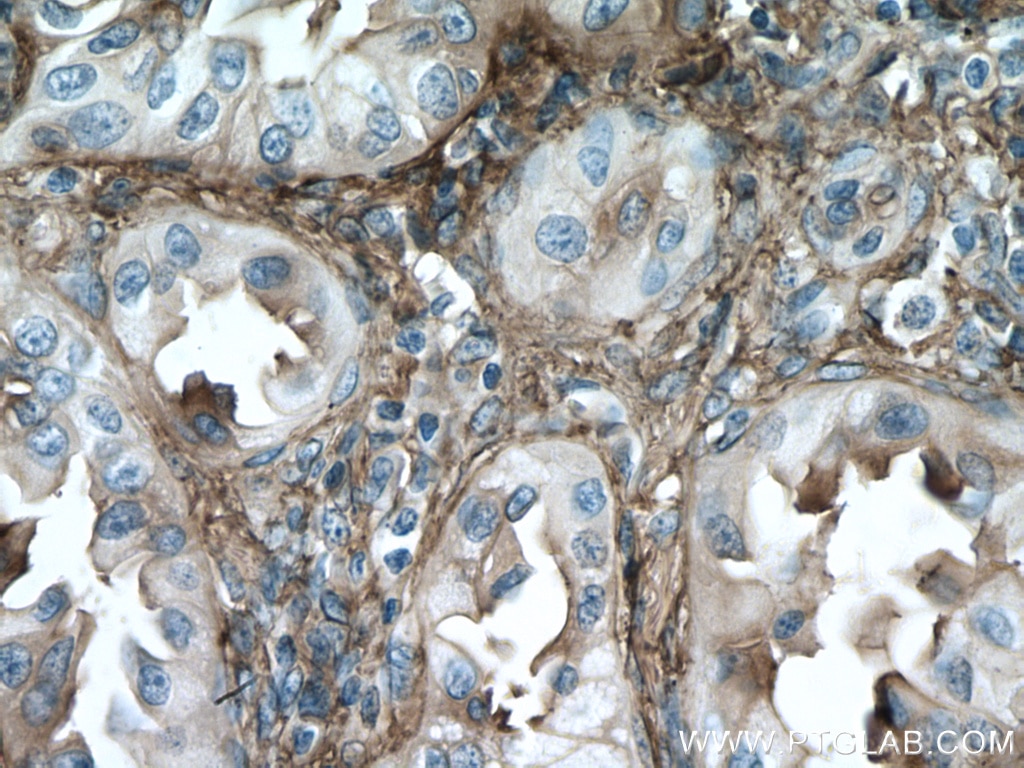

Tested Applications
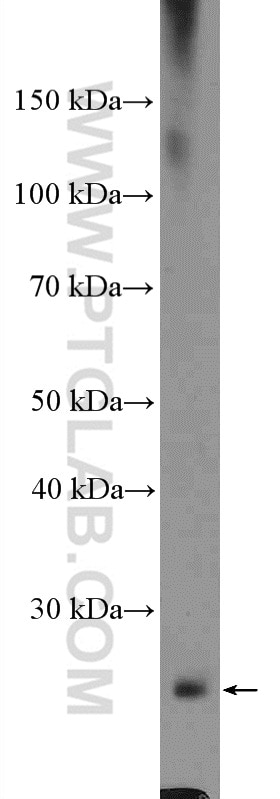
| Positive WB detected in | COLO 320 cells |
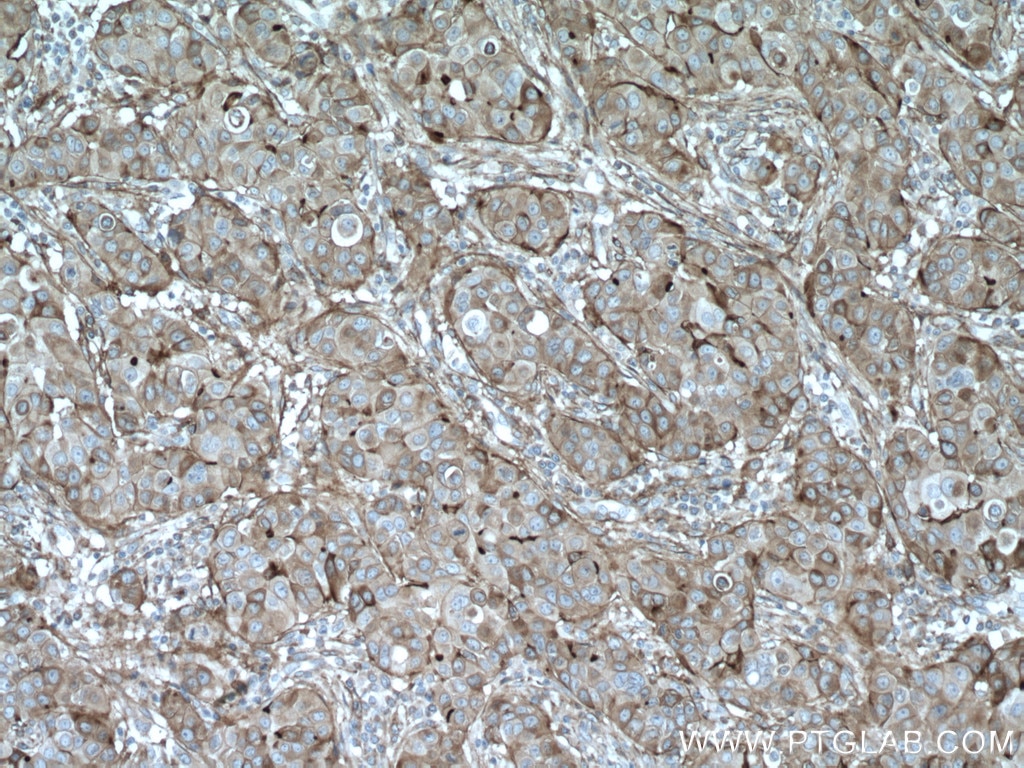
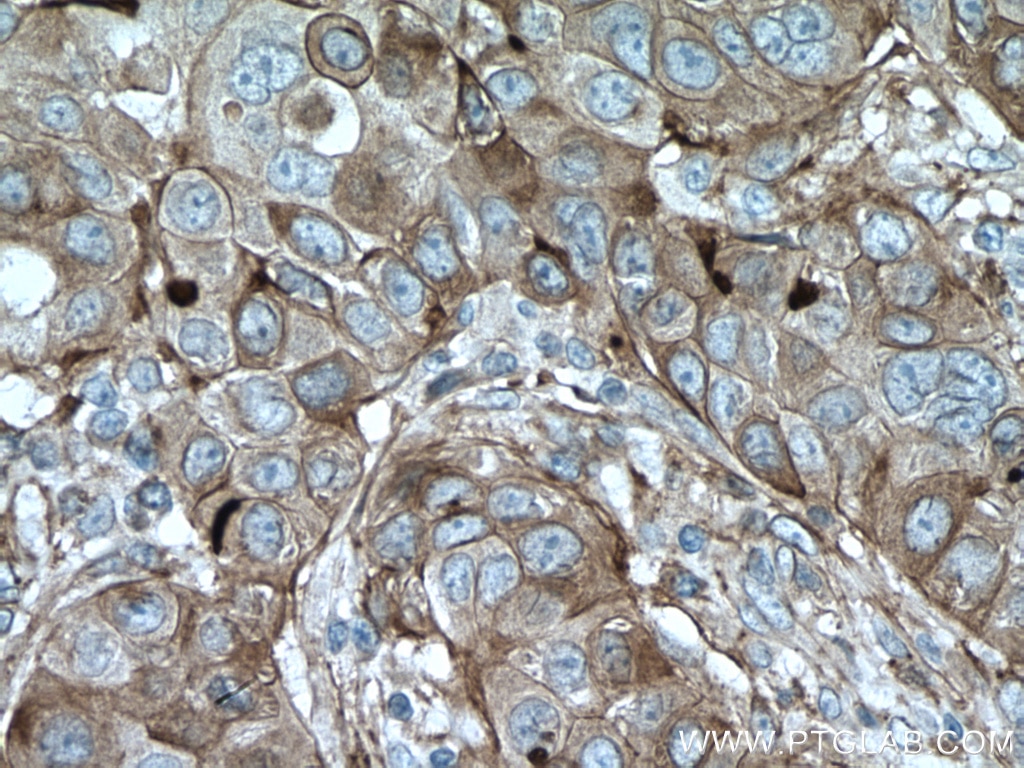
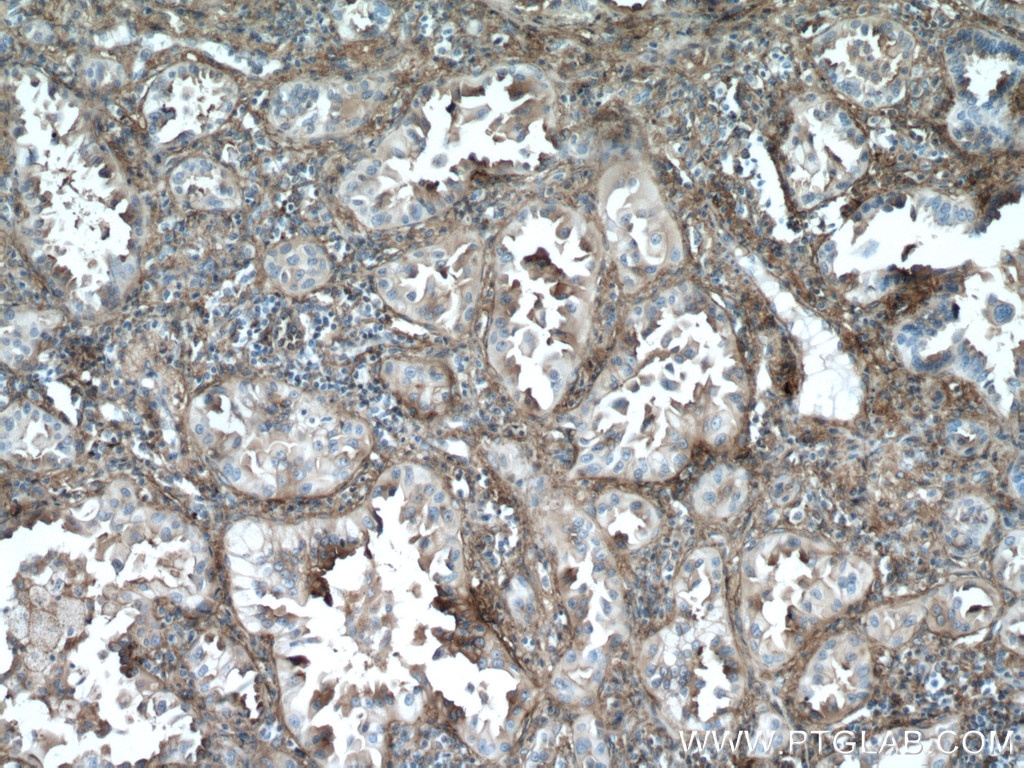
| Positive IHC detected in | human breast cancer tissue, human lung cancer tissue Note: suggested antigen retrieval with TE buffer pH 9.0; (*) Alternatively, antigen retrieval may be performed with citrate buffer pH 6.0 |
Recommended dilution
| Application | Dilution |
|---|---|
| Western Blot (WB) | WB : 1:500-1:3000 |
| Immunohistochemistry (IHC) | IHC : 1:200-1:800 |
| It is recommended that this reagent should be titrated in each testing system to obtain optimal results. | |
| Sample-dependent, Check data in validation data gallery. | |
Product Information
26735-1-AP targets CYBRD1 in WB, IHC, ELISA applications and shows reactivity with human samples.
| Tested Reactivity | human |
| Cited Reactivity | human, mouse, pig |
| Host / Isotype | Rabbit / IgG |
| Class | Polyclonal |
| Type | Antibody |
| Immunogen |
CatNo: Ag24968 Product name: Recombinant human CYBRD1 protein Source: e coli.-derived, PET30a Tag: 6*His Domain: 148-286 aa of BC065290 Sequence: PLSLRAFLMPIHVYSGIVIFGTVIATALMGLTEKLIFSLRDPAYSTFPPEGVFVNTLGLLILVFGALIFWIVTRPQWKRPKEPNSTILHPNGGTEQGARGSMPAYSGNNMDKSDSELNNEVAARKRNLALDEAGQRSTM Predict reactive species |
| Full Name | cytochrome b reductase 1 |
| Observed Molecular Weight | 25 kDa |
| GenBank Accession Number | BC065290 |
| Gene Symbol | CYBRD1 |
| Gene ID (NCBI) | 79901 |
| RRID | AB_2880618 |
| Conjugate | Unconjugated |
| Form | Liquid |
| Purification Method | Antigen affinity purification |
| UNIPROT ID | Q53TN4 |
| Storage Buffer | PBS with 0.02% sodium azide and 50% glycerol, pH 7.3. |
| Storage Conditions | Store at -20°C. Stable for one year after shipment. Aliquoting is unnecessary for -20oC storage. 20ul sizes contain 0.1% BSA. |
Publications
What published studies show
The CYBRD1 Polyclonal antibody (Cat# 26735-1-AP) has 4 total citations. These appear in Biol Trace Elem Res, PeerJ, Metallomics, and Front Nutr. The associated research fields span iron metabolism and hepatic mitochondrial function, upper tract urothelial carcinoma gene identification, intestinal flora and iron intake effects in piglets, and hepcidin-targeted strategies to restore oral iron efficacy post-gastrectomy. Applications cited include WB and IHC across mouse, human, and pig species.
| Species | Application | Title |
|---|---|---|
Biol Trace Elem Res Chronic Psychological Stress Disrupts Iron Metabolism and Enhances Hepatic Mitochondrial Function in Mice. | ||
PeerJ Identification of potential genes in upper tract urothelial carcinoma using next-generation sequencing with bioinformatics and in vitro analyses. | ||
Metallomics Tolerable upper intake level of iron damages the intestine and alters the intestinal flora in weaned piglets. | ||
Front Nutr Targeting hepcidin to restore oral iron efficacy after vertical sleeve gastrectomy. |

