

Tested Applications
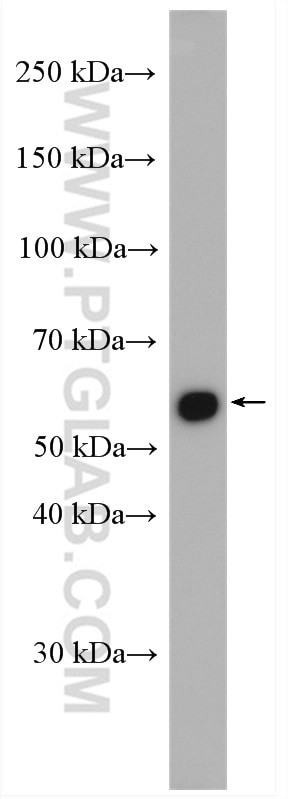
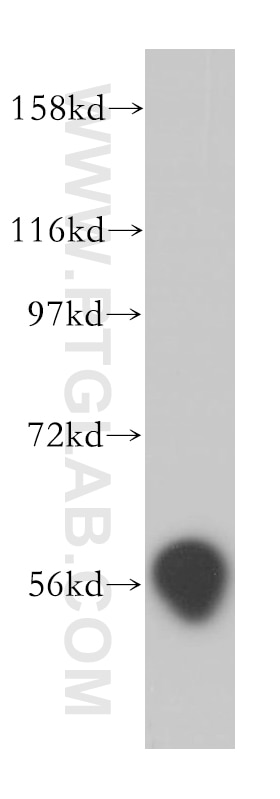
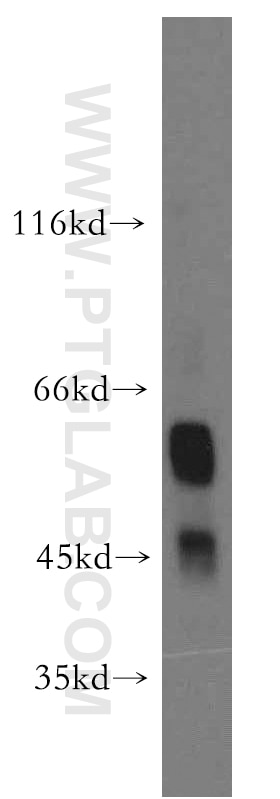
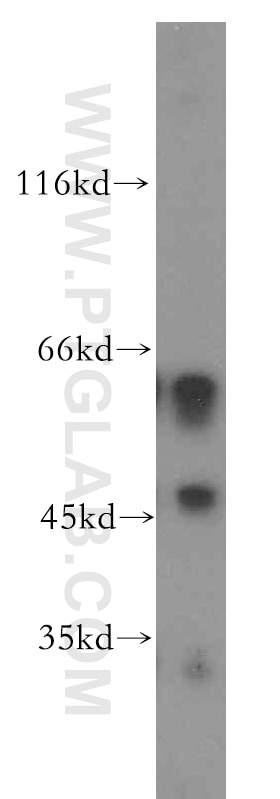
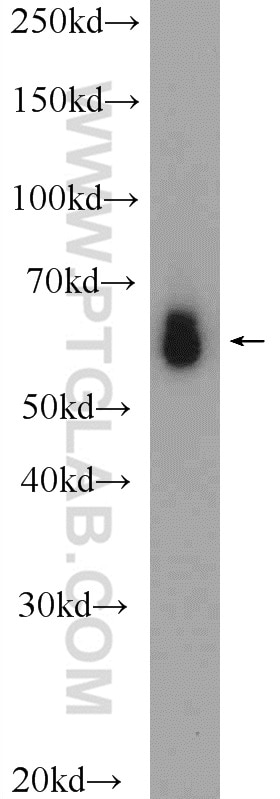
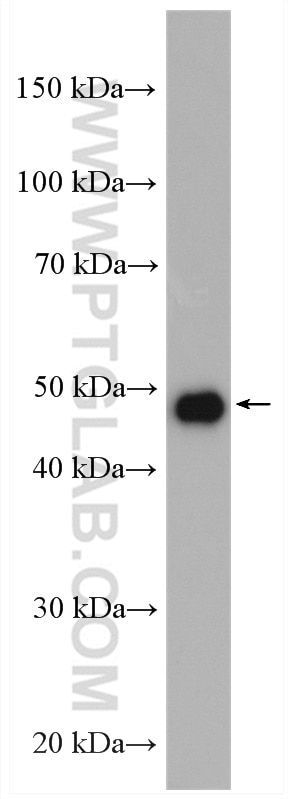
| Positive WB detected in | mouse kidney tissue, human liver tissue, human heart tissue, rat liver tissue, mouse liver tissue |
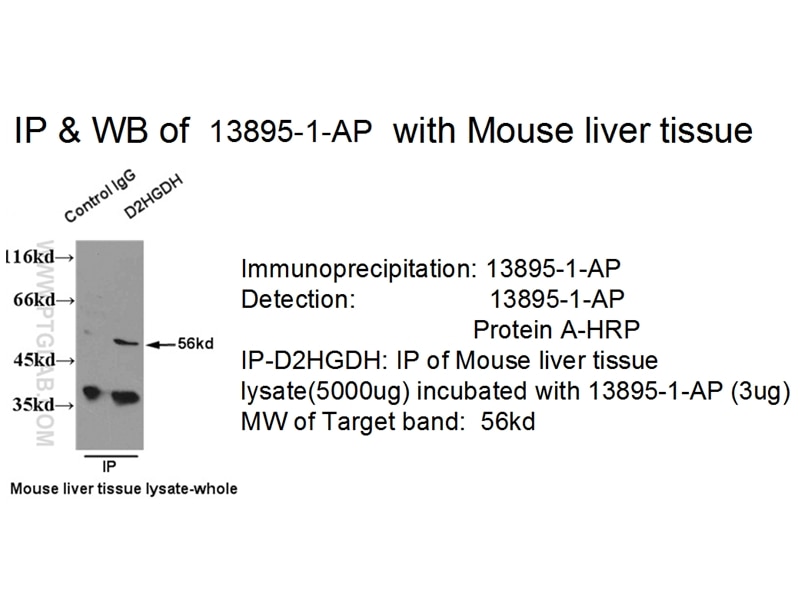
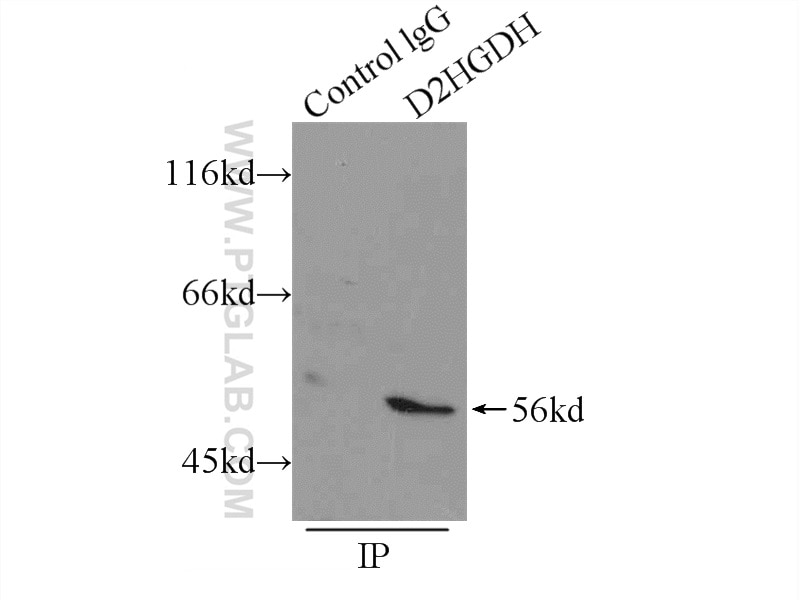
| Positive IP detected in | mouse liver tissue |
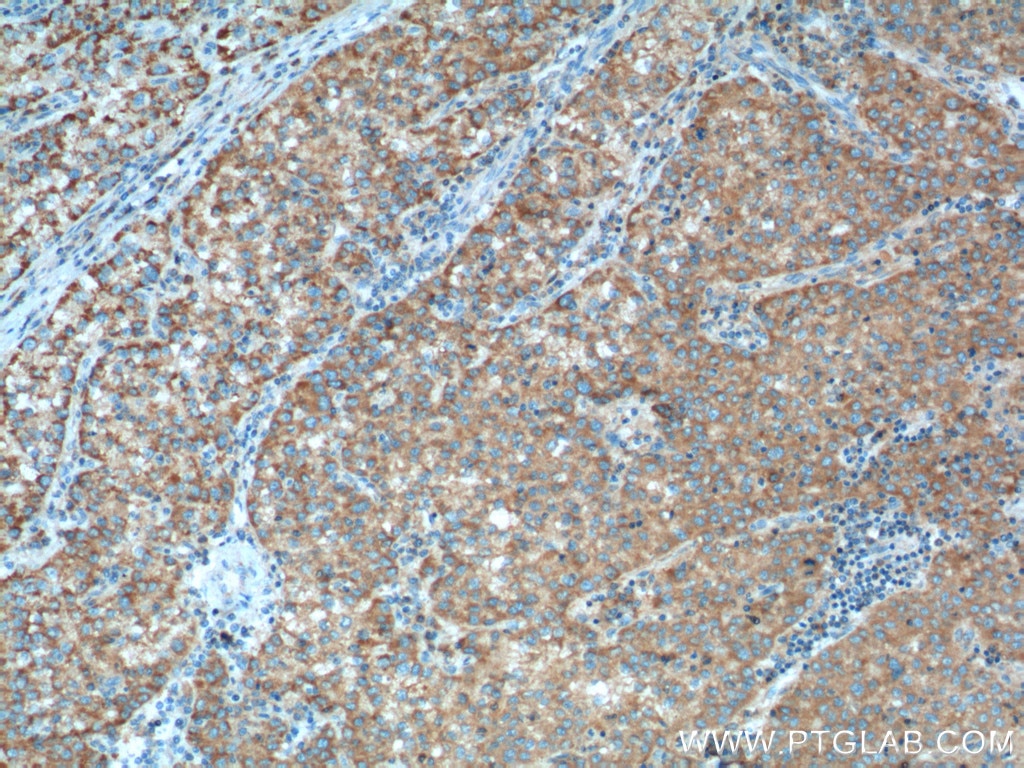
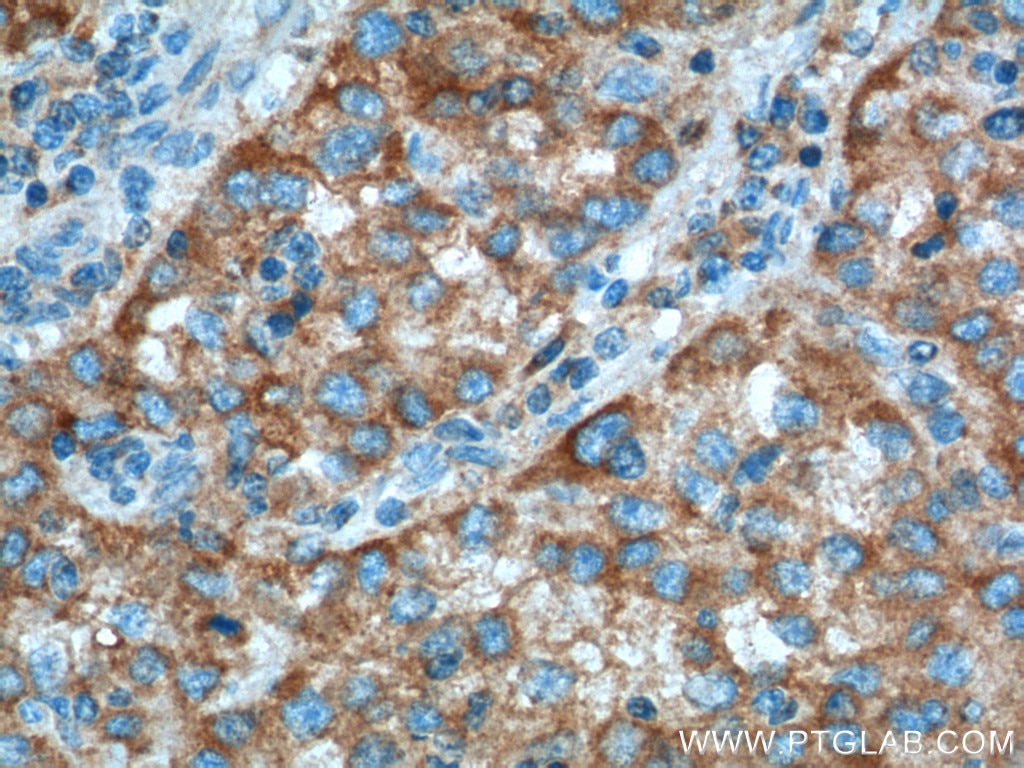
| Positive IHC detected in | human liver cancer tissue Note: suggested antigen retrieval with TE buffer pH 9.0; (*) Alternatively, antigen retrieval may be performed with citrate buffer pH 6.0 |
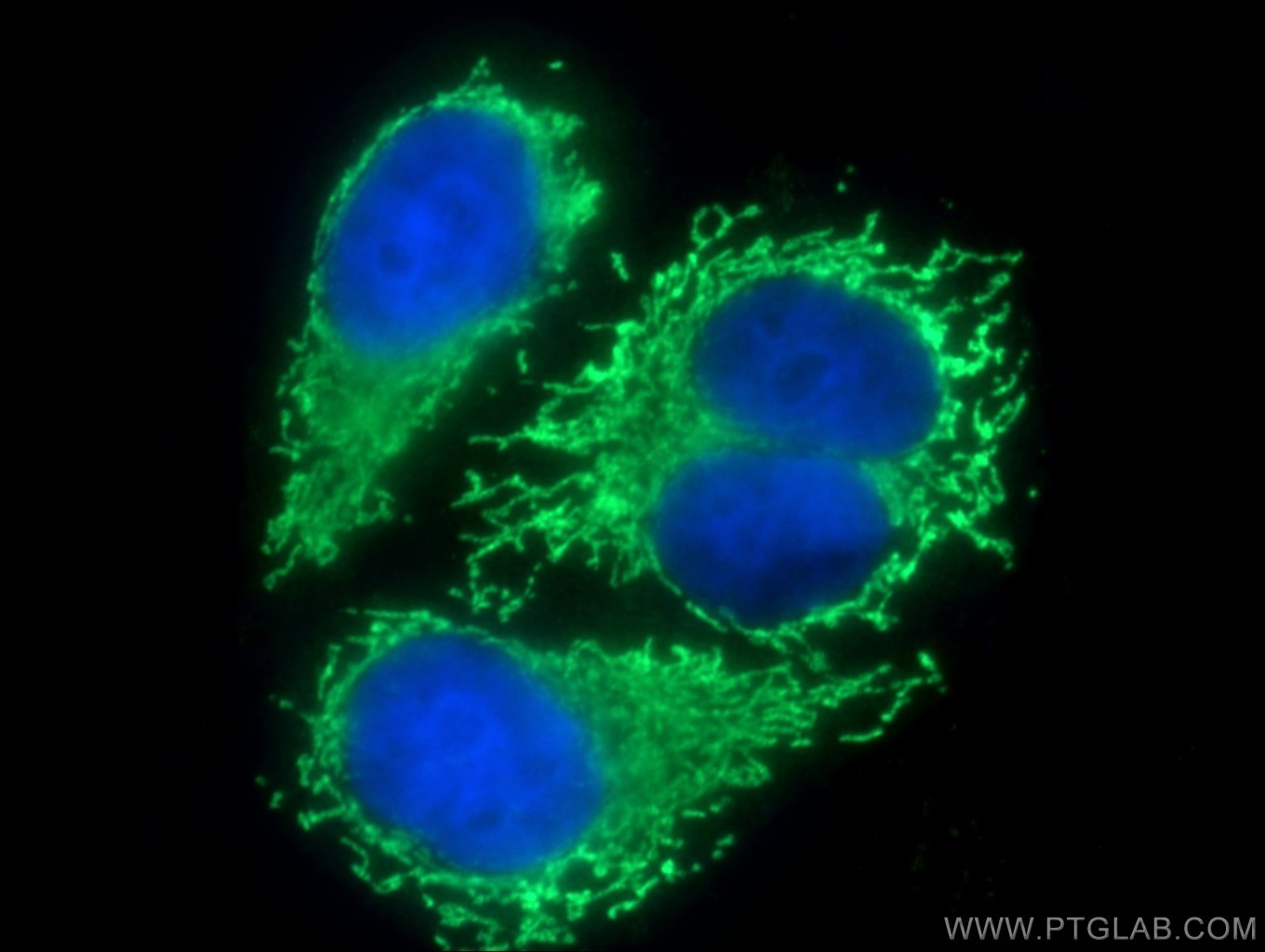
| Positive IF/ICC detected in | HepG2 cells |
Recommended dilution
| Application | Dilution |
|---|---|
| Western Blot (WB) | WB : 1:500-1:2000 |
| Immunoprecipitation (IP) | IP : 0.5-4.0 ug for 1.0-3.0 mg of total protein lysate |
| Immunohistochemistry (IHC) | IHC : 1:50-1:500 |
| Immunofluorescence (IF)/ICC | IF/ICC : 1:20-1:200 |
| It is recommended that this reagent should be titrated in each testing system to obtain optimal results. | |
| Sample-dependent, Check data in validation data gallery. | |
Product Information
13895-1-AP targets D2HGDH in WB, IHC, IF/ICC, IP, ELISA applications and shows reactivity with human, mouse, rat samples.
| Tested Reactivity | human, mouse, rat |
| Cited Reactivity | human, mouse |
| Host / Isotype | Rabbit / IgG |
| Class | Polyclonal |
| Type | Antibody |
| Immunogen |
CatNo: Ag4857 Product name: Recombinant human D2HGDH protein Source: e coli.-derived, PGEX-4T Tag: GST Domain: 1-286 aa of BC036604 Sequence: MLPRRPLAWPAWLLRGAPGAAGSWGRPVGPLARRGCCSAPGTPEVPLTRERYPVQRLPFSTVSKQDLAAFERIVPGGVVTDPEALQAPNVDWLRTLRGCSKVLLRPRTSEEVSHILRHCHERNLAVNPQGGNTGMVGGSVPVFDEIILSTARMNRVLSFHSVSGILVCQAGCVLEELSRYVEERDFIMPLDLGAKGSCHIGGNVATNAGGLRFLRYGSLHGTVLGLEVVLADGTVLDCLTSLRKDNTGYDLKQLFIGSEGTLGIITTVSILCPPKPRAVNVAFLGC Predict reactive species |
| Full Name | D-2-hydroxyglutarate dehydrogenase |
| Calculated Molecular Weight | 521 aa, 56 kDa |
| Observed Molecular Weight | 56 kDa |
| GenBank Accession Number | BC036604 |
| Gene Symbol | D2HGDH |
| Gene ID (NCBI) | 728294 |
| RRID | AB_2089330 |
| Conjugate | Unconjugated |
| Form | Liquid |
| Purification Method | Antigen affinity purification |
| UNIPROT ID | Q8N465 |
| Storage Buffer | PBS with 0.02% sodium azide and 50% glycerol, pH 7.3. |
| Storage Conditions | Store at -20°C. Stable for one year after shipment. Aliquoting is unnecessary for -20oC storage. 20ul sizes contain 0.1% BSA. |
Background Information
D2HGDH(D-2-hydroxyglutarate dehydrogenase, mitochondrial) is also named as D2HGD and belongs to the FAD-binding oxidoreductase/transferase type 4 family.It catalyzes the oxidation of D-2-hydroxyglutarate to alpha-ketoglutarate.Defects in D2HGDH are the cause of D-2-hydroxyglutaric aciduria type 1 (D2HGA1).It has 2 isoforms produced by alternative splicing.
Protocols
| Product Specific Protocols | |
|---|---|
| IF protocol for D2HGDH antibody 13895-1-AP | Download protocol |
| IHC protocol for D2HGDH antibody 13895-1-AP | Download protocol |
| IP protocol for D2HGDH antibody 13895-1-AP | Download protocol |
| WB protocol for D2HGDH antibody 13895-1-AP | Download protocol |
| Standard Protocols | |
|---|---|
| Click here to view our Standard Protocols |
Publications
What published studies show
The anti-D2HGDH antibody (Cat# 13895-1-AP) has 15 citations across journals including Science, Cell Metabolism, Nature Communications, Cell Chemical Biology, Leukemia, Cell Reports, Oncotarget, Scientific Reports, Metabolites, PLoS ONE, Histology and Histopathology, Human Mutation, and Journal of Advanced Research. Research fields span oncometabolite metabolism, hypoxia response, mitochondrial dysfunction, epigenetic regulation, T cell immunometabolism, cancer (glioblastoma, breast carcinoma), diabetic kidney disease, and neural stem cell biology.
| Species | Application | Title |
|---|---|---|
Cell Metab Hypoxia-Mediated Increases in L-2-hydroxyglutarate Coordinate the Metabolic Response to Reductive Stress.
| ||
Nat Commun D2HGDH regulates alpha-ketoglutarate levels and dioxygenase function by modulating IDH2. | ||
J Adv Res Gestational exposure to PM(2.5) impaired cardiac development through ANGPTL4-mediated mitochondrial metabolic dysfunction. | ||
Cell Chem Biol MYC Regulation of D2HGDH and L2HGDH Influences the Epigenome and Epitranscriptome.
|

