

Tested Applications
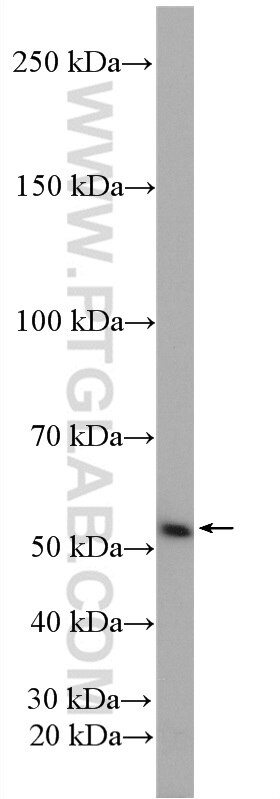
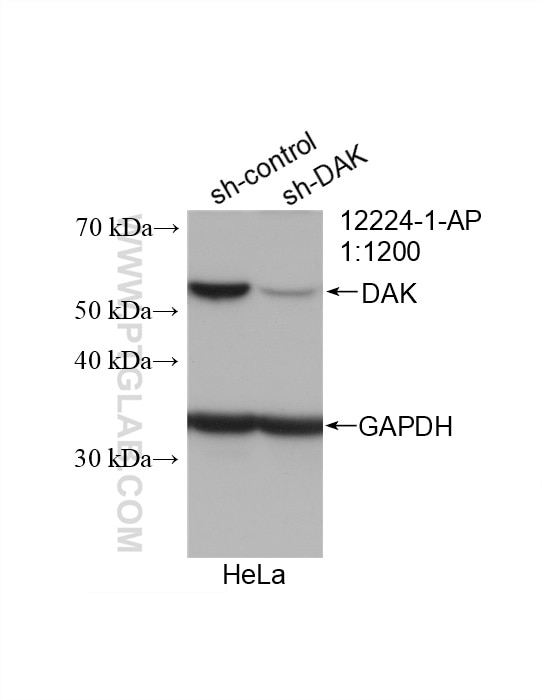
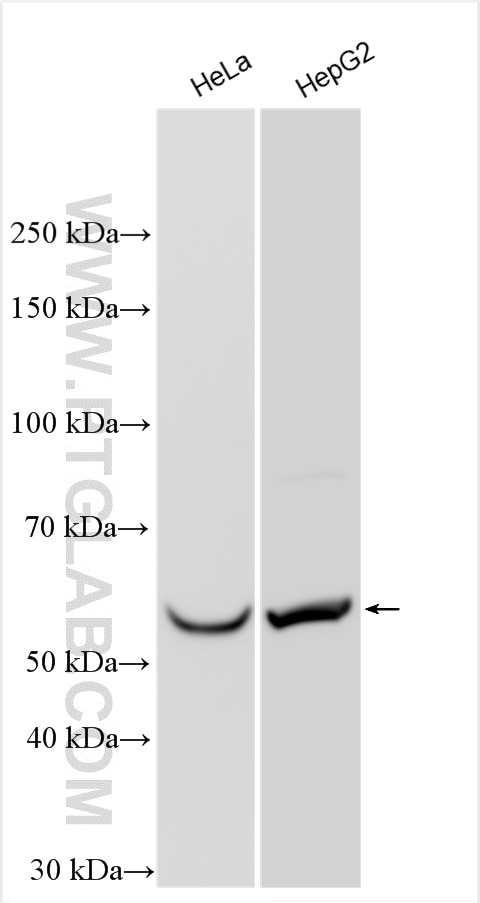
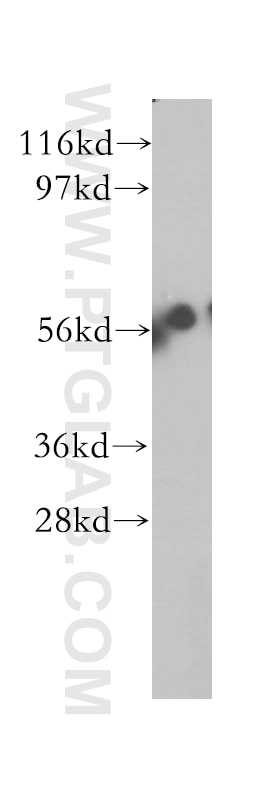
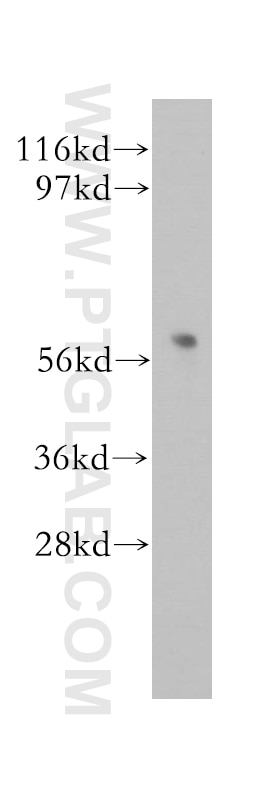
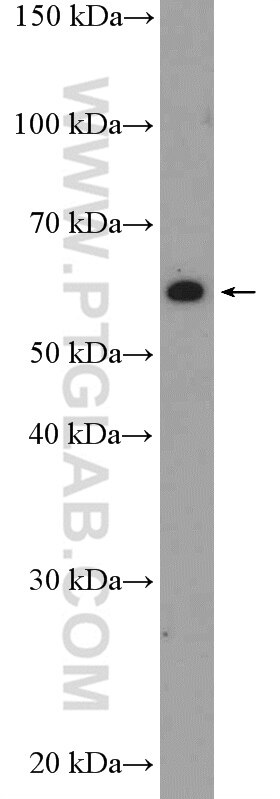
| Positive WB detected in | HeLa cells, HEK-293 cells, mouse uterus tissue, HepG2 cells |
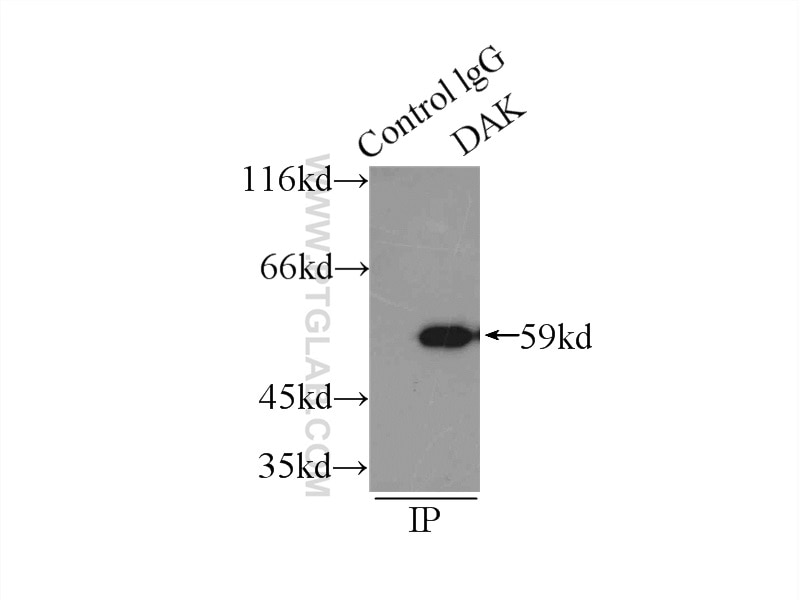
| Positive IP detected in | HeLa cells |
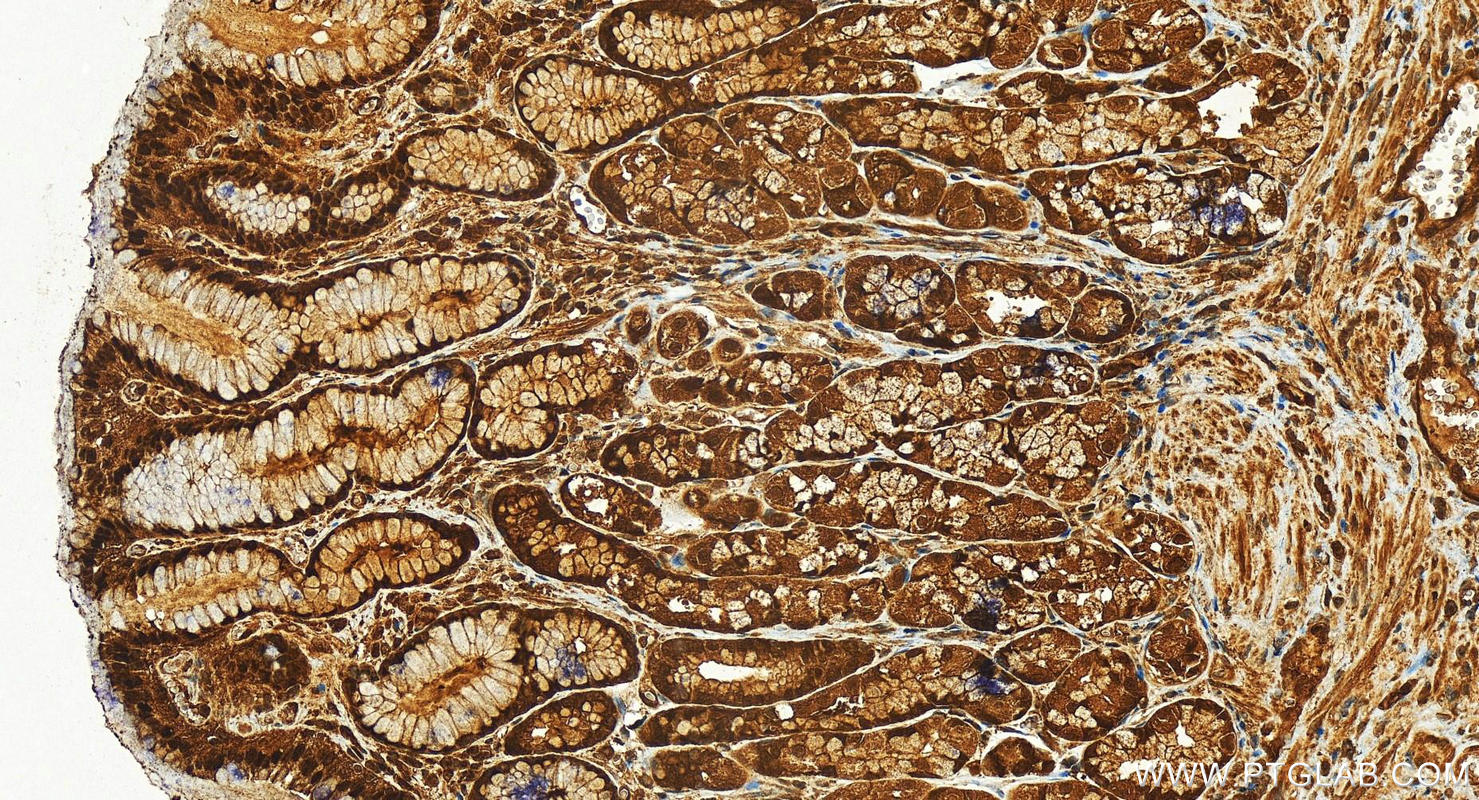
| Positive IHC detected in | human stomach tissue Note: suggested antigen retrieval with TE buffer pH 9.0; (*) Alternatively, antigen retrieval may be performed with citrate buffer pH 6.0 |
Recommended dilution
| Application | Dilution |
|---|---|
| Western Blot (WB) | WB : 1:1000-1:6000 |
| Immunoprecipitation (IP) | IP : 0.5-4.0 ug for 1.0-3.0 mg of total protein lysate |
| Immunohistochemistry (IHC) | IHC : 1:50-1:500 |
| It is recommended that this reagent should be titrated in each testing system to obtain optimal results. | |
| Sample-dependent, Check data in validation data gallery. | |
Product Information
12224-1-AP targets DAK in WB, IHC, IF, IP, ELISA applications and shows reactivity with human, mouse, rat samples.
| Tested Reactivity | human, mouse, rat |
| Cited Reactivity | human, mouse, rat |
| Host / Isotype | Rabbit / IgG |
| Class | Polyclonal |
| Type | Antibody |
| Immunogen |
CatNo: Ag2861 Product name: Recombinant human DAK protein Source: e coli.-derived, PGEX-4T Tag: GST Domain: 226-576 aa of BC001341 Sequence: VRRIKMATADEIVKLMLDHMTNTTNASHVPVQPGSSVVMMVNNLGGLSFLELGIIADATVRSLEGRGVKIARALVGTFMSALEMPGISLTLLLVDEPLLKLIDAETTAAAWPNVAAVSITGRKRSRVAPAEPQEAPDSTAAGGSASKRMALVLERVCSTLLGLEEHLNALDRAAGDGDCGTTHSRAARAIQEWLKEGPPPASPAQLLSKLSVLLLEKMGGSSGALYGLFLTAAAQPLKAKTSLPAWSAAMDAGLEAMQKYGKAAPGDRTMLDSLWAAGQELQAWKSPGADLLQVLTKAVKSAEAAAEATKNMEAGAGRASYISSARLEQPDPGAVAAAAILRAILEVLQS Predict reactive species |
| Full Name | dihydroxyacetone kinase 2 homolog (S. cerevisiae) |
| Calculated Molecular Weight | 575 aa, 59 kDa |
| Observed Molecular Weight | 55-59 kDa |
| GenBank Accession Number | BC001341 |
| Gene Symbol | DAK |
| Gene ID (NCBI) | 26007 |
| RRID | AB_2277108 |
| Conjugate | Unconjugated |
| Form | Liquid |
| Purification Method | Antigen affinity purification |
| UNIPROT ID | Q3LXA3 |
| Storage Buffer | PBS with 0.02% sodium azide and 50% glycerol, pH 7.3. |
| Storage Conditions | Store at -20°C. Stable for one year after shipment. Aliquoting is unnecessary for -20oC storage. 20ul sizes contain 0.1% BSA. |
Background Information
DAK, also name as TKFC, Triokinase, and FMN cyclase, catalyzes both the phosphorylation of dihydroxyacetone and of glyceraldehyde, and the splitting of ribonucleoside diphosphate-X compounds among which FAD is the best substrate. DAK has some isoforms with MW 51-55 kDa and 59 kDa.
Protocols
| Product Specific Protocols | |
|---|---|
| IHC protocol for DAK antibody 12224-1-AP | Download protocol |
| IP protocol for DAK antibody 12224-1-AP | Download protocol |
| WB protocol for DAK antibody 12224-1-AP | Download protocol |
| Standard Protocols | |
|---|---|
| Click here to view our Standard Protocols |
Publications
What published studies show
The DAK Polyclonal antibody (Cat# 12224-1-AP) has 7 citations published in journals including Cell Metabolism, Acta Pharmaceutica Sinica B, Advanced Science, Molecular Psychiatry, Pharmaceuticals, iScience, and Endocrinology. Research fields span hepatic steatosis and metabolic dysfunction, mitochondrial redox biology, fear memory formation, podocyte inflammation, glioma progression and glycolysis, and fructose metabolism. Applications cited include Western blot and immunofluorescence across human, mouse, and rat species.
| Species | Application | Title |
|---|---|---|
Cell Metab Circulating glycerate predicts resilience to fructose-induced hepatic steatosis | ||
Acta Pharm Sin B Curcumin ameliorates metabolic dysfunction-associated steatotic liver disease via targeting triokinase/FMN cyclase to regulate the expression of glycerol-3-phosphate acyltransferase 3: Integration of chemical proteomics and transcriptomics.
| ||
Adv Sci (Weinh) TPI1 Loss Triggers a Metabolite-Driven Mitochondrial Redox Vulnerability via the SARM1-cADPR-Ca(2+) Axis. | ||
Mol Psychiatry Proteasome-independent K63 polyubiquitination selectively regulates ATP levels and proteasome activity during fear memory formation in the female amygdala | ||
Pharmaceuticals (Basel) Magnolol Inhibits High Fructose-Induced Podocyte Inflammation via Downregulation of TKFC/Sp1/HDAC4/Notch1 Activation | ||
iScience CircSOBP suppresses the progression of glioma by disrupting glycolysis and promoting the MDA5-mediated immune response
|

