

Tested Applications
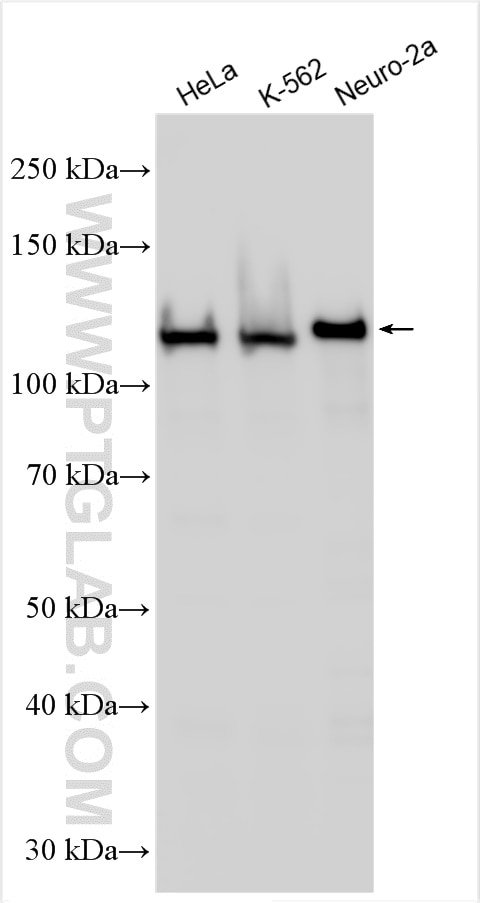
| Positive WB detected in | HeLa cells, K-562 cells, Neuro-2a cells |
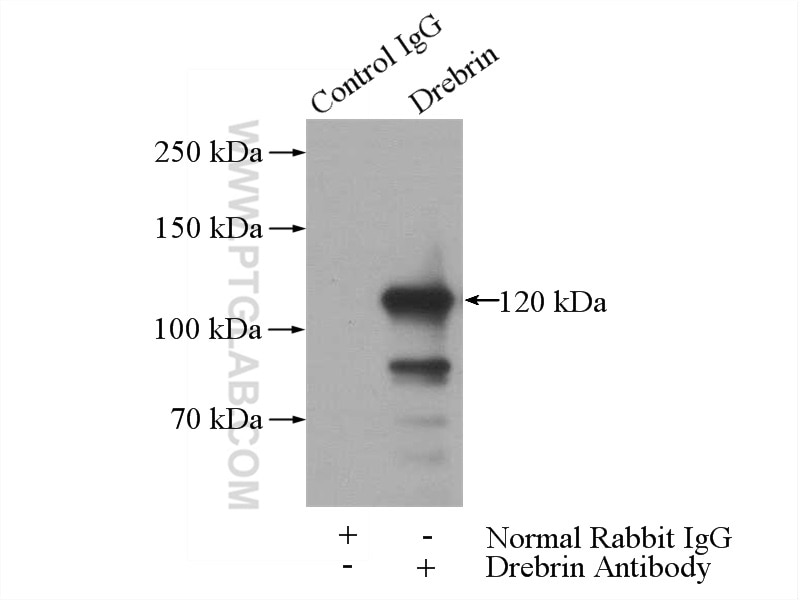
| Positive IP detected in | K-562 cells |
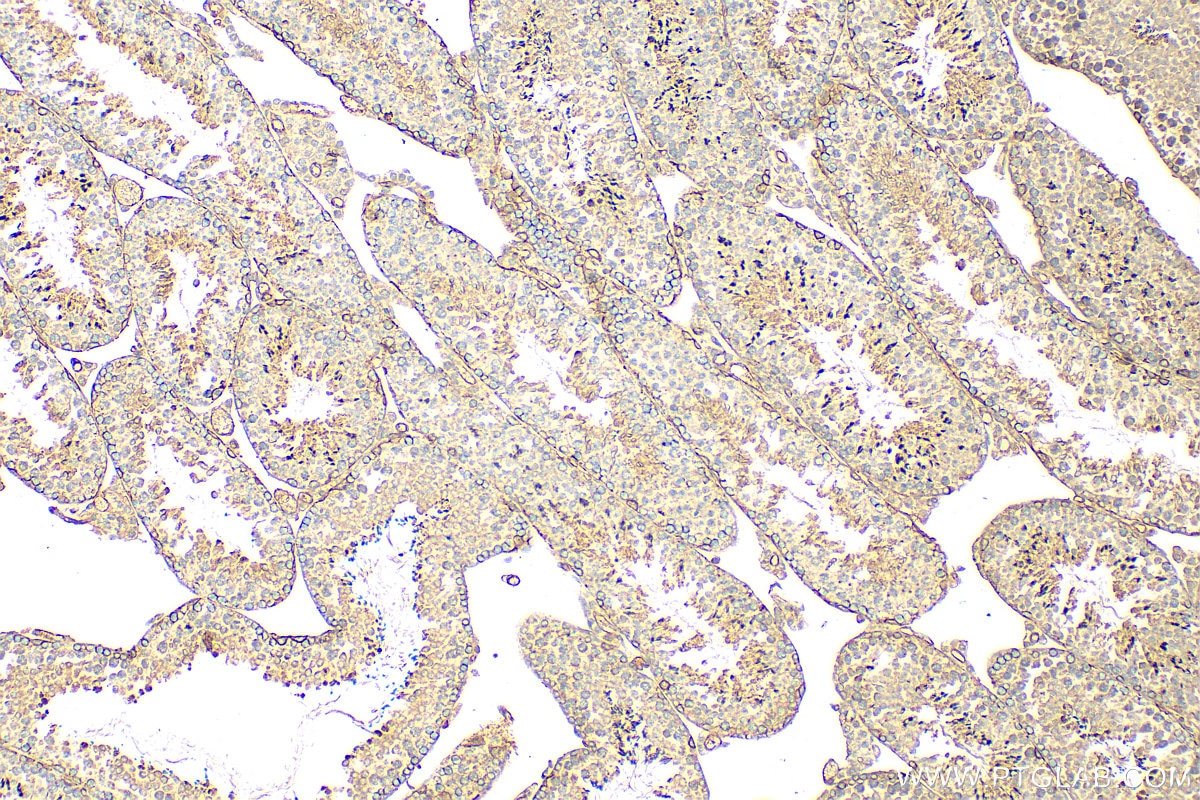
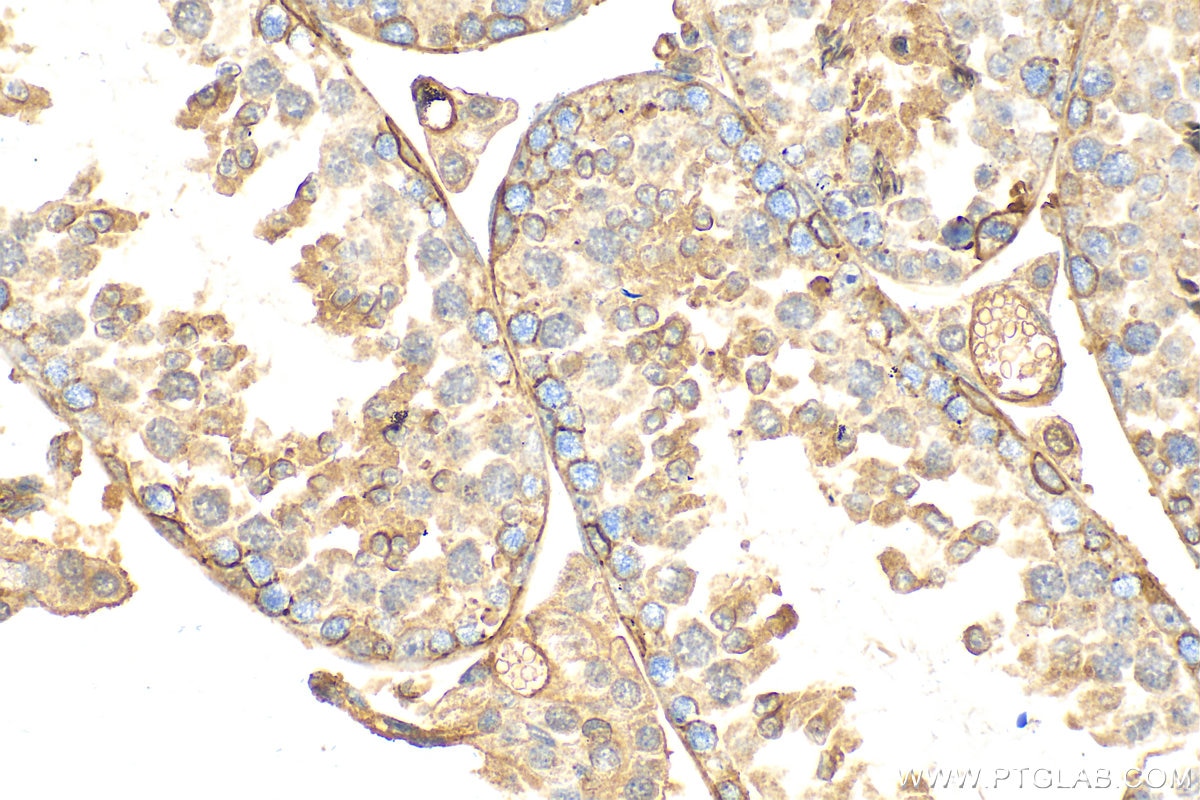
| Positive IHC detected in | mouse testis tissue Note: suggested antigen retrieval with TE buffer pH 9.0; (*) Alternatively, antigen retrieval may be performed with citrate buffer pH 6.0 |
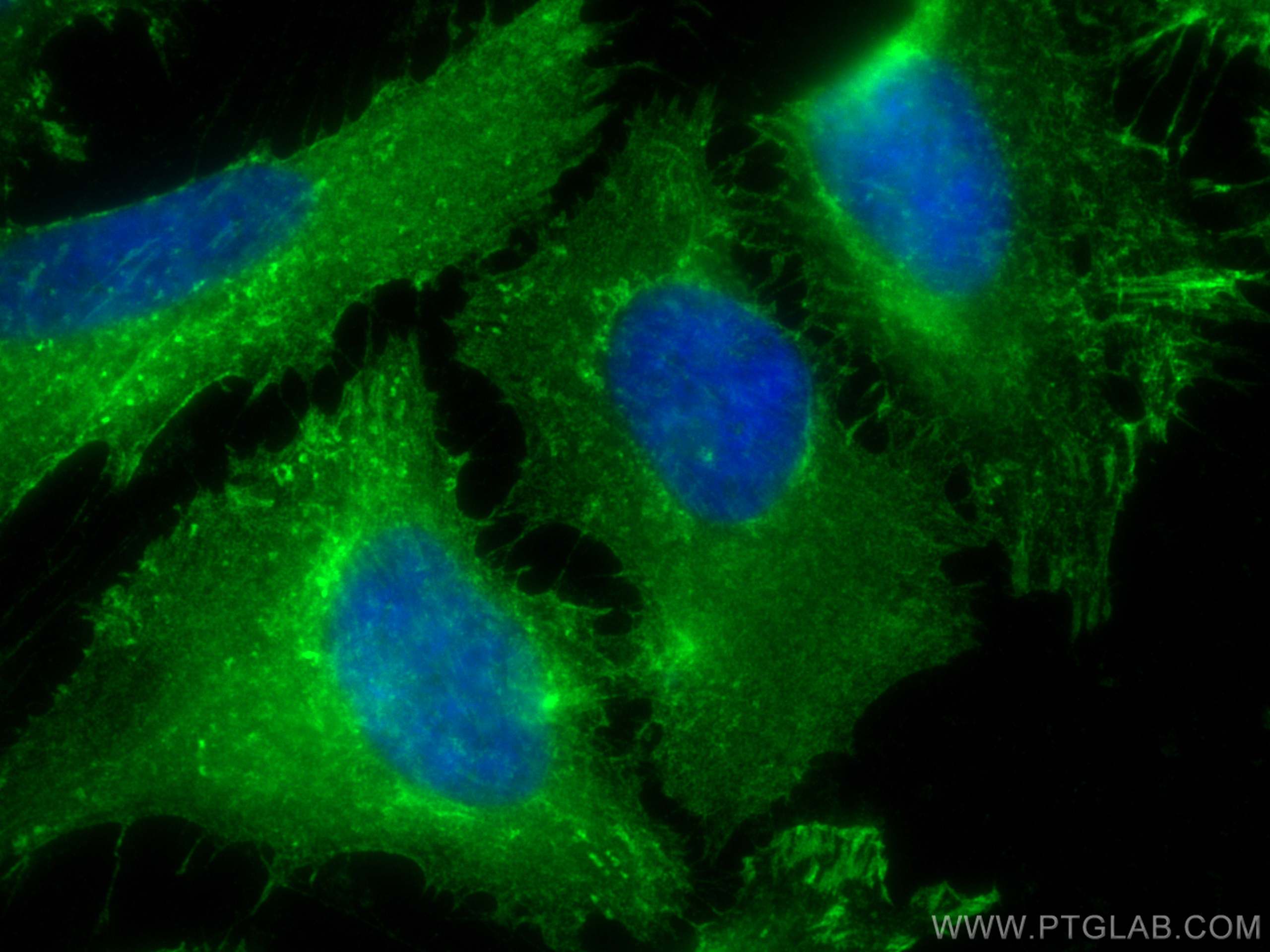
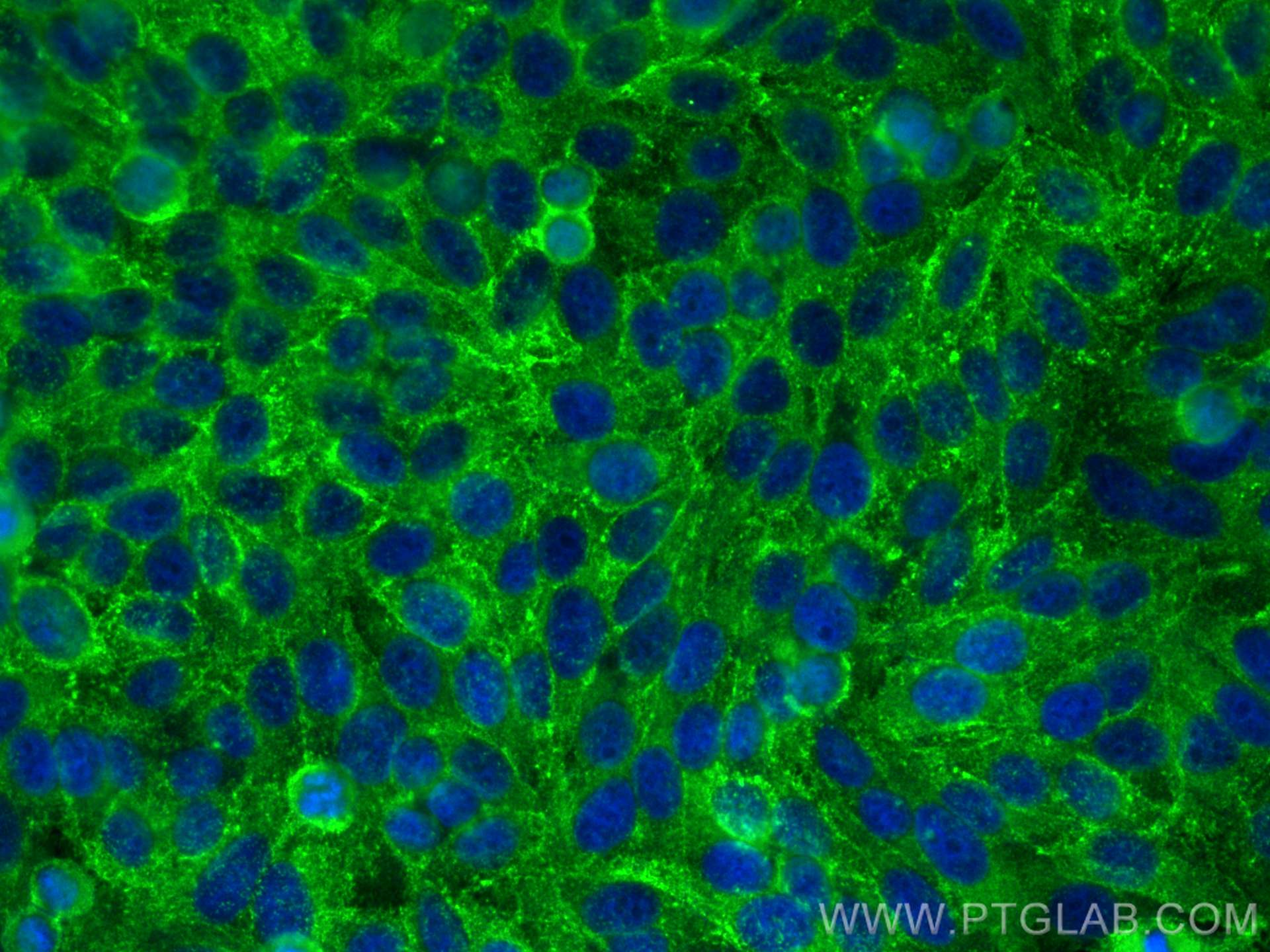
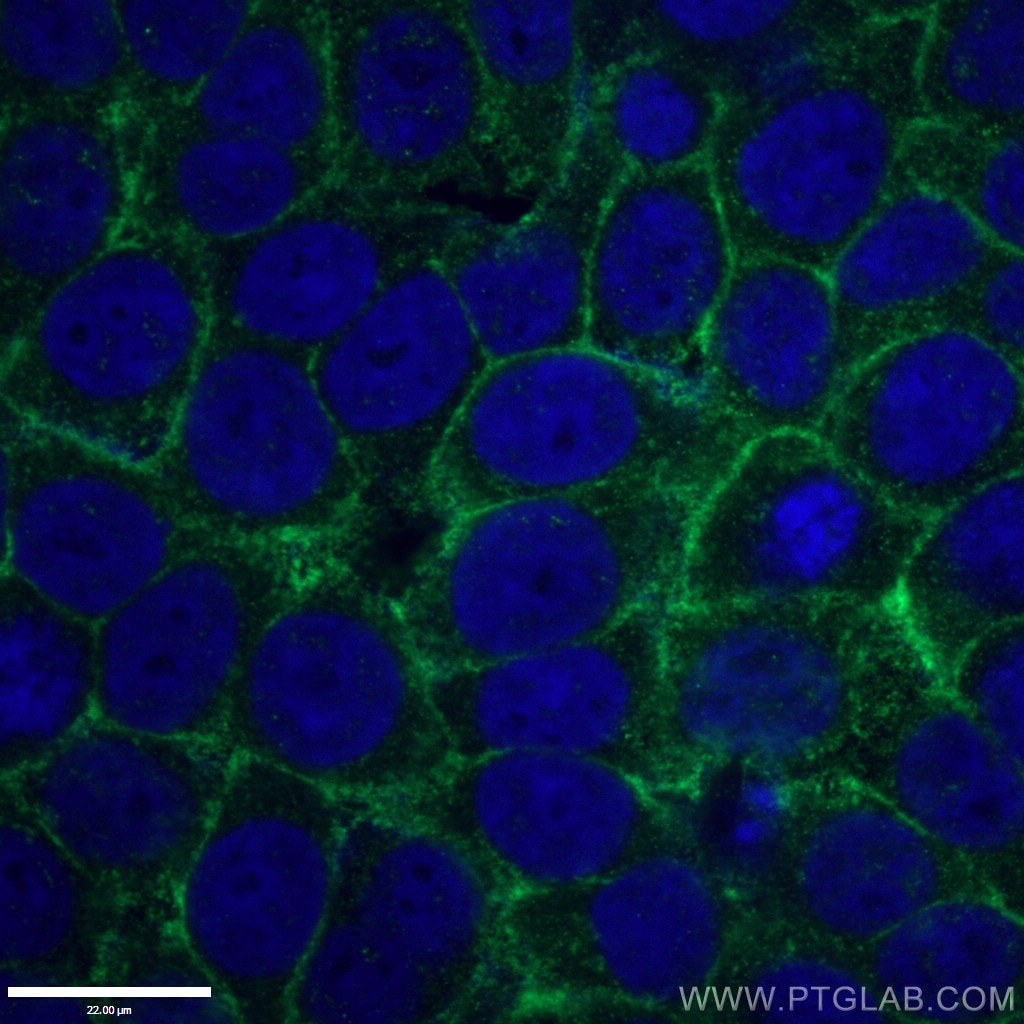
| Positive IF/ICC detected in | HeLa cells, HepG2 cells |
Recommended dilution
| Application | Dilution |
|---|---|
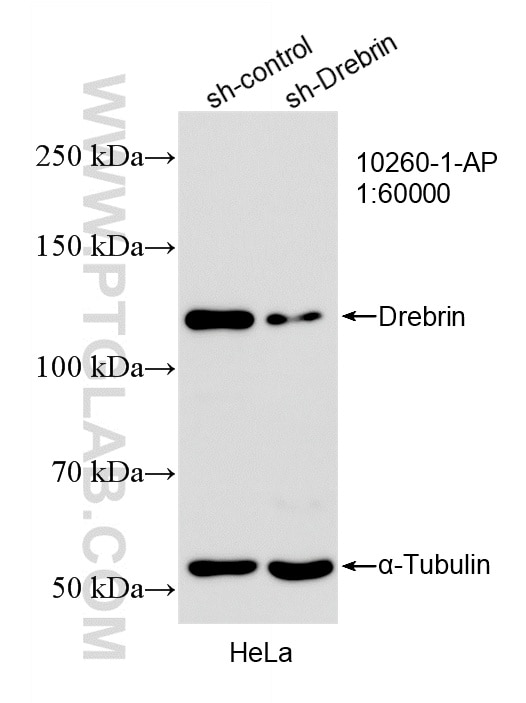
| Western Blot (WB) | WB : 1:5000-1:50000 |
| Immunoprecipitation (IP) | IP : 0.5-4.0 ug for 1.0-3.0 mg of total protein lysate |
| Immunohistochemistry (IHC) | IHC : 1:50-1:500 |
| Immunofluorescence (IF)/ICC | IF/ICC : 1:500-1:2000 |
| It is recommended that this reagent should be titrated in each testing system to obtain optimal results. | |
| Sample-dependent, Check data in validation data gallery. | |
Product Information
10260-1-AP targets Drebrin in WB, IHC, IF/ICC, IP, ELISA applications and shows reactivity with human, mouse samples.
| Tested Reactivity | human, mouse |
| Cited Reactivity | human, mouse, rat |
| Host / Isotype | Rabbit / IgG |
| Class | Polyclonal |
| Type | Antibody |
| Immunogen |
CatNo: Ag0371 Product name: Recombinant human Drebrin protein Source: e coli.-derived, PGEX-4T Tag: GST Domain: 118-302 aa of BC000283 Sequence: ASSVEDIDAGAIGQRLSNGLARLSSPVLHRLRLREDENAEPVGTTYQKTDAAVEMKRINREQFWEQAKKEEELRKEEERKKALDERLRFEQERMEQERQEQEERERRYREREQQIEEHRRKQQTLEAEEAKRRLKEQSIFGDHRDEEEETHMKKSESEVEEAAAIIAQRPDNPREFFKQQERVAS Predict reactive species |
| Full Name | drebrin 1 |
| Calculated Molecular Weight | 71 kDa |
| Observed Molecular Weight | 100-130 kDa |
| GenBank Accession Number | BC000283 |
| Gene Symbol | Drebrin |
| Gene ID (NCBI) | 1627 |
| ENSEMBL Gene ID | ENSG00000113758 |
| RRID | AB_2230301 |
| Conjugate | Unconjugated |
| Form | Liquid |
| Purification Method | Antigen affinity purification |
| UNIPROT ID | Q16643 |
| Storage Buffer | PBS with 0.02% sodium azide and 50% glycerol, pH 7.3. |
| Storage Conditions | Store at -20°C. Stable for one year after shipment. Aliquoting is unnecessary for -20oC storage. 20ul sizes contain 0.1% BSA. |
Background Information
Drebrin (DBN1) is an actin binding and stabilizing protein with roles in endocytosis, formation of dendrite spines in neurons and coordinating cell-cell synapses in immune cells. Preferentially expressed in the brain, it is highly localized in dendritic spines and regulates spine shapes. It has two isoforms that are splice variants, with drebrin A being expressed in neural cells, and drebrin E is present in several other cell types. Recently it has been reported that circulating DBN1 levels correlated with retinal nerve fiber layer defect and may reflect the severity of retinal ganglion cells injury in glaucoma patients.
Protocols
| Product Specific Protocols | |
|---|---|
| IF protocol for Drebrin antibody 10260-1-AP | Download protocol |
| IHC protocol for Drebrin antibody 10260-1-AP | Download protocol |
| IP protocol for Drebrin antibody 10260-1-AP | Download protocol |
| WB protocol for Drebrin antibody 10260-1-AP | Download protocol |
| Standard Protocols | |
|---|---|
| Click here to view our Standard Protocols |
Publications
What published studies show
Drebrin Polyclonal antibody (catalog #10260-1-AP) has 37 citations in journals including Nature Cell Biology, Science Advances, Journal of Nanobiotechnology, Theranostics, Advanced Science, Development Cell, iScience, Oncogenesis, Journal of Virology, PLoS Genetics, Molecular Neurobiology, and Biological Direct. Research applications span Western blot, IHC, IF, and IP. Associated fields include disulfidptosis/cell death (actin cytoskeleton collapse, hepatocellular/colorectal carcinoma), neuroscience (learning and memory, synaptic plasticity, neurotoxicity), cancer cell migration, spermatogenesis, and hepatitis E virus biology.
| Species | Application | Title |
|---|---|---|
Nat Cell Biol Actin cytoskeleton vulnerability to disulfide stress mediates disulfidptosis | ||
Nat Cell Biol The mitochondria enzyme OGDH defends against disulfidptosis by licensing METTL3-regulated NRF2 translation | ||
J Nanobiotechnology Dual metabolic intervention nanoplatform co-delivering BAY-876 and L-cystine for Wilms tumor therapy via disulfidptosis-associated cytoskeletal collapse. | ||
Theranostics The contrasting regulatory effects of valproic acid on ferroptosis and disulfidptosis in hepatocellular carcinoma | ||
Adv Sci (Weinh) Inhibition of Endoplasmic Reticulum Stress Cooperates with SLC7A11 to Promote Disulfidptosis and Suppress Tumor Growth upon Glucose Limitation | ||
Sci Adv GRASPing experience-dependent protein expression signatures enriched for hippocampal engram cell synapses. |

