
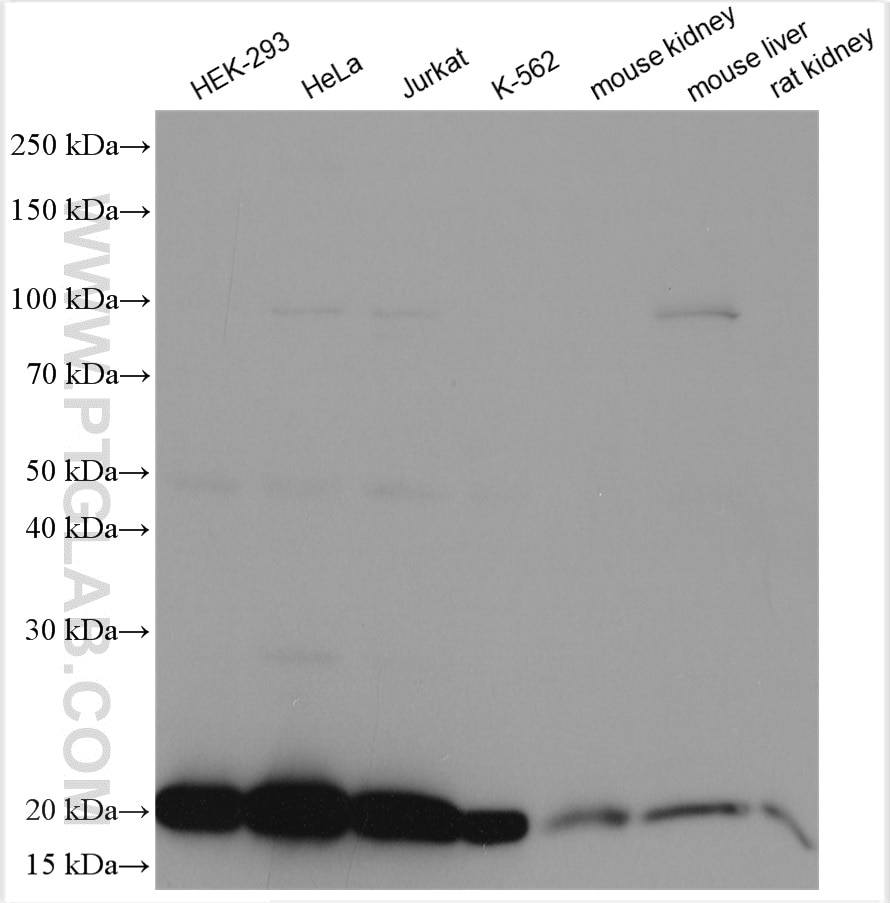
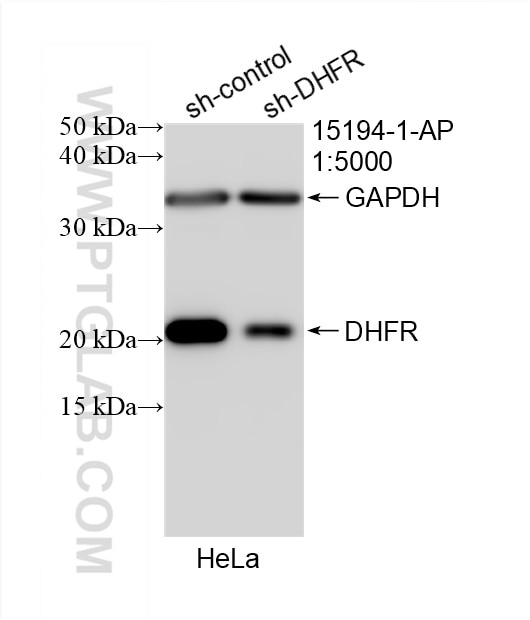
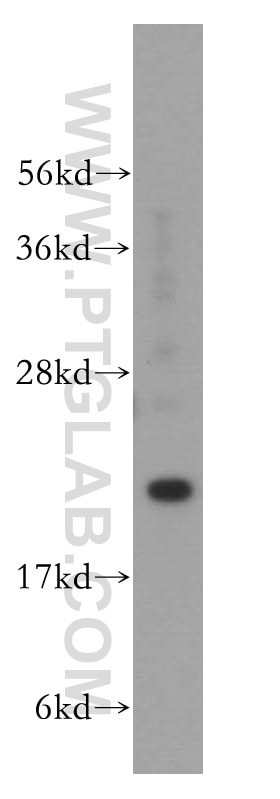
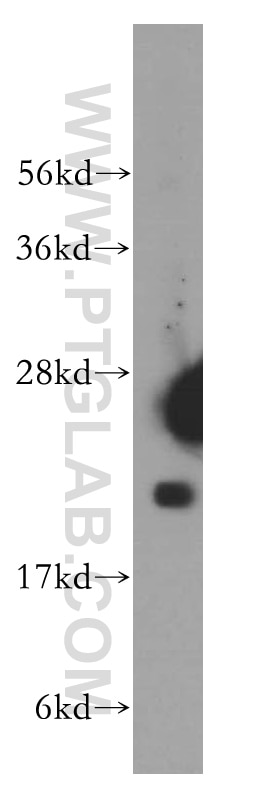
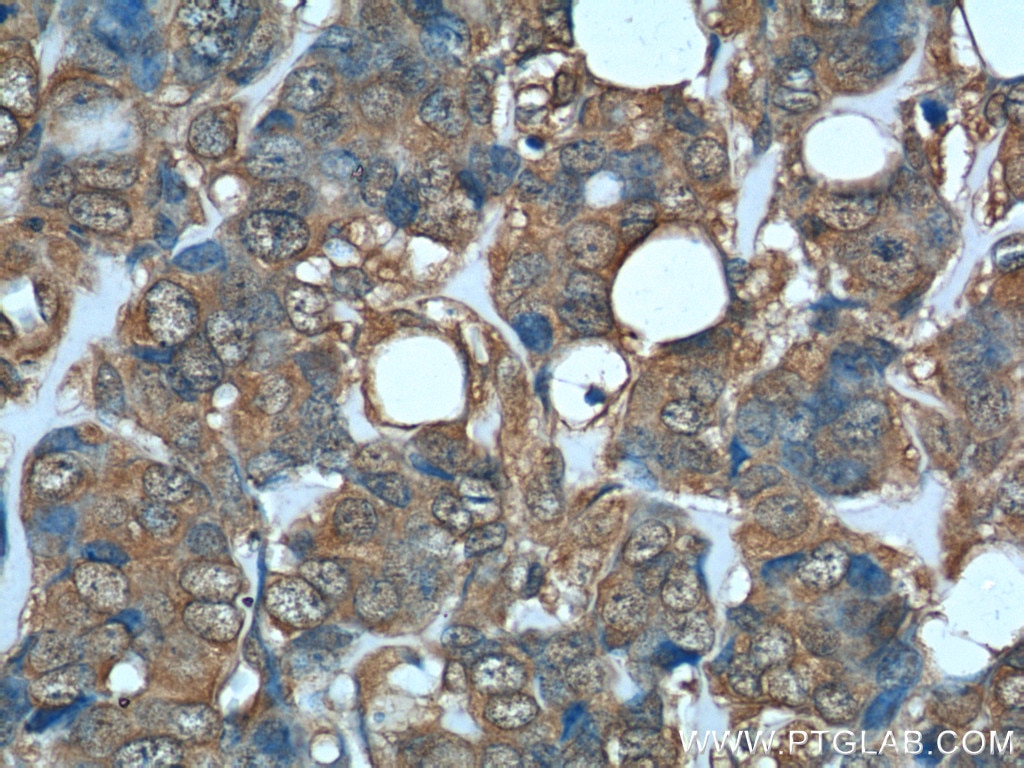
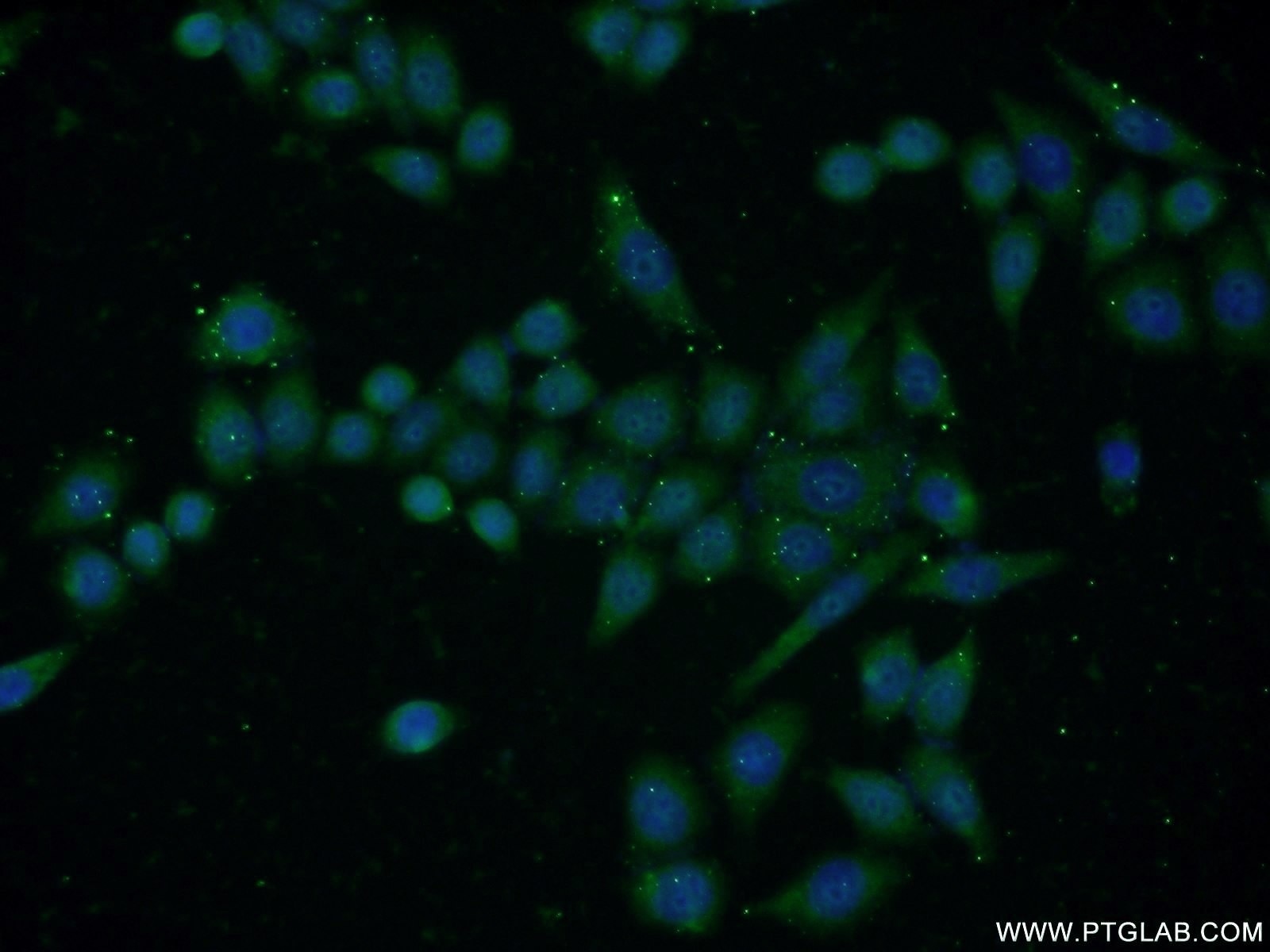

Tested Applications
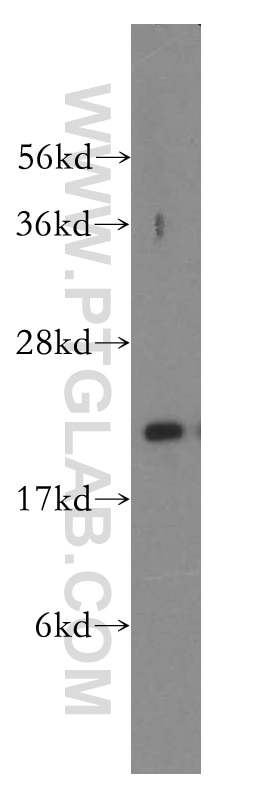
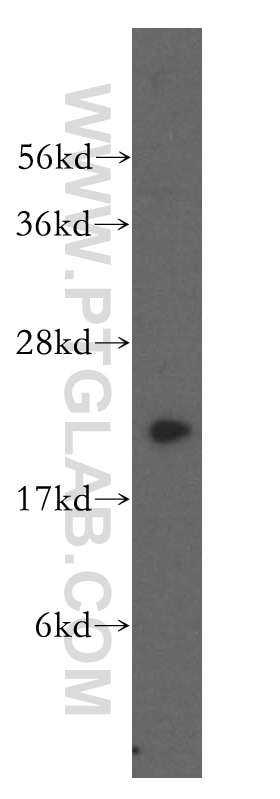
| Positive WB detected in | HEK-293 cells, HeLa cells, Jurkat cells, K-562 cells, Raji cells, mouse kidney tissue, mouse liver tissue, rat kidney tissue |
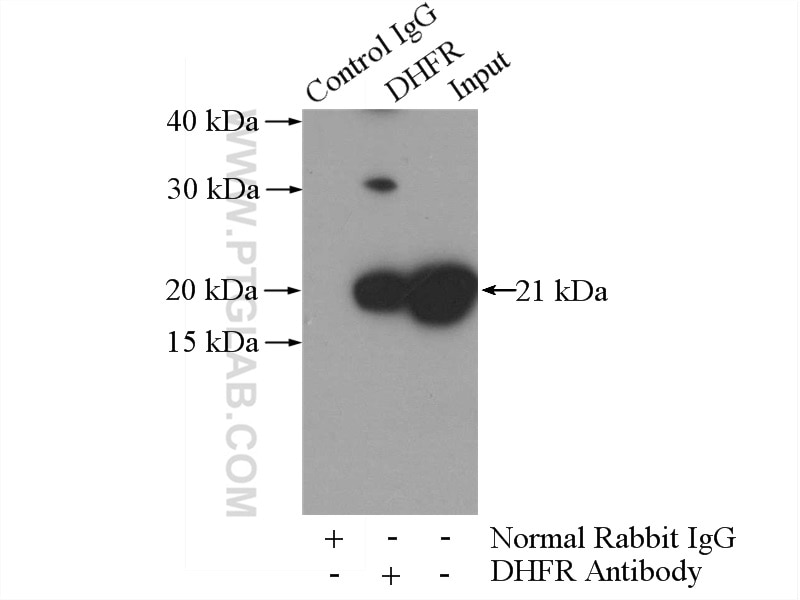
| Positive IP detected in | Raji cells |
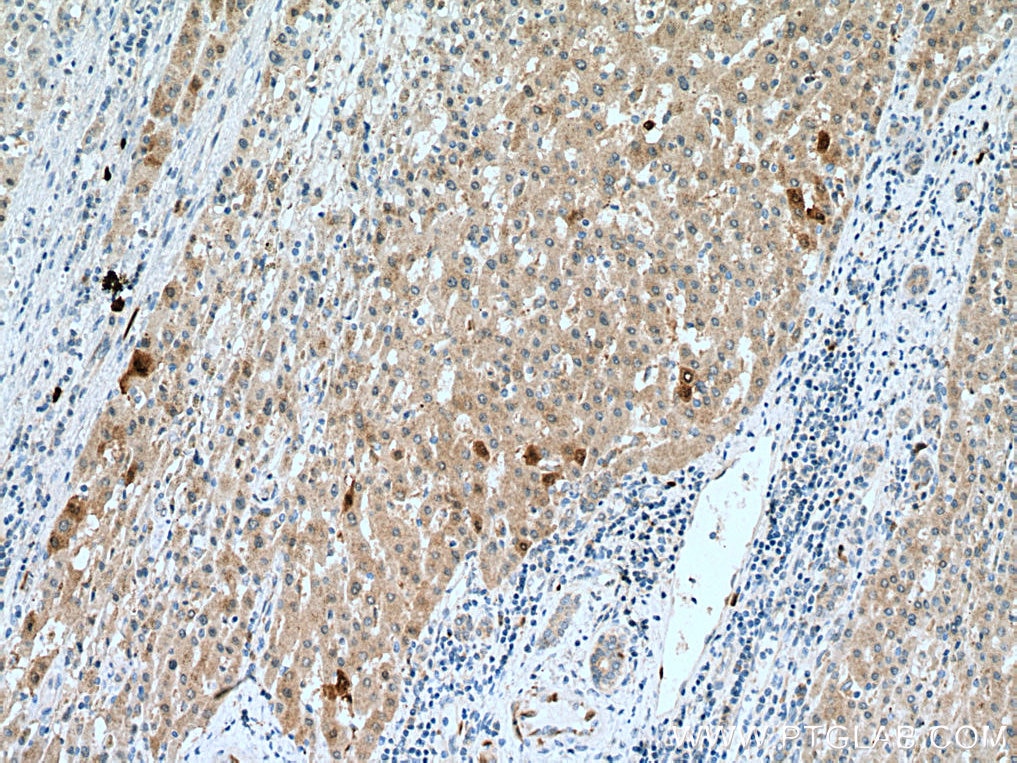
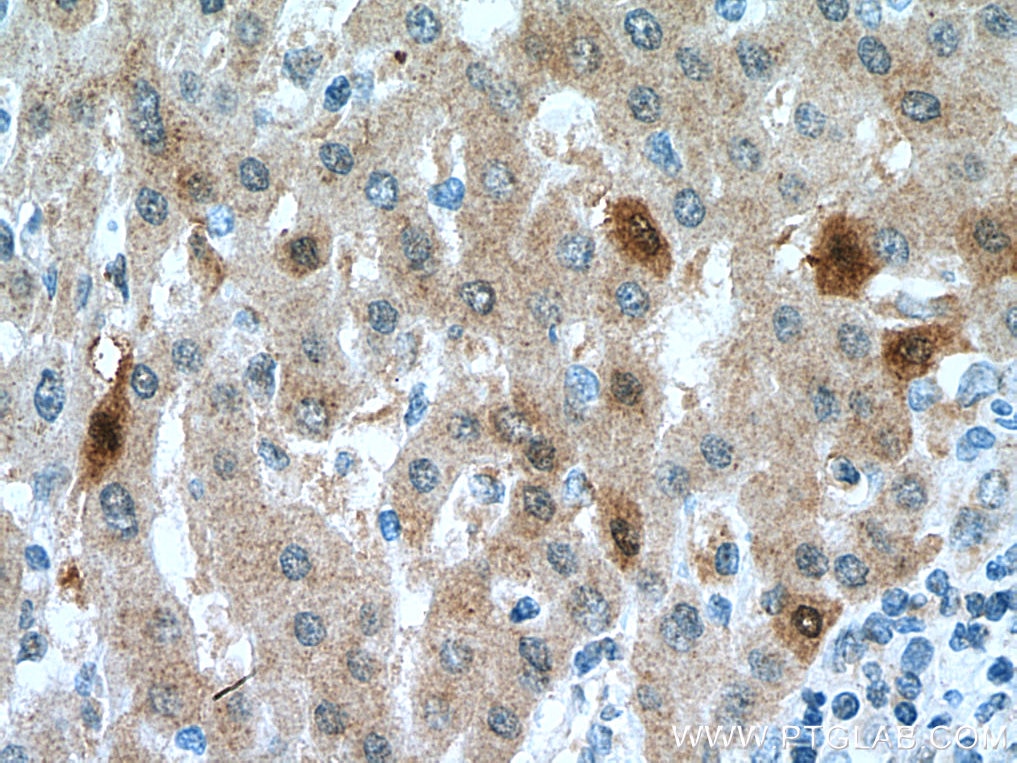
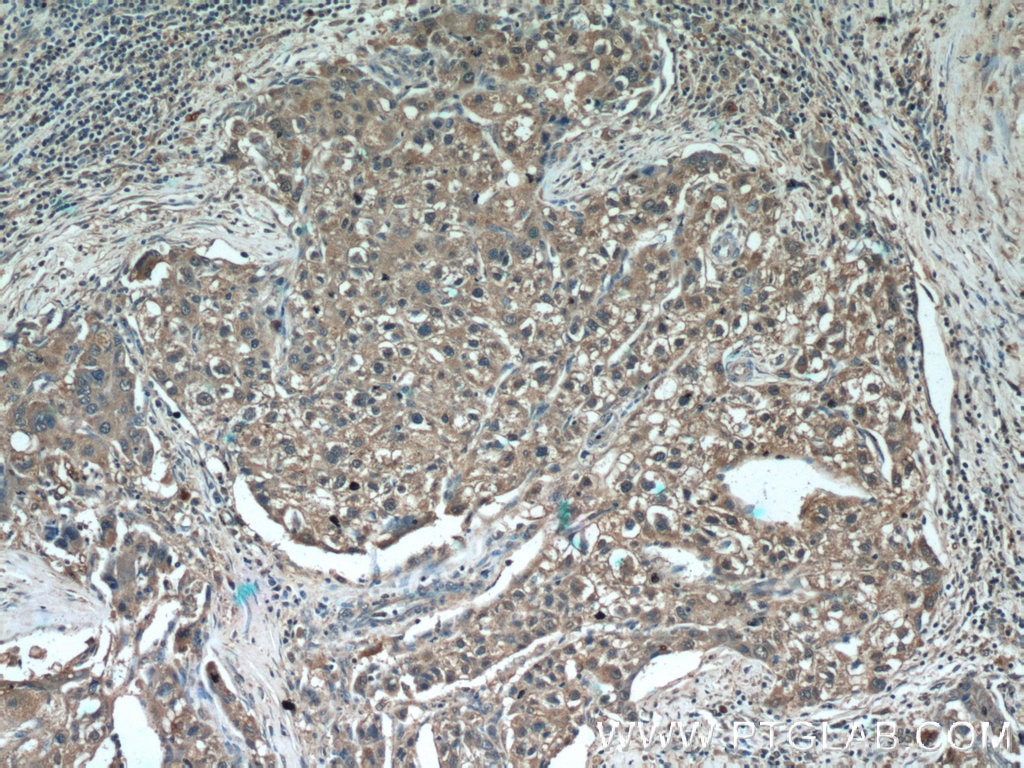
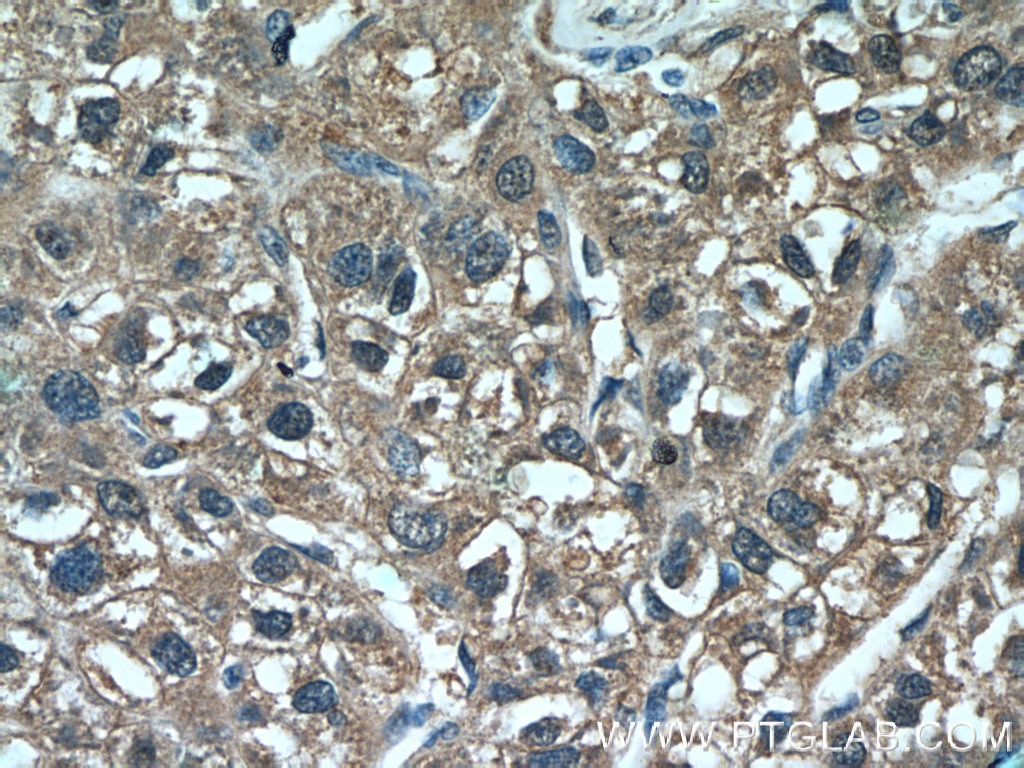
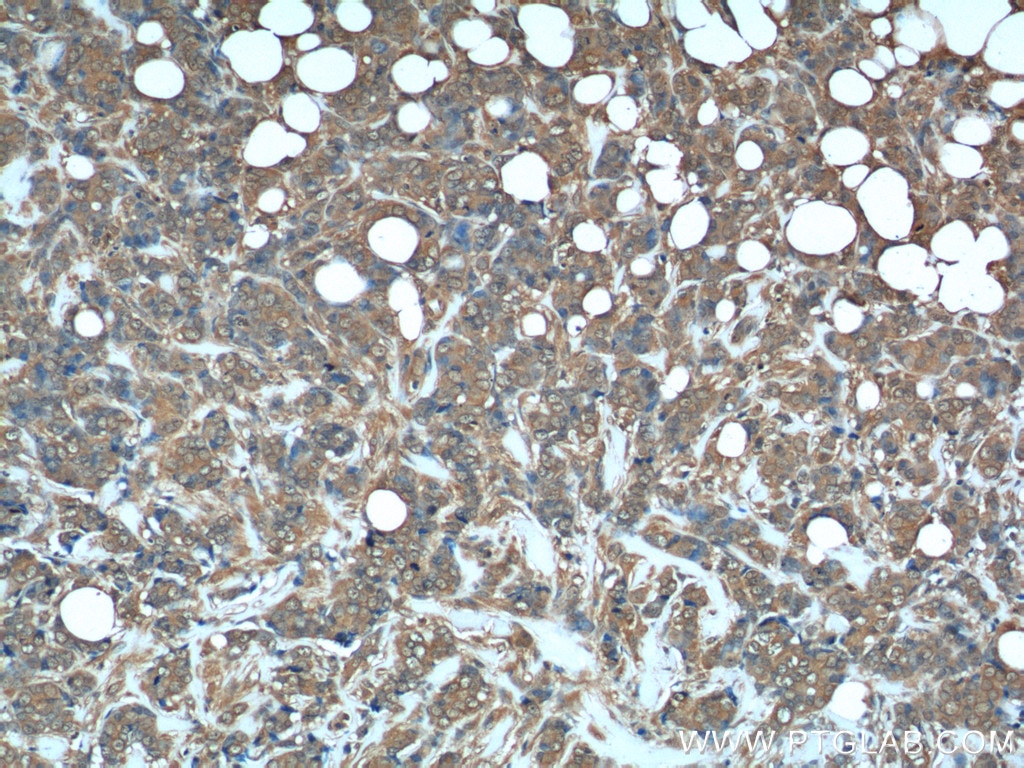
| Positive IHC detected in | human liver cancer tissue, human breast cancer tissue Note: suggested antigen retrieval with TE buffer pH 9.0; (*) Alternatively, antigen retrieval may be performed with citrate buffer pH 6.0 |
| Positive IF/ICC detected in | HeLa cells |
Recommended dilution
| Application | Dilution |
|---|---|
| Western Blot (WB) | WB : 1:1000-1:6000 |
| Immunoprecipitation (IP) | IP : 0.5-4.0 ug for 1.0-3.0 mg of total protein lysate |
| Immunohistochemistry (IHC) | IHC : 1:50-1:500 |
| Immunofluorescence (IF)/ICC | IF/ICC : 1:20-1:200 |
| It is recommended that this reagent should be titrated in each testing system to obtain optimal results. | |
| Sample-dependent, Check data in validation data gallery. | |
Product Information
15194-1-AP targets DHFR in WB, IHC, IF/ICC, IP, ELISA applications and shows reactivity with human, mouse, rat samples.
| Tested Reactivity | human, mouse, rat |
| Cited Reactivity | human, mouse, zebrafish |
| Host / Isotype | Rabbit / IgG |
| Class | Polyclonal |
| Type | Antibody |
| Immunogen |
CatNo: Ag7331 Product name: Recombinant human DHFR protein Source: e coli.-derived, PGEX-4T Tag: GST Domain: 1-187 aa of BC000192 Sequence: MVGSLNCIVAVSQNMGIGKNGDLPWPPLRNEFRYFQRMTTTSSVEGKQNLVIMGKKTWFSIPEKNRPLKGRINLVLSRELKEPPQGAHFLSRSLDDALKLTEQPELANKVDMVWIVGGSSVYKEAMNHPGHLKLFVTRIMQDFESDTFFPEIDLEKYKLLPEYPGVLSDVQEEKGIKYKFEVYEKND Predict reactive species |
| Full Name | dihydrofolate reductase |
| Calculated Molecular Weight | 21 kDa |
| Observed Molecular Weight | 21 kDa |
| GenBank Accession Number | BC000192 |
| Gene Symbol | DHFR |
| Gene ID (NCBI) | 1719 |
| RRID | AB_2091587 |
| Conjugate | Unconjugated |
| Form | Liquid |
| Purification Method | Antigen affinity purification |
| UNIPROT ID | P00374 |
| Storage Buffer | PBS with 0.02% sodium azide and 50% glycerol, pH 7.3. |
| Storage Conditions | Store at -20°C. Stable for one year after shipment. Aliquoting is unnecessary for -20oC storage. 20ul sizes contain 0.1% BSA. |
Background Information
DHFR (dihydrofolate reductase) catalyzes the subsequent NADPH-dependent reduction of the H2folate produced by TS to regenerate the tetrahydrofolate (H4folate) necessary for continued dTMP synthesis and transfer of 1-carbon units (PMID:3461439). It belongs to the dihydrofolate reductase family and can exist as a homodimer (PMID:2248959). DHFR is widely expressed in fetal and adult human brain and whole blood, expression is higher in adult brain than fetal brain (PMID:21310276).
Protocols
| Product Specific Protocols | |
|---|---|
| IF protocol for DHFR antibody 15194-1-AP | Download protocol |
| IHC protocol for DHFR antibody 15194-1-AP | Download protocol |
| IP protocol for DHFR antibody 15194-1-AP | Download protocol |
| WB protocol for DHFR antibody 15194-1-AP | Download protocol |
| Standard Protocols | |
|---|---|
| Click here to view our Standard Protocols |
Publications
What published studies show
The DHFR Polyclonal antibody (Cat# 15194-1-AP) has 26 citations across journals including Nature Cancer, Nature Communications, Molecular Cell, Cell Death & Disease, Journal of Experimental Medicine, American Journal of Human Genetics, and others. Research fields span cancer biology (ferroptosis, breast cancer, neuroblastoma), folate and purine metabolism, drug-target identification, infectious disease, Alzheimer's disease, congenital heart disease, and protein quality control. Applications are predominantly Western blot and immunofluorescence in human, mouse, and zebrafish models.
| Species | Application | Title |
|---|---|---|
Nat Cancer ENO1 suppresses cancer cell ferroptosis by degrading the mRNA of iron regulatory protein 1. | ||
Nat Commun Coupling cellular drug-target engagement to downstream pharmacology with CeTEAM | ||
Mol Cell mTORC1 stimulates cell growth through SAM synthesis and m6A mRNA-dependent control of protein synthesis. | ||
Mol Cell Accumulation of succinate suppresses de novo purine synthesis through succinylation-mediated control of the mitochondrial folate cycle. | ||
Genes Dis CYP3A5 unexpectedly regulates glucose metabolism through the AKT-TXNIP-GLUT1 axis in pancreatic cancer | ||
Cell Death Dis Metformin sensitises hepatocarcinoma cells to methotrexate by targeting dihydrofolate reductase.
|

