

Tested Applications
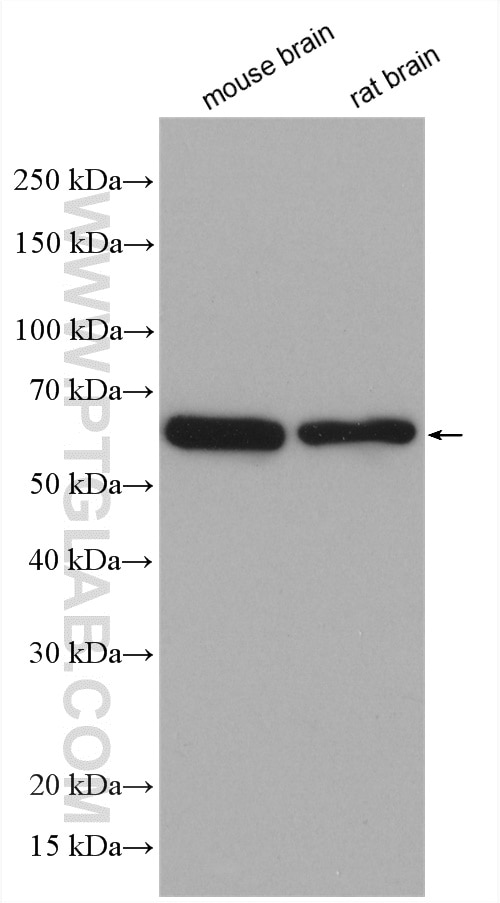
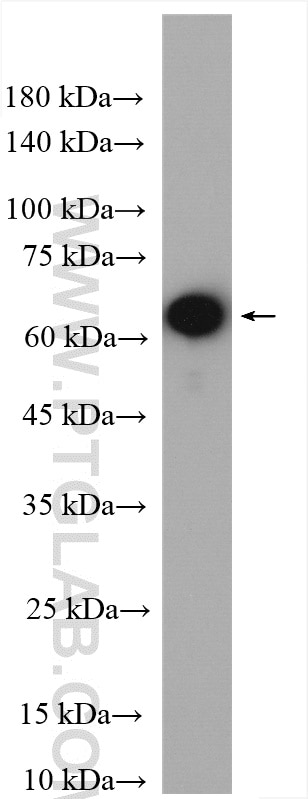
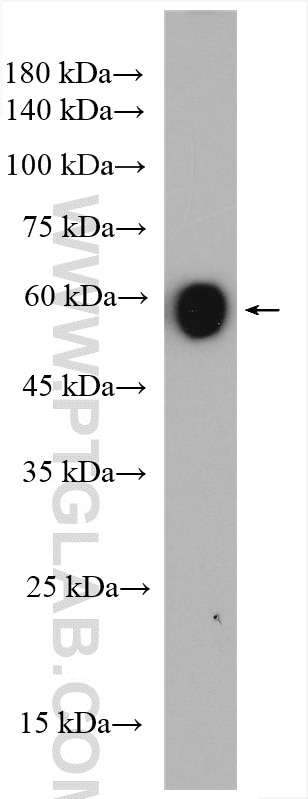
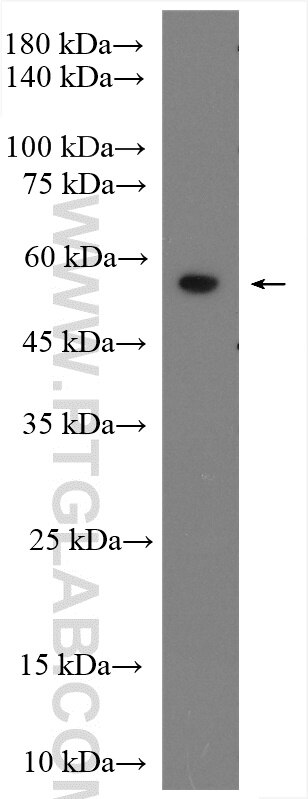
| Positive WB detected in | mouse brain tissue, human peripheral blood platelets, rat brain tissue, mouse kidney tissue |
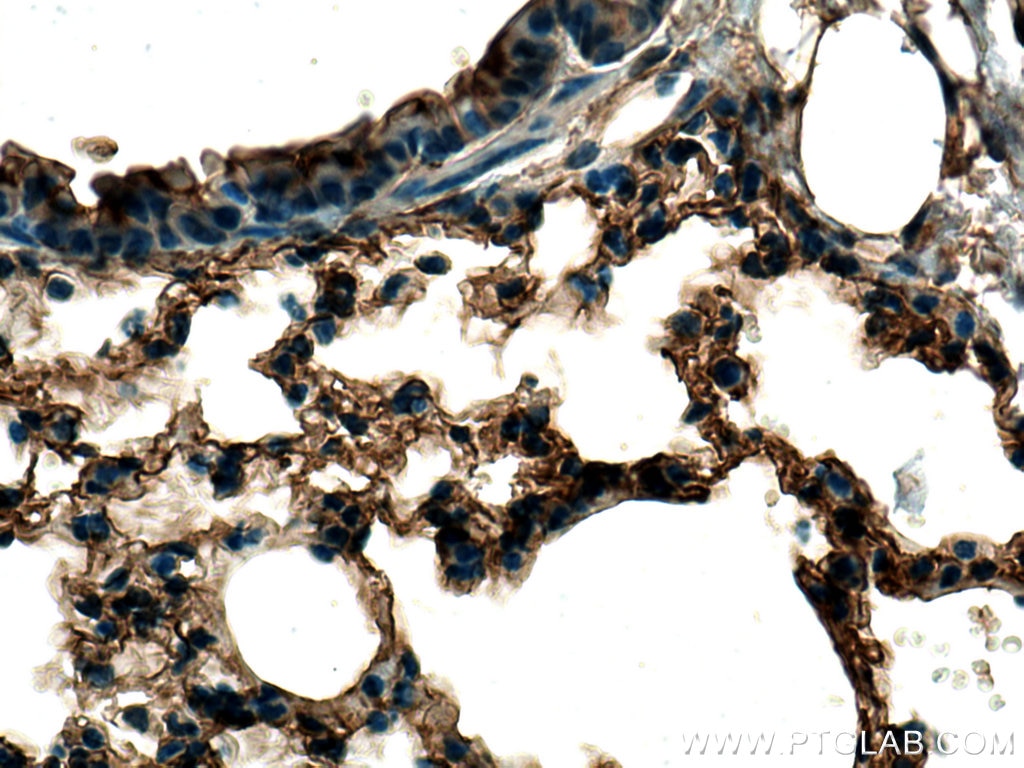
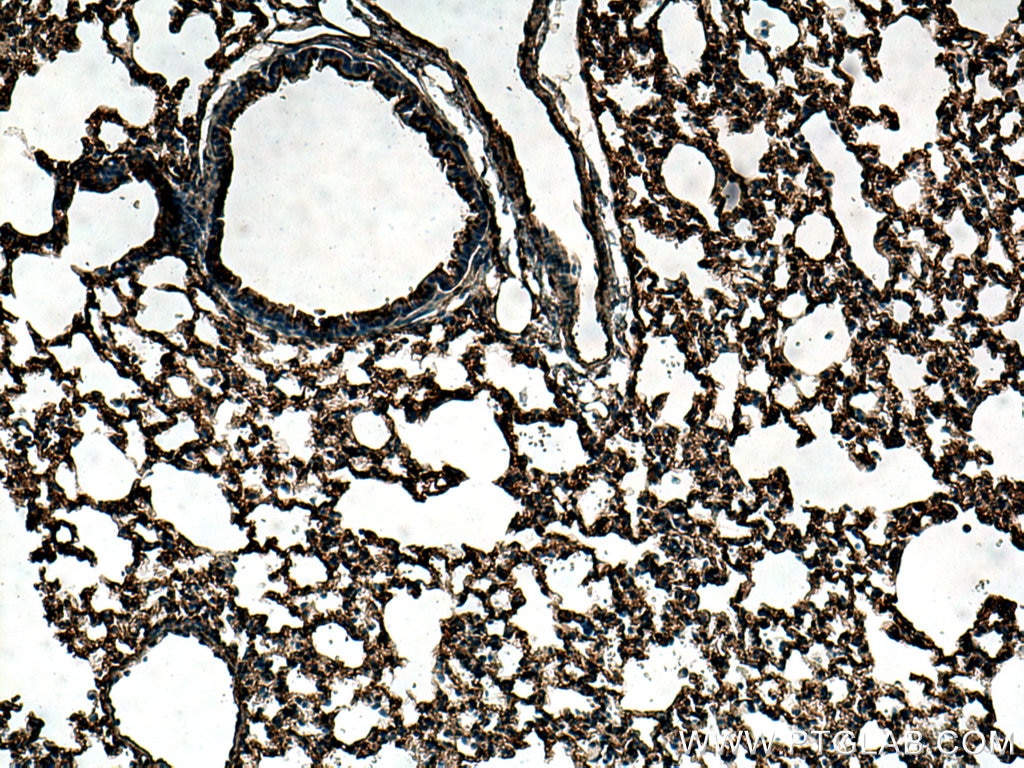
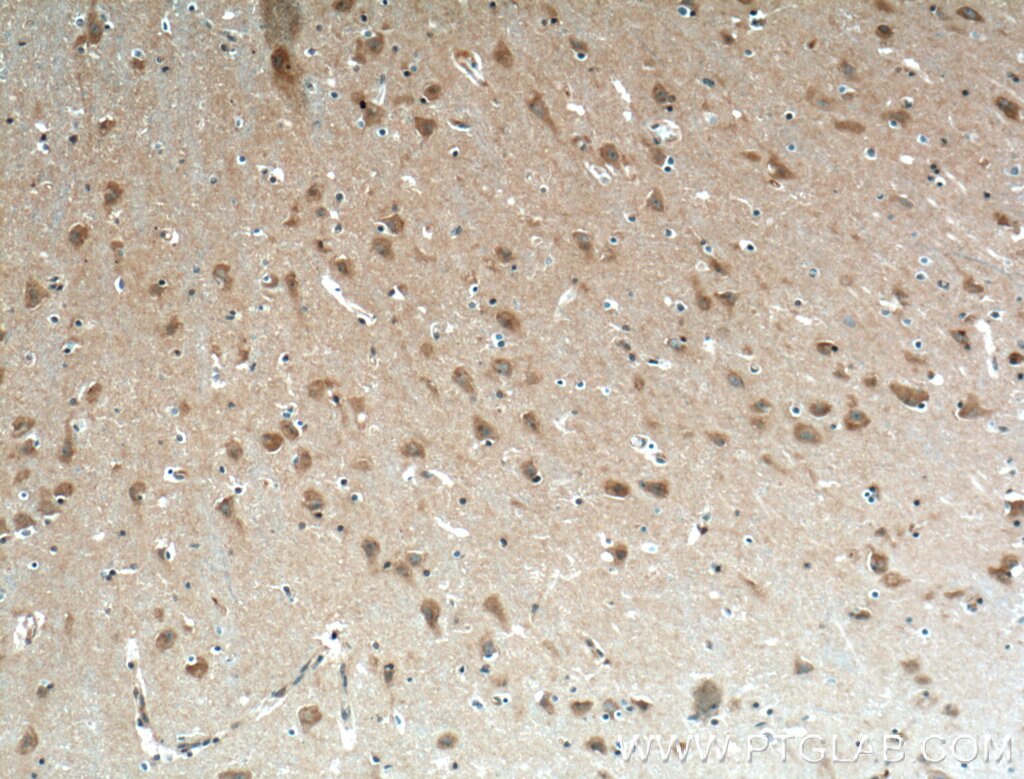
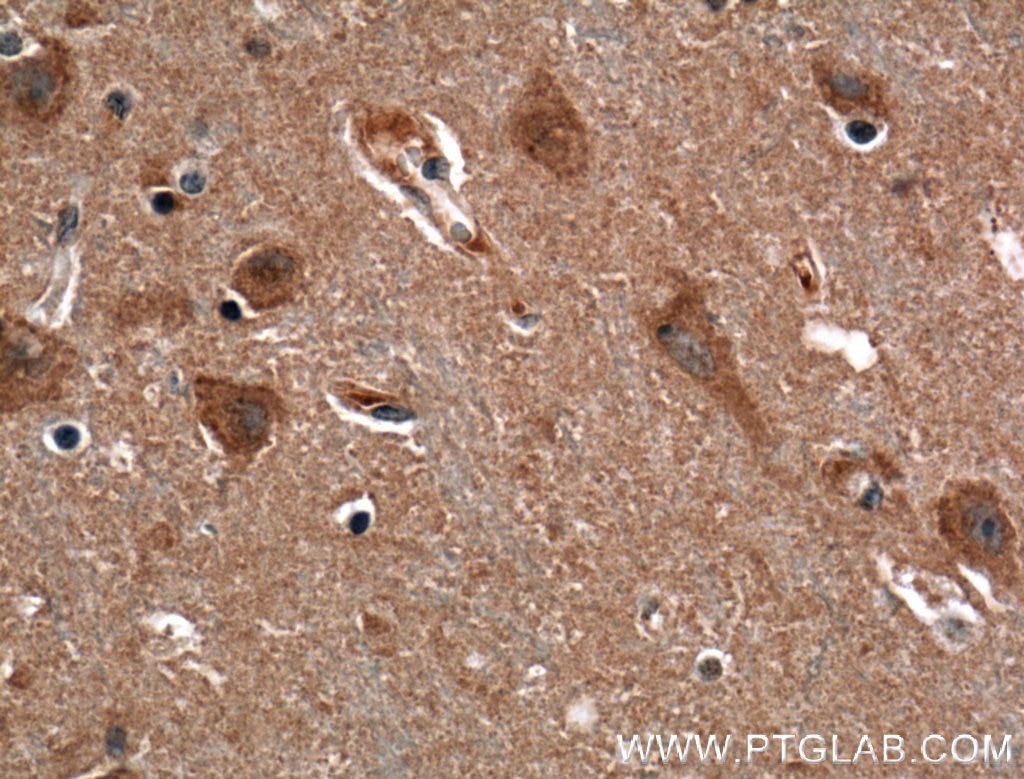
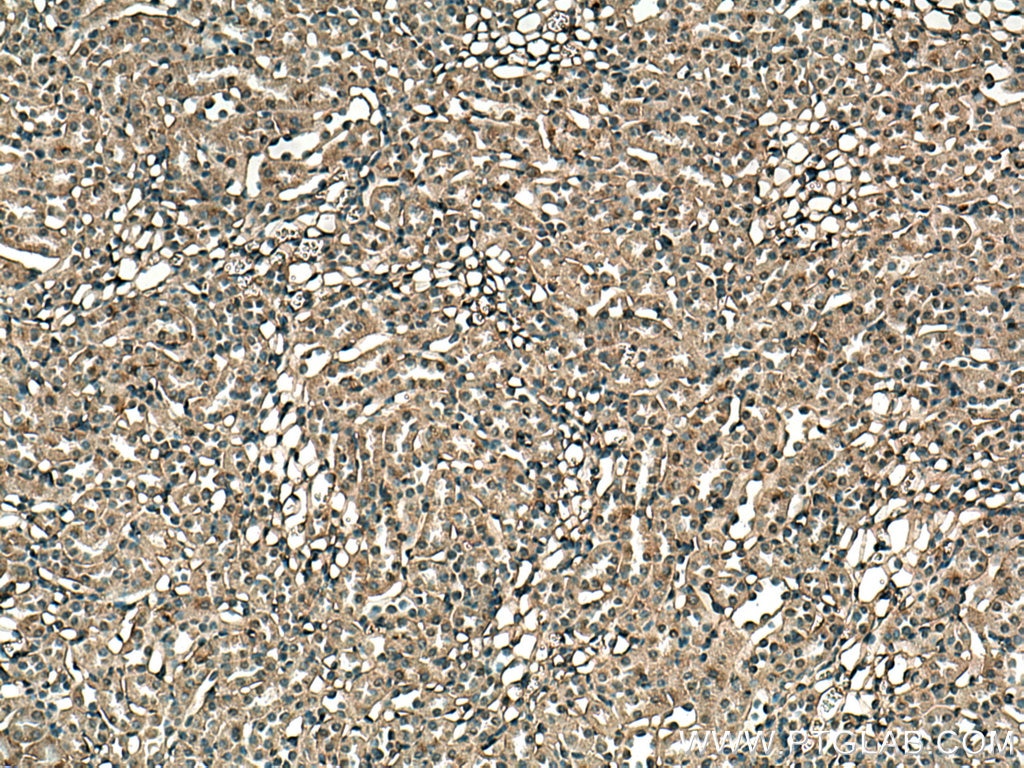
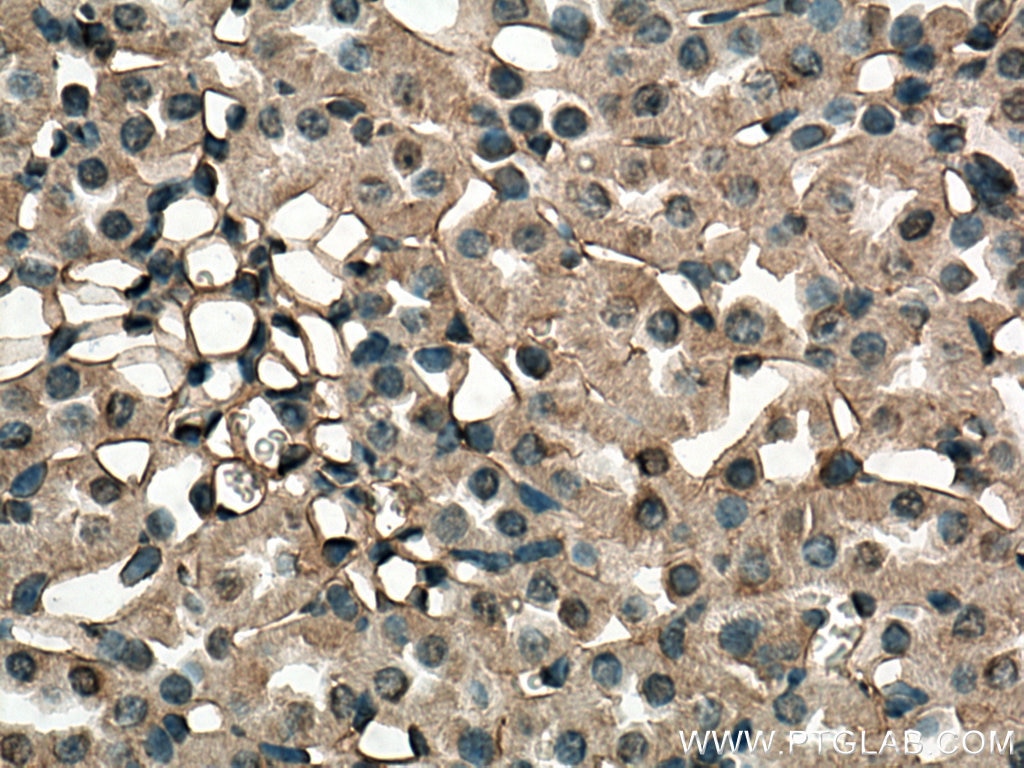
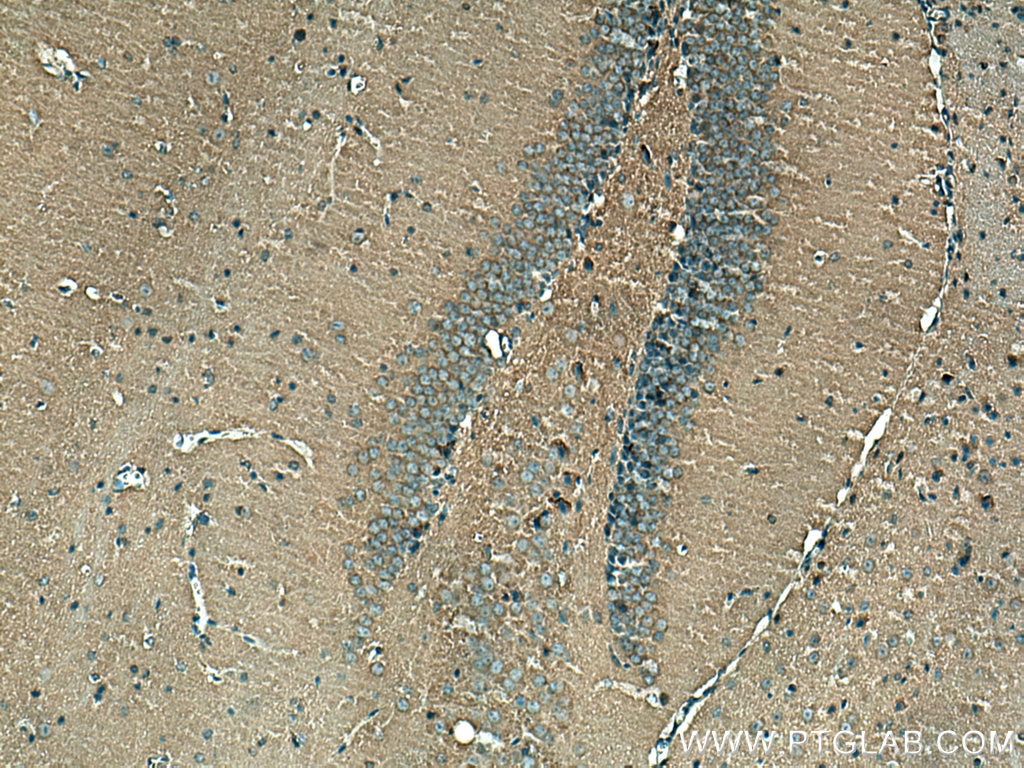
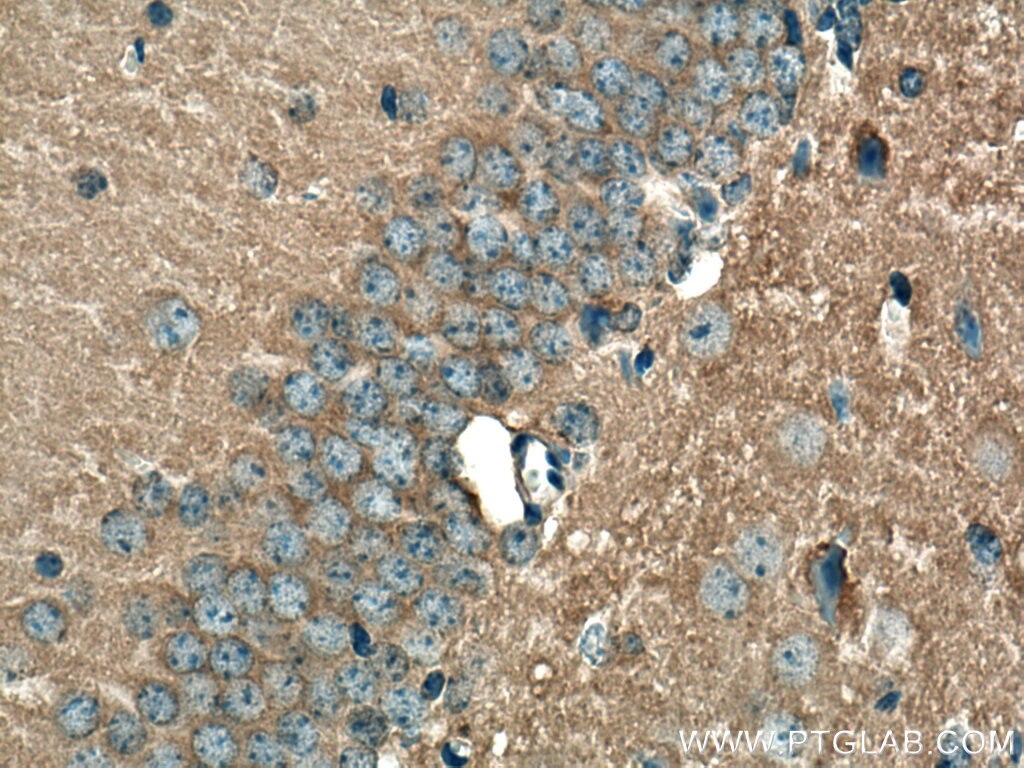
| Positive IHC detected in | mouse lung tissue, human brain tissue, mouse brain tissue, mouse kidney tissue Note: suggested antigen retrieval with TE buffer pH 9.0; (*) Alternatively, antigen retrieval may be performed with citrate buffer pH 6.0 |
Recommended dilution
| Application | Dilution |
|---|---|
| Western Blot (WB) | WB : 1:1000-1:8000 |
| Immunohistochemistry (IHC) | IHC : 1:50-1:500 |
| It is recommended that this reagent should be titrated in each testing system to obtain optimal results. | |
| Sample-dependent, Check data in validation data gallery. | |
Product Information
25320-1-AP targets EHD3 in WB, IHC, IF, ELISA applications and shows reactivity with human, mouse, rat samples.
| Tested Reactivity | human, mouse, rat |
| Cited Reactivity | human, mouse, rat, zebrafish |
| Host / Isotype | Rabbit / IgG |
| Class | Polyclonal |
| Type | Antibody |
| Immunogen |
CatNo: Ag18216 Product name: Recombinant human EHD3 protein Source: e coli.-derived, PGEX-4T Tag: GST Domain: 353-422 aa of BC156996 Sequence: FPNLKRMQDQLQAQDFSKFQPLKSKLLEVVDDMLAHDIAQLMVLVRQEESQRPIQMVKGGAFEGTLHGPF Predict reactive species |
| Full Name | EH-domain containing 3 |
| Calculated Molecular Weight | 535 aa, 61 kDa |
| Observed Molecular Weight | 61 kDa |
| GenBank Accession Number | BC156996 |
| Gene Symbol | EHD3 |
| Gene ID (NCBI) | 30845 |
| RRID | AB_2880029 |
| Conjugate | Unconjugated |
| Form | Liquid |
| Purification Method | Antigen affinity purification |
| UNIPROT ID | Q9NZN3 |
| Storage Buffer | PBS with 0.02% sodium azide and 50% glycerol, pH 7.3. |
| Storage Conditions | Store at -20°C. Stable for one year after shipment. Aliquoting is unnecessary for -20oC storage. 20ul sizes contain 0.1% BSA. |
Protocols
| Product Specific Protocols | |
|---|---|
| IHC protocol for EHD3 antibody 25320-1-AP | Download protocol |
| WB protocol for EHD3 antibody 25320-1-AP | Download protocol |
| Standard Protocols | |
|---|---|
| Click here to view our Standard Protocols |
Publications
What published studies show
The EHD3 Polyclonal antibody (Cat# 25320-1-AP) has 7 citations. They appear in Nature Cell Biology, EMBO Journal, EBioMedicine, Phytomedicine, International Journal of Molecular Sciences, and American Journal of Physiology—Renal Physiology. Research fields include primary cilium assembly and ciliary vesicle formation, ciliary cholesterol in Zellweger syndrome, Wnt4/β-catenin signaling in decidualization, glomerular endothelial glycocalyx in diabetic nephropathy, liver sinusoidal endothelial dysfunction, and renal microvascular heterogeneity. Applications cited include WB and IHC across zebrafish, mouse, human, and rat.
| Species | Application | Title |
|---|---|---|
Nat Cell Biol Early steps in primary cilium assembly require EHD1/EHD3-dependent ciliary vesicle formation.
| ||
Nat Cell Biol Early steps in primary cilium assembly require EHD1/EHD3-dependent ciliary vesicle formation.
| ||
Phytomedicine Panax notoginseng saponins attenuate glomerular endothelial glycocalyx degradation in diabetic nephropathy. | ||
EBioMedicine EHD1 impairs decidualization by regulating the Wnt4/β-catenin signaling pathway in recurrent implantation failure. | ||
EMBO J Insufficiency of ciliary cholesterol in hereditary Zellweger syndrome.
| ||
Int J Mol Sci Proteomic Analysis of Dysfunctional Liver Sinusoidal Endothelial Cells Reveals Substantial Differences in Most Common Experimental Models of Chronic Liver Diseases |
Reviews
What customers say
Able is busy answering your previous question. Please try again later.
The reviews below have been submitted by verified Proteintech customers who received an incentive for providing their feedback.
Kyosuke (Verified Customer) (06-12-2019) | I works well on HUVECs for Western blot.
|

