
Tested Applications
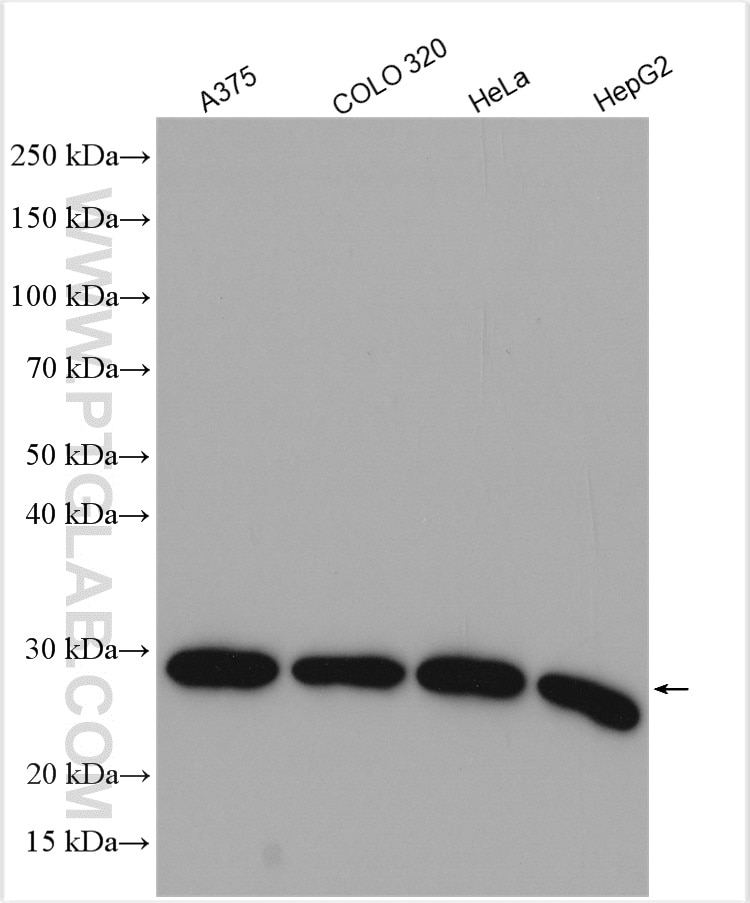
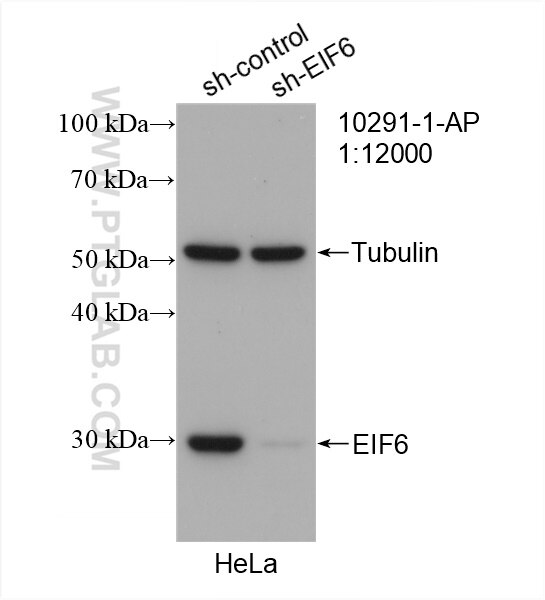
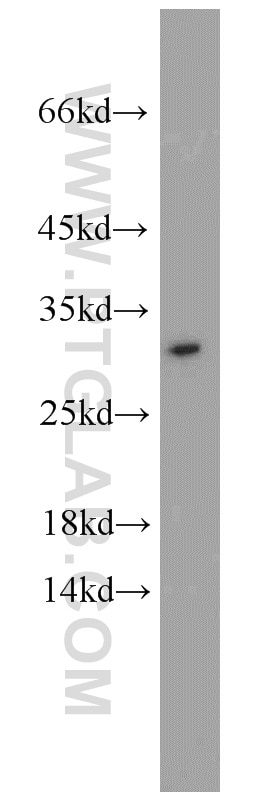
| Positive WB detected in | A375 cells, HeLa cells, mouse liver tissue, COLO 320 cells, HepG2 cells |
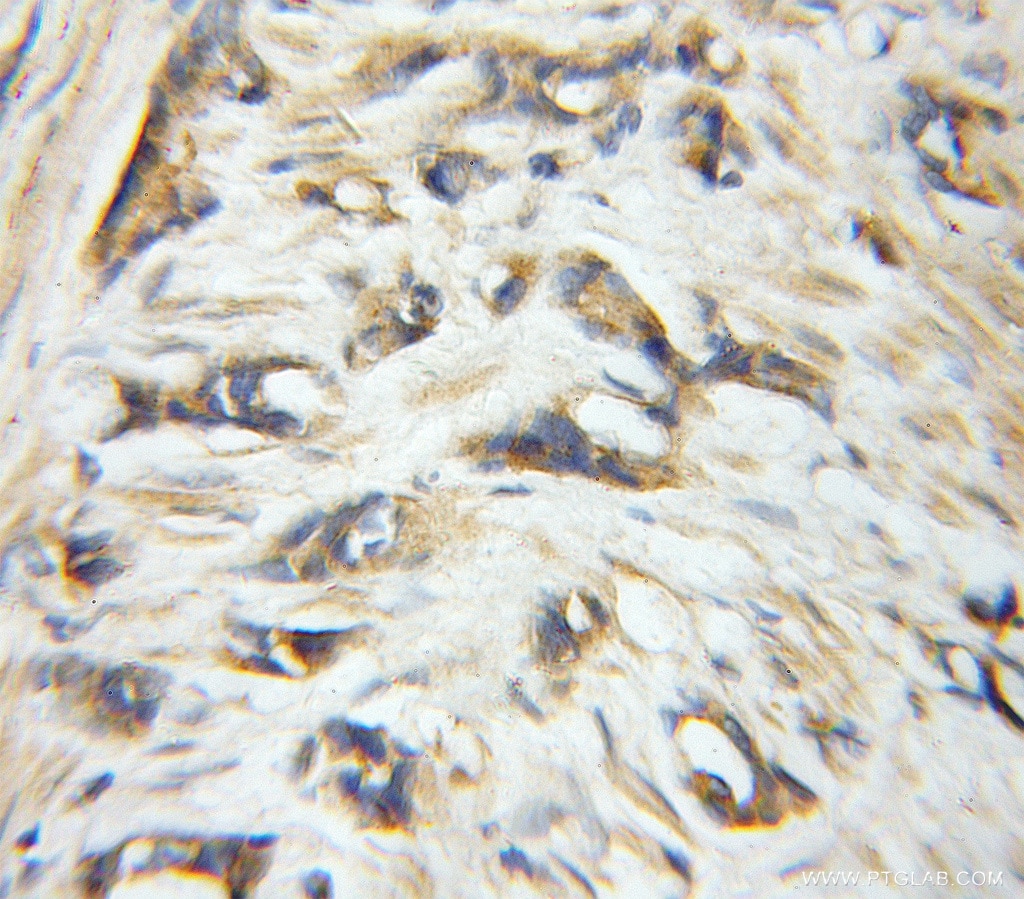
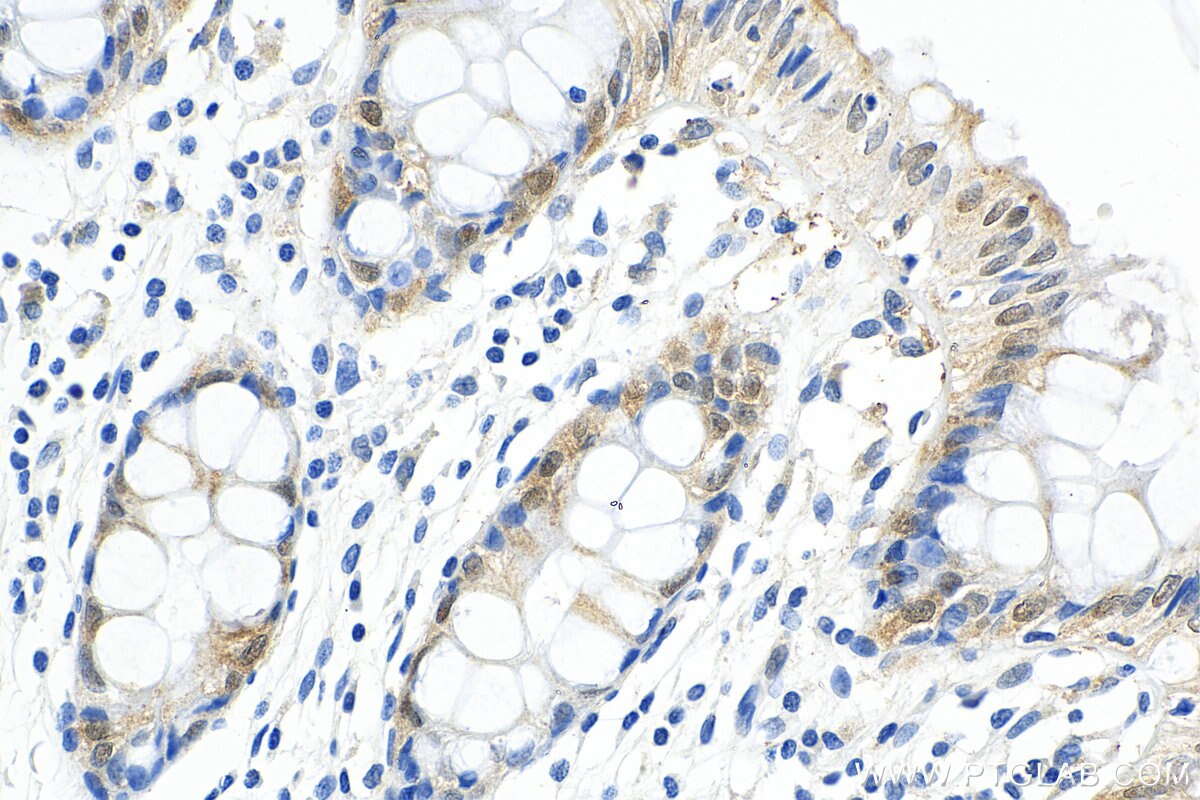
| Positive IHC detected in | human prostate cancer tissue, human colon tissue Note: suggested antigen retrieval with TE buffer pH 9.0; (*) Alternatively, antigen retrieval may be performed with citrate buffer pH 6.0 |
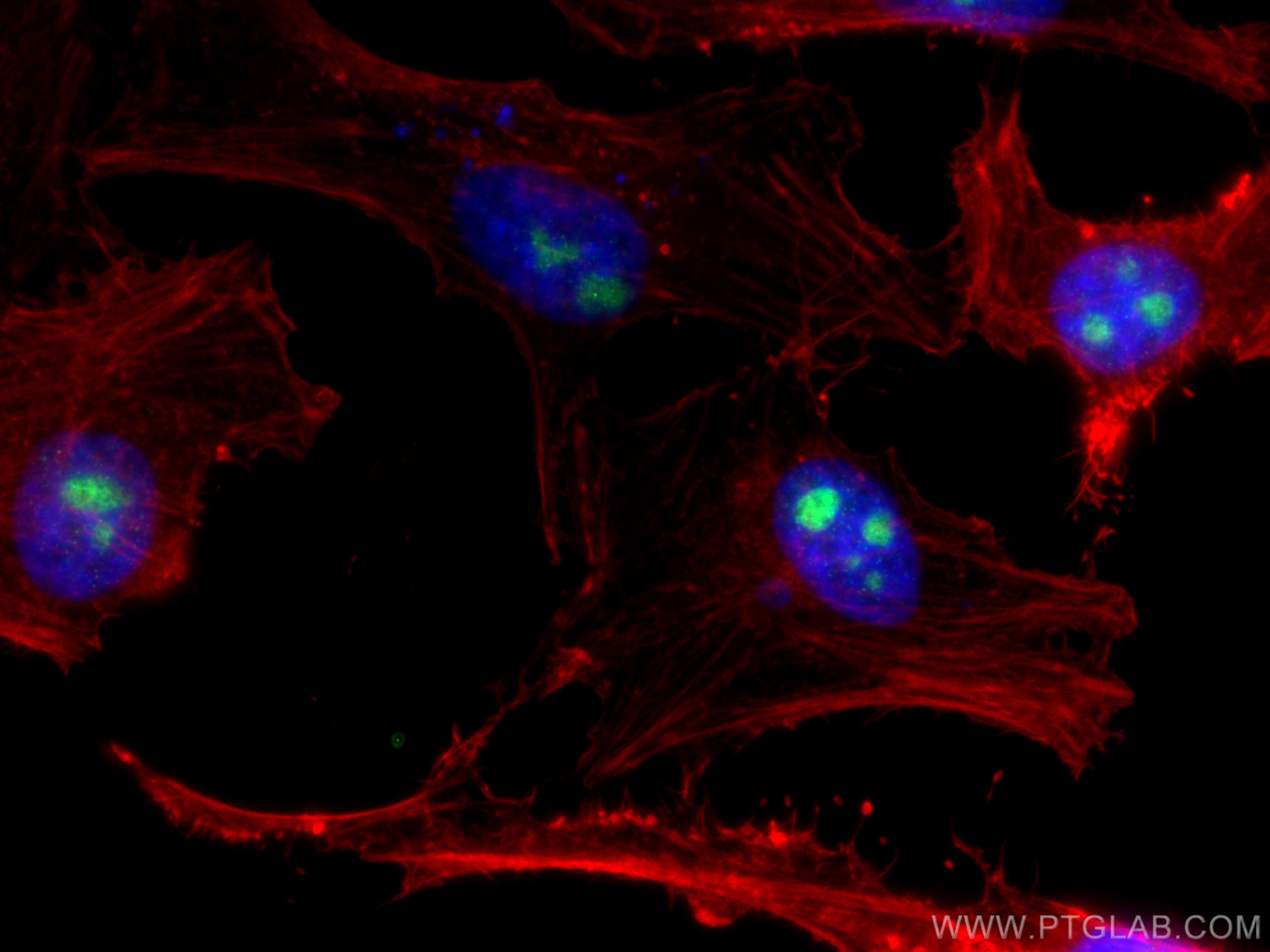
| Positive IF/ICC detected in | HeLa cells |
Recommended dilution
| Application | Dilution |
|---|---|
| Western Blot (WB) | WB : 1:2000-1:16000 |
| Immunohistochemistry (IHC) | IHC : 1:20-1:200 |
| Immunofluorescence (IF)/ICC | IF/ICC : 1:50-1:500 |
| It is recommended that this reagent should be titrated in each testing system to obtain optimal results. | |
| Sample-dependent, Check data in validation data gallery. | |
Product Information
10291-1-AP targets EIF6 in WB, IHC, IF/ICC, ELISA applications and shows reactivity with human, mouse samples.
| Tested Reactivity | human, mouse |
| Cited Reactivity | human, mouse, rat |
| Host / Isotype | Rabbit / IgG |
| Class | Polyclonal |
| Type | Antibody |
| Immunogen |
CatNo: Ag0324 Product name: Recombinant human EIF6 protein Source: e coli.-derived, PGEX-4T Tag: GST Domain: 1-245 aa of BC001119 Sequence: MAVRASFENNCEIGCFAKLTNTYCLVAIGGSENFYSVFEGELSDTIPVVHASIAGCRIIGRMCVGNRHGLLVPNNTTDQELQHIRNSLPDTVQIRRVEERLSALGNVTTCNDYVALVHPDLDRETEEILADVLKVEVFRQTVADQVLVGSYCVFSNQGGLVHPKTSIEDQDELSSLLQVPLVAGTVNRGSEVIAAGMVVNDWCAFCGLDTTSTELSVVESVFKLNEAQPSTIATSMRDSLIDSLT Predict reactive species |
| Full Name | eukaryotic translation initiation factor 6 |
| Calculated Molecular Weight | 27 kDa |
| Observed Molecular Weight | 27 kDa |
| GenBank Accession Number | BC001119 |
| Gene Symbol | EIF6 |
| Gene ID (NCBI) | 3692 |
| RRID | AB_2096515 |
| Conjugate | Unconjugated |
| Form | Liquid |
| Purification Method | Antigen affinity purification |
| UNIPROT ID | P56537 |
| Storage Buffer | PBS with 0.02% sodium azide and 50% glycerol, pH 7.3. |
| Storage Conditions | Store at -20°C. Stable for one year after shipment. Aliquoting is unnecessary for -20oC storage. 20ul sizes contain 0.1% BSA. |
Background Information
p27(BBP/eIF6) is an evolutionarily conserved protein that was originally identified as p27(BBP), It functions as an interactor of the cytoplasmic domain of integrin 4 and as the putative translation initiation factor eIF6. p27BBP is found in two pools: one nuclear pool enriched in the perinucleolar region, and one cytoplasmic pool. p27BBP binds to the fibronectin type III domains of integrin 4 subunit (ITGB4), an important functional component of hemidesmosomes, and help link ITGB4 to the intermediate filament cytoskeleton. In vitro and in vivo studies demonstrated that p27BBP is essential for cell viability and has a primary function in the biogenesis of the 60S ribosomal subunit. p27BBP protein is increased in rapidly cycling cells and decreased in villous cells committed to apoptotic cell death. In dysplastic colorectal adenomas and carcinomas, p27BBP displayed a large increase of its nucleolar component and was associated with the nuclear matrix. In particular, p27BBP increased progressively from adenomas to carcinomas and was related to the tumor stage.
Protocols
| Product Specific Protocols | |
|---|---|
| IF protocol for EIF6 antibody 10291-1-AP | Download protocol |
| IHC protocol for EIF6 antibody 10291-1-AP | Download protocol |
| WB protocol for EIF6 antibody 10291-1-AP | Download protocol |
| Standard Protocols | |
|---|---|
| Click here to view our Standard Protocols |
Publications
What published studies show
| Species | Application | Title |
|---|---|---|
Cell Stem Cell HectD1 controls hematopoietic stem cell regeneration by coordinating ribosome assembly and protein synthesis. | ||
Exp Gerontol Mechanistic insights into EIF6 as a target of Apigenin in alleviating chondrocyte senescence | ||
Biochem Biophys Res Commun Mitochondrial function is impaired in yeast and human cellular models of Shwachman Diamond syndrome. | ||
Pediatr Blood Cancer Impaired growth, hematopoietic colony formation, and ribosome maturation in human cells depleted of Shwachman-Diamond syndrome protein SBDS. | ||
Evid Based Complement Alternat Med Protective Effects of Scutellarin on Human Cardiac Microvascular Endothelial Cells against Hypoxia-Reoxygenation Injury and Its Possible Target-Related Proteins. |

