
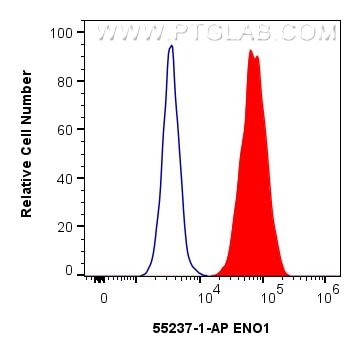

Tested Applications
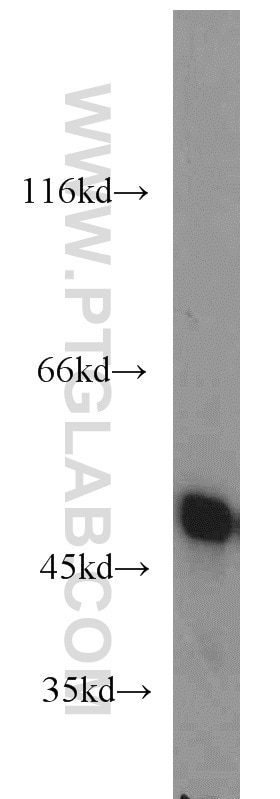
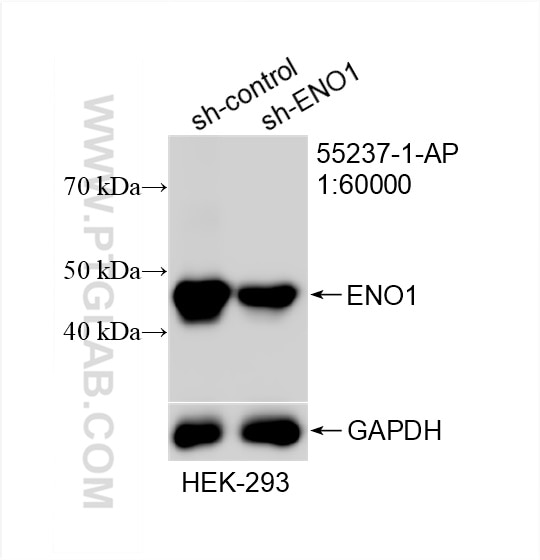
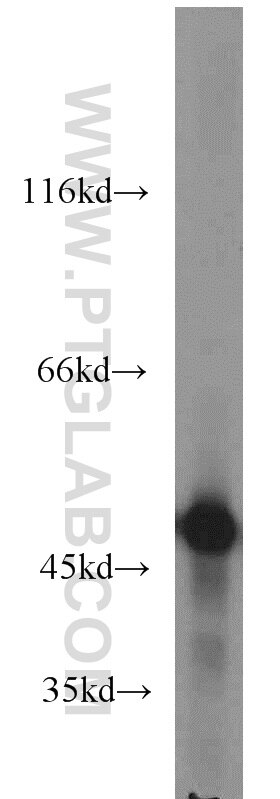
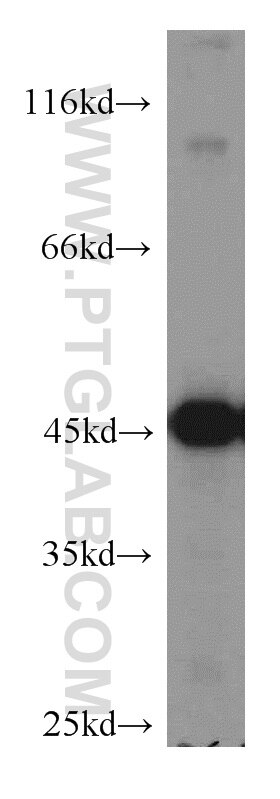
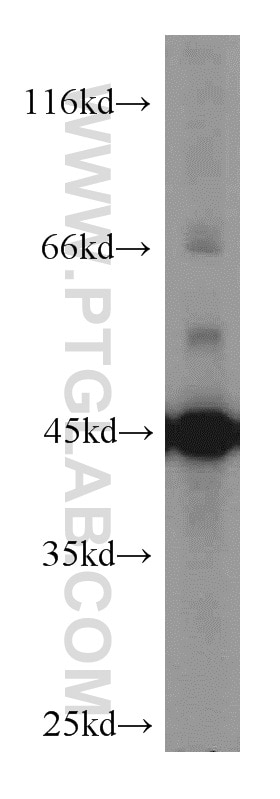
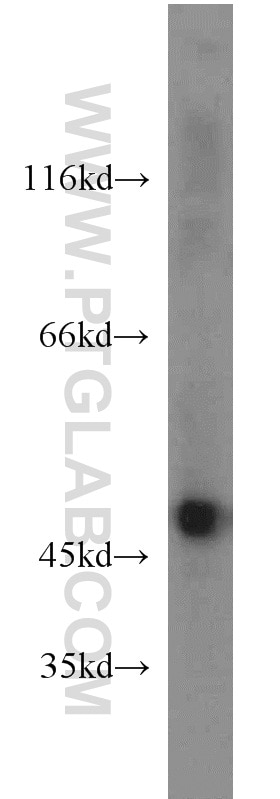
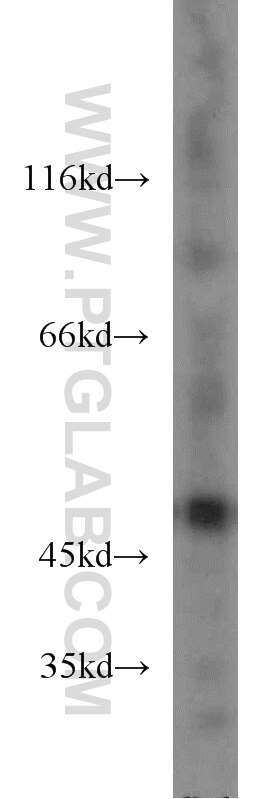
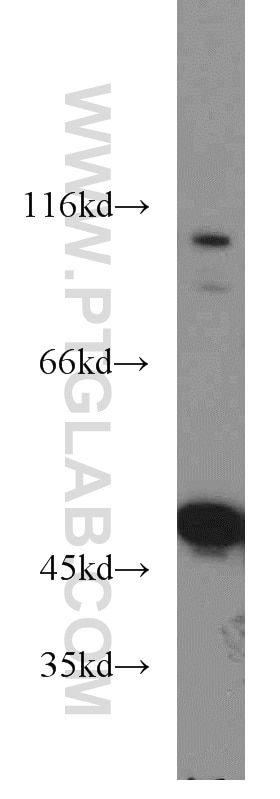
| Positive WB detected in | HeLa cells, mouse brain tissue, HepG2 cells, mouse liver tissue, HEK-293 cells |
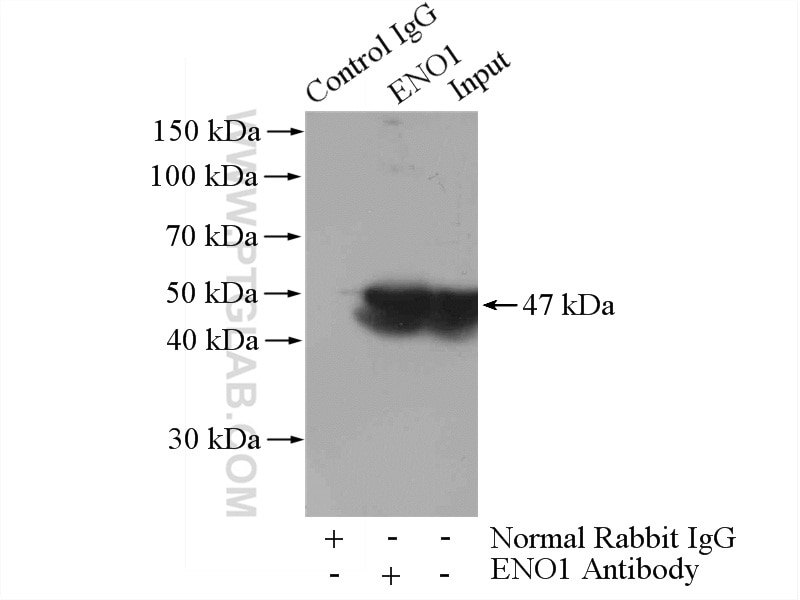
| Positive IP detected in | mouse brain tissue |
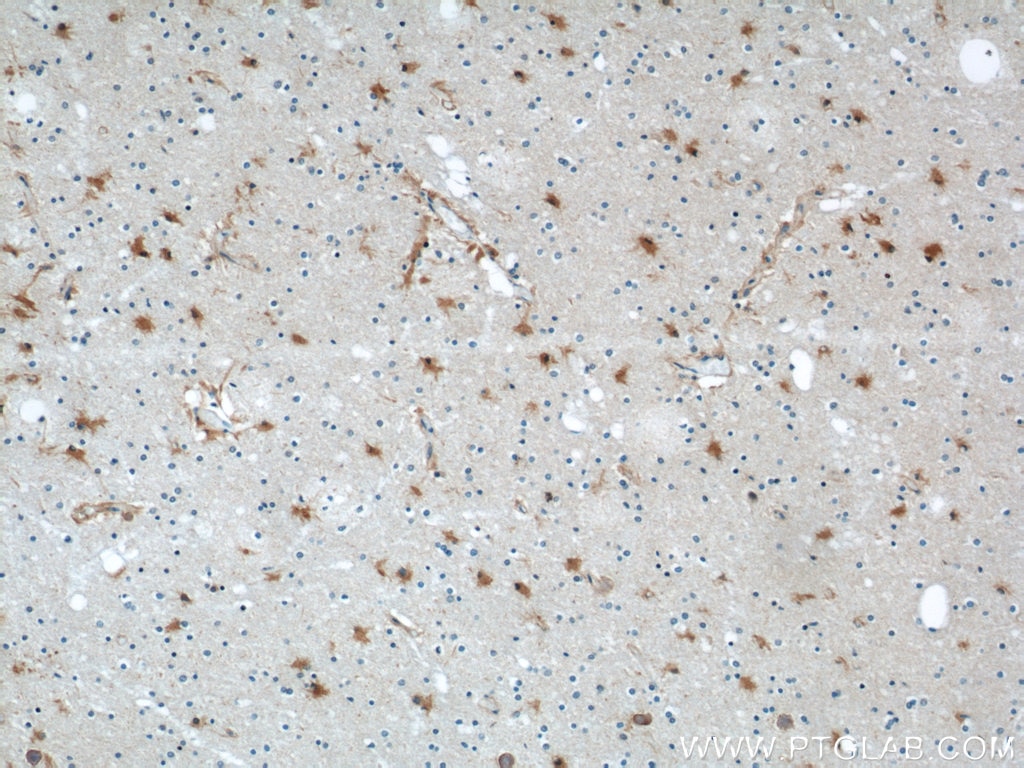
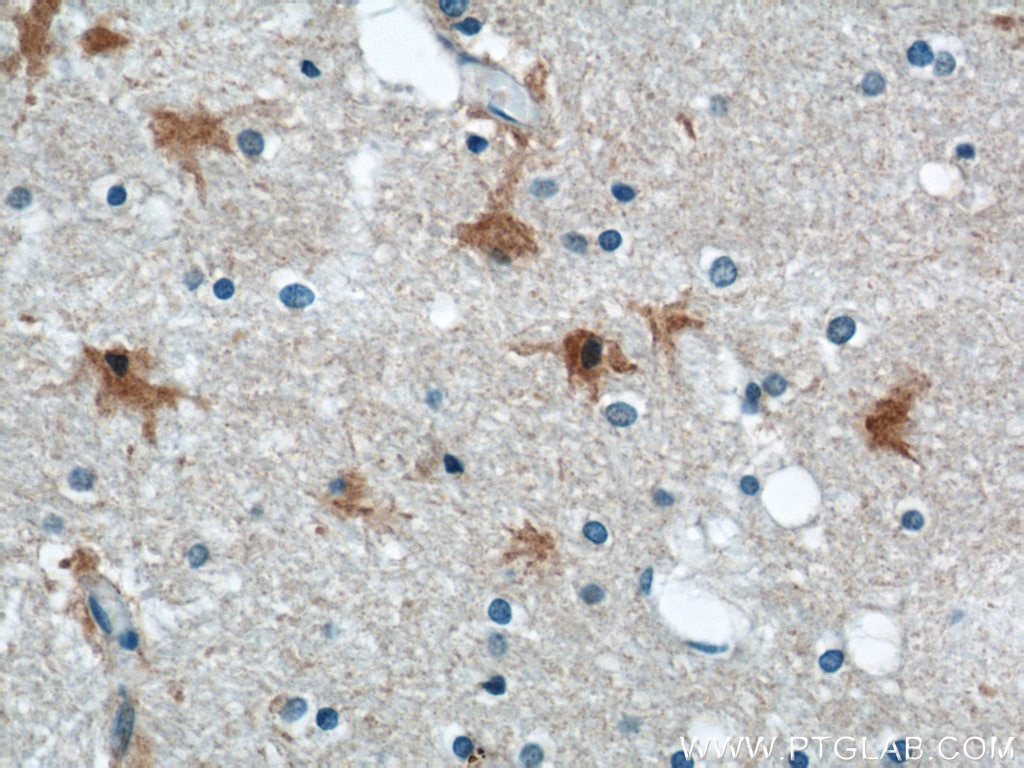
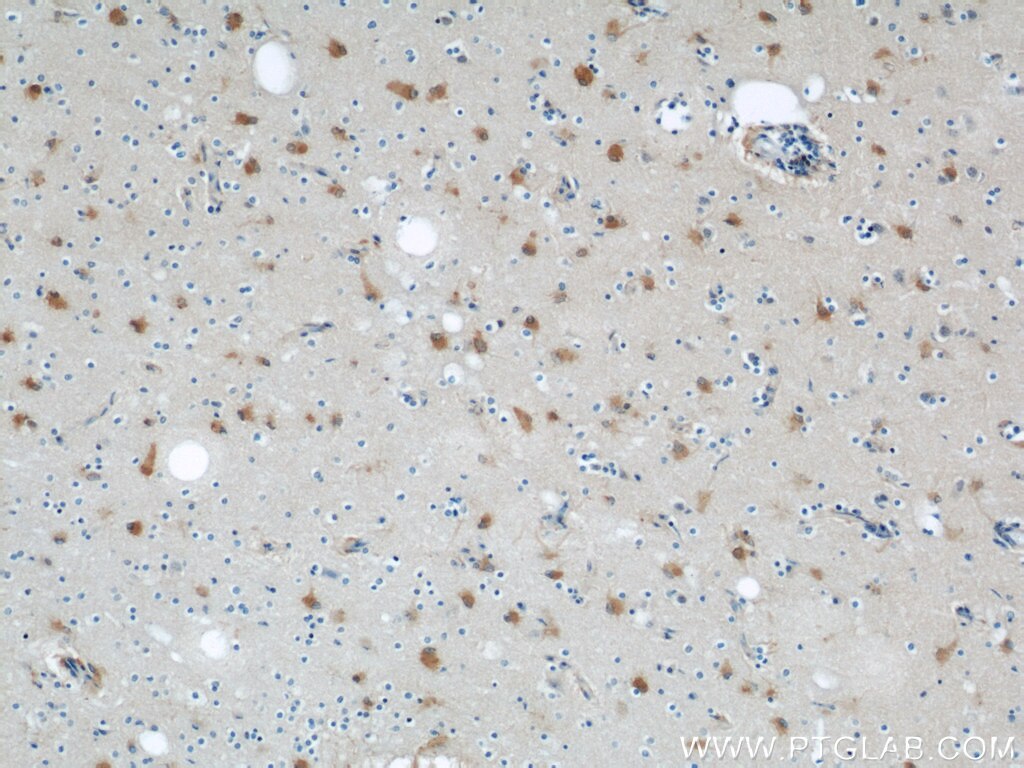
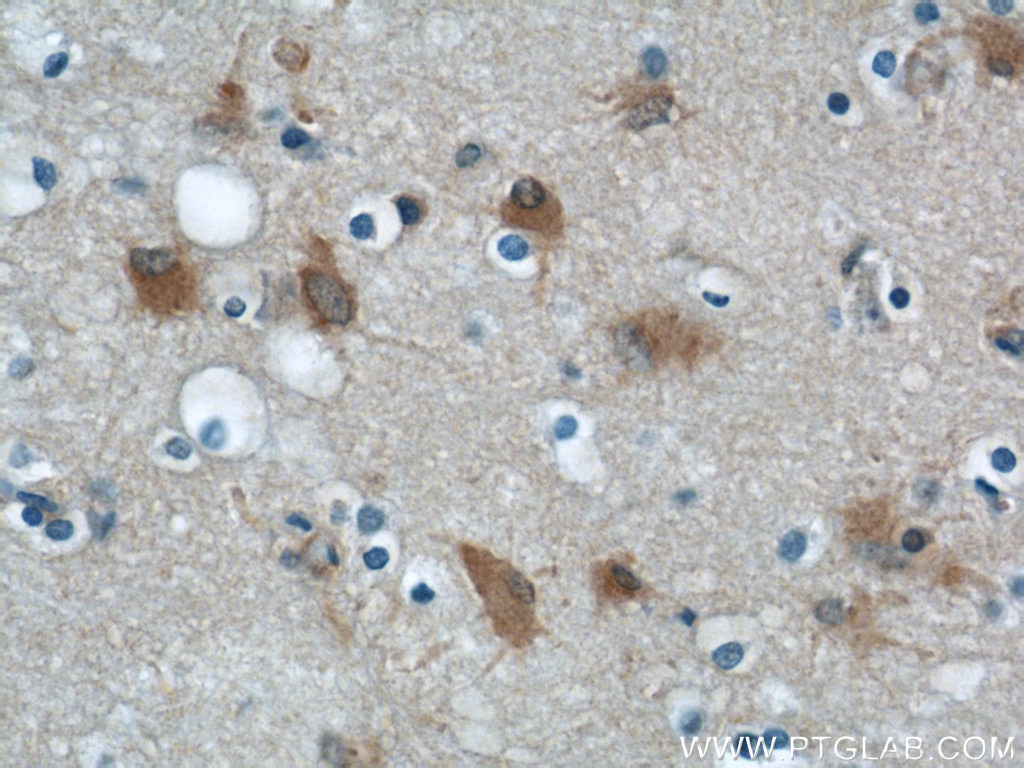
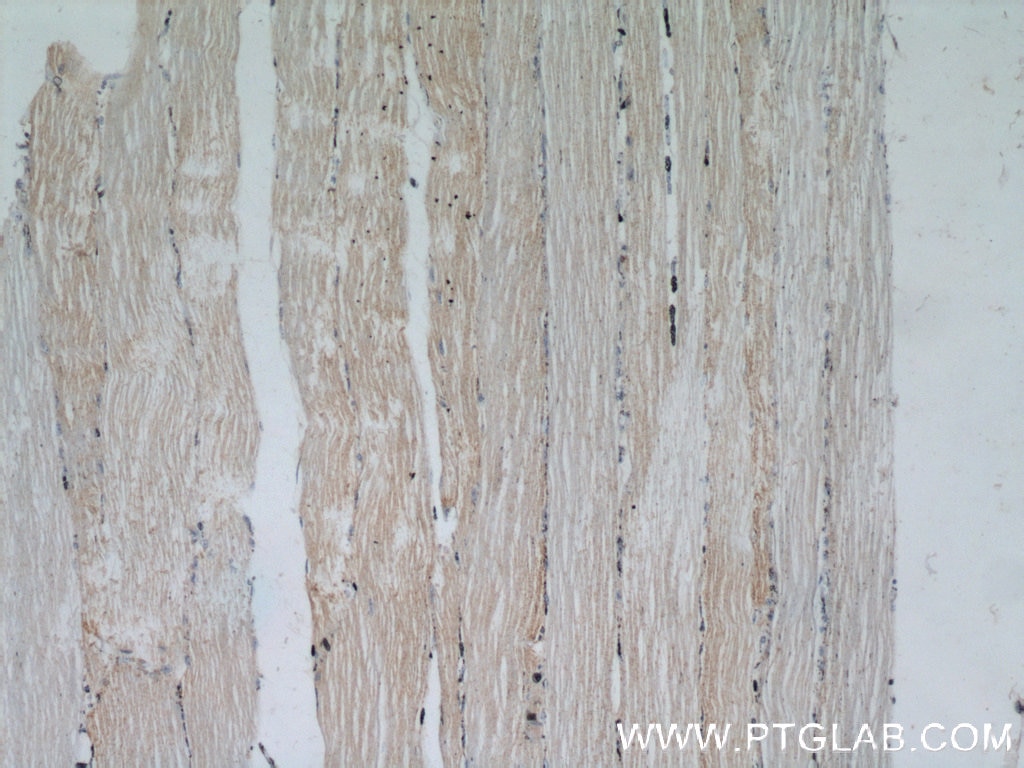
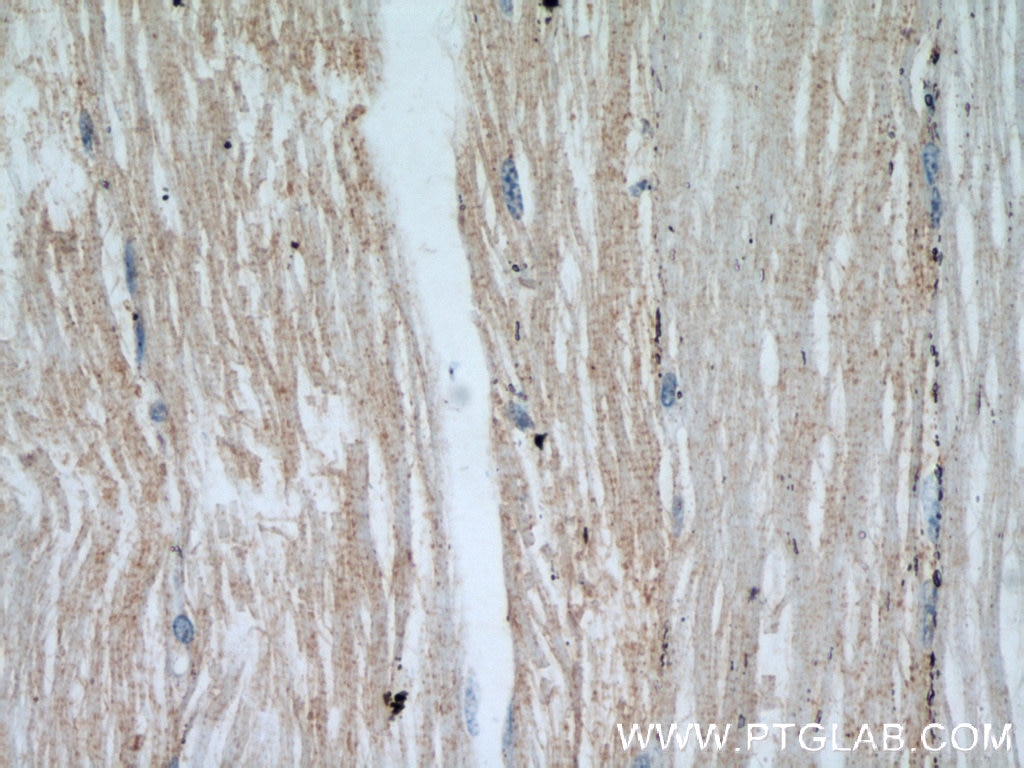
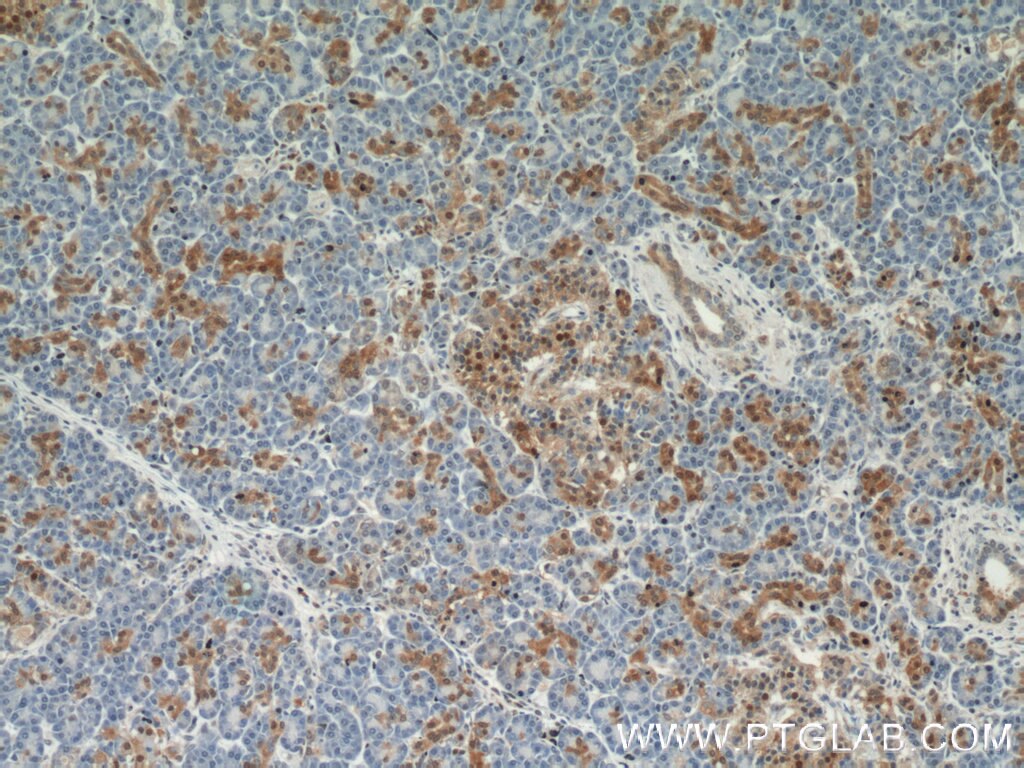
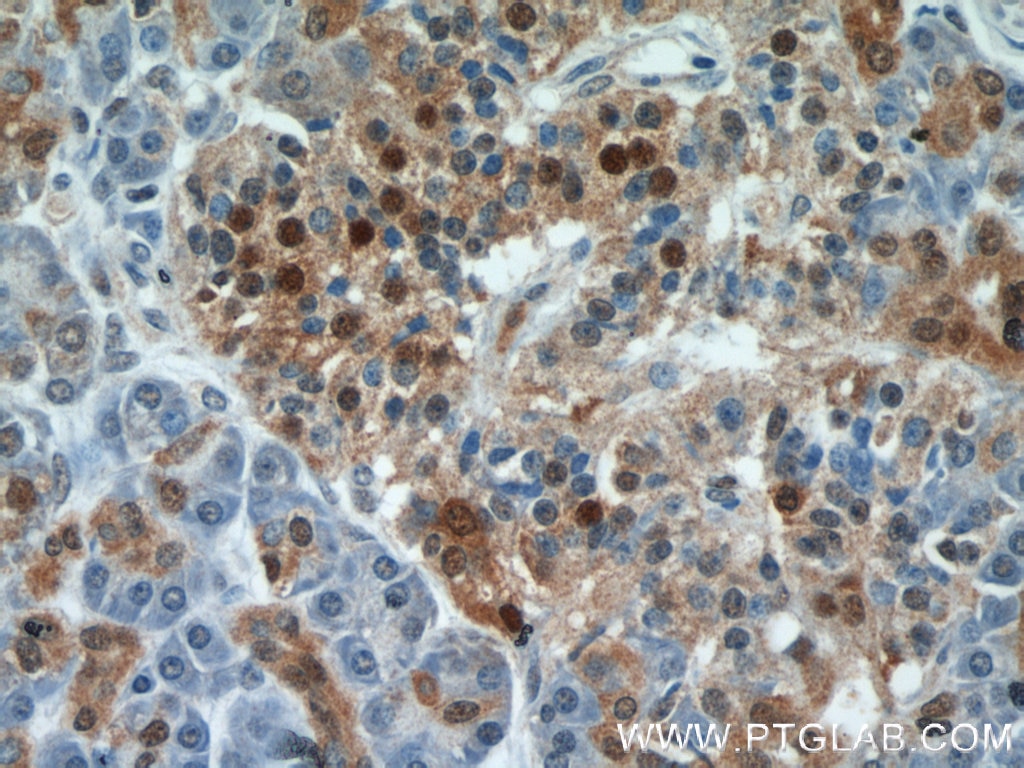
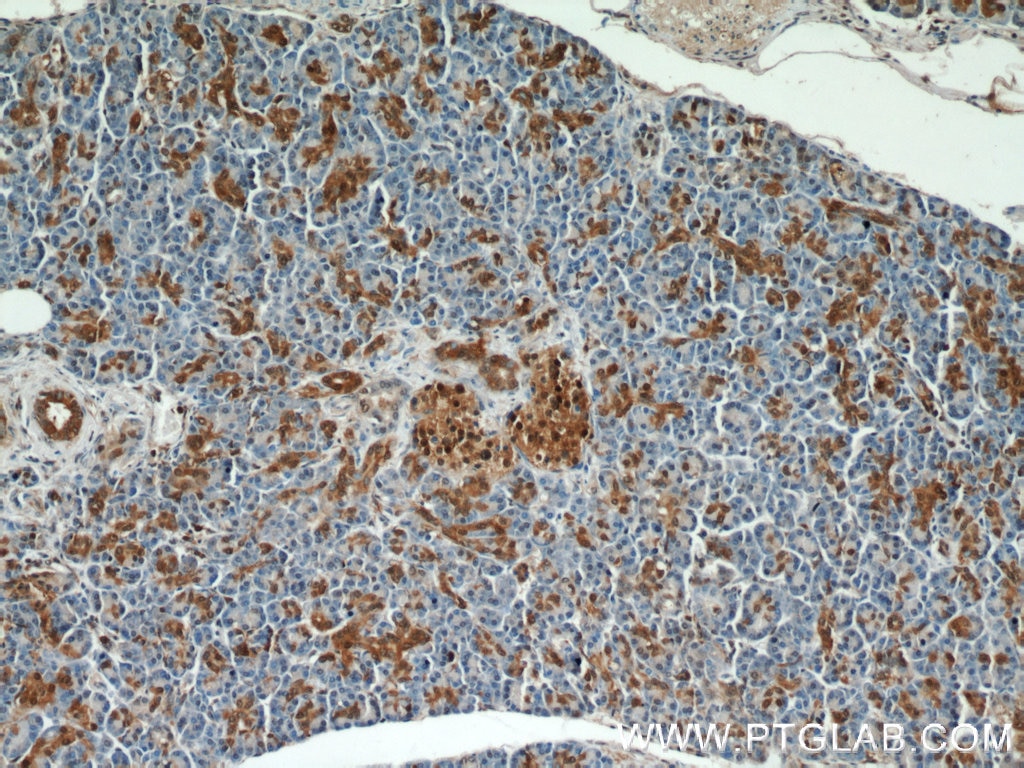
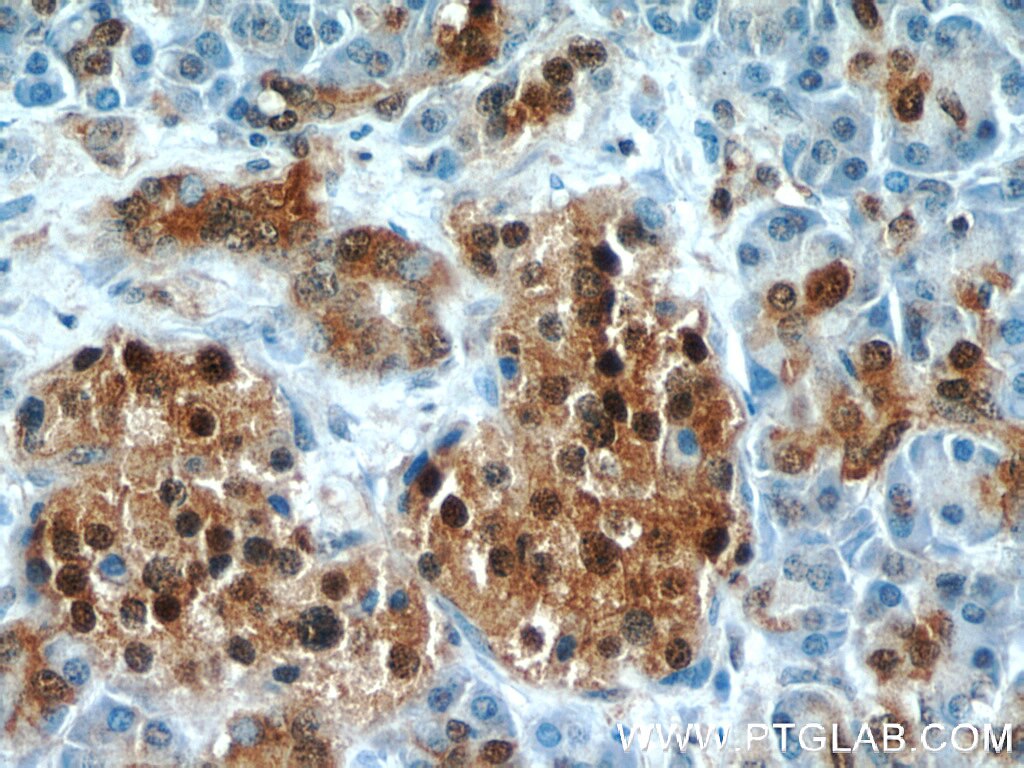
| Positive IHC detected in | human brain tissue, human pancreas tissue, human skeletal muscle tissue Note: suggested antigen retrieval with TE buffer pH 9.0; (*) Alternatively, antigen retrieval may be performed with citrate buffer pH 6.0 |
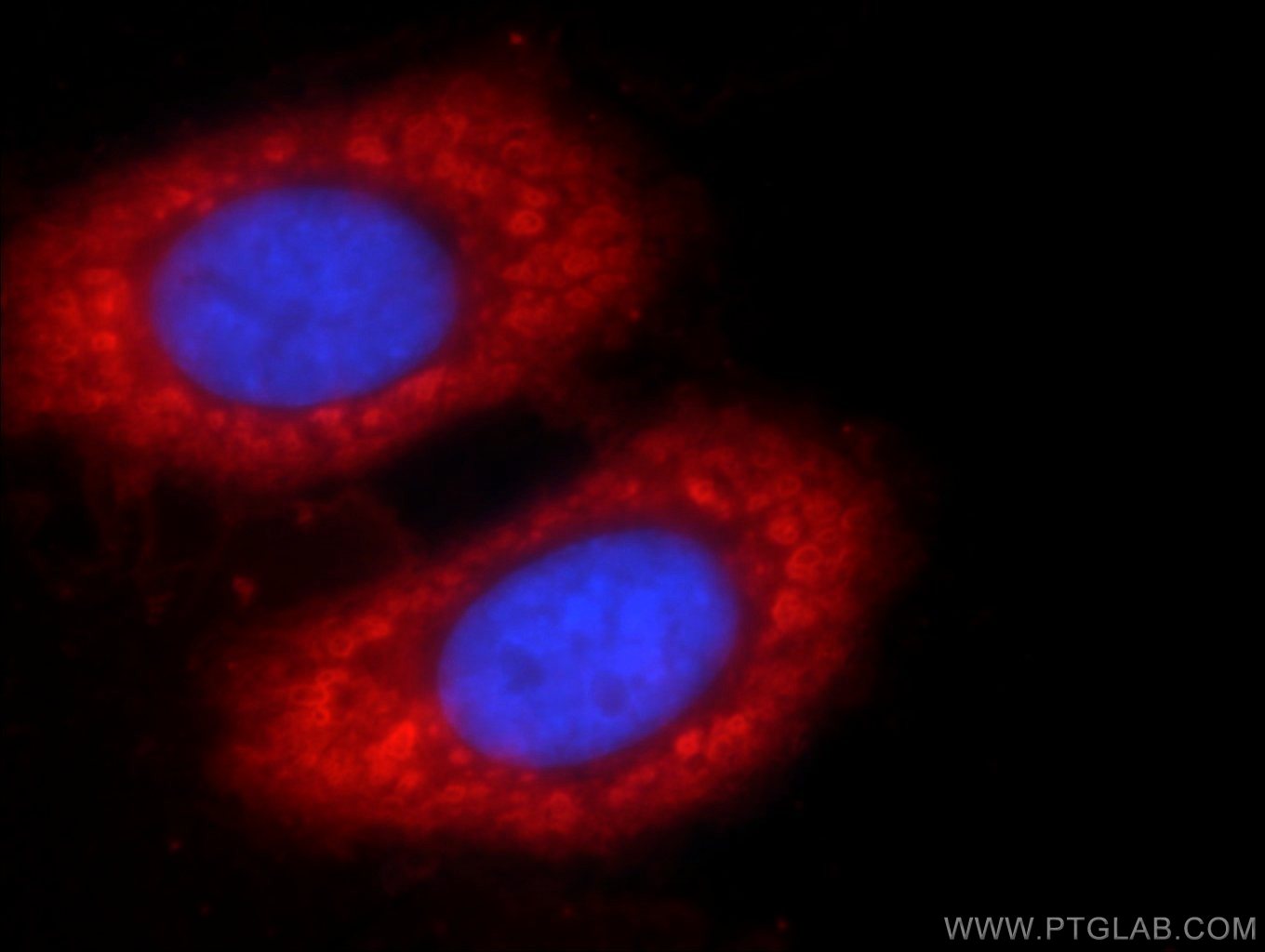
| Positive IF/ICC detected in | HepG2 cells |
| Positive FC (Intra) detected in | HeLa cells |
Recommended dilution
| Application | Dilution |
|---|---|
| Western Blot (WB) | WB : 1:1000-1:4000 |
| Immunoprecipitation (IP) | IP : 0.5-4.0 ug for 1.0-3.0 mg of total protein lysate |
| Immunohistochemistry (IHC) | IHC : 1:20-1:200 |
| Immunofluorescence (IF)/ICC | IF/ICC : 1:20-1:200 |
| Flow Cytometry (FC) (INTRA) | FC (INTRA) : 0.25 ug per 10^6 cells in a 100 ul suspension |
| It is recommended that this reagent should be titrated in each testing system to obtain optimal results. | |
| Sample-dependent, Check data in validation data gallery. | |
Product Information
55237-1-AP targets ENO1 in WB, IHC, IF/ICC, FC (Intra), IP, ELISA applications and shows reactivity with human, mouse samples.
| Tested Reactivity | human, mouse |
| Cited Reactivity | human |
| Host / Isotype | Rabbit / IgG |
| Class | Polyclonal |
| Type | Antibody |
| Immunogen |
Peptide Predict reactive species |
| Full Name | enolase 1, (alpha) |
| Calculated Molecular Weight | 47 kDa |
| Observed Molecular Weight | 47 kDa |
| GenBank Accession Number | NM_001428 |
| Gene Symbol | ENO1 |
| Gene ID (NCBI) | 2023 |
| ENSEMBL Gene ID | ENSG00000074800 |
| RRID | AB_10837362 |
| Conjugate | Unconjugated |
| Form | Liquid |
| Purification Method | Antigen affinity purification |
| UNIPROT ID | P06733 |
| Storage Buffer | PBS with 0.02% sodium azide and 50% glycerol, pH 7.3. |
| Storage Conditions | Store at -20°C. Stable for one year after shipment. Aliquoting is unnecessary for -20oC storage. 20ul sizes contain 0.1% BSA. |
Background Information
ENO1, also named as NNE, ENO1L1, MBPB1, MPB1 and MBP1, belongs to the enolase family. ENO1 is a metabolic enzyme involved in the synthesis of pyruvate. It also acts as a plasminogen receptor and mediates the activation of plasmin and extracellular matrix degradation. In tumor cells, ENO1 is up-regulated and supports the Warburg effect; it is expressed at the cell surface, where it promotes cancer invasion, and is subjected to a specific array of post-translational modifications, namely acetylation, methylation and phosphorylation. ENO1 overexpression and post-translational modifications could be of diagnostic and prognostic value in many cancer types. (PMID: 27814656). This antibody is specific to ENO1 and has no cross reaction with ENO2 and ENO3.
Protocols
| Product Specific Protocols | |
|---|---|
| FC protocol for ENO1 antibody 55237-1-AP | Download protocol |
| IF protocol for ENO1 antibody 55237-1-AP | Download protocol |
| IHC protocol for ENO1 antibody 55237-1-AP | Download protocol |
| IP protocol for ENO1 antibody 55237-1-AP | Download protocol |
| WB protocol for ENO1 antibody 55237-1-AP | Download protocol |
| Standard Protocols | |
|---|---|
| Click here to view our Standard Protocols |
Publications
What published studies show
The ENO1 Polyclonal antibody (55237-1-AP) has 3 citations total. The publications appear in Redox Biology (16.2 IF), EMBO Reports (6.0 IF), and PLoS One (2.8 IF). The cited applications span WB, IP, and IF, predominantly in human samples. Research fields covered include metabolic regulation (localization of glycolytic enzymes to mitochondria, ROS), cancer biology and epigenetics (histone succinylation and tumorigenesis, lactylation-related pathways), and environmental toxicology-associated bladder cancer. The strongest evidence (highest impact factor) supports the antibody's WB performance.
| Species | Application | Title |
|---|---|---|
EMBO Rep Histone acetyltransferase 1 is a succinyltransferase for histones and non-histones and promotes tumorigenesis. | ||
PLoS One Integrating multi-omics and machine learning to decipher the molecular pathways of bisphenol a-associated lactylation-related genes driving bladder cancer. |

