

Tested Applications
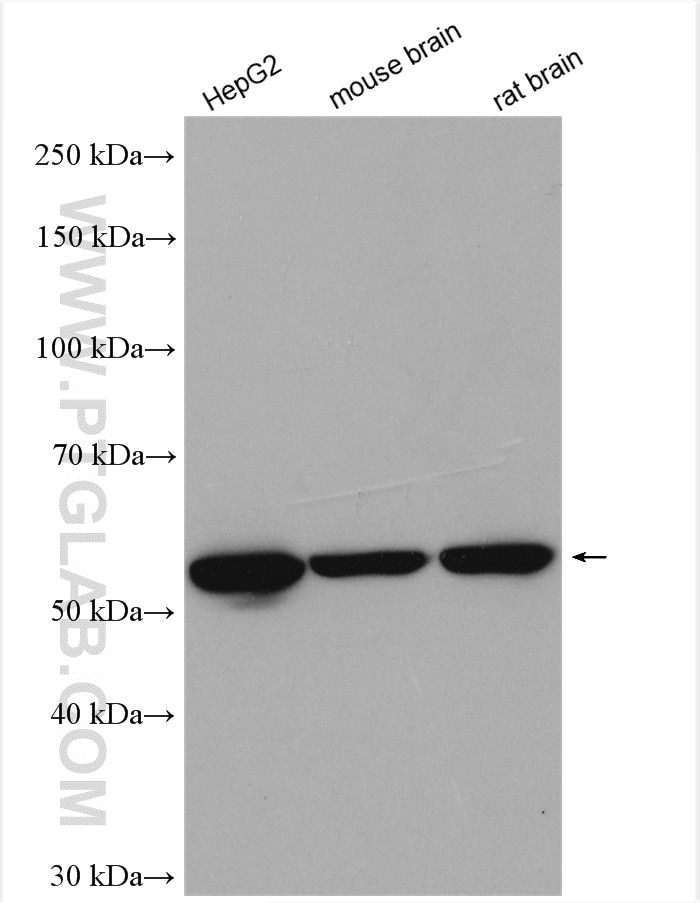
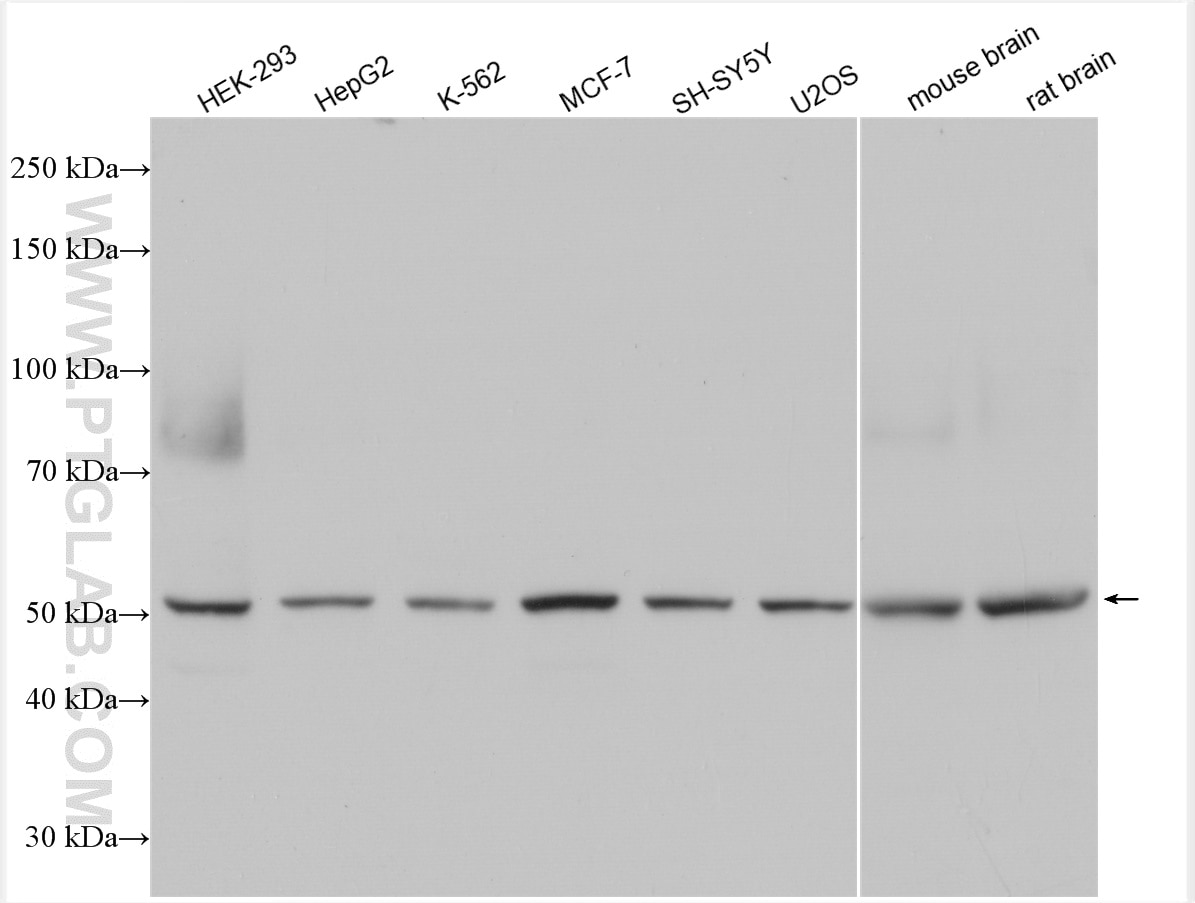
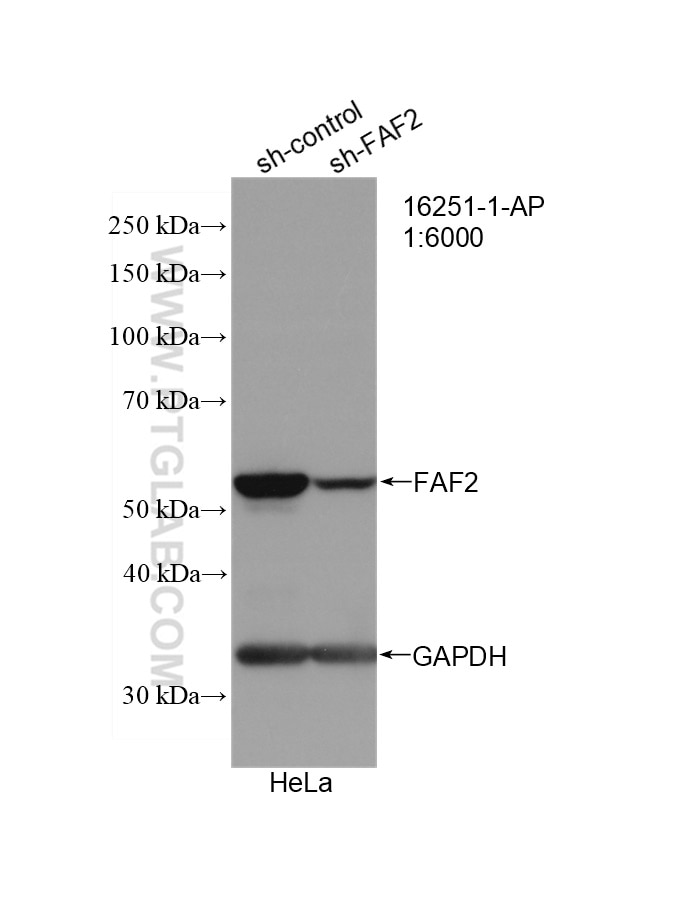
| Positive WB detected in | HEK-293 cells, HepG2 cells, HeLa cells, mouse brain tissue, rat brain tissue, K-562 cells, MCF-7 cells, SH-SY5Y cells, U2OS cells |
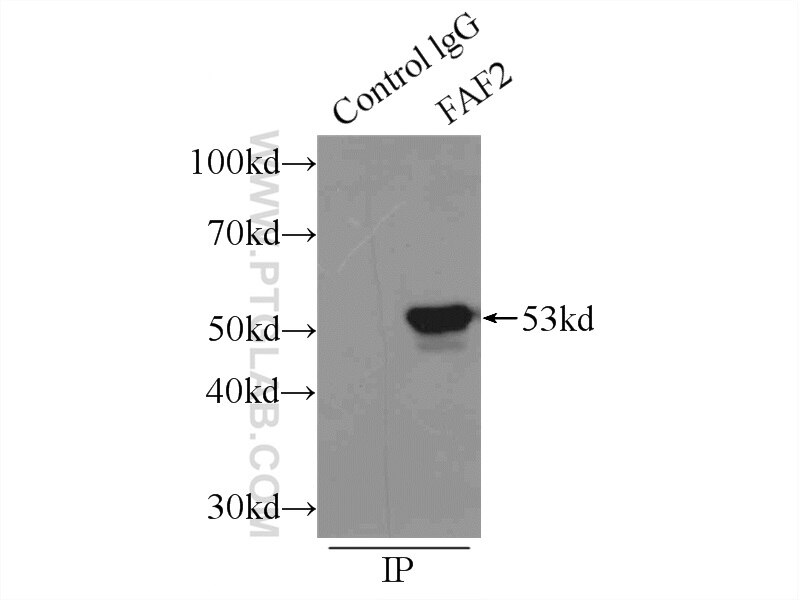
| Positive IP detected in | mouse brain tissue |
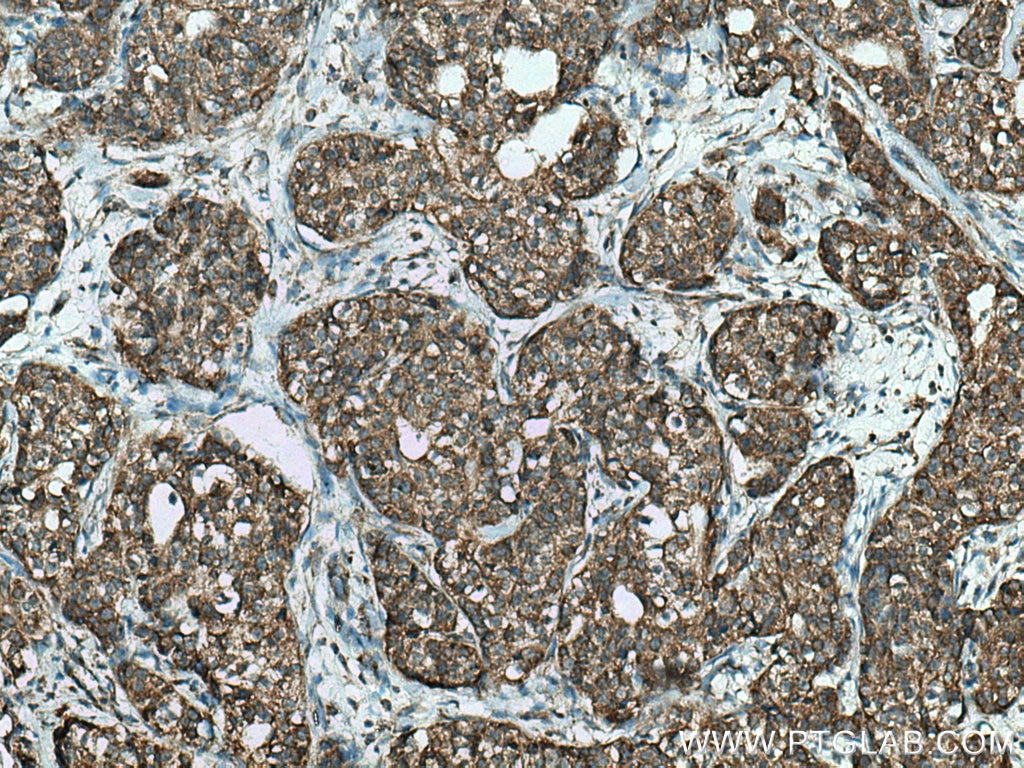
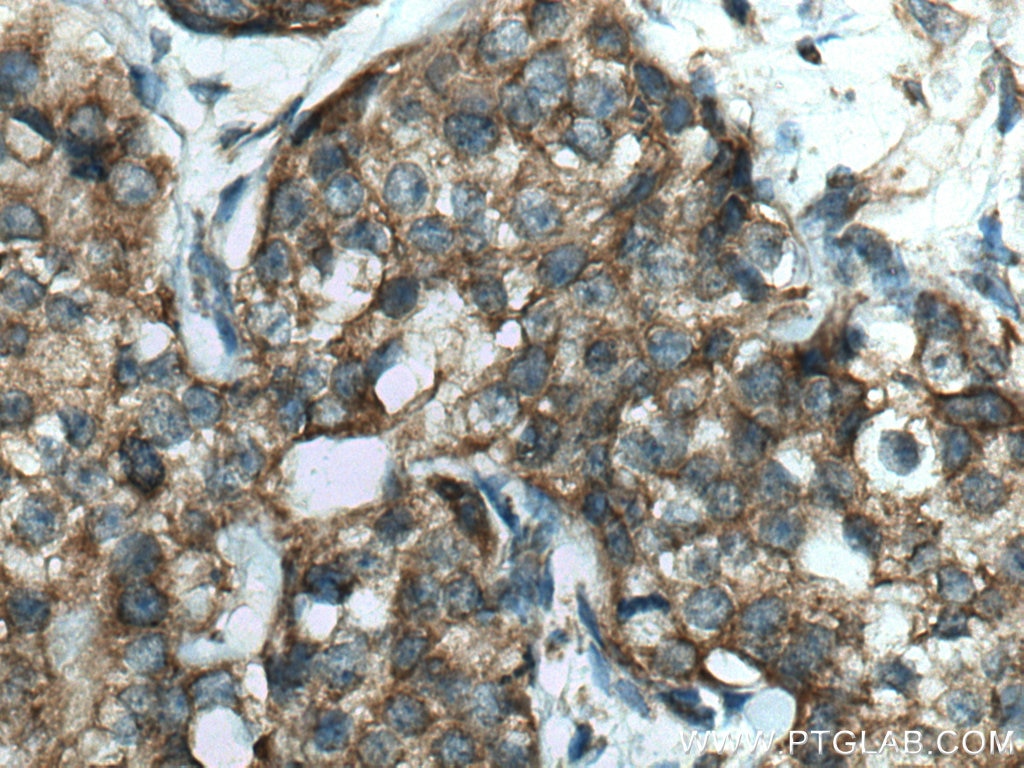
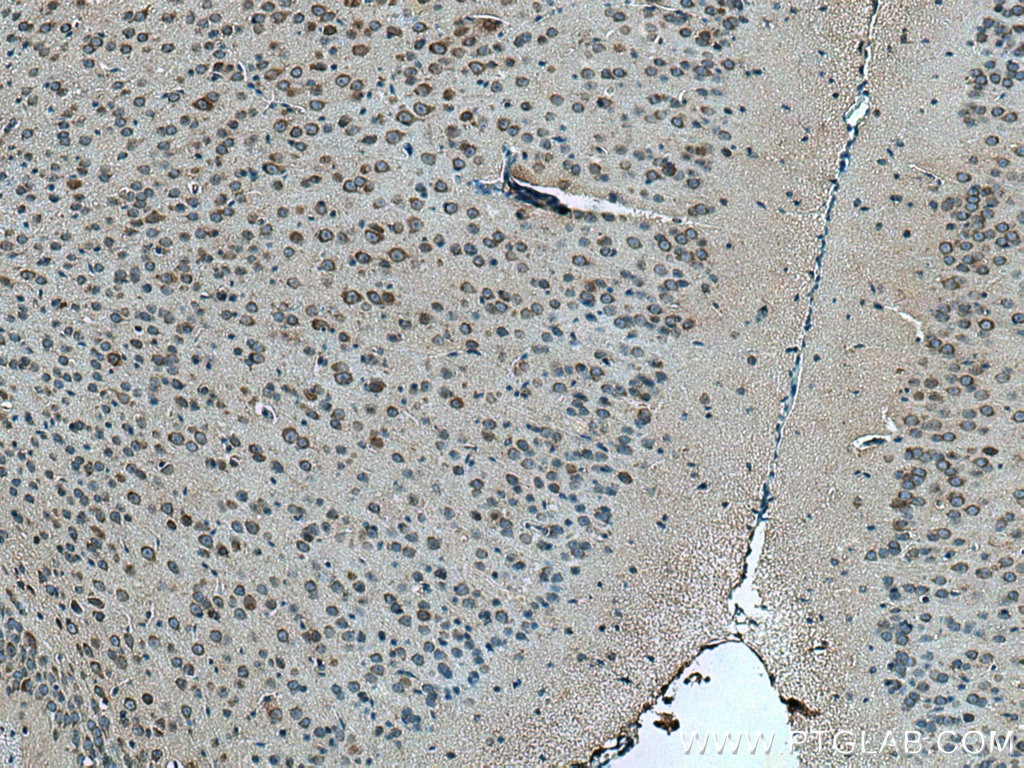
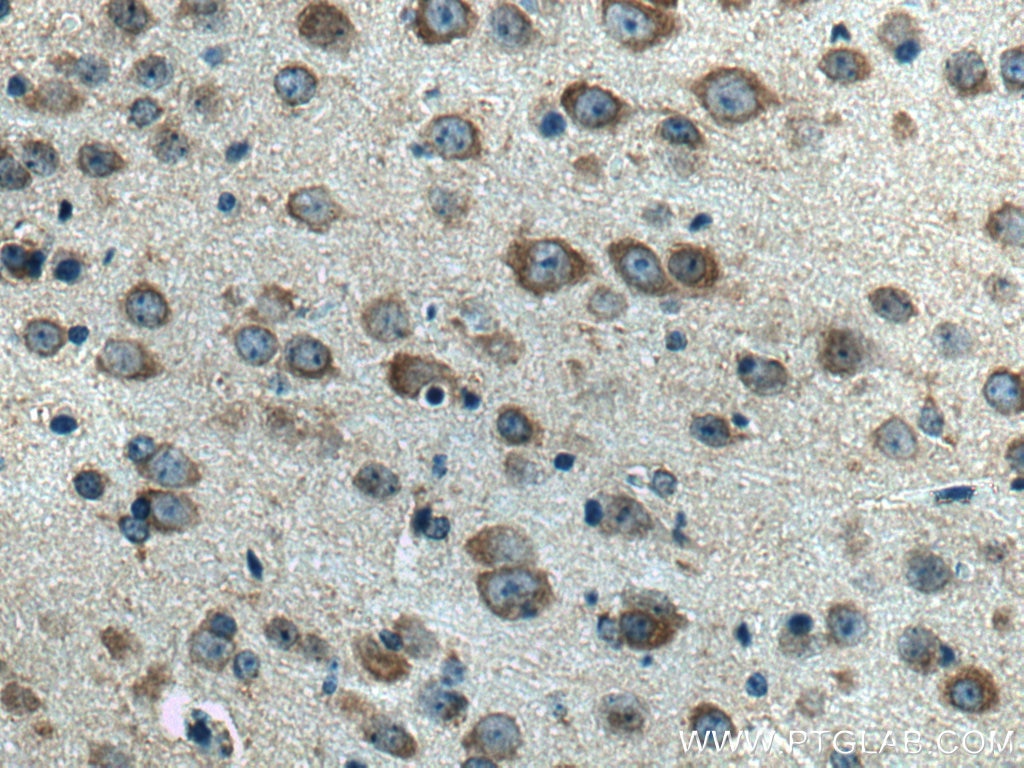
| Positive IHC detected in | human breast cancer tissue, mouse brain tissue Note: suggested antigen retrieval with TE buffer pH 9.0; (*) Alternatively, antigen retrieval may be performed with citrate buffer pH 6.0 |
Recommended dilution
| Application | Dilution |
|---|---|
| Western Blot (WB) | WB : 1:1000-1:8000 |
| Immunoprecipitation (IP) | IP : 0.5-4.0 ug for 1.0-3.0 mg of total protein lysate |
| Immunohistochemistry (IHC) | IHC : 1:50-1:500 |
| It is recommended that this reagent should be titrated in each testing system to obtain optimal results. | |
| Sample-dependent, Check data in validation data gallery. | |
Product Information
16251-1-AP targets FAF2 in WB, IHC, IF, IP, ELISA applications and shows reactivity with human, mouse, rat samples.
| Tested Reactivity | human, mouse, rat |
| Cited Reactivity | human, mouse, rat, bovine |
| Host / Isotype | Rabbit / IgG |
| Class | Polyclonal |
| Type | Antibody |
| Immunogen |
CatNo: Ag9236 Product name: Recombinant human FAF2 protein Source: e coli.-derived, PET28a Tag: 6*His Domain: 97-445 aa of BC014001 Sequence: YLIMLPFRFTYYTILDIFRFALRFIRPDPRSRVTDPVGDIVSFMHSFEEKYGRAHPVFYQGTYSQALNDAKRELRFLLVYLHGDDHQDSDEFCRNTLCAPEVISLINTRMLFWACSTNKPEGYRVSQALRENTYPFLAMIMLKDRRMTVVGRLEGLIQPDDLINQLTFIMDANQTYLVSERLEREERNQTQVLRQQQDEAYLASLRADQEKERKKREERERKRRKEEEVQQQKLAEERRRQNLQEEKERKLECLPPEPSPDDPESVKIIFKLPNDSRVERRFHFSQSLTVIHDFLFSLKESPEKFQIEANFPRRVLPCIPSEEWPNPPTLQEAGLSHTEVLFVQDLTDE Predict reactive species |
| Full Name | Fas associated factor family member 2 |
| Calculated Molecular Weight | 445 aa, 53 kDa |
| Observed Molecular Weight | 53 kDa |
| GenBank Accession Number | BC014001 |
| Gene Symbol | FAF2 |
| Gene ID (NCBI) | 23197 |
| RRID | AB_2262469 |
| Conjugate | Unconjugated |
| Form | Liquid |
| Purification Method | Antigen affinity purification |
| UNIPROT ID | Q96CS3 |
| Storage Buffer | PBS with 0.02% sodium azide and 50% glycerol, pH 7.3. |
| Storage Conditions | Store at -20°C. Stable for one year after shipment. Aliquoting is unnecessary for -20oC storage. 20ul sizes contain 0.1% BSA. |
Background Information
Protein ETEA (FAF2, or UBXD8) is a homolog to Fas-associated factor 1 (FAF1), which is involved in Fas-mediated apoptosis. ETEA protein directly interacts with and negatively regulates neurofibromin. ETEA contains both UBA and UBX domains and overexpression of ETEA downregulates neurofibromin in human cells. It may play a role in the translocation of terminally misfolded proteins from the endoplasmic reticulum lumen to the cytoplasm and their degradation by the proteasome. ETEA is highly expressed in peripheral blood of patients with atopic dermatitis (AD) compared to normal individuals, and may regulate the resistance to apoptosis that is observed in T cells and eosinophils of AD patients.
Protocols
| Product Specific Protocols | |
|---|---|
| IHC protocol for FAF2 antibody 16251-1-AP | Download protocol |
| IP protocol for FAF2 antibody 16251-1-AP | Download protocol |
| WB protocol for FAF2 antibody 16251-1-AP | Download protocol |
| Standard Protocols | |
|---|---|
| Click here to view our Standard Protocols |
Publications
What published studies show
The FAF2 (UBXD8) polyclonal antibody (Cat# 16251-1-AP) has 30 citations across journals including Science, Nature Metabolism, Nature Communications, Molecular Cell, Journal of Cell Biology, EMBO Reports, eLife, and others. Research fields span ER-associated degradation (ERAD), p97/VCP function, stress granule dynamics, ubiquitination, autophagy/mitophagy, peroxisome homeostasis, innate immunity, and protein quality control. Applications cited include WB, IP, IF, and IHC in human, mouse, rat, and bovine samples.
| Species | Application | Title |
|---|---|---|
Science Ubiquitination of G3BP1 mediates stress granule disassembly in a context-specific manner. | ||
Nat Metab Long non-coding RNA SNHG6 couples cholesterol sensing with mTORC1 activation in hepatocellular carcinoma | ||
Autophagy Organelle contact reorganization drives calcium-dependent autophagy under proteostatic stress. | ||
Nat Commun The p97-UBXD8 complex regulates ER-Mitochondria contact sites by altering membrane lipid saturation and composition | ||
Nat Commun Cross-link assisted spatial proteomics to map sub-organelle proteomes and membrane protein topologies | ||
Mol Cell Role of a holo-insertase complex in the biogenesis of biophysically diverse ER membrane proteins.
|

