
Tested Applications
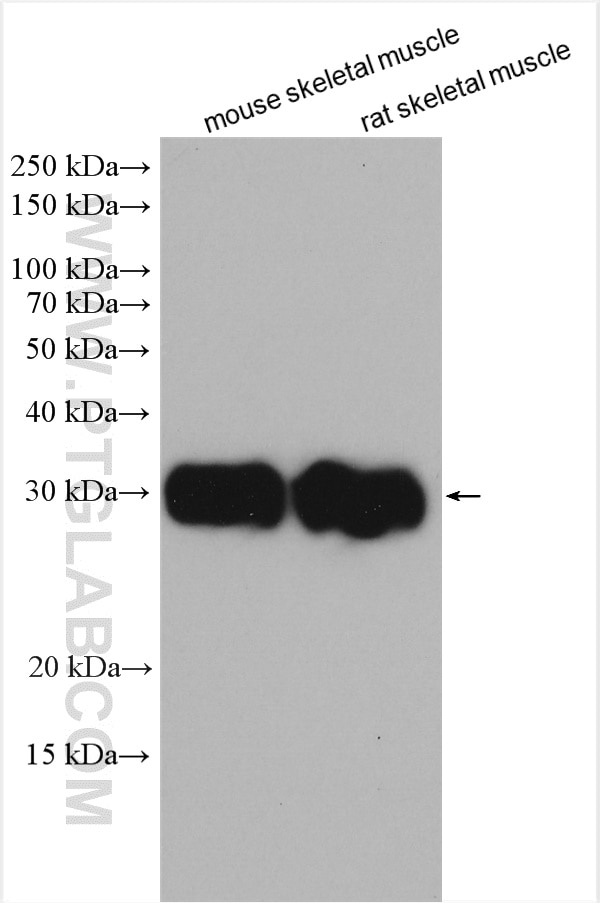
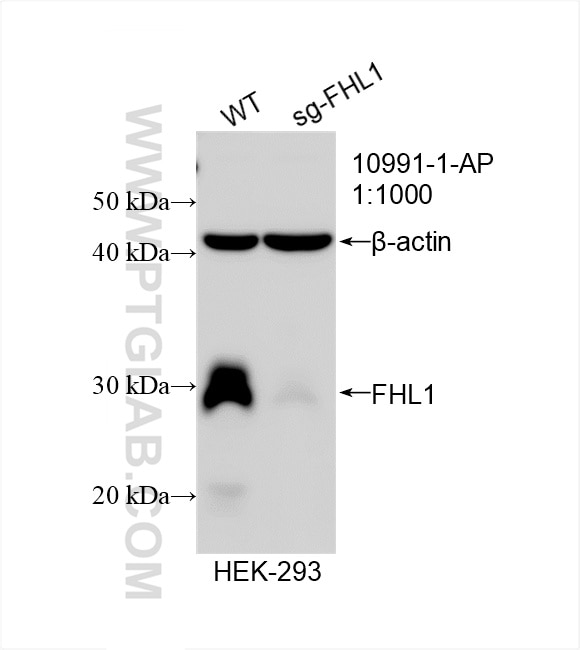
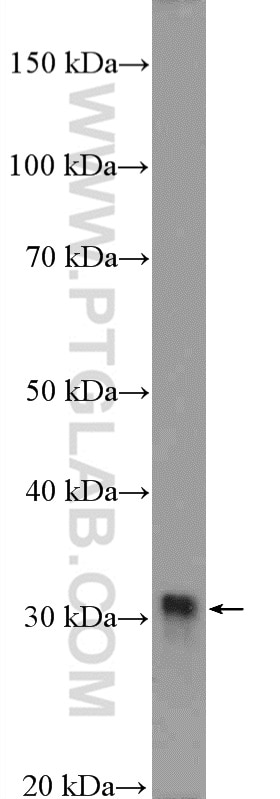
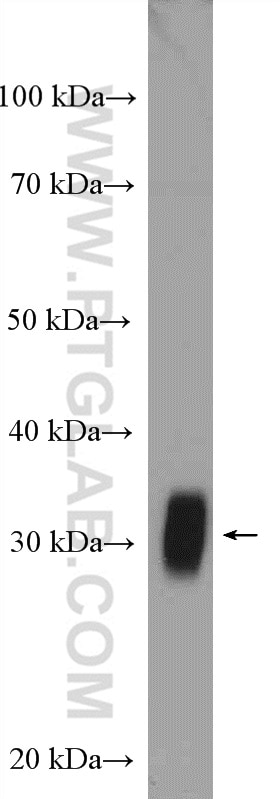
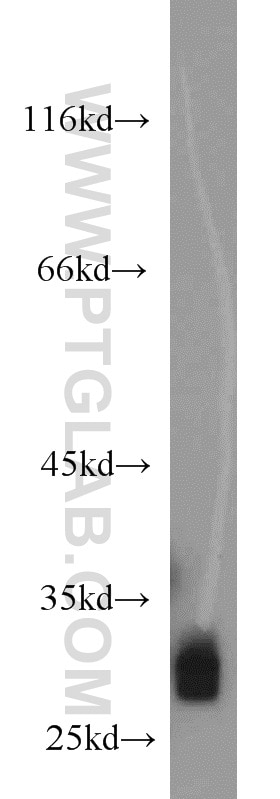
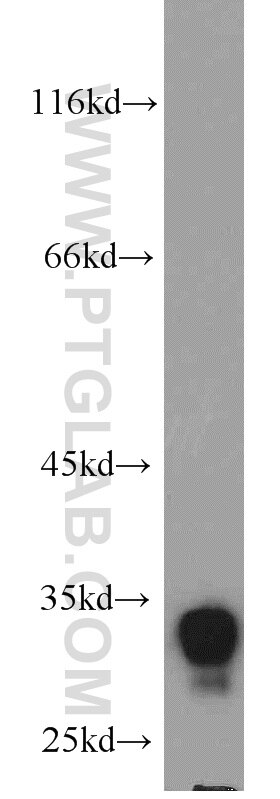
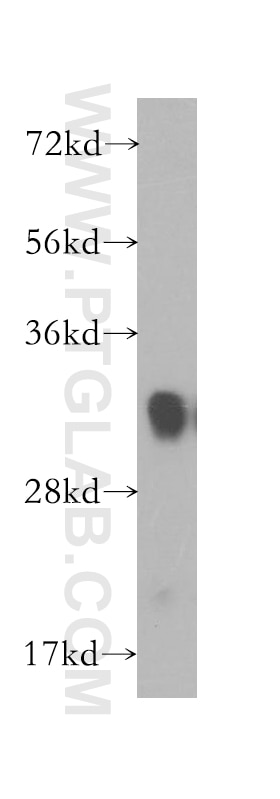
| Positive WB detected in | mouse skeletal muscle tissue, HEK-293 cells, human brain tissue, mouse colon tissue, rat skeletal muscle tissue |
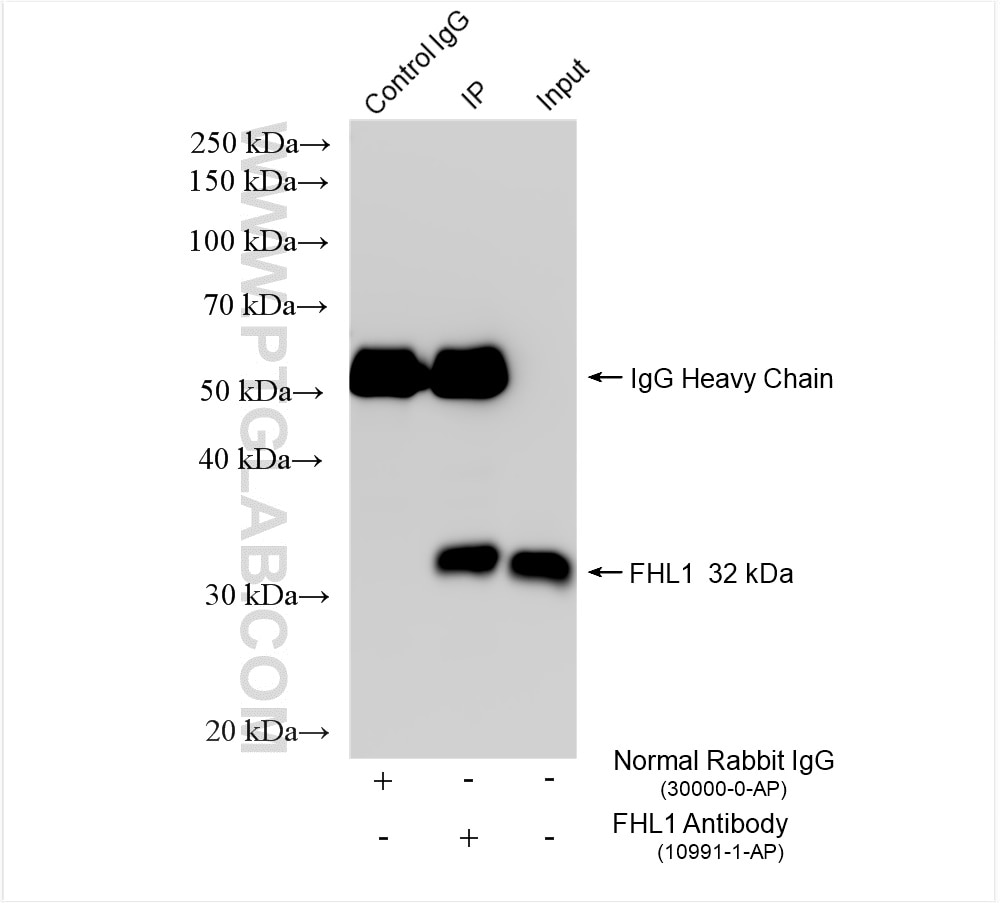
| Positive IP detected in | mouse skeletal muscle tissue |
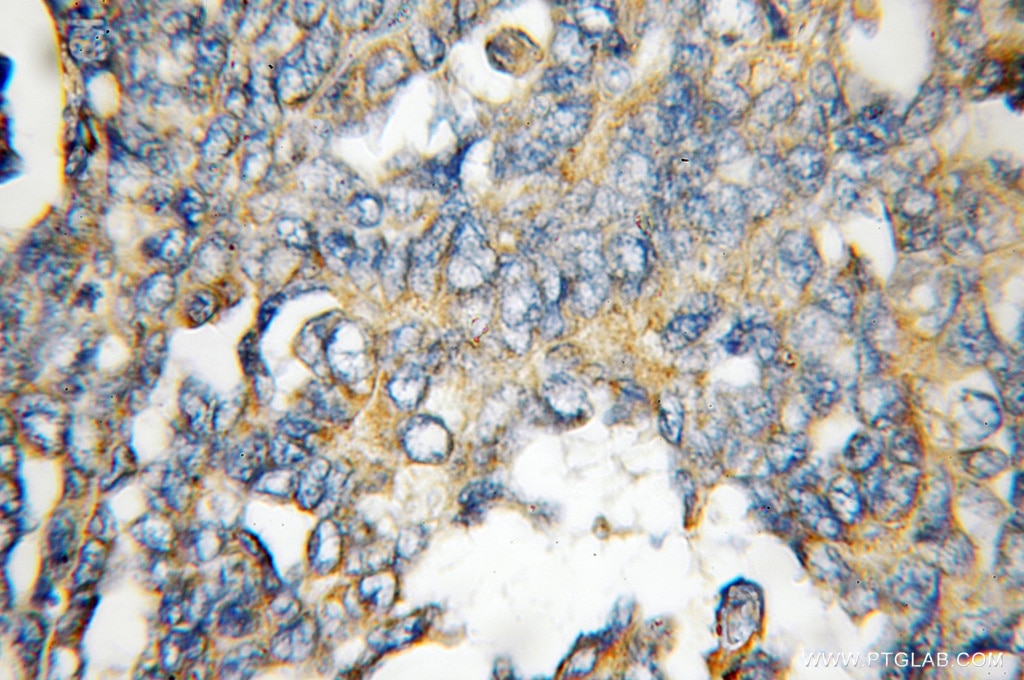
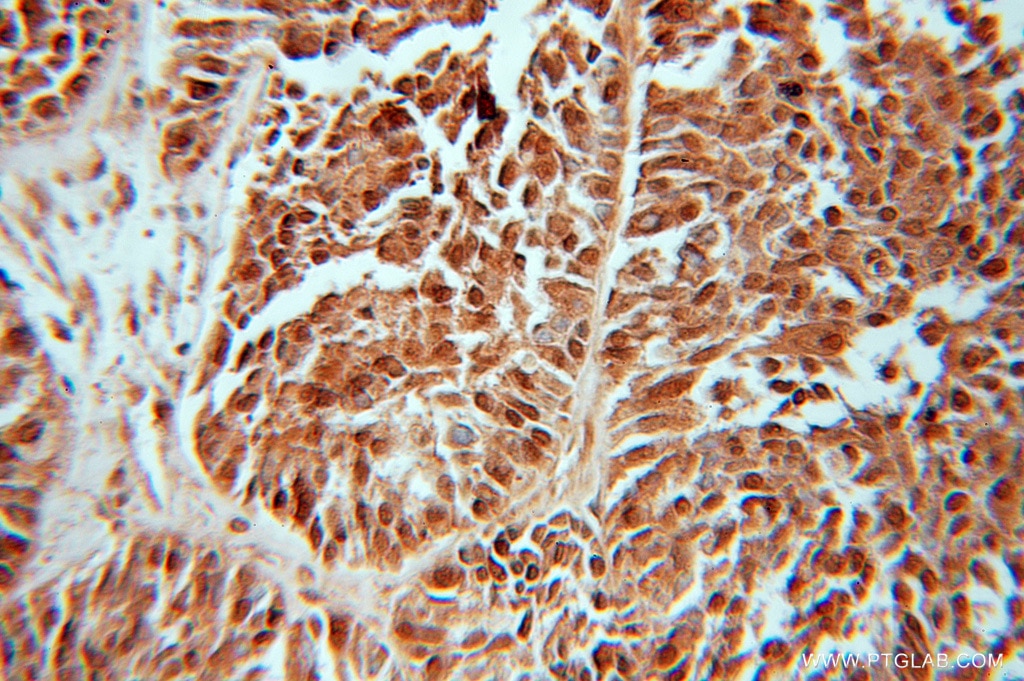
| Positive IHC detected in | human ovary tumor tissue Note: suggested antigen retrieval with TE buffer pH 9.0; (*) Alternatively, antigen retrieval may be performed with citrate buffer pH 6.0 |
Recommended dilution
| Application | Dilution |
|---|---|
| Western Blot (WB) | WB : 1:1000-1:8000 |
| Immunoprecipitation (IP) | IP : 0.5-4.0 ug for 1.0-3.0 mg of total protein lysate |
| Immunohistochemistry (IHC) | IHC : 1:20-1:200 |
| It is recommended that this reagent should be titrated in each testing system to obtain optimal results. | |
| Sample-dependent, Check data in validation data gallery. | |
Product Information
10991-1-AP targets FHL1 in WB, IHC, IF, IP, CoIP, ChIP, ELISA applications and shows reactivity with human, mouse, rat, zebrafish samples.
| Tested Reactivity | human, mouse, rat, zebrafish |
| Cited Reactivity | human, mouse, rat, zebrafish |
| Host / Isotype | Rabbit / IgG |
| Class | Polyclonal |
| Type | Antibody |
| Immunogen |
CatNo: Ag1448 Product name: Recombinant human FHL1 protein Source: e coli.-derived, PGEX-4T Tag: GST Domain: 1-280 aa of BC010998 Sequence: MAEKFDCHYCRDPLQGKKYVQKDGHHCCLKCFDKFCANTCVECRKPIGADSKEVHYKNRFWHDTCFRCAKCLHPLANETFVAKDNKILCNKCTTREDSPKCKGCFKAIVAGDQNVEYKGTVWHKDCFTCSNCKQVIGTGSFFPKGEDFYCVTCHETKFAKHCVKCNKAITSGGITYQDQPWHADCFVCVTCSKKLAGQRFTAVEDQYYCVDCYKNFVAKKCAGCKNPITGFGKGSSVVAYEGQSWHDYCFHCKKCSVNLANKRFVFHQEQVYCPDCAKKL Predict reactive species |
| Full Name | four and a half LIM domains 1 |
| Calculated Molecular Weight | 32 kDa |
| Observed Molecular Weight | 32 kDa |
| GenBank Accession Number | BC010998 |
| Gene Symbol | FHL1 |
| Gene ID (NCBI) | 2273 |
| RRID | AB_2104230 |
| Conjugate | Unconjugated |
| Form | Liquid |
| Purification Method | Antigen affinity purification |
| UNIPROT ID | Q13642 |
| Storage Buffer | PBS with 0.02% sodium azide and 50% glycerol, pH 7.3. |
| Storage Conditions | Store at -20°C. Stable for one year after shipment. Aliquoting is unnecessary for -20oC storage. 20ul sizes contain 0.1% BSA. |
Background Information
Four-and-a-half LIM domains 1 (FHL1), a member of the FHL protein family, which composed of FHL 1, 2, 3, 4 and ACT (activator of CREM), and characterized by an N-terminal half LIM domain followed by four complete LIM domains. FHL1 may contribute to sarcomere synthesis, assembly and biomechanical stress sensing. FHL1 is also a methylation-silenced tumor-suppressor gene on chromosome X in gastrointestinal cancers, which contributes to the formation of an epigenetic field for cancerization. FHL1(10991-1-AP) is highly expressed in skeletal muscle and to a lesser extent in heart, placenta, ovary, prostate, testis, small intestine, colon and spleen. This is a rabbit polyantibody raised against full length of human FHL1.
Protocols
| Product Specific Protocols | |
|---|---|
| IHC protocol for FHL1 antibody 10991-1-AP | Download protocol |
| IP protocol for FHL1 antibody 10991-1-AP | Download protocol |
| WB protocol for FHL1 antibody 10991-1-AP | Download protocol |
| Standard Protocols | |
|---|---|
| Click here to view our Standard Protocols |
Publications
What published studies show
| Species | Application | Title |
|---|---|---|
J Clin Invest Human four-and-a-half LIM family members suppress tumor cell growth through a TGF-beta-like signaling pathway.
| ||
Genes Dev Browning of human adipocytes requires KLF11 and reprogramming of PPARγ superenhancers.
| ||
Nat Commun A signature motif in LIM proteins mediates binding to checkpoint proteins and increases tumour radiosensitivity.
| ||
J Cell Biol Src-mediated phosphorylation converts FHL1 from tumor suppressor to tumor promoter. | ||
J Cell Sci MAL/MRTF-A controls migration of non-invasive cells by upregulation of cytoskeleton-associated proteins. |

