
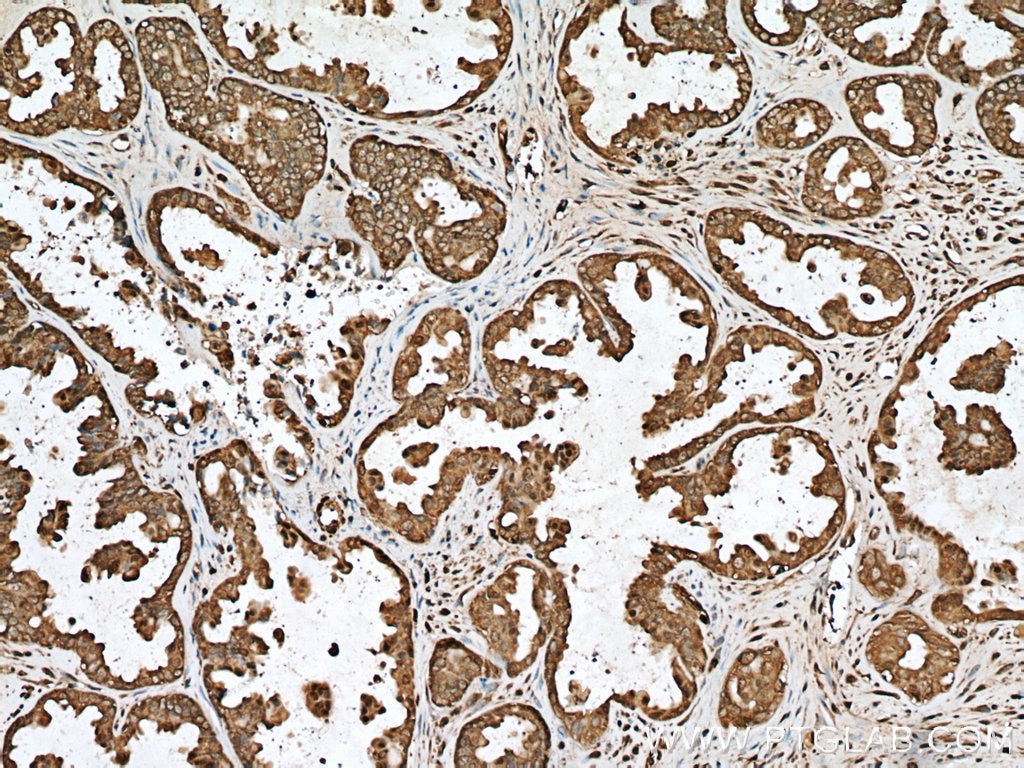
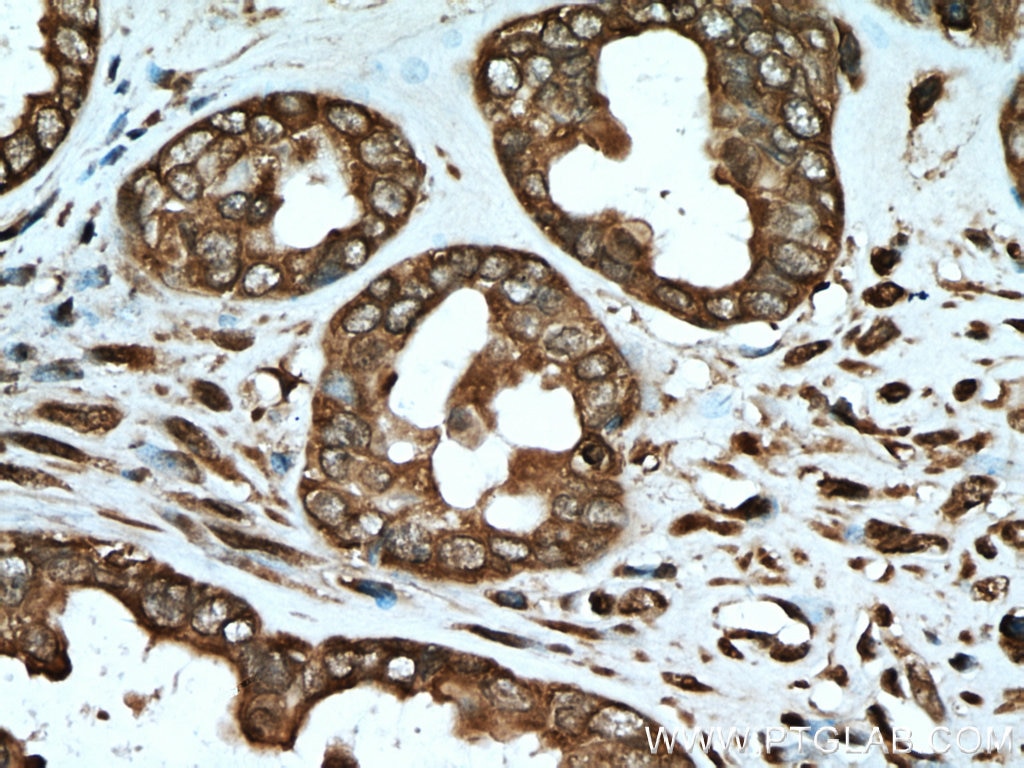
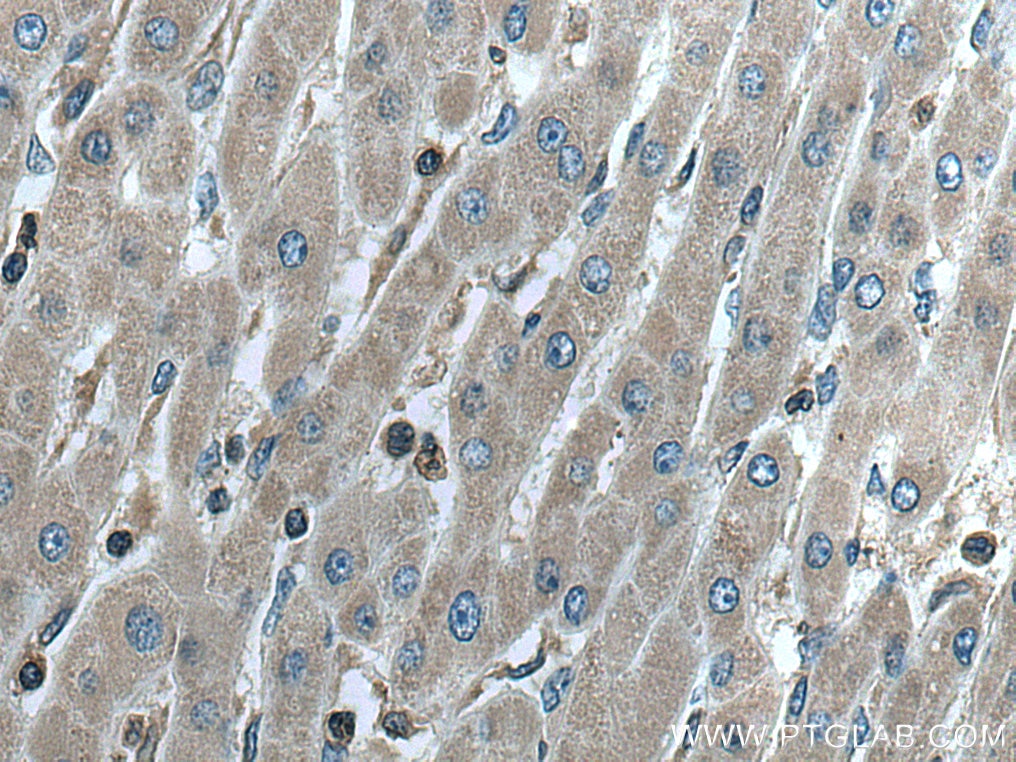
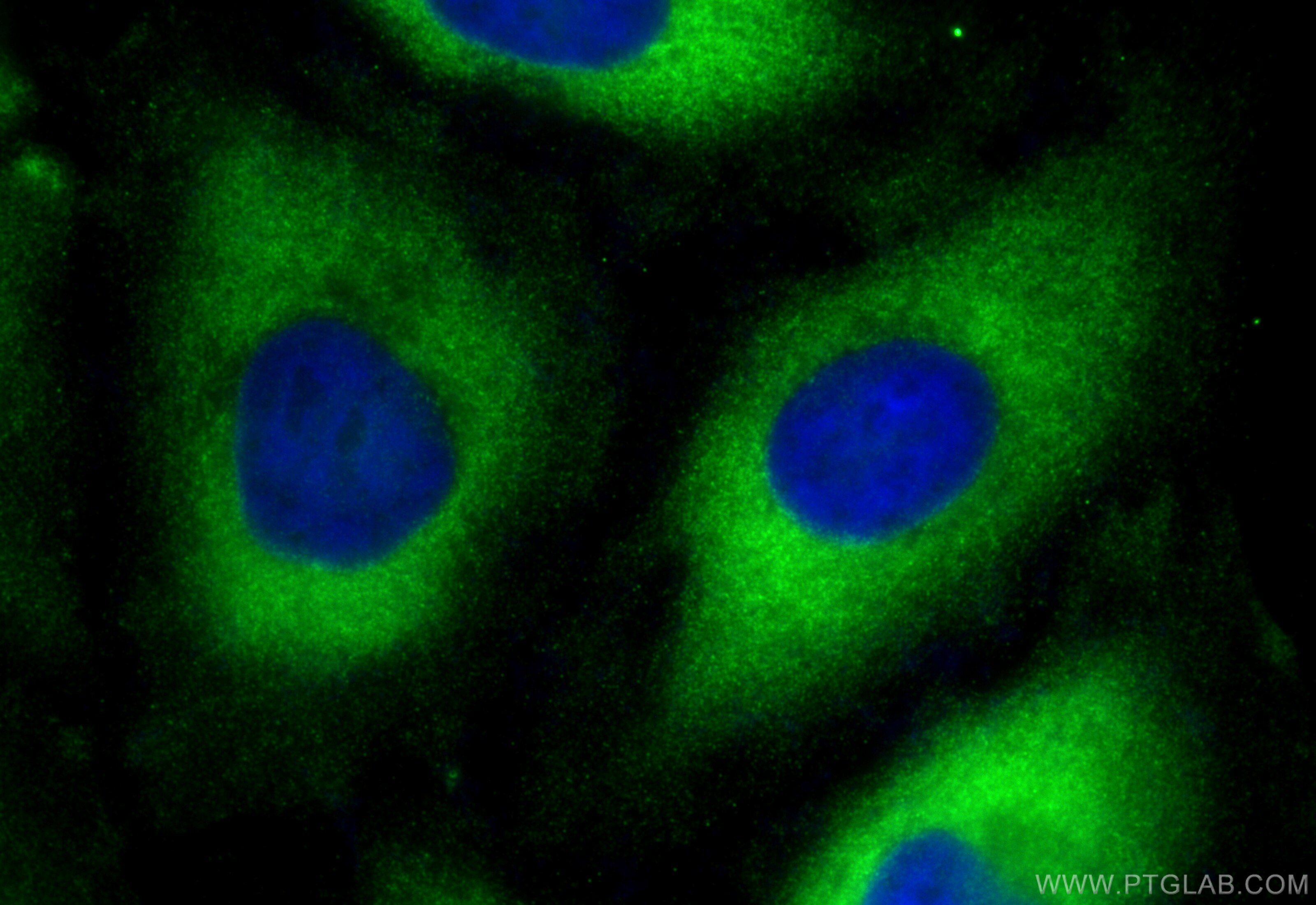

Tested Applications
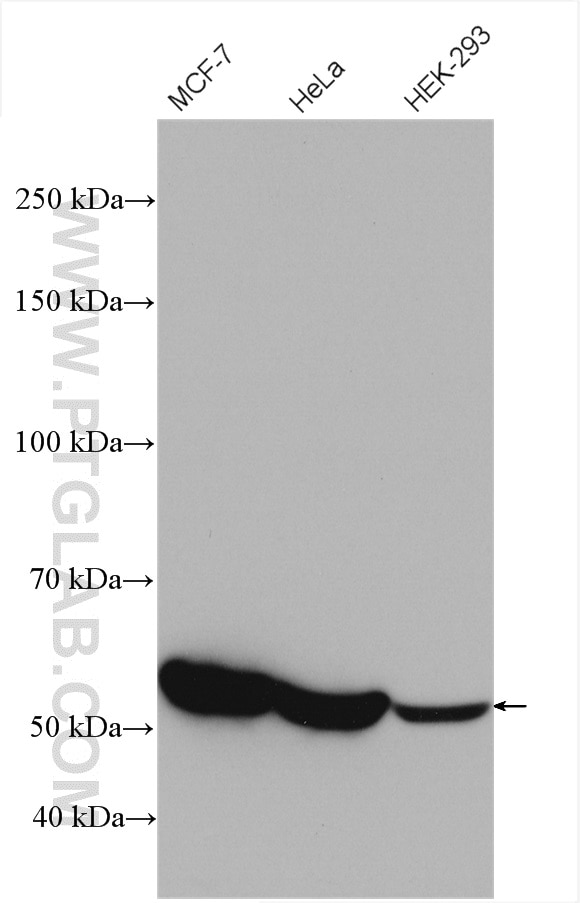
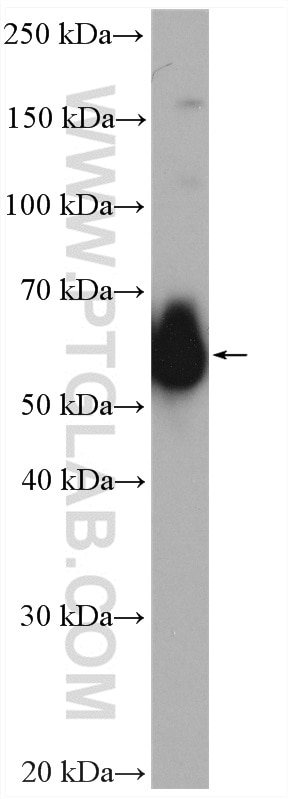
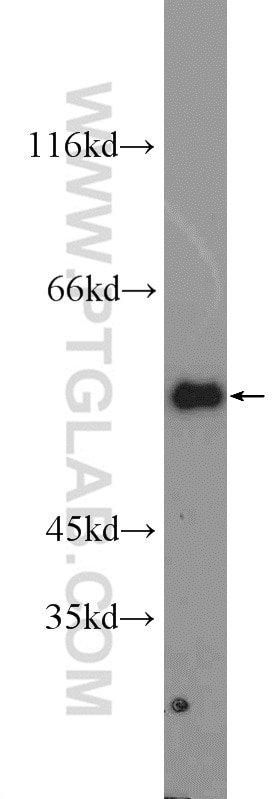
| Positive WB detected in | MCF-7 cells, HeLa cells, HEK-293 cells |
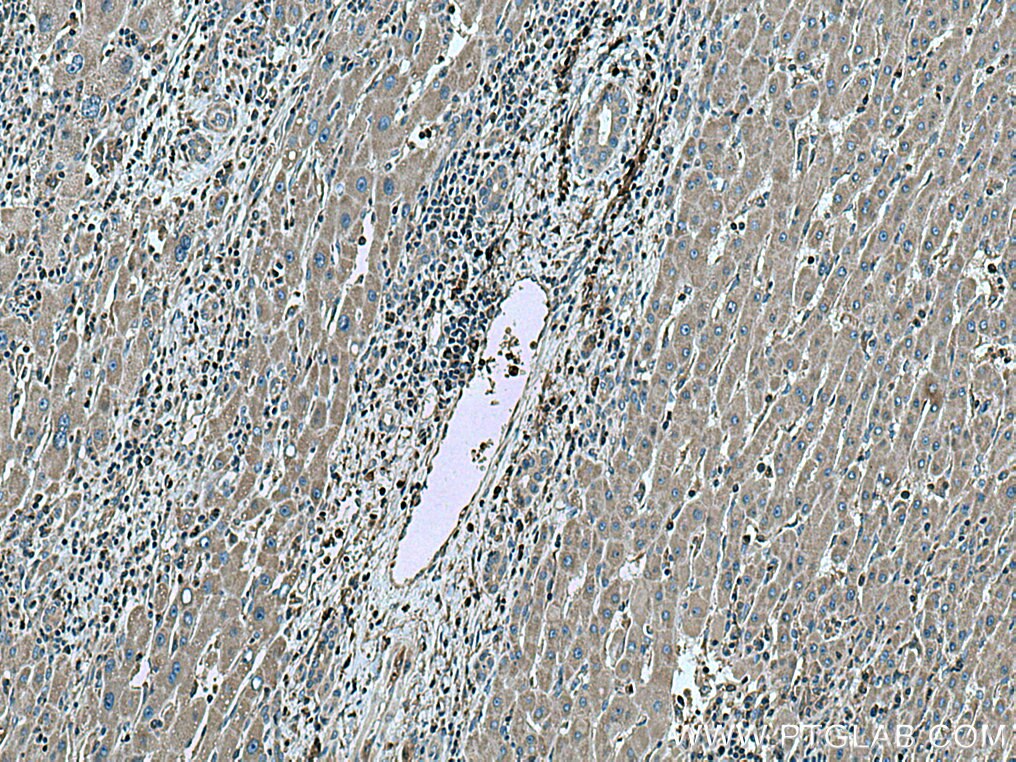
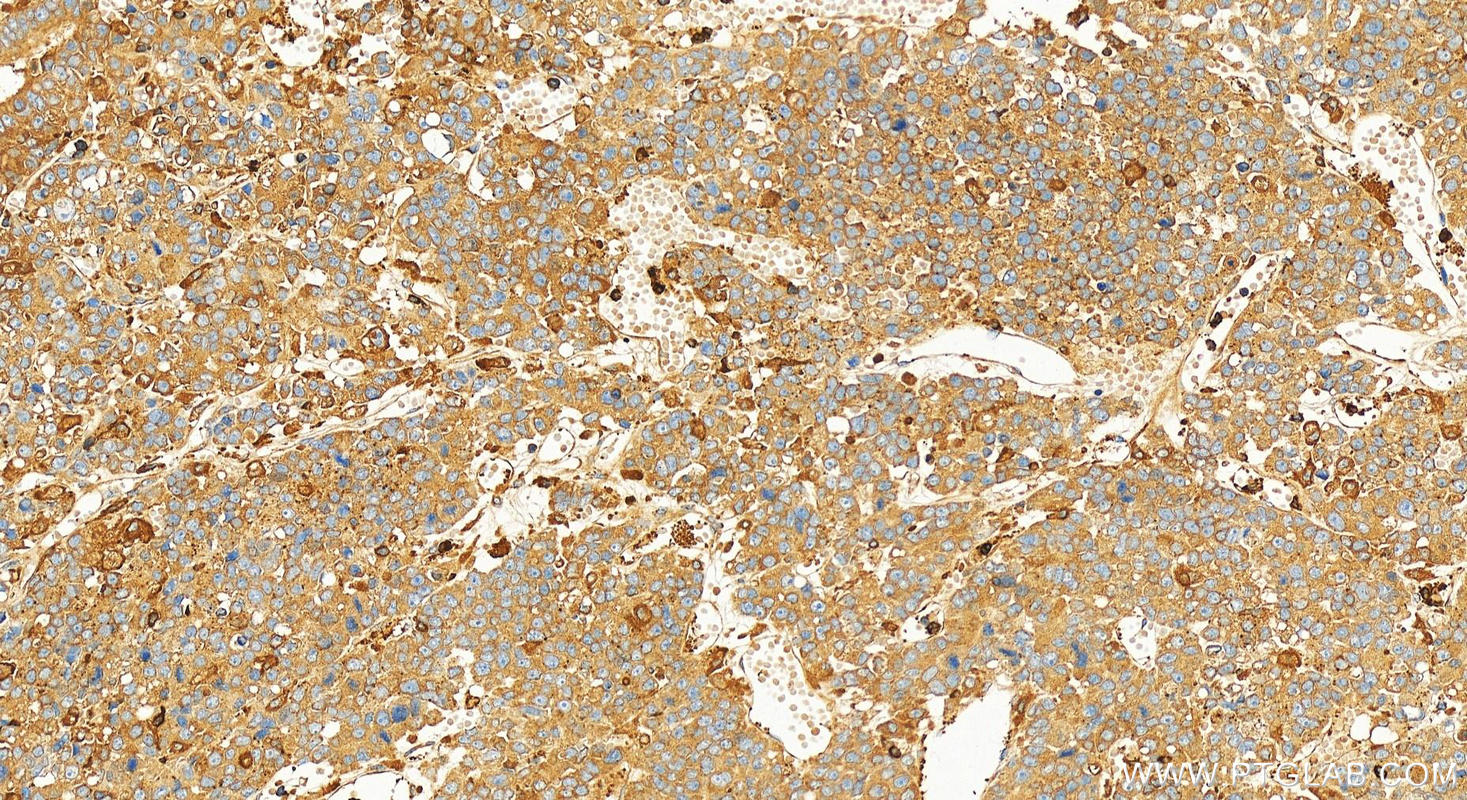
| Positive IHC detected in | human liver cancer tissue, human hepatocellular carcinoma, human ovary tumor tissue Note: suggested antigen retrieval with TE buffer pH 9.0; (*) Alternatively, antigen retrieval may be performed with citrate buffer pH 6.0 |
| Positive IF/ICC detected in | HeLa cells |
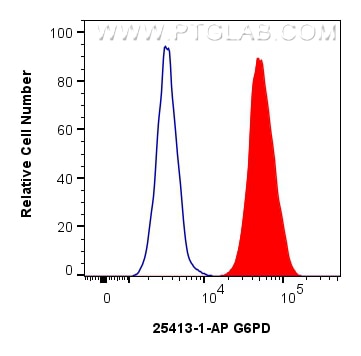
| Positive FC (Intra) detected in | HeLa cells |
Recommended dilution
| Application | Dilution |
|---|---|
| Western Blot (WB) | WB : 1:1000-1:5000 |
| Immunohistochemistry (IHC) | IHC : 1:250-1:1000 |
| Immunofluorescence (IF)/ICC | IF/ICC : 1:50-1:500 |
| Flow Cytometry (FC) (INTRA) | FC (INTRA) : 0.25 ug per 10^6 cells in a 100 ul suspension |
| It is recommended that this reagent should be titrated in each testing system to obtain optimal results. | |
| Sample-dependent, Check data in validation data gallery. | |
Product Information
25413-1-AP targets G6PD in WB, IHC, IF/ICC, FC (Intra), IP, CoIP, ELISA applications and shows reactivity with human samples.
| Tested Reactivity | human |
| Cited Reactivity | human, mouse, rat, pig, monkey, sheep |
| Host / Isotype | Rabbit / IgG |
| Class | Polyclonal |
| Type | Antibody |
| Immunogen |
CatNo: Ag21862 Product name: Recombinant human G6PD protein Source: e coli.-derived, PET28a Tag: 6*His Domain: 1-515 aa of BC000337 Sequence: MAEQVALSRTQVCGILREELFQGDAFHQSDTHIFIIMGASGDLAKKKIYPTIWWLFRDGLLPENTFIVGYARSRLTVADIRKQSEPFFKATPEEKLKLEDFFARNSYVAGQYDDAASYQRLNSHMNALHLGSQANRLFYLALPPTVYEAVTKNIHESCMSQIGWNRIIVEKPFGRDLQSSDRLSNHISSLFREDQIYRIDHYLGKEMVQNLMVLRFANRIFGPIWNRDNIACVILTFKEPFGTEGRGGYFDEFGIIRDVMQNHLLQMLCLVAMEKPASTNSDDVRDEKVKVLKCISEVQANNVVLGQYVGNPDGEGEATKGYLDDPTVPRGSTTATFAAVVLYVENERWDGVPFILRCGKALNERKAEVRLQFHDVAGDIFHQQCKRNELVIRVQPNEAVYTKMMTKKPGMFFNPEESELDLTYGNRYKNVKLPDAYERLILDVFCGSQMHFVRSDELREAWRIFTPLLHQIELEKPKPIPYIYGSRGPTEADELMKRVGFQYEGTYKWVNPHKL Predict reactive species |
| Full Name | glucose-6-phosphate dehydrogenase |
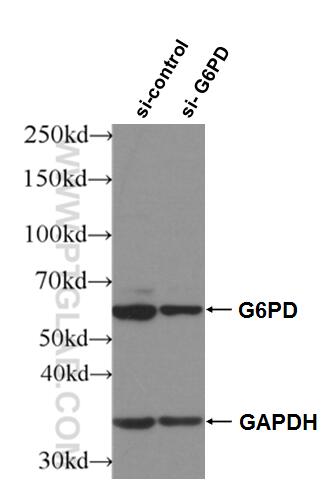
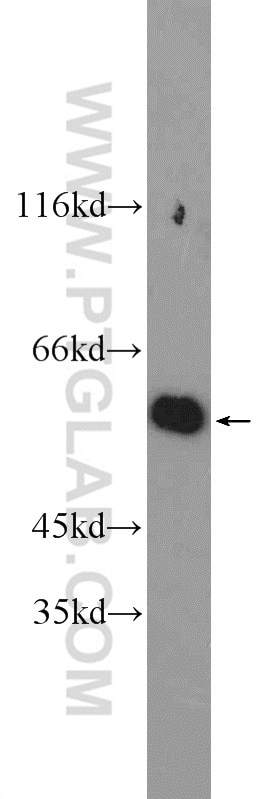
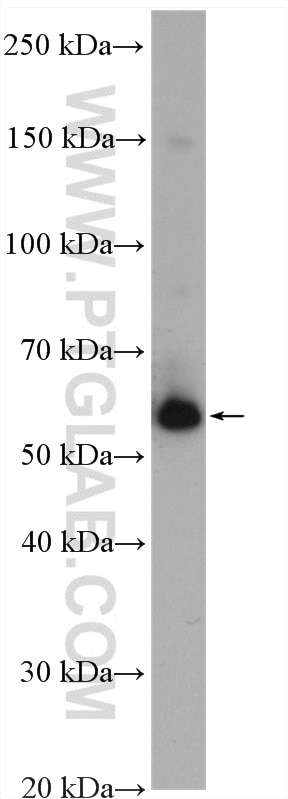
| Calculated Molecular Weight | 59 kDa |
| Observed Molecular Weight | 59 kDa |
| GenBank Accession Number | BC000337 |
| Gene Symbol | G6PD |
| Gene ID (NCBI) | 2539 |
| RRID | AB_2880066 |
| Conjugate | Unconjugated |
| Form | Liquid |
| Purification Method | Antigen affinity purification |
| UNIPROT ID | P11413 |
| Storage Buffer | PBS with 0.02% sodium azide and 50% glycerol, pH 7.3. |
| Storage Conditions | Store at -20°C. Stable for one year after shipment. Aliquoting is unnecessary for -20oC storage. 20ul sizes contain 0.1% BSA. |
Background Information
G6PD(Glucose-6-phosphate 1-dehydrogenase) belongs to the glucose-6-phosphate dehydrogenase family. It is a housekeeping enzyme encoded in mammals by an X-linked gene. G6PD has important functions in intermediary metabolism because it catalyzes the first step in the pentose phosphate pathway and provides reductive potential in the form of NADPH.(PMID:7489710). This protein has 3 isoforms produced by alternative splicing.
Protocols
| Product Specific Protocols | |
|---|---|
| FC protocol for G6PD antibody 25413-1-AP | Download protocol |
| IF protocol for G6PD antibody 25413-1-AP | Download protocol |
| IHC protocol for G6PD antibody 25413-1-AP | Download protocol |
| WB protocol for G6PD antibody 25413-1-AP | Download protocol |
| Standard Protocols | |
|---|---|
| Click here to view our Standard Protocols |
Publications
What published studies show
I'll look up the citations for 25413-1-AP.G6PD Polyclonal Antibody (Catalog #25413-1-AP) has 78 citations. The antibodies are referenced across journals including Nature Nanotechnology, Nature Communications, Translational Neurodegeneration, Molecular Cell, Science Advances, Cell Death & Disease, Acta Pharmaceutica Sinica B, Advanced Science, PNAS, EMBO Molecular Medicine, Cell Reports, and many others. Research spans oncology (liver, ovarian, colorectal, breast, pancreatic, lung cancers), metabolism and redox biology (pentose phosphate pathway, NADPH, ferroptosis, cuproptosis), drug resistance, and toxicology. Applications cited include WB, IHC, IF, IP, CoIP.
| Species | Application | Title |
|---|---|---|
Transl Neurodegener Transaldolase 1 contributes to pentose phosphate pathway disruption and synaptic dysfunction in Alzheimer's disease. | ||
Nat Commun Polo-like kinase 1 coordinates biosynthesis during cell cycle progression by directly activating pentose phosphate pathway. | ||
Nat Commun Proteogenomics of clear cell renal cell carcinoma response to tyrosine kinase inhibitor | ||
J Adv Res Synergistic regulation of SLC7A11 and glucose-6-phosphate dehydrogenase in redox homeostasis governs decidualization: a mechanistic insight into adenomyosis-related infertility. | ||

