

Tested Applications
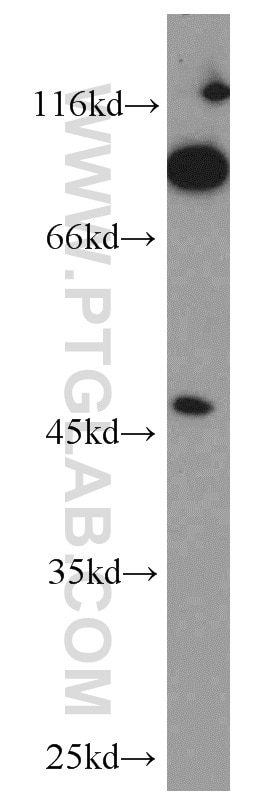
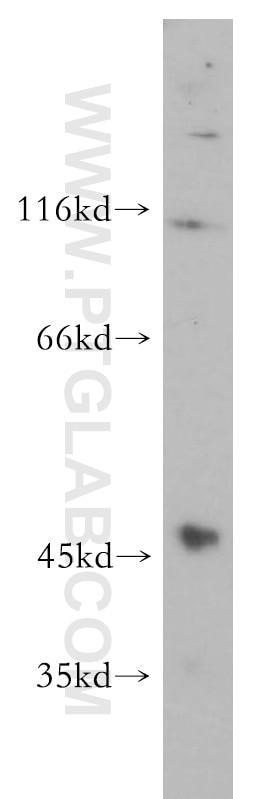
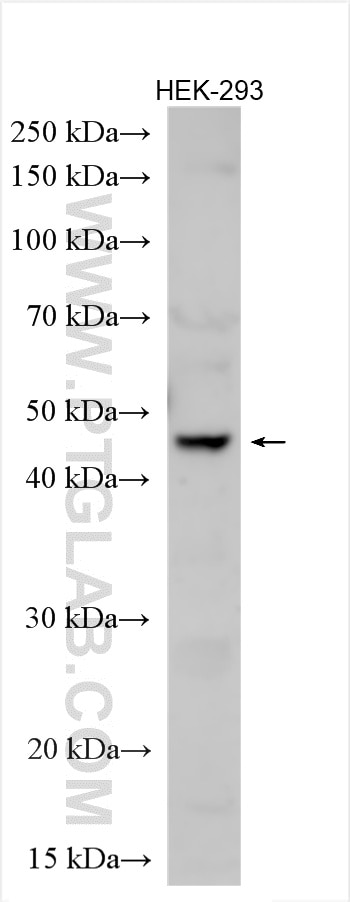
| Positive WB detected in | mouse kidney tissue, HEK-293 cells |
| Positive IP detected in | HEK-293 cells |
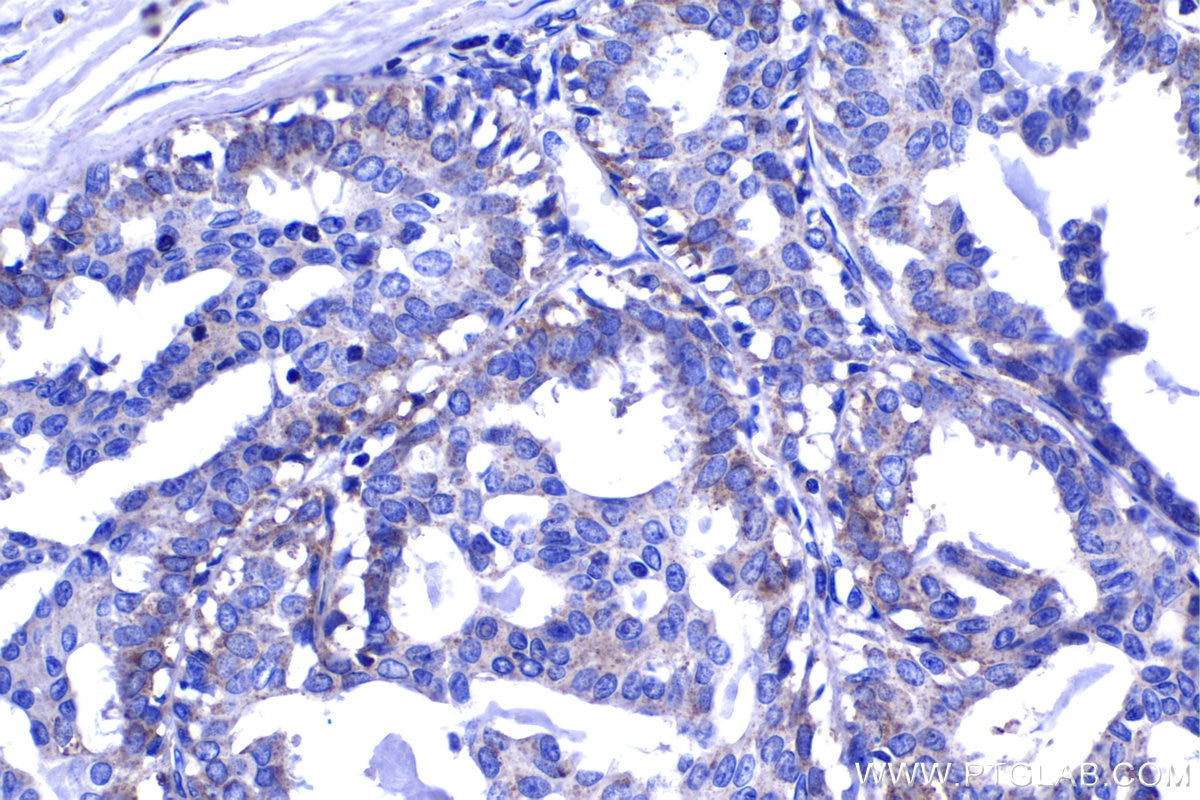
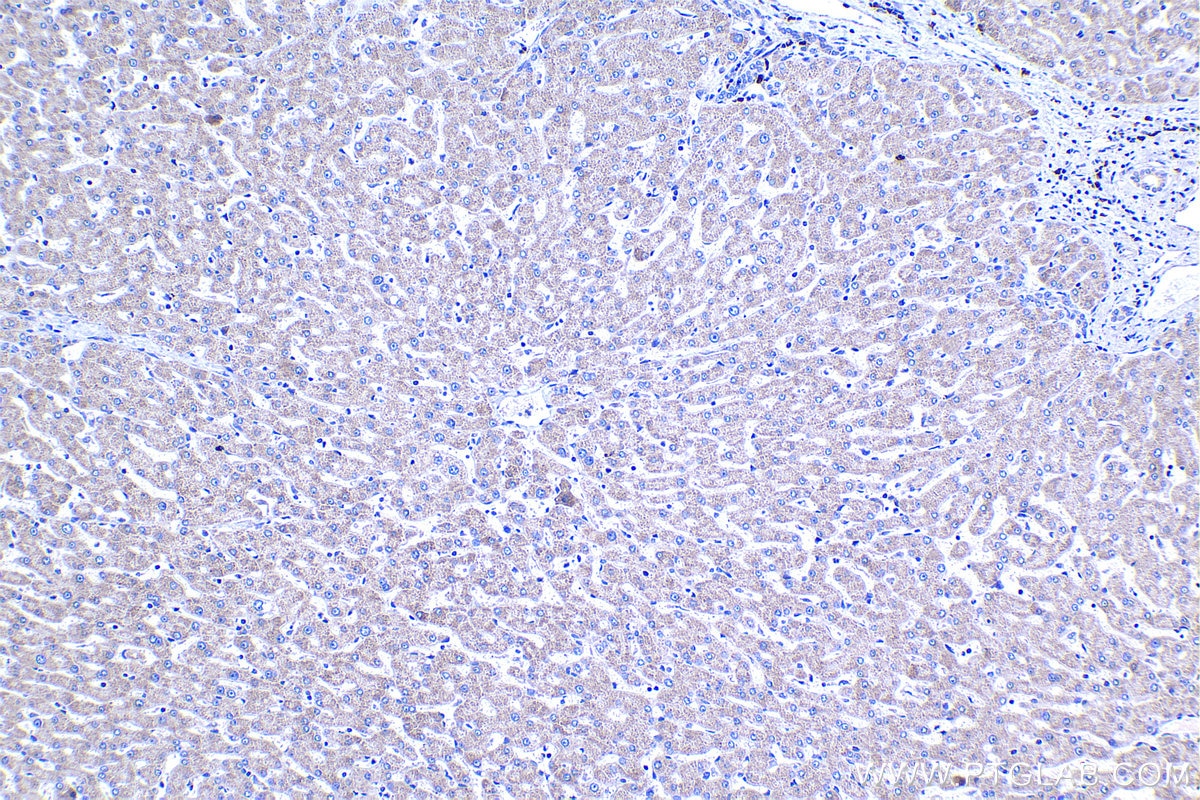
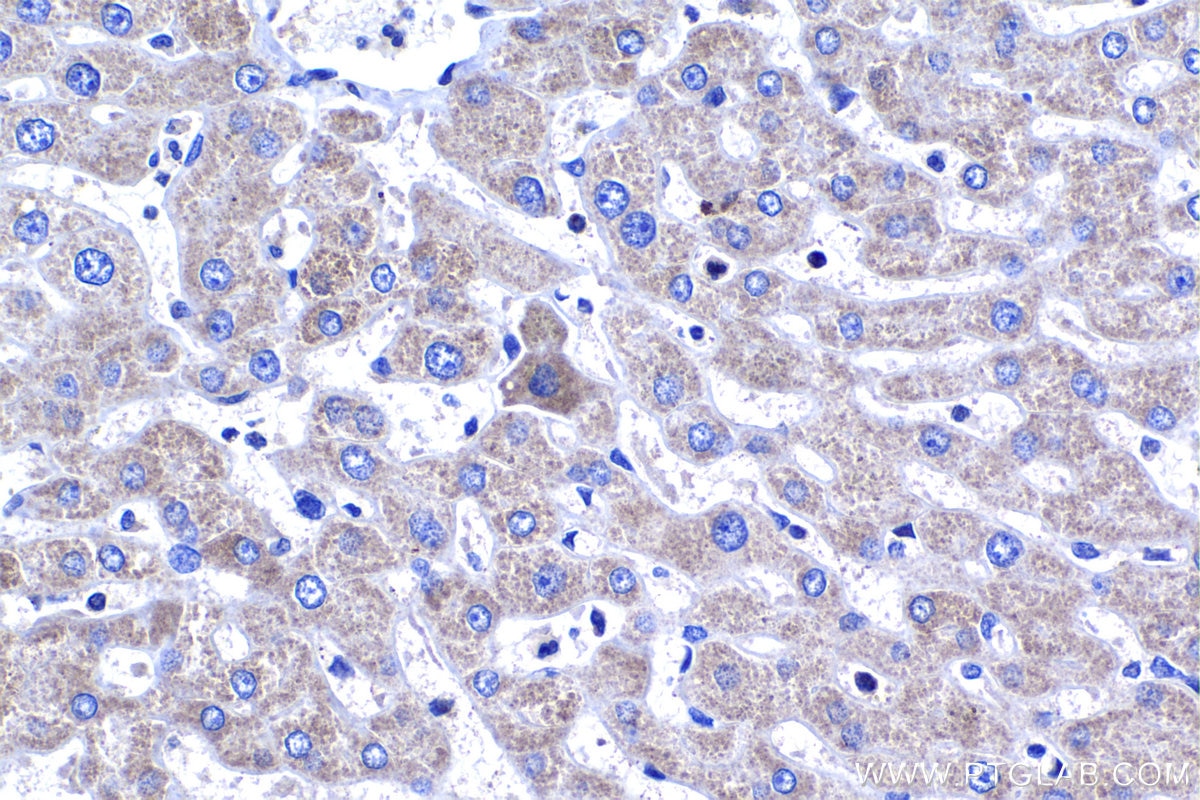
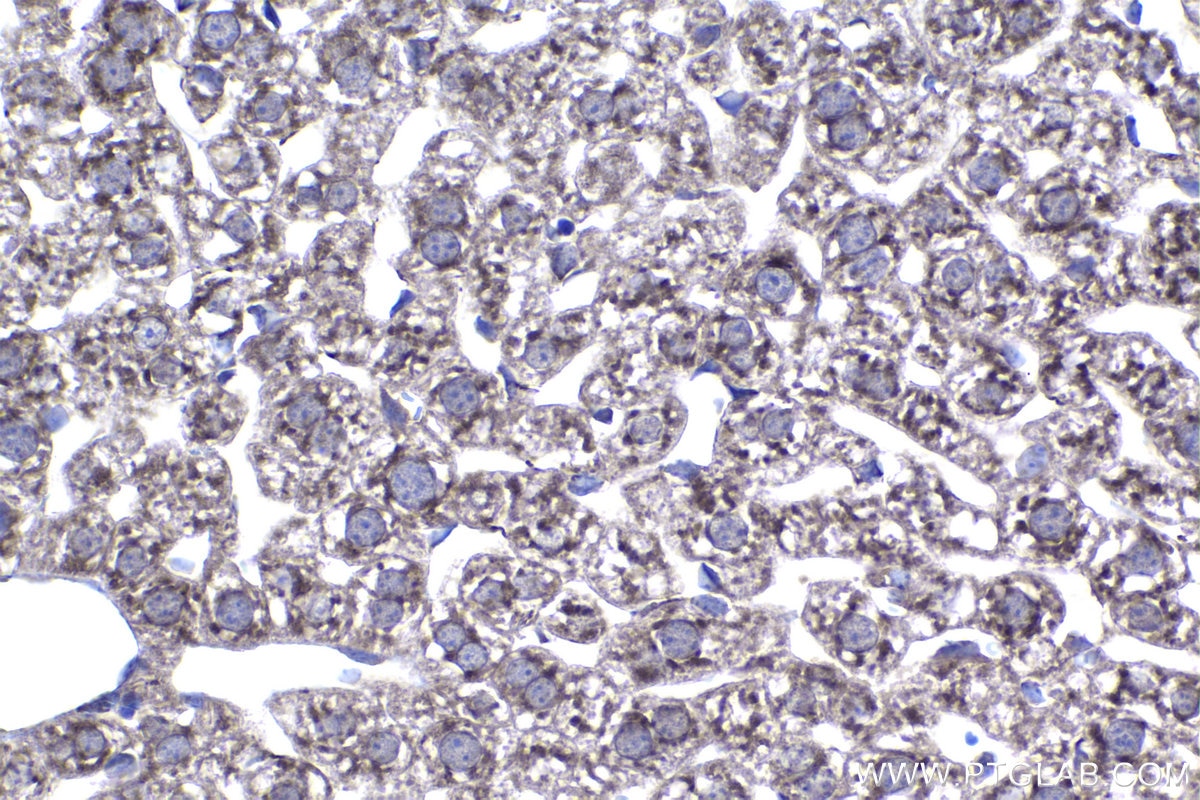
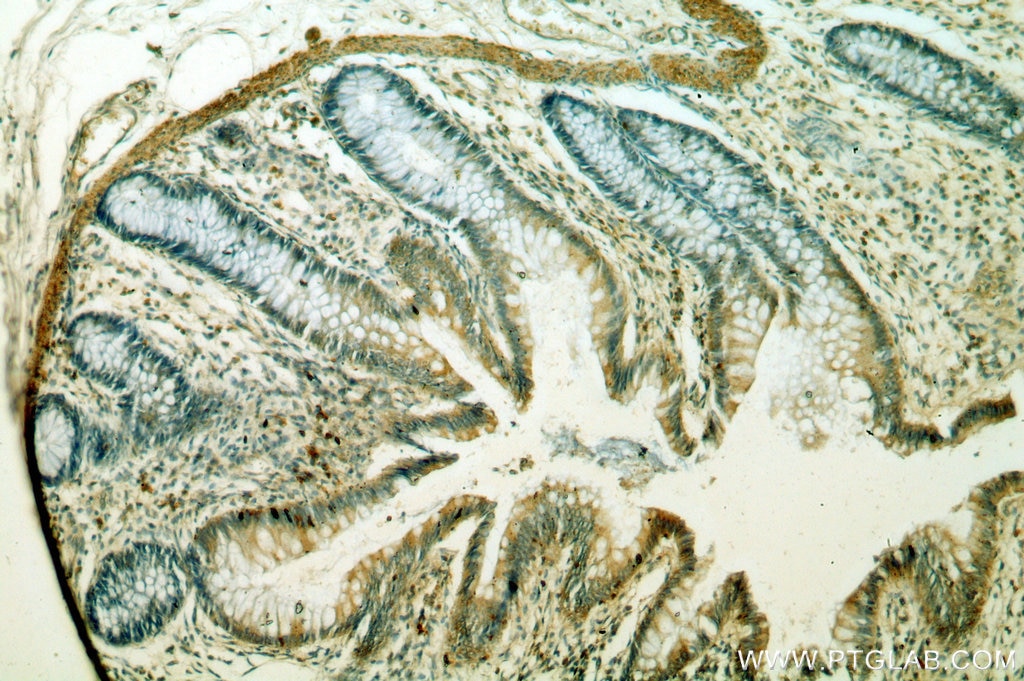
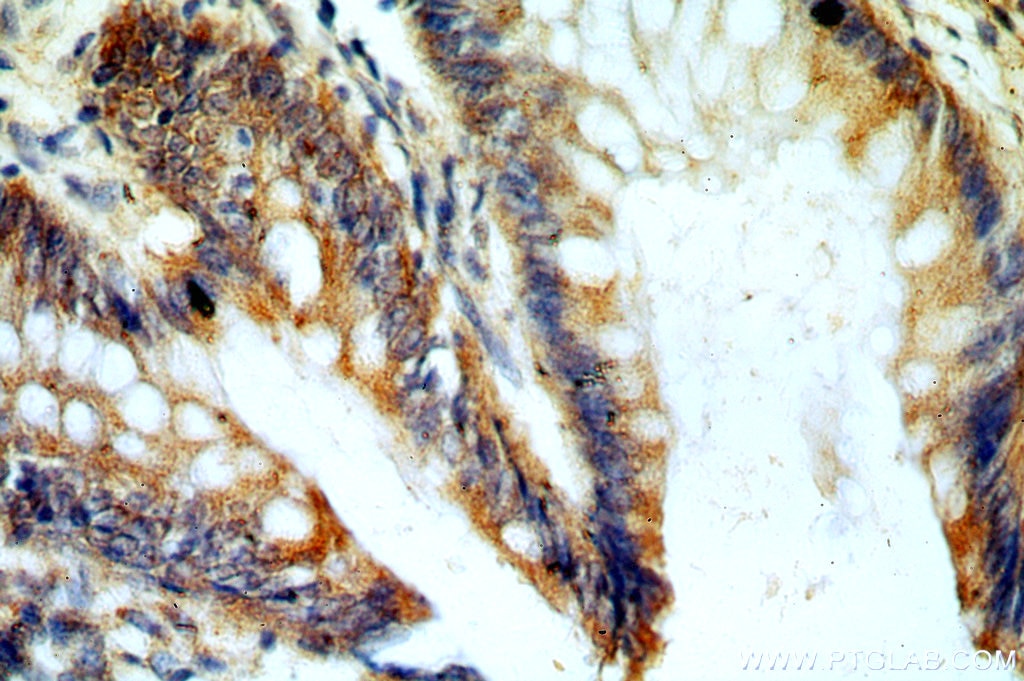
| Positive IHC detected in | human liver tissue, human colon tissue, human breast cancer tissue, mouse liver tissue Note: suggested antigen retrieval with TE buffer pH 9.0; (*) Alternatively, antigen retrieval may be performed with citrate buffer pH 6.0 |
Recommended dilution
| Application | Dilution |
|---|---|
| Western Blot (WB) | WB : 1:500-1:1000 |
| Immunoprecipitation (IP) | IP : 0.5-4.0 ug for 1.0-3.0 mg of total protein lysate |
| Immunohistochemistry (IHC) | IHC : 1:50-1:500 |
| It is recommended that this reagent should be titrated in each testing system to obtain optimal results. | |
| Sample-dependent, Check data in validation data gallery. | |
Product Information
18118-1-AP targets GCNT2 in WB, IHC, IP, ELISA applications and shows reactivity with human, mouse, rat samples.
| Tested Reactivity | human, mouse, rat |
| Cited Reactivity | human |
| Host / Isotype | Rabbit / IgG |
| Class | Polyclonal |
| Type | Antibody |
| Immunogen |
CatNo: Ag12635 Product name: Recombinant human GCNT2 protein Source: e coli.-derived, PET28a Tag: 6*His Domain: 29-400 aa of BC074801 Sequence: GDPSFQRLNISDPLRLTQVCTSFINGKTRFLWKNKLMIHEKSSCKEYLTQSHYITAPLSKEEADFPLAYIMVIHHHFDTFARLFRAIYMPQNIYCVHVDEKATTEFKDAVEQLLSCFPNAFLASKMEPVVYGGISRLQADLNCIRDLSAFEVSWKYVINTCGQDFPLKTNKEIVQYLKGFKGKNITPGVLPPAHAIGRTKYVHQEHLGKELSYVIRTTALKPPPPHNLTIYFGSAYVALSREFANFVLHDPRAVDLLQWSKDTFSPDEHFWVTLNRIPGVPGSMPNASWTGNLRAIKWSDMEDRHGGCHGHYVHGICIYGNGDLKWLVNSPSLFANKFELNTYPLTVECLELRHRERTLNQSETAIQPSWYF Predict reactive species |
| Full Name | glucosaminyl (N-acetyl) transferase 2, I-branching enzyme (I blood group) |
| Calculated Molecular Weight | 400 aa, 46 kDa |
| Observed Molecular Weight | 46 kDa |
| GenBank Accession Number | BC074801 |
| Gene Symbol | GCNT2 |
| Gene ID (NCBI) | 2651 |
| RRID | AB_2232115 |
| Conjugate | Unconjugated |
| Form | Liquid |
| Purification Method | Antigen affinity purification |
| UNIPROT ID | Q8N0V5 |
| Storage Buffer | PBS with 0.02% sodium azide and 50% glycerol, pH 7.3. |
| Storage Conditions | Store at -20°C. Stable for one year after shipment. Aliquoting is unnecessary for -20oC storage. 20ul sizes contain 0.1% BSA. |
Background Information
GCNT2 (N-acetyllactosaminide beta-1,6-N-acetylglucosaminyl-transferase) catalyzes the transfer of N-acetylglucosamine to the carbon-6 position of galactose. The loss of GCNT2 expression and corresponding loss of I-antigen in melanoma cells has profound effects on key oncogenic signaling pathways, including integrin-mediated signaling pathways critical for metastasis (PMID: 33660254, 30135430). Alterations in GCNT2 expression have now been associated with multiple malignancies, with high GCNT2 promoting tumor progression in a majority of investigated cancers. Three GCNT2 splicing variants GCNT2A, -B, and -C, which differ at exon 1 but have identical exon 2 and 3 coding regions, are expressed differentially in specific tissues (PMID: 15161861). GCNT2C determines the expression of the blood group I antigen in erythrocytes.
Protocols
| Product Specific Protocols | |
|---|---|
| IHC protocol for GCNT2 antibody 18118-1-AP | Download protocol |
| WB protocol for GCNT2 antibody 18118-1-AP | Download protocol |
| Standard Protocols | |
|---|---|
| Click here to view our Standard Protocols |
Publications
What published studies show
The GCNT2 Polyclonal antibody (Cat# 18118-1-AP) has 2 citations. They appear in Glycobiology (2017), studying MeCP2-regulated glycogenes in gastric cancer cell proliferation and apoptosis, and in Cell Biochemistry and Biophysics (2024), investigating lncRNA PCAT19's role in suppressing cell proliferation and angiogenesis in coronary artery disease via GCNT2 interaction. Both studies used the antibody for Western blot in human samples, spanning the research fields of cancer biology and cardiovascular disease.
| Species | Application | Title |
|---|---|---|
Glycobiology MeCP2 regulated glycogenes contribute to proliferation and apoptosis of gastric cancer cells. | ||
Cell Biochem Biophys Long Non-Coding RNA PCAT19 Suppresses Cell Proliferation and Angiogenesis in Coronary Artery Disease through Interaction with GCNT2
|

