

Tested Applications
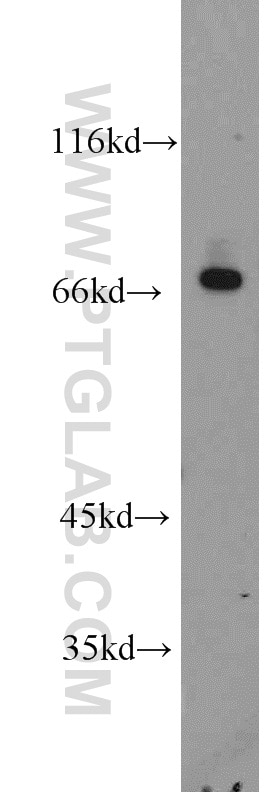
| Positive WB detected in | SH-SY5Y cells |
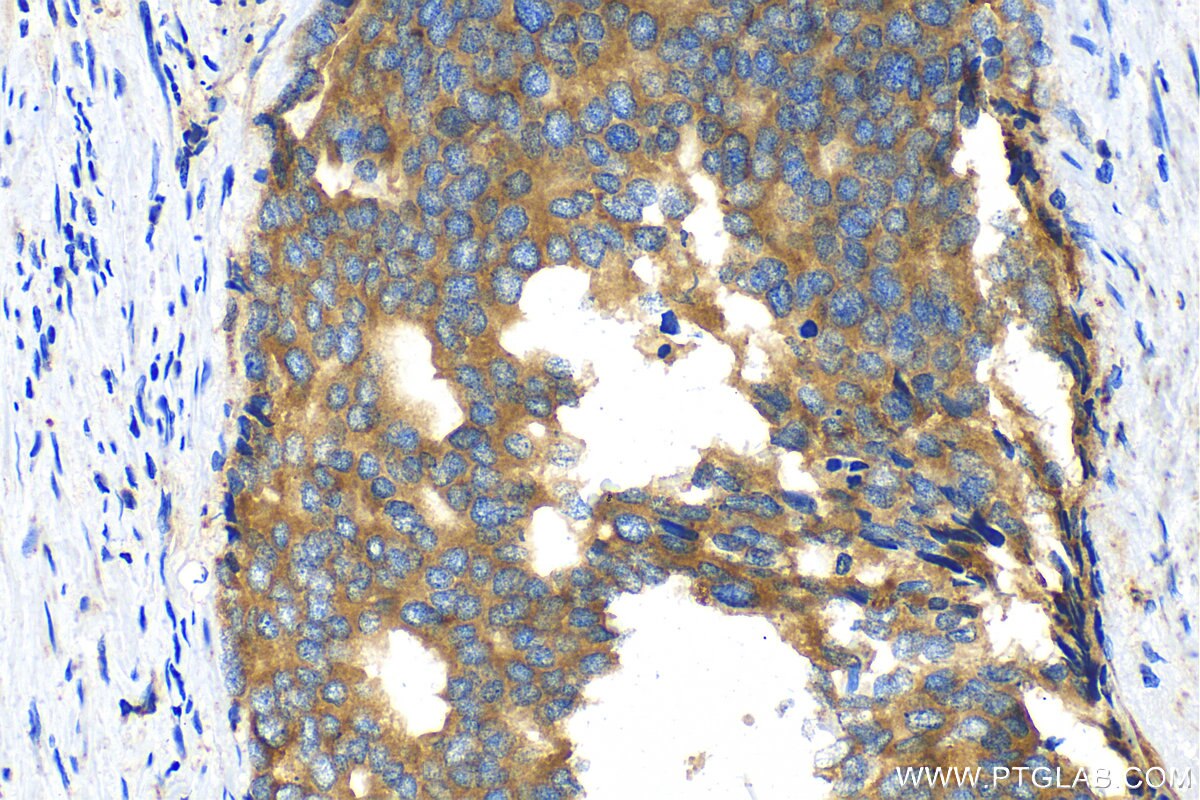
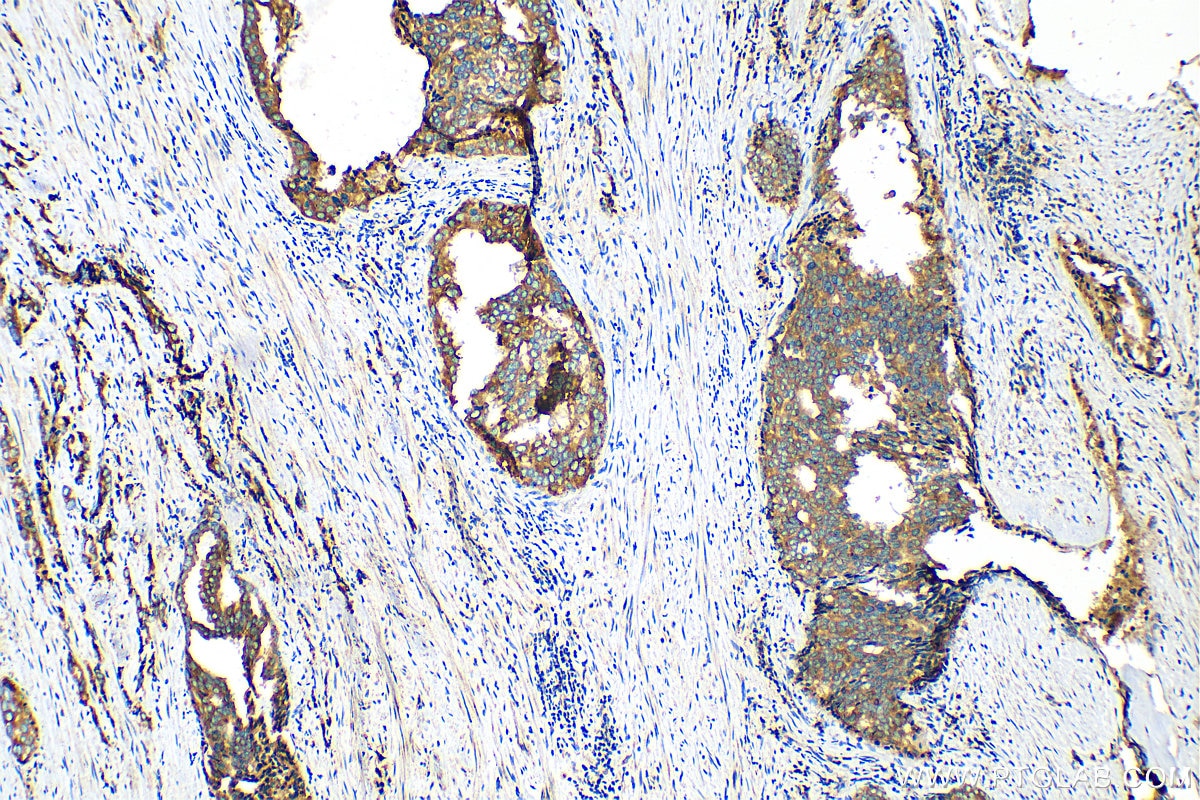
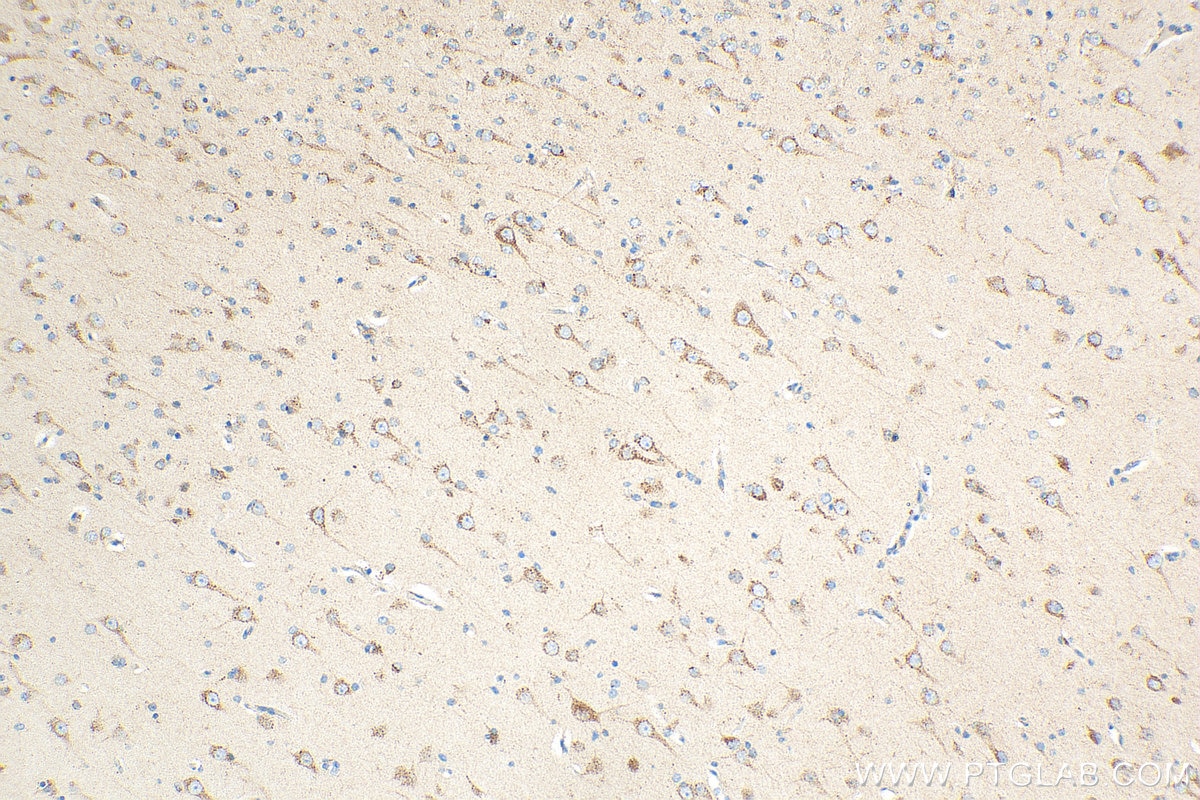
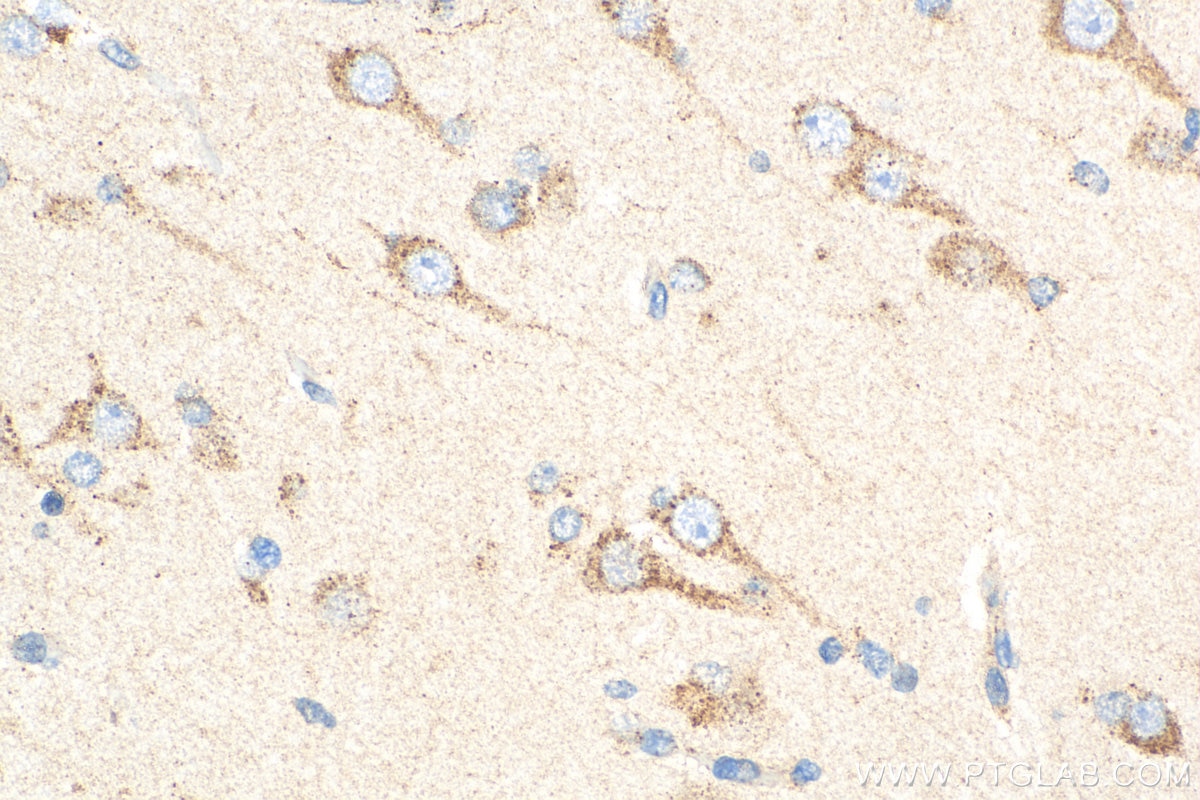
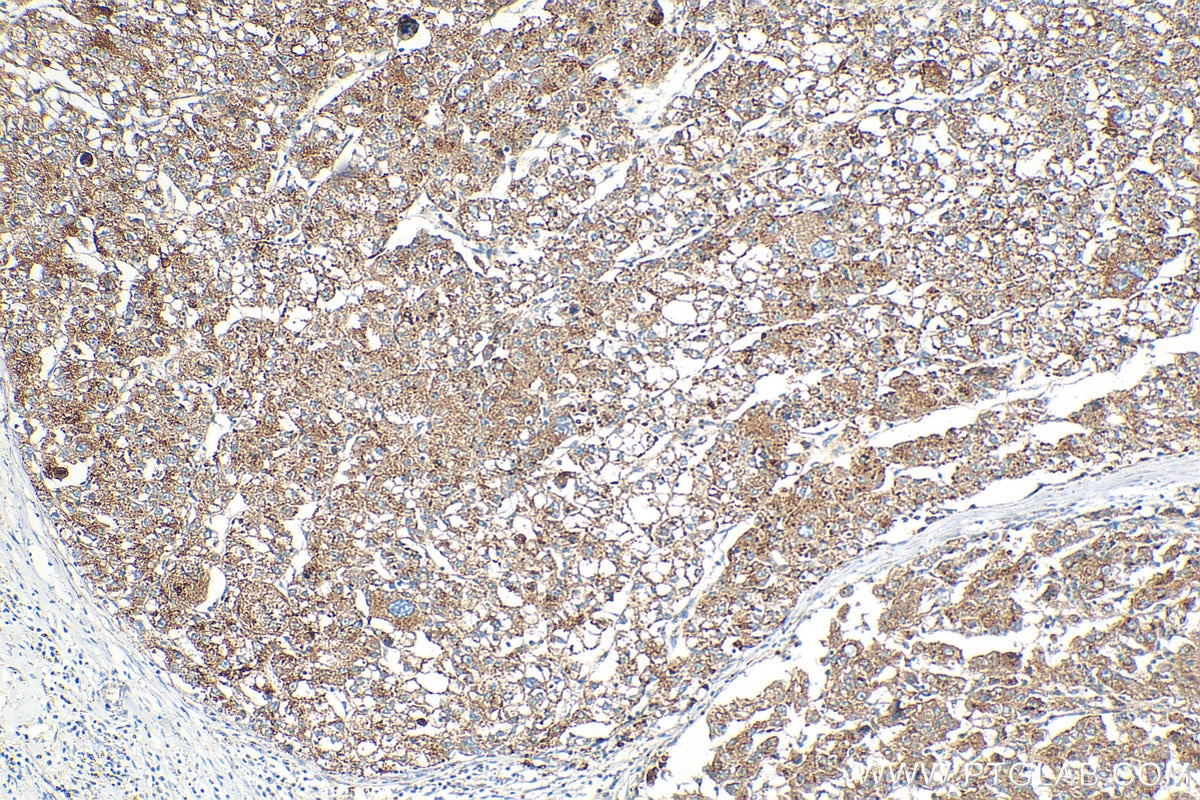
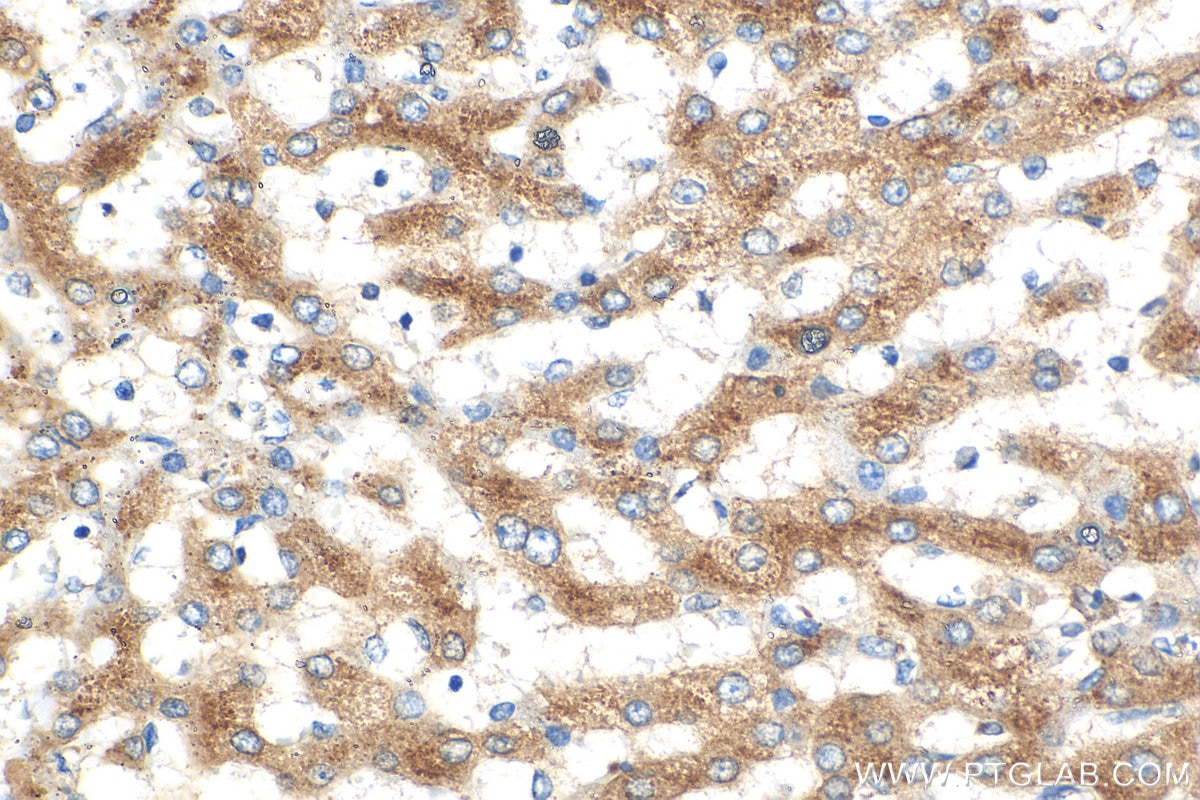
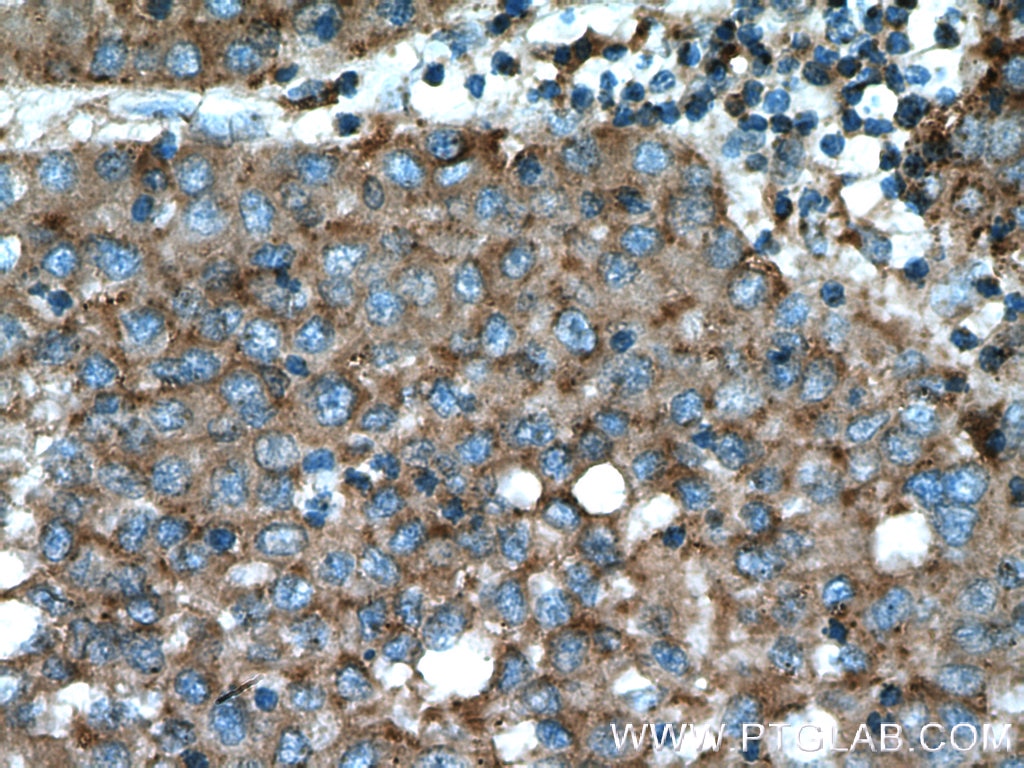
| Positive IHC detected in | human prostate cancer tissue, human gliomas tissue, human liver cancer tissue Note: suggested antigen retrieval with TE buffer pH 9.0; (*) Alternatively, antigen retrieval may be performed with citrate buffer pH 6.0 |
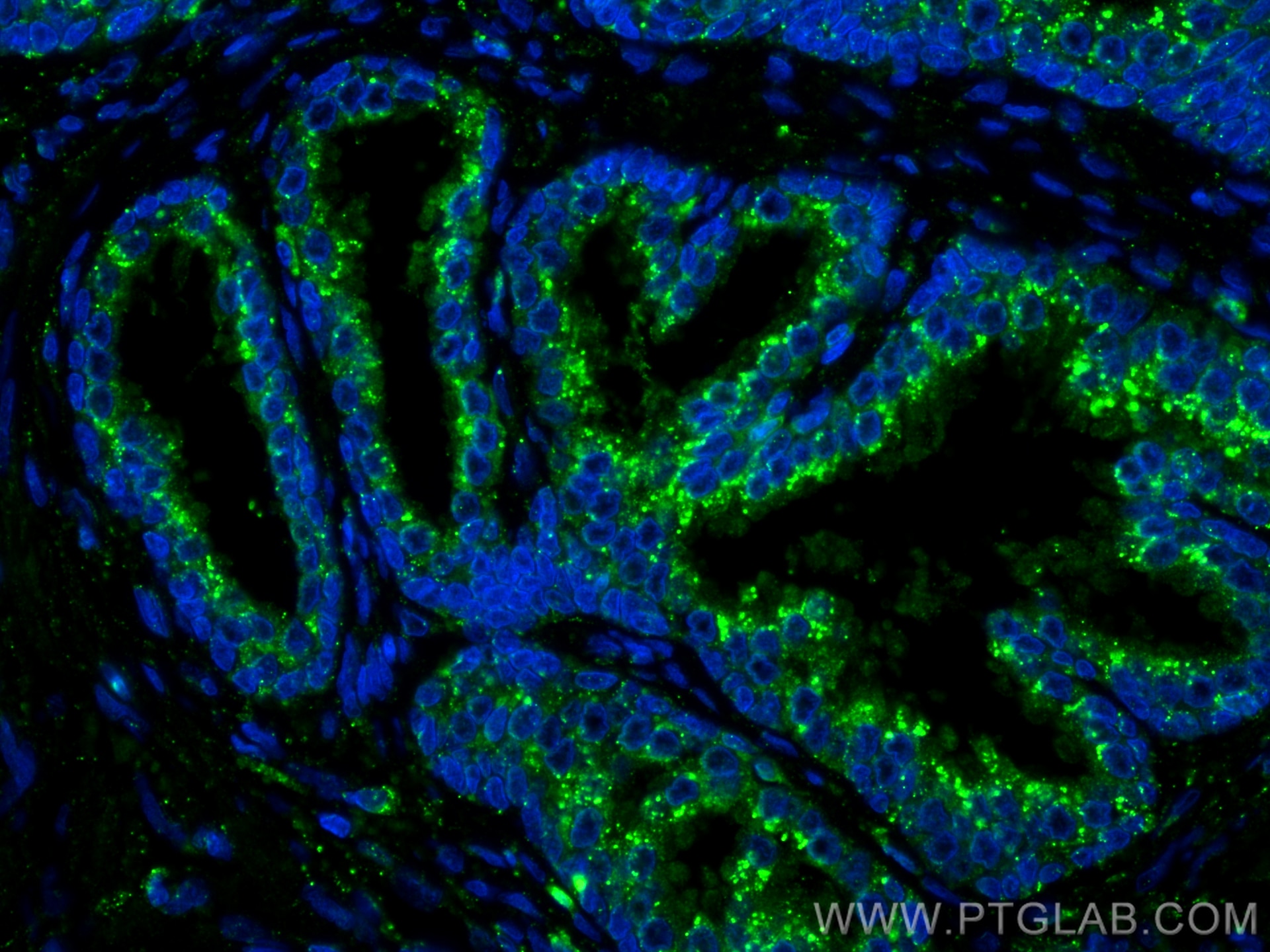
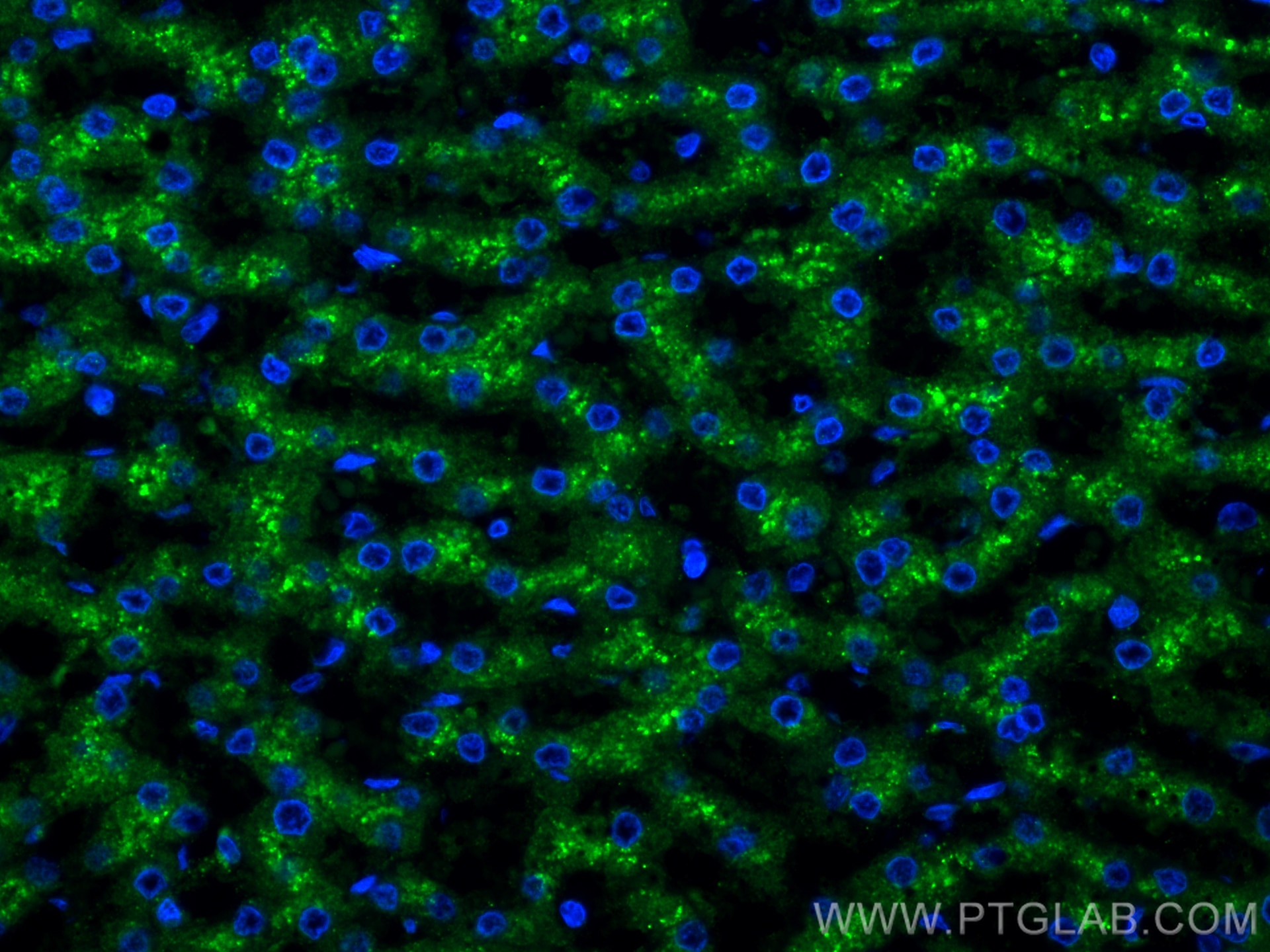
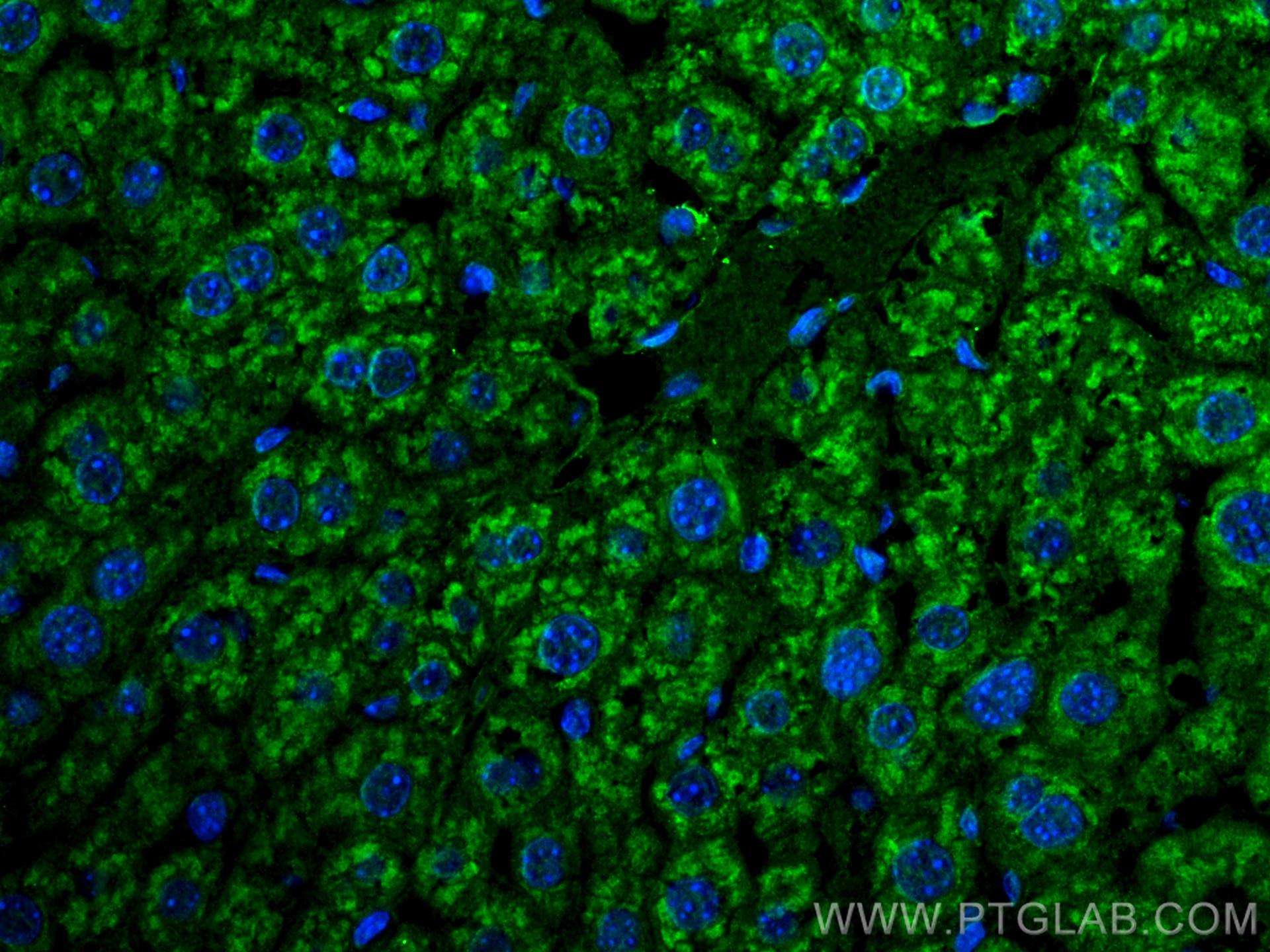
| Positive IF-P detected in | human liver cancer tissue, human prostate cancer tissue, mouse liver tissue |
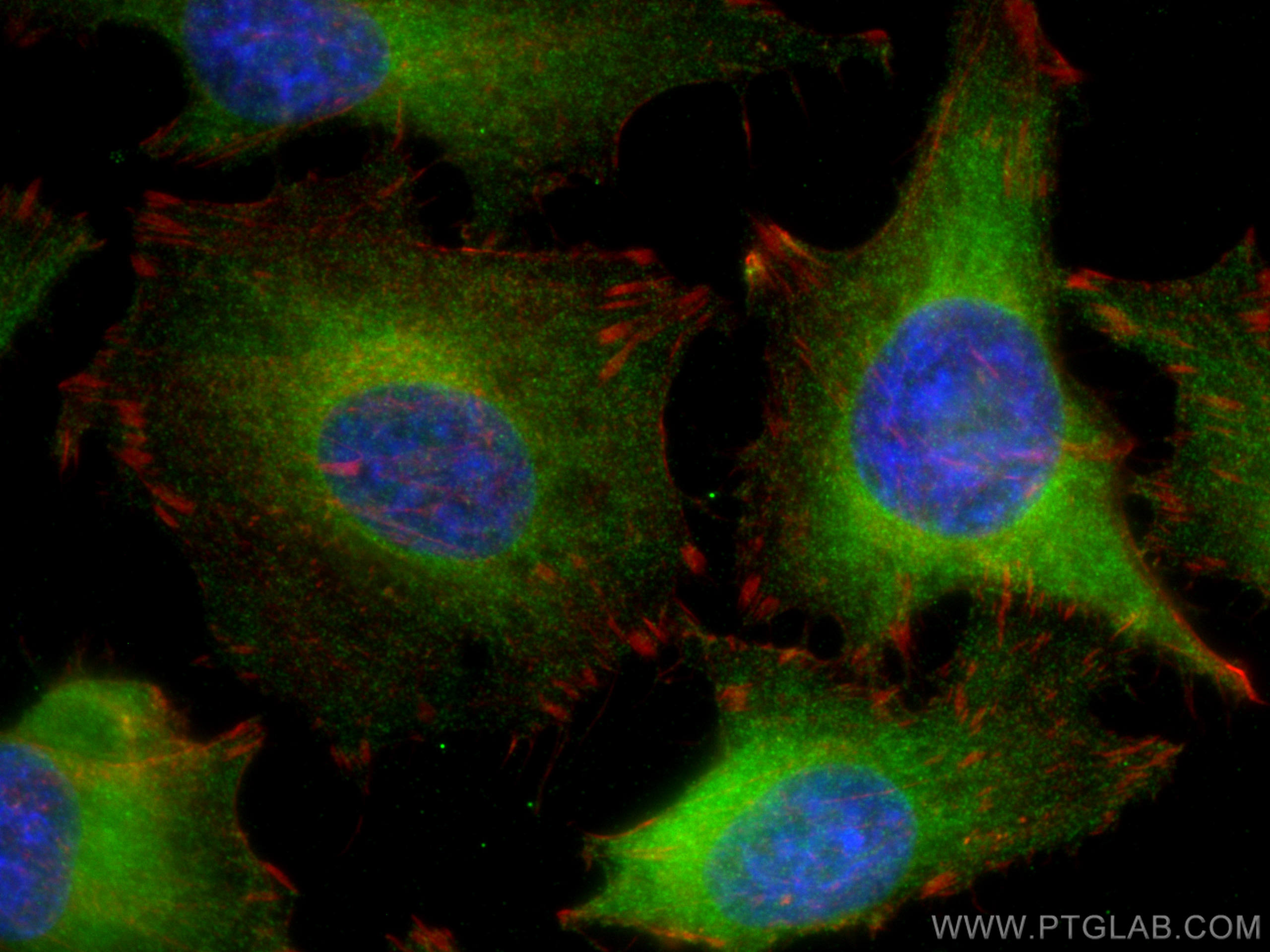
| Positive IF/ICC detected in | HeLa cells |
Recommended dilution
| Application | Dilution |
|---|---|
| Western Blot (WB) | WB : 1:500-1:1000 |
| Immunohistochemistry (IHC) | IHC : 1:200-1:800 |
| Immunofluorescence (IF)-P | IF-P : 1:50-1:500 |
| Immunofluorescence (IF)/ICC | IF/ICC : 1:50-1:500 |
| It is recommended that this reagent should be titrated in each testing system to obtain optimal results. | |
| Sample-dependent, Check data in validation data gallery. | |
Product Information
15518-1-AP targets Beta Galactosidase in WB, IHC, IF/ICC, IF-P, IP, ELISA applications and shows reactivity with human, mouse samples.
| Tested Reactivity | human, mouse |
| Cited Reactivity | human, mouse, rat, bovine |
| Host / Isotype | Rabbit / IgG |
| Class | Polyclonal |
| Type | Antibody |
| Immunogen |
CatNo: Ag7792 Product name: Recombinant human Beta galactosidase protein Source: e coli.-derived, PGEX-4T Tag: GST Domain: 329-677 aa of BC007493 Sequence: TSYDYDAPLSEAGDLTEKYFALRNIIQKFEKVPEGPIPPSTPKFAYGKVTLEKLKTVGAALDILCPSGPIKSLYPLTFIQVKQHYGFVLYRTTLPQDCSNPAPLSSPLNGVHDRAYVAVDGIPQGVLERNNVITLNITGKAGATLDLLVENMGRVNYGAYINDFKGLVSNLTLSSNILTDWTIFPLDTEDAVRSHLGGWGHRDSGHHDEAWAHNSSNYTLPAFYMGNFSIPSGIPDLPQDTFIQFPGWTKGQVWINGFNLGRYWPARGPQLTLFVPQHILMTSAPNTITVLELEWAPCSSDDPELCAVTFVDRPVIGSSVTYDHPSKPVEKRLMPPPPQKNKDSWLDHV Predict reactive species |
| Full Name | galactosidase, beta 1 |
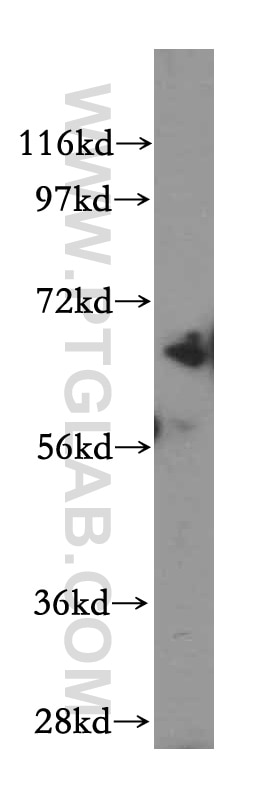
| Calculated Molecular Weight | 76 kDa |
| Observed Molecular Weight | 67 kDa |
| GenBank Accession Number | BC007493 |
| Gene Symbol | GLB1/Beta-galactosidase |
| Gene ID (NCBI) | 2720 |
| RRID | AB_2263448 |
| Conjugate | Unconjugated |
| Form | Liquid |
| Purification Method | Antigen affinity purification |
| UNIPROT ID | P16278 |
| Storage Buffer | PBS with 0.02% sodium azide and 50% glycerol, pH 7.3. |
| Storage Conditions | Store at -20°C. Stable for one year after shipment. Aliquoting is unnecessary for -20oC storage. 20ul sizes contain 0.1% BSA. |
Background Information
What is the molecular weight of β-galactosidase (GLB1)?
The molecular weight of GLB1 is 76 kD, although this protein is known to have multiple isoforms with lower
molecular weight values.
What is the function of GLB1?
The common name of β-galactosidase is lactase. This enzyme is responsible for catalyzing the hydrolysis of
lactose to monosaccharide glucose and galactose. GLB1 also catalyzes hydrolysis of polymeric D-galactosyl
residues (PMID: 23526073, doi: 10.1088/1757-899x/263/2/022046).
How is GLB1 used in our food?
GLB1 isolated from bacteria, fungi, yeast, plants, and other sources has been applied to the manufacturing
of lactose-hydrolyzed products (PMID: 28500401).
How is GLB1 part of a positive feedback loop?
GLB1 transgalactosylates lactose, resulting in allolactose. Allolactose is the inducer for the lac operon and
binds to the lac repressor, prompting GLB1 synthesis (PMIDs: 23526073, 28500401, 26394634).
What organisms express GLB1?
GLB1 is ubiquitous in nature and is produced across kingdoms in plants, microorganisms, and animals.
Properties, such as optimal pH range and temperature preference, vary between species; fungal GLB1
prefers acidic conditions, while yeast and bacteria have optimal conditions at more neutral pH values
(PMID: 28500401).
How is GLB1 utilized in transgenic animals?
Bacterial GLB1 is a widely used reporter gene in transgenic or knockout animals. The lacZ gene of E. coli
has been used to identify cis-acting DNA elements that play a key role for the regulation of gene expression
in mice. The lacZ gene can be incorporated into an endogenous gene, and it is frequently a used to indicate
the success of Cre-loxP recombination events, which allows temporal control of lacZ expression. Mice a
part of the Rosa26R line that also express Cre ubiquitously express Cre-inducible lacZ (PMID: 26394634).
Protocols
| Product Specific Protocols | |
|---|---|
| IF protocol for Beta Galactosidase antibody 15518-1-AP | Download protocol |
| IHC protocol for Beta Galactosidase antibody 15518-1-AP | Download protocol |
| WB protocol for Beta Galactosidase antibody 15518-1-AP | Download protocol |
| Standard Protocols | |
|---|---|
| Click here to view our Standard Protocols |
Publications
What published studies show
The anti-Beta-Galactosidase (GLB1) polyclonal antibody (Cat# 15518-1-AP) has 65 citations published in journals including Nature Communications, Signal Transduction and Targeted Therapy, Cell Research, EMBO Journal, Cell Death & Differentiation, Theranostics, ACS Nano, Environmental International, Stem Cell Research & Therapy, Free Radical Biology and Medicine, and Aging Cell. Key research fields include cellular senescence and aging, cancer biology, neurodegeneration, skin photoaging, cardiovascular disease, fibrosis, and inflammation.
| Species | Application | Title |
|---|---|---|
Signal Transduct Target Ther Human adipose and umbilical cord mesenchymal stem cell-derived extracellular vesicles mitigate photoaging via TIMP1/Notch1 | ||
Signal Transduct Target Ther Seryl tRNA synthetase cooperates with POT1 to regulate telomere length and cellular senescence. | ||
Cell Res The AHCY-adenosine complex rewires mRNA methylation to enhance fatty acid biosynthesis and tumorigenesis | ||
Nat Commun Prosaposin maintains lipid homeostasis in dopamine neurons and counteracts experimental parkinsonism in rodents | ||
Reviews
What customers say
All five reviewers rated this antibody positively (four 5-star, one 4-star). It was validated across multiple applications including Western Blot, Immunofluorescence, and Immunohistochemistry. Tested tissues span mouse hypothalamus, mouse heart, human colon, and human skin. Recommended dilutions range from 1:100 to 1:1000 depending on the application. Reviewers consistently described it as functional and reliable, with no negative feedback reported.
The reviews below have been submitted by verified Proteintech customers who received an incentive for providing their feedback.
Tara (Verified Customer) (10-04-2025) | This antibody was used in my experiment on a transgenic mouse hypothalamus.
|
Maelle (Verified Customer) (12-19-2024) | Functional
|
Brice-Emmanuel (Verified Customer) (12-18-2023) | Work well in WB
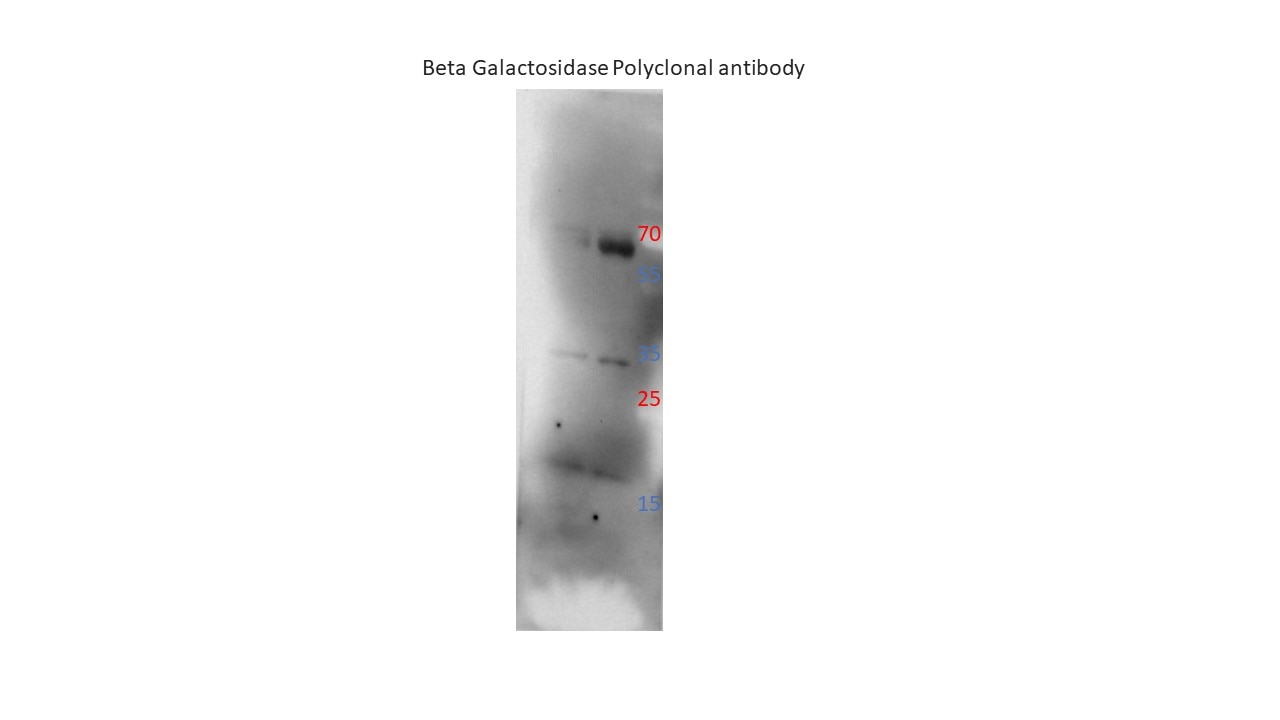 |
Lin (Verified Customer) (02-24-2022) | It is good for WB.
|
Lin (Verified Customer) (06-04-2021) | It works for skin IHC.
|

