
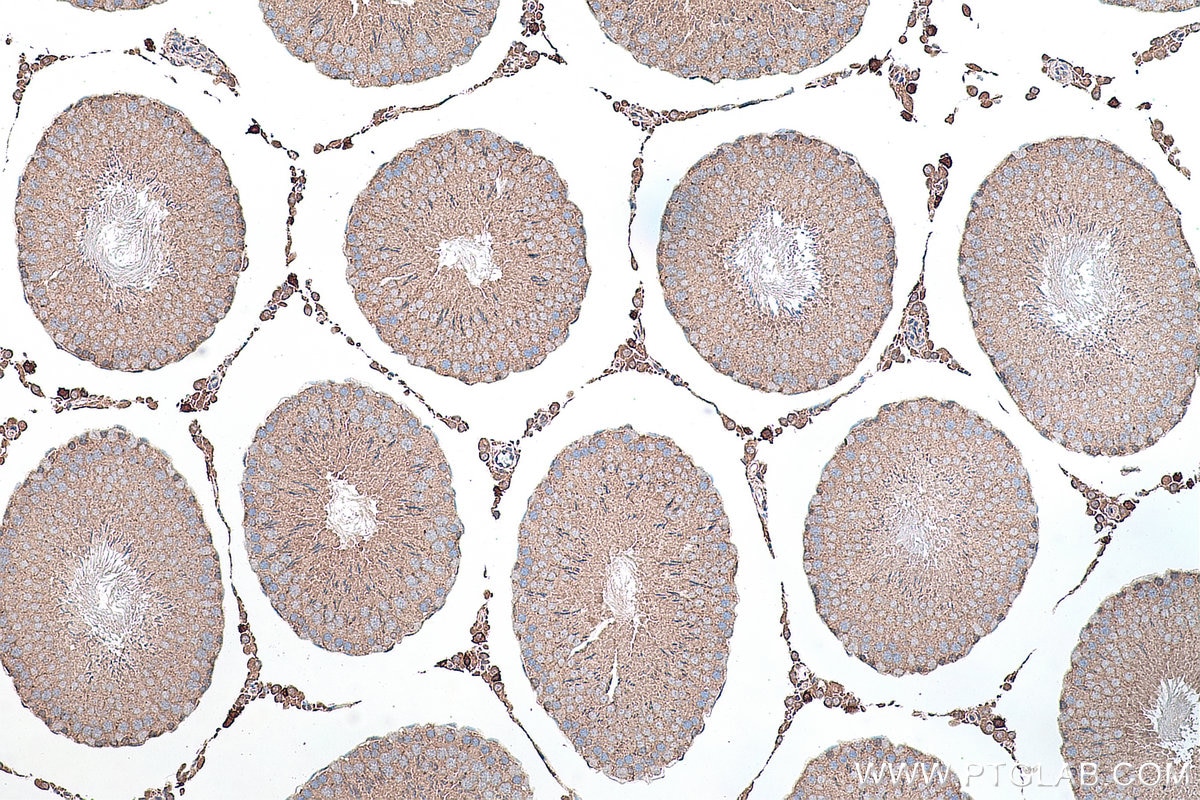
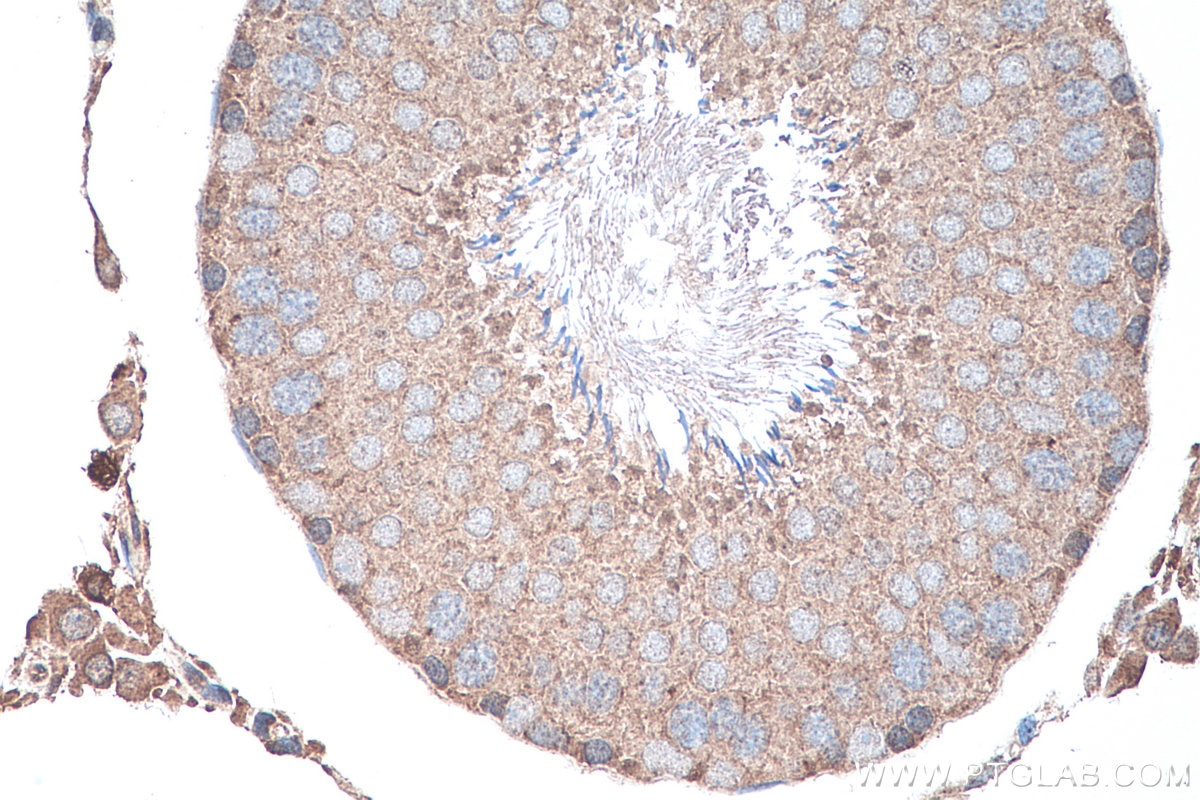
Tested Applications
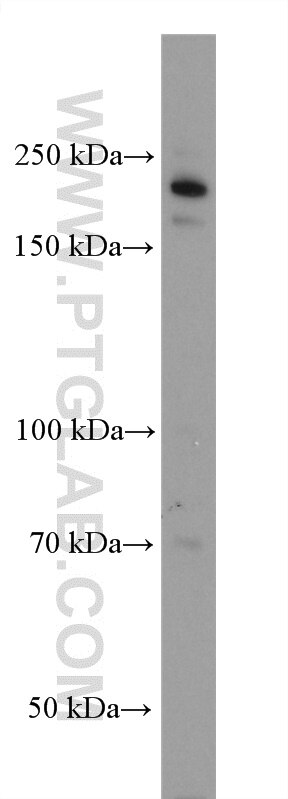
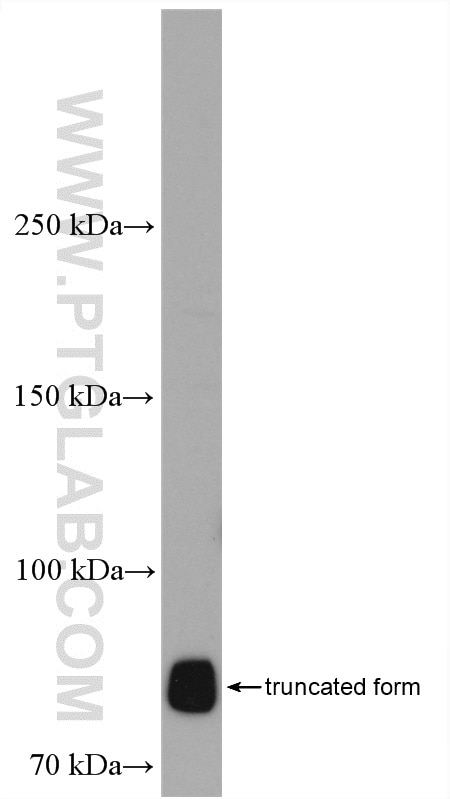
| Positive WB detected in | HepG2 cells, SKOV-3 cells |
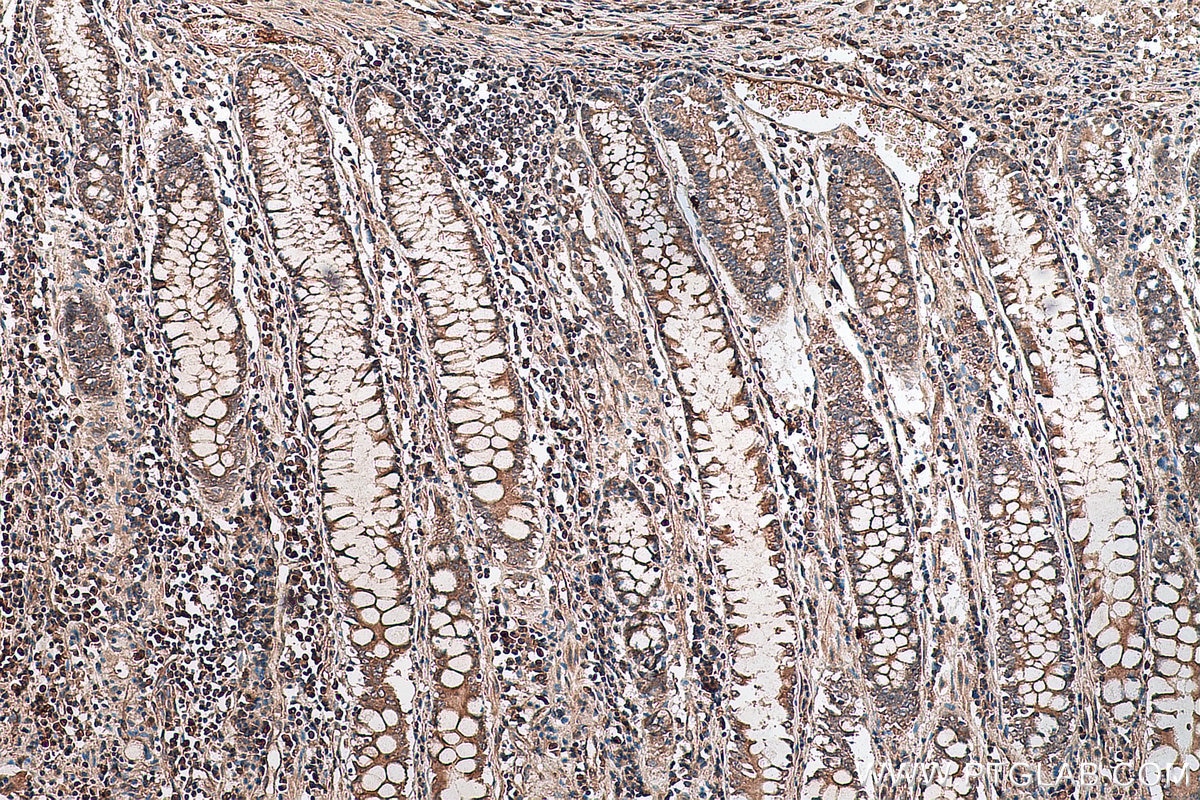
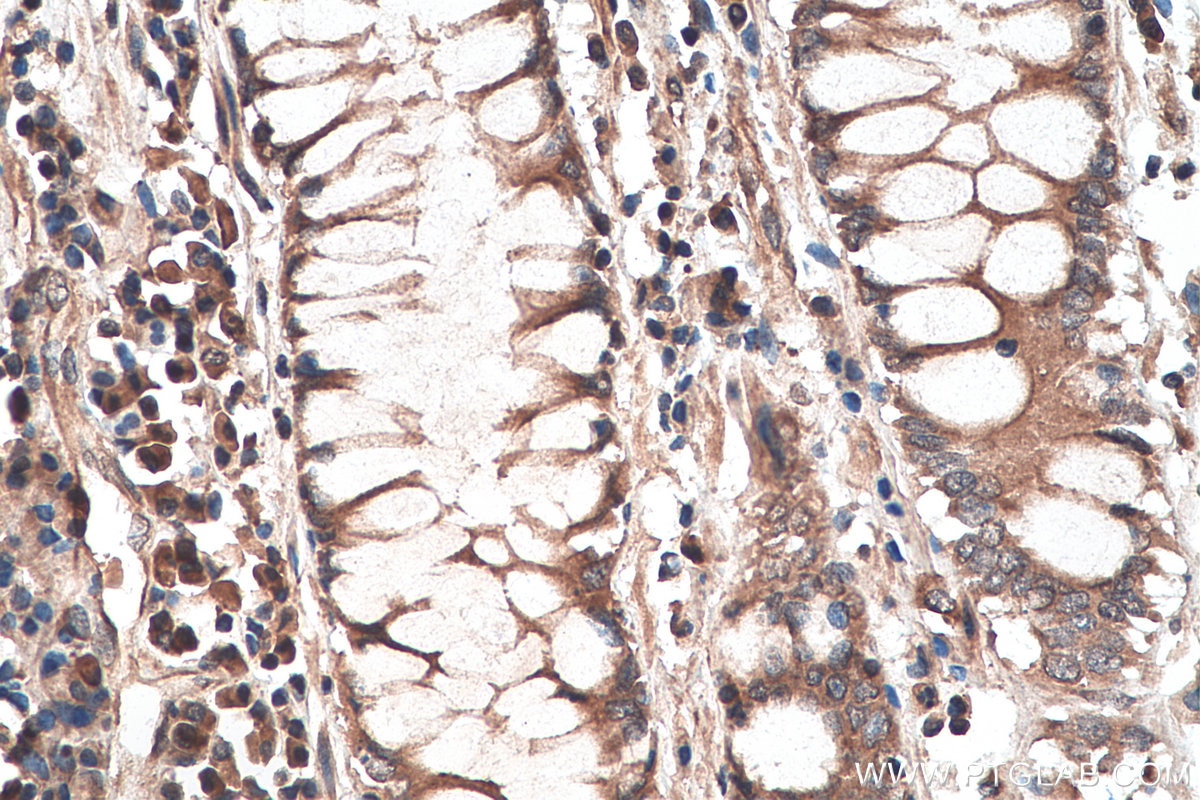
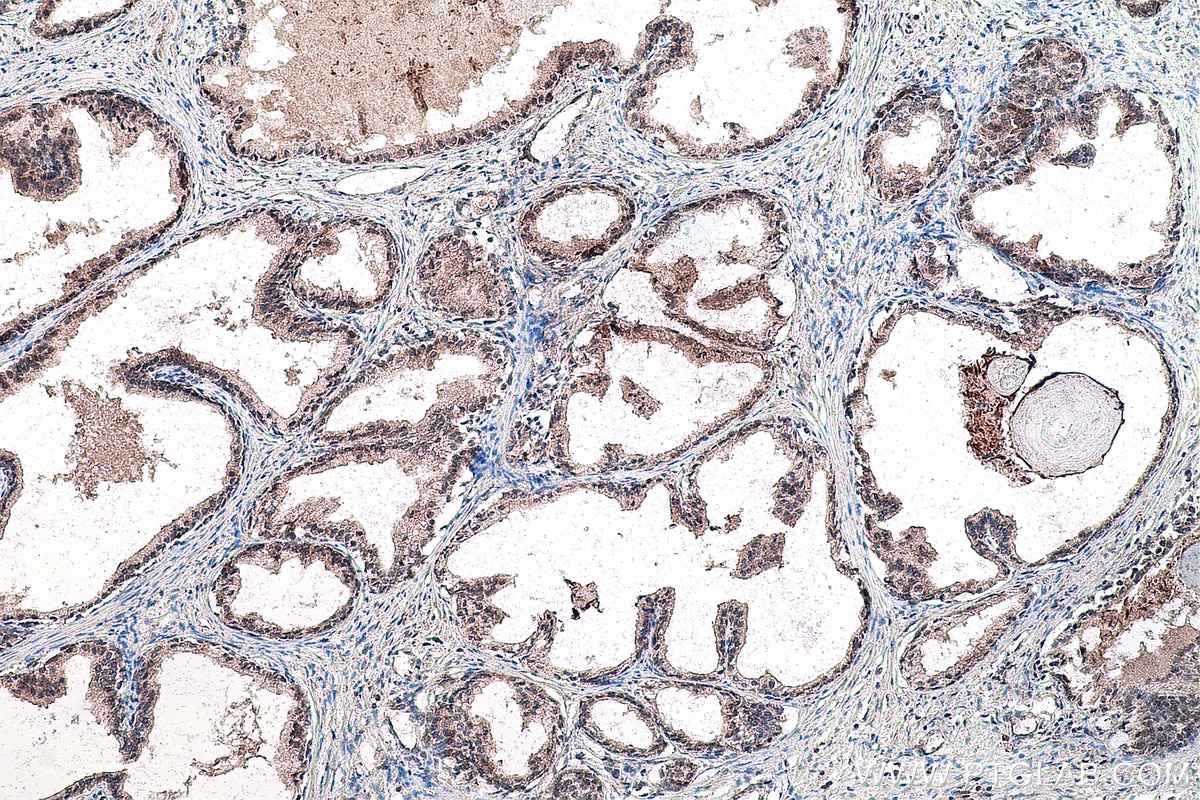
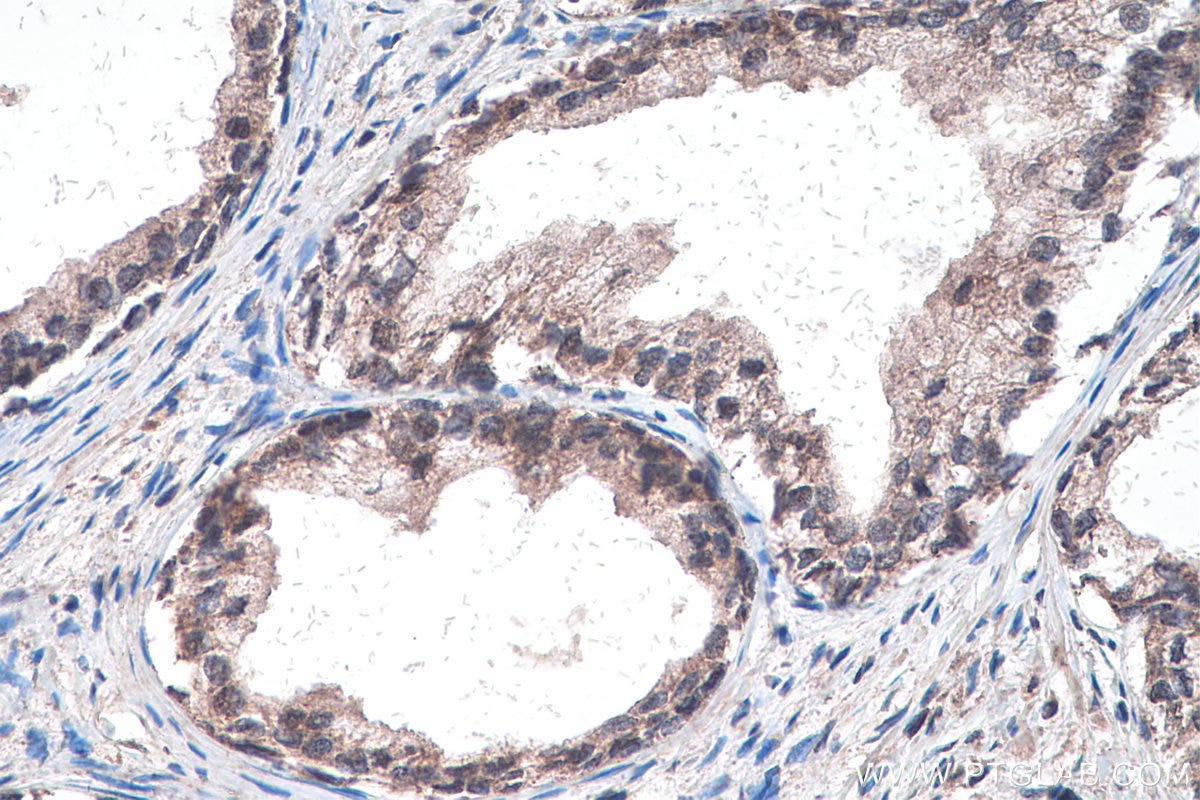
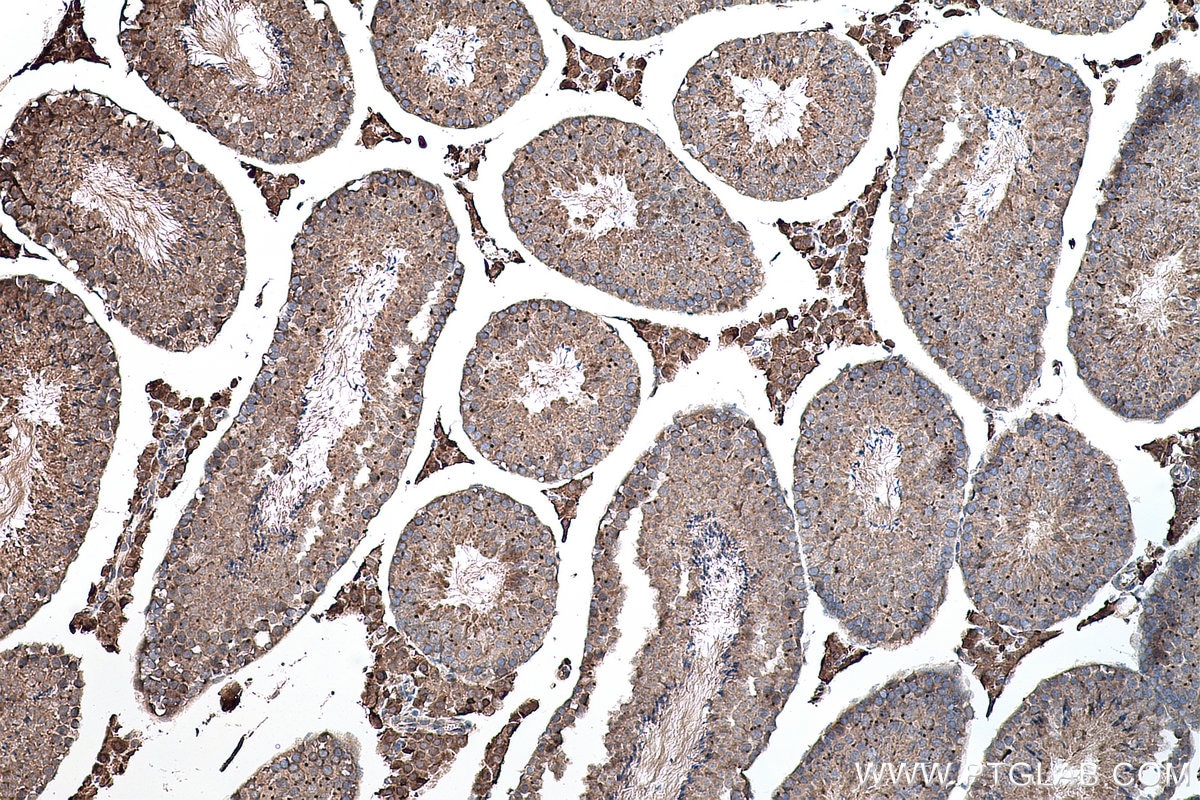
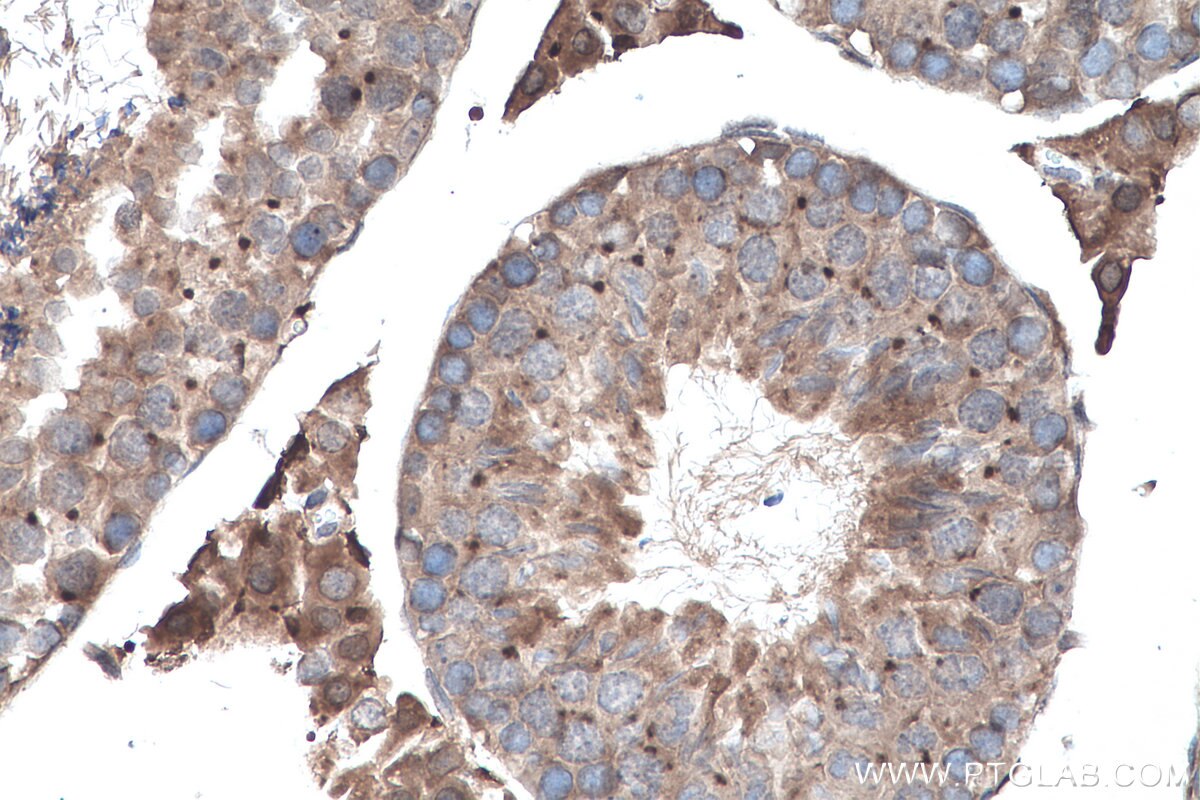
| Positive IHC detected in | mouse testis tissue, human colon cancer tissue, human prostate cancer tissue, rat testis tissue Note: suggested antigen retrieval with TE buffer pH 9.0; (*) Alternatively, antigen retrieval may be performed with citrate buffer pH 6.0 |
Recommended dilution
| Application | Dilution |
|---|---|
| Western Blot (WB) | WB : 1:500-1:1000 |
| Immunohistochemistry (IHC) | IHC : 1:1000-1:4000 |
| It is recommended that this reagent should be titrated in each testing system to obtain optimal results. | |
| Sample-dependent, Check data in validation data gallery. | |
Product Information
28272-1-AP targets GLI3 in WB, IHC, IF, ELISA applications and shows reactivity with human, mouse, rat samples.
| Tested Reactivity | human, mouse, rat |
| Cited Reactivity | human, mouse, rat |
| Host / Isotype | Rabbit / IgG |
| Class | Polyclonal |
| Type | Antibody |
| Immunogen |
CatNo: Ag28472 Product name: Recombinant human GLI3 protein Source: e coli.-derived, PET28a Tag: 6*His Domain: 641-880 aa of NM_000168 Sequence: MKQRGDIHPRPPPPRDSGSHSQSRSPGRPTQGALGEQQDLSNTTSKREECLQVKTVKAEKPMTSQPSPGGQSSCSSQQSPISNYSNSGLELPLTDGGSIGDLSAIDETPIMDSTISTATTALALQARRNPAGTKWMEHVKLERLKQVNGMFPRLNPILPPKAPAVSPLIGNGTQSNNTCSLGGPMTLLPGRSDLSGVDVTMLNMLNRRDSSASTISSAYLSSRRSSGISPCFSSRRSSEAS Predict reactive species |
| Full Name | GLI family zinc finger 3 |
| Calculated Molecular Weight | 170 aa |
| Observed Molecular Weight | 170-190 kDa, 80-90 kDa |
| GenBank Accession Number | NM_000168 |
| Gene Symbol | GLI3 |
| Gene ID (NCBI) | 2737 |
| RRID | AB_2881101 |
| Conjugate | Unconjugated |
| Form | Liquid |
| Purification Method | Antigen affinity purification |
| UNIPROT ID | P10071 |
| Storage Buffer | PBS with 0.02% sodium azide and 50% glycerol, pH 7.3. |
| Storage Conditions | Store at -20°C. Stable for one year after shipment. Aliquoting is unnecessary for -20oC storage. 20ul sizes contain 0.1% BSA. |
Background Information
GLI3 belongs to the GLI C2H2-type zinc-finger protein family. GLI3 plays a role in limb and brain development. GLI3 is implicated in the transduction of SHH signal. Defects in GLI3 are the cause of Greig cephalo-poly-syndactyly syndrome (GCPS). Defects in GLI3 are a cause of Pallister-Hall syndrome (PHS). Defects in GLI3 are a cause of type A1/B postaxial polydactyly (PAPA1/PAPB). Defects in GLI3 are a cause of type IV preaxial polydactyly. Defects in GLI3 are the cause of acrocallosal syndrome (ACS). The antibody is specific to GLI3. At the molecular level, Gli3 is translated into a 190-kDa transcriptional activator (Gli3-190) that undergoes proteolytic processing into a truncated 83-kDa repressor (Gli3-83) lacking C-terminal activation domains. (PMID: 16705181)
Protocols
| Product Specific Protocols | |
|---|---|
| IHC protocol for GLI3 antibody 28272-1-AP | Download protocol |
| WB protocol for GLI3 antibody 28272-1-AP | Download protocol |
| Standard Protocols | |
|---|---|
| Click here to view our Standard Protocols |
Publications
What published studies show
| Species | Application | Title |
|---|---|---|
Cell Mol Biol Lett E0703 targets ERβ to facilitate the upregulation of GLI3, thereby alleviating irradiation-induced DNA damage on lymphocytes. | ||
Cell Death Discov Histone lactylation-induced GLI3 activation drives macrophage M1 polarization and exosomal SERPINE1 release in abdominal aortic aneurysm progression. | ||
Phytother Res β-Sitosterol Suppresses Osteoclastogenesis and Alleviates Bone Loss by Targeting Tmed10 to Inhibit RANKL-Induced Hedgehog/MAPK Signaling and ROS. | ||
J Ethnopharmacol Multi-omics reveals the effects and mechanisms of Xinxue Granules against idiopathic pulmonary fibrosis through activating the cAMP/EPAC/CREB axis. | ||
Bioengineered All-trans-retinoic acid suppresses rat embryo hindlimb bud mesenchymal chondrogenesis by modulating HoxD9 expression | ||
Medicine (Baltimore) miR-200c targeting GLI3 inhibits cell proliferation and promotes apoptosis in non-small cell lung cancer cells |

