
Tested Applications
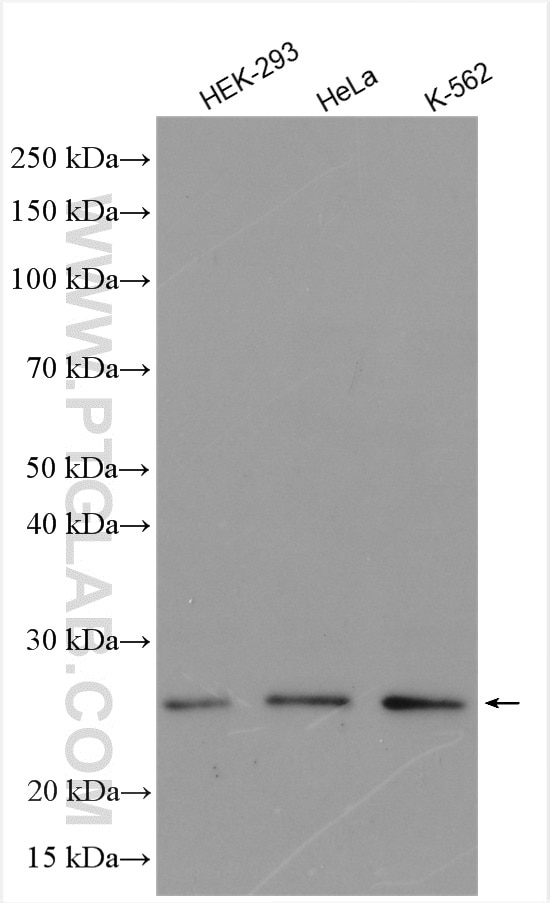
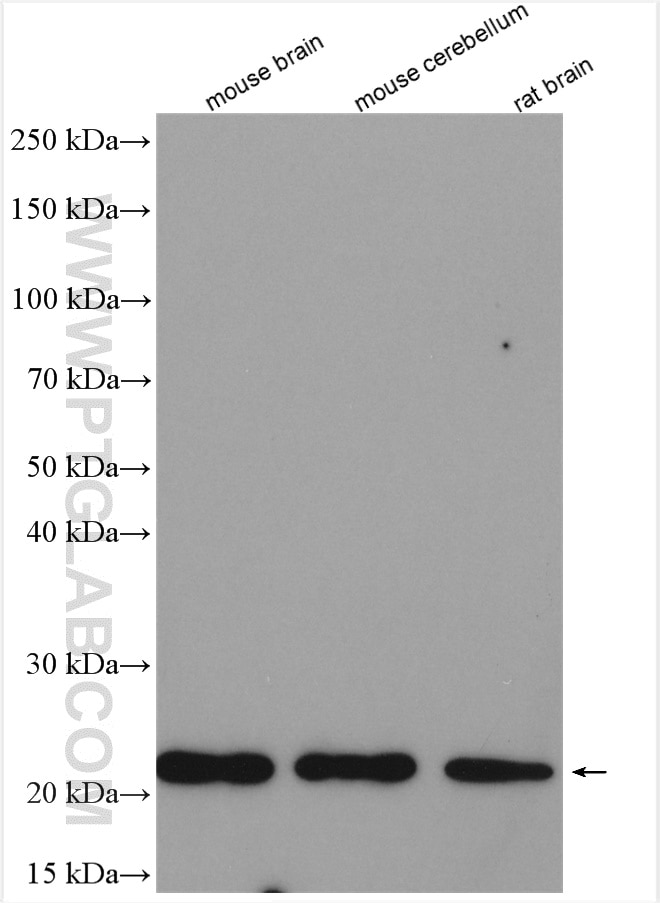
| Positive WB detected in | HEK-293 cells, mouse brain tissue, mouse cerebellum tissue, rat brain tissue, HeLa cells, K-562 cells |
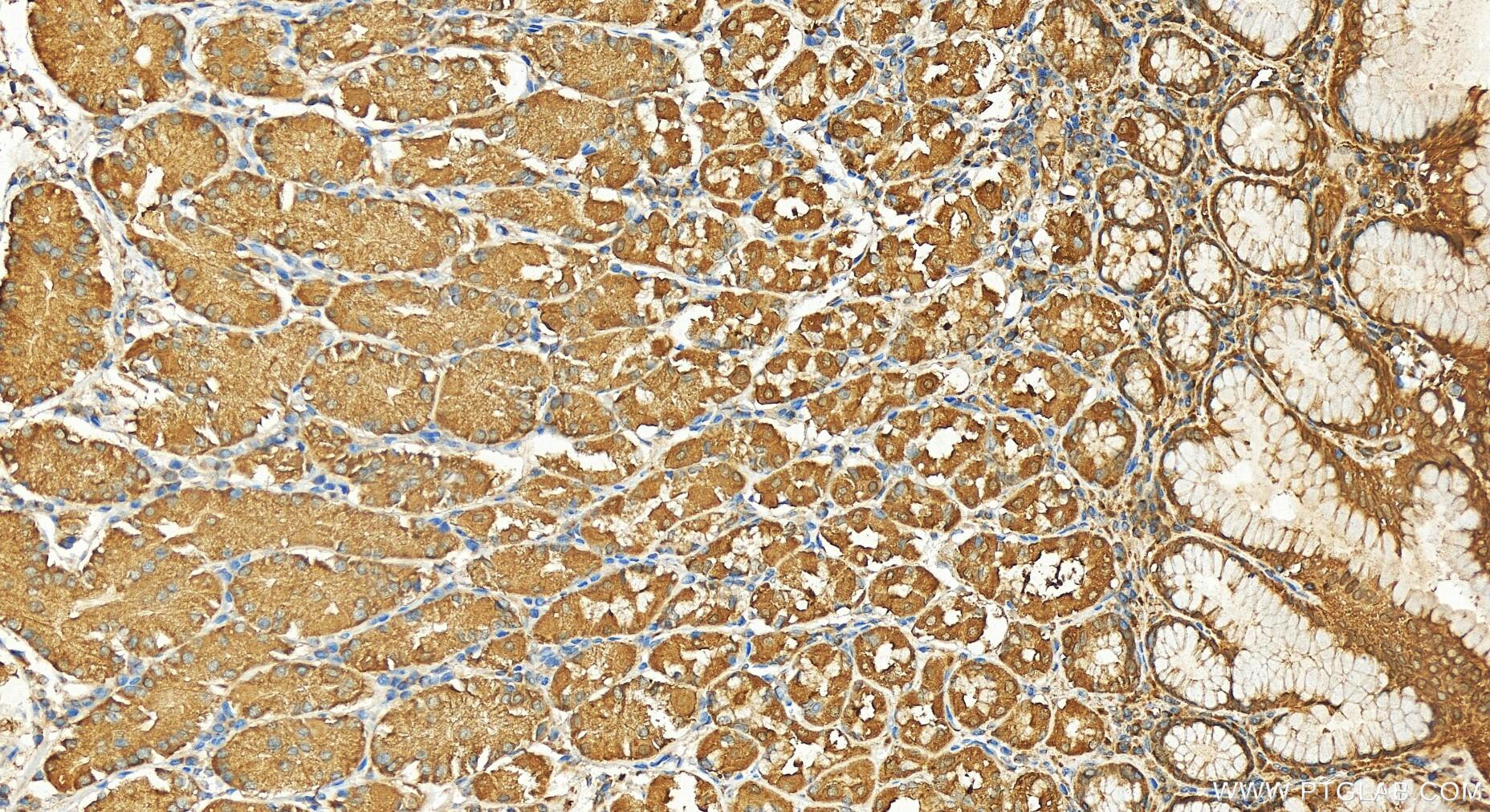
| Positive IHC detected in | human stomach tissue Note: suggested antigen retrieval with TE buffer pH 9.0; (*) Alternatively, antigen retrieval may be performed with citrate buffer pH 6.0 |
Recommended dilution
| Application | Dilution |
|---|---|
| Western Blot (WB) | WB : 1:1000-1:6000 |
| Immunohistochemistry (IHC) | IHC : 1:50-1:500 |
| It is recommended that this reagent should be titrated in each testing system to obtain optimal results. | |
| Sample-dependent, Check data in validation data gallery. | |
Product Information
10850-1-AP targets GLTP in WB, IHC, IF, ELISA applications and shows reactivity with human, mouse, rat samples.
| Tested Reactivity | human, mouse, rat |
| Cited Reactivity | human, mouse |
| Host / Isotype | Rabbit / IgG |
| Class | Polyclonal |
| Type | Antibody |
| Immunogen |
CatNo: Ag1293 Product name: Recombinant human GLTP protein Source: e coli.-derived, PGEX-4T Tag: GST Domain: 1-209 aa of BC009932 Sequence: MALLAEHLLKPLPADKQIETGPFLEAVSHLPPFFDCLGSPVFTPIKADISGNITKIKAVYDTNPAKFRTLQNILEVEKEMYGAEWPKVGATLALMWLKRGLRFIQVFLQSICDGERDENHPNLIRVNATKAYEMALKKYHGWIVQKIFQAALYAAPYKSDFLKALSKGQNVTEEECLEKIRLFLVNYTATIDVIYEMYTQMNAELNYKV Predict reactive species |
| Full Name | glycolipid transfer protein |
| Calculated Molecular Weight | 24 kDa |
| Observed Molecular Weight | 24 kDa |
| GenBank Accession Number | BC009932 |
| Gene Symbol | GLTP |
| Gene ID (NCBI) | 51228 |
| RRID | AB_2294627 |
| Conjugate | Unconjugated |
| Form | Liquid |
| Purification Method | Antigen affinity purification |
| UNIPROT ID | Q9NZD2 |
| Storage Buffer | PBS with 0.02% sodium azide and 50% glycerol, pH 7.3. |
| Storage Conditions | Store at -20°C. Stable for one year after shipment. Aliquoting is unnecessary for -20oC storage. 20ul sizes contain 0.1% BSA. |
Background Information
The GLTP protein, also known as Glycolipid Transfer Protein, belongs to the GLTP superfamily. It is a soluble cytoplasmic protein that is widely present in eukaryotes. Its main function is to specifically recognize, bind to, and transport glycolipid molecules (such as glucose ceramide) between membranes. By regulating the distribution of glycolipids in intracellular membrane compartments (such as the Golgi apparatus, endoplasmic reticulum, and plasma membrane), it participates in key biological processes such as cell signal transduction, maintenance of membrane homeostasis, and assembly of membrane microdomains.
Protocols
| Product Specific Protocols | |
|---|---|
| IHC protocol for GLTP antibody 10850-1-AP | Download protocol |
| WB protocol for GLTP antibody 10850-1-AP | Download protocol |
| Standard Protocols | |
|---|---|
| Click here to view our Standard Protocols |
Publications
What published studies show
| Species | Application | Title |
|---|---|---|
Int J Mol Sci miR-196a Upregulation Contributes to Gefitinib Resistance through Inhibiting GLTP Expression. | ||
Arch Toxicol Peroxisome proliferator-activated receptor α attenuates high-cholesterol diet-induced toxicity and pro-thrombotic effects in mice. | ||
Hypertens Res Effects of hypertension and antihypertensive treatments on sulfatide levels in serum and its metabolism. | ||
Glycoconj J Age-dependent PPARα activation induces hepatic sulfatide accumulation in transgenic mice carrying the hepatitis C virus core gene. | ||
Biochim Biophys Acta Mol Cell Biol Lipids Upregulation of human glycolipid transfer protein (GLTP) induces necroptosis in colon carcinoma cells. | ||

