

Product Information
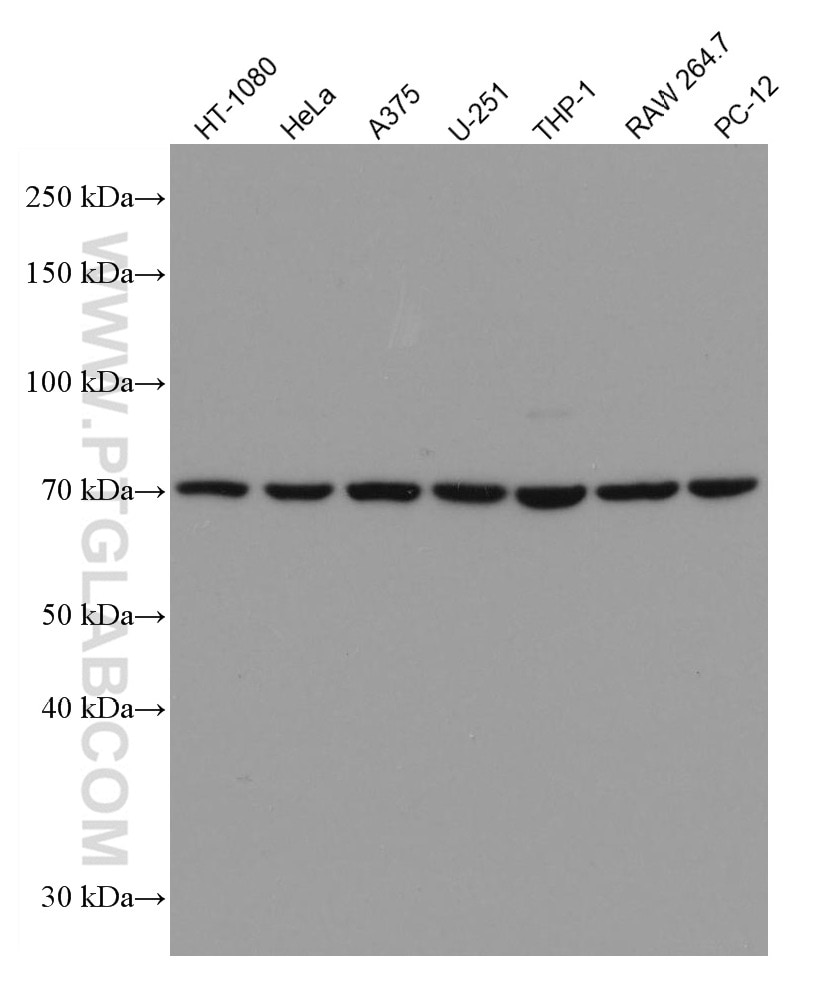
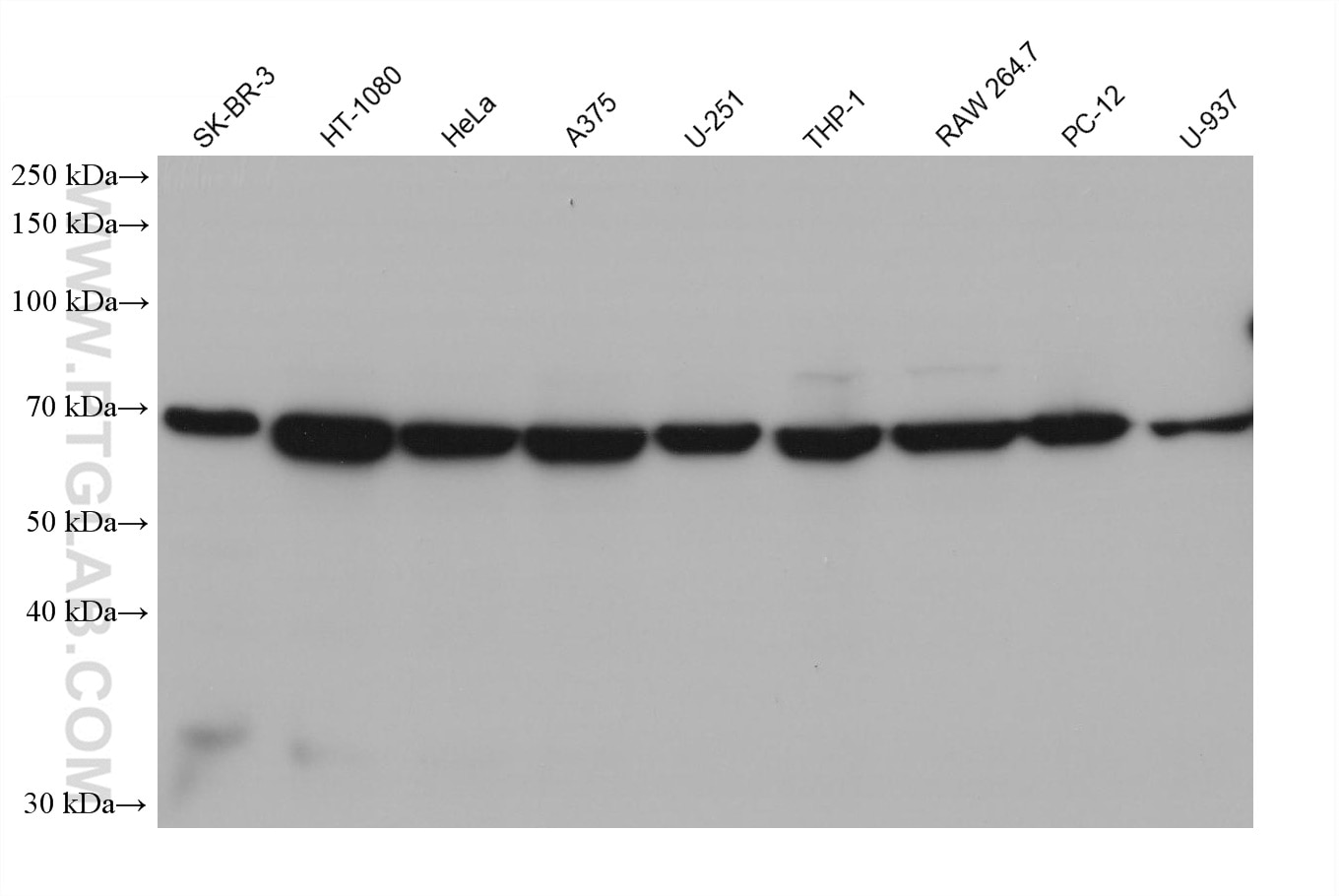
66926-1-Ig targets GPNMB in WB, IHC, IF, ELISA applications and shows reactivity with human, mouse, rat, pig samples.
| Tested Reactivity | human, mouse, rat, pig |
| Cited Reactivity | human, mouse, rat |
| Host / Isotype | Mouse / IgG1 |
| Class | Monoclonal |
| Type | Antibody |
| Immunogen |
CatNo: Ag26747 Product name: Recombinant human GPNMB protein Source: e coli.-derived, PET28a Tag: 6*His Domain: 38-158 aa of BC011595 Sequence: MREHNQLNGWSSDENDWNEKLYPVWKRGDMRWKNSWKGGRVQAVLTSDSPALVGSNITFAVNLIFPRCQKEDANGNIVYEKNCRNEAGLSADPYVYNWTAWSEDSDGENGTGQSHHNVFPD Predict reactive species |
| Full Name | glycoprotein (transmembrane) nmb |
| Calculated Molecular Weight | 64 kDa |
| GenBank Accession Number | BC011595 |
| Gene Symbol | GPNMB |
| Gene ID (NCBI) | 10457 |
| RRID | AB_2882253 |
| Conjugate | Unconjugated |
| Form | Liquid |
| Purification Method | Protein G purification |
| UNIPROT ID | Q14956 |
| Storage Buffer | PBS with 0.02% sodium azide and 50% glycerol, pH 7.3. |
| Storage Conditions | Store at -20°C. Stable for one year after shipment. Aliquoting is unnecessary for -20oC storage. 20ul sizes contain 0.1% BSA. |
Background Information
GPNMB also known as HGFIN, osteoactivin, and DC-HIL, is a type I membrane glycoprotein involved in various biological processes, including inflammation, invasion and metastasis of malignant tumors, cell differentiation, and tissue regeneration. GPNMB shows expression in the lowly metastatic human melanoma cell lines and xenografts but does not show expression in the highly metastatic cell lines. GPNMB acts as an osteogenic factor that stimulates osteoblast differentiation in vivo and in vitro.
Protocols
| Product Specific Protocols | |
|---|---|
| WB protocol for GPNMB antibody 66926-1-Ig | Download protocol |
| Standard Protocols | |
|---|---|
| Click here to view our Standard Protocols |
Publications
What published studies show
GPNMB antibody (Cat# 66926-1-Ig) has 29 citations published in journals including Nature, Immunity, Cancer Discovery, Nature Genetics, Nature Communications, Molecular Cell, Cell Reports, Genome Medicine, Developmental Cell, and Cell Signaling. Research fields span neurodegeneration (Alzheimer's disease), oncology (glioblastoma, hepatocellular carcinoma, renal cell carcinoma, breast cancer, esophageal cancer), immunology and inflammation, fibrosis, cardiovascular disease, and metabolic disorders.
| Species | Application | Title |
|---|---|---|
Immunity Direct microglia replacement reveals pathologic and therapeutic contributions of brain macrophages to a monogenic neurological disease | ||
Cancer Discov A Circulating GPNMB-Based Multimodal Model Integrates Tumor-Immune Crosstalk to Predict Immunotherapy Response in Esophageal Cancer. | ||
Nat Genet Plasticity of human microglia and brain perivascular macrophages in aging and Alzheimer's disease. | ||
Nat Commun Ultra-precision deconvolution of spatial transcriptomics decodes immune heterogeneity and fate-defining programs in tissues. | ||
Reviews
What customers say
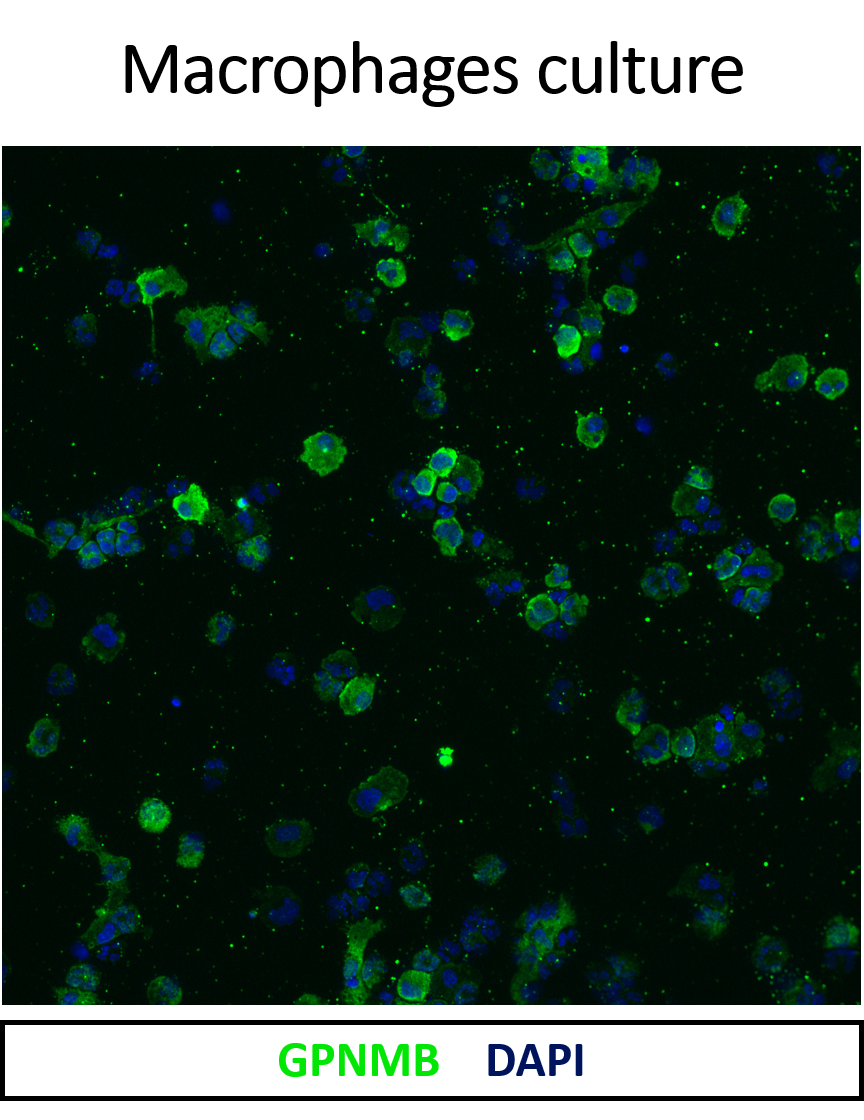
Both reviewers gave 5-star ratings. One user reported successful Western Blot results on cerebellum tissue at a 1:5000 dilution, noting the antibody works well at that concentration. The other user validated the antibody across Western Blot, immunofluorescence, and cell culture applications on macrophages at the recommended 1:500 dilution, highlighting highly specific staining on myeloid cells with minimal background noise and clear, distinct signal in immunofluorescence. Overall, users report strong specificity, low background, and reliable performance across multiple applications.
The reviews below have been submitted by verified Proteintech customers who received an incentive for providing their feedback.
Pravin (Verified Customer) (04-03-2026) | Antiboy works well at this dilution.
|
Victor (Verified Customer) (06-16-2025) | Staining with the GPNMB antibody on myeloid cells using the recommended concentration for immunofluorescence is highly specific. The signal shows minimal background noise and appears very clear and distinct.
 |

