

Tested Applications
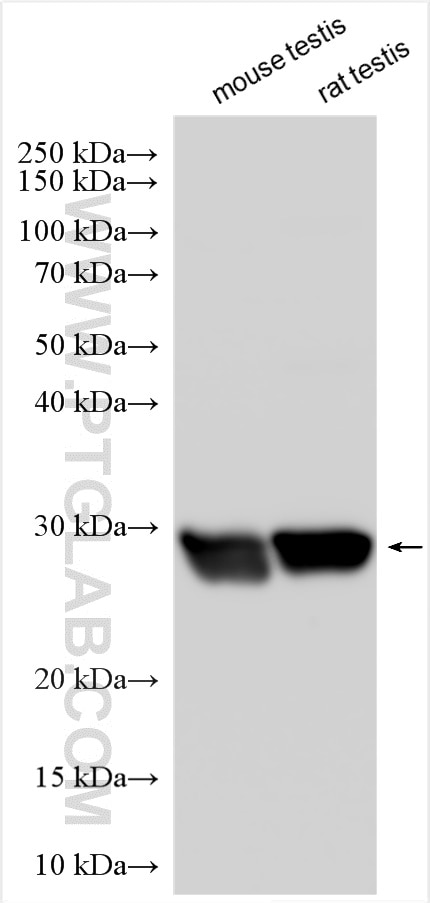
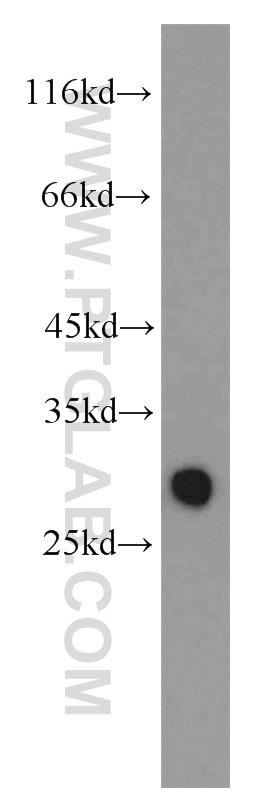
| Positive WB detected in | mouse testis tissue, human testis tissue, rat testis tissue |
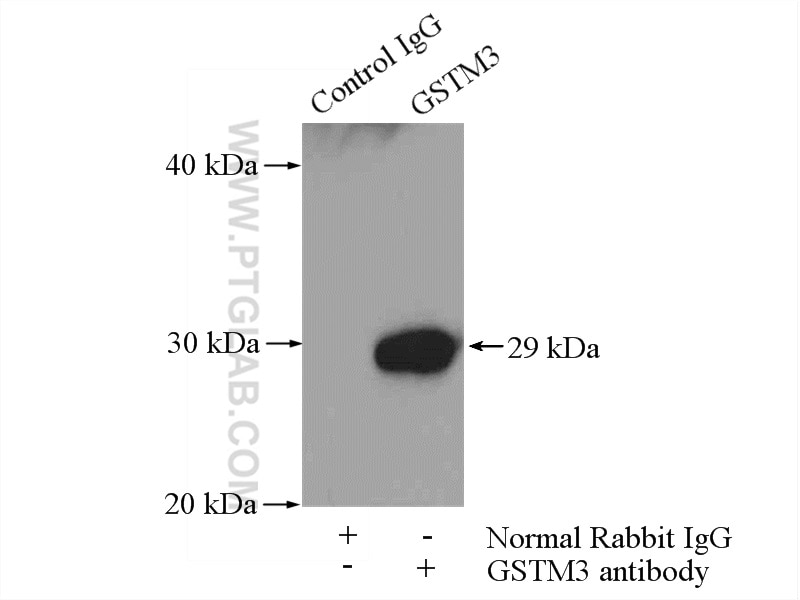
| Positive IP detected in | mouse testis tissue |
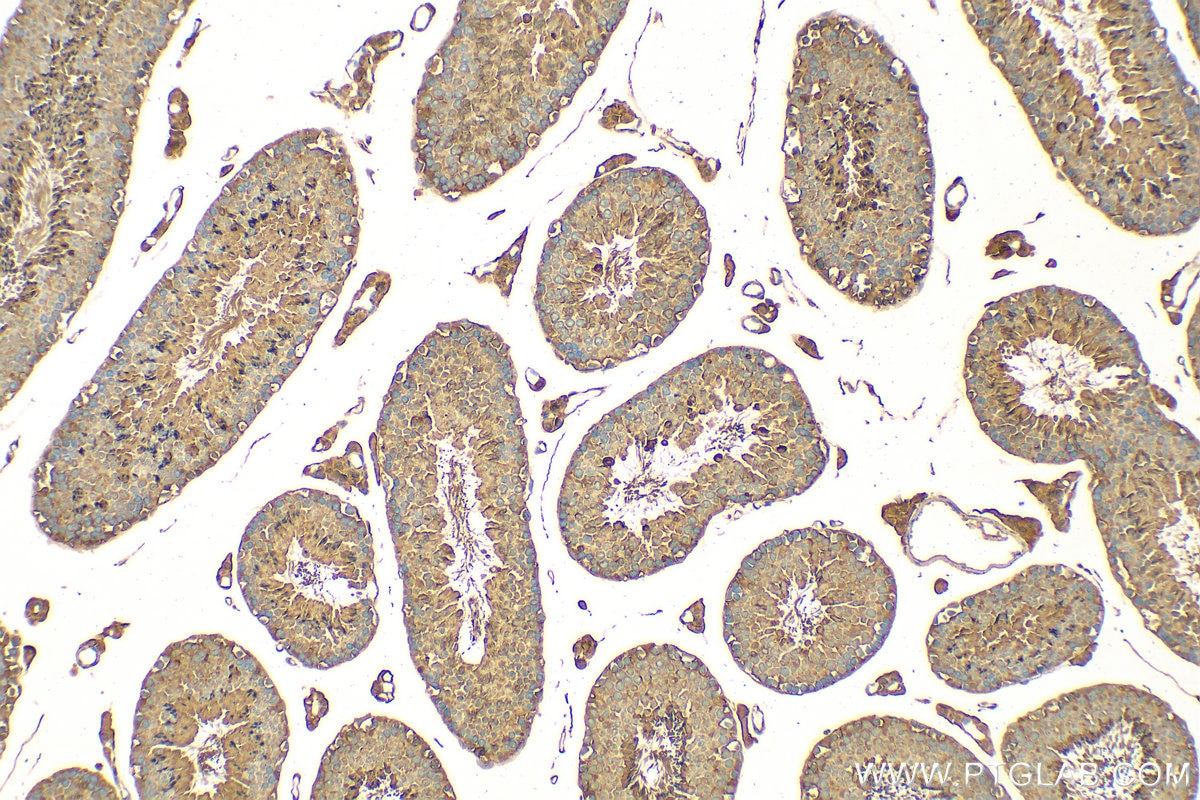
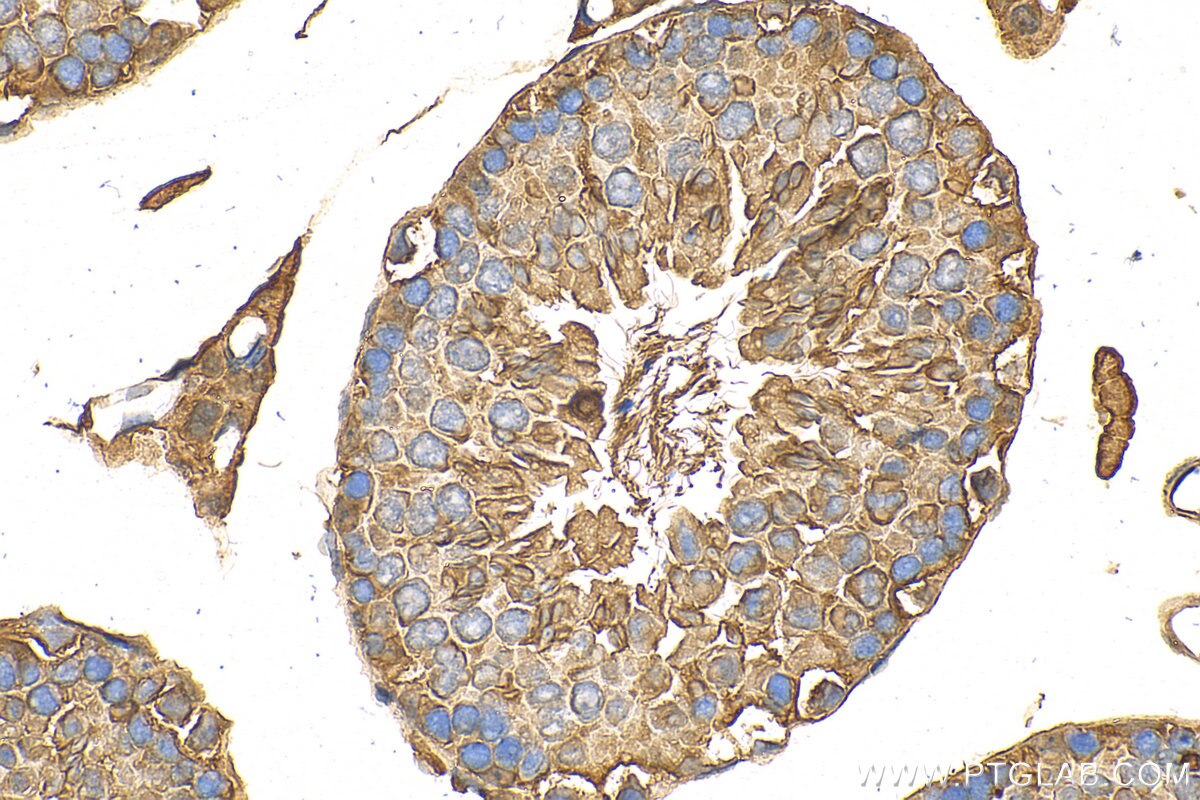
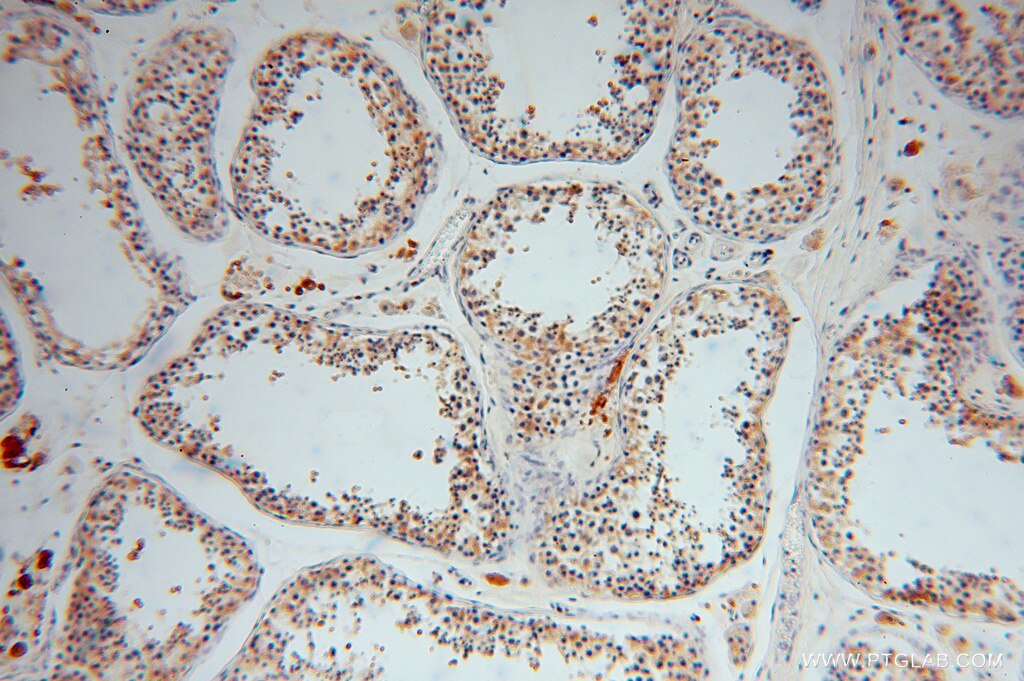
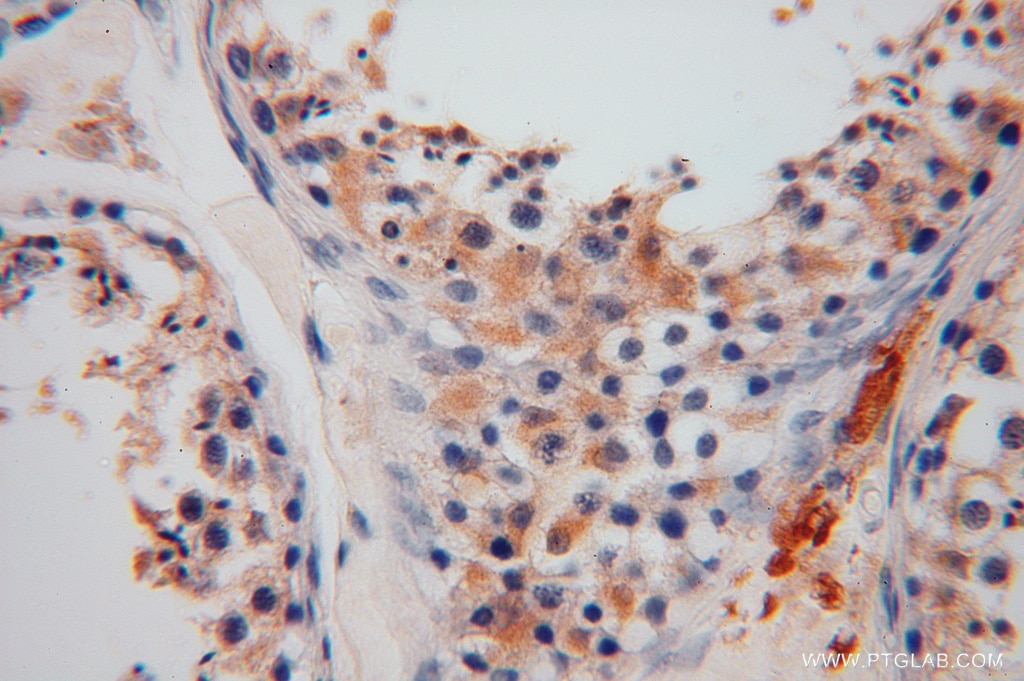
| Positive IHC detected in | mouse testis tissue, human testis tissue Note: suggested antigen retrieval with TE buffer pH 9.0; (*) Alternatively, antigen retrieval may be performed with citrate buffer pH 6.0 |
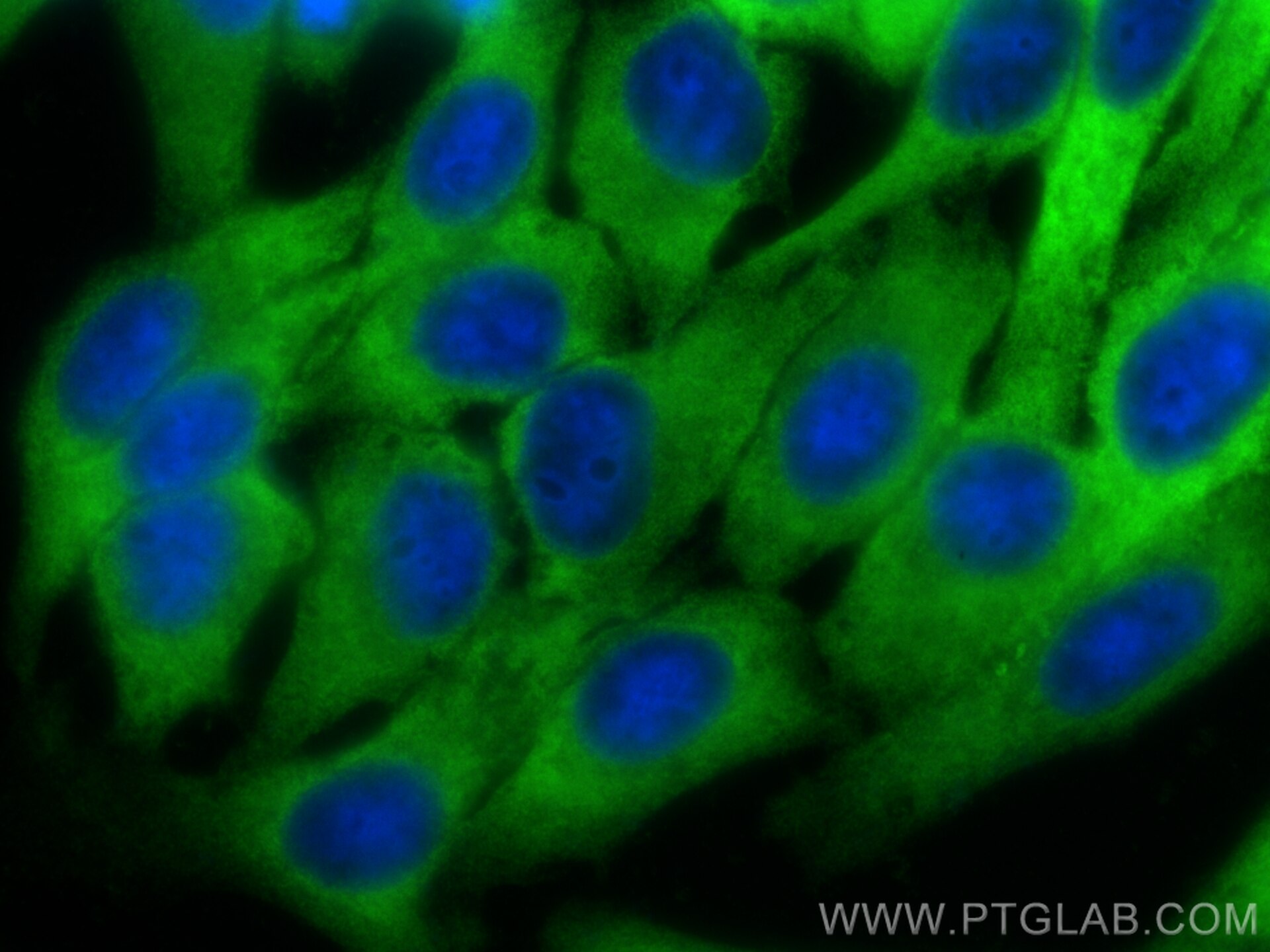
| Positive IF/ICC detected in | HepG2 cells |
Recommended dilution
| Application | Dilution |
|---|---|
| Western Blot (WB) | WB : 1:2000-1:12000 |
| Immunoprecipitation (IP) | IP : 0.5-4.0 ug for 1.0-3.0 mg of total protein lysate |
| Immunohistochemistry (IHC) | IHC : 1:50-1:500 |
| Immunofluorescence (IF)/ICC | IF/ICC : 1:200-1:800 |
| It is recommended that this reagent should be titrated in each testing system to obtain optimal results. | |
| Sample-dependent, Check data in validation data gallery. | |
Product Information
15214-1-AP targets GSTM3 in WB, IHC, IF/ICC, IP, CoIP, ELISA applications and shows reactivity with human, mouse, rat samples.
| Tested Reactivity | human, mouse, rat |
| Cited Reactivity | human, mouse, rat, bovine, sheep |
| Host / Isotype | Rabbit / IgG |
| Class | Polyclonal |
| Type | Antibody |
| Immunogen |
CatNo: Ag7375 Product name: Recombinant human GSTM3 protein Source: e coli.-derived, PGEX-4T Tag: GST Domain: 1-225 aa of BC000088 Sequence: MSCESSMVLGYWDIRGLAHAIRLLLEFTDTSYEEKRYTCGEAPDYDRSQWLDVKFKLDLDFPNLPYLLDGKNKITQSNAILRYIARKHNMCGETEEEKIRVDIIENQVMDFRTQLIRLCYSSDHEKLKPQYLEELPGQLKQFSMFLGKFSWFAGEKLTFVDFLTYDILDQNRIFDPKCLDEFPNLKAFMCRFEALEKIAAYLQSDQFCKMPINNKMAQWGNKPVC Predict reactive species |
| Full Name | glutathione S-transferase mu 3 (brain) |
| Calculated Molecular Weight | 27 kDa |
| Observed Molecular Weight | 27-29 kDa |
| GenBank Accession Number | BC000088 |
| Gene Symbol | GSTM3 |
| Gene ID (NCBI) | 2947 |
| RRID | AB_2116070 |
| Conjugate | Unconjugated |
| Form | Liquid |
| Purification Method | Antigen affinity purification |
| UNIPROT ID | P21266 |
| Storage Buffer | PBS with 0.02% sodium azide and 50% glycerol, pH 7.3. |
| Storage Conditions | Store at -20°C. Stable for one year after shipment. Aliquoting is unnecessary for -20oC storage. 20ul sizes contain 0.1% BSA. |
Background Information
GSTM3 is a cytosolic enzyme involved in prostaglandin and leukotriene synthesis and in the metabolization of toxic compounds, such as chemotherapeutic drugs, insecticides, herbicides, carcinogens, and by-products of oxidative stress. GSTM3 is expressed in testis, brain, lung, and lymphocytes. GSTM3 have been reported to be dysregulated in cancers like prostate cancer and colon cancer.
Protocols
| Product Specific Protocols | |
|---|---|
| IF protocol for GSTM3 antibody 15214-1-AP | Download protocol |
| IHC protocol for GSTM3 antibody 15214-1-AP | Download protocol |
| IP protocol for GSTM3 antibody 15214-1-AP | Download protocol |
| WB protocol for GSTM3 antibody 15214-1-AP | Download protocol |
| Standard Protocols | |
|---|---|
| Click here to view our Standard Protocols |
Publications
What published studies show
The GSTM3 Polyclonal antibody (Cat# 15214-1-AP) has 28 citations across journals including Cell Metabolism, Molecular Cell, Nature Chemical Biology, Advanced Science, Cancer Letters, Molecular Therapy, British Journal of Cancer, and Scientific Reports. Research fields span lipid metabolism, ferroptosis, cancer biology (gastric, lung, renal, pancreatic, breast, glioblastoma), hepatotoxicity, oxidative stress, DNA mismatch repair, environmental toxicology, reproductive biology, and radiation biology. Applications are predominantly Western blot and IHC.
| Species | Application | Title |
|---|---|---|
Cell Metab TMEM41B acts as an ER scramblase required for lipoprotein biogenesis and lipid homeostasis. | ||
Mol Cell SMURF2 predisposes cancer cell toward ferroptosis in GPX4-independent manners by promoting GSTP1 degradation | ||
Adv Sci (Weinh) Spatial Transcriptomic Study Reveals Heterogeneous Metabolic Adaptation and a Role of Pericentral PPARα/CAR/Ces2a Axis During Fasting in Mouse Liver | ||
Cell Death Dis Akt kinase LANCL2 functions as a key driver in EGFR-mutant lung adenocarcinoma tumorigenesis. | ||
Cancer Lett GSTM3 deficiency impedes DNA mismatch repair to promote gastric tumorigenesis via CAND1/NRF2-KEAP1 signaling.
|

