

Tested Applications
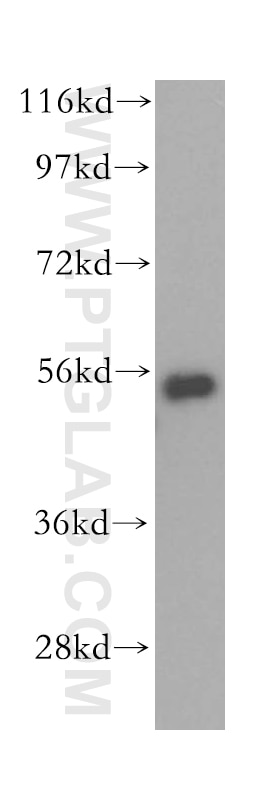
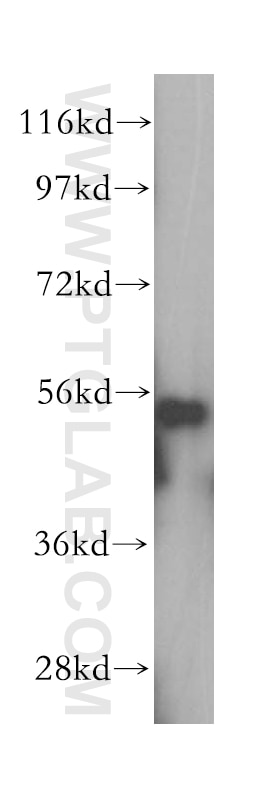
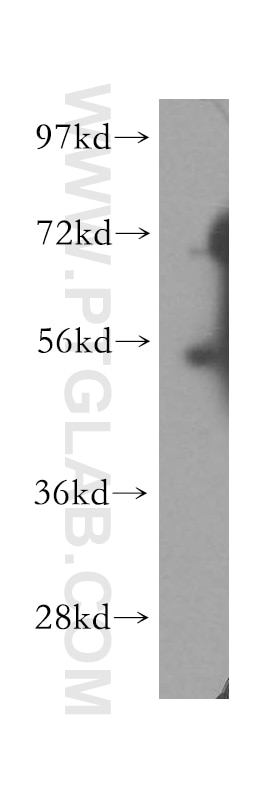
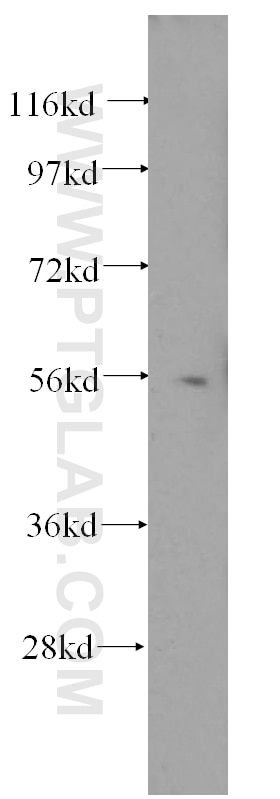
| Positive WB detected in | HepG2 cells, A431 cells, HeLa cells, human liver tissue |
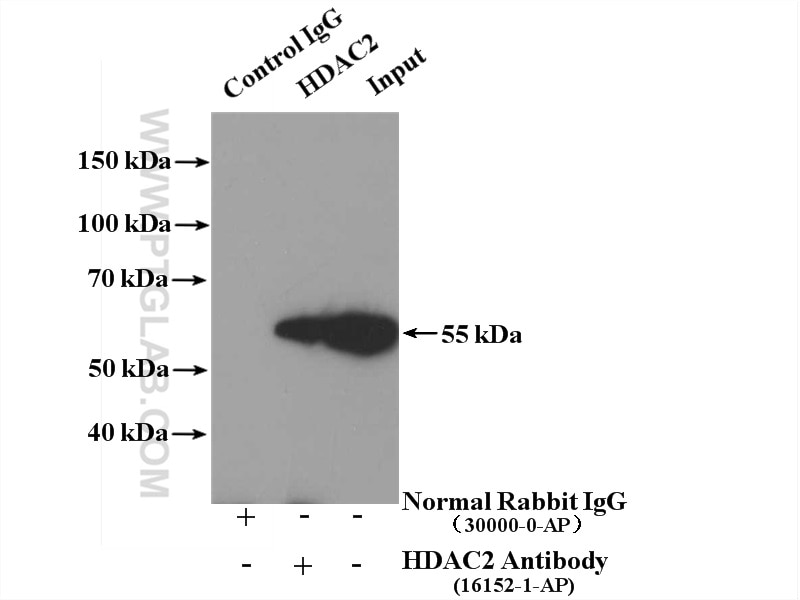
| Positive IP detected in | A431 cells |
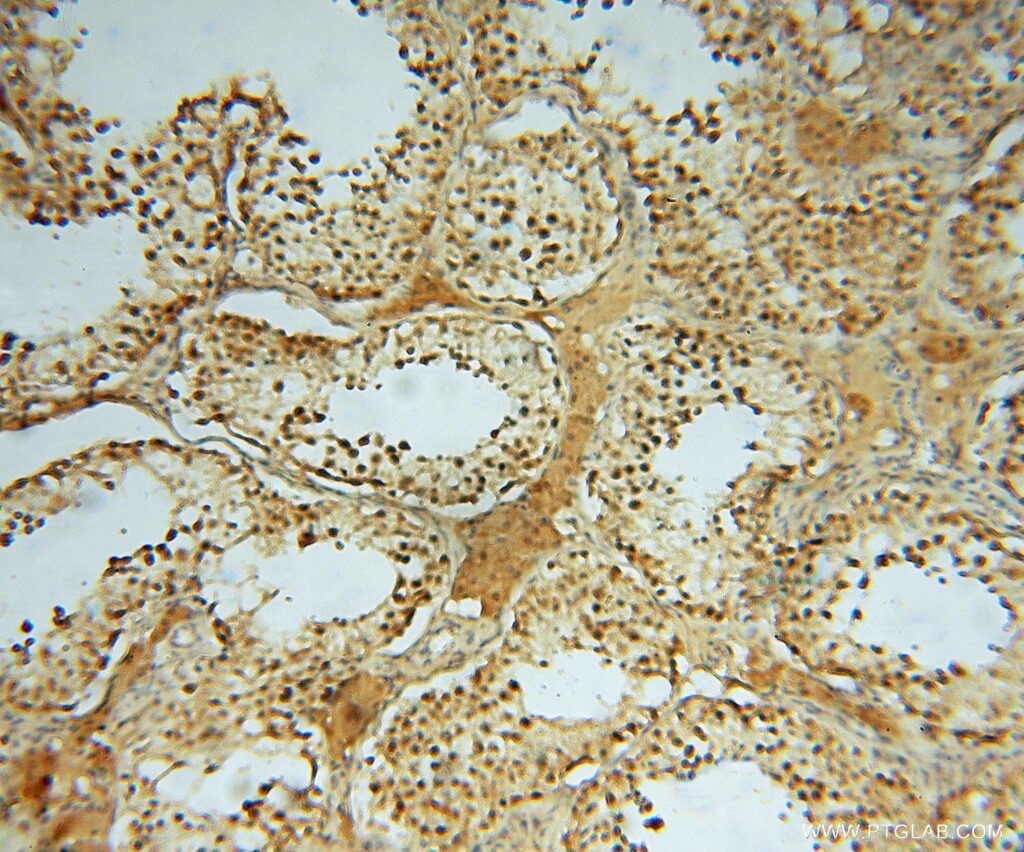
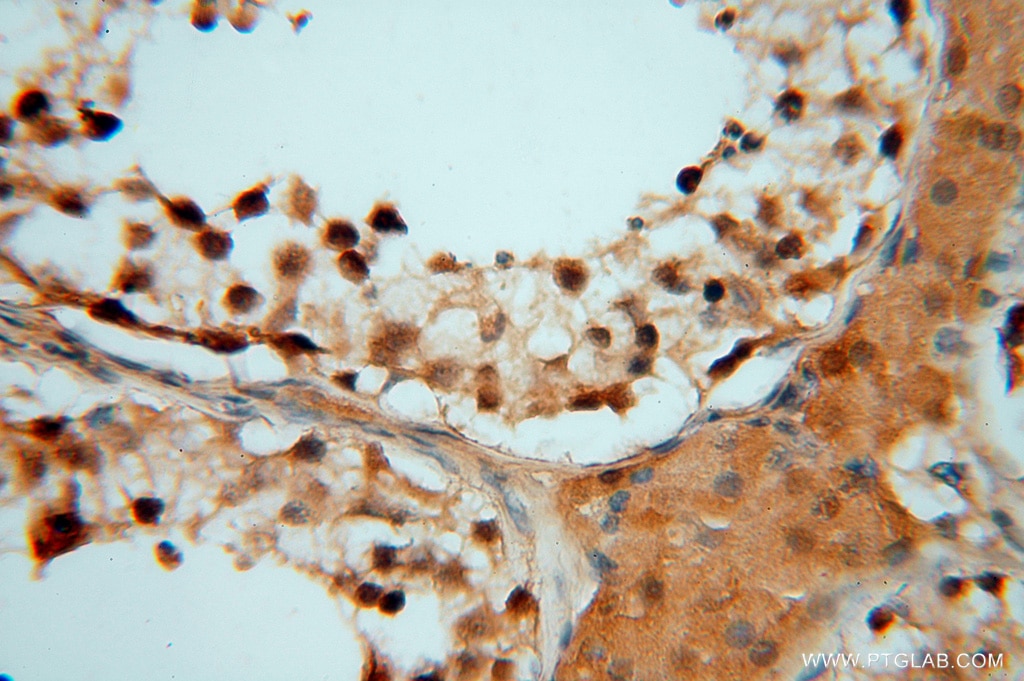
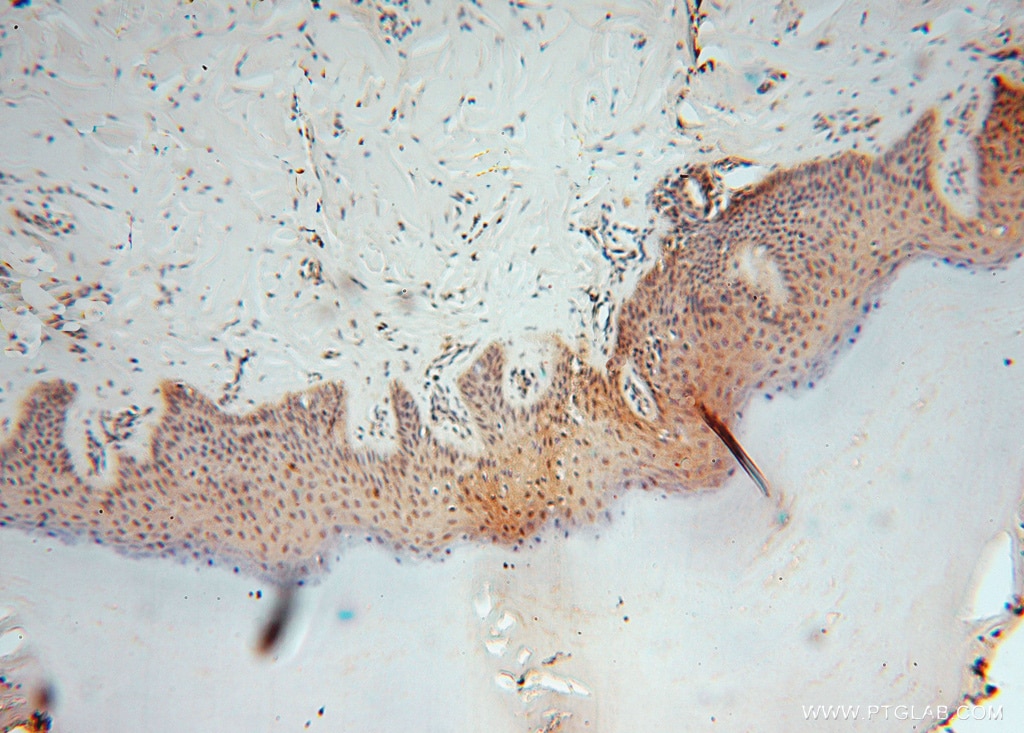
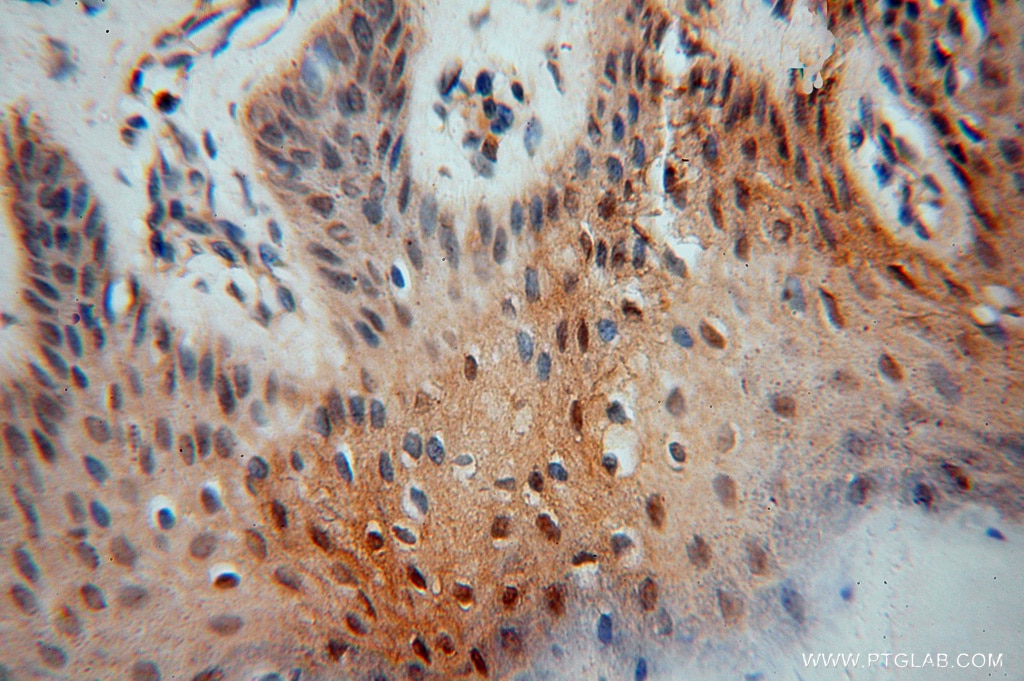
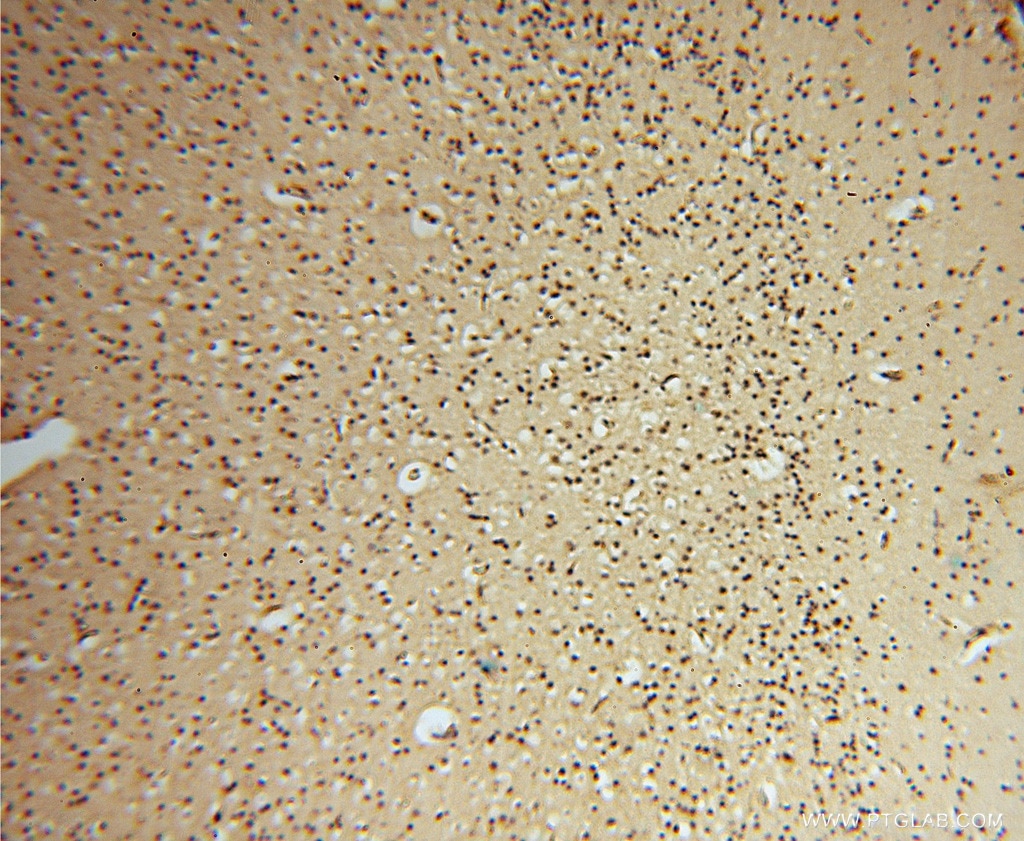
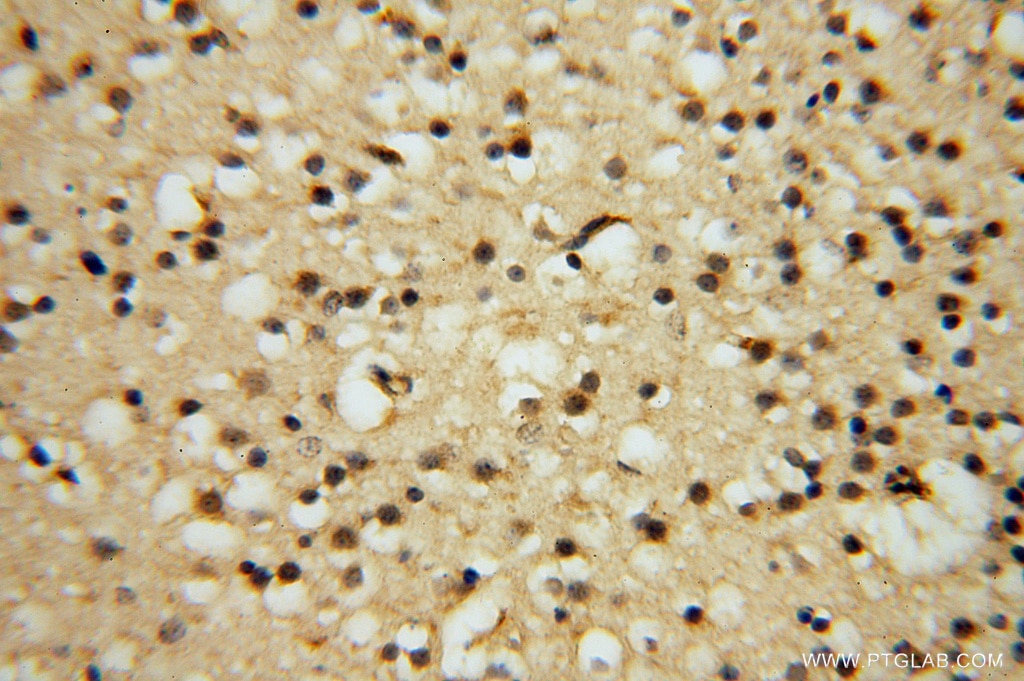
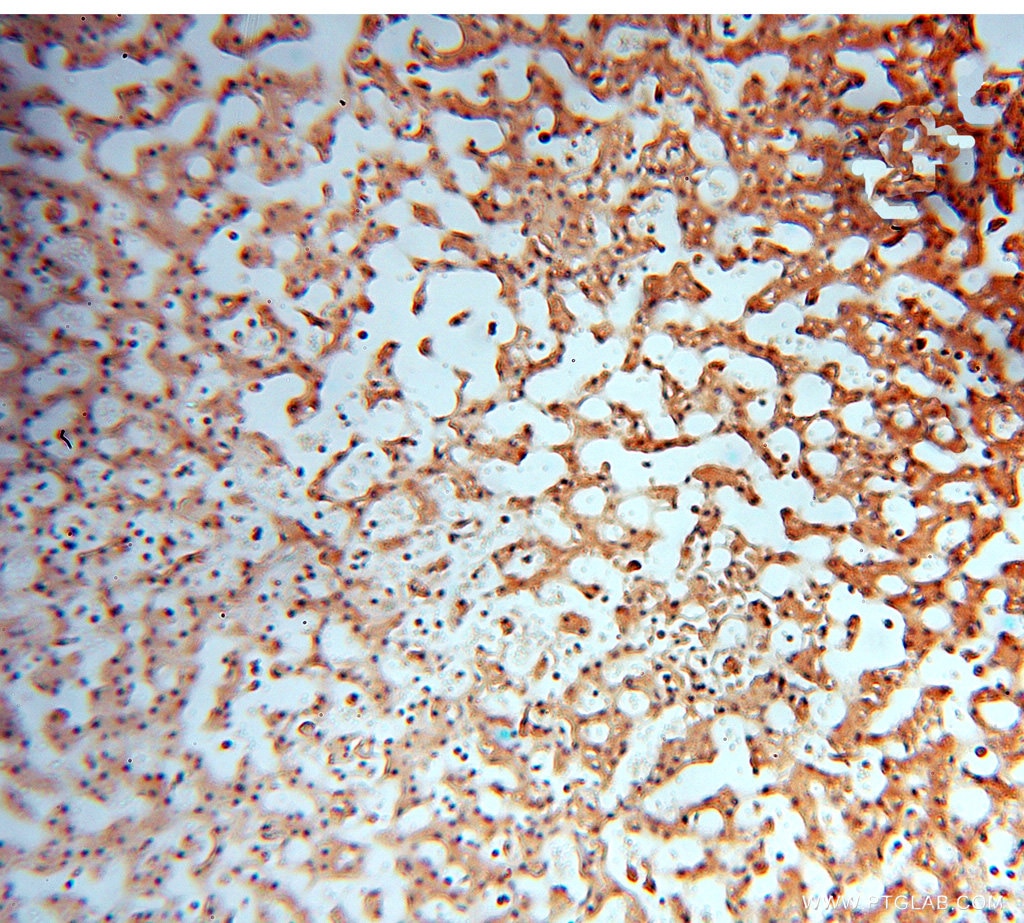
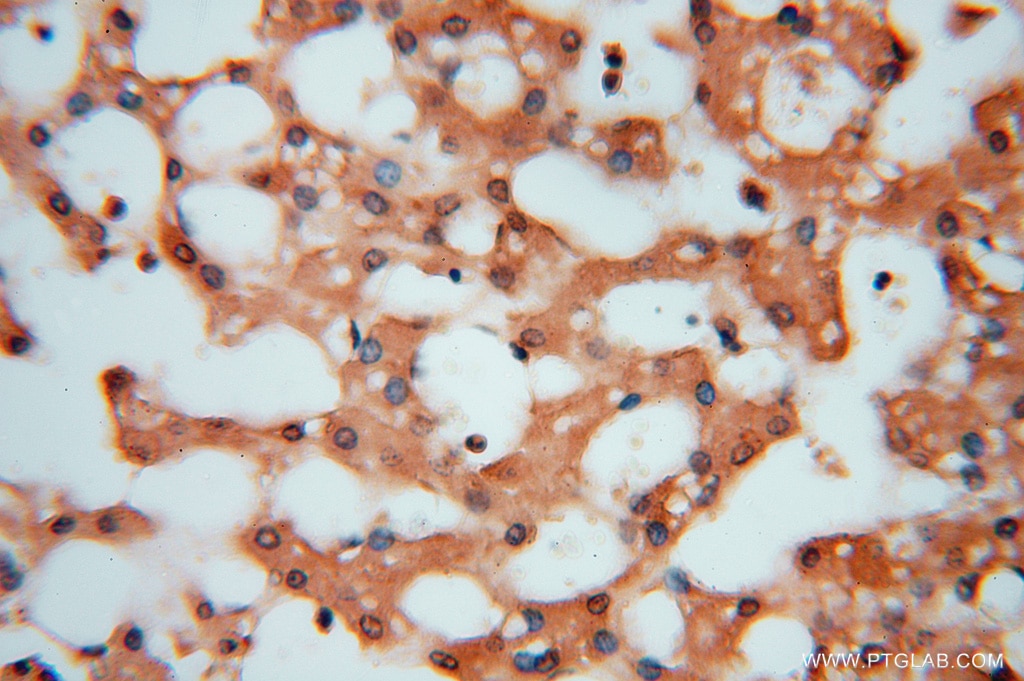
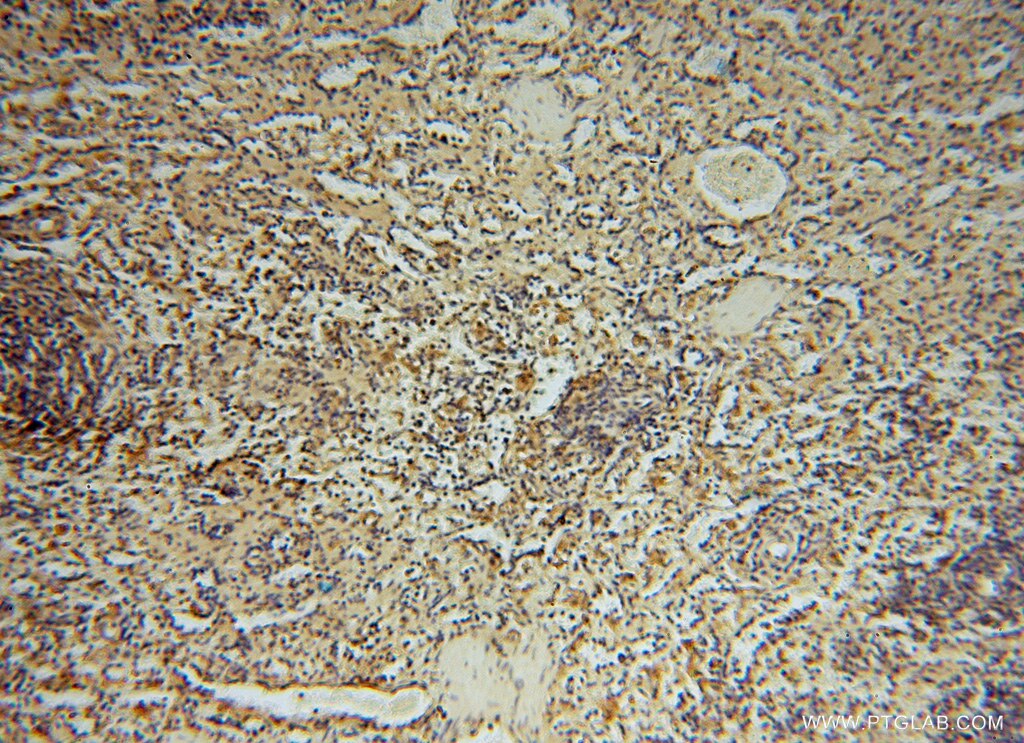
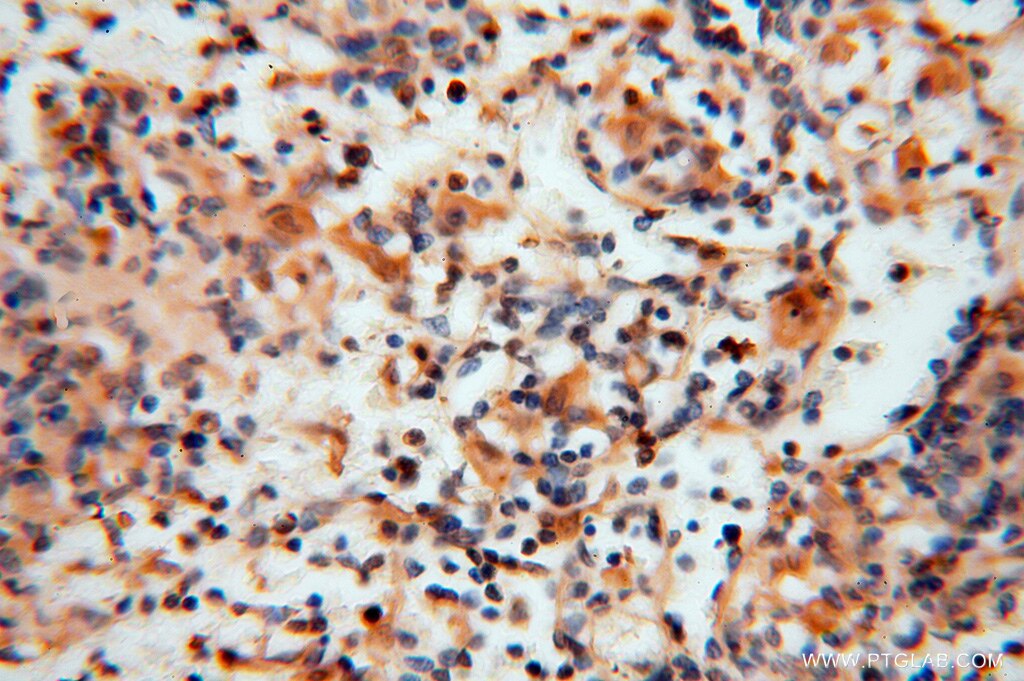
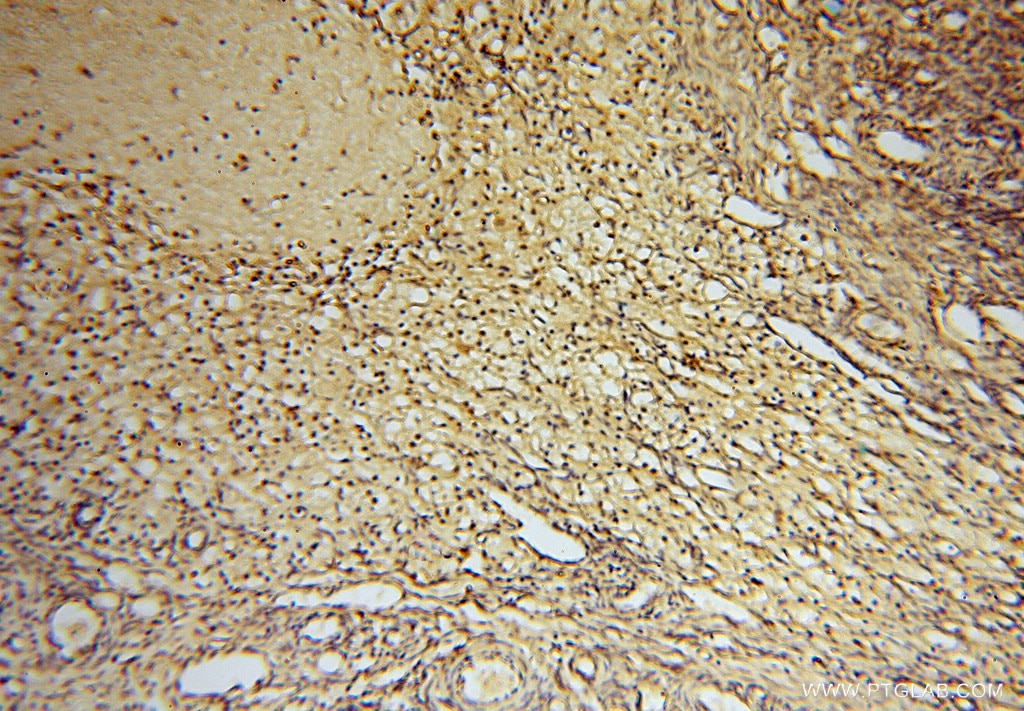
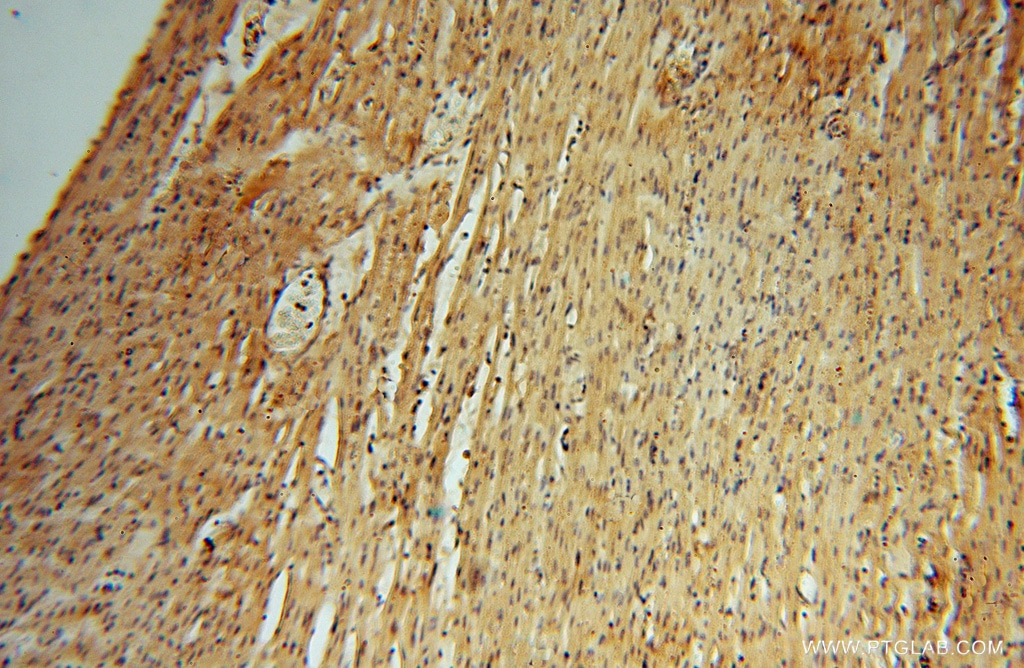
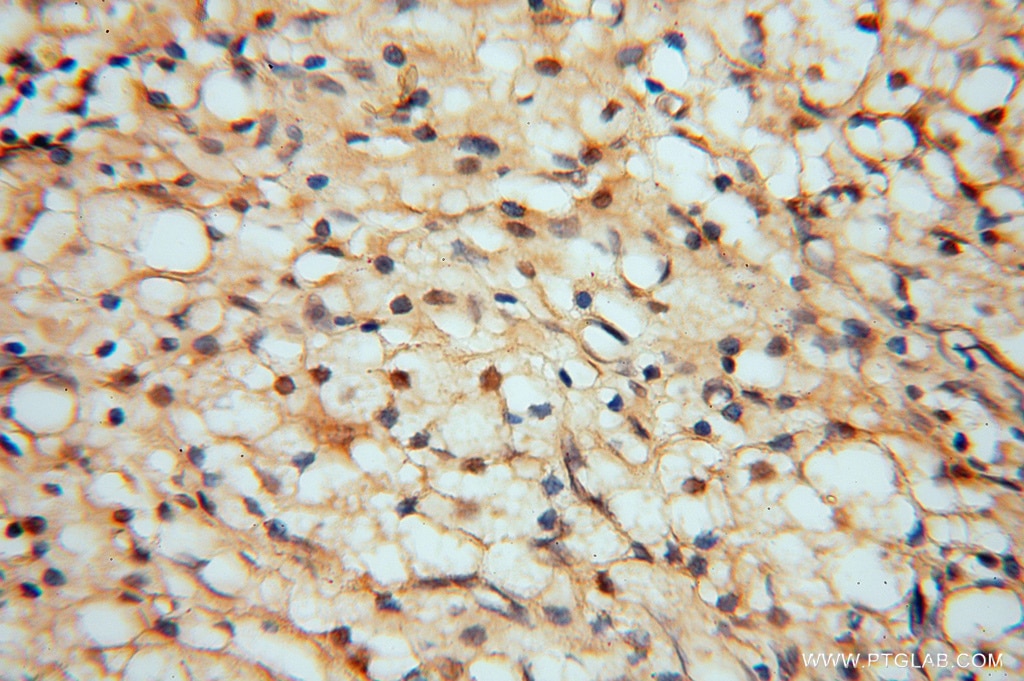
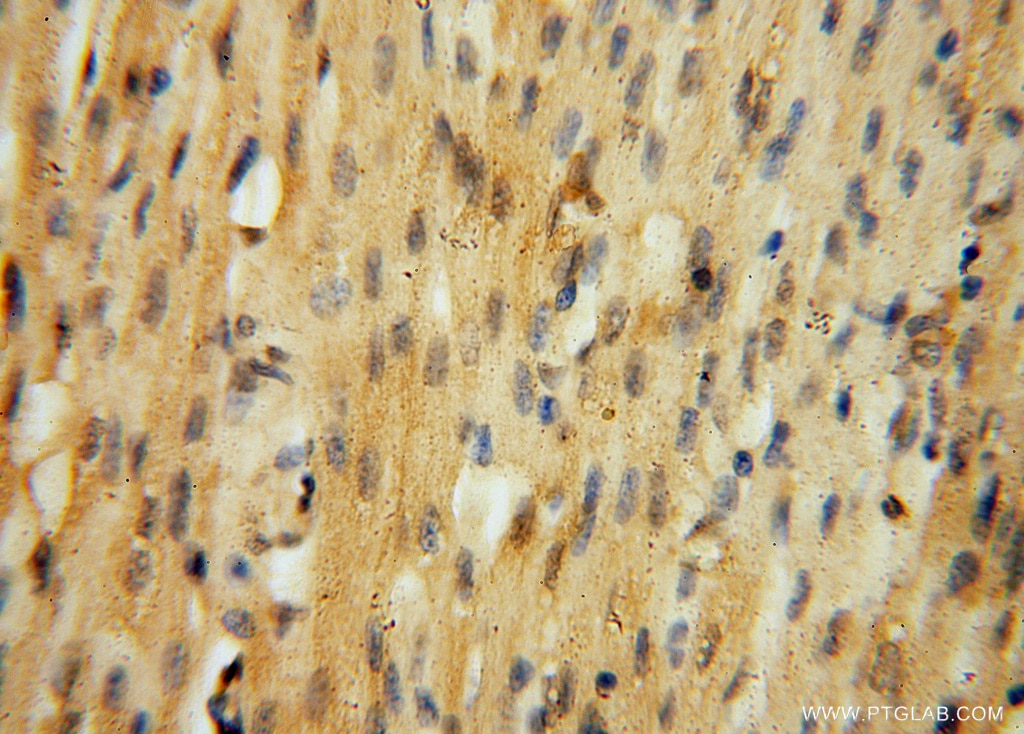
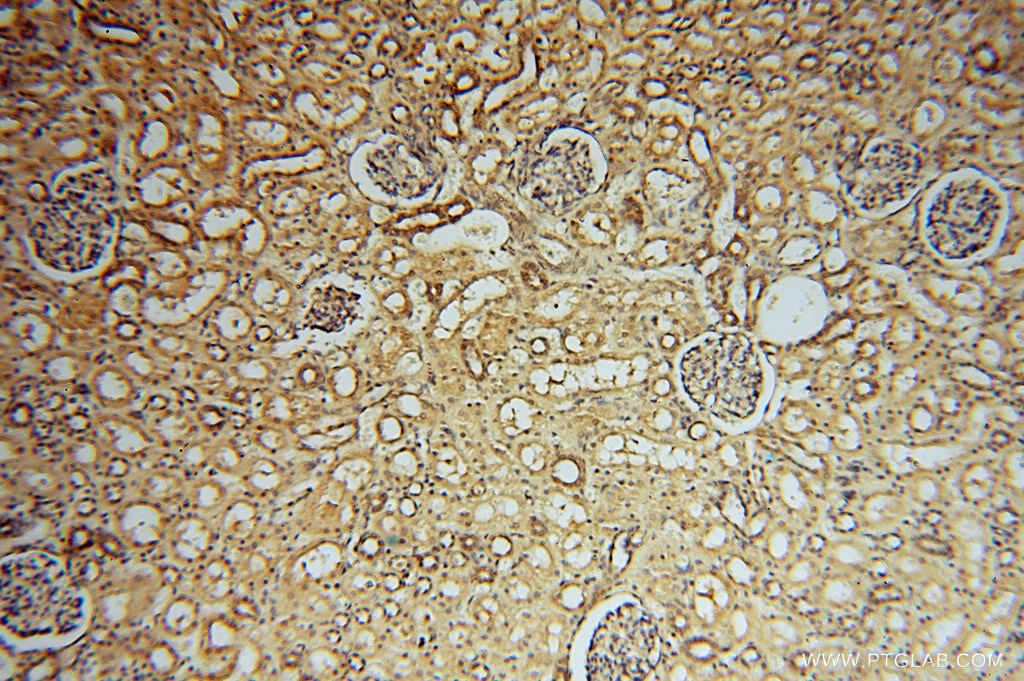
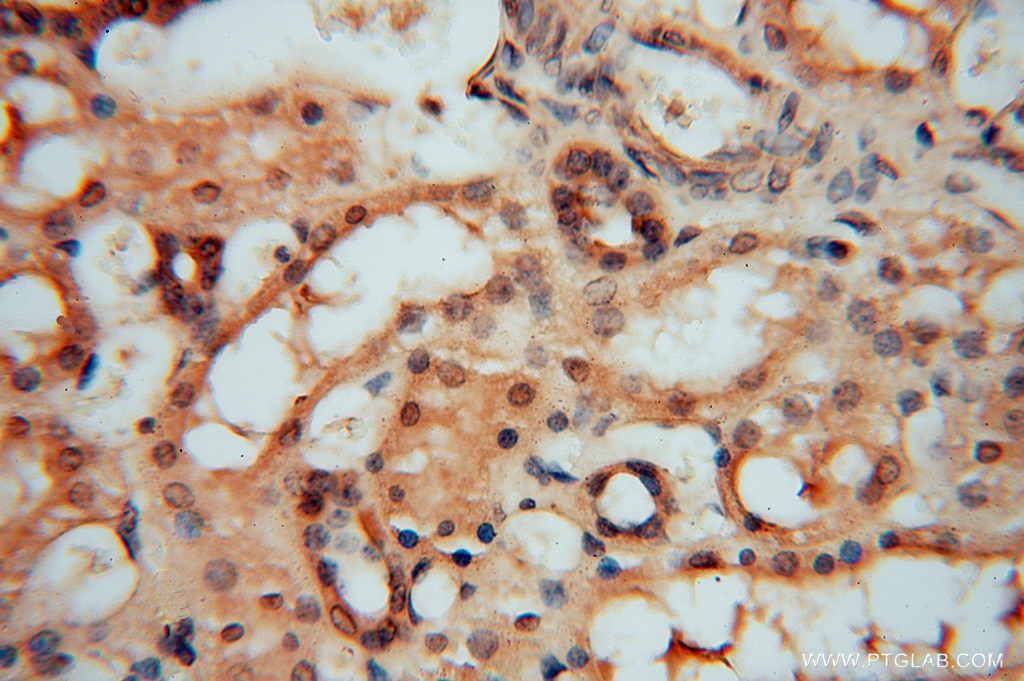
| Positive IHC detected in | human testis tissue, human brain tissue, human heart tissue, human kidney tissue, human liver tissue, human ovary tissue, human skin tissue, human spleen tissue Note: suggested antigen retrieval with TE buffer pH 9.0; (*) Alternatively, antigen retrieval may be performed with citrate buffer pH 6.0 |
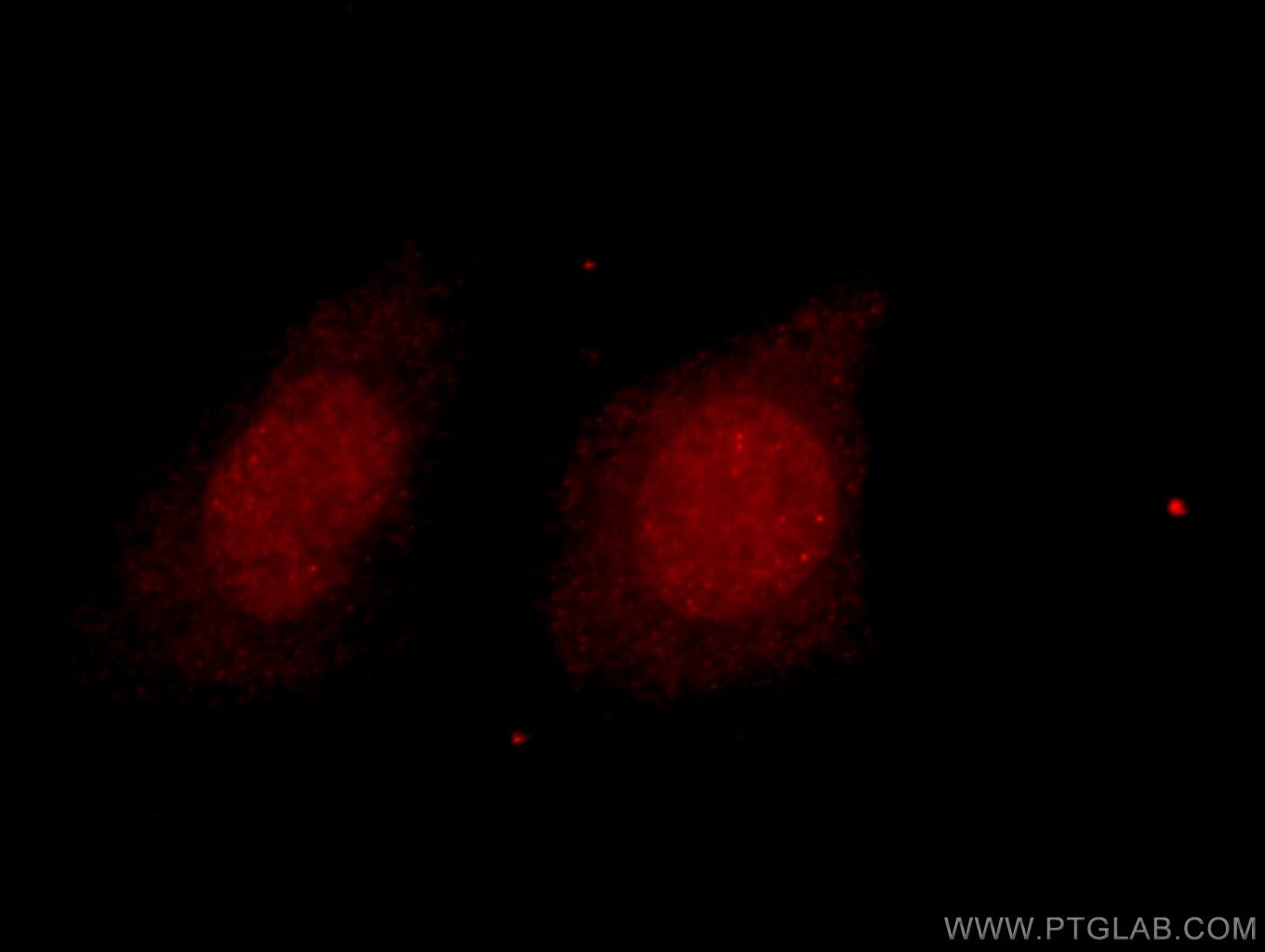
| Positive IF/ICC detected in | HeLa cells |
Recommended dilution
| Application | Dilution |
|---|---|
| Western Blot (WB) | WB : 1:500-1:2000 |
| Immunoprecipitation (IP) | IP : 0.5-4.0 ug for 1.0-3.0 mg of total protein lysate |
| Immunohistochemistry (IHC) | IHC : 1:20-1:200 |
| Immunofluorescence (IF)/ICC | IF/ICC : 1:10-1:100 |
| It is recommended that this reagent should be titrated in each testing system to obtain optimal results. | |
| Sample-dependent, Check data in validation data gallery. | |
Product Information
16152-1-AP targets HDAC2-specific in WB, IHC, IF/ICC, IP, ChIP, ELISA applications and shows reactivity with human samples.
| Tested Reactivity | human |
| Cited Reactivity | human |
| Host / Isotype | Rabbit / IgG |
| Class | Polyclonal |
| Type | Antibody |
| Immunogen |
Peptide Predict reactive species |
| Full Name | histone deacetylase 2 |
| Calculated Molecular Weight | 458 aa, 52 kDa; 488 aa, 55 kDa |
| Observed Molecular Weight | 55 kDa |
| GenBank Accession Number | NM_001527 |
| Gene Symbol | HDAC2 |
| Gene ID (NCBI) | 3066 |
| RRID | AB_2118514 |
| Conjugate | Unconjugated |
| Form | Liquid |
| Purification Method | Antigen affinity purification |
| UNIPROT ID | Q92769 |
| Storage Buffer | PBS with 0.02% sodium azide and 50% glycerol, pH 7.3. |
| Storage Conditions | Store at -20°C. Stable for one year after shipment. Aliquoting is unnecessary for -20oC storage. 20ul sizes contain 0.1% BSA. |
Background Information
Histone deacetylases(HDAC) are a class of enzymes that remove the acetyl groups from the lysine residues leading to the formation of a condensed and transcriptionally silenced chromatin.Histone deacetylases act via the formation of large multiprotein complexes, and are responsible for the deacetylation of lysine residues at the N-terminal regions of core histones (H2A, H2B, H3 and H4). At least 4 classes of HDAC were identified. As a class I HDAC, HDAC2 was primarily found in the nucleus. HDAC2 forms transcriptional repressor complexes by associating with many different proteins, including YY1, a mammalian zinc-finger transcription factor. Thus, it plays an important role in transcriptional regulation, cell cycle progression and developmental events. This antibody is a rabbit polyclonal antibody raised against a peptide mapping within human HDAC2 and is specific to HDAC2. It will not cross react with other HDACs.
Protocols
| Product Specific Protocols | |
|---|---|
| WB protocol for HDAC2-specific antibody 16152-1-AP | Download protocol |
| IF protocol for HDAC2-specific antibody 16152-1-AP | Download protocol |
| IHC protocol for HDAC2-specific antibody 16152-1-AP | Download protocol |
| IP protocol for HDAC2-specific antibody 16152-1-AP | Download protocol |
| Standard Protocols | |
|---|---|
| Click here to view our Standard Protocols |
Publications
What published studies show
The HDAC2-specific Polyclonal antibody (catalog #16152-1-AP) has 5 total citations. These appear in Molecular Cell, Human Reproduction, Chemosphere, Translational Oncology, and Leukemia Research. The associated research fields span chromatin biology and gene transcriptional regulation, reproductive biology (sperm protein modification), environmental neurotoxicity (lead/cadmium exposure), oncology (medulloblastoma progression), and hematologic malignancy (Ph+ leukemia). Applications include WB, IHC, ChIP, and IF, all in human samples.
| Species | Application | Title |
|---|---|---|
Mol Cell Histone H3 lysine 27 crotonylation mediates gene transcriptional repression in chromatin | ||
Hum Reprod Posttranslational lysine 2-hydroxyisobutyrylation of human sperm tail proteins affects motility. | ||
Chemosphere Combined exposure of lead and cadmium leads to the aggravated neurotoxicity through regulating the expression of histone deacetylase 2. | ||
Transl Oncol HDAC2 promotes malignant progression by the RBM47/NONO axis in medulloblastoma.
| ||
Leuk Res High-expressing cystic fibrosis transmembrane conductance regulator interacts with histone deacetylase 2 to promote the development of Ph+ leukemia through the HDAC2-mediated PTEN pathway. |

