

Tested Applications
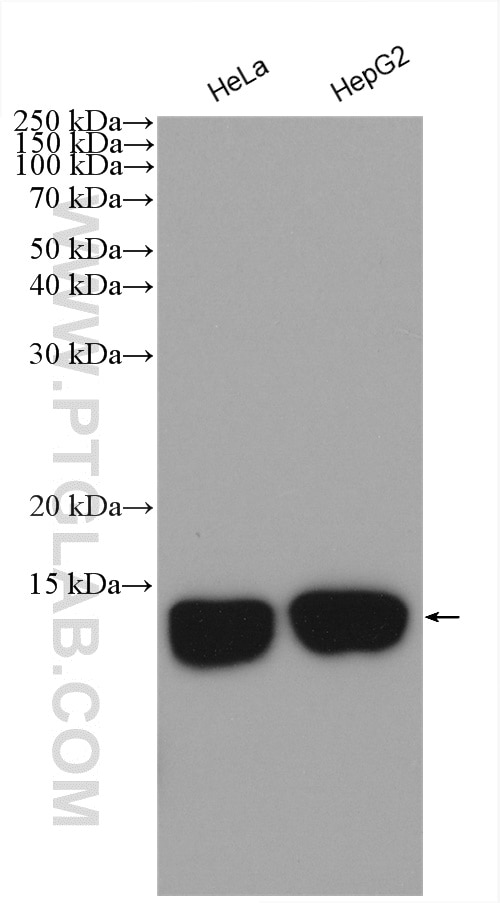
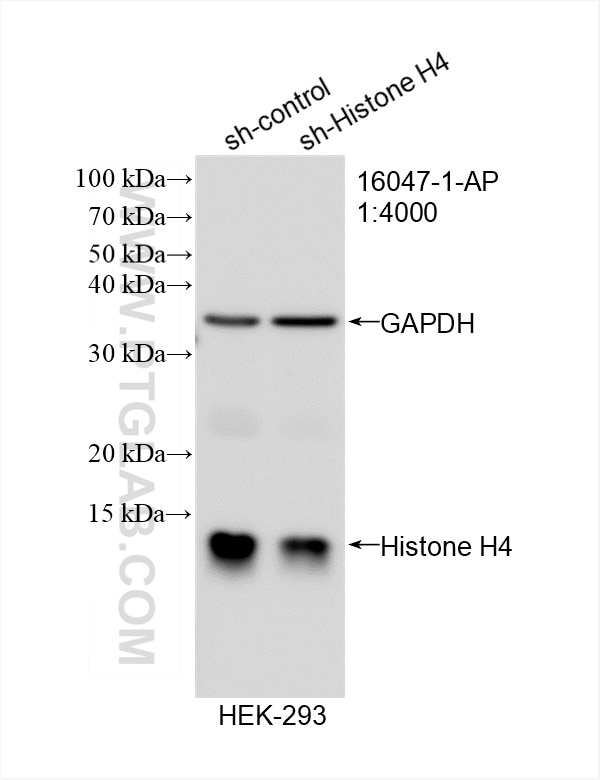
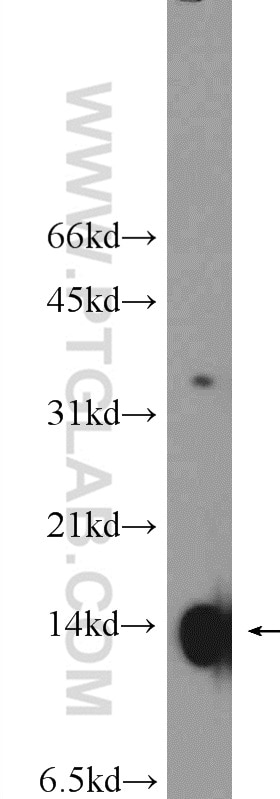
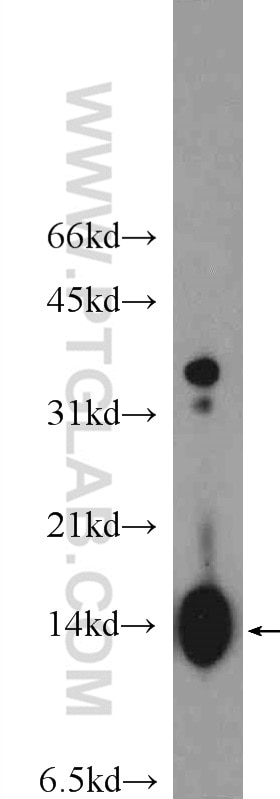
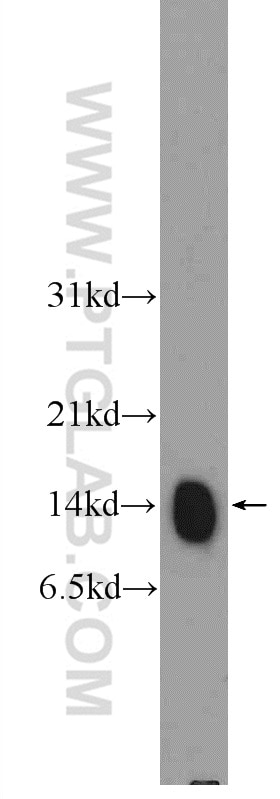
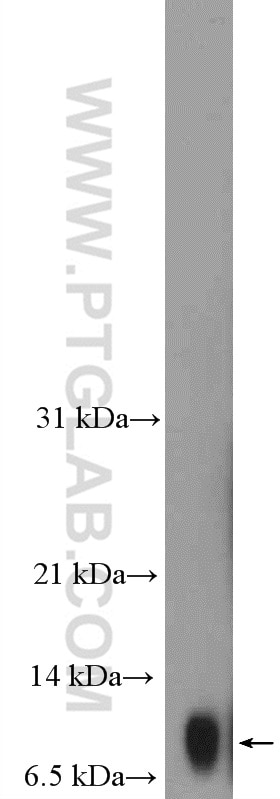
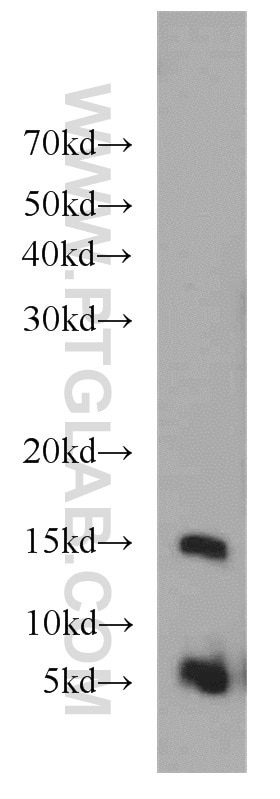
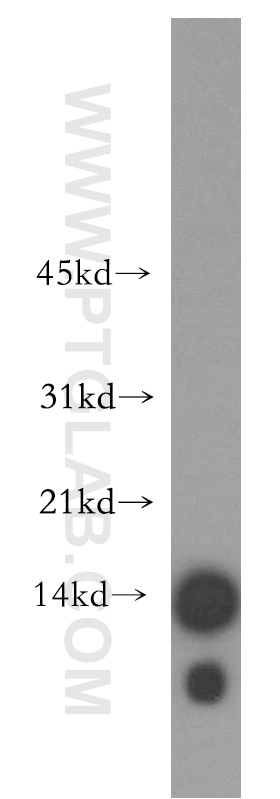
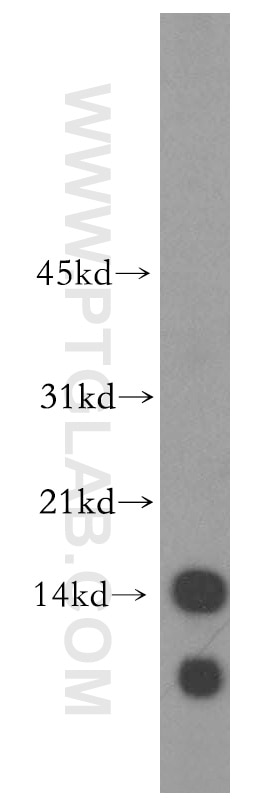
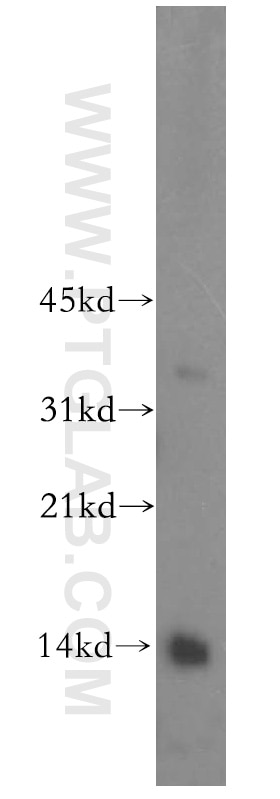
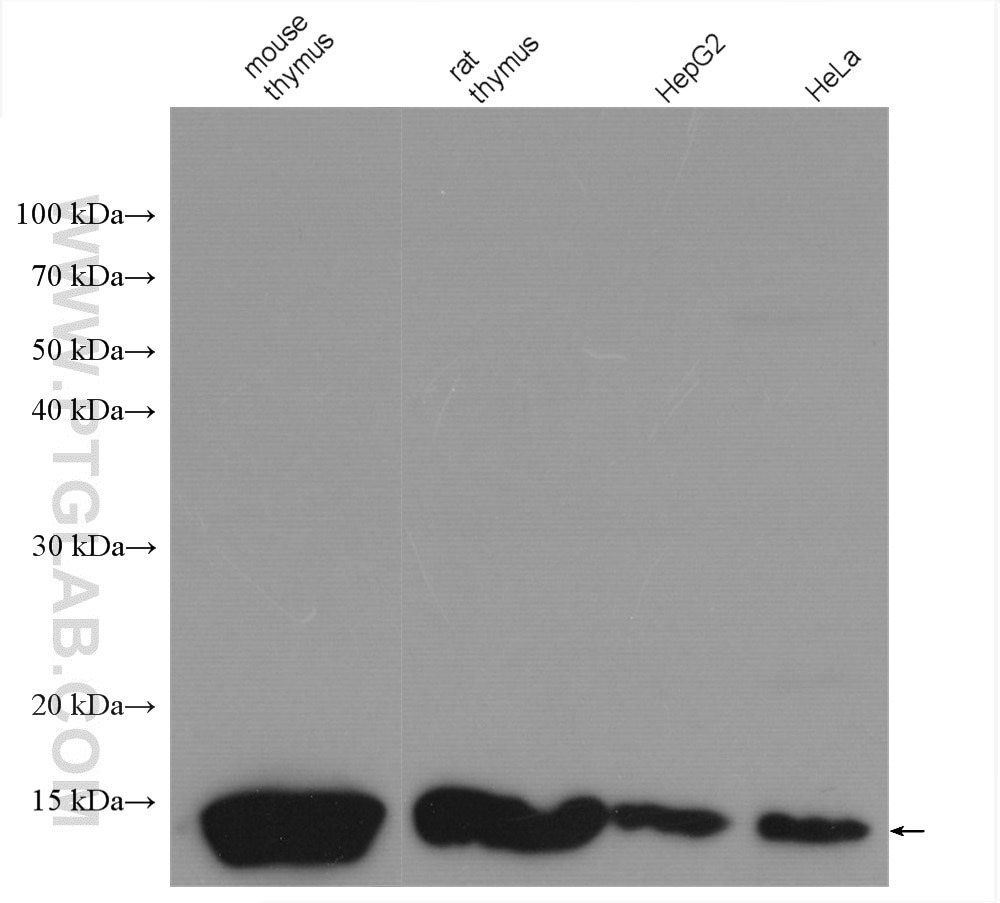
| Positive WB detected in | HeLa cells, HEK-293 cells, HepG2 cells, HT-1080 cells, MCF-7 cells, mouse kidney tissue, mouse thymus tissue, rat thymus tissue |
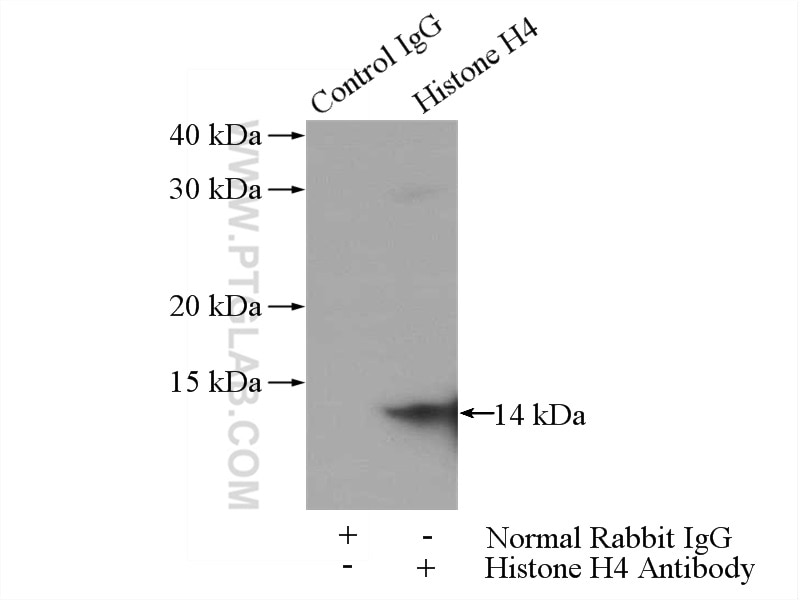
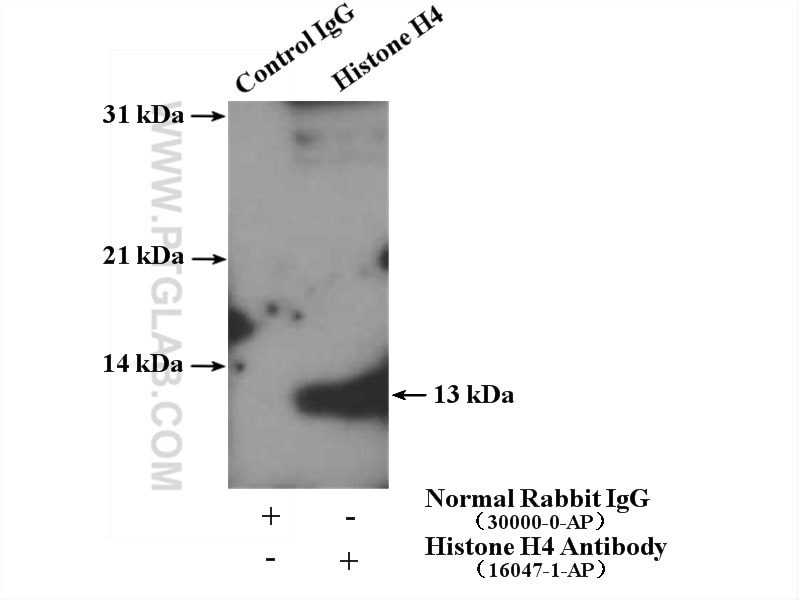
| Positive IP detected in | HeLa cells |
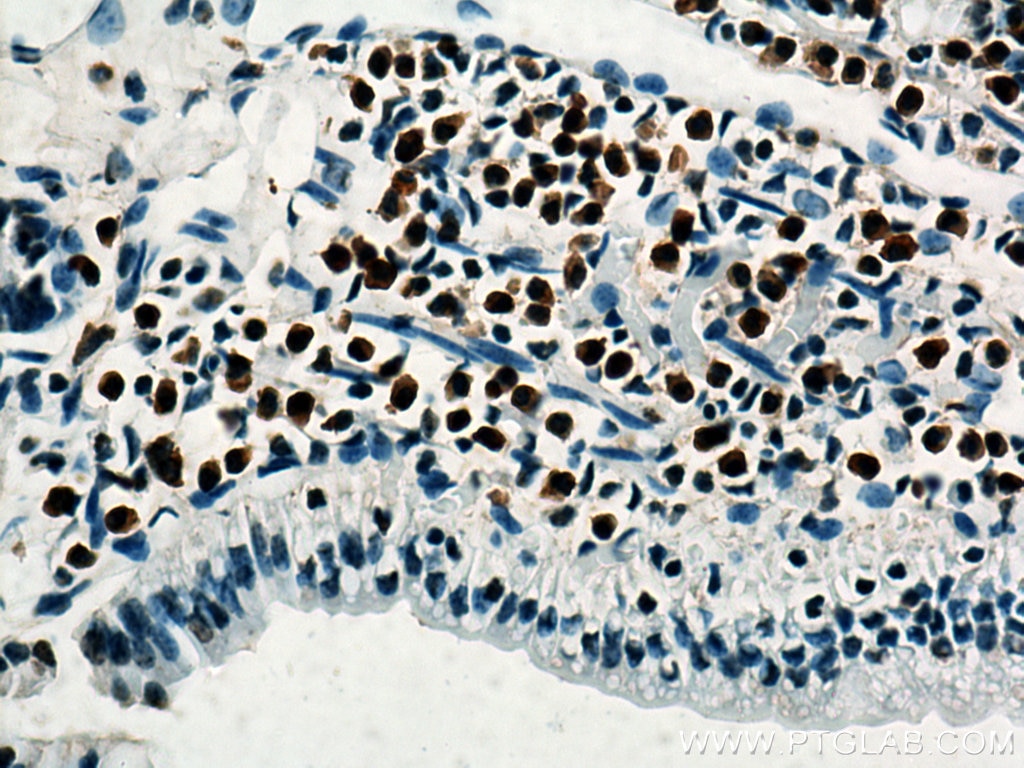
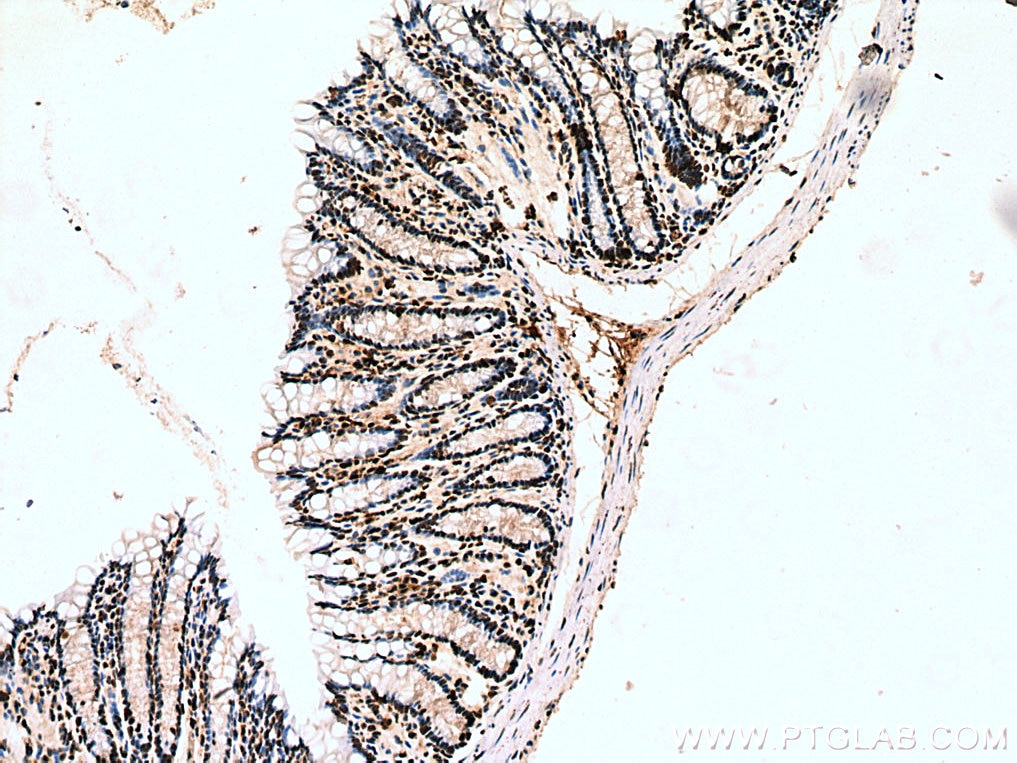
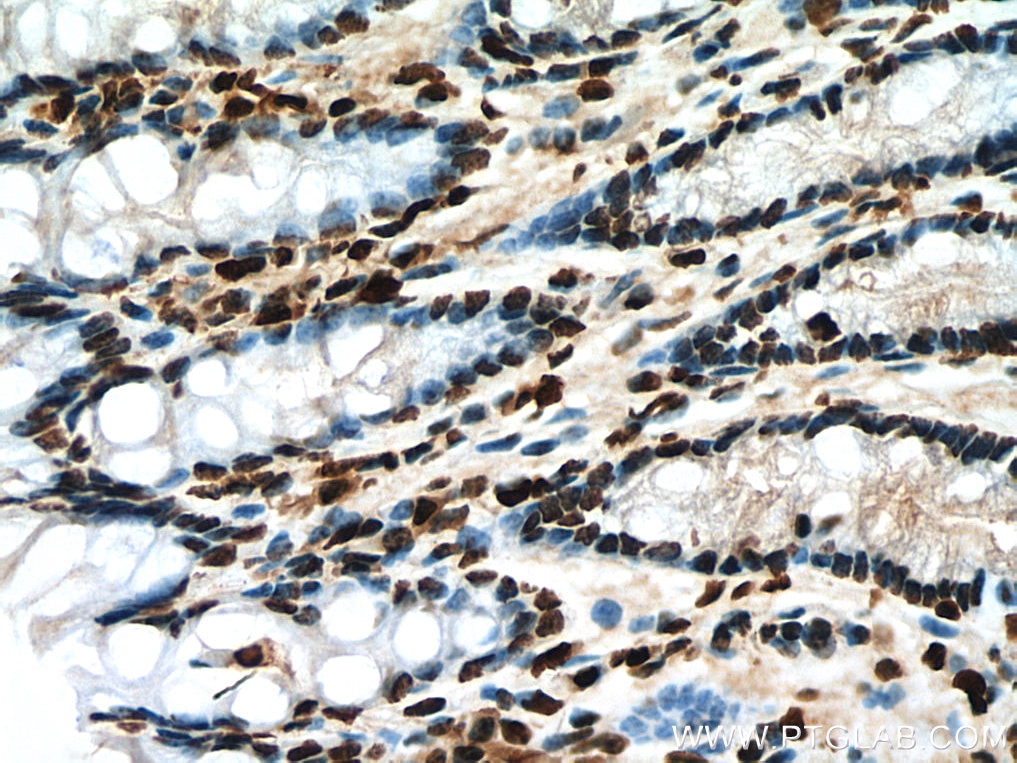
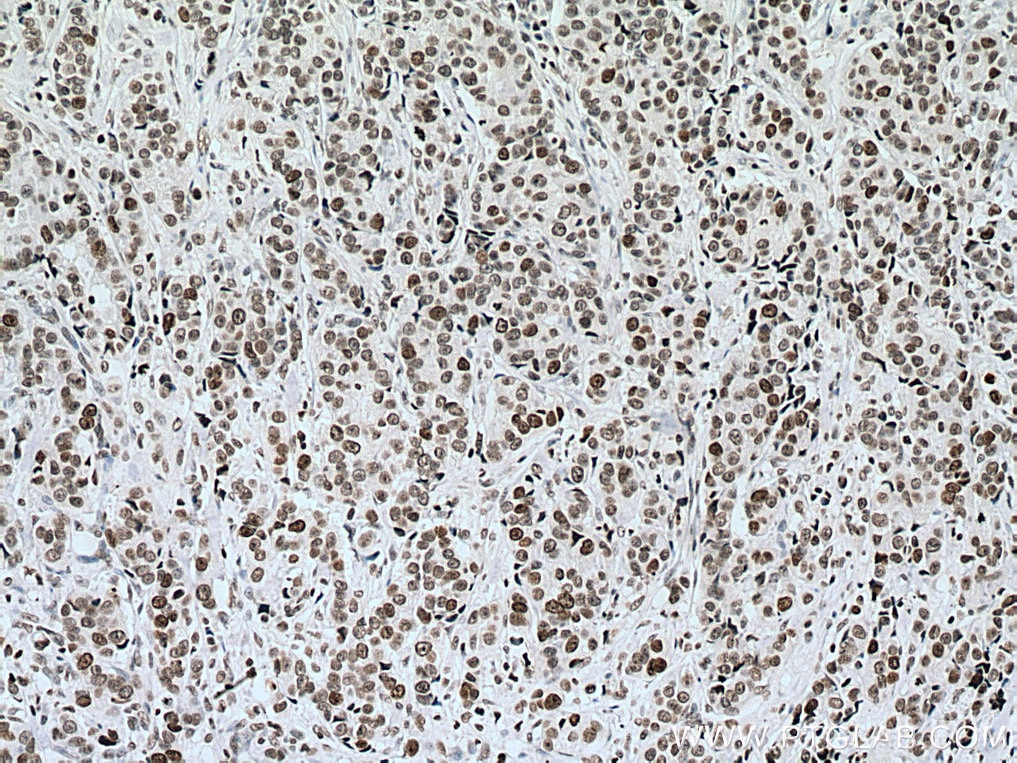
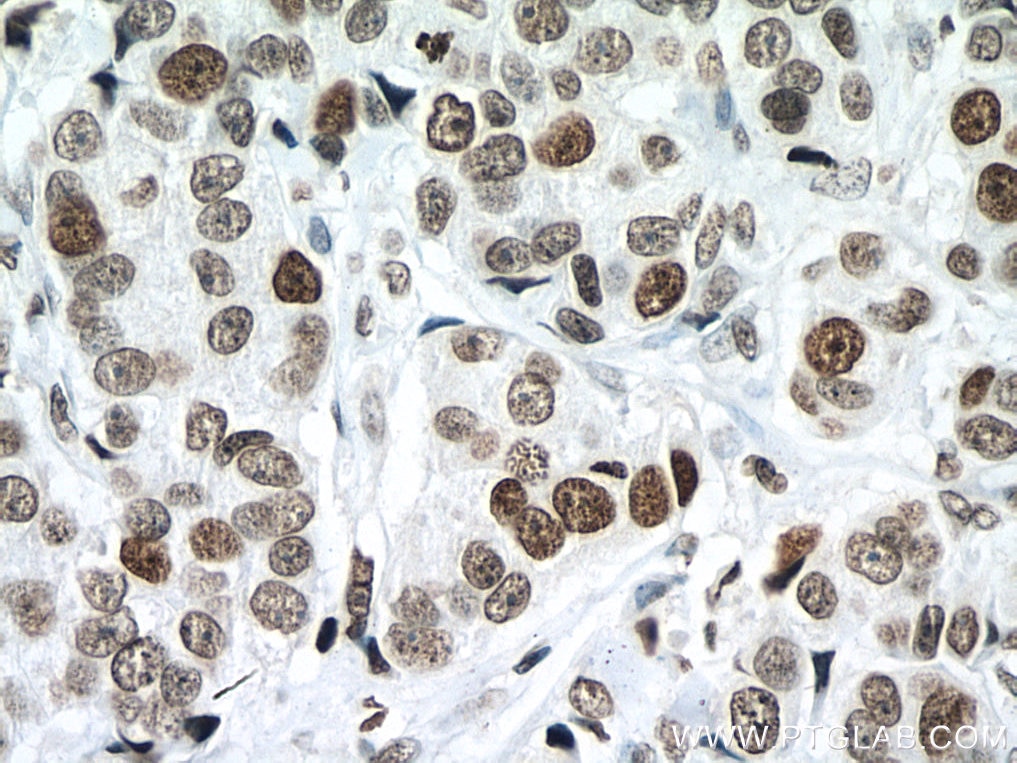
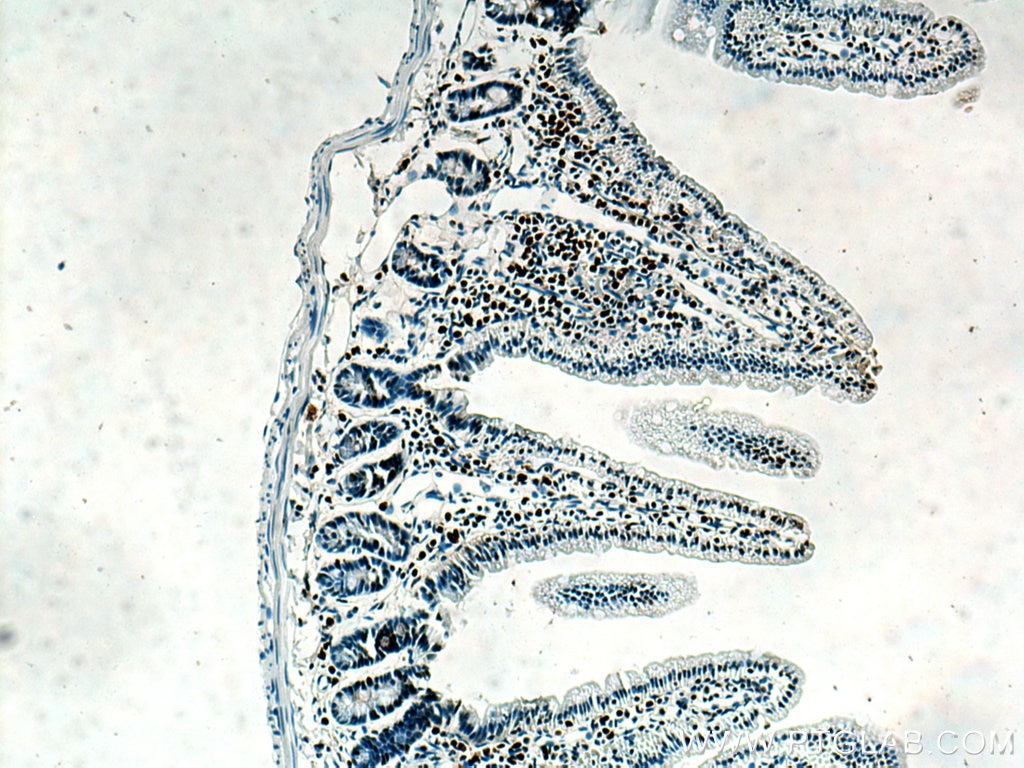
| Positive IHC detected in | mouse small intestine tissue, mouse colon tissue, human breast cancer tissue Note: suggested antigen retrieval with TE buffer pH 9.0; (*) Alternatively, antigen retrieval may be performed with citrate buffer pH 6.0 |
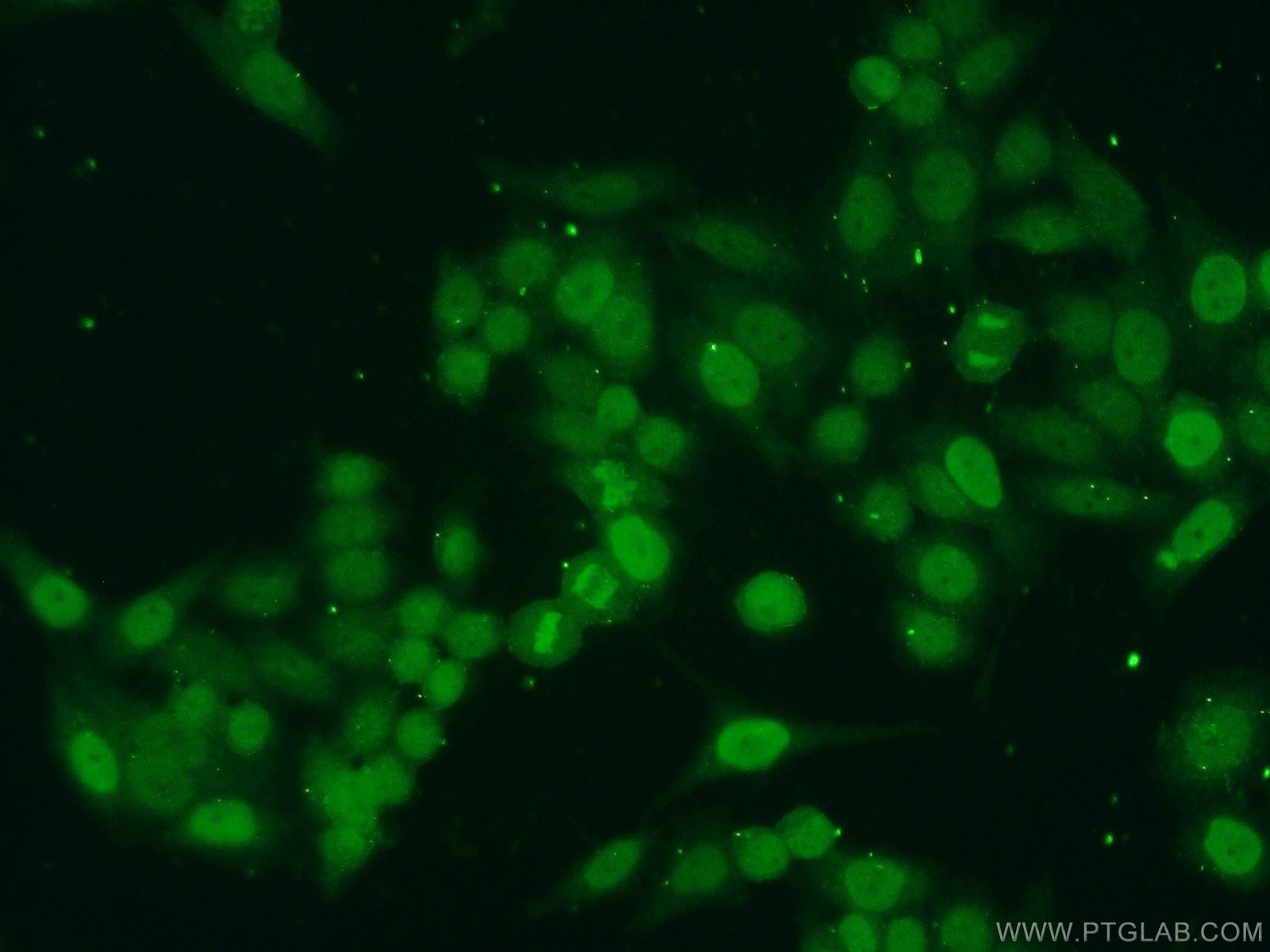
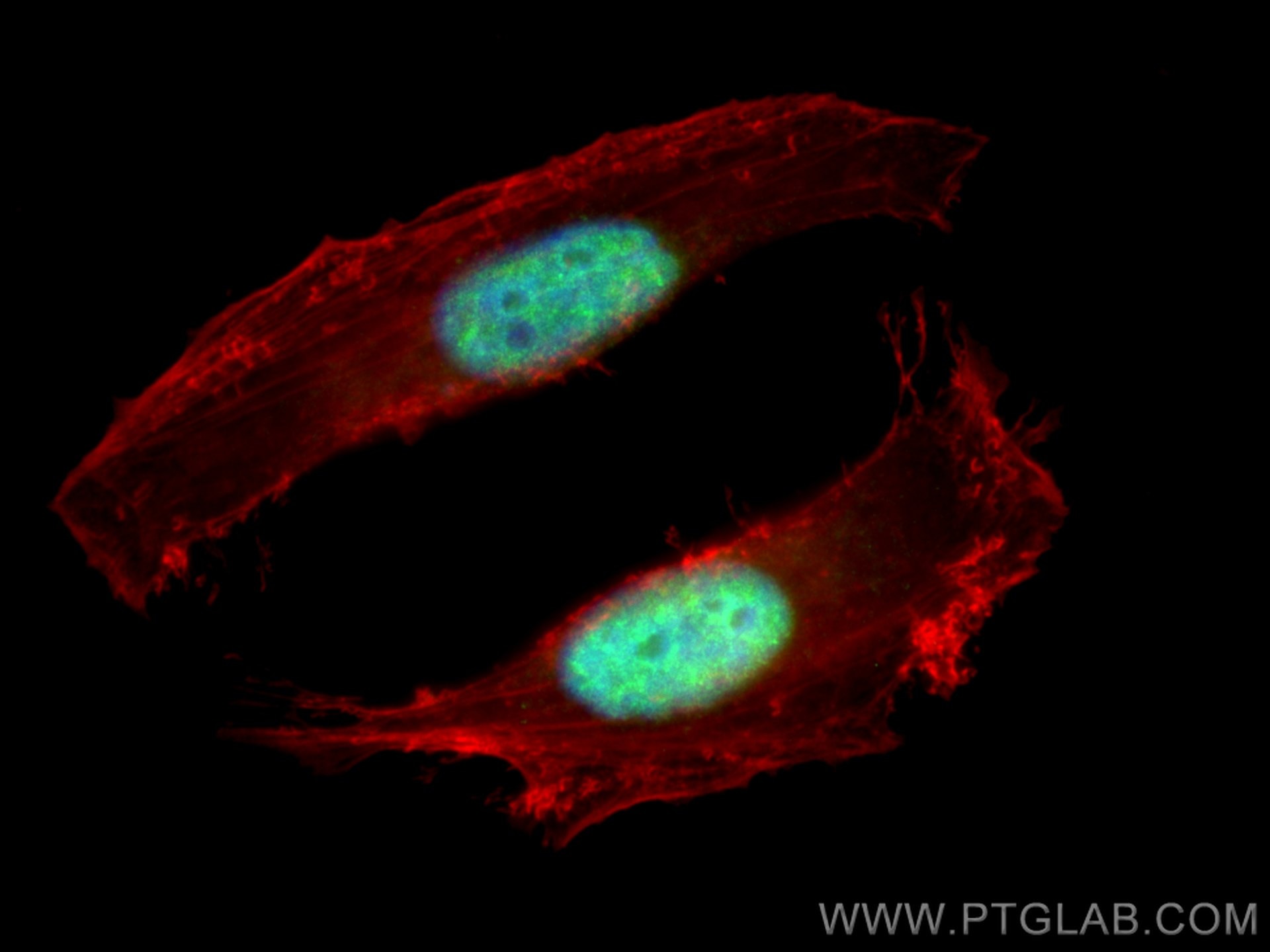
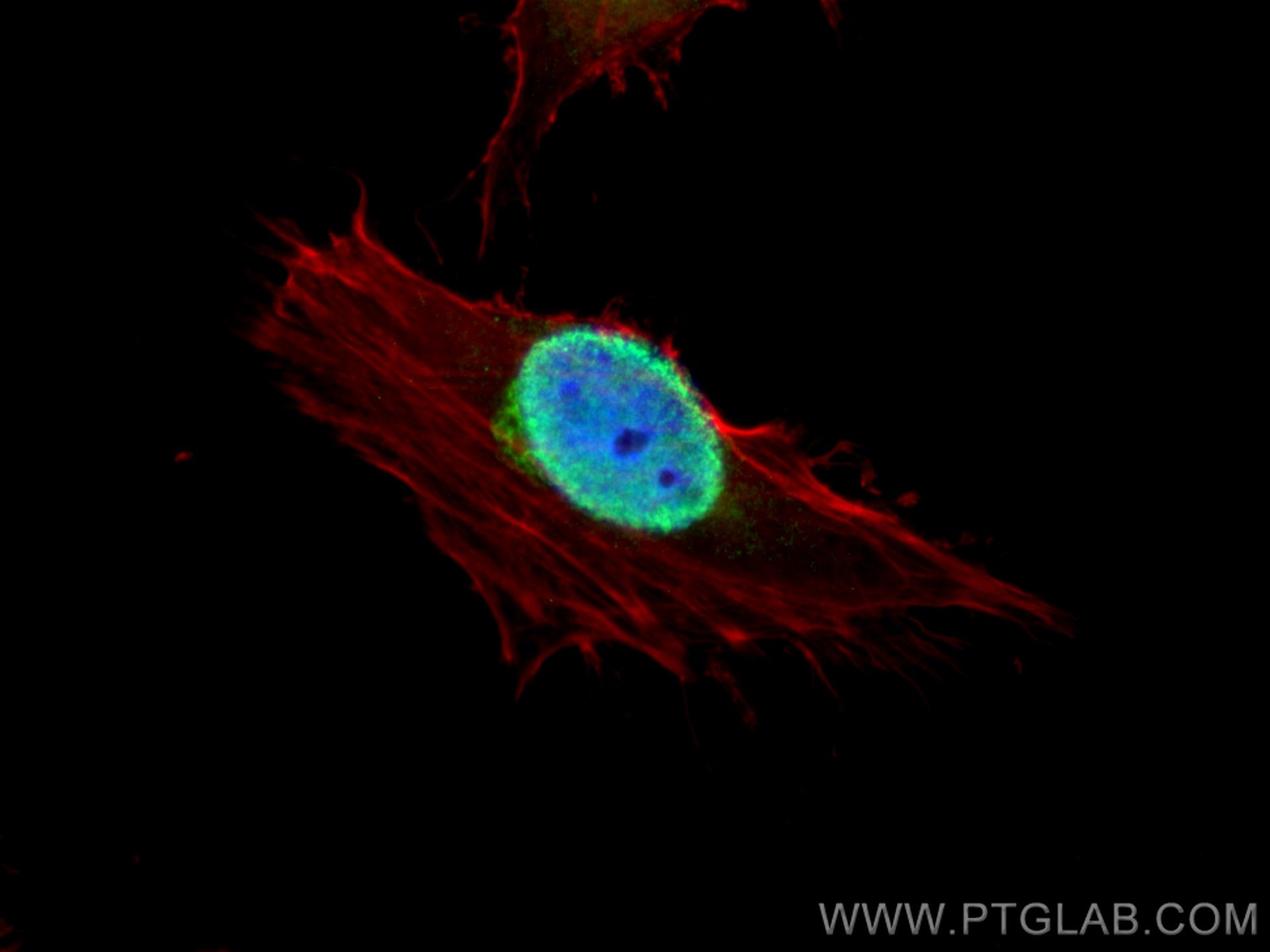
| Positive IF/ICC detected in | HeLa cells |
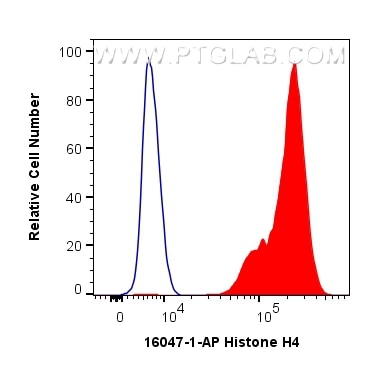
| Positive FC (Intra) detected in | HeLa cells |
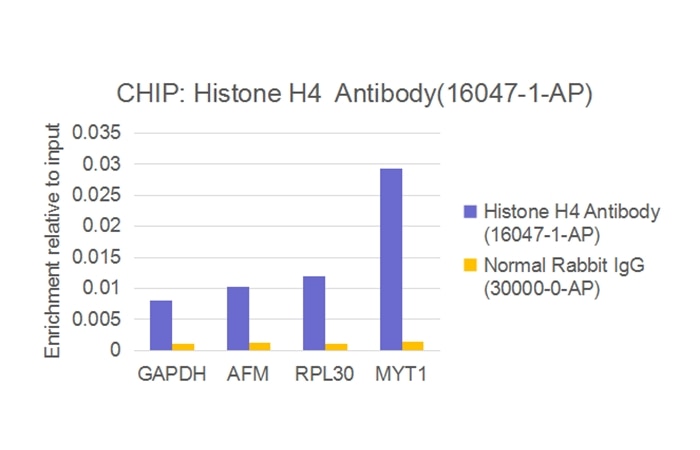
| Positive ChIP detected in | HEK-293 cells |
Recommended dilution
| Application | Dilution |
|---|---|
| Western Blot (WB) | WB : 1:500-1:1000 |
| Immunoprecipitation (IP) | IP : 0.5-4.0 ug for 1.0-3.0 mg of total protein lysate |
| Immunohistochemistry (IHC) | IHC : 1:400-1:1600 |
| Immunofluorescence (IF)/ICC | IF/ICC : 1:200-1:800 |
| Flow Cytometry (FC) (INTRA) | FC (INTRA) : 0.40 ug per 10^6 cells in a 100 ul suspension |
| Chromatin immunoprecipitation (ChIP) | CHIP : |
| It is recommended that this reagent should be titrated in each testing system to obtain optimal results. | |
| Sample-dependent, Check data in validation data gallery. | |
Product Information
16047-1-AP targets Histone H4 in WB, IHC, IF/ICC, FC (Intra), IP, CoIP, ChIP, RIP, ELISA applications and shows reactivity with human, mouse, rat samples.
| Tested Reactivity | human, mouse, rat |
| Cited Reactivity | human, mouse, rat, pig, bovine, yeast |
| Host / Isotype | Rabbit / IgG |
| Class | Polyclonal |
| Type | Antibody |
| Immunogen |
CatNo: Ag8999 Product name: Recombinant human Histone H4 protein Source: e coli.-derived, PGEX-4T Tag: GST Domain: 1-103 aa of BC012587 Sequence: MSGRGKGGKGLGKGGAKRHRKVLRDNIQGITKPAIRRLARRGGVKRISGLIYEETRGVLKVFLENVIRDAVTYTEHAKRKTVTAMDVVYALKRQGRTLYGFGG Predict reactive species |
| Full Name | histone cluster 1, H4e |
| Calculated Molecular Weight | 102 aa, 11 kDa |
| Observed Molecular Weight | 11-14 kDa |
| GenBank Accession Number | BC012587 |
| Gene Symbol | Histone H4 |
| Gene ID (NCBI) | 8367 |
| RRID | AB_2118625 |
| Conjugate | Unconjugated |
| Form | Liquid |
| Purification Method | Antigen affinity purification |
| UNIPROT ID | P62805 |
| Storage Buffer | PBS with 0.02% sodium azide and 50% glycerol, pH 7.3. |
| Storage Conditions | Store at -20°C. Stable for one year after shipment. Aliquoting is unnecessary for -20oC storage. 20ul sizes contain 0.1% BSA. |
Background Information
Histone H4 is a 103 amino acid protein, which belongs to the histone H4 family. Histone H4 localizes in the nucleus and is a core component of nucleosome. Nucleosomes wrap and compact DNA into chromatin, limiting DNA accessibility to the cellular machineries which require DNA as a template. Histones thereby play a central role in transcription regulation, DNA repair, DNA replication and chromosomal stability. DNA accessibility is regulated via a complex set of post-translational modifications of histones, also called histone code, and nucleosome remodeling.
Protocols
| Product Specific Protocols | |
|---|---|
| FC protocol for Histone H4 antibody 16047-1-AP | Download protocol |
| IF protocol for Histone H4 antibody 16047-1-AP | Download protocol |
| IHC protocol for Histone H4 antibody 16047-1-AP | Download protocol |
| IP protocol for Histone H4 antibody 16047-1-AP | Download protocol |
| WB protocol for Histone H4 antibody 16047-1-AP | Download protocol |
| Standard Protocols | |
|---|---|
| Click here to view our Standard Protocols |
Publications
What published studies show
Able is busy answering your previous question. Please try again later.
| Species | Application | Title |
|---|---|---|
Cell Insights into Nucleosome Organization in Mouse Embryonic Stem Cells through Chemical Mapping.
| ||
Cell Metab ACOT12-Dependent Alteration of Acetyl-CoA Drives Hepatocellular Carcinoma Metastasis by Epigenetic Induction of Epithelial-Mesenchymal Transition. | ||
Cell Res Mutual dependency between lncRNA LETN and protein NPM1 in controlling the nucleolar structure and functions sustaining cell proliferation. | ||
Cell Res SUMO suppresses and MYC amplifies transcription globally by regulating CDK9 sumoylation. | ||
Drug Resist Updat Acetate utilization promotes hormone therapy resistance in prostate cancer through neuroendocrine differentiation |
Reviews
What customers say
This antibody (16047-1-AP) received two reviews. One user performing Western Blot at a 1:1000 dilution rated it 5/5 but left no comments. Another reviewer gave it 4/5, noting it works well for ChIP experiments at 3 µg per experiment and is acceptable for Western Blot at a 1:2000 dilution. Overall, both reviewers report satisfactory performance across applications.
The reviews below have been submitted by verified Proteintech customers who received an incentive for providing their feedback.
Li (Verified Customer) (10-08-2026) |
|
Lucia (Verified Customer) (07-24-2025) | The antibody works well for CHIP experiments (3 ug per experiments) and acceptable for Western Blot (1:2000 dilution).
|

